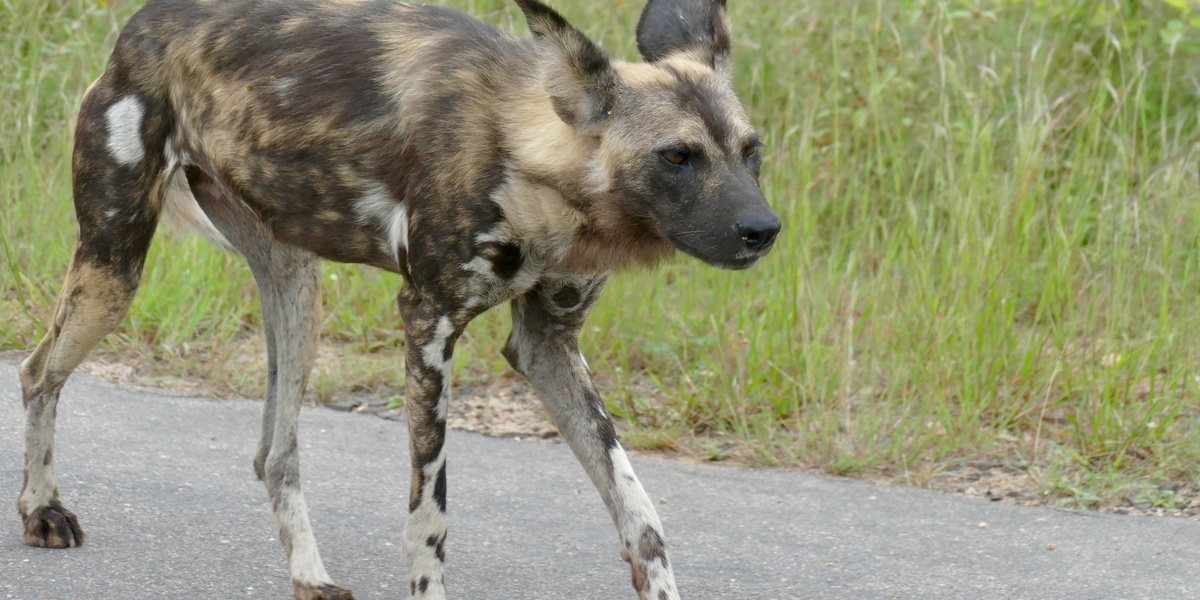
Zambia’s rivers, woodlands and savannas support a wide mix of wildlife, and some species here are uncommon or locally at risk. Different habitats across the country mean you can find both large mammals and less-obvious birds and reptiles depending on where you go.
There are 19 Rare Animals in Zambia, ranging from the African elephant to the White-backed vulture. For each species the list includes Scientific name,IUCN status,Where found so you can compare taxonomy, threat level and typical locations; you’ll find below.
How threatened are these animals in Zambia?
Threat levels vary: some species are listed as Vulnerable or Endangered on the IUCN Red List, while others face severe local declines from poaching, habitat loss and poisoning. The IUCN status in the list gives a global snapshot, but local populations can be better or worse — use the listed locations to judge where conservation action is most needed.
How can visitors responsibly see rare species?
Visit established parks with accredited guides, go in the dry season for better sightings, keep distance, avoid feeding or disturbing animals, and follow park rules. Supporting local guides and conservation fees helps protection on the ground and increases chances of seeing these species ethically.
Rare Animals in Zambia
| Name | Scientific name | IUCN status | Where found |
|---|---|---|---|
| African wild dog | Lycaon pictus | Endangered (2018) | Kafue, South Luangwa, Lower Zambezi, Liuwa Plain |
| Cheetah | Acinonyx jubatus | Vulnerable (2015) | Kafue, South Luangwa, Liuwa Plain |
| Leopard | Panthera pardus | Vulnerable (2016) | South Luangwa, Kafue, Lower Zambezi, national parks |
| African elephant | Loxodonta africana | Endangered (2021) | Kafue, Lower Zambezi, Luangwa Valley |
| Shoebill | Balaeniceps rex | Vulnerable (2017) | Bangweulu, Luapula wetlands, Kafue flats |
| Wattled crane | Bugeranus carunculatus | Vulnerable (2018) | Kafue flats, Bangweulu swamps, Luapula |
| Grey crowned crane | Balearica regulorum | Endangered (2016) | Kafue, Bangweulu, dambos across Zambia |
| Temminck’s pangolin | Smutsia temminckii | Vulnerable (2019) | Woodlands in southern and central Zambia |
| Tree pangolin | Phataginus tricuspis | Vulnerable (2019) | Northern woodlands and riverside forests |
| Kafue lechwe | Kobus leche kafuensis | Endangered (2008) | Kafue flats wetlands and floodplains |
| Puku | Kobus vardonii | Near Threatened (2016) | Kafue, Bangweulu, Luangwa floodplains |
| Sitatunga | Tragelaphus spekii | Near Threatened (2016) | Bangweulu, Luapula swamps, Zambezi wetlands |
| Slaty egret | Egretta vinaceigula | Vulnerable (2012) | Kafue flats, Bangweulu floodplain |
| Pel’s fishing owl | Scotopelia peli | Near Threatened (2016) | Lower Zambezi, Luangwa rivers, wooded riverbanks |
| White-backed vulture | Gyps africanus | Critically Endangered (2015) | Kafue, Luangwa, open savanna near parks |
| Hooded vulture | Necrosyrtes monachus | Critically Endangered (2017) | Scattered across Zambia, near settlements and protected areas |
| African skimmer | Rynchops flavirostris | Near Threatened (2016) | Zambezi and major rivers, sandbars and islands |
| Lesser flamingo | Phoeniconaias minor | Near Threatened (2016) | Occasional on alkaline pans like Kafue flats in high years |
| Secretarybird | Sagittarius serpentarius | Vulnerable (2019) | Open plains like Kafue, Liuwa Plain |
Images and Descriptions
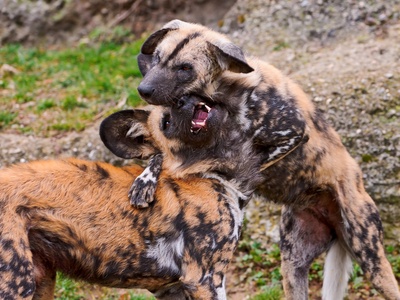
African wild dog
A medium-sized, patterned social predator with large rounded ears. Rare in Zambia because of small, fragmented packs; threatened by habitat loss, snaring and conflict with farmers. Best chance to see them on guided safaris in remote Kafue and Liuwa.
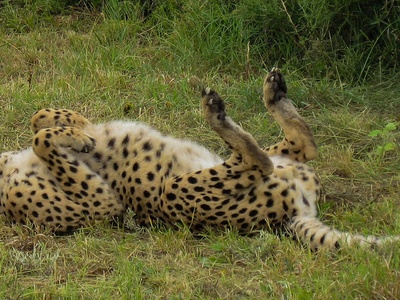
Cheetah
Slim, spotted, built for speed; cheetahs are scarce in Zambia compared with elephant or buffalo. Declines from habitat loss, livestock conflict and prey loss make sightings uncommon — easiest in open grasslands of Kafue and Liuwa on early-morning drives.
Leopard
Elusive big cat with rosettes; leopards survive in protected woodlands but are patchy and declining due to persecution and habitat fragmentation. Night drives in Luangwa and riverine hides in Lower Zambezi give the best, but not guaranteed, viewing.
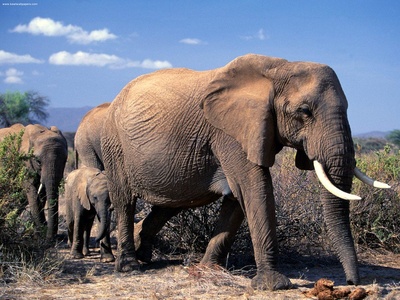
African elephant
Huge, unmistakable herbivore; globally endangered due to poaching and habitat loss. Elephants are still locally common in some parks, but populations are under pressure. Good viewing in Kafue and Lower Zambezi, though numbers vary by area.
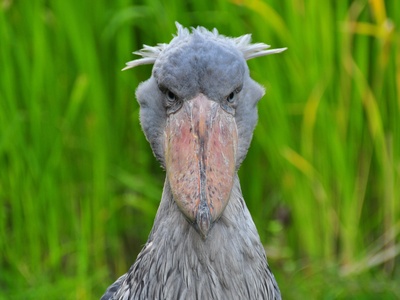
Shoebill
A bizarre, stork-like bird with a huge shoe-shaped bill. Rare and secretive, occurring in papyrus and swamp; threatened by wetland loss and disturbance. Dawn boat trips on Bangweulu or quiet wetland hides give the best chance.
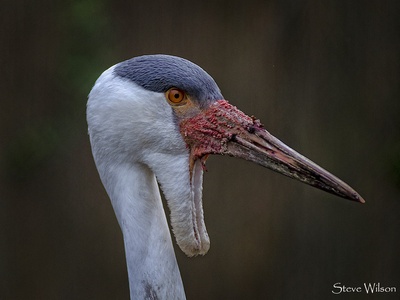
Wattled crane
Tall, elegant wetland crane with black-and-white plumage and red facial skin. Rare because of wetland drainage and disturbance; Kafue flats and Bangweulu are prime places to spot small, often solitary or paired birds.
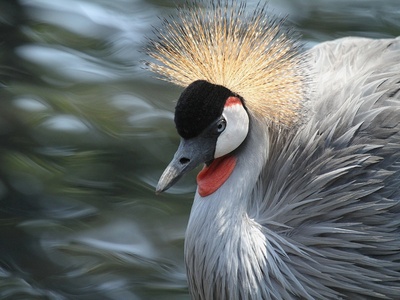
Grey crowned crane
Striking crane with golden crown of feathers; populations declining from habitat loss and capture for trade. Often seen in floodplain grasslands and dambos; Kafue and Bangweulu are your best bet, though flocks are small and scattered.
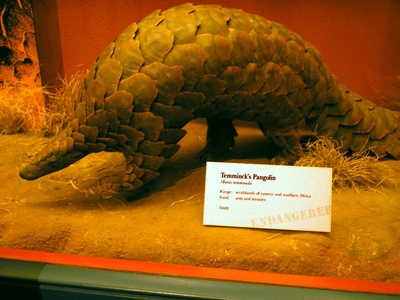
Temminck’s pangolin
A nocturnal, scale-armored mammal that rolls into a ball when threatened. Very seldom seen; heavily poached for scales and meat. Look for signs — digs and scale remnants — in miombo woodlands; guided trackers sometimes find individuals at night.

Tree pangolin
Smaller, arboreal pangolin with overlapping scales; secretive and rarely seen. Poaching and trafficking are the main threats. Drive quietly along forested river edges in northern provinces and ask local guides about nocturnal searches.

Kafue lechwe
A medium antelope adapted to deep floodplains with reddish-brown coat. Endemic subspecies with heavily reduced numbers due to overhunting and wetland degradation. Kafue National Park floodplains remain the primary — and best — place to try spotting them.
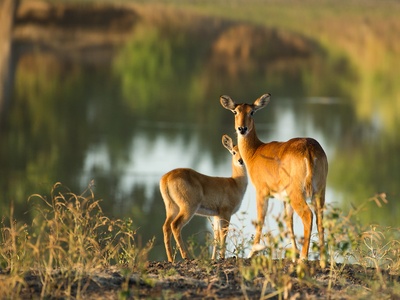
Puku
A reddish-brown marsh antelope that favors short grass near water. Nationally uncommon because of hunting and wetland loss; more readily seen in protected floodplain areas like Kafue and Bangweulu, often in small herds.
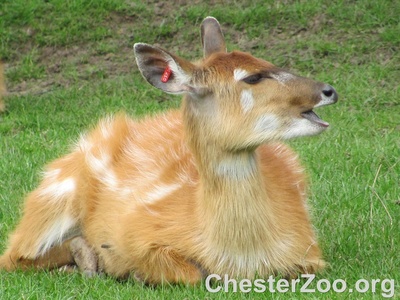
Sitatunga
A swamp-dwelling, splayed-hoofed antelope with shaggy coat; hard to spot in dense reedbeds. Local rarity stems from wetland drainage and hunting. Boat or canoe trips in Bangweulu give the best, stealthy viewing opportunities.
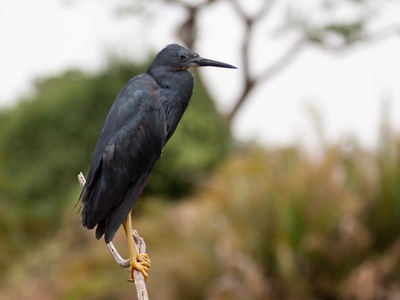
Slaty egret
A medium, dark-backed heron with a chestnut throat in breeding plumage; highly habitat-specific to seasonally flooded grasslands. Vulnerable due to wetland loss; Kafue flats and Bangweulu during flooding provide targeted viewing opportunities.
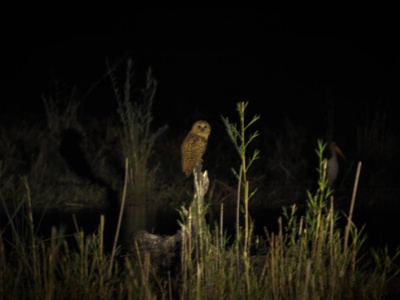
Pel’s fishing owl
Large, nocturnal owl with ear tufts that hunts fish near slow rivers. Rare and sensitive to disturbance; threatened by river pollution and habitat loss. Night boat or riverbank spotlighting in Lower Zambezi/Luangwa increases chances.
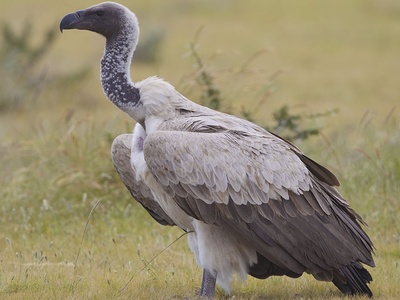
White-backed vulture
A large, pale-backed scavenger facing catastrophic declines from poisoning, electrocution and loss of carcasses. Once widespread, now scarce — look for small groups circling over protected savanna and near elephant carcasses in parks.
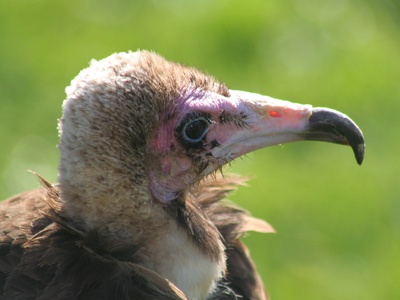
Hooded vulture
Small, slender vulture with a featherless hood; numbers have crashed from poisoning, persecution and trade. Often seen near villages, markets and roadkills; sightings are becoming rare and local.
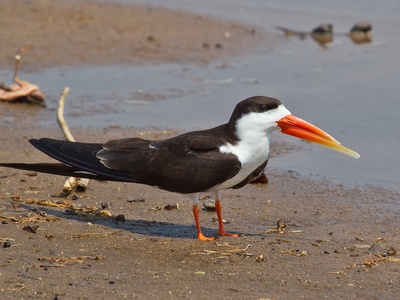
African skimmer
Black-and-white river bird with a unique lower bill for skimming. Vulnerable to river disturbance, sandbank loss and hunting; best spotted in calm mornings along wide river sandbars on the Zambezi and major tributaries.
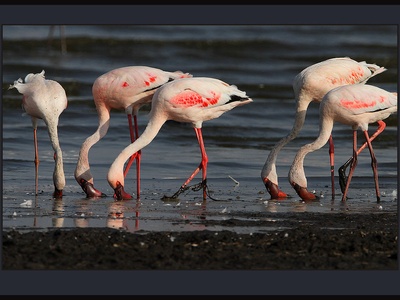
Lesser flamingo
Tiny, pink flamingo that gathers in large flocks at alkaline lakes and pans. Irregular visitor to Zambia; vulnerable from habitat change and food loss. Large seasonal flocks appear unpredictably on Kafue pans in wet years.
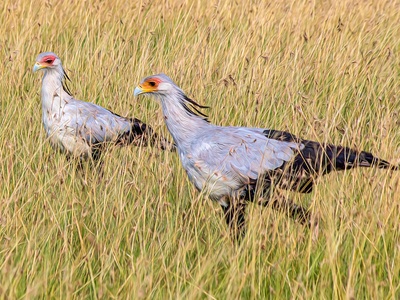
Secretarybird
Tall, crane-like raptor that hunts on foot across grasslands. Declining because of habitat conversion, persecution and pesticide use. Best seen in open savanna habitats such as Kafue and Liuwa where it patrols for snakes and insects.