Though potatoes and sweet potatoes are often swapped in recipes and grocery aisles, they come from entirely different parts of the plant and different families. Many cooks and shoppers treat all underground vegetables the same, which leads to cooking mishaps, poor storage choices, and surprises in the garden. This piece clears up that confusion with seven concrete differences that matter in the kitchen, on the farm, and for nutrition. You’ll get botany basics, culinary advice, and the agricultural and economic facts that change how you buy, cook, and grow these crops. For scale, the potato was domesticated roughly 8,000 years ago — and people have been learning the hard way which ones behave like roots and which act like stems.
Botanical and anatomical differences
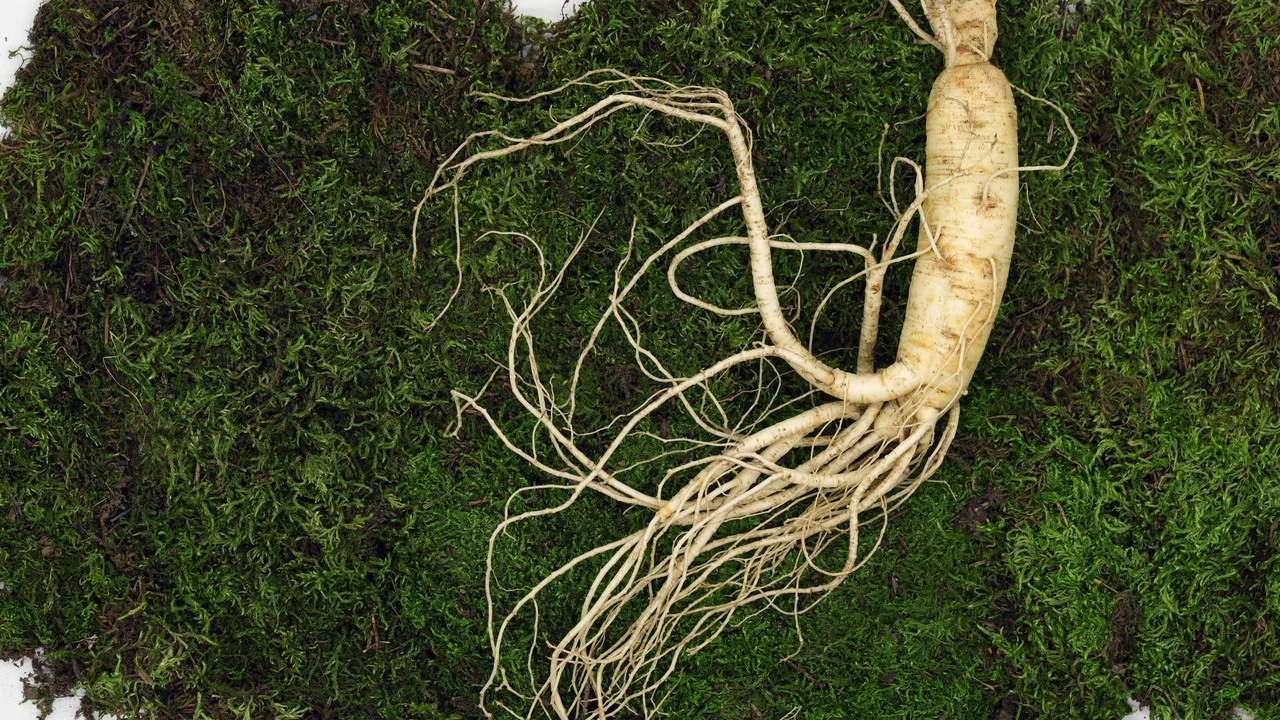
This category covers origin, developmental tissue, and plant classification. Roots and tubers come from different parts of the plant and develop distinct tissues. That botanical distinction matters for classification, propagation choices, and pest or disease management. Growers and gardeners use the difference to decide whether to save seed, plant cuttings, or avoid contaminating planting material.
1. Origin and botanical definition: root vs stem storage organ
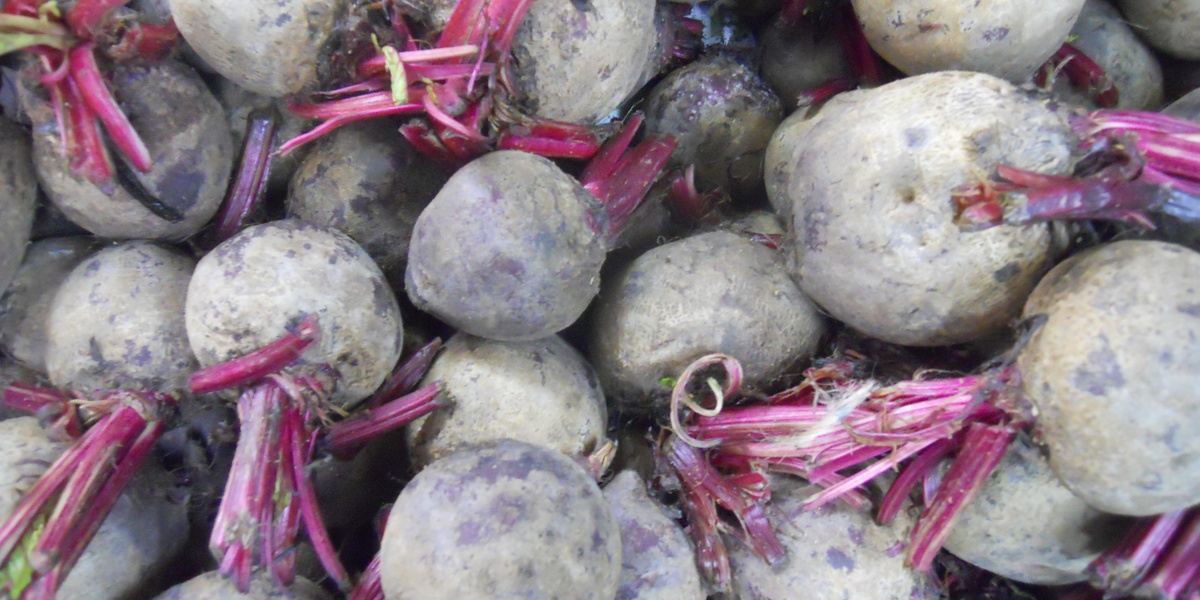
A root vegetable is an enlarged root; a tuber is an enlarged stem or stolon. Botanists define roots and stems by their tissues and structures. True roots (carrot, Daucus carota; beet) lack nodes and have a root-type vascular arrangement. Tubers (potato, Solanum tuberosum) form from stem tissue and show nodes or “eyes” that bear buds. The botanical families differ too: many classic roots come from Apiaceae or Amaranthaceae, while potatoes sit in Solanaceae. That matters practically: carrots and beets are grown from seed, whereas potatoes are planted from seed tubers or cut pieces, so tuber-borne pathogens can move with planting material.
2. Development and growth: how each stores energy
Both storage organs accumulate carbohydrates, but they do so in different tissues and concentrations. Potato tubers typically contain roughly 15–20% starch by fresh weight. Some starchy roots like cassava concentrate starch even more on a dry basis, often 20–30% or higher. Tubers store starch in parenchyma cells of stem-derived tissue; roots store it in root parenchyma. That cellular difference affects texture and processing: tuber starch granules and tissue structure make potatoes ideal for mashing and frying, while cassava is valuable for tapioca and flour production (cassava is often processed into starch industrially).
3. Classification and common mislabels: names that confuse
Produce labels and regional names create a lot of confusion. Sweet potato (Ipomoea batatas) belongs to the morning-glory family, Convolvulaceae, not Solanaceae; true yams are in Dioscoreaceae. Jerusalem artichoke is a tuberous sunflower, not related to globe artichoke. Historical trade and local naming practices explain much of the mess. A quick tip for shoppers and chefs: check the botanical or scientific name on specialty labels, or ask whether an item is a true yam, a sweet potato, or a tuberous root before swapping them in a recipe.
Culinary and nutritional differences
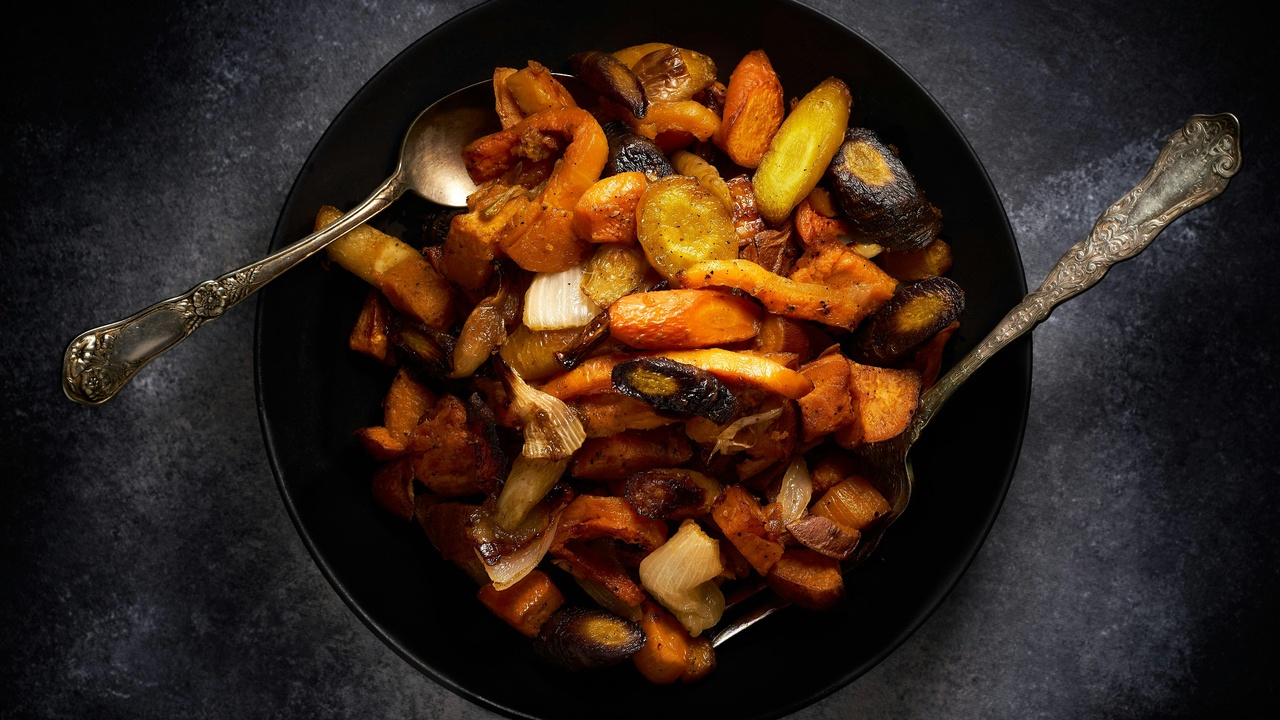
Botanical differences often predict culinary behavior: starch, moisture and fiber shape how a vegetable fries, roasts or mashes. That practical link matters for home cooks, restaurants, and nutrition planning. Knowing which underground plant parts are starchy tubers and which are firm roots helps you choose the right method and avoid soggy fries or gummy mash. Here we compare texture, cooking tips, and nutrient contrasts.
When deciding substitutions, remember the term root vegetables vs tubers appears in many recipe notes—but the best swap depends on starch and moisture, not the label.
4. Texture and cooking behavior: what to roast, mash, or fry
Starchier tubers, like russet potatoes, break down and become fluffy when cooked, making them ideal for mashing and crisping into fries. Firmer roots such as carrots and parsnips hold their shape when roasted or braised. Moisture matters: higher water content can prevent crisping and increase steaming time.
Practical tips: use high-starch potatoes (russets) for fries and dry-mash at about 200°C for roasting to get a crisp edge. For firmer roots, roast at 180–200°C with a little oil so they caramelize without falling apart. Soaking cut potatoes in cold water for 30–60 minutes removes surface starch and helps achieve crisper fries; the USDA food composition data supports starch and moisture differences between varieties.
5. Nutritional profiles: calories, fiber, vitamins and starch
Roots and tubers are calorie-dense carbohydrate sources, but they vary in sugar, fiber and micronutrients. Boiled potato has about 77 kcal per 100 g, while boiled sweet potato is roughly 86 kcal per 100 g (values vary by cultivar and preparation). Fiber content also shifts by species and cooking.
Sweet potatoes are rich in beta-carotene, a vitamin A precursor, giving them strong pro-vitamin A activity. Beets supply folate and dietary nitrates, which can support blood-pressure responses. White potatoes provide potassium and vitamin C with moderate fiber. These differences affect glycemic load and meal planning: choose a higher-fiber root to slow post-meal glucose spikes, or a beta-carotene–rich tuber when you want vitamin A benefits.
Agricultural, storage and economic differences

How these crops are planted, harvested and stored shapes supply chains and farmer income. Different pests, harvest equipment and storage needs force distinct labor patterns and post-harvest handling. Those differences influence seasonality, market price swings, and food-system resilience.
To illustrate scale: global potato production is about 370 million tonnes (FAO, 2020), underscoring how central tubers are to food systems worldwide.
6. Cultivation and harvest: planting methods and labor
True roots are typically direct-seeded into the soil. Tubers are usually planted as seed pieces, whole seed tubers, or stem cuttings (cassava). That affects labor and mechanization: potato production often involves hilling, irrigation and mechanized harvesters that lift and separate tubers from soil.
Carrots and beets are planted densely and run through root lifters and wash lines at packing houses. Cassava is commonly planted from stem cuttings, not seed. Yield and equipment vary widely; commercial potato yields commonly range from about 20–40 tonnes per hectare depending on region and inputs. Tubers also risk disease transmission through planting material, so seed certification and clean stock matter.
7. Storage, shelf life and market value
Storage life differs a lot. Properly cured and stored potatoes can keep for 3–6 months under cool, dark, ventilated conditions. Many fresh roots—turnips, unprocessed beets, and some parsnips—are best sold and eaten within weeks unless refrigerated or processed.
Best practices: store tubers at roughly 4–10°C with moderate humidity and ventilation; cure some species at warmer temperatures briefly to toughen skins. Post-harvest losses for roots and tubers can reach 20–30% in parts of sub-Saharan Africa and South Asia where storage and transport are limited. That affects seasonality and price volatility: good storage extends supply, smooths prices, and improves food security.
Summary
- Botanical source matters: roots (carrot, beet) are enlarged root tissue and are grown from seed, while tubers (potato, Jerusalem artichoke) are stem-derived and propagate from tubers or cuttings — so save seed for roots and certified seed tubers for potatoes.
- Cook with structure in mind: choose high-starch tubers like russets for fries and mash, and choose firm roots like carrots and parsnips for roasting or braising to keep texture and avoid soggy results.
- Match nutrition to need: sweet potatoes deliver beta-carotene; beets offer folate and nitrates; white potatoes contribute potassium and vitamin C — use these differences in meal planning and to manage glycemic load.
- Understand harvest and storage trade-offs: tuber planting and mechanized harvest differ from direct-seeded roots, and proper storage (4–10°C, curing where needed) can extend tuber shelf life to several months and reduce seasonal price swings.
- Put this knowledge to work: next time you shop or plant, choose the right crop for the recipe or garden task — remembering that root vegetables vs tubers behave differently in growth, cooking, and storage — and you’ll save time, reduce waste, and get better results.