A centuries-old royal ceremony in which white elephants were presented to Thai kings illustrates how animals have long shaped Thailand’s identity. That ritual—part of a wider history linking the monarchy, Buddhism and certain remarkable species—helps explain why many visitors arrive expecting encounters with living symbols as much as with landscapes. This piece lists 12 notable animals and shows how they weave through art, ritual, tourism and conservation across the kingdom.
These famous animals of thailand range from household names like the Siamese cat to rare seagrass grazers and forest giants. They influence festivals and handicrafts, attract wildlife travelers (supporting local economies), and often drive policy decisions about protected areas and anti-poaching. Read on for three organized groups: Cultural icons and national symbols; wildlife you can see in the wild; and endangered species with active conservation efforts.
Where helpful, I reference authoritative sources (IUCN, WWF, Thai Department of National Parks) and use concrete dates—Khao Yai National Park, for example, was established in 1962 as part of Thailand’s modern protected-area system—so you can follow up on protection and viewing opportunities.
Cultural Icons and National Symbols
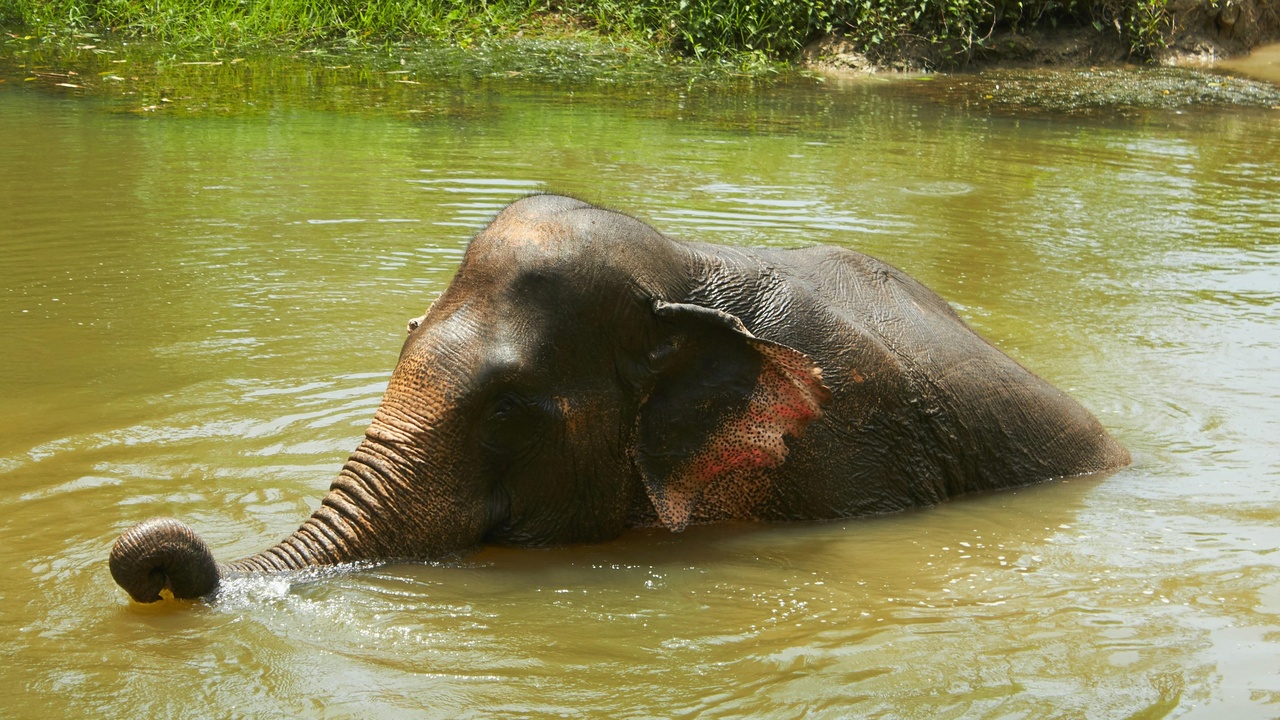
Across temples, textiles and royal regalia, certain species function as living emblems of Thai identity. Animals play roles in monarchy rituals, Buddhist iconography and folklore while also supplying motifs for handicrafts sold to tourists. These cultural ties create both demand for animal-themed experiences and responsibilities for their care and protection.
Economically, animal-focused tourism—temple visits, wildlife watching in national parks, and sanctuary stays—brings revenue to rural communities and funds conservation programs. At the same time, traditional uses (working animals, craft materials) persist in many provinces, making cultural preservation and wildlife protection interdependent goals (Thai DNP; UNESCO listings for some cultural practices).
Concrete landmarks link these strands: Khao Yai National Park (est. 1962) helped catalyze modern protected-area management, while royal histories such as white elephant ceremonies underscore the political value certain species have held for centuries (Thai Department of National Parks; historical sources).
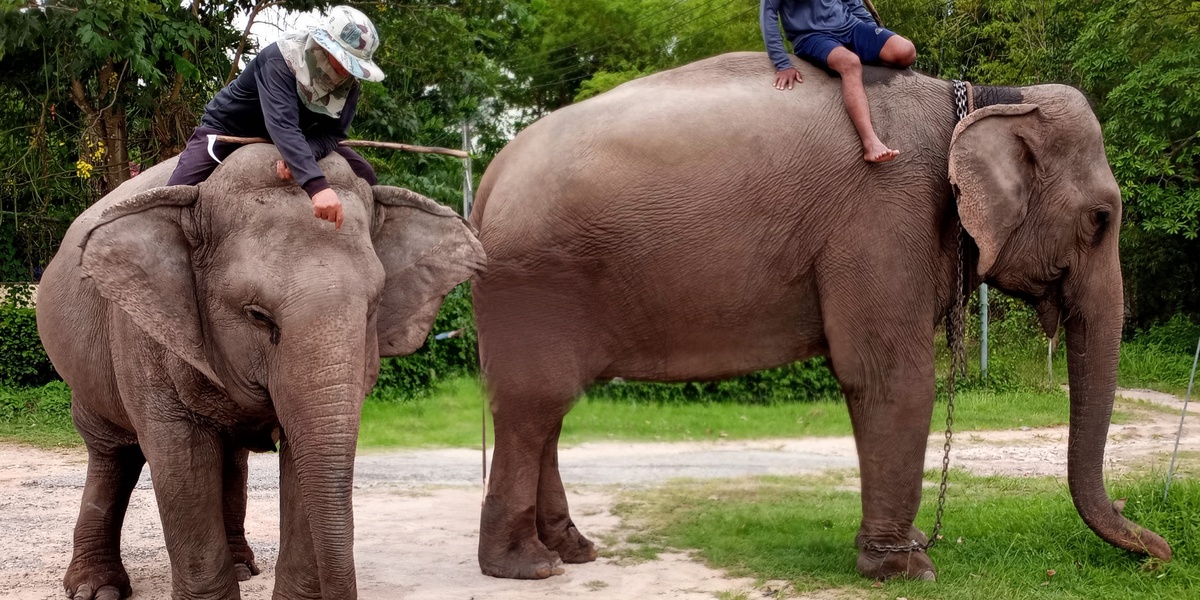
1. Asian Elephant (Elephas maximus) — Thailand’s living symbol
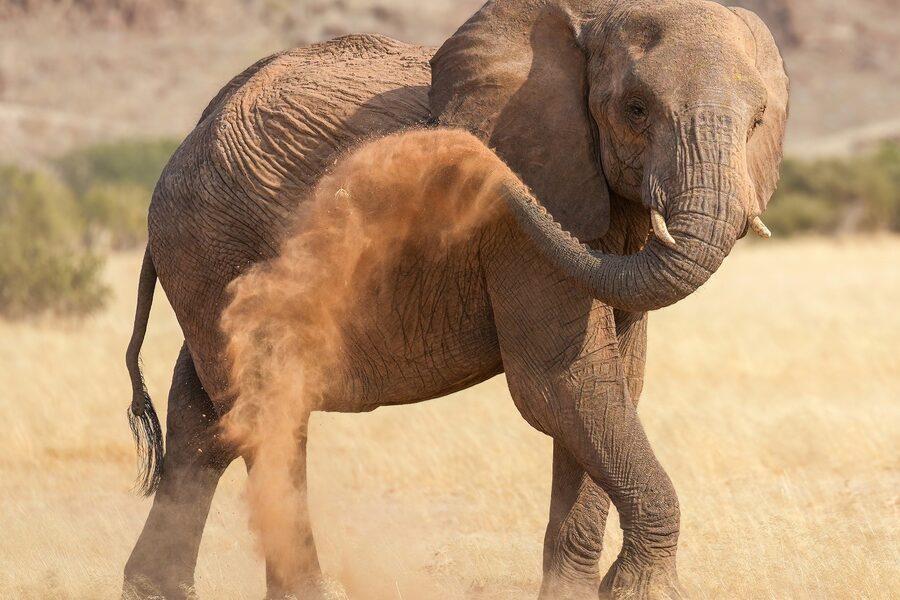
The Asian elephant is widely regarded as Thailand’s most famous animal and a living national symbol: it appears in temple art, royal history and contemporary conservation debates. Wild populations in Thailand are concentrated in protected areas such as Khao Yai, Kui Buri and several sanctuaries in the north and west (Thai DNP; IUCN).
Current authoritative estimates place Thailand’s wild Asian elephant population at roughly 2,500–3,000 individuals (IUCN; Thai DNP), though numbers vary by survey and region. Conservation efforts include protected-area management, human–elephant conflict mitigation, and ethical rescue centers such as Elephant Nature Park near Chiang Mai, which focuses on rehabilitation and visitor education.
Tourism has both positive and negative impacts: ethical sanctuaries that prohibit riding can fund care and reduce demand for exploitative camps, while crop raiding—an ongoing form of human–wildlife conflict—drives community-level solutions like fenced corridors and compensation schemes (NGO and government programs).
2. Siamese Cat — The royal feline with global fame
The Siamese cat originated in what was long called Siam and carried a special status in royal courts and temples before the breed’s export to Europe and North America in the late 1800s and early 1900s. Early Western travelers described the sleek, blue‑eyed cats kept by nobility, which helped spark international demand.
Today the Siamese is a cultural ambassador: museums, cat clubs and tourist shops regularly feature the breed, and its image is used on greeting cards, ceramics and textiles. Historic accounts and club records document those late‑19th‑century exports that made the Siamese a global celebrity (breed registries; museum archives).
3. King Cobra — Revered and feared in folklore
The king cobra occupies a striking place in Thai folklore and temple imagery: its hooded profile and ritual associations make it both feared and respected. Adults typically measure about 3–4 meters in length, making them the longest venomous snakes in Asia (herpetological sources; Thai DNP).
Biologically, the king cobra’s neurotoxic venom and large venom yield make bites dangerous, though mortality has decreased with improved medical care. Culturally, cobras appear in legends and traditional medicine debates; practically, many regions rely on trained snake rescue teams to remove snakes from villages and relocate them to safer habitat (local rescue organizations; DNP outreach programs).
4. Water Buffalo — Backbone of traditional Thai agriculture
For centuries the water buffalo powered rice agriculture across central and northeastern Thailand, pulling ploughs and preparing paddies in wet-season cycles. In many rural villages, small herds (often a few animals per household) remain part of daily life and local ceremonies.
Water buffaloes also feature in festivals—buffalo racing in parts of Isan is a popular cultural event—and in agritourism demonstrations that let visitors experience traditional rice farming. These animals provide ecosystem services in wetland fields and serve as living links to rural heritage (Thai Ministry of Agriculture data and regional festival reports).
Wildlife You Can See in the Wild
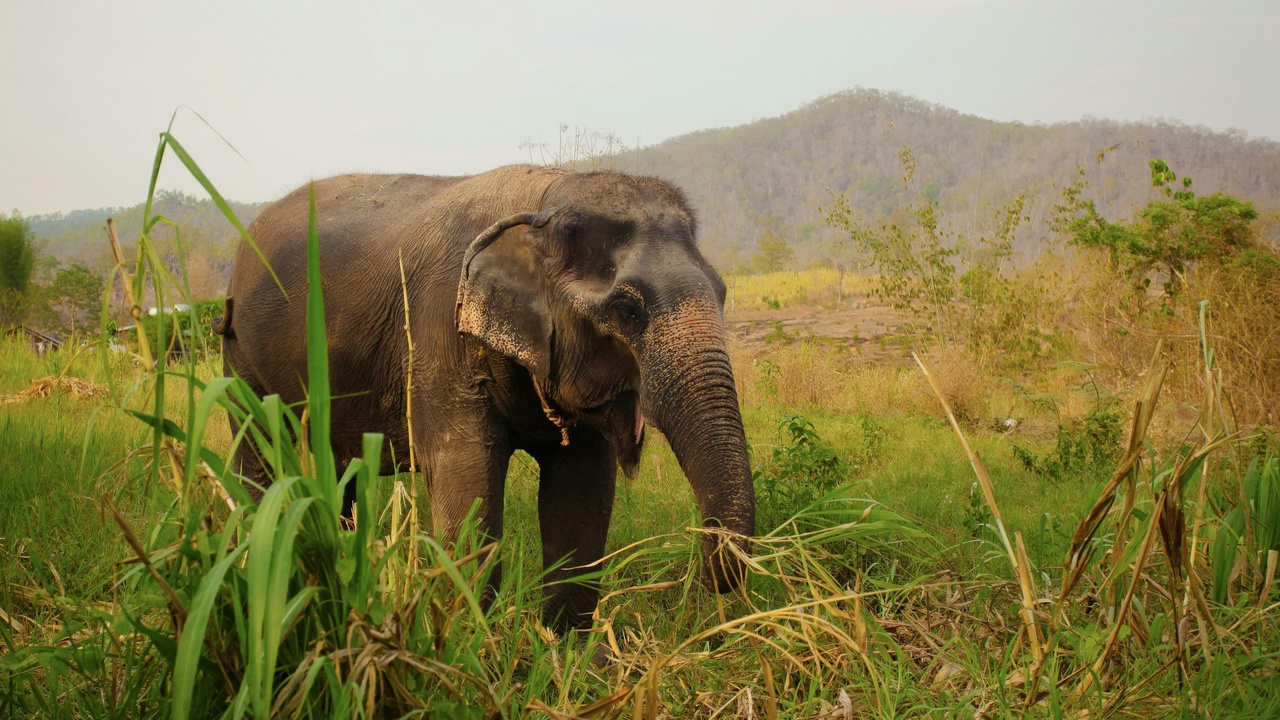
Thailand’s parks and reserves offer accessible opportunities to see iconic wildlife in natural settings. From central evergreen forests to southern rainforests and coastal seagrass beds, places such as Khao Yai (central), Khao Sok (south) and the Chiang Mai foothills host a range of species. Park establishment dates—Khao Yai in 1962 and Khao Sok in 1980—mark milestones in expanding legal protection and visitor infrastructure (Thai DNP).
Seasonality matters: dry-season trails often reveal mammals at waterholes, while breeding and fruiting seasons highlight birds and primates. Follow ethical viewing guidelines—keep distance, do not feed wildlife, hire certified local guides—and your visit will support conservation and local livelihoods (WWF; WCS recommendations).
Responsible wildlife tourism channels revenue into anti-poaching teams, community conservation and park management. Many parks publish visitor statistics and management plans—consult park offices or NGO reports before planning a trip to align expectations and help protect fragile populations.
5. Indochinese Tiger — The elusive forest cat
The Indochinese tiger once roamed broadly across Thailand’s forests but now survives in greatly reduced numbers or as functionally extirpated in many areas due to poaching and habitat loss. The species’ decline has driven the creation of intensive anti‑poaching patrols and camera‑trap monitoring programs in places like Huai Kha Khaeng Wildlife Sanctuary (IUCN; Panthera reports).
Tiger conservation shapes park management through stricter patrols, community engagement, and corridor projects intended to reconnect fragmented habitat. Recovery targets often depend on sustained funding and regional cooperation with neighboring countries to reduce poaching pressure and rebuild prey populations (conservation partnership programs).
6. White-handed Gibbon — The acrobat of the treetops
The white‑handed gibbon is best known for spectacular brachiation and dawn duets that carry across valleys. These territorial calls are a highlight of early‑morning wildlife tours in Khao Yai and other evergreen forests (primatology field guides; park birding notes).
Gibbons attract birdwatchers and primate enthusiasts, and canopy-oriented ecotourism—guided hikes, canopy towers—can generate income for local communities while incentivizing forest protection. Research projects monitor vocal territories and group sizes to inform management and trail placement (academic primatology studies).
7. Great Hornbill — A spectacular forest ambassador
The great hornbill’s large casque, striking plumage and booming calls make it a favorite among birders. Hornbills require large trees for nesting and serve as key seed dispersers, so their presence signals intact forest structure and regeneration potential (ornithological surveys; conservation NGOs).
Those interested in hornbills often visit southern reserves and lowland forests such as Khao Sok and trusted private reserves where nest-protection programs increase breeding success. Nest-box initiatives and community monitoring have helped bolster local populations in some areas (avian conservation reports).
8. Malayan Tapir — The patchwork forest dweller
The Malayan tapir’s black‑and‑white “patchwork” coat makes it unmistakable, yet its secretive habits and lowland rainforest preference make sightings rare. In Thailand tapirs persist mostly in southern lowland reserves, where habitat fragmentation is the principal threat (mammal surveys; IUCN).
Tapirs are frequently detected via camera traps, and such photographic records are valuable for raising public awareness and guiding protection of lowland rainforest tracts vulnerable to conversion. Visitor encounters are uncommon, so reports and photographic evidence help justify conservation priorities.
Endangered Species and Conservation Success Stories
Several of Thailand’s better‑known animals now face serious risks from development, fisheries, illegal trade and habitat loss. Conservation responses combine legal protection, community-based monitoring, rescue and rehabilitation, and habitat restoration. Below are examples that illustrate threats and steps toward recovery, with recent dates and estimates where available (IUCN; WWF; Thai DNP).
Legal frameworks—such as Thailand’s Wild Animal Reservation and Protection Act (B.E. 2535, enacted in 1992)—established national protection for many species and underpin rescue and enforcement work. Monitoring programs have produced population estimates and counts used to set recovery targets and prioritize sites for intervention.
9. Dugong — Gentle marine grazer of seagrass beds
Dugongs are slow‑moving grazers that maintain seagrass meadow health and productivity. In Thailand, dugongs occur in coastal areas including parts of the Gulf of Thailand and around Trang; they are vulnerable to gillnet entanglement and coastal development (WWF; Thai marine conservation groups).
Community monitoring initiatives—such as surveys around Songkhla and Trang provinces—help track local dugong sightings and inform seagrass restoration. Recent regional estimates suggest Thai dugong numbers are limited compared with historic levels, prompting local protection zones and fishery regulations (marine NGO surveys; Thai DNP assessments).
10. Irrawaddy Dolphin — The shy estuary specialist
The Irrawaddy dolphin is recognizable by its rounded forehead and short beak and is typically found in estuaries and coastal bays. Populations are fragmented, and local groups are reduced by bycatch, boat traffic and habitat alteration (IUCN; regional monitoring projects).
Research and regulated dolphin‑watching help reduce disturbance and bycatch risk. Local monitoring programs periodically publish survey counts that inform conservation measures; these counts show small, often vulnerable groups that need protected estuarine corridors to persist (government and NGO monitoring reports).
11. Sun Bear — The small bear with a big conservation need
Sun bears are the smallest Asian bears and are notable for their orange‑to‑cream chest patch and arboreal foraging. They face pressure from illegal trade and forest loss. Thailand hosts rescue and rehabilitation centers that treat confiscated bears and prepare individuals for possible release (wildlife rescue centers; TRAFFIC enforcement reports).
Rehabilitation centers pair veterinary care with community outreach aimed at reducing demand for bear products. Law enforcement seizures and subsequent public education campaigns have helped reduce visible trade, though sustained pressure on habitat remains a key threat.
12. Gaur — Southeast Asia’s giant bovine and a conservation priority
The gaur is one of the largest wild cattle in Asia and plays an important role as a browser and grazer across forested landscapes. In Thailand, gaurs persist in fragmented populations and are vulnerable to hunting and habitat conversion (IUCN; regional conservation reports).
Conservation approaches emphasize landscape-scale planning—corridor creation, anti‑poaching patrols and community partnerships. Protected areas that still hold gaur populations are priorities for monitoring and habitat connectivity projects intended to reduce isolation and support genetic exchange.
Summary
- Many of Thailand’s best-known wildlife — from the Asian elephant to the Siamese cat — are woven into culture and economy, meaning protection often requires balancing tradition, tourism and science.
- Protected areas (Khao Yai, est. 1962; Khao Sok, later expansions) and community monitoring provide practical ways to safeguard species, while ethical tourism (no‑ride elephant centers, regulated wildlife viewing) funnels revenue to conservation.
- Several culturally important animals are also at risk: targeted protections (laws enacted in 1992 under Thailand’s wildlife act), rescue centers and habitat restoration are essential for dugongs, Irrawaddy dolphins, sun bears and large mammals like gaur.
- Concrete actions: choose certified guides and ethical sanctuaries, donate to reputable organizations (IUCN, WWF, or vetted Thai NGOs), and support habitat projects such as seagrass and forest corridor programs to help these species thrive.