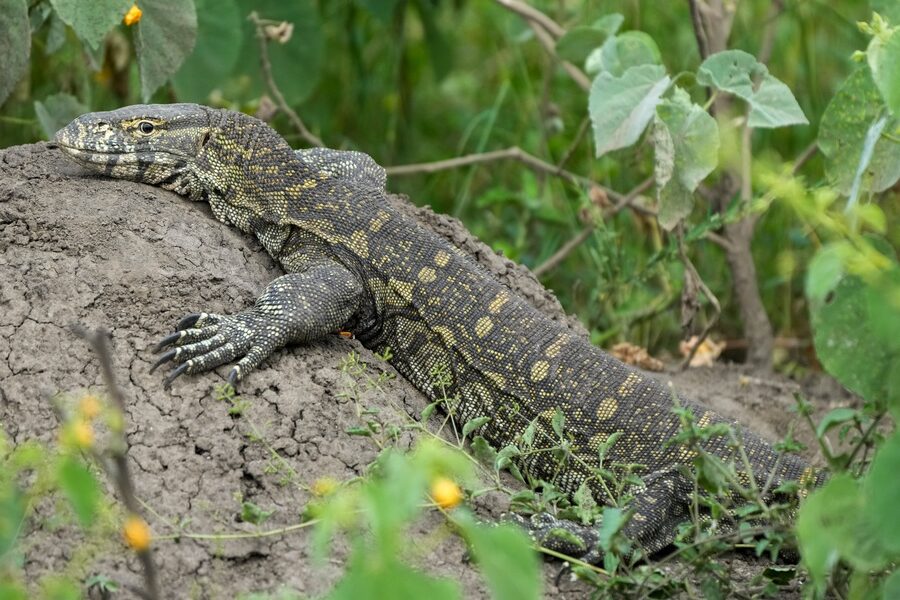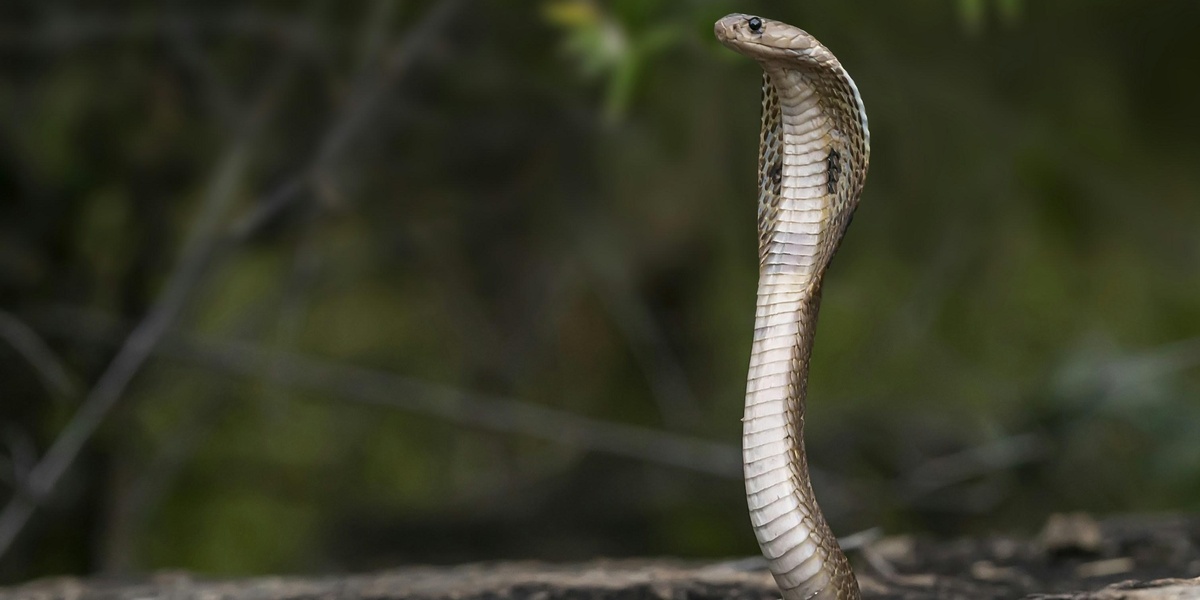
Vietnam’s mix of tropical forests, rivers, mangroves and crowded urban edges creates the kind of biodiversity that both fascinates and demands respect. Locals and visitors navigate seasonal shifts, agricultural landscapes and protected parks where encounters with wildlife — from insects to large mammals — can have real health and safety implications.
There are 30 Dangerous Animals in Vietnam, ranging from Aedes mosquito to Wild boar. For each entry you’ll see Scientific name,Danger (type / severity 1-5),Where found (regions / habitat); you’ll find below.
Which animals pose the biggest risk to visitors and locals?
The highest immediate risks are disease-carrying mosquitoes (notably Aedes), venomous snakes, aggressive wild boar in rural/forest areas, and certain aquatic threats (crocodiles, jellyfish in some coasts). Risk depends on region and season, so prioritize mosquito protection, avoid walking alone at dusk in snake country, and heed local warnings.
How can I reduce my chance of a dangerous encounter or a serious bite?
Use repellents (DEET/picaridin), sleep under nets when advised, wear long sleeves and sturdy boots in rural areas, avoid feeding or approaching wildlife, keep campsites clean, and get prompt medical care for bites or suspected infections. Check local health guidance and carry basic first-aid and emergency contacts.
Dangerous Animals in Vietnam
| Name | Scientific name | Danger (type / severity 1-5) | Where found (regions / habitat) |
|---|---|---|---|
| King cobra | Ophiophagus hannah | Venomous / 5 | Lowland forests, agricultural edges, nationwide |
| Monocled cobra | Naja kaouthia | Venomous / 5 | Lowlands, rice paddies, villages, widespread |
| Many-banded krait | Bungarus multicinctus | Venomous / 5 | Rice paddies, roadside ditches, lowland regions |
| Malayan krait | Bungarus candidus | Venomous / 5 | Rural lowlands, agricultural areas, wetlands |
| Russell’s viper | Daboia siamensis | Venomous / 5 | Dry fields, farmland, grassland edges, southern/central regions |
| White-lipped pit viper | Trimeresurus albolabris | Venomous / 4 | Forests, gardens, agricultural edges, lowland to montane |
| Brown spotted pit viper | Protobothrops mucrosquamatus | Venomous / 4 | Montane and forested areas, northern regions |
| Temple (Wagler’s) pit viper | Tropidolaemus wagleri | Venomous / 4 | Mangroves, lowland forests, southern islands |
| Saltwater crocodile | Crocodylus porosus | Large/aggressive / 5 | Southern coasts, mangroves, Mekong estuary |
| Asian elephant | Elephas maximus | Large/aggressive / 5 | Central highlands, Annamite range, protected forests |
| Wild boar | Sus scrofa | Large/aggressive / 4 | Forests, scrub, agricultural lands, nationwide |
| Sun bear | Helarctos malayanus | Large/aggressive / 3 | Lowland tropical forests, central and southern regions |
| Asiatic black bear | Ursus thibetanus | Large/aggressive / 3 | Montane forests, northern Vietnam |
| Gaur | Bos gaurus | Large/aggressive / 3 | Primary forests, protected areas, central highlands |
| Banteng | Bos javanicus | Large/aggressive / 3 | Grasslands, forest edge, protected reserves |
| Long-tailed macaque | Macaca fascicularis | Aggressive/disease vector /3 | Coastal temples, towns, forests, widespread |
| Domestic/stray dog | Canis lupus familiaris | Disease vector/rabies/aggressive /5 | Urban and rural areas, nationwide |
| Large fruit bat (flying fox) | Pteropus vampyrus | Disease vector /4 | Forest roosts, fruiting trees, rural fringes |
| Brown rat | Rattus norvegicus | Disease vector /3 | Urban sewers, markets, rice storage, nationwide |
| Aedes mosquito | Aedes aegypti | Disease vector/dengue, chikungunya /4 | Urban, peri-urban, standing water sites, nationwide |
| Anopheles mosquito | Anopheles dirus | Disease vector/malaria /4 | Forest fringe, rural, southern and central highlands |
| Stonefish | Synanceia verrucosa | Venomous /4 | Shallow reefs, sandy flats, south-central coasts |
| Lionfish | Pterois volitans | Venomous /3 | Coral reefs, rocky bottoms, coastal waters |
| Cone snail | Conus geographus | Venomous /5 | Coral reefs, sandy substrates, shallow tropical seas |
| Banded sea krait | Laticauda colubrina | Venomous /5 | Coastal reefs, intertidal zones, southern islands |
| Giant freshwater stingray | Urogymnus polylepis | Large/venomous /5 | Mekong River, Tonle Sap tributaries, Mekong Delta |
| Asian forest scorpion | Heterometrus spinifer | Venomous /2 | Forest floor, leaf litter, humid lowlands, southern regions |
| Large centipede | Scolopendra subspinipes | Venomous /2 | Forests, houses, leaf litter, tropical regions |
| Brown widow spider | Latrodectus geometricus | Venomous /2 | Buildings, woodpiles, urban areas, nationwide |
| Asian hornet | Vespa tropica | Venomous (mass stings) /3 | Forests, orchards, villages, agricultural areas |
Images and Descriptions
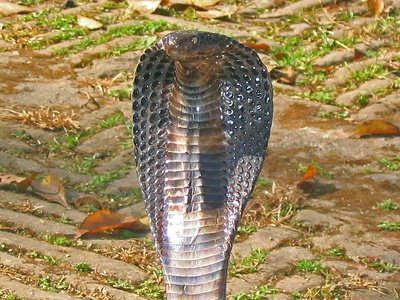
King cobra
Largest venomous snake in Vietnam; olive to brown with hood. Delivers large neurotoxic bites that can be fatal. Avoid startling in forested areas; keep distance. Seek immediate antivenom and respiratory support after proven bite.
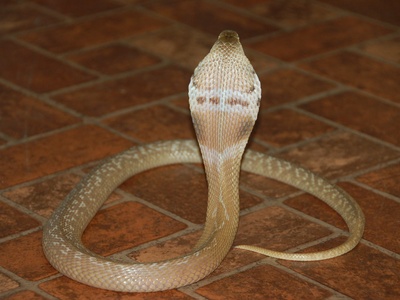
Monocled cobra
Medium-large cobra with circular “monocle” hood mark. Potent neurotoxic venom causes paralysis and respiratory failure. Common near homes and fields at night. Stay clear, do not attempt capture; immobilize limb and get antivenom quickly.
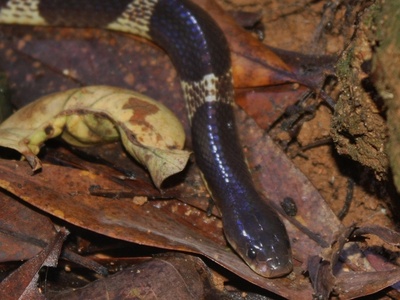
Many-banded krait
Black-and-white banded nocturnal snake with powerful neurotoxin. Bites often painless initially but progress to paralysis hours later. Wear footwear at night, avoid handling. Immediate hospital transfer for antivenom and monitoring is critical.
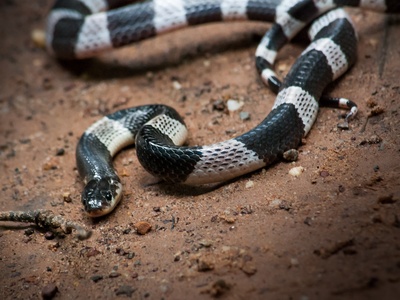
Malayan krait
Black-and-white banded krait with highly neurotoxic venom. Nocturnal and secretive; bites may occur while people sleep. Use mosquito nets, check bedding and shoes. Seek urgent antivenom and respiratory support if symptoms develop.
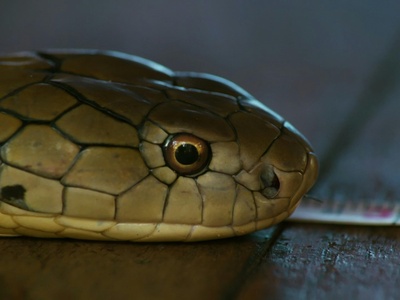
Russell’s viper
Stocky, patterned viper causing severe coagulopathy, bleeding and kidney injury. Active around farms and rubbish. Wear boots, avoid tall grass. Do not use tourniquets; get rapid transport for antivenom and supportive care.
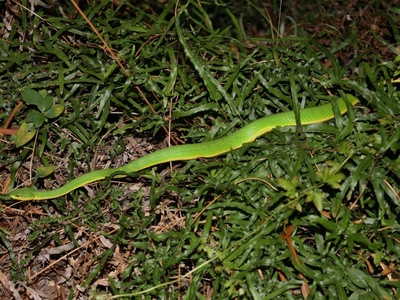
White-lipped pit viper
Green arboreal viper with white lip stripe; ambushes from vegetation. Causes painful swelling, bleeding and tissue damage. Watch foliage and step carefully. Immobilize limb and seek medical attention; antivenom sometimes required.
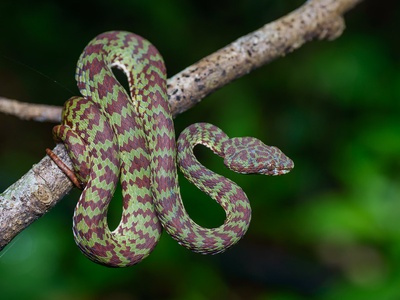
Brown spotted pit viper
Brownish, keeled scales with triangular head; causes local necrosis, pain and systemic effects. Found on forest floor and near streams. Wear boots, use light at night. Rapid wound care and hospital assessment recommended.
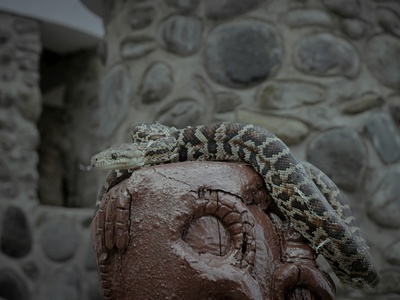
Temple (Wagler’s) pit viper
Stocky, banded arboreal viper often near water and trees. Bite produces severe pain, swelling and coagulopathy risk. Avoid tree branches at dusk; seek medical attention promptly and avoid suction or cutting the wound.
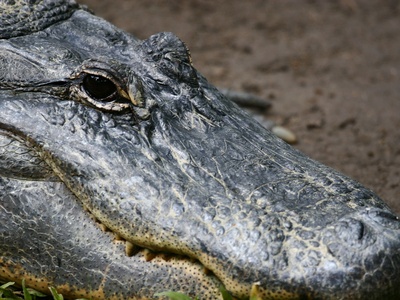
Saltwater crocodile
Large estuarine crocodile capable of ambush attacks on people and boats. Found in mangroves and tidal rivers. Avoid swimming near mangrove banks, especially at night. If attacked, get immediate rescue and emergency trauma care.
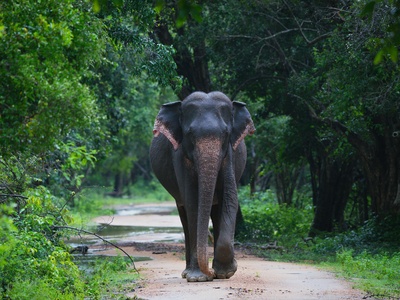
Asian elephant
Rare but present wild elephants can charge when threatened or during crop raids. Large size makes encounters deadly. Give wide berth, avoid approaching calves, back away slowly. In trampling incidents, emergency trauma care is needed.
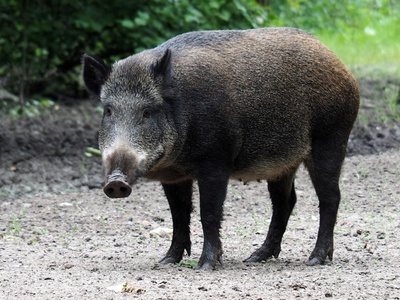
Wild boar
Stocky pig with tusks; charges and gore humans when cornered or protecting young. Common near fields and trails. Make noise when walking, avoid surprise encounters. Seek wound cleaning and tetanus/rabies advice after bites.
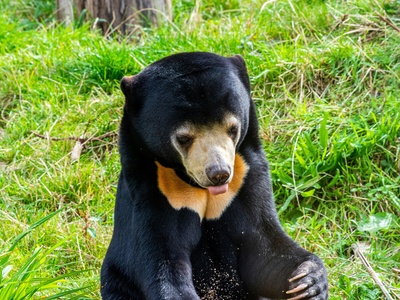
Sun bear
Short, stocky bear with distinctive chest patch; can be aggressive if surprised. Climbing and foraging near villages occurs. Avoid approaching, secure food. In attack, try to retreat to vehicle or high place; seek medical and wound care.
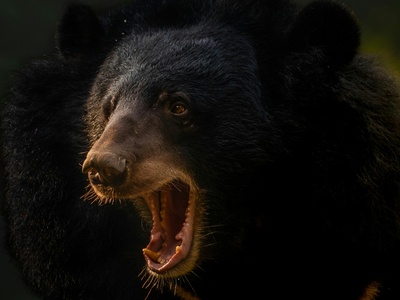
Asiatic black bear
Black bear with white chest mark; defensive aggression possible near cubs. Avoid hiking alone in thick forest, make noise. In attack, prioritize escape; treat wounds and fractures urgently and follow tetanus/rabies guidance if bitten.
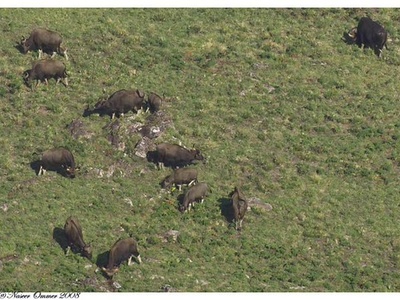
Gaur
Large wild cattle with massive build; can charge when threatened. Give space, avoid calves and dense cover. If charged climb tree or get behind obstacle. Trauma and crushing injuries require emergency medical care.
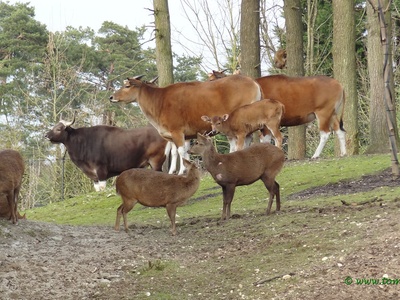
Banteng
Wild cattle similar to domestic cattle; can be unpredictable and charge when startled. Keep distance during encounters. Avoid approaching herds; treat injuries for bleeding and infection risk.
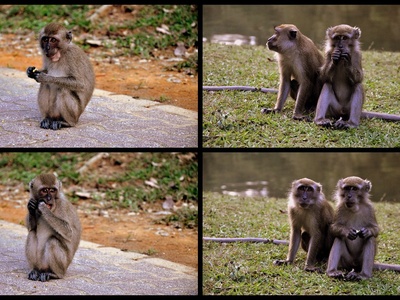
Long-tailed macaque
Bold monkeys that bite or scratch to steal food; can transmit rabies and bacteria. Do not feed or approach, secure belongings. Clean wounds immediately, seek rabies prophylaxis if bitten.
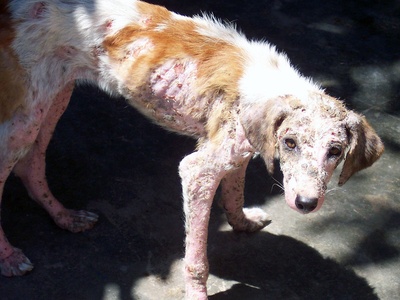
Domestic/stray dog
Primary rabies source in Vietnam; bites and scratches cause high human rabies risk. Avoid stray dogs, vaccinate pets. Any bite requires wound cleaning and immediate rabies post-exposure prophylaxis per health guidelines.
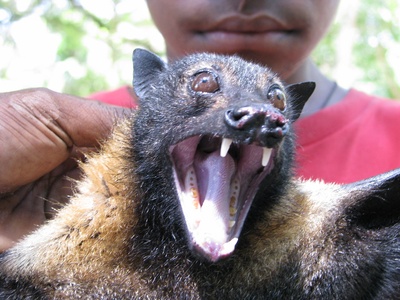
Large fruit bat (flying fox)
Large fruit bat that can carry zoonotic viruses; risky when handled. Avoid direct contact with bats and fruit they contaminate. Report sick bats; seek medical advice if bitten or exposed to bat fluids.
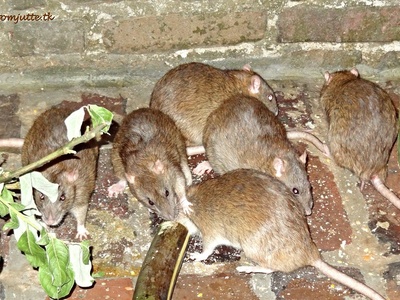
Brown rat
Common rodent carrying leptospirosis, hantaviruses and bacterial pathogens. Avoid handling, seal food stores and control infestations. Seek medical care and antibiotics for suspected rodent-exposure illnesses or suspicious symptoms.
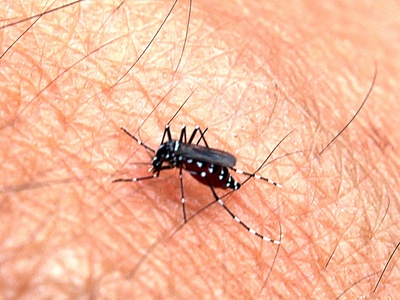
Aedes mosquito
Small day-biting mosquito breeds in containers; transmits dengue, Zika and chikungunya. Use repellents, window screens and remove standing water. Seek medical care for high fever or severe pain; stay hydrated and monitor.

Anopheles mosquito
Night-biting forest mosquito that transmits malaria; common in shaded, humid areas. Use bed nets, repellents and antimalarial prophylaxis where advised. Prompt testing and treatment for fever after forest exposure is essential.
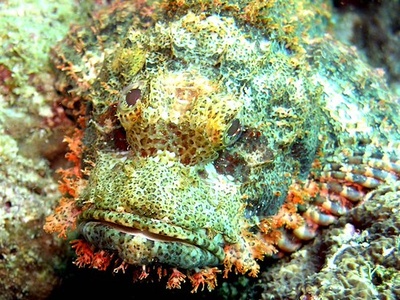
Stonefish
Camouflaged reef fish with potent venomous dorsal spines; stepping on one causes excruciating pain and possible systemic effects. Wear protective footwear in shallow water. Immerse limb in hot water and seek urgent medical care for antivenom and wound management.
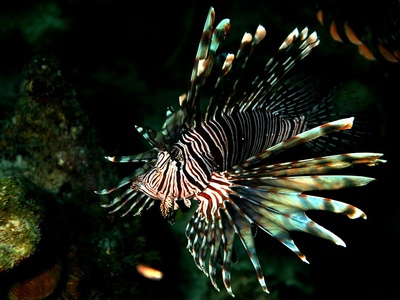
Lionfish
Striped, spiky ornamental fish with venomous dorsal spines causing intense pain, swelling and nausea. Do not touch; handle only with tools and training. Hot-water immersion reduces pain; seek emergency care for severe reactions.
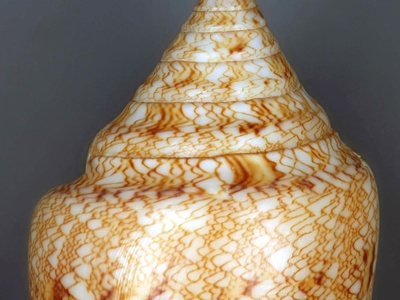
Cone snail
Attractive patterned shell hides a harpoon-like venomous snail; sting can cause paralysis and death. Do not handle live cone snails. Immediate hospital care is required; antivenom not available so supportive respiratory care may be lifesaving.
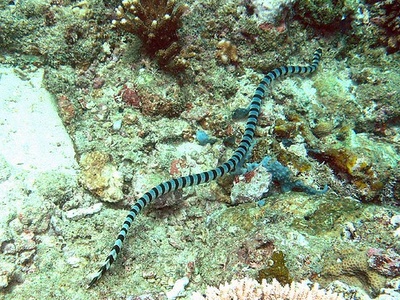
Banded sea krait
Black-and-white banded sea snake often near shore; highly venomous neurotoxin. Generally non-aggressive but dangerous if handled. Avoid touching sea snakes; seek urgent antivenom and respiratory support after any confirmed bite.
Giant freshwater stingray
Very large ray with venomous tail spine in murky rivers; stepping on or close boat encounters cause severe envenomation and trauma. Shuffle feet in shallow water, avoid shallow riverbeds. Hot water immersion and urgent hospital care required.
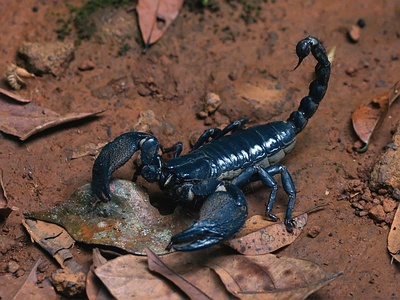
Asian forest scorpion
Large black scorpion delivering painful stings; venom rarely fatal but causes intense pain and local swelling. Wear boots at night and check bedding. Clean sting, apply cold compress and seek medical care for severe reactions.
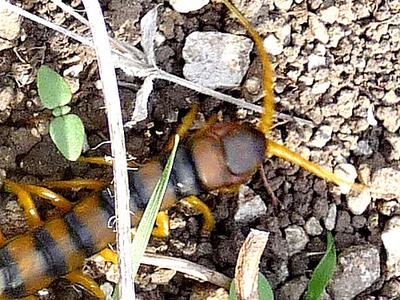
Large centipede
Fast-moving reddish-brown centipede with venomous forcipules causing severe pain, swelling and occasional systemic symptoms. Check shoes and bedding, avoid bare-footing. Clean wound, manage pain and seek medical attention for allergic or severe responses.
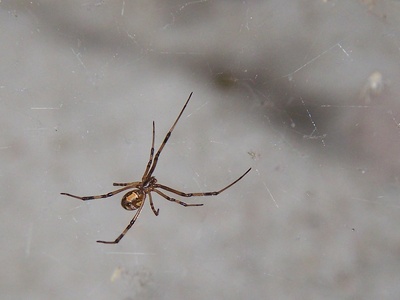
Brown widow spider
Small globular spider often around human structures; bite may cause pain, muscle cramps and nausea but rarely fatal. Avoid handling, clear clutter. Clean bite, apply ice and seek medical advice if systemic symptoms develop.
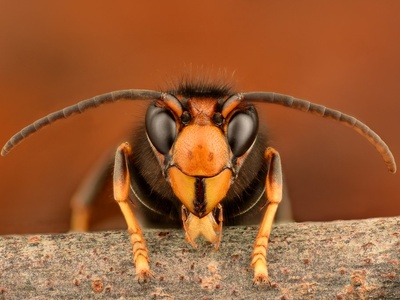
Asian hornet
Aggressive social hornet that can attack in numbers causing life-threatening allergic reactions or shock. Avoid nests, do not swat near hives. If stung multiple times or allergic, seek emergency care for epinephrine and supportive treatment.