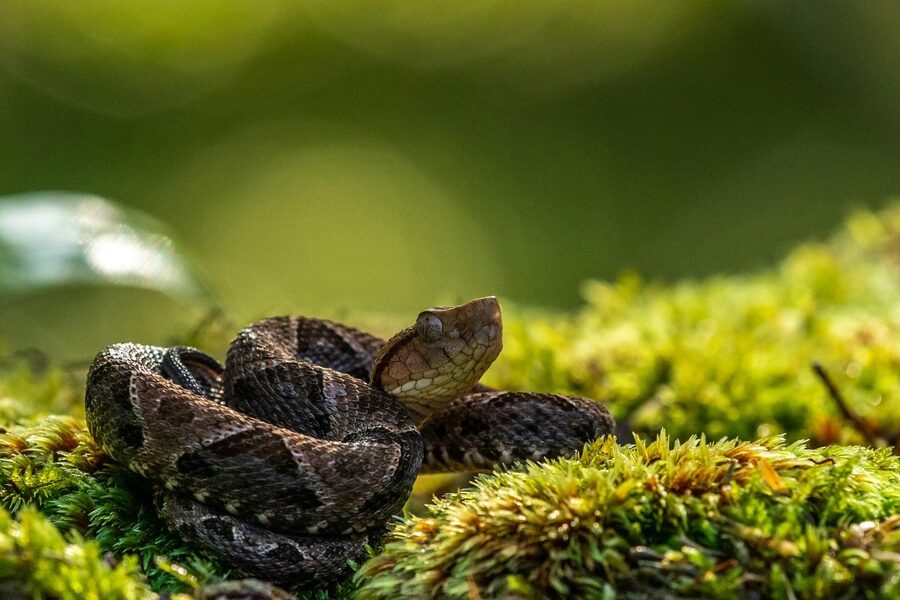
Turkey’s varied terrain — from Mediterranean coastlines and wetlands to high mountains and dry interior steppe — supports a wide range of wildlife. Whether you’re hiking, camping, or visiting rural areas, a little awareness of local animals and their habitats helps you stay safe and enjoy the outdoors.
There are 31 Dangerous Animals in Turkey, ranging from Asian tiger mosquito to Yellow or lesser scorpion. For each entry the list shows Scientific name,Risk level,Where found (region) so you can quickly assess threats and typical locations; you’ll find below.
How likely am I to encounter these animals while traveling in Turkey?
It depends on where you go and what you do: mosquitoes and ticks are common in warm, wet areas and during summer, scorpions and some snakes appear in rural or rocky terrain, while large predators are rare near populated areas. Check regional notes before activities, use repellents and protective clothing, and avoid walking barefoot or off established trails to reduce chances of an encounter.
What should I do if bitten or stung?
Move to safety, stay calm, and clean the wound with soap and water; immobilize the affected limb and seek medical help if symptoms worsen, include difficulty breathing, extensive swelling, fever, or neurotoxic signs. If possible, take a photo or note the animal’s appearance to aid treatment, and contact local emergency services for severe cases.
Dangerous Animals in Turkey
| Name | Scientific name | Risk level | Where found (region) |
|---|---|---|---|
| Nose-horned viper | Vipera ammodytes | High | Rocky hills and forest edges across western and central Anatolia |
| Ottoman viper | Montivipera xanthina | High | Aegean and Marmara coasts, northern coastal hills |
| Levantine (blunt-nosed) viper | Macrovipera lebetina | High | Southeastern, central Anatolia and dry lowlands |
| Meadow viper | Vipera ursinii | Low | Highland meadows in eastern and central Anatolia |
| Black fat-tailed scorpion | Androctonus crassicauda | High | Arid lowlands and semi-desert southeast and central regions |
| Deathstalker scorpion | Leiurus quinquestriatus | High | Southeastern Anatolia near Syrian border (localized) |
| Yellow or lesser scorpion | Mesobuthus eupeus | Medium | Widespread lowlands, gardens, and ruins across Turkey |
| Mediterranean black widow | Latrodectus tredecimguttatus | Medium | Coastal scrub, grasslands, and abandoned structures across Turkey |
| Mediterranean recluse spider | Loxosceles rufescens | Medium | Buildings, rubble piles, and caves in many Turkish towns and countryside |
| Scorpionfish | Scorpaena scrofa | Medium | Rocky shores and reefs of Aegean and Mediterranean coasts |
| Lionfish (invasive) | Pterois miles | Medium | Eastern Mediterranean coasts, increasingly recorded off southern Turkey |
| Weever fish | Trachinus draco | Medium | Sandy shallow waters of Aegean and Mediterranean coasts |
| Common stingray | Dasyatis pastinaca | Medium | Shallow coastal bays and sandy bottoms in Aegean and Mediterranean seas |
| Purple stinging jellyfish | Pelagia noctiluca | Medium | Open Aegean and Mediterranean waters; summer bloom seasons |
| Portuguese man o’ war (occasional) | Physalia physalis | Medium | Occasional summer appearances along Aegean/Mediterranean coasts |
| Hyalomma ticks | Hyalomma spp. | High | Pastures, scrub and rural areas across Anatolia; spring–autumn peak |
| Sheep tick / brown dog tick | Rhipicephalus sanguineus | Medium | Peri‑urban and rural areas, kennels and farms |
| Ixodes tick | Ixodes ricinus | Medium | Forests and humid regions of northern, western Turkey; spring–autumn |
| Culex mosquitoes | Culex pipiens | Medium | Urban and rural standing water sites nationwide; summer |
| Asian tiger mosquito | Aedes albopictus | Medium | Marmara, Aegean coasts and urban areas; summer |
| Stray/feral dog | Canis familiaris | High | Cities, towns and rural areas across Turkey |
| Red fox | Vulpes vulpes | Medium | Widespread in rural and peri‑urban areas nationwide |
| Golden jackal | Canis aureus | Medium | Coastal plains, wetlands and eastern Anatolia |
| Gray wolf | Canis lupus | Medium | Mountains and forests of eastern and northern Turkey |
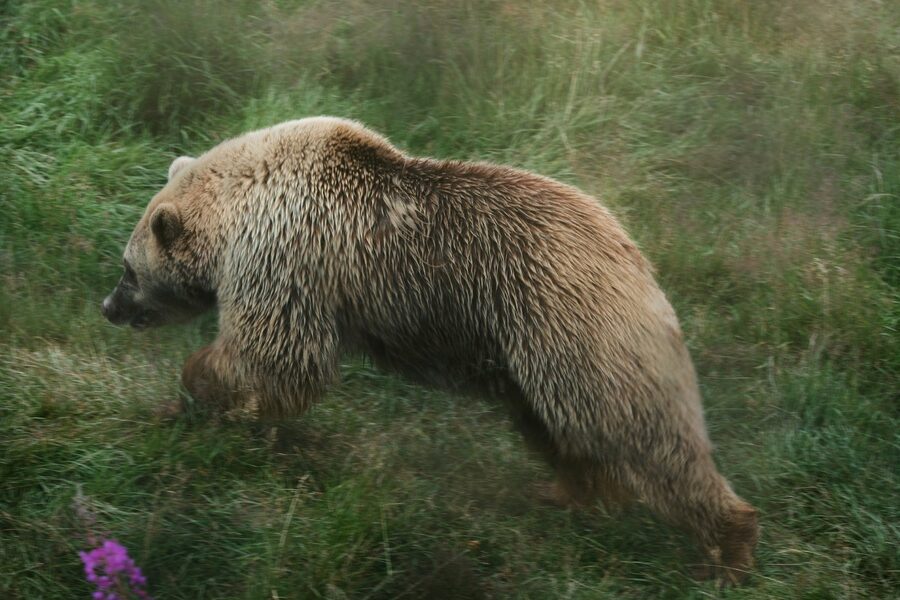
| Brown bear | Ursus arctos | High | Eastern Anatolia and Black Sea mountains, forested highlands |
| Wild boar | Sus scrofa | High | Forests, scrub and agricultural areas across Turkey |
| Brown rat | Rattus norvegicus | Medium | Urban sewers, farms and dwellings nationwide |
| Bats (various species) | Chiroptera (various) | Medium | Caves, buildings and orchards nationwide |
| Bees and wasps | Apis, Vespula, Dolichovespula spp. | Medium | Gardens, orchards and rural areas nationwide; summer |
| Migratory waterfowl (disease vectors) | Various waterfowl species | Medium | Wetlands, coastal lagoons and migration sites across Turkey |
| Box jellyfish (absent) | — | — | — |
Images and Descriptions

Nose-horned viper
A large, robust viper with a distinctive nose “horn.” Its venom can cause severe local tissue damage and systemic effects; bites occur in warm months when people walk in rocky terrain, so prompt medical care is essential.
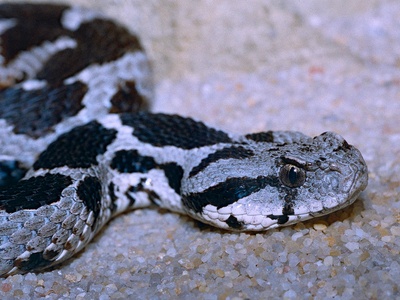
Ottoman viper
A stout, fast-striking viper found in coastal scrub and rocky slopes. Its venom can produce serious symptoms; encounters are most common in spring–autumn when people hike or work near rocks and ruins.
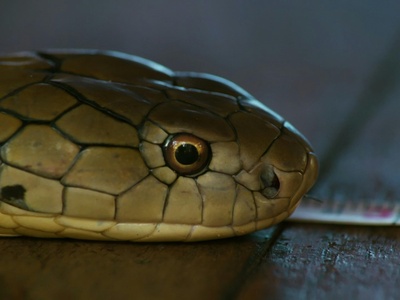
Levantine (blunt-nosed) viper
A heavy-bodied viper with powerful venom that can cause marked local injury and systemic effects. Prefers scrub and rocky habitats; bites are dangerous and more likely where rural people, shepherds, or farmers work.

Meadow viper
A small viper of highland grasslands. Venom is milder and bites are rare because the species is secretive and limited in range, but medical attention is still recommended after any viper bite.
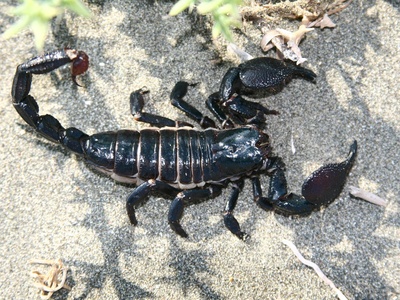
Black fat-tailed scorpion
A large, aggressive scorpion with neurotoxic venom capable of life‑threatening reactions, especially in children. Found near homes and in fields at night; antivenom and emergency care may be required in severe cases.

Deathstalker scorpion
A highly venomous desert scorpion recorded in southeast Turkey. Stings can cause severe pain, systemic symptoms, and require urgent treatment; encounters peak in hot, dry months and near human dwellings.
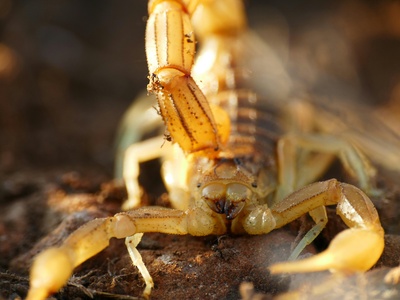
Yellow or lesser scorpion
A common scorpion species whose sting causes intense local pain and swelling. Not usually fatal to healthy adults but can be serious for young children or allergic individuals; often encountered at night.
Mediterranean black widow
A venomous spider with a painful neurotoxic bite that can produce muscle pain, cramps, and sweating. Bites are uncommon but notable in rural areas and among people handling old objects or wood piles.
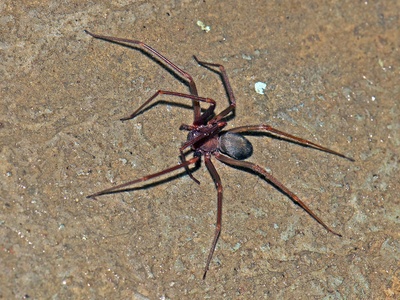
Mediterranean recluse spider
A shy, reclusive spider whose bite can cause local tissue necrosis in some cases. Encounters occur in undisturbed indoor spaces; most bites are minor but medical follow-up is advised.
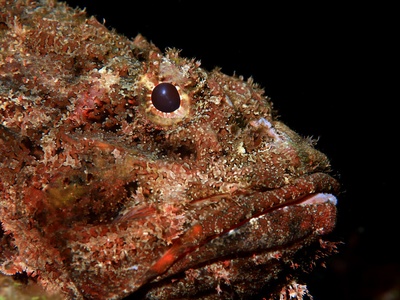
Scorpionfish
A camouflaged reef fish with venomous dorsal spines. Stepping on or handling it causes intense pain, swelling and possible infection; wounds need hot water immersion and medical attention if severe.
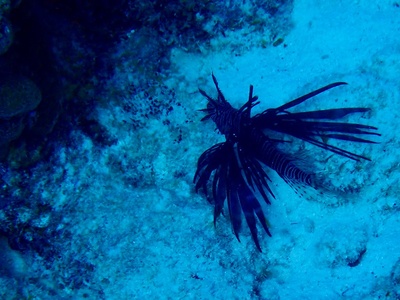
Lionfish (invasive)
An invasive, colorful predator with painful venomous spines. Stings cause intense pain and swelling; the species is expanding locally and warns bathers and divers to avoid handling or stepping on them.
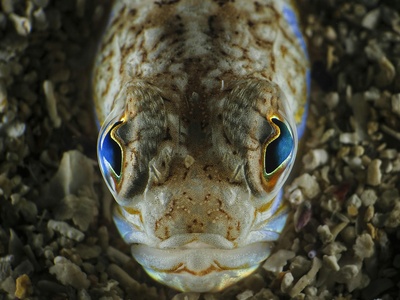
Weever fish
A buried, venomous fish that stings with dorsal spines when stepped on. Stings cause sharp pain, swelling and sometimes systemic symptoms; common during summer near shorelines where people wade.
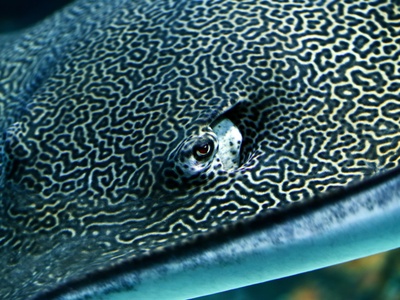
Common stingray
Stingrays can inflict painful tail spine wounds when disturbed. Injuries bleed and are very painful, sometimes complicated by infection; shuffle feet when wading to reduce risk of stepping on one.

Purple stinging jellyfish
A free‑swimming jellyfish that forms summer blooms. Contact causes painful burning stings and skin inflammation; stings are usually not life‑threatening but can disable swimmers and occasionally trigger allergic reactions.
Portuguese man o’ war (occasional)
A drifting colonial cnidarian with long, venomous tentacles. Encounters are seasonal and sometimes episodic; stings cause severe pain and skin lesions, and sunscreen or tentacle contact can worsen injury.
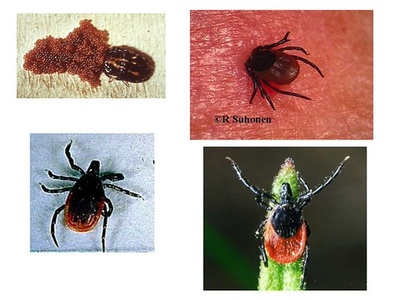
Hyalomma ticks
Large ticks that bite livestock and people; some species transmit Crimean‑Congo hemorrhagic fever (CCHF). Bites may go unnoticed; prevention, prompt removal, and awareness in endemic areas are vital.
Sheep tick / brown dog tick
A tick that feeds on dogs and people, implicated in transmitting Mediterranean spotted fever and other pathogens. Common around homes with dogs; tick checks and control reduce disease risk.
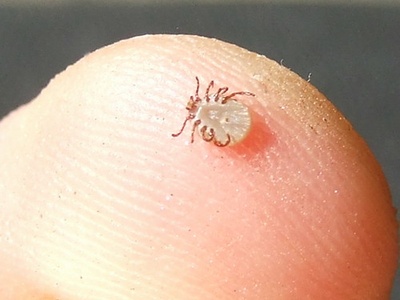
Ixodes tick
A forest tick that transmits Lyme disease and other pathogens. Bites are often painless; hikers should use repellents, do tick checks and know removal procedures after forest visits.
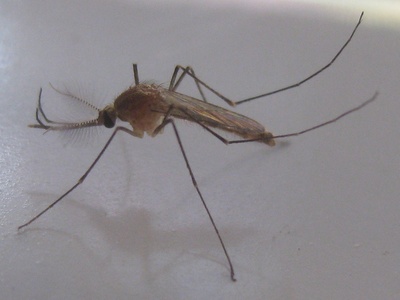
Culex mosquitoes
A common mosquito species that can transmit West Nile virus. Bites are nuisance and, rarely, can lead to mosquito‑borne disease outbreaks; remove standing water and use repellents in warm months.
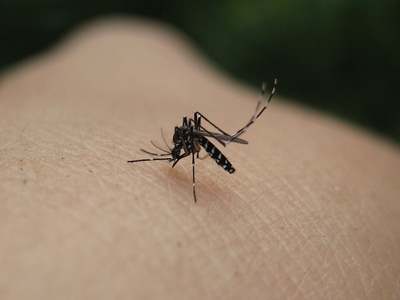
Asian tiger mosquito
An aggressive daytime biter that can transmit dengue, chikungunya and other viruses if present. Established in parts of Turkey; prevents bites with screens and repellents, especially in urban neighborhoods.
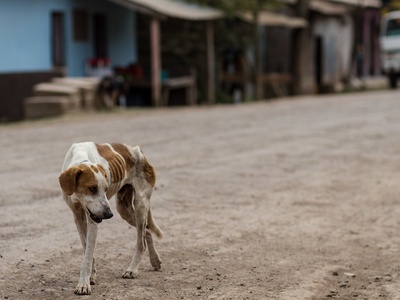
Stray/feral dog
Unvaccinated stray dogs can attack people and transmit rabies. Bites require immediate wound care and medical evaluation for rabies prophylaxis; encounters are a significant public‑health concern in some regions.
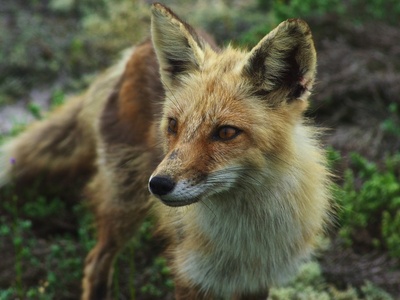
Red fox
Wild foxes sometimes enter towns and carry rabies or parasites. Attacks on people are rare, but they are an important reservoir for rabies and wildlife management and vaccination programs matter.
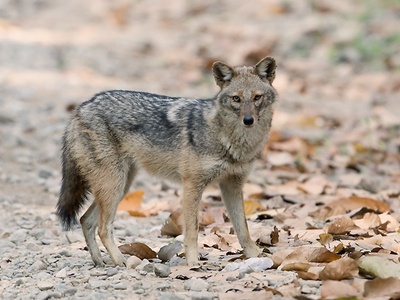
Golden jackal
A widespread, adaptable canid that scavenges near settlements. Rarely aggressive toward people but can threaten livestock and act as a rabies reservoir; avoid feeding or approaching them.
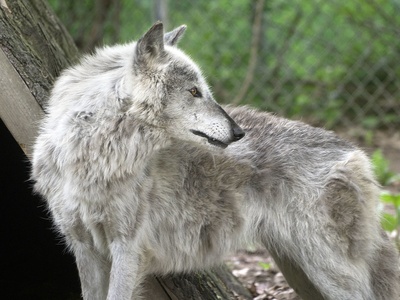
Gray wolf
Wolves rarely attack humans but can be dangerous to livestock and, in rare cases, people. Encounters increase in remote areas; they are powerful predators and caution is warranted when hiking in wolf country.
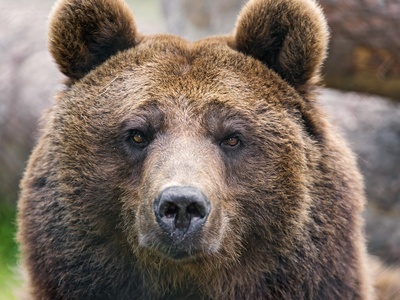
Brown bear
Large and potentially dangerous if surprised or protecting cubs. Bear attacks are uncommon but can be lethal; follow safety measures in known bear habitat and secure food when camping.
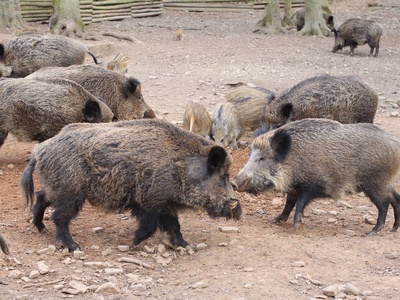
Wild boar
Wild boar are widespread and can be aggressive, inflicting serious injuries with tusks. They increasingly enter farmland and suburbs at night; collisions with vehicles are also a major hazard.
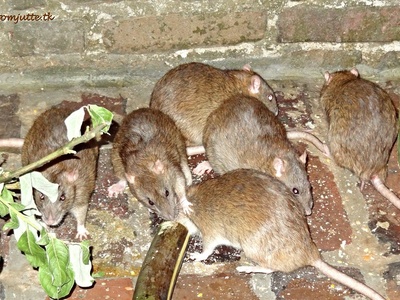
Brown rat
Rats are common disease reservoirs and vectors (leptospirosis, salmonella and more). They contaminate food and environments; proper sanitation and pest control reduce human disease risks.
Bats (various species)
Bats are important ecologically but can carry lyssaviruses (rabies variants). Direct contact or bites warrant medical evaluation. They rarely bite humans, but handling bats or finding grounded individuals is a risk.
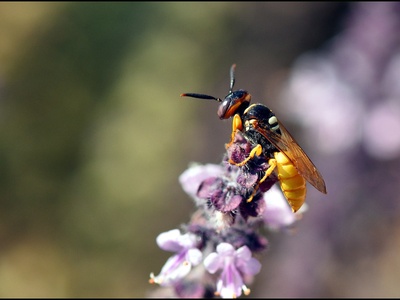
Bees and wasps
Stinging hymenopterans can cause severe allergic reactions (anaphylaxis) in sensitized people. Most stings are minor, but multiple stings or allergies can be life‑threatening; avoid nests and seek emergency care if allergic.
Migratory waterfowl (disease vectors)
Wild waterfowl carry avian influenza viruses and other pathogens. They rarely infect people directly but are important sources for poultry outbreaks; avoid contact with sick or dead birds.
Box jellyfish (absent)
—