Antigua and Barbuda’s small islands punch above their weight for wildlife: dry coastal scrub, mangroves and offshore cays provide home to species found nowhere else. That mix of isolated habitats means some animals are highly vulnerable to habitat loss, invasive species and extreme weather.
There are 8 Endangered Species in Antigua and Barbuda, ranging from the Antiguan racer to the West Indian whistling-duck. For each species, you’ll find below data organized as Scientific name,IUCN status & main threats,Range in country so you can quickly see identity, main pressures and where they occur — you’ll find those details below.
What are the main threats driving these species toward extinction in Antigua and Barbuda?
Most declines stem from habitat destruction (development, agriculture, and storm damage), invasive predators (rats, mongooses) and limited ranges that magnify any local impact; some species also suffer from hunting or disturbance. Understanding the dominant threat for each species helps prioritize practical conservation actions.
How can residents and visitors help protect these endangered species?
Support and follow local protected-area rules, avoid introducing or moving animals and plants, report sightings to conservation groups, and favor responsible tourism operators; small actions like proper waste management and predator control programs can make a measurable difference.
Endangered Species in Antigua and Barbuda
| Name | Scientific name | IUCN status & main threats | Range in country |
|---|---|---|---|
| Hawksbill turtle | Eretmochelys imbricata | Critically Endangered; illegal trade, egg harvest, bycatch, coastal development | Coasts of Antigua and Barbuda; nesting beaches and reefs |
| Green turtle | Chelonia mydas | Endangered; bycatch, egg harvest, habitat loss | Foraging and some nesting around Antigua and Barbuda coasts |
| Leatherback turtle | Dermochelys coriacea | Vulnerable; bycatch, egg loss, coastal development, climate change | Nesting beaches and offshore waters of Antigua and Barbuda |
| Loggerhead turtle | Caretta caretta | Vulnerable; bycatch, habitat loss, pollution | Foraging grounds and occasional nesting in Antigua and Barbuda |
| Elkhorn coral | Acropora palmata | Critically Endangered; disease, bleaching, storms, water quality decline | Fringing and patch reefs around Antigua and Barbuda |
| Staghorn coral | Acropora cervicornis | Critically Endangered; disease, bleaching, coastal impacts | Shallow reefs and patch reefs in Antigua and Barbuda |
| Antiguan racer | Alsophis antiguae | Endangered; invasive mammals, habitat loss, limited range | Small offshore islands near Antigua (Great Bird, Rabbit, other islets) |
| West Indian whistling-duck | Dendrocygna arborea | Vulnerable; hunting, wetland loss, disturbance | Freshwater wetlands and ponds across Antigua and Barbuda, especially marshes |
Images and Descriptions
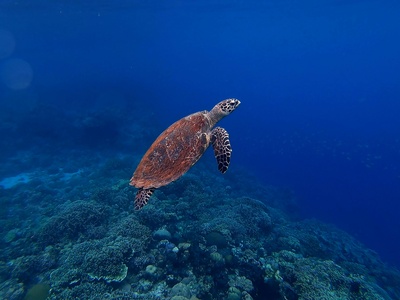
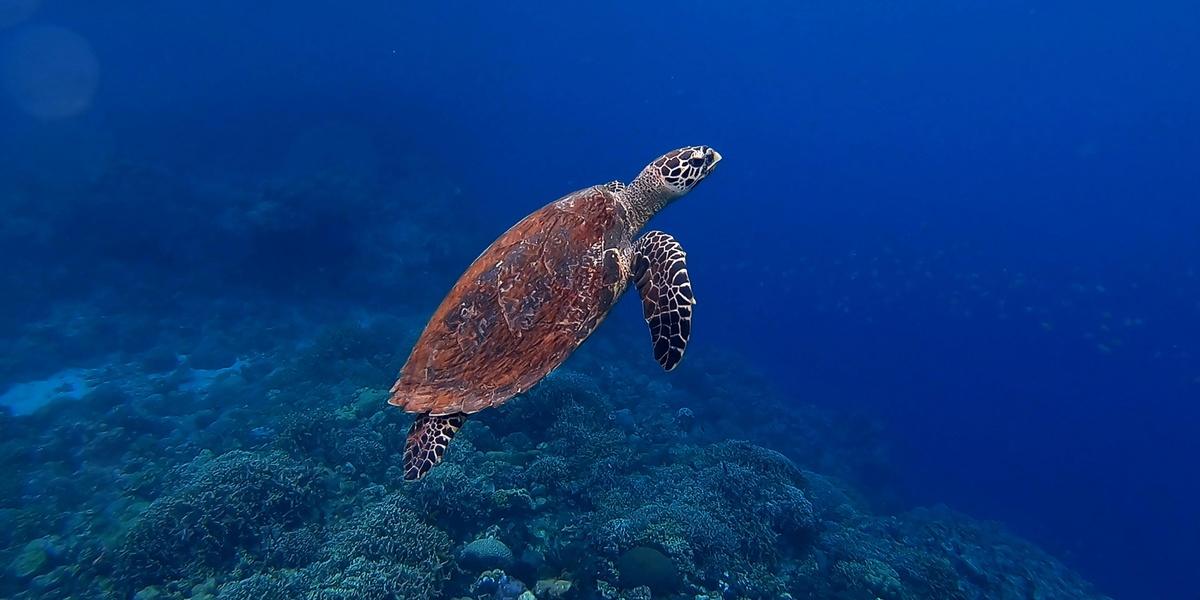
Hawksbill turtle
A small-to-medium hard-shelled sea turtle famous for its colorful shell; nests on Antigua and Barbuda’s beaches and feeds on sponges. Crucial for reef health, it’s threatened by poaching, bycatch, and coastal development; local protection helps recovery.
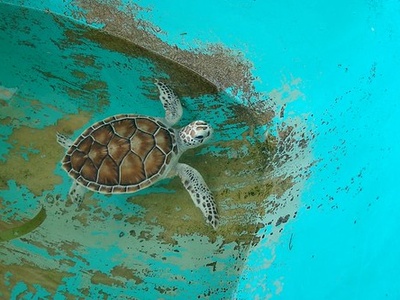
Green turtle
Large herbivorous sea turtle that grazes seagrass beds and nests locally. Important for coastal ecosystems, green turtles face dangers from fisheries, egg collection, and shoreline change; community nesting protection and marine conservation improve survival.
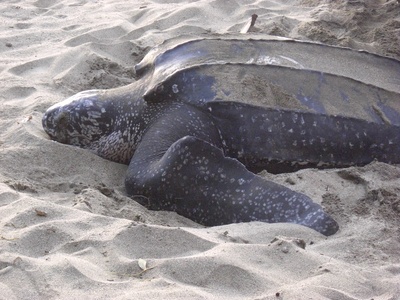
Leatherback turtle
Largest sea turtle species, unique for its soft shell and deep dives; nests on local beaches. Leatherbacks regulate jellyfish populations but are threatened by longline fisheries, coastal damage, and warming seas; protecting nesting sites is vital.
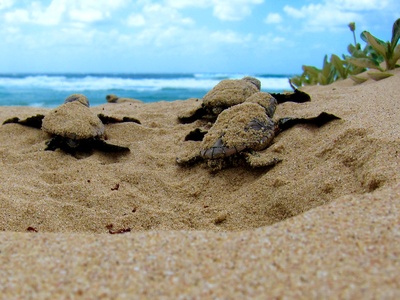
Loggerhead turtle
Robust, broad-headed sea turtle inhabiting coastal waters; occasionally nests locally. Loggerheads help maintain benthic ecosystems but suffer from fisheries bycatch, plastic ingestion, and beach disturbance; reducing threats increases nesting success.
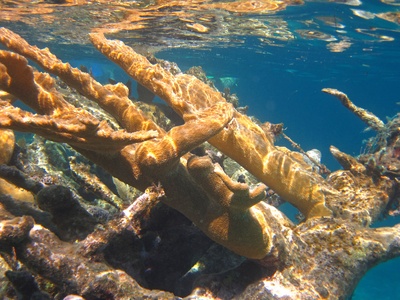
Elkhorn coral
Fast-growing branching coral that forms complex reef structure and provides habitat for fish. Elkhorn has dramatically declined from disease and warming seas; reef protection and water quality improvements are key for recovery.
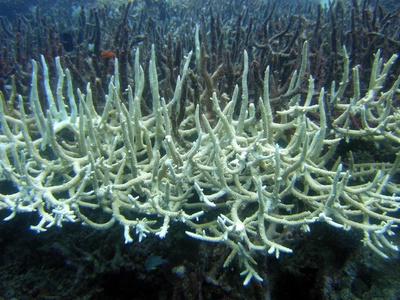
Staghorn coral
Slender, branching staghorn coral builds essential reef habitat and supports biodiversity. It has suffered extensive die-offs from disease and bleaching; reef restoration and local conservation propagate fragments and reduce stressors to help recovery.
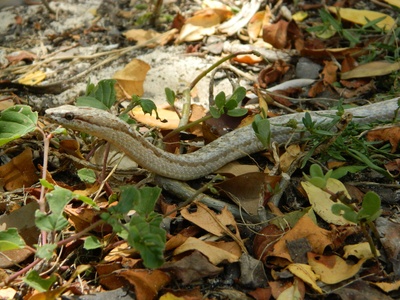
Antiguan racer
Endemic slender brown snake once nearly extinct, now recovering through intensive conservation and translocations. The Antiguan racer controls rodent populations on islets; invasive rats and cats remain top threats, so biosecurity and habitat protection are essential for long-term survival.
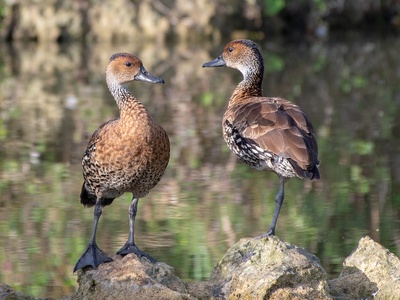
West Indian whistling-duck
A large, dusky duck native to Caribbean wetlands; forms small, easily disturbed flocks. West Indian whistling-ducks are vulnerable from hunting, wetland loss, and disturbance; conserving mangroves and freshwater ponds helps breeding and increases population resilience.