When the first Western scientific expeditions charted the central Pacific in the 19th century, sailors described lagoons so full of life they called them “underwater gardens.” Those early accounts still fit many of the atoll reefs that fringe Tuvalu today.
Tuvalu is tiny on land—nine islands and atolls totaling about 26 km²—but its ocean jurisdiction stretches across roughly 900,000 km². That vast sea supports fisheries, buffers shores from storm waves, and hosts a surprising range of species. The fauna of Tuvalu matters locally for food and culture, and globally for biodiversity conservation.
This piece spotlights eight representative species and groups found around Tuvalu. Each one illustrates an ecological role, a threat, and a practical way communities or visitors can help. Let’s start with the life that clings to and prowls the reef flats.
Reef dwellers: colorful fish and invertebrates
Shallow coral reefs around atolls host dense communities of small and medium animals that keep the reef functioning and make lagoons attractive for snorkelers. Grazers, cleaners and small predators control algal growth, recycle calcium carbonate, and help corals recover after stress events. These species also supply subsistence catches and draw visiting snorkelers to places like Funafuti lagoon.
Local fishers and informal reef surveys often report declines after heavy bleaching or overfishing, so simple community monitoring has real value. Below are three reef-dwelling examples that show how reef communities sustain people and shorelines.
1. Parrotfish (family Scaridae) — reef gardeners
Parrotfish are common on Tuvalu’s reefs and are among the most important grazers. They scrape algae and dead coral, creating space for coral larvae to settle. Their digestion of coral skeletons generates much of the white sand that builds and replenishes atoll beaches.
Studies across the Indo-Pacific show reefs with healthy parrotfish populations recover coral cover faster after bleaching. In Funafuti lagoon, fishers note that areas with fewer parrotfish tend to have more macroalgae and poorer snorkel sites.
Many Pacific communities manage parrotfish harvests through size limits, seasonal closures, or customary taboos. Protecting adult grazers is a low-cost way to keep reefs resilient and sustain both subsistence food and ecotourism appeal.
2. Giant clam (Tridacna gigas) — reef architects and food source
Giant clams sit on reef flats and in lagoon shallows, sometimes living for decades. Tridacna species host symbiotic algae in their tissues, which contributes to local primary productivity and helps calcification on reef margins.
Tridacna gigas is listed as Vulnerable on the IUCN Red List. Historically, islanders harvested giant clams for meat and shell, and some Pacific communities now run small-scale clam gardens or hatchery programs to restore populations and provide food without depleting wild stocks.
Where community-led breeding or outplanting exists nearby, restoration has increased local clam numbers and created small, sustainable harvests. Tuvaluan fishers’ anecdotal notes and regional projects point to clam aquaculture as a culturally appropriate conservation option.
3. Butterflyfish and damselfish (families Chaetodontidae & Pomacentridae) — indicators of reef health
Small, colorful species such as butterflyfish and damselfish are abundant on Tuvalu’s reefs and act as early-warning indicators. Many butterflyfish eat coral polyps, while damselfish defend algae patches and shape local microhabitats.
Researchers and community monitors use visual counts of these groups in rapid reef surveys because declines often precede broader ecosystem losses. Around Funafuti, simple transect counts by visiting teams and local rangers help track subtle changes over time.
These fish also enhance the snorkel experience; keeping reefs colorful keeps tourism viable for small guesthouse operators and local guides who rely on repeat visitors.
Megafauna and seasonal visitors
Large-bodied animals and migratory visitors use Tuvaluan waters for feeding, resting, or nesting. They connect reefs, seagrass beds and the open ocean, moving nutrients and drawing international attention to conservation needs.
Many of these species are threatened globally and face local risks such as bycatch, egg collection, and habitat loss. Protecting aggregation and nesting sites can yield both conservation gains and tourism income.
The next three profiles cover turtles and rays that communities frequently mention when talking about coastal health and opportunities for nature-based tourism.
4. Green sea turtle (Chelonia mydas) — coastal grazers and cultural icons
Green turtles nest on Tuvalu’s shorelines and graze seagrass beds, which helps keep those meadows productive. The species is listed as Endangered by the IUCN and faces threats from nest loss, bycatch and historical overharvest.
Nesting generally peaks in warm months, and islanders often recall traditional uses of turtles in ceremonies and as a protein source. Community beach patrols and nest monitoring in parts of the Pacific show that simple, locally led measures can raise hatchling survival.
Protecting nesting beaches also supports tourism; travelers interested in seeing turtles often pay for guided, low-impact experiences that benefit local stewards financially and culturally.
5. Hawksbill turtle (Eretmochelys imbricata) — reef specialists
Hawksbills spend much of their time around coral reefs, feeding on sponges and other invertebrates. Their diet helps keep sponge cover in check, which can benefit coral diversity and reef structure.
Hawksbills are Critically Endangered on the IUCN Red List and suffer from shell trade, bycatch, and loss of foraging habitat. Occasional sightings and foraging reports around Tuvalu’s lagoon habitats underline the islands’ regional importance for this species.
Regional conservation groups emphasize anti-poaching patrols, bycatch reduction, and habitat protection—measures that directly improve reef resilience and maintain ecological roles hawksbills fill.
6. Manta ray (Mobula alfredi / Manta birostris) — charismatic visitors
Manta rays frequent lagoon passes and nutrient-rich channels when plankton blooms occur. Mobula alfredi is listed as Vulnerable, and when mantas gather they become major draws for snorkel and dive tourism.
In some Pacific islands, manta-watching brings steady income that outpaces extractive fisheries. Protecting aggregation sites—often simple reef passes or cleaning stations—can safeguard both manta populations and local livelihoods.
Photo-ID programs in the region help track individual mantas and seasonality of visits. Even small-scale monitoring by local operators can inform protection measures and provide science that supports marine management.
Top predators and economically important fishes
Large predators and commercially important reef and nearshore fishes shape food webs and support subsistence and small-market fisheries. Maintaining these stocks with local rules and habitat protection preserves food security and cultural fishing practices.
Below are two species that illustrate how predators and prized fishes matter to both ecology and livelihoods in Tuvalu’s waters.
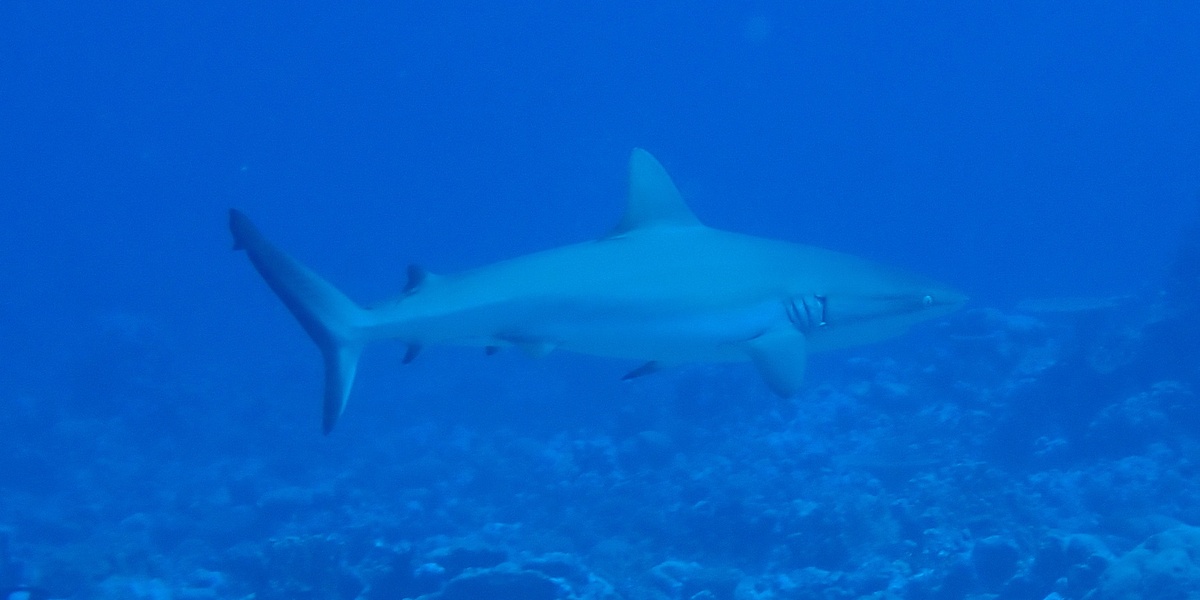
7. Blacktip reef shark (Carcharhinus melanopterus) — shallow-water predators
Blacktip reef sharks patrol lagoon edges, reef flats and passes. As mid-to-top predators, they influence prey abundance and behavior, helping maintain balanced reef communities.
Where fishing pressure is low, regional studies report stable or recovering shark numbers, which also supports shark-watching tourism. In Funafuti’s passes, fishers often report fewer sharks in areas with heavy, unregulated harvest.
Because sharks are slow to reproduce, simple protections—no-take zones in key nursery areas or seasonal gear restrictions—can lead to meaningful population improvements over time.
8. Giant trevally (Caranx ignobilis) — prized sport and subsistence fish
Giant trevally are powerful predators sought by subsistence fishers and occasional sport anglers. They use reefs, lagoon channels and seaward passes, so their abundance depends on healthy, connected habitats.
Trevally respond quickly to changes in fishing pressure. Local methods include handline, spearfishing and angling. Coastal closures and customary harvest rules in many Pacific communities demonstrate that small-scale management can sustain valuable catches.
Maintaining reef structure and protecting key feeding grounds supports trevally populations, which in turn helps local diets and supports sporadic tourism such as sport-fishing trips.
Summary
- Tuvalu’s land area is tiny (~26 km²) but its marine area is vast (~900,000 km²), and that sea hosts both common reef species and wide-ranging visitors.
- Small reef species (parrotfish, clams, damselfish) perform vital jobs—grazing, sand production, and signaling reef health—that support food security and snorkeling tourism.
- Megafauna and seasonal visitors (green and hawksbill turtles, manta rays) have high conservation value and cultural importance; several are listed by IUCN as Endangered, Critically Endangered or Vulnerable.
- Top predators and prized fishes (blacktip reef sharks, giant trevally) help balance ecosystems and underpin subsistence fisheries; community-based rules and protected areas can sustain them.
- Support for local conservation, responsible tourism, and community management offers the best path to protect Tuvalu’s marine biodiversity and the livelihoods that depend on it.