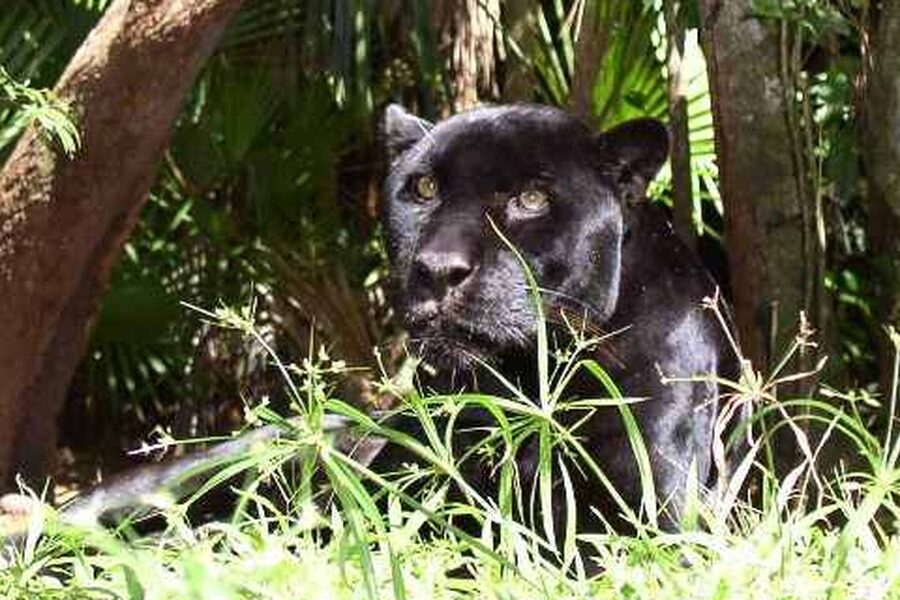
Laos is a land of rivers, karst hills and dense forests where people, livestock and wildlife often share the same spaces. That mix creates occasional hazards—some animals are harmless unless provoked, others pose real health or safety risks if you’re unprepared.
There are 25 Dangerous Animals in Laos, ranging from Aedes aegypti to Wild water buffalo. For each species, the list below is organized with Scientific name,Danger type,Where in Laos so you can quickly see identification, risks and where they occur — you’ll find below.
How likely am I to encounter these dangerous animals while visiting Laos?
Encounter risk depends on where and when you travel: mosquitoes like Aedes aegypti are common in towns and during the rainy season, snakes and large mammals appear more in rural or forested areas, and water buffalo are frequent near villages. Stay on trails, avoid stagnant water, and ask locals about recent sightings to lower chances of an encounter.
What practical steps should travelers take to reduce risk?
Use insect repellent and nets, keep vaccinations current, wear sturdy shoes and long clothing in rural areas, avoid approaching wild or free-roaming domestic animals, and seek local guidance or a guide for remote trips. If bitten or sick, get prompt medical attention—early treatment matters.
Dangerous Animals in Laos
| Name | Scientific name | Danger type | Where in Laos |
|---|---|---|---|
| Aedes aegypti | Aedes aegypti | Disease vector (dengue, Zika) | Urban areas, towns, containers, all provinces |
| Anopheles dirus | Anopheles dirus | Disease vector (malaria) | Forest fringes, rural south and central provinces |
| Culex tritaeniorhynchus | Culex tritaeniorhynchus | Disease vector (Japanese encephalitis) | Rice paddies, irrigated lowlands, rural south |
| Freshwater snails (Schistosoma host) | Neotricula aperta | Disease vector (Schistosoma mekongi) | Mekong River islands, southern provinces (Champasak) |
| Chigger mite | Leptotrombidium deliense | Disease vector (scrub typhus) | Grassland, scrub, forest edges, rural lowlands |
| Dog (domestic/stray) | Canis lupus familiaris | Bite and disease vector (rabies) | Villages, towns, rural areas countrywide |
| Fruit bats (flying foxes) | Pteropus vampyrus | Zoonotic reservoir; bite/saliva risk | Forests, orchards, riverside areas |
| Rats (black rat) | Rattus rattus | Disease reservoir/vector (leptospirosis, hantavirus) | Homes, markets, fields, rural and urban areas |
| King cobra | Ophiophagus hannah | Venomous bite (neurotoxic); potentially fatal | Forests, plantations, hilly areas, southern provinces |
| Monocled cobra | Naja kaouthia | Venomous bite (neurotoxic/cytotoxic) | Villages, paddy fields, scrub, lowland forests |
| Malayan pit viper | Calloselasma rhodostoma | Venomous bite (hemotoxic) | Plantations, teak forests, forest floor, rural lowlands |
| Green pit viper | Trimeresurus albolabris | Venomous bite (hemotoxic, cytotoxic) | Shrub, secondary forest, plantations, gardens |
| Russell’s viper | Daboia russelii | Venomous bite (coagulopathy, renal failure) | Grassland, farmland, scrub areas |
| Banded krait | Bungarus fasciatus | Venomous bite (neurotoxic) | Near water, wetlands, forest edges |
| Giant freshwater stingray | Urogymnus polylepis | Venomous tail spine injury | Mekong River main channel and large tributaries |
| Siamese crocodile | Crocodylus siamensis | Powerful bite, ambush predator | Slow rivers, oxbow lakes, marshes, protected areas |
| Asian elephant | Elephas maximus | Trampling, charging in human–wildlife conflict | Protected forests, park boundaries, agricultural borders |
| Wild water buffalo | Bubalus arnee | Trampling, charging | River plains, marshes, wetlands, protected reserves |
| Gaur | Bos gaurus | Charging, trampling | Hilly forests, protected areas, central and southern provinces |
| Banteng | Bos javanicus | Charging, trampling | Lowland forests, clearings, protected areas |
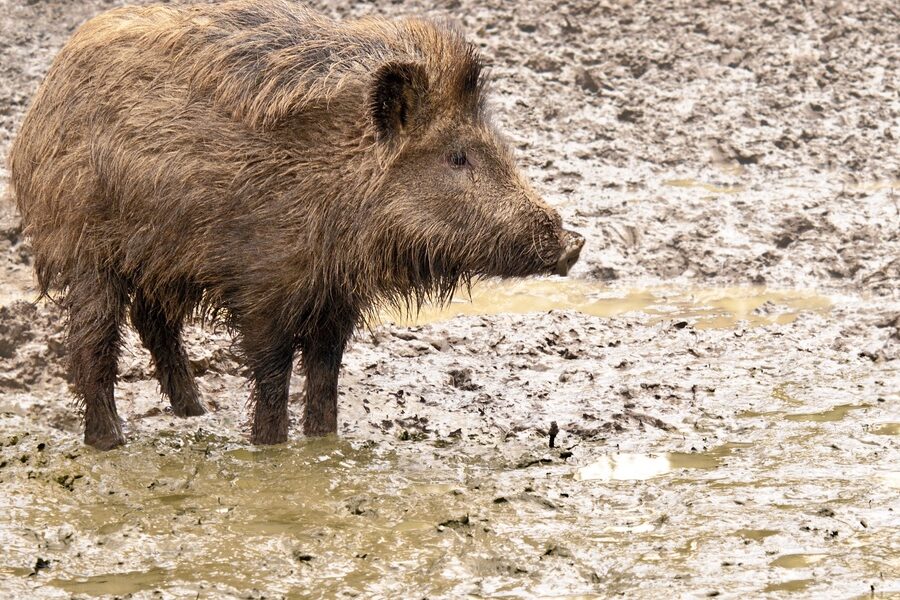
| Wild boar | Sus scrofa | Tusking, aggressive defense | Forests, farms, rural edges, all regions |
| Long-tailed macaque | Macaca fascicularis | Bite/scratch and disease risk; aggressive | Temples, towns, riverside areas, forests |
| Scorpion (Asian forest scorpion) | Heterometrus spinifer | Sting causing severe pain, allergic reaction | Leaf litter, house perimeters, rural homes |
| Hornets/wasps (Giant hornet) | Vespa tropica | Mass stings, anaphylaxis and shock risk | Forests, villages, near housing and farms |
| Centipede | Scolopendra subspinipes | Venomous bite causing intense pain | Leaf litter, houses, gardens, tropical forests |
Images and Descriptions
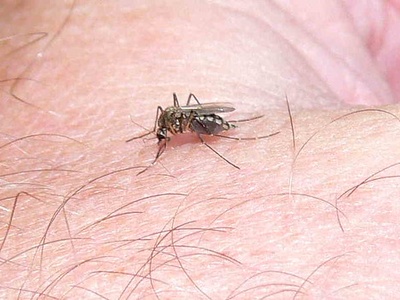
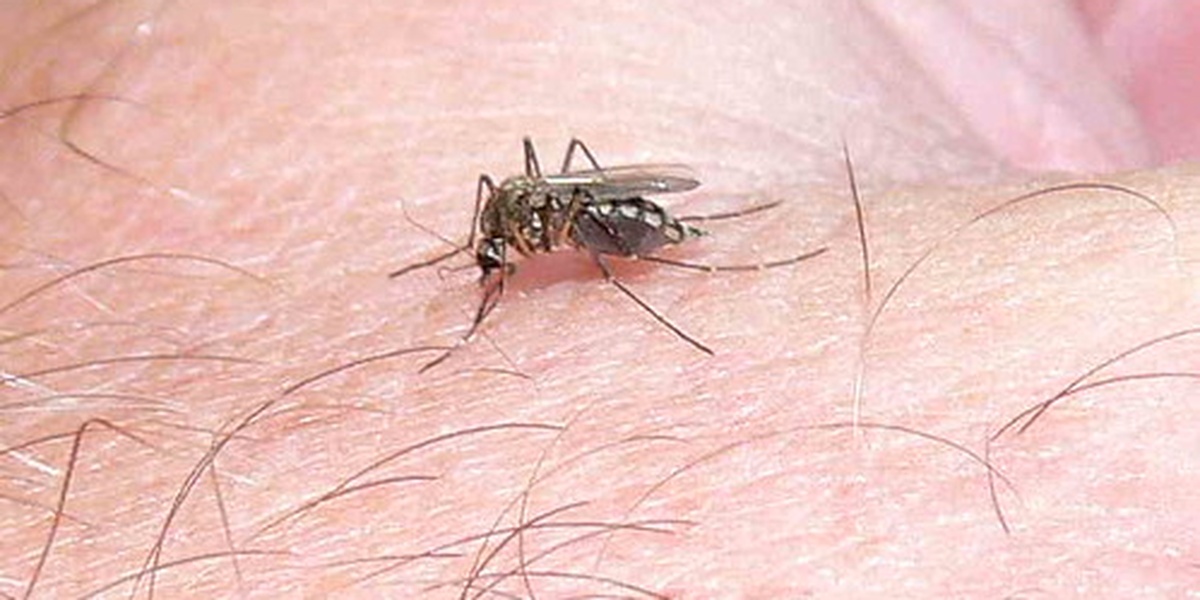
Aedes aegypti
Small daytime mosquito that spreads dengue fever and other viruses. Common in towns and tourist areas; bites can cause severe illness. Use repellent, nets, screens, and eliminate standing water to reduce risk; seek medical care for high fever.
Anopheles dirus
Forest-associated mosquito responsible for residual malaria transmission in Laos. Bites mainly at night in forested and fringe farmland. Use long-lasting insecticide-treated nets, repellents, and seek rapid testing and treatment if fever develops after forest exposure.
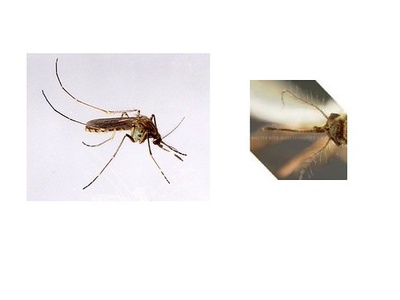
Culex tritaeniorhynchus
Common rice-paddy mosquito and primary Japanese encephalitis vector in rural lowlands. Infection can be severe for children. Vaccination, mosquito avoidance, and reducing breeding near rice fields lower risk.

Freshwater snails (Schistosoma host)
Tiny snails host S. mekongi, causing schistosomiasis along parts of the Mekong. Infection from wading/contact with contaminated water can cause abdominal pain and blood in stool. Avoid freshwater contact; seek testing after exposure.
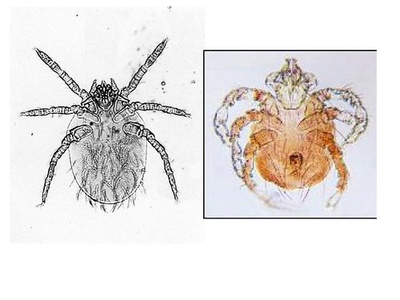
Chigger mite
Tiny mite larvae (chiggers) transmit scrub typhus after bites in grassy or bushy areas. Causes fever, rash, and severe illness if untreated. Wear long clothing, use repellents, and seek antibiotics promptly if fever follows outdoor exposure.
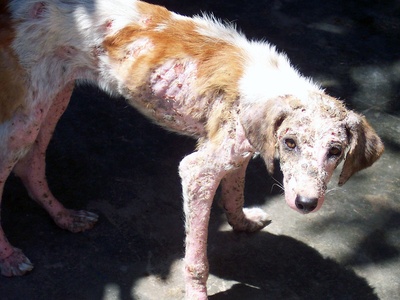
Dog (domestic/stray)
Bites from unvaccinated or stray dogs are the main rabies risk in Laos. Any bite or scratch requires immediate wound washing and urgent post-exposure rabies vaccination. Avoid approaching unfamiliar dogs; vaccinate pets.
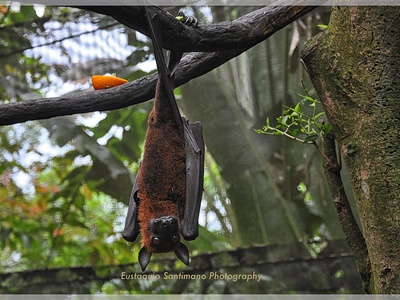
Fruit bats (flying foxes)
Large fruit bats can carry viruses transmissible to humans (e.g., lyssaviruses). Rarely bite but can contaminate fruit. Avoid handling bats; do not eat partially eaten fruit; seek care if bitten or exposed.
Rats (black rat)
Common commensal rodent that can carry leptospirosis, hantaviruses and contaminate food. Risk higher in poor sanitation or flood conditions. Store food securely, control rodents, clean wounds and seek medical care for febrile illness.
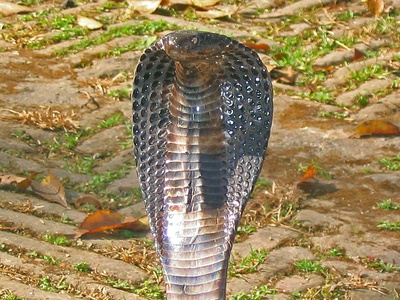
King cobra
World’s largest venomous snake; attacks are rare but bites deliver powerful neurotoxin. Encounters usually in forest or agricultural edges. Give space, do not handle; immobilize bitten limb and seek emergency antivenom treatment rapidly.
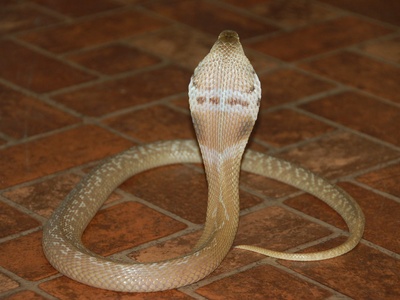
Monocled cobra
Common in and around human settlements; bites cause systemic neurotoxicity and tissue damage. Often encountered at night or in fields. Avoid dark areas, check shoes, seek urgent medical care and antivenom if bitten.
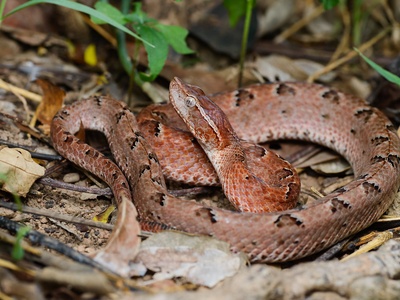
Malayan pit viper
Ground-dwelling viper often encountered in agricultural areas; bites cause bleeding, swelling and shock. Frequently responsible for countryside snakebites. Wear boots in fields, use a torch at night, and get rapid medical care.
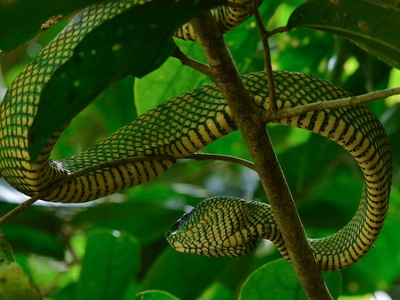
Green pit viper
Arboreal pit viper often found on low branches and garden vegetation; bite causes severe local swelling and bleeding. Be cautious near foliage at night; wear gloves/boots; seek medical attention if bitten.
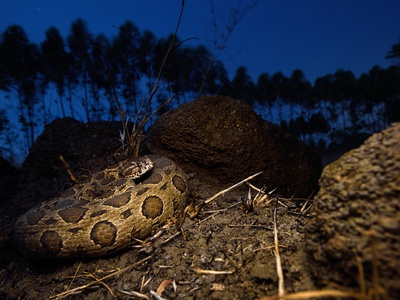
Russell’s viper
Powerful venom causing bleeding disorders, kidney injury and shock; historically significant for severe bites in the region. Active in fields and grassy areas. Avoid tall grass, use boots, and obtain urgent antivenom and supportive care.
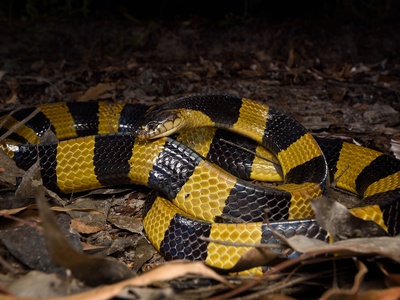
Banded krait
Nocturnal krait with neurotoxic venom; bites are often on sleeping victims and may be initially painless. Use mosquito nets, avoid sleeping on ground, and seek emergency antivenom if bitten.
Giant freshwater stingray
Very large ray present in the Mekong; accidental contact or stepping on the ray can cause life-threatening envenomation and severe wounds. Shuffle feet in murky water, avoid wading at night, and seek urgent medical care if stung.
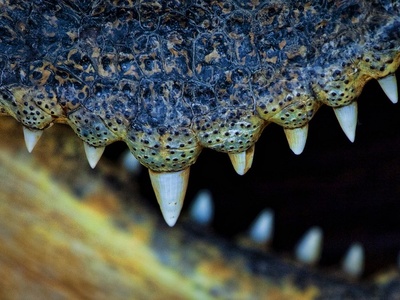
Siamese crocodile
Critically endangered but present in isolated wetlands; can ambush people fishing or bathing. Encounters are rare but dangerous. Keep distance from crocodile habitats, avoid night-time river access, and heed local warnings.
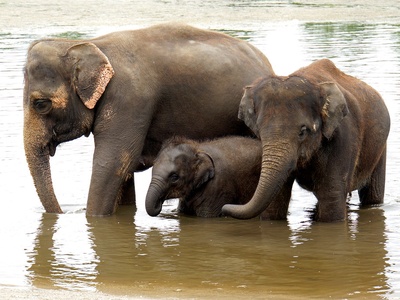
Asian elephant
Wild and sometimes crop-raiding elephants can charge and trample villagers. Human–elephant conflict is a real risk near forest edges. Give elephants wide berth, avoid provoking them, and follow local mitigation advice.
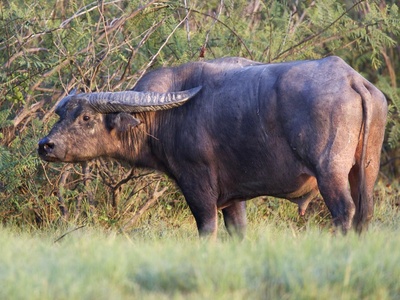
Wild water buffalo
Large, powerful bovids that can gore or trample if startled or during mating season. Avoid approaching herds, give animals space and do not drive them off their paths.
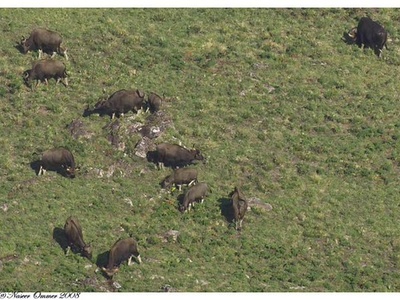
Gaur
Massive wild cattle that can charge if threatened; encounters most likely in dense forest or near reserves. Stay on trails, avoid approaching, and follow park guidance to reduce conflict.
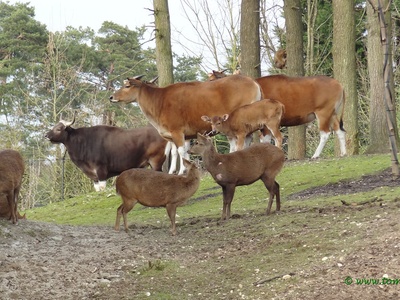
Banteng
Wild forest cattle that can be unpredictable and dangerous when cornered. Avoid surprising animals, keep distance, and respect park containment measures.
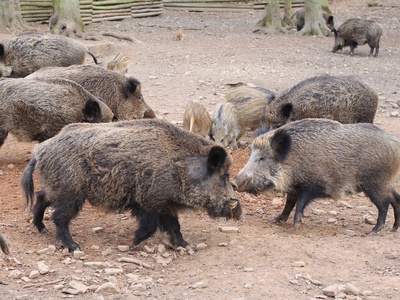
Wild boar
Common and adaptable; wild boars can gore with tusks and become aggressive when wounded or with piglets. Keep dogs leashed, avoid nocturnal travel in bush areas, and back away slowly if you encounter one.
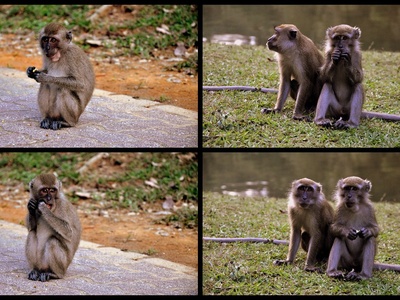
Long-tailed macaque
Macaques often interact with people and can bite, scratch, or steal food, risking injury and zoonotic infections. Do not feed or approach; secure belongings and seek wound cleansing and medical attention after bites.
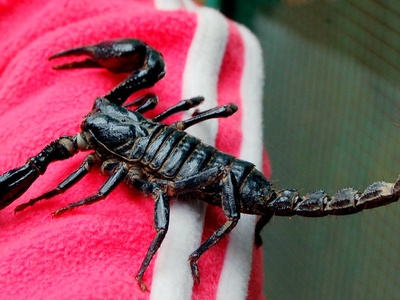
Scorpion (Asian forest scorpion)
Large scorpion that delivers painful stings; systemic reactions are rare but possible. Shake out bedding/shoes, use lights at night, and seek medical care for severe pain, swelling, or breathing problems.
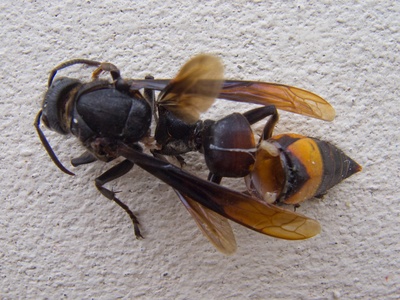
Hornets/wasps (Giant hornet)
Social hornets can deliver many stings in attacks on nests; allergic reactions can be fatal. Avoid nests, keep distance from swarms, and treat anaphylaxis with emergency care and epinephrine if available.
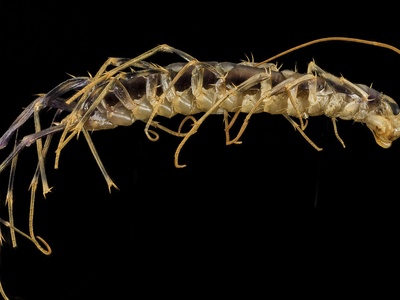
Centipede
Large tropical centipede delivers a painful bite that can cause swelling, fever, and rare systemic symptoms. Wear footwear when handling logs/stones, use lights at night, and seek medical care for severe reactions or infection.