Potatoes were carried to Europe from the Andes in the 16th century and transformed diets across continents, while sweet potatoes had already been a staple in Polynesia and later spread worldwide. That separate domestication shows up on the plate: these root vegetables look similar in the bin but behave very differently in the kitchen, on the farm, and on your nutrition label. Knowing those differences matters for health, flavor, and cost—whether you want a vitamin A–rich side, a fluffy mash, or a crop that stores through winter. This article lays out seven clear contrasts, grouped into nutritional, culinary, and agricultural/economic categories, so you can choose the right tuber for taste, budget, and dietary goals. (Peru alone preserves more than 3,000 native potato varieties.)
Nutritional and Health Differences
Although calories and carbohydrates are similar, the two tubers diverge in vitamins, minerals, and how they affect blood sugar. For authoritative nutrient tables consult the USDA FoodData Central and for production context the FAO. Keep in mind that variety and cooking method change numbers—boiled, baked, or fried results differ. Below are concrete comparisons using commonly cited USDA values and peer-reviewed findings so you can see where each root shines: macronutrients and calories, vitamin and mineral differences (notably vitamin A and potassium), and typical glycemic responses.
1. Calories and macronutrient profile
Per 100 g cooked, boiled white potato is about 77 kcal while boiled sweet potato is roughly 86 kcal (USDA). Carbohydrates dominate both: potatoes average ~17 g per 100 g and sweet potatoes about 20 g, but sweet potatoes often contain more simple sugars and slightly more fiber—around 3 g versus 1.8 g in white potatoes per 100 g. That modest fiber boost gives sweet potatoes a touch more lasting fullness.
Practically, choose a white or russet potato for quick, high-glycemic fuel before intense activity; pick an orange-fleshed sweet potato when you want a bit more fiber and a steadier post-meal feel while tracking calories.
2. Vitamins and minerals — vitamin A and beyond
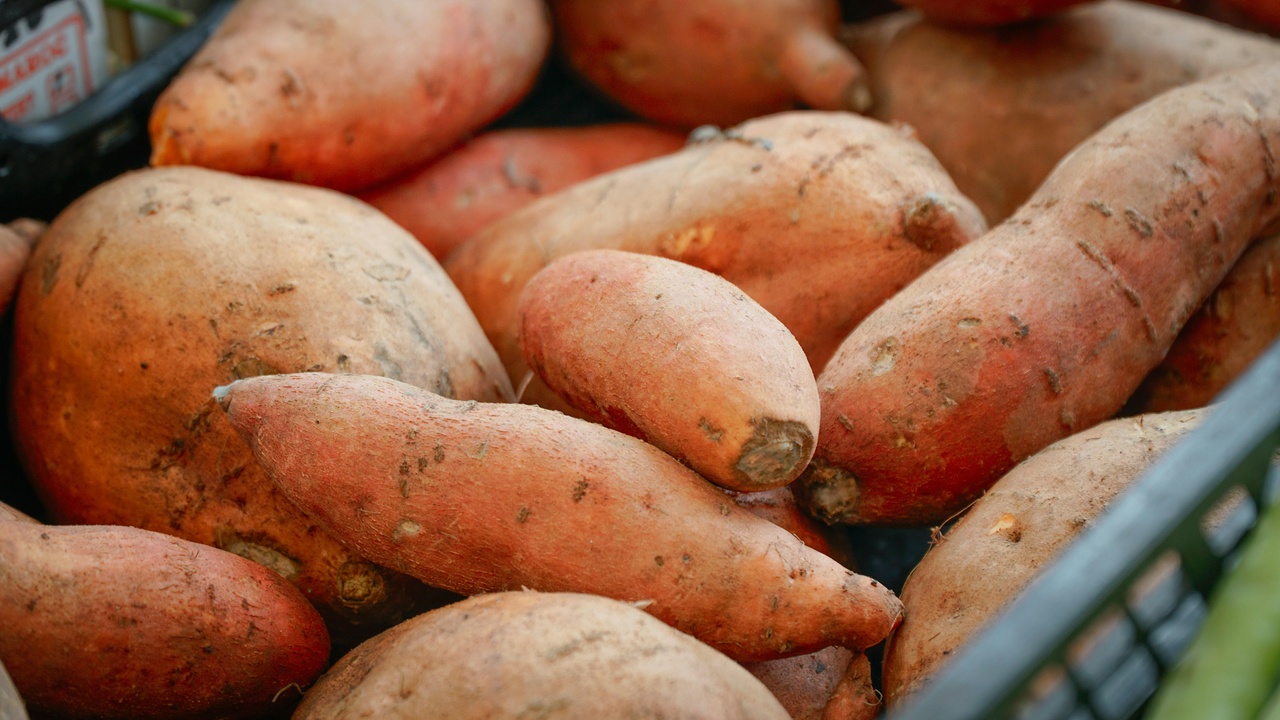
Orange-fleshed sweet potatoes are among the best plant sources of beta‑carotene; a medium baked orange sweet potato can provide over 100% of the recommended daily vitamin A intake. White potatoes typically lack that provitamin A but are notable for potassium—many medium potatoes deliver roughly 400–600 mg, approaching clinical recommendations for electrolyte balance.
Other micronutrients vary by variety and skin-on versus peeled preparation: vitamin C can be higher in potatoes, while purple-fleshed sweet potatoes offer anthocyanins with antioxidant properties. For detailed numbers, refer to the USDA profiles, and remember that cooking method (steaming vs boiling) alters retained vitamin levels.
3. Glycemic index and blood-sugar effects
The glycemic index (GI) measures how fast foods raise blood glucose, and values for both tubers vary widely with variety and preparation. Many potatoes run high (common ranges 60–100 for baked or processed forms), while most sweet potatoes fall in a lower-to-moderate range (about 44–70), though some preparations push them higher. Boiling waxy potatoes tends to give a lower GI than baking starchy russets; chilling cooked potatoes can lower available starch (resistant starch), reducing the glycemic response.
For people managing blood sugar, the practical steps are portion control and pairing starchy sides with protein, fiber, or healthy fats to blunt spikes. The American Diabetes Association highlights meal composition over single-food fear, so use these GI ranges as a guide rather than an absolute rule.
Culinary and Sensory Differences
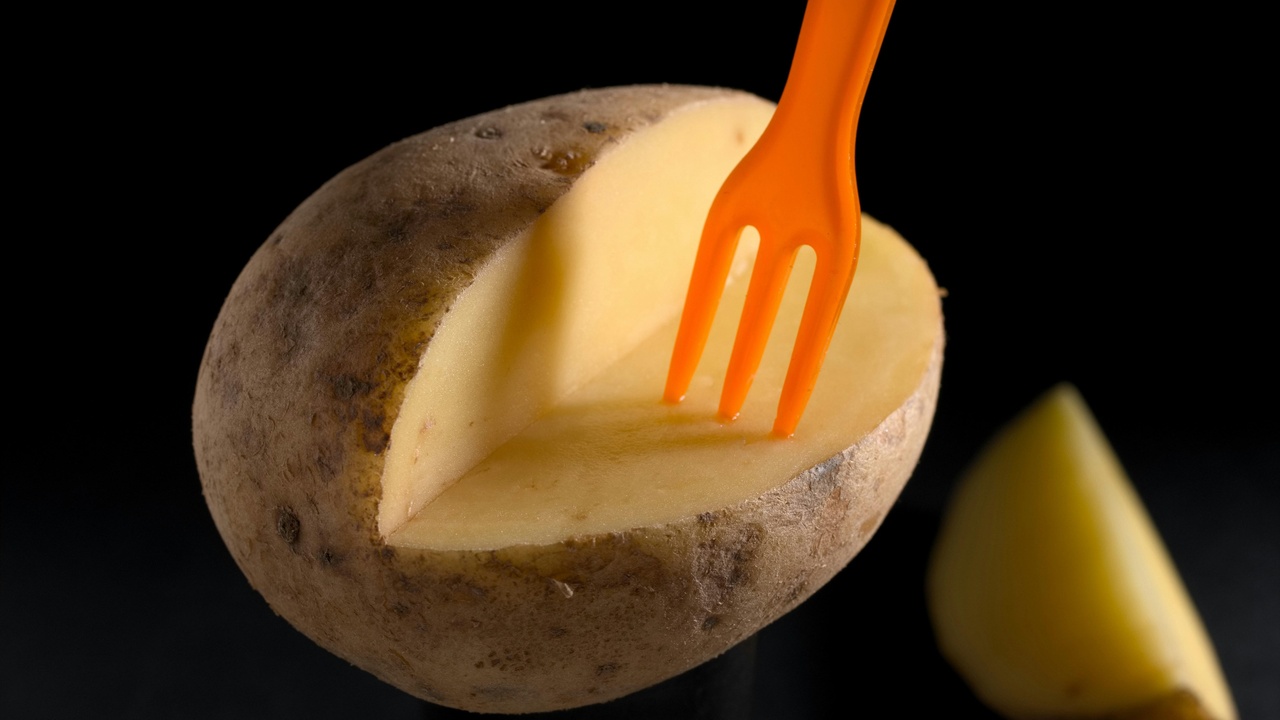
Texture and natural sugars determine which tuber works where. Potatoes come in starchy (mealy) and waxy types; the starch structure affects crisping, fluffiness, and how much oil they absorb. Sweet potatoes contain more free sugars and a moister flesh, which caramelizes when roasted and can make crisps soften faster. Below are tips on temperatures, variety choices, and a couple of recipe-minded suggestions so you know when to reach for each root.
4. Texture and ideal culinary uses
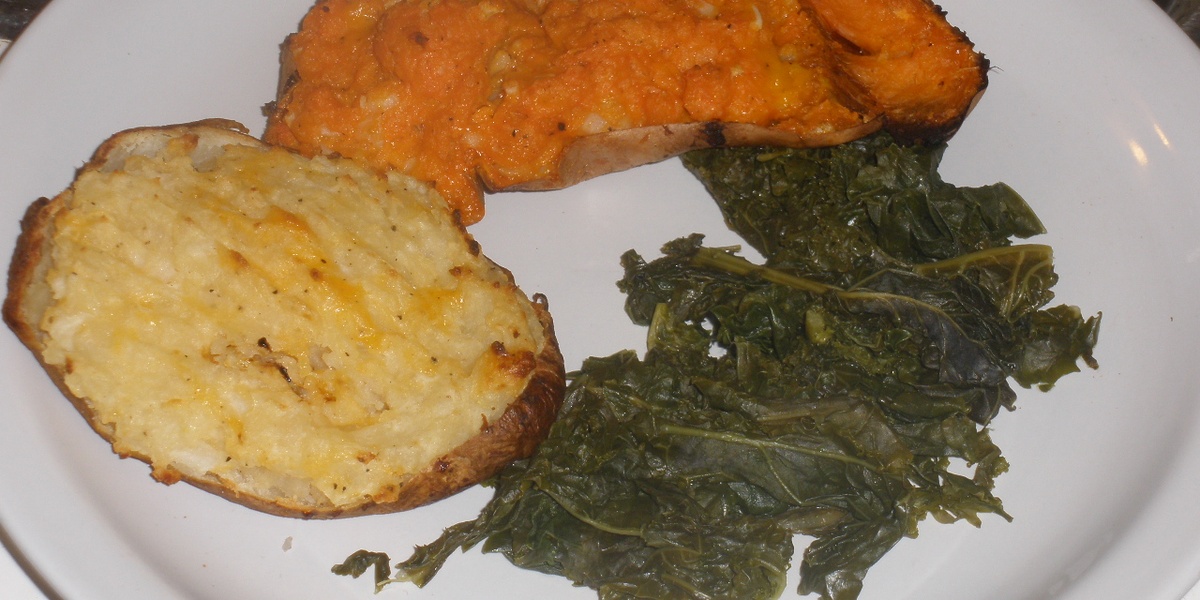
Texture dictates role: high‑starch russets become dry and fluffy when baked or mashed, while waxy reds and new potatoes hold shape for salads and gratins. Sweet potatoes are denser and moister, so they mash into a creamier, slightly sweeter puree and roast to glossy, caramelized wedges.
Cooking tips: parboil potatoes for fries, then double‑fry or bake at high heat; commercial frozen fries (e.g., McCain) typically use russets for optimal crispness. Roast sweet potato wedges at 200°C/400°F with a little oil and spices; they caramelize fast, so watch for browning. For mash, Yukon Gold gives a buttery texture in potatoes, while orange sweet potatoes make a sweeter, silkier mash.
5. Flavor, pairings, and cultural dishes
Potatoes offer a neutral, savory canvas that pairs with herbs, garlic, butter, and meat—think French gratin, Peruvian causa (a chilled seasoned potato mash), or classic Belgian fries. Sweet potatoes bring earthiness and sweetness that suit warm spices, citrus, maple, and ginger; they appear in sweet potato pie, candied yams at holiday tables, and modern menus as sweet potato fries.
Try a savory swap: use mashed sweet potato spiced with cumin and lime as a topping for roasted fish. Or flip a dish the other way—roasted russet cubes with rosemary make a hearty contrast to a sweet protein glaze.
Agricultural, Economic, and Availability Differences
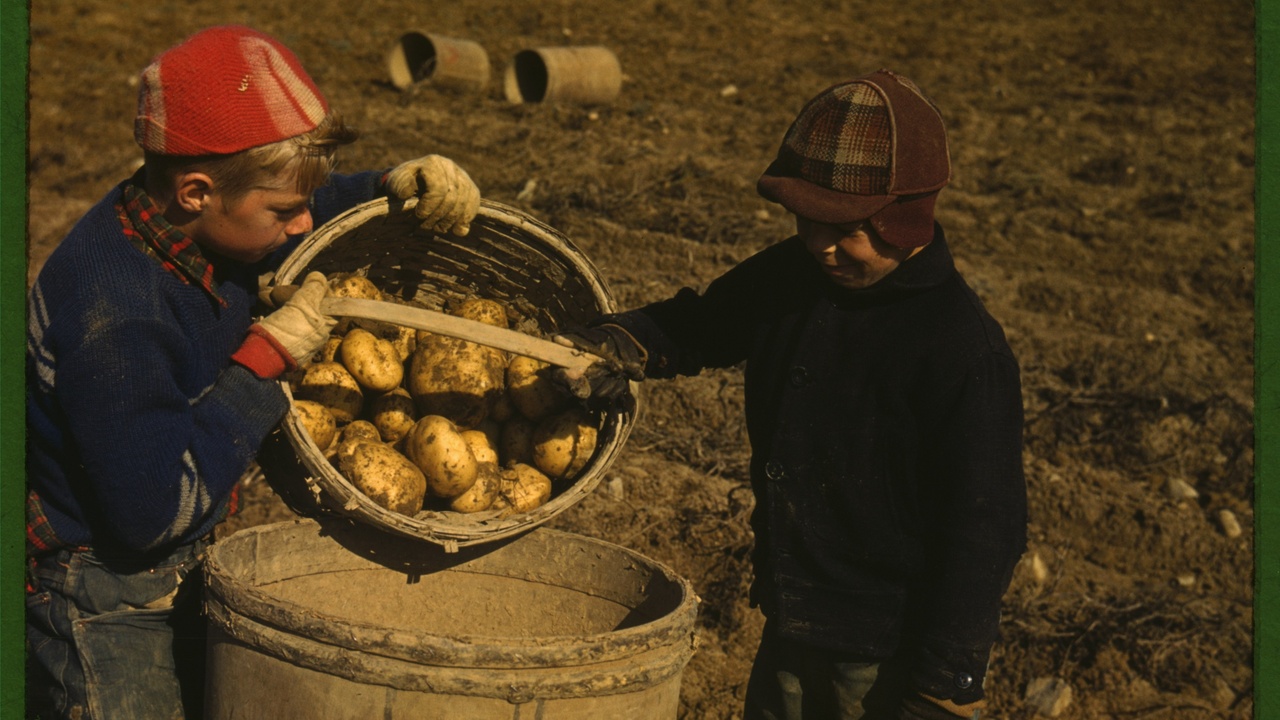
On a global scale the two crops differ in scale and geography. FAO estimates world potato production near 380 million tonnes per year, while sweet potato production is around 100–110 million tonnes. That gap reflects potatoes’ dominance in temperate regions and sweet potatoes’ strength in warmer climates. Storage behavior, seasonality, and processing also shape supermarket availability and price.
6. Growing conditions and harvest/storage differences
Potatoes prefer cooler temperate climates and tolerate higher altitudes; Peru and parts of Europe and Russia have long histories of potato cultivation. Sweet potatoes thrive in tropical and subtropical zones—China and many African countries are major producers. Harvest and post-harvest handling differ: sweet potatoes are often cured (warmed and dried) after harvest to heal skins and improve storage, while potatoes enter cool, dark storage to slow sprouting.
Storage sensitivity matters: commercial russets are commonly stored at about 4°C to control sprouting, whereas sweet potatoes suffer chilling injury below roughly 10–13°C and require warmer storage. For gardeners, this means different cellar setups and timing if you want long-term root storage.
7. Price, availability, and cultural significance
Availability and price depend on region, season, and processing. In temperate supermarkets potatoes are a year‑round staple and often cheaper per kilo; sweet potatoes can be seasonal or priced higher when out of local harvest. Processing affects cost too—frozen potato fries and canned yams change year‑round access and shelf price.
Culturally, potatoes anchor diets in Europe, Russia, and much of the Andes, while sweet potatoes are central in parts of sub‑Saharan Africa, East Asia, and the U.S. South. Those roles influence market demand and investment in seed systems, which in turn shape what you find on grocery shelves.
Summary
- Sweet potatoes (especially orange‑fleshed) supply high levels of beta‑carotene and can meet >100% of vitamin A needs in a medium baked tuber, while white potatoes are a stronger source of potassium (~400–600 mg in a medium tuber).
- Calories and carbs are similar (about 77 kcal vs 86 kcal per 100 g boiled), but sweet potatoes often have more fiber and natural sugars, which changes satiety and flavor.
- Texture drives culinary use: starchy russets yield fluffy bakes and crispy fries; waxy varieties hold for salads; orange sweet potatoes caramelize and suit both savory and sweet preparations.
- On the farm and in markets, potatoes dominate temperate production (~380 million tonnes/year) while sweet potatoes are concentrated in warmer regions (~100–110 million tonnes/year), affecting seasonality, storage needs, and price.
Try swapping one tuber for the other this week—use roasted sweet potato wedges where you’d normally roast russets, or make a sweet potato mash in place of your usual mashed potato—and check USDA or FAO data if you want the full nutrient and production details.