São Tomé and Príncipe’s islands hold a surprising variety of trees shaped by volcanic soils, coastal wetlands, and isolated mountain forests. Local patches of native woodland and mangrove fringe support species you won’t find together on the mainland, making the islands a compact laboratory for island biogeography and conservation.
There are 20 Trees of Sao Tome and Principe, ranging from African mahogany to White mangrove. For each species you’ll find below the key data organized as: Scientific name,Endemism & islands,Height (m), so you can quickly see which are island endemics, where they occur, and how tall they grow — you’ll find those details below.
How can I tell which species are unique to São Tomé and Príncipe?
Check the “Endemism & islands” column in the list below; it flags species restricted to one or both islands versus widespread or introduced species. Endemics are the ones most important for local conservation and are usually tied to specific habitats like cloud forest or lowland rainforest.
Where on the islands should I look for African mahogany or White mangrove?
White mangrove appears in coastal mangrove belts and estuaries, best seen at sheltered shorelines. African mahogany is typically in lowland or secondary forest and sometimes in plantation or disturbed sites. For precise locations, pair the list below with local park maps or guides.
Trees of Sao Tome and Principe
| Name | Scientific name | Endemism & islands | Height (m) |
|---|---|---|---|
| Coconut | Cocos nucifera | Introduced, naturalized; São Tomé, Príncipe | 25 |
| Mango | Mangifera indica | Introduced, naturalized; São Tomé, Príncipe | 15 |
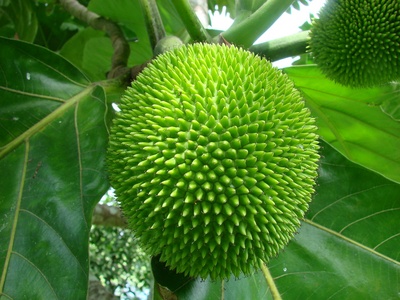
| Breadfruit | Artocarpus altilis | Introduced, long-established; São Tomé, Príncipe | 10 |
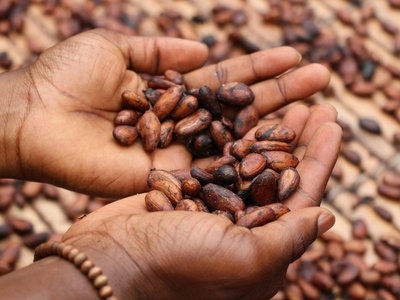
| Cocoa | Theobroma cacao | Introduced, cultivated large-scale; São Tomé, Príncipe | 5 |
| Tropical almond | Terminalia catappa | Introduced, naturalized; São Tomé, Príncipe | 15 |
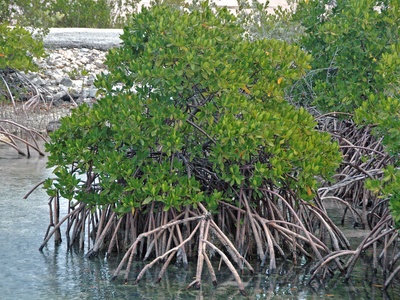
| Red mangrove | Rhizophora mangle | Native, coastal; São Tomé, Príncipe | 10 |
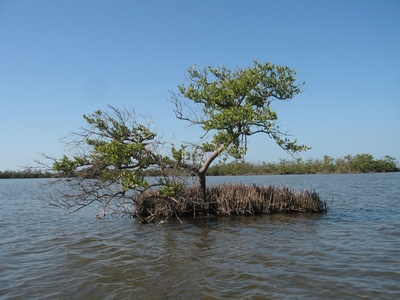
| Black mangrove | Avicennia germinans | Native, coastal; São Tomé, Príncipe | 8 |
| White mangrove | Laguncularia racemosa | Native/near-native, coastal; São Tomé, Príncipe | 10 |
| Buttonwood | Conocarpus erectus | Introduced, naturalized; São Tomé, Príncipe | 8 |
| Kapok | Ceiba pentandra | Native/introduced, naturalized; São Tomé, Príncipe | 30 |
| Iroko | Milicia excelsa | Native/long-established; São Tomé, Príncipe | 40 |
| African mahogany | Khaya ivorensis | Native/long-established; São Tomé, Príncipe | 35 |
| African plum | Dacryodes edulis | Introduced/naturalized; São Tomé, Príncipe | 20 |
| Hog plum | Spondias mombin | Introduced, naturalized; São Tomé, Príncipe | 10 |
| Rain tree | Samanea saman | Introduced, naturalized; São Tomé, Príncipe | 20 |
| Casuarina | Casuarina equisetifolia | Introduced, naturalized; São Tomé, Príncipe | 15 |
| Eucalyptus | Eucalyptus globulus | Introduced, planted; São Tomé | 40 |
| Neem | Azadirachta indica | Introduced, naturalized; São Tomé, Príncipe | 20 |
| Fig (broad fig) | Ficus sur | Native/long-established; São Tomé, Príncipe | 25 |
| Mahogany (swietenia-like) | Entandrophragma utile | Introduced/naturalized; São Tomé, Príncipe | 35 |
Images and Descriptions
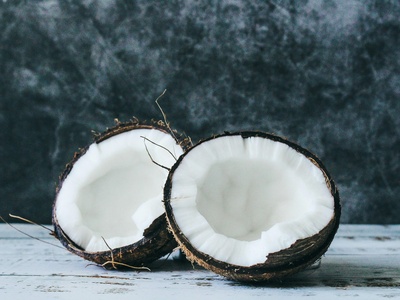
Coconut
Iconic tall palm-tree producing coconuts along coasts and villages. Easy ID by single trunk, large feathery leaves and hanging nuts. Important for food, oil, thatch and coastal protection; widespread and culturally significant.
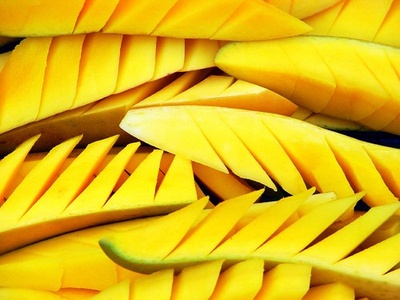
Mango
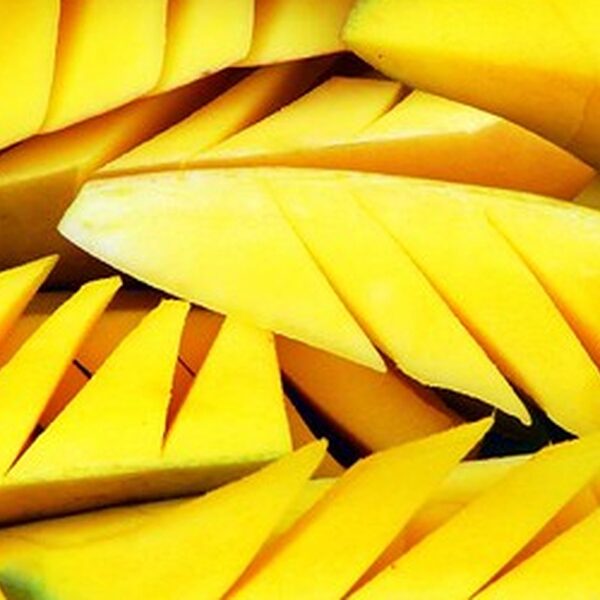
Broad-canopied fruit tree with leathery leaves and sweet orange-yellow fruit. Common in village gardens and secondary forest edges. Provides shade, fruit and timber; often naturalized and valued by local people.
Breadfruit
Large evergreen tree with lobed leaves and heavy clusters of starchy fruit. Cultivated in home gardens and sometimes self-sown at forest margins. Staple food source historically, notable for large, breadlike fruits when cooked.
Cocoa
Small to medium shade-tolerant tree grown in plantations across the islands. Distinctive pod-covered trunk produces cocoa used for chocolate. Culturally and economically important, shaping much of São Tomé’s landscape and history.

Tropical almond
Spreading coastal tree with horizontal branches and large obovate leaves that turn red before falling. Produces almond-like nuts and is used for shade, windbreaks and ornamentation along beaches and roads.
Red mangrove
Mangrove tree with prop roots and leathery leaves growing in tidal mudflats. Easily ID’d by stilt roots and viviparous propagules. Forms dense stands that protect shorelines and support rich fisheries.
Black mangrove
Salt-tolerant mangrove often at upper tidal margins with pneumatophores (breathing roots) and greyish leaves. Important for coastal stabilization and nursery habitat for fish and invertebrates.
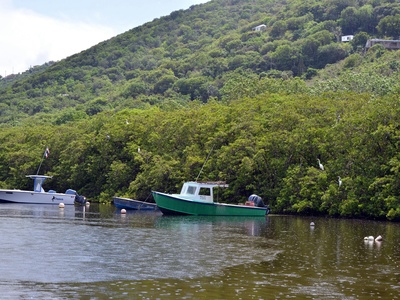
White mangrove
Shrubby to medium tree of higher mangrove zones with rounded leaves and peg roots. Identified by paired glands at leaf bases. Contributes to fringe mangrove communities and shoreline protection.
Buttonwood
Coastal tree with scaly bark and narrow leaves that tolerates salt spray and poor soils. Often forms dense thickets on sandy shores and is used locally for fuel and simple timber.
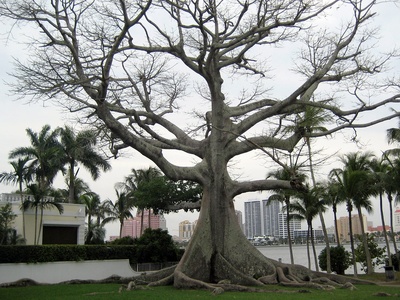
Kapok
Massive emergent tree with buttressed trunk and spines on young stems, bearing big showy flowers and fluffy seed kapok. Prominent in lowland forests and culturally notable as a landmark tree.
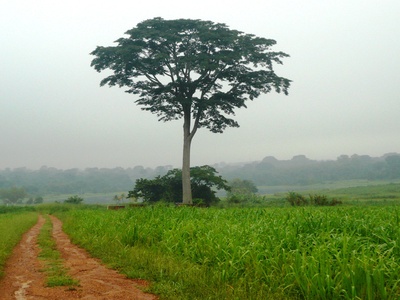
Iroko
Large hardwood tree prized for durable timber. Rough bark and compound leaves help ID it. Found in mature lowland and submontane forest; exploited for commercial timber and ecologically important as a canopy species.
African mahogany
Tall, straight-trunked rainforest tree with pinnate leaves and winged samara fruit. Valued for high-quality timber; occurs in primary and secondary forest and is a target for logging and conservation concern.
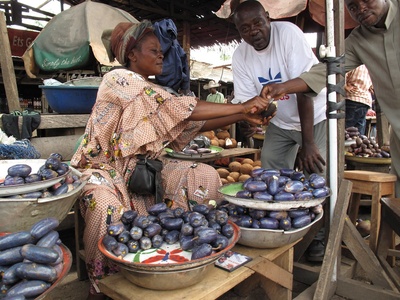
African plum
Evergreen fruit tree with glossy pinnate leaves and oval fleshy fruits eaten locally. Grows in village gardens and forest edges, providing nutritious fruit and occasional timber.
Hog plum
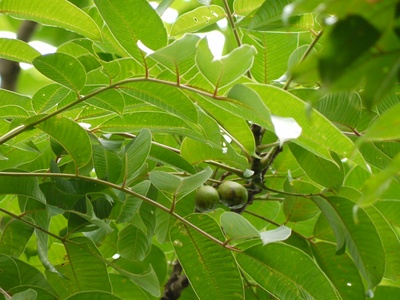
Medium tree with pinnate leaves and tangy yellow-orange fruits. Common in secondary growth, gardens and roadsides; fruits eaten fresh, made into preserves, and tree used for shade and timber.
Rain tree
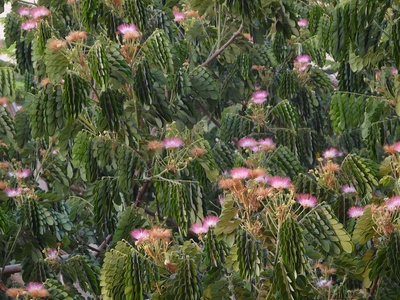
Large spreading canopy with bipinnate leaves and pinkish powder-puff flowers. Widely planted as shade tree in villages and pastures; recognizable by umbrella crown and seed pods used as livestock feed.
Casuarina
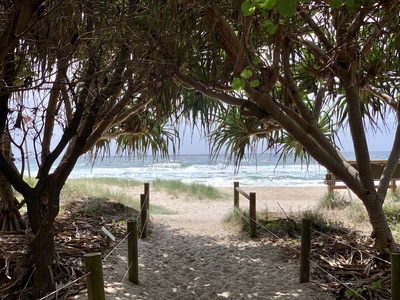
Pine-like slender-needled branches and rough bark identify this wind- and salt-tolerant coastal tree. Often used for shelterbelts and erosion control; can form dense stands on degraded soils.
Eucalyptus
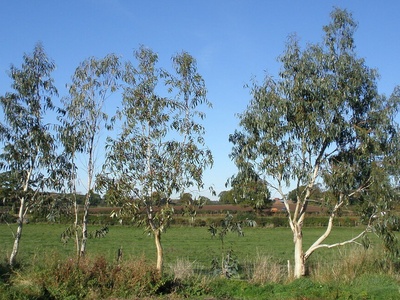
Fast-growing plantation tree with peeling bark and aromatic leaves. Planted historically for timber, fuel and windbreaks; identifiable by lanceolate leaves and strong eucalyptus scent.
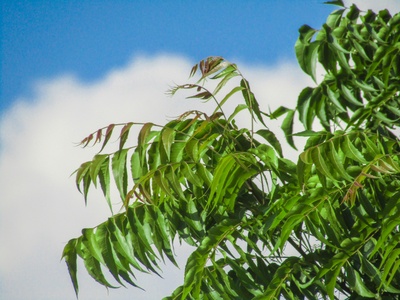
Neem
Hardy multi-purpose tree with pinnate leaves and small white flowers. Known for medicinal and pesticidal properties, often planted in villages and roadsides and occasionally naturalized.
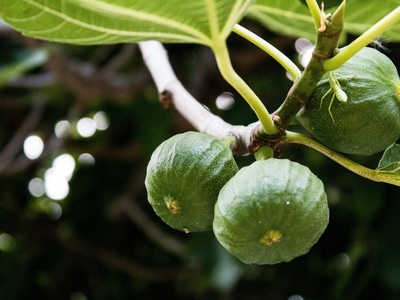
Fig (broad fig)
Large fig with broad crown, smooth bark and edible syconia (fig fruits). Figs are keystone trees, supporting many birds and mammals; found in forest and disturbed areas.
Mahogany (swietenia-like)
Tall tropical timber tree with pinnate leaves and woody capsules. Planted or naturalized for high-quality timber; contributes to canopy in disturbed and managed forests.