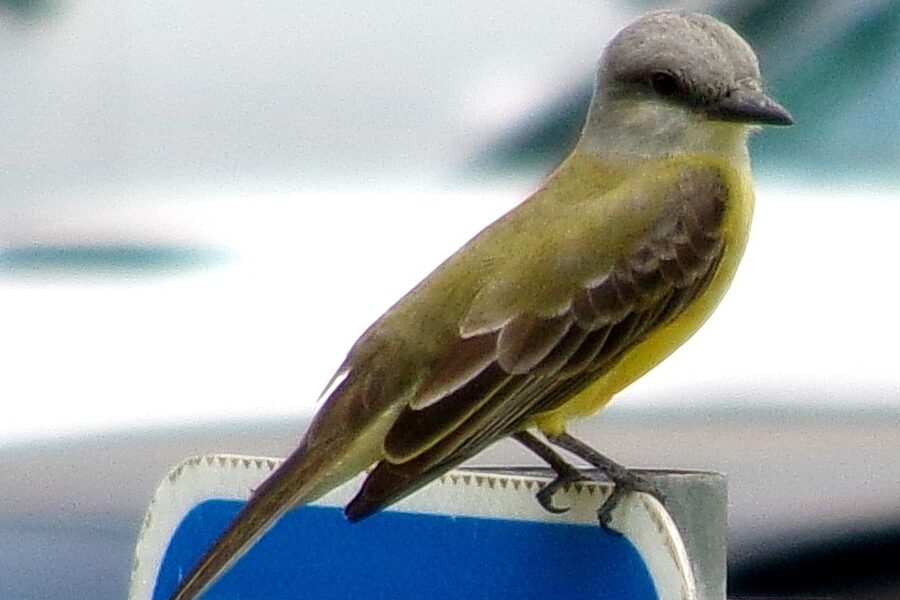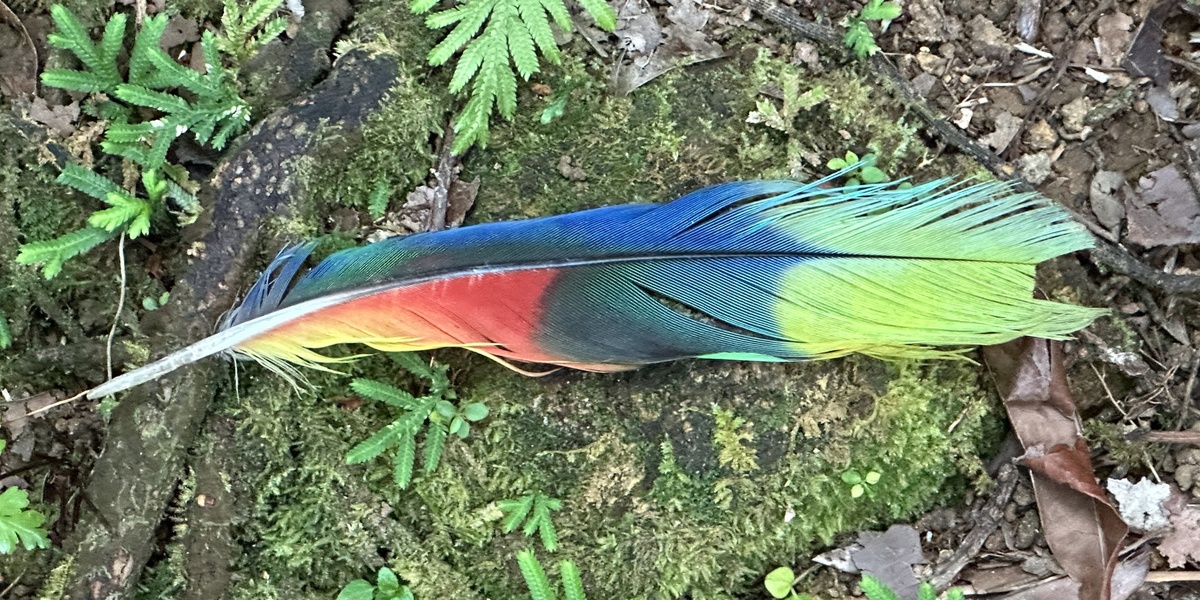
Saint Lucia packs a lot of biodiversity into a small island: just 238 square miles (617 km²) and roughly 200 recorded bird species. How does so much life persist on such compact terrain? The answer is a mix of steep topography, varied habitats and long-standing local stewardship — but also mounting pressure. Several endemic animals are threatened on global lists such as the IUCN Red List and BirdLife International accounts. This piece highlights seven of Saint Lucia’s most remarkable tropical species and groups, explains their conservation status, how people encounter them (from guided tours to volunteer monitoring), and the concrete actions underway to protect them.
Endemic and Notable Birds
Birds are a visible sign of Saint Lucia’s ecological value: they move seeds, pollinate plants and draw international birdwatchers. Island endemism makes many species conservation priorities, and several are listed as Vulnerable or Endangered by BirdLife International and the IUCN. Visitors often find birding supports local guides and community incomes. Below are three bird highlights that illustrate both urgency and everyday connections between people and nature.
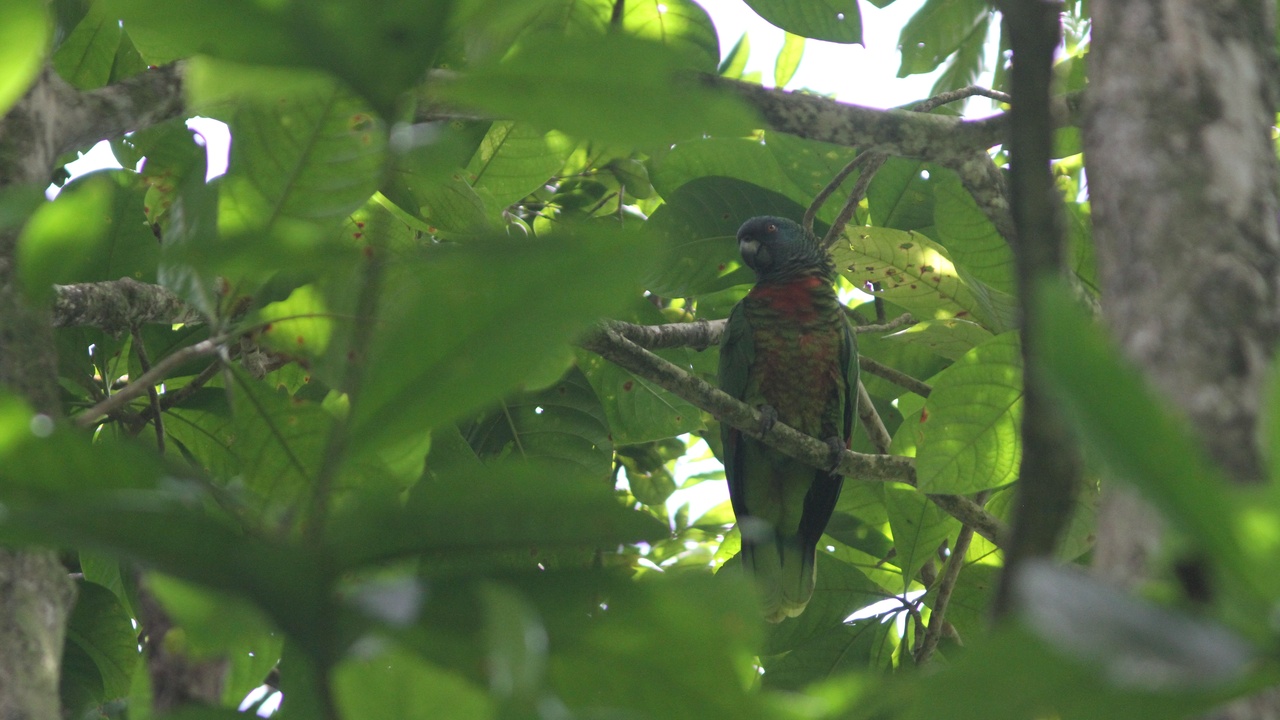
1. Saint Lucia Amazon (Amazona versicolor) — the island’s signature parrot
The Saint Lucia Amazon is the island’s flagship endemic parrot and a symbol of national conservation efforts. BirdLife International and IUCN assessments estimate the wild population at roughly 700–900 mature individuals, and the species is listed as Endangered due to habitat loss, hurricane damage and illegal capture for the pet trade.
Its bright plumage and rarity make parrot-watching a cornerstone of eco-tours around forested ridge lines, bringing steady income to local guides. Conservation work includes nest-monitoring, nest-box programs and habitat protection led by the Saint Lucia Forestry Department with support from international partners such as Durrell Wildlife Conservation Trust.
A concrete success: long-term nest monitoring has improved fledging rates in protected areas, and captive-holding with targeted release protocols has helped stabilize numbers. Suggested quote from a conservation partner: “Nest monitoring and local guard programs are already making a measurable difference for the Amazona,” says a representative of the Saint Lucia Forestry Department.
2. Saint Lucia Oriole (Icterus laudabilis) — a rare passerine with strong local ties
The Saint Lucia Oriole is another island-restricted bird that carries cultural weight and acts as an indicator of forest health. BirdLife International lists this species as Endangered, with a limited breeding range confined to remnant forest patches and mature gardens.
Main threats include loss of mature trees, fragmentation and competition from invasive species in disturbed areas. Local communities recognize the oriole in art and festivals, which helps build political goodwill for protecting habitat.
Practical conservation centers on protecting nesting trees and running education programs. School outreach and community awareness campaigns — often organized with the Saint Lucia National Trust and local birding groups — have encouraged backyard habitat creation and regular monitoring of oriole nests.
3. Hummingbirds and migrant shorebirds — small species with big ecological roles
Tiny but vital, the Purple-throated Carib and other nectar feeders are key pollinators for native flowers, while dozens of migrant shorebirds visit Saint Lucia seasonally. Spring and fall migration peaks bring waves of sandpipers and plovers to coastal wetlands and salt ponds.
Home gardeners and smallholder farmers benefit from hummingbird pollination, and adding native flowering plants amplifies those services. Birdwatchers time visits to catch migration peaks at hotspots such as Choc Bay and local salt ponds, where guided walks generate income for community guides.
Reptiles and Amphibians
Island reptiles and amphibians include some of Saint Lucia’s most threatened endemics. Many have tiny ranges and small populations, which raises extinction risk and places them high on the IUCN Red List and local conservation agendas. These species provide pest control and help maintain healthy forests, but protecting them requires site-specific management and invasive-predator control.
4. Saint Lucia Racer (Erythrolamprus ornatus) — once nearly extinct, a conservation emblem
The Saint Lucia Racer is among the rarest snakes on Earth and a major conservation priority. Historically driven to the brink by habitat loss and invasive predators, the racer survived only on offshore islets for decades. Surveys and conservation records indicate the species was reduced to very small remnant populations before intensive recovery efforts began.
Recovery work has focused on invasive predator control (rats and mongooses), habitat protection of predator-free islets and carefully planned translocations. The Saint Lucia National Trust and government agencies, together with international partners, have coordinated the science and logistics behind those actions.
Why it matters: restoring the racer helps rebalance food webs, offers research opportunities into island ecology and provides a flagship success story that attracts conservation funding and responsible ecotourism.
5. Native lizards and frogs — indicators of healthy forests
Species such as the Saint Lucia anole (Anolis luciae) and several geckos are effective insect predators and act as sensitive indicators of habitat quality. Declines in these groups often signal broader ecosystem stress from habitat fragmentation or invasive species.
Practical conservation includes simple actions: maintaining leaf litter, retaining native vegetation and reducing pesticide use in gardens. Schools and community groups run citizen-science surveys that map distributions and track seasonal abundance.
Those volunteer programs have helped managers identify priority forest patches for protection and provided baseline data used in island-wide monitoring efforts.
Marine Life and Coral Reef Communities
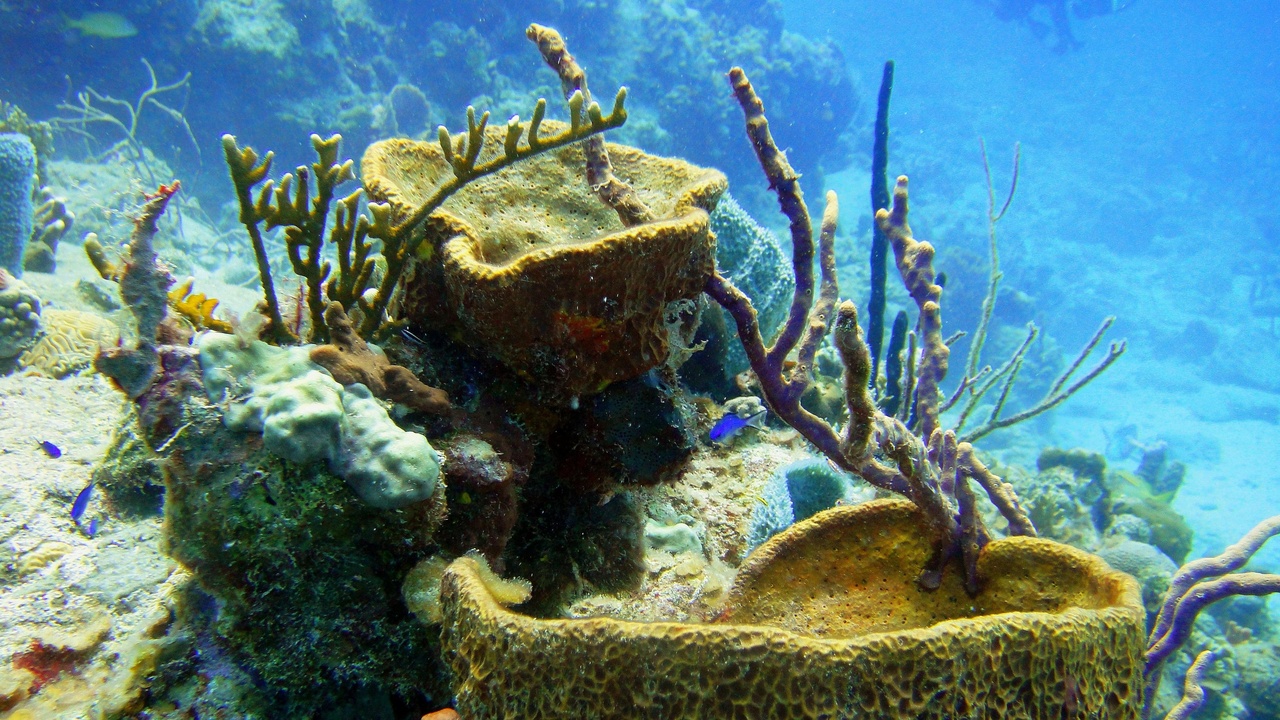
Coastal and marine species underpin fisheries, tourism and shoreline protection around Saint Lucia. Coral reefs and seagrass beds buffer storm surge, support fish stocks and attract snorkelers and divers. Yet reefs face bleaching, overfishing and coastal development, prompting regional monitoring through bodies such as the OECS and local fisheries authorities.
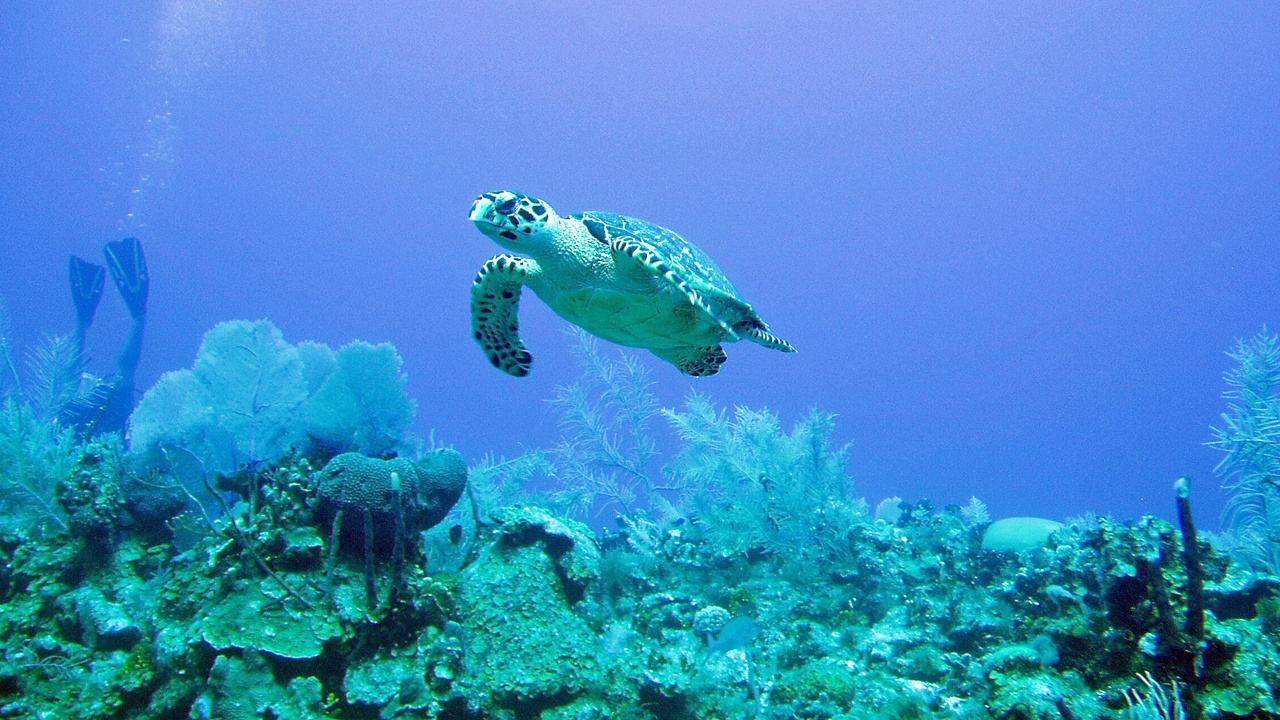
6. Sea turtles (hawksbill and green) — nesting visitors and conservation icons
Hawksbill and green turtles use Saint Lucia’s beaches and nearshore reefs for nesting and foraging. Hawksbills are listed as Critically Endangered and greens as Endangered on the IUCN Red List. Nesting activity is most commonly reported between April and October, though timing can vary by beach.
Local conservation groups and the fisheries department run nest monitoring and hatchling-release programs that engage volunteers and beachfront communities. These events support tourism while educating residents about threats like coastal lighting, poaching and marine debris.
Examples of on-the-ground action include nightly beach patrols during nesting season and coordinated clean-ups to reduce entanglement risk. Partnerships with international sea-turtle networks help standardize monitoring and protect important nesting sites.
7. Coral reef fishes and reef systems — biodiversity that sustains fisheries and snorkeling
Reef communities — parrotfish that graze algae, groupers and snappers that support fisheries, and a broad suite of herbivores — keep coral systems functioning. Healthy reefs translate directly into catch for fishers and revenue for snorkel and dive operators.
Threats include bleaching from warming seas, storm damage and local overfishing. Management tools in use are marine protected areas, seasonal closures and gear restrictions, along with community co-management in places such as the Soufrière Marine Management Area.
Restoration and monitoring projects — often run by fisheries authorities and NGOs in partnership with regional programs — focus on reef resilience, selective fishing rules and outreach to fishers about the ecological role of species like parrotfish in keeping reefs healthy.
Summary
- Endemic species such as the Saint Lucia Amazon and Saint Lucia Racer make the island globally important for biodiversity and require targeted protection.
- Birds, reptiles and marine life all support local livelihoods through ecotourism and fisheries; preserving habitat sustains those economic benefits.
- Successful conservation combines science (IUCN and BirdLife data), government action and community engagement — from nest monitoring to invasive-predator control.
- Visitors can help by choosing monitored wildlife tours, supporting local NGOs, and following best practices on beaches and reefs to reduce human impacts.