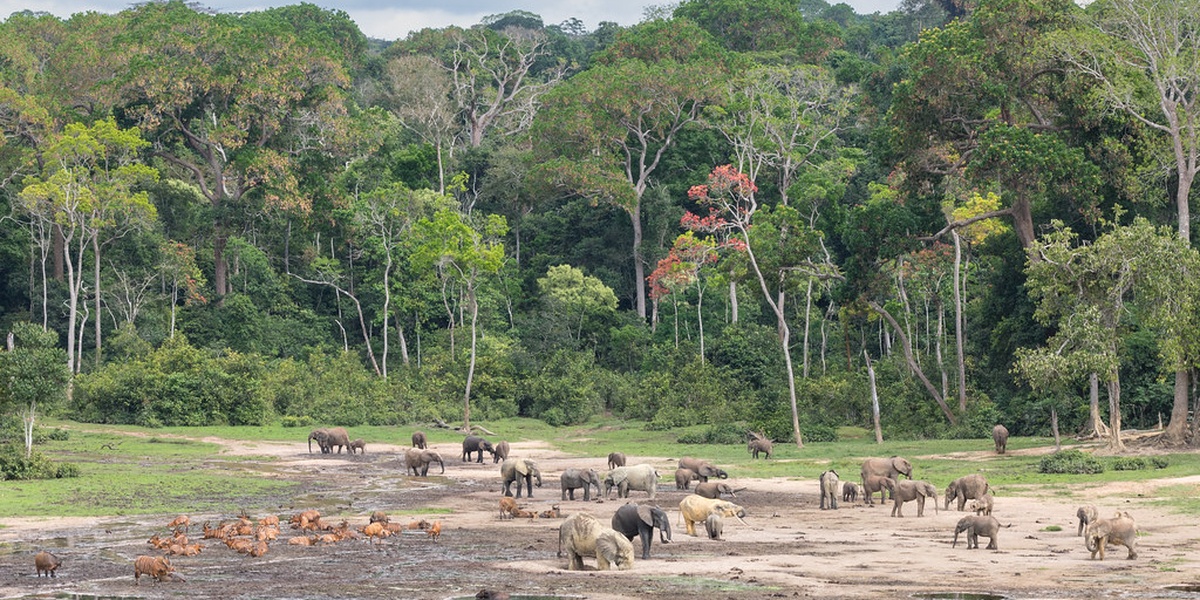
The Republic of the Congo’s mix of rainforest, wetlands and savanna supports rich wildlife — and with that diversity comes a range of animals that can be dangerous to people. From disease-carrying insects in urban edges to large mammals near rivers and in remote forests, understanding risks helps residents and visitors stay safe while respecting habitats.
There are 24 Dangerous Animals in the Republic of the Congo, ranging from Aedes mosquito to Western lowland gorilla. For each species, entries are organized as Scientific name,Danger (type/severity),Where found (region/habitat); you’ll find below.
Which of these animals are most likely to cause harm to people in everyday situations?
Mosquitoes (including Aedes species) are the top everyday risk because they transmit viruses that can cause outbreaks; snakes, stinging insects and aggressive mammals such as hippos or crocodiles pose higher-risk encounters near water or farmland, while large primates like the Western lowland gorilla are rarely aggressive but can be dangerous if surprised or provoked — location, season and human behavior usually determine likelihood of harm.
What practical steps reduce the risk from dangerous wildlife in the Republic of the Congo?
Use insect protection (nets, repellent, covering clothing), avoid walking alone near rivers at night, follow local guidance on wildlife areas, store food securely, keep respectful distance from large mammals and primates, and seek immediate medical care after bites, stings or risky exposures.
Dangerous Animals in the Republic of the Congo
| Name | Scientific name | Danger (type/severity) | Where found (region/habitat) |
|---|---|---|---|
| African forest elephant | Loxodonta cyclotis | Large animal — can charge and trample | Likouala rainforest, Odzala‑Kokoua, dense forest interior |
| Hippopotamus | Hippopotamus amphibius | Large aquatic — aggressive, can gore or drown | Rivers and lakes (Congo, Sangha, Likouala), floodplain rivers |
| Nile crocodile | Crocodylus niloticus | Large predator — can ambush and kill humans | Rivers, lakes, marshes (Congo River basin, Likouala) |
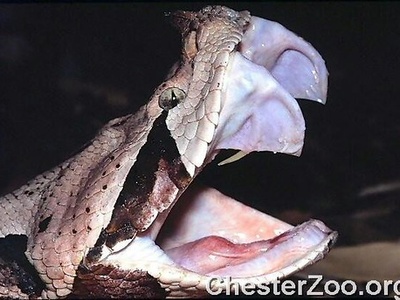
| Gaboon viper | Bitis gabonica | Venomous — hemotoxic, potentially fatal without antivenom | Lowland rainforest, leaf litter, forest edges (Odzala, Likouala) |
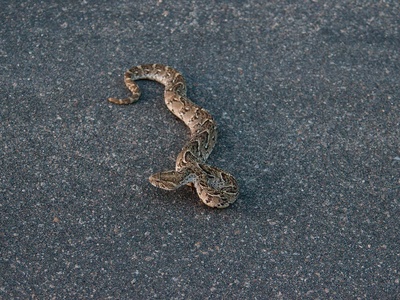
| Puff adder | Bitis arietans | Venomous — cytotoxic, can be fatal | Forest‑savanna mosaic, roadsides, savannas (northern/southern savanna zones) |
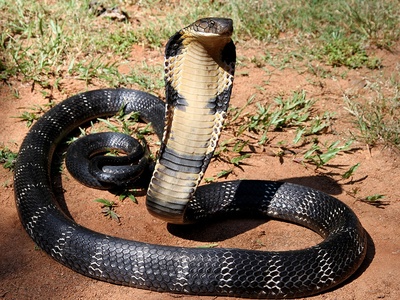
| Forest cobra | Naja melanoleuca | Venomous — neurotoxic/cardiotoxic, potentially fatal | Rainforest, forest edges, near human settlements (central/western Congo) |
| Black‑necked spitting cobra | Naja nigricollis | Venomous — spitting/venomous, can blind and be fatal | Savanna, open forest, near settlements (savanna‑forest fringe) |
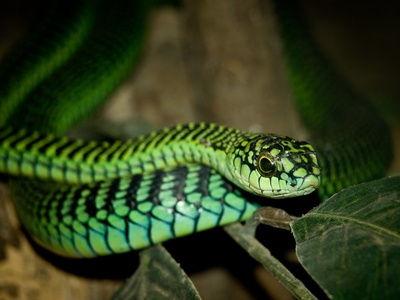
| Boomslang | Dispholidus typus | Venomous — hemotoxic, delayed but potentially fatal | Woodland, forest edges, trees near villages |
| Jameson’s mamba | Dendroaspis jamesoni | Venomous — neurotoxic, fast‑acting, potentially fatal | Lowland rainforest, forest edges, trees near rivers |
| African rock python | Python sebae | Constrictor — can kill small people or children by constriction | Near rivers, swamps, forest edges, villages |
| Leopard | Panthera pardus | Large predator — can attack humans, opportunistic | Forest and savanna fringes (Odzala, northern savannas) |
| Western lowland gorilla | Gorilla gorilla | Large primate — can inflict severe injury if provoked | Dense lowland rainforest (Odzala, Likouala) |
| Chimpanzee | Pan troglodytes | Large primate — can be aggressive, bite and maul | Forest, forest edge, Likouala and northern forests |
| African buffalo | Syncerus caffer | Large herbivore — unpredictable, can gore and trample | Savanna, gallery forest, northern/southern savanna zones |
| Bushpig | Potamochoerus larvatus | Aggressive suid — bites and goring can injure humans | Forest, swamp edges, agricultural fields |
| Spotted hyena | Crocuta crocuta | Large carnivore — can attack humans, especially at night | Savanna, open woodlands, gallery forests |
| African honeybee | Apis mellifera | Aggressive swarming — can cause fatal mass‑sting reactions | Forests, villages, agricultural areas, rural settlements |
| Anopheles mosquito | Anopheles gambiae | Disease vector — malaria (potentially fatal) | Everywhere: rural villages, forests, swampy areas, urban edges |
| Aedes mosquito | Aedes aegypti | Disease vector — dengue, yellow fever, Zika risk | Urban areas, peri‑urban, breeding in containers, coastal/mangrove zones |
| Tsetse fly | Glossina palpalis | Disease vector — transmits African trypanosomiasis | Riverine forests, gallery forests, savanna corridors (Congo River basin) |
| Epauletted fruit bat | Epomops franqueti | Disease reservoir — associated with Ebola spillover risk | Congo Basin forests, roosts in trees near villages |
| Egyptian fruit bat | Rousettus aegyptiacus | Disease reservoir — Marburg and filovirus risk | Caves, forest roosts, roosts near settlements |
| Nile monitor | Varanus niloticus | Bite risk — powerful bite and infection risk | Rivers, wetlands, swamp forests, riverbanks |
| Straw‑colored fruit bat | Eidolon helvum | Disease reservoir — rabies and other zoonoses possible | Urban and rural roosts, forest edges, migratory camps |
Images and Descriptions
African forest elephant
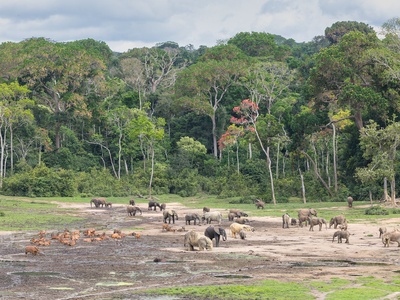
Large forest elephant that can charge when threatened; collisions and trampling cause fatal injuries. Common in Congo rainforests (Odzala); avoid getting between mothers and calves, give wide berth on foot or by vehicle. (IUCN)
Hippopotamus
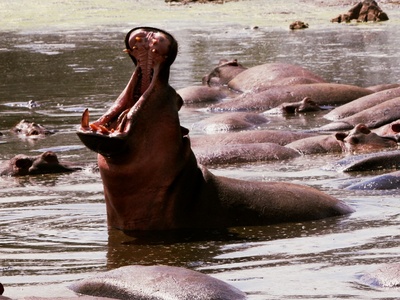
Massive semi‑aquatic mammal that is highly territorial and aggressive; responsible for many riverbank fatalities. Common in Congo rivers and floodplains; never stand between a hippo and water, keep distance from riverbanks and avoid small boats. (IUCN)
Nile crocodile
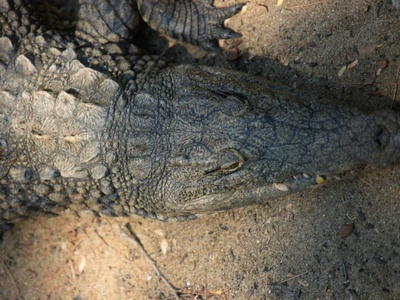
Apex freshwater predator that ambushes at water’s edge; responsible for fatal attacks on fishermen. Common in Congo Basin rivers and swamps; avoid swimming, fetch water in groups, and stay off riverbanks at night. (IUCN)
Gaboon viper
Large, superbly camouflaged rainforest viper with long fangs and potent hemotoxic venom that can be fatal without antivenom. Encounters are usually accidental on forest floors; wear boots, watch leaf litter, and get urgent medical care if bitten. (IUCN)
Puff adder
Widespread ambush viper often encountered on trails and near homes; its cytotoxic venom causes severe tissue damage and can be fatal if untreated. Be cautious at night, wear sturdy footwear, and seek antivenom‑equipped care for any suspected bite. (IUCN)
Forest cobra
Large cobra found in lowland forests and edges; its neurotoxic venom can cause respiratory collapse and death. Encounters occur near villages and forest paths; do not provoke, back away slowly, and seek rapid antivenom treatment after any bite. (IUCN)

Black‑necked spitting cobra
Spitting cobra common in savanna and farm edges that can spray venom causing painful eye injury and systemic envenoming. Found near settlements; if spat on, rinse eyes immediately with clean water and seek medical attention promptly. (IUCN)
Boomslang
Arboreal snake with potent hemotoxic venom that disrupts clotting; bites may seem mild at first but can be fatal. Inhabit forest edges and trees near villages; avoid handling or reaching into foliage, and seek antivenom immediately after a bite. (IUCN)
Jameson’s mamba
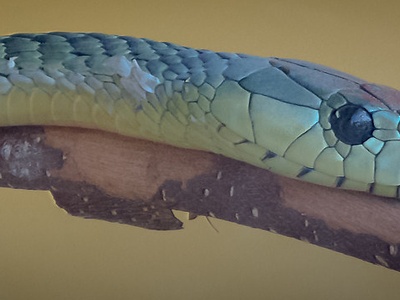
Fast, highly venomous mamba living in Central African forests; neurotoxic venom can be rapidly fatal. Typically arboreal and shy but will defend itself; avoid disturbing tree hollows, back away calmly, and obtain immediate antivenom if bitten. (IUCN)
African rock python
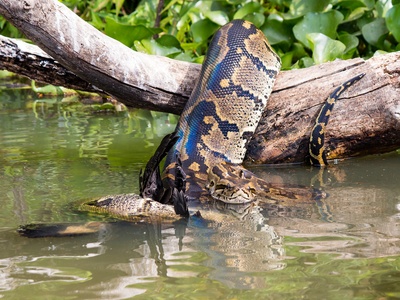
Massive constrictor found near rivers and villages that can kill small children or cause severe injuries, though nonvenomous. Keep children and pets supervised near waterways, do not handle large pythons, and report large specimens to authorities. (IUCN)
Leopard
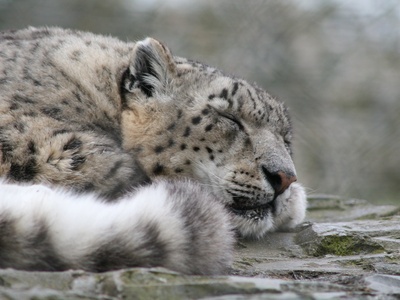
Solitary big cat present in forests and savanna edges; attacks on humans are uncommon but can be serious, especially if habituated. Take precautions at night, avoid solitary walks, and secure food to reduce attraction. (IUCN)
Western lowland gorilla
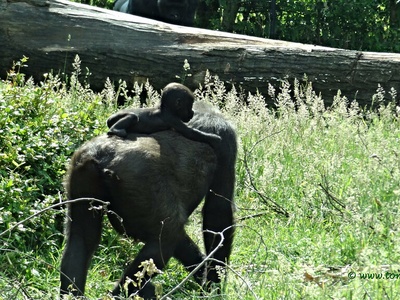
Powerful ape inhabiting lowland rainforests; while generally peaceful, adults can cause severe injury if threatened or surprised. Keep distance, follow guides and park rules during treks, and never approach infants. (IUCN)
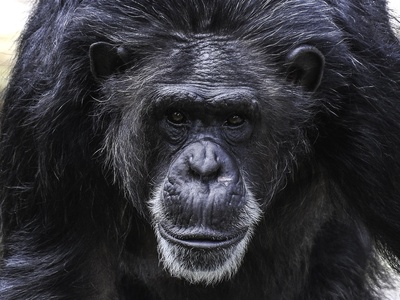
Chimpanzee
Intelligent and strong ape that can be aggressive and has injured humans when provoked or during hunting. Occurs in forests; avoid feeding or approaching, follow strict guidelines on distance, and use experienced guides. (IUCN)
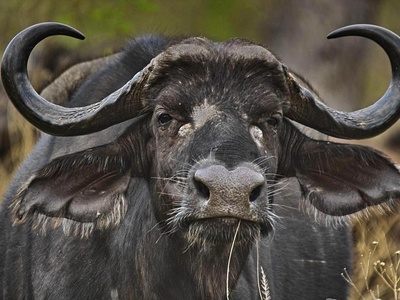
African buffalo
Robust and unpredictable herbivore that will charge and gore when threatened; responsible for fatal encounters with hunters and hikers. Found in savannas and gallery forests; observe from vehicles, do not approach calves, and keep safe distance. (IUCN)
Bushpig
Nocturnal wild pig often foraging near farms that can be aggressive if cornered, inflicting severe bites and tusk wounds. Use lights at night, avoid surprising groups, and secure crops to reduce encounters. (IUCN)
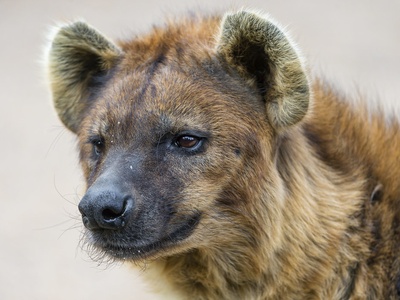
Spotted hyena
Powerful scavenger and hunter that may attack vulnerable people or livestock, especially at night. Present in savanna and open zones; avoid walking alone after dark, reinforce housing, and keep food securely stored. (IUCN)
African honeybee
Highly defensive bees that may swarm and deliver large numbers of stings; mass attacks can be fatal, especially for allergic individuals. Avoid disturbing hives, move calmly if swarmed, and seek medical care for multiple stings or breathing difficulty. (Entomology sources)
Anopheles mosquito
Primary malaria vector across the Republic of the Congo; malaria can be severe and fatal without treatment. Peak biting at night in rural and urban areas; use insecticide‑treated nets, repellents, and follow WHO antimalarial recommendations. (WHO)
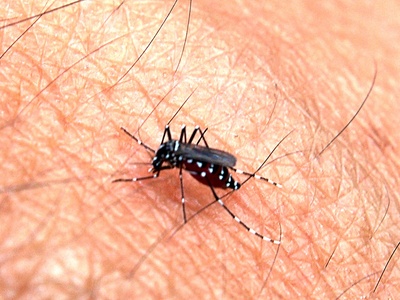
Aedes mosquito
Day‑biting mosquito that spreads dengue and yellow fever present in towns and villages; outbreaks can be severe. Remove standing water, use repellents and screens, and ensure yellow fever vaccination when recommended. (WHO)
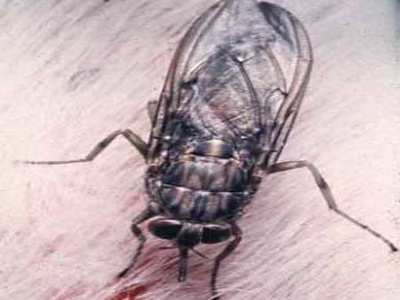
Tsetse fly
Riverine Glossina species transmit sleeping sickness; infection can be fatal if untreated. Found in riverine and forested zones; wear long sleeves, use insect repellent, and seek early medical care for persistent fevers. (WHO)
Epauletted fruit bat
Epauletted fruit bat implicated in Ebola ecology; direct contact or butchering of bats increases spillover risk. Roosts in trees near villages in the Congo Basin; avoid handling bats or bushmeat and follow public health advice. (WHO,IUCN)
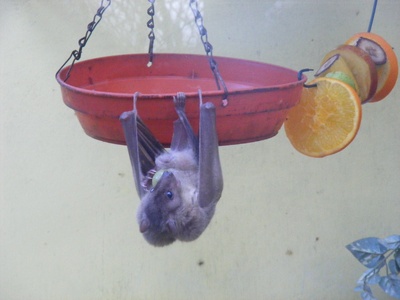
Egyptian fruit bat
Cave‑ and tree‑roosting fruit bat linked to Marburg and filovirus spillovers in Africa; contact risks exist if entering caves or handling bats. Avoid bat caves and hunting bats, and report unusual animal deaths. (WHO,IUCN)
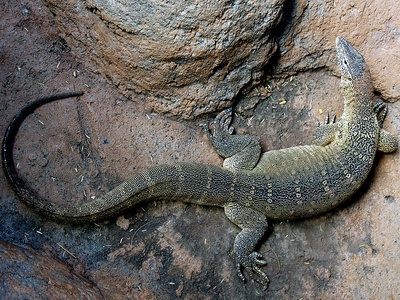
Nile monitor
Large riverine lizard capable of delivering painful bites and causing bacterial wound infections; rare attacks occur near waterways. Keep clear of thorny banks and avoid handling monitors; supervise children near rivers. (IUCN)
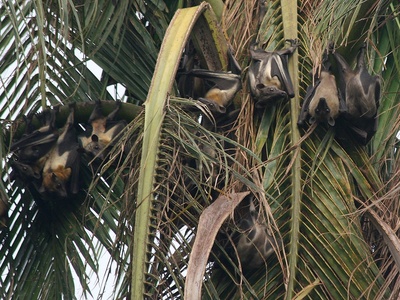
Straw‑colored fruit bat
Large migratory fruit bat that can carry rabies and other zoonoses; contamination risk arises from handling or butchering. Roosts in urban trees and forests; avoid contact, do not consume bushmeat, and seek medical care for bites. (WHO,IUCN)