A 1984 UNESCO designation and decades of scientific expeditions helped spotlight Argentina’s unique habitats—from Iguazú’s subtropical forests to Patagonian steppe—that support extraordinary animals.
These ecosystems matter because they host high biodiversity, sustain ecotourism that supports rural livelihoods, and are the focus of active conservation work by national parks and NGOs (Argentina covers roughly 2.78 million km²). Below I profile 12 standout species grouped by habitat—what to look for, where to see them, and why protecting them matters for communities and conservation. The article finishes with location tips, conservation status notes, and concrete examples readers can act on.
H2: Big mammals of the north and Gran Chaco
The Gran Chaco and Upper Paraná Atlantic forests in northeastern Argentina (Misiones, Corrientes and surrounding areas) still shelter several large mammals despite intense pressure from agriculture and ranching. Habitat loss and fragmentation remain the main threats, while community reserves and private protected areas play an outsized role in holding remaining populations together and offering ecotourism opportunities that fund local stewardship.
1. Jaguar (Panthera onca)
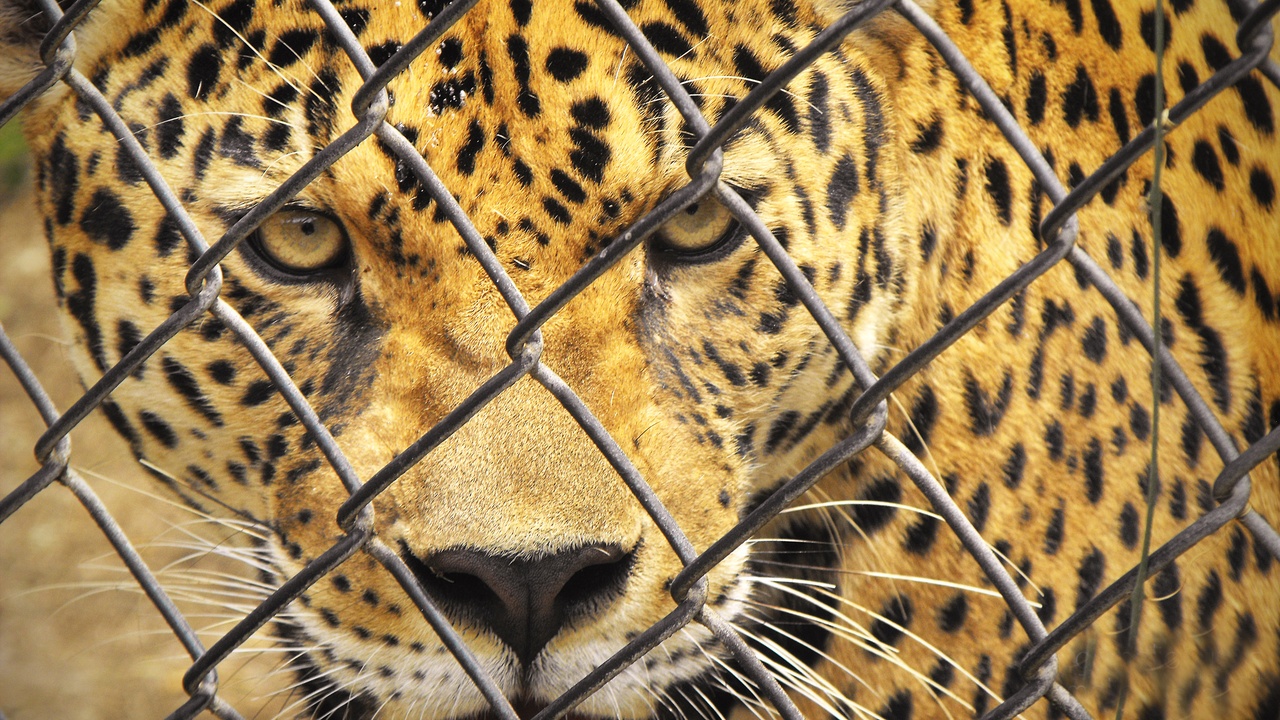
The jaguar is Argentina’s most iconic big cat and survives in remnant forest patches in Misiones and parts of Corrientes near the border with Brazil and Paraguay. Globally the species is listed as Near Threatened by the IUCN, while Argentine populations have contracted markedly over the last century and are considered regionally imperiled in many areas.
Camera-trap monitoring over the past decade has mapped small, isolated family groups rather than large contiguous populations, evidence of range contraction driven by deforestation and road development. Jaguars function as umbrella species—protecting jaguar habitat conserves many smaller forest species—so corridor and private reserve initiatives are a conservation priority.
Concrete programs include camera-trap tourism and NGO-supported corridor projects near Iguazú and Misiónes province protected areas, and compensation schemes used to reduce livestock conflict. Several private reserves run jaguar sighting programs that both collect data and provide sustainable income for local communities.
2. Giant anteater (Myrmecophaga tridactyla)
The giant anteater is a voracious consumer of ants and termites, playing a key role in controlling social insect populations across Gran Chaco woodlands and open savanna. The species is listed as Vulnerable on the IUCN Red List and faces habitat loss, fragmentation, and high mortality from vehicle collisions.
Researchers and provinces have documented roadkill hotspots and implemented targeted mitigation measures, such as wildlife crossings and reduced-speed signage near key corridors. Rescue and rehabilitation centers in the region regularly treat injured anteaters and return many to the wild.
Provincial wildlife centers and studies of anteater distribution in the Gran Chaco (published by Argentine universities and conservation groups) inform land-use planning and outreach to ranchers, showing how ranching practices can adapt to reduce threats to anteaters while maintaining livelihoods.
3. Maned wolf (Chrysocyon brachyurus)
The maned wolf’s lanky, fox-like form and mane make it unmistakable; it occupies grasslands and savanna edges across northern and central Argentina and the margins of the Pampas. The IUCN lists the species as Near Threatened, with habitat conversion for agriculture and vehicle collisions driving declines in parts of its range.
Maned wolves are important seed dispersers because they consume fruits as well as small animals, linking them to plant community dynamics. Research projects and grassland reserves monitor local populations and work with farmers to reduce conflict through carcass management and non-lethal deterrents.
Visitors can sometimes spot maned wolves in protected grassland reserves and in community-led observation programs in central Argentina, where night drives and camera-trap viewing contribute to local ecotourism income while funding ongoing monitoring.
H2: Birds and coastal species
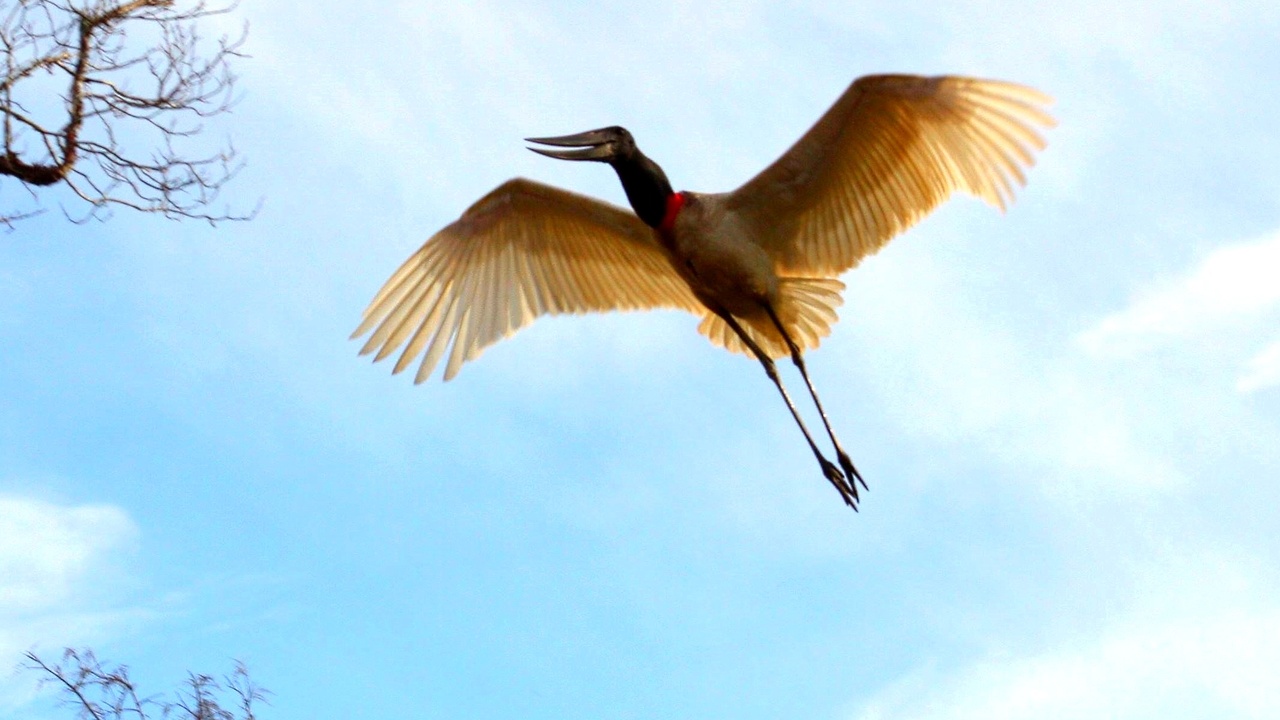
Argentina’s long Atlantic coast, Peninsula Valdés and the Andean highlands host spectacular birdlife and marine-linked species. Birdwatching and penguin tourism are major local income sources, but fisheries bycatch, coastal development and climate-driven prey shifts pose conservation challenges that require coordinated management.
4. Andean condor (Vultur gryphus)
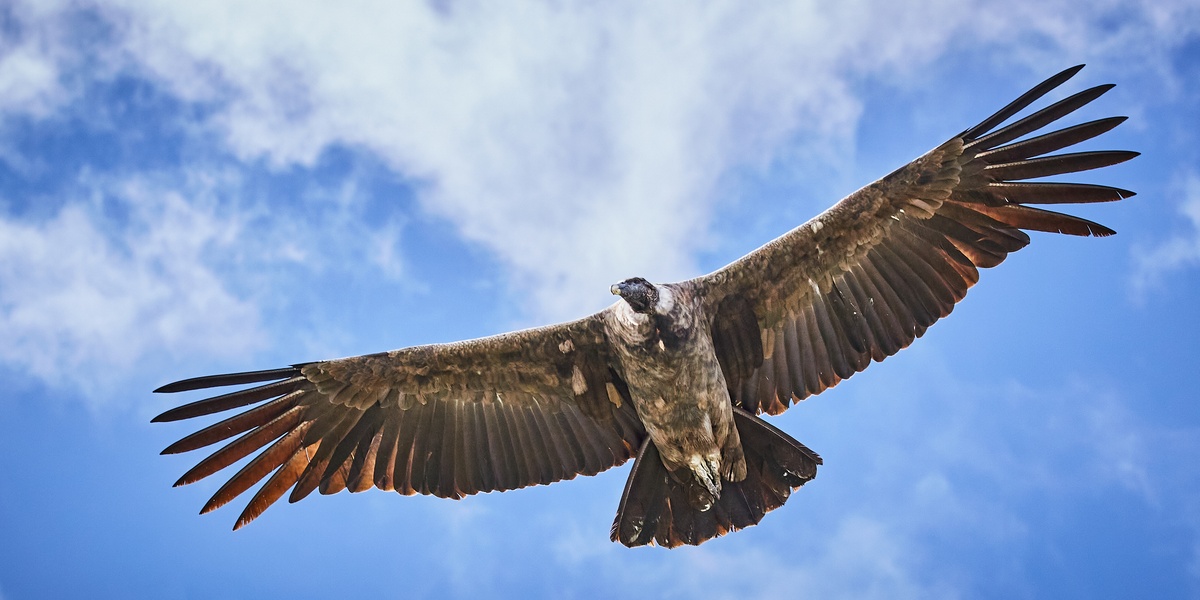
The Andean condor is a cultural icon with an impressive wingspan of about 3 meters and a range that includes the high Andes down into Argentine Patagonia. Condors face threats from poisoning (both intentional and secondary) and lead contamination from hunted carcasses.
Recovery efforts include captive-breeding and reintroduction programs run by provincial parks and NGOs, plus education campaigns that promote safer carcass disposal and remove lead from hunting ammunition in key areas. Northwest Argentine viewing sites—such as cliffs near Jujuy and Salta—offer opportunities to see condors while supporting local guides.
5. Magellanic penguin (Spheniscus magellanicus)
Large colonies of Magellanic penguins nest on the Patagonian coast at Punta Tombo and other sites in Chubut and Santa Cruz; historically some colonies numbered in the hundreds of thousands, though colony sizes can fluctuate with prey availability. Penguins migrate seasonally and return to the same breeding sites each year.
Threats include oil pollution, fisheries interactions and climate-driven shifts in prey like anchovy and squid. Protected breeding areas and volunteer conservation programs at Punta Tombo and Isla Magdalena help monitor populations and manage visitor access so tourism benefits local communities without disturbing nests.
6. Greater rhea (Rhea americana)
The greater rhea is a large, flightless bird of the Pampas and grasslands, standing up to about 1.5 meters tall. Rheas act as important seed dispersers and browsers, influencing grassland plant composition and structure.
Agricultural expansion has reduced rhea habitat in parts of the Pampas, leading to local declines. Some regions maintain stable populations through grassland conservation projects and sustainable-use initiatives. Rheas also feature in cultural traditions and occasional game-management programs.
Grassland reserves and mixed-use ranches in central Argentina offer good chances to see rheas, and conservation projects that promote sustainable fencing and habitat corridors help maintain viable populations while supporting local livelihoods.
H2: Wetland and river species
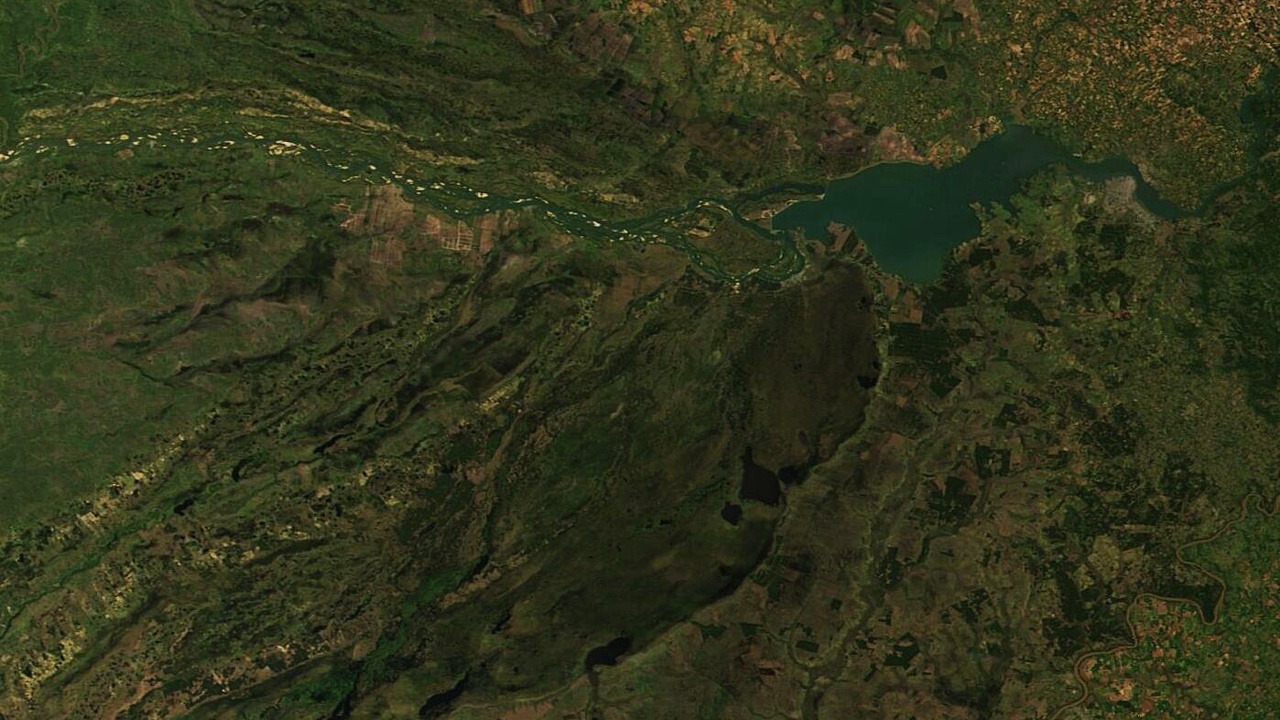
The Paraná Delta, Esteros del Iberá and high-altitude saline lakes are biodiversity hotspots that provide water filtration, fisheries, and tourism income. These wetlands support large mammals and specialized birds and have been the focus of successful rewilding and community-based tourism initiatives.
These wetlands are hotspots for some of the most charismatic wildlife of Argentina, including capybara and southern right whales that use coastal nurseries nearby, and they illustrate how ecosystem protection benefits people and wildlife alike.
7. Southern right whale (Eubalaena australis)
Peninsula Valdés is one of the world’s most important nursery and breeding sites for southern right whales, which come to Argentine coasts in the southern summer to calve and nurse their young. Whaling in the early 1900s decimated populations, but protection and regulation over the last century have allowed substantial recovery in many areas.
Whale-watching around Peninsula Valdés generates significant tourist revenue for Chubut province, with strict guidelines and protected-area regulations in place to minimize disturbance. Park designations and monitoring programs track calf counts and recovery metrics as indicators of population health.
8. Capybara (Hydrochoerus hydrochaeris)
The capybara, the world’s largest rodent, is abundant along riverbanks and marshes in the Paraná Delta and the Iberá wetlands. Highly social, capybaras form large groups and are integral to wetland food webs, serving as prey for predators and influencing vegetation dynamics.
Capybaras are an important draw for wildlife tourism in Iberá, where guided boat and walking tours provide reliable sightings while supporting local guides. Management issues include occasional conflicts with agriculture and regulated hunting in some jurisdictions; local conservation plans emphasize population monitoring and habitat protection.
9. Andean flamingo (Phoenicoparrus andinus)
The Andean flamingo inhabits high-altitude saline lakes in northwest Argentina, such as lagunas in Jujuy and Salta provinces. Its restricted range and dependence on specialized saline ecosystems make it particularly vulnerable to disturbance and water diversion.
The species is listed as Vulnerable on the IUCN Red List, with mining, water extraction and habitat degradation as major threats. Flamingo colonies attract niche ecotourism—photographers and birders—so conservation requires cross-border coordination across Andean countries to protect catchment areas and regulate mining impacts.
H2: Patagonian and Andean mammals
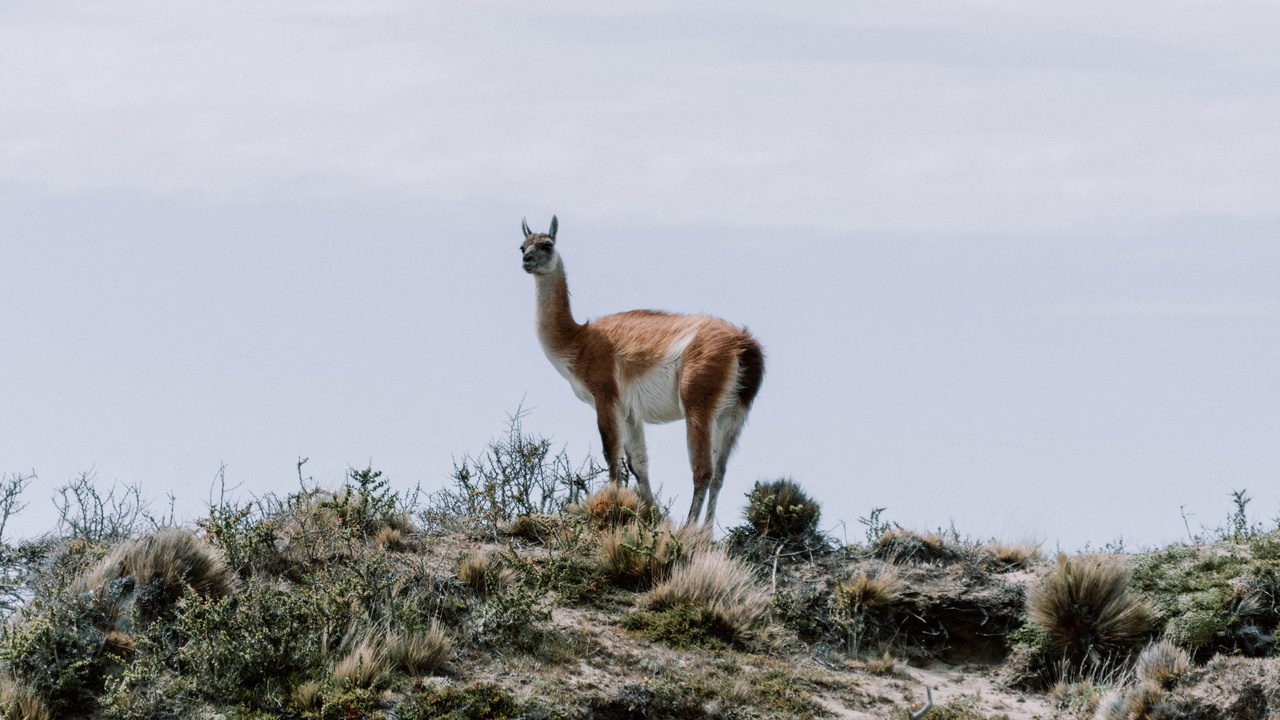
Patagonia and the southern Andes host species adapted to cold, open steppe and rugged mountain terrain. These ecosystems face distinct pressures—livestock competition, fencing, and fragmentation—but also benefit from national parks and grassroots conservation projects that balance pastoralism with wildlife protection.
10. Puma (Puma concolor)
Pumas occur widely across Argentina, from Andean slopes to the Patagonian steppe, and act as apex predators that regulate herbivore populations. Conflict with sheep ranching is a persistent issue, leading to livestock losses in some provinces.
Mitigation programs include guardian animals, night corrals, and compensation schemes supported by provincial governments and NGOs. GPS-collar studies conducted by universities and conservation groups have improved understanding of puma movements, informing non-lethal management strategies and helping ranchers adopt predator-friendly practices.
11. Guanaco (Lama guanicoe)
The guanaco is a keystone herbivore of Patagonian steppe and the wild ancestor of the llama; its grazing patterns help maintain plant community structure over vast rangelands. Historic hunting and competition with livestock reduced numbers in some areas, though many populations remain stable in protected regions.
Community initiatives promote sustainable use of guanaco fiber and non-lethal management, and protected areas in Patagonia monitor guanaco herds as indicators of rangeland health. Seeing guanacos in national parks and private reserves is a highlight for visitors and supports local conservation economies.
12. Huemul (South Andean deer, Hippocamelus bisulcus)
The huemul is an endangered, elusive deer and a national symbol of Argentina. Small, fragmented populations persist in the southern Andes, and the species faces threats from habitat loss, introduced predators, and human disturbance.
Conservation efforts include monitoring programs, protected-area enforcement, and cross-border collaborations with Chile to maintain connectivity. Recovery projects—often led by national parks and international NGOs—use camera-trapping, population censuses, and local outreach to reduce threats, and responsible tourism to national parks helps fund protection.
Summary
- Argentina’s wildlife of Argentina spans subtropical forests, wetlands, high Andean salt lakes and the Atlantic coast—each region supports unique species from jaguars and maned wolves to Magellanic penguins and southern right whales.
- Many successful initiatives link species protection to local economies: whale- and penguin-watching at Peninsula Valdés and Punta Tombo, rewilding and tourism in the Iberá wetlands, and private reserves near Iguazú and in Misiónes.
- Urgent threats remain—deforestation in the Gran Chaco, mining and water diversion in high Andes, bycatch and pollution on the coast—but targeted programs (camera-trap monitoring, reintroduction, compensation schemes, and mining regulation) have produced measurable wins.
- Practical ways to help: visit protected areas responsibly, support reputable Argentine NGOs and IUCN-listed programs, follow park rules and local guides, and prioritize operators that reinvest in community conservation.
- Seeing these species in the wild—whether a condor over Jujuy, guanacos on the steppe, or capybaras in Iberá—supports on-the-ground protection and keeps the link between wildlife and local livelihoods intact.