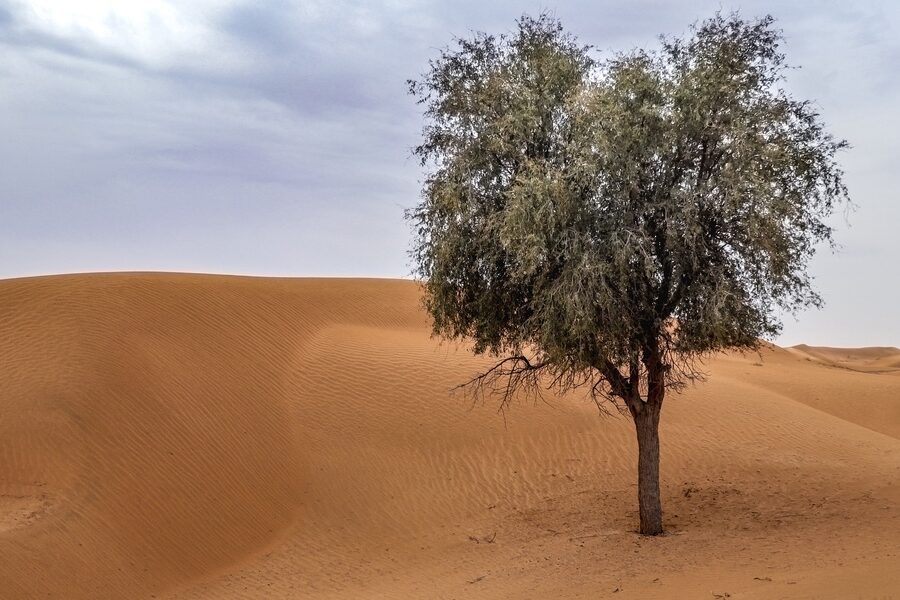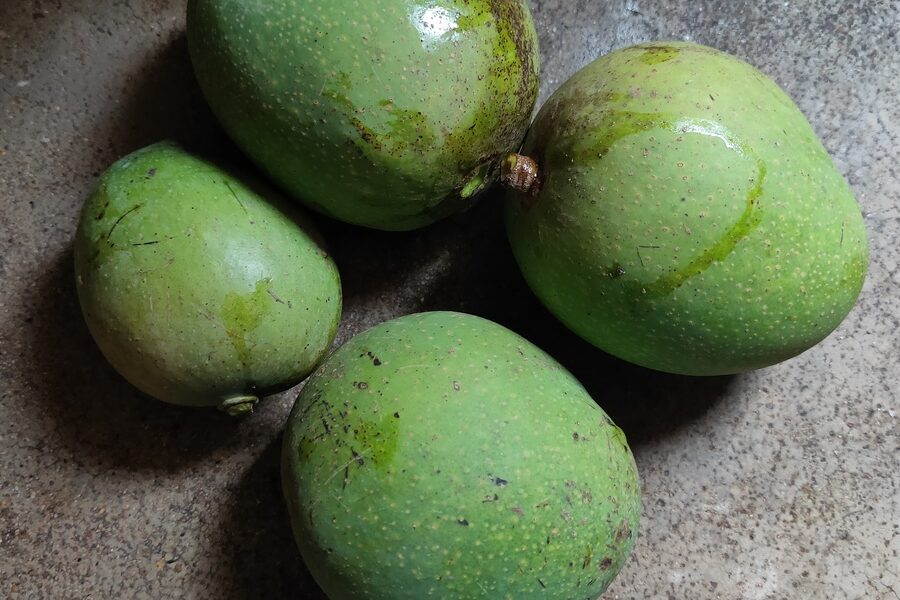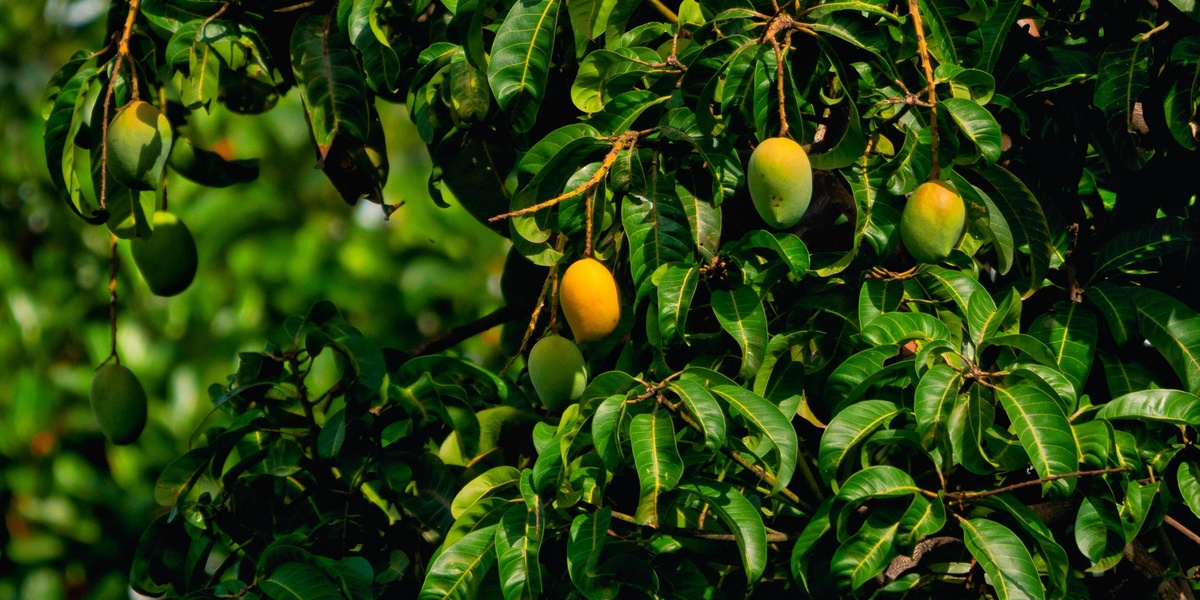
Haiti’s varied landscapes—from coastal dry forests and mangroves to higher-elevation woodland—support a surprisingly diverse mix of native and introduced trees that shape local livelihoods and ecosystems. Whether you’re walking a roadside, visiting a rural farm, or exploring a remnant forest patch, trees here tell stories about soil, climate and human use.
There are 46 Trees of Haiti, ranging from Alexandrian laurel to Yellow mombin (hog plum). For each entry, you’ll find below the key details organized as Scientific name,Max height (m),Habitat / distribution so you can quickly compare species by identity, size and where they occur — you’ll find below.
Which parts of Haiti should I visit or study to see the most tree species in one area?
Look for remaining dry forests and ridge-top woodlands in the northwest and central highlands, plus riparian corridors near rivers; these zones concentrate both native and naturalized species and are relatively accessible for field visits and surveys.
Are any of these trees particularly recommended for reforestation or home gardens?
Choose native, locally adapted species with moderate mature height and known tolerance of local soils and drought; species lists below include max heights and habitat notes to help pick trees suited for erosion control, shade or fruit production.
Trees of Haiti
| Common name | Scientific name | Max height (m) | Habitat / distribution |
|---|---|---|---|
| West Indian mahogany | Swietenia mahagoni | 25 | Coastal dry and moist lowlands, Hispaniola |
| Lignum vitae | Guaiacum officinale | 8 | Dry limestone forests and coastal scrub |
| Gumbo-limbo | Bursera simaruba | 15 | Dry to moist forests, urban areas island-wide |
| Kapok | Ceiba pentandra | 60 | Lowland moist forests, riverine and disturbed areas |
| Strangler fig | Ficus aurea | 20 | Moist forests, river corridors and shaded areas |
| Pink trumpet tree | Tabebuia heterophylla | 15 | Dry and moist upland forests, cultivated island-wide |
| Rain tree (Monkeypod) | Samanea saman | 20 | Lowland pastures, urban and cultivated areas (naturalized) |
| Red mangrove | Rhizophora mangle | 20 | Coastal mangroves, estuaries and lagoons |
| Black mangrove | Avicennia germinans | 12 | Tidal flats and mangrove swamps island-wide |
| White mangrove | Laguncularia racemosa | 12 | Upper mangrove fringes and brackish lagoons |
| Buttonwood | Conocarpus erectus | 12 | Coastal hammocks and mangrove edges |
| Coconut | Cocos nucifera | 30 | Beaches, coastal plantations and gardens island-wide |
| Royal palm | Roystonea regia | 30 | Lowland moist areas, cultivated island-wide |
| Hispaniolan pine | Pinus occidentalis | 25 | Montane pine forests, Massif de la Hotte and Massif du Nord |
| Spanish cedar | Cedrela odorata | 30 | Moist montane and lowland forests across Hispaniola |
| Bay rum | Pimenta racemosa | 6 | Dry limestone hills and coastal forests |
| Mango | Mangifera indica | 30 | Cultivated and naturalized in lowlands and villages |
| Avocado | Persea americana | 20 | Gardens, farms and montane areas (naturalized) |
| Sweet orange | Citrus sinensis | 10 | Orchards, gardens and smallholdings island-wide |
| Soursop | Annona muricata | 8 | Moist lowland gardens and secondary forests |
| Sapodilla | Manilkara zapota | 20 | Lowland gardens and dry forests (naturalized) |
| Ice-cream-bean | Inga edulis | 20 | Shade tree in coffee/agroforestry and disturbed sites |
| Wild tamarind | Lysiloma latisiliquum | 15 | Dry forests and coastal woodlands in Hispaniola |
| Alexandrian laurel | Calophyllum antillanum | 25 | Coastal and lowland moist forests, island-wide |
| Manila tamarind | Pithecellobium dulce | 10 | Dry disturbed sites and roadsides (naturalized) |
| Cacao | Theobroma cacao | 10 | Cultivated in shaded, moist lowlands and mountain farms |
| Breadfruit | Artocarpus altilis | 20 | Cultivated lowlands and coastal gardens (naturalized) |
| Cecropia | Cecropia peltata | 15 | Disturbed forests, riverbanks and gaps island-wide |
| Sea grape | Coccoloba uvifera | 10 | Coastal dunes, beaches and maritime forests |
| Sea hibiscus | Hibiscus tiliaceus | 12 | Coastal forests, mangrove edges and dunes |
| White stopper | Eugenia axillaris | 8 | Coastal hammocks and dry forests |
| Manchineel | Hippomane mancinella | 12 | Coastal sandy soils and littoral forests |
| Royal poinciana | Delonix regia | 12 | Urban, roadsides and cultivated lowlands (naturalized) |
| Coral tree | Erythrina poeppigiana | 15 | Pastures, roadsides and agroforestry plots (naturalized) |
| Brazilian pepper | Schinus terebinthifolius | 8 | Disturbed coastal and lowland areas (invasive in parts) |
| Tamarind | Tamarindus indica | 18 | Cultivated and naturalized in lowland villages and fields |
| Guava | Psidium guajava | 8 | Gardens, secondary forests and farmland edges |
| Spanish elm (caro) | Cordia spp. | 15 | Dry to moist forests and disturbed areas |
| Buttonwood relative (Sea olive) | Bucida buceras | 15 | Coastal hammocks and dry forests |
| Yellow mombin (hog plum) | Spondias mombin | 15 | Cultivated gardens and secondary forests |
| White sapote | Casimiroa edulis | 12 | Cultivated in gardens and smallholdings (naturalized) |
| Black olive | Bucida molineti | 10 | Dry forests and coastal woodlands |
| Mahoe (West Indies mahogany) | Hibiscus tiliaceus | 12 | Coastal zones and riverine forests |
| Inkwood | Haematoxylum campechianum | 12 | Dry coastal forests and limestone areas |
| Red cedar (Juniper alternative) | Cedrela caribaea (syn. Cedrela odorata) | 30 | Lowland to montane forests across Hispaniola |
| Palo de tinte (dyewood) | Haematoxylum campechianum | 12 | Dry coastal scrub and limestone hills |
Images and Descriptions
West Indian mahogany
Large native hardwood valued for fine timber and furniture; found in remaining dry and semi-deciduous forests. Regenerates poorly after logging and is subject to conservation concerns; historically important in Haitian forestry.

Lignum vitae
Slow-growing native with very dense wood used for tools and traditional medicine. Small tree of dry habitats; populations reduced by overharvest and habitat loss, now locally rare and protected in parts of the Caribbean.
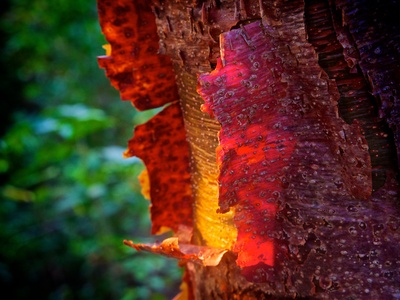
Gumbo-limbo
Recognizable peeling red bark and aromatic resin; pioneer species that tolerates poor soils and drought. Widely used for shade, medicine and timber; native and common in disturbed Haitian landscapes.
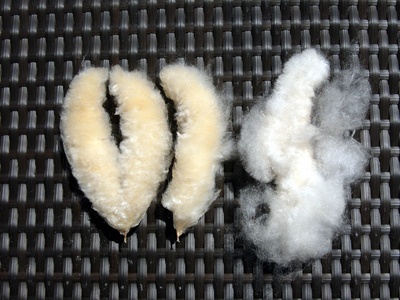
Kapok
Large emergent tropical tree with buttressed trunk and cottony seed fibers used for stuffing. Culturally significant and bird-attracting; native to the Neotropics and found in Haiti’s lowland forests and villages.
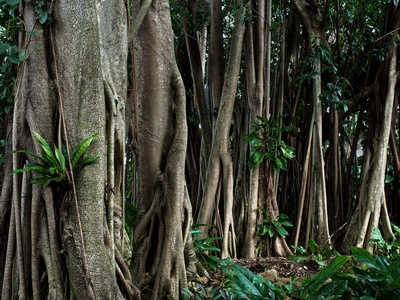
Strangler fig
Hemiepiphytic fig that begins life on host trees, forming large figs that feed birds and bats. Important for wildlife food webs; native and common in surviving forest patches.
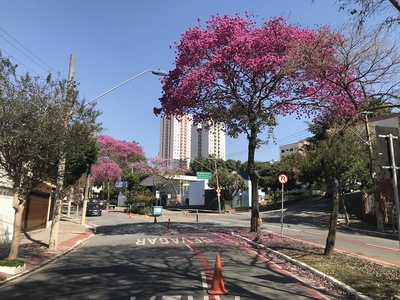
Pink trumpet tree
Showy seasonal pink blossoms attract pollinators; timber and ornamental use. Native to the Greater Antilles and widely planted in towns and forest edges across Haiti.
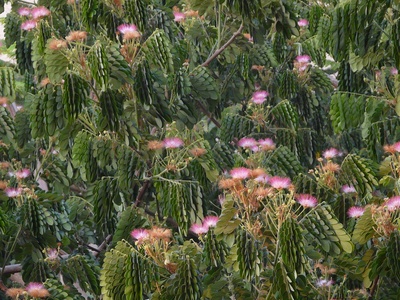
Rain tree (Monkeypod)
Large, spreading introduced shade tree used in pastures and urban parks. Produces pods eaten by livestock; naturalized and common in lowland Haiti but not native.
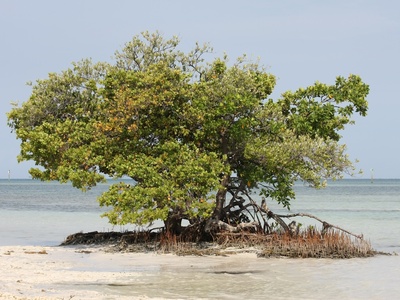
Red mangrove
Key mangrove species with prop roots stabilizing shorelines and providing nursery habitat. Native and widespread where coastal mangroves persist; crucial for coastal protection and fisheries.
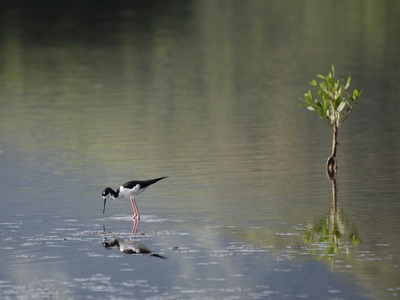
Black mangrove
Salt-tolerant mangrove with pneumatophores; commonly forms inner mangrove zones. Important for shoreline stabilization and carbon storage; native in Haitian coasts.
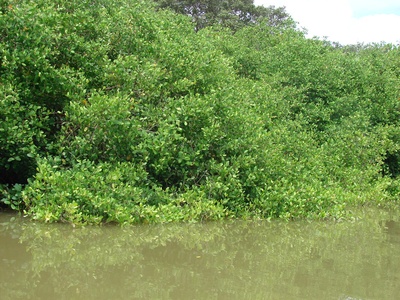
White mangrove
Occurs in well-drained mangrove edges and lagoons; aids in sediment trapping. Native and part of Haiti’s mangrove assemblage, often in mixed stands with other mangrove species.
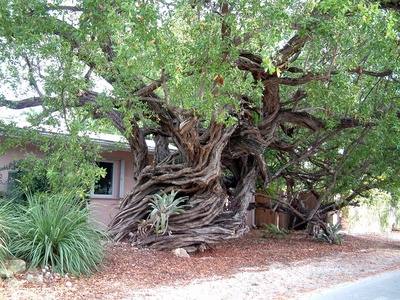
Buttonwood
Coastal tree with fluted trunk, tolerant of salt spray; used locally for fuelwood and hedges. Native to Caribbean coasts and common on Haitian shorelines when mangroves persist.
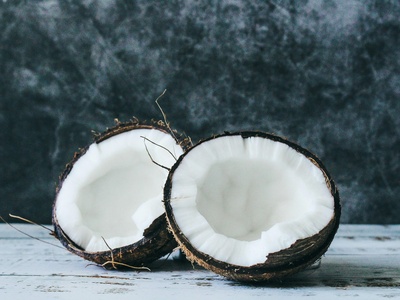
Coconut
Iconic palm producing coconuts for food, oil and fiber; widely cultivated and naturalized along Haitian coasts. Important for livelihoods but vulnerable to storms.
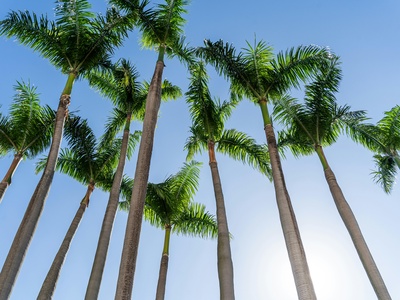
Royal palm
Tall stately native/long-planted palm of villages and avenues; valued for aesthetics and occasional thatch. Common in lowland Haiti and often planted around homes.
Hispaniolan pine
Endemic conifer forming high-elevation pine forests on limestone soils. Fire-adapted and crucial for water catchments; threatened by deforestation and charcoal harvesting.
Spanish cedar
Valuable timber tree used for furniture and cigar boxes; native to Neotropics and present in Haitian forests. Overexploited in some areas; regenerates in protected sites.
Bay rum
Aromatic small tree native to the Caribbean producing bay oil used in perfumes and traditional remedies. Found in Haiti’s dry coastal woodlands and harvested for local products.
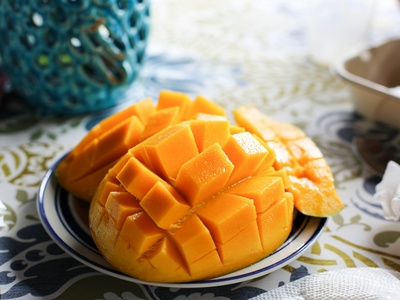
Mango
Introduced but widely naturalized fruit tree providing staple fruit and shade. Central to Haitian diets and agroforestry; varieties often naturalized around homesteads.
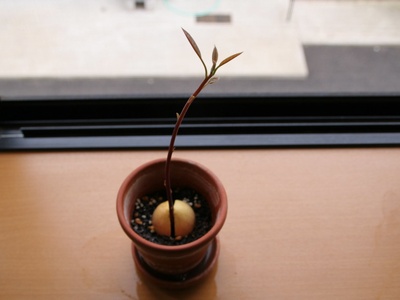
Avocado
Important fruit tree grown throughout Haiti; provides nutritious fruit and shade. Cultivated varieties are widespread and often escape into secondary vegetation.
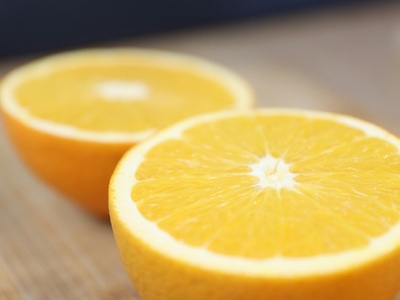
Sweet orange
Commonly cultivated citrus tree providing fruit and income; naturalized where abandoned orchards persist. Susceptible to pests but culturally and economically important.
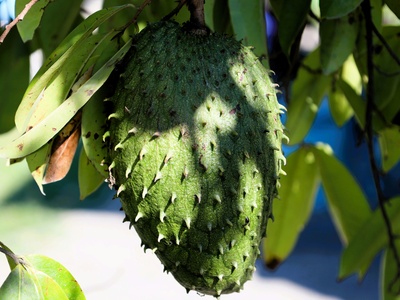
Soursop
Small fruit tree grown for its large aromatic fruit and medicinal uses. Widely cultivated in Haitian home gardens and sometimes naturalized in disturbed areas.
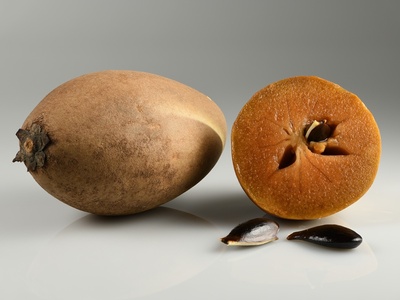
Sapodilla
Evergreen fruit tree producing sweet brown fruit and latex (chicle); widely grown in Haiti and naturalized around settlements.
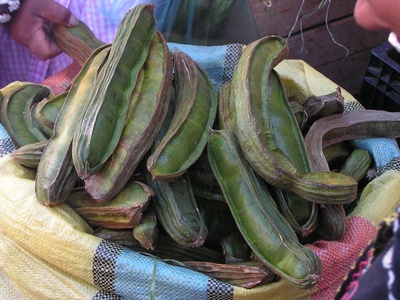
Ice-cream-bean
Fast-growing leguminous tree used for shade, nitrogen fixation and edible sweet pods. Introduced to agroforestry systems and naturalized in parts of Haiti.
Wild tamarind
Native leguminous tree with flat crown, used for shade and light timber. Occurs in dry, limestone-derived soils and is part of Haiti’s dry forest flora.
Alexandrian laurel
Hardy native tree with glossy leaves and fragrant timber; used for construction and shade. Found in coastal forests and secondary growth in Haiti.
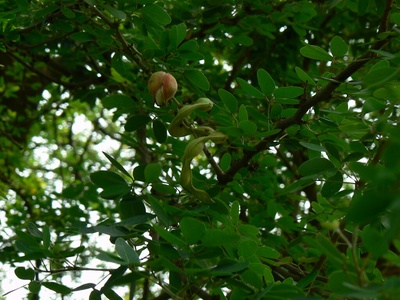
Manila tamarind
Spiny introduced tree producing sweet-sour pods eaten locally; tolerant of dry soils and commonly naturalized along roads and degraded landscapes.
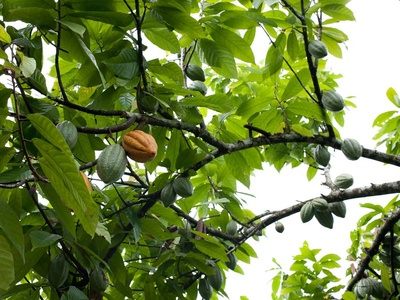
Cacao
Small evergreen tree grown for cocoa beans in agroforestry systems; historically cultivated in Haiti and still present in shaded coffee–cacao combinations.
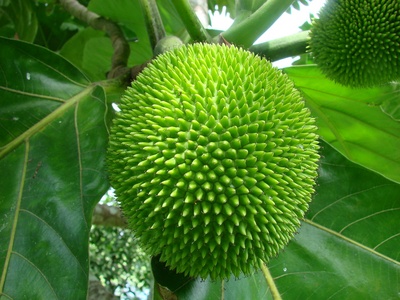
Breadfruit
Staple fruit tree introduced to the Caribbean centuries ago; large starchy fruits feed families and communities. Widely cultivated and often naturalized near villages.
Cecropia
Rapidly colonizing pioneer tree with hollow stems used by bats and birds. Native to the Neotropics and common in disturbed Haitian forests and second-growth.
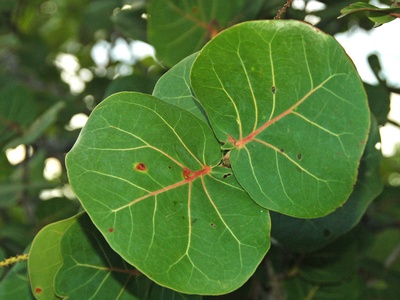
Sea grape
Salt-tolerant coastal tree producing grape-like clusters; used for windbreaks and erosion control. Widespread along Haitian shores and valued for coastal protection.
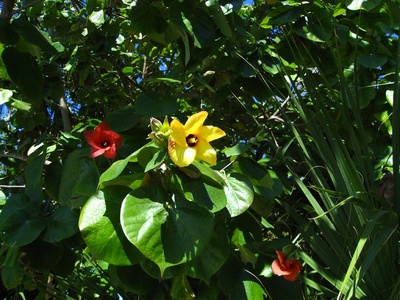
Sea hibiscus
Tolerant coastal tree with large leaves and yellow flowers; used for shade, thatch and fencing. Common along Haitian coasts and in secondary coastal vegetation.
White stopper
Evergreen small tree of coastal areas providing nectar and fruits for wildlife; used in hedges and reforestation. Native to the Caribbean and present in Haitian coastal woodlands.
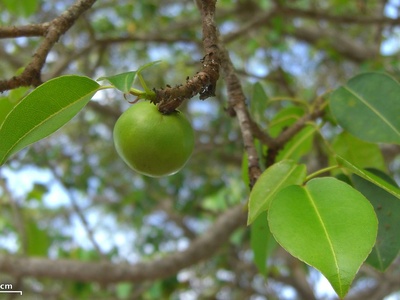
Manchineel
Highly poisonous native tree with toxic sap and fruit; warns locals due to chemical burns. Occurs on Caribbean coasts including shadier Haitian shorelines—handled with caution.
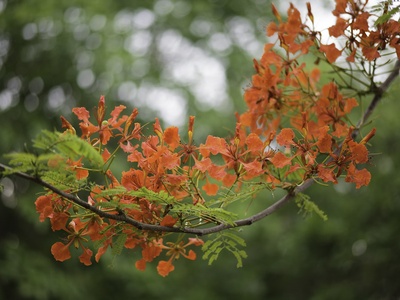
Royal poinciana
Spectacular flowering ornamental introduced and now common in Haitian towns; provides shade and dramatic red-orange flowers. Naturalized in many lowland areas.
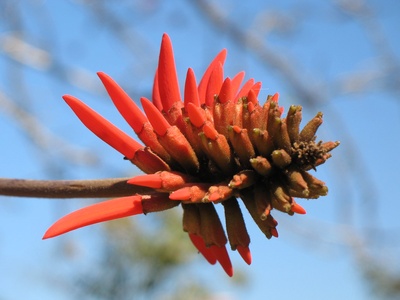
Coral tree
Fast-growing leguminous shade tree used in plantations and as living fences. Introduced for fodder and soil improvement, common near farms and pastures in Haiti.
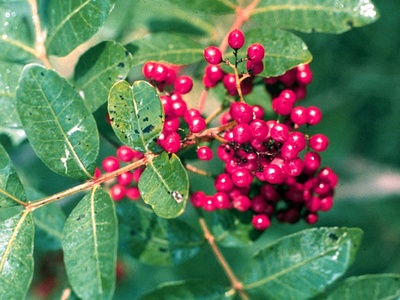
Brazilian pepper
Introduced ornamental that can form dense stands and displace natives. Produces reddish berries; considered invasive in some Caribbean localities.
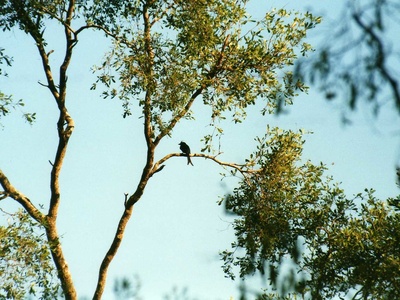
Tamarind
Long-lived fruit tree introduced from Africa/Asia, valued for sour pulp and shade. Widely planted and naturalized in Haitian rural landscapes.
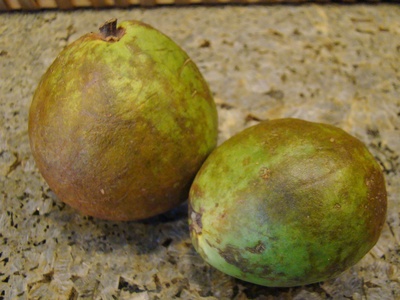
Guava
Common fruit tree producing versatile fruits for food and preserves; hardy and often naturalized in disturbed habitats across Haiti.
Spanish elm (caro)
Cordia species in Haiti are mid-sized trees with white flowers and soft timber used locally. Occur in secondary and drier forest fragments across the island.
Buttonwood relative (Sea olive)
Tough, wind-resistant coastal tree often used in landscaping; tolerates salt spray and poor soils. Native to Caribbean coasts and planted in Haitian coastal zones.
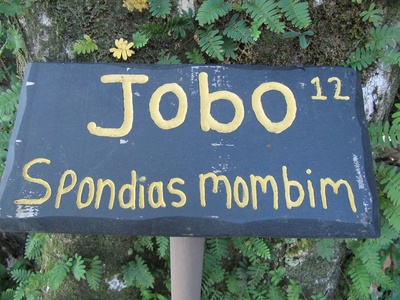
Yellow mombin (hog plum)
Fruit-bearing tree introduced from tropical America, grown for edible sour-sweet fruit. Common in village gardens and tolerant of a range of soils.
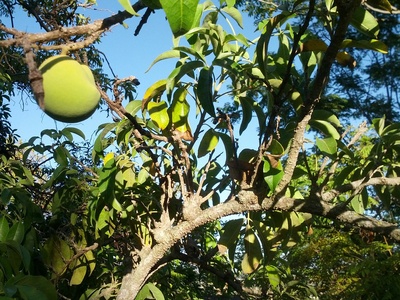
White sapote
Introduced fruit tree producing sweet creamy fruits; used locally and grown in homesteads. Naturalized in some Haitian gardens and agroforestry systems.
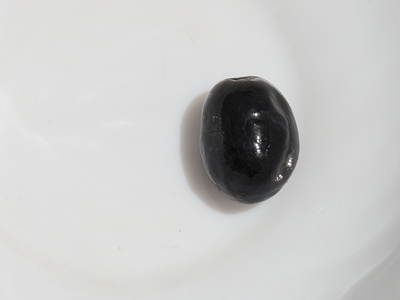
Black olive
Native small to medium tree of dry limestone forests, used for shade and occasional timber. Occurs in remnant dry forest patches in Haiti.
Mahoe (West Indies mahogany)
(Alternative common name) Fast-growing coastal tree used for timber, fiber and ornament; tolerant of salt and disturbance along Haitian coasts.
Inkwood
Small tree valued historically for dark dye (logwood); present in drier parts of the Caribbean and occurring in parts of Haiti’s coastal scrub.
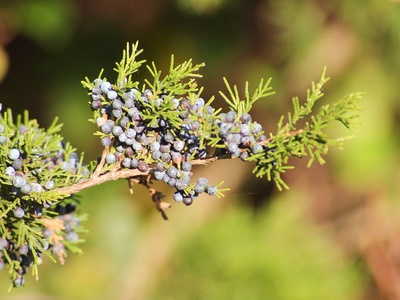
Red cedar (Juniper alternative)
Tropical timber tree of cedar family, used in carpentry and cabinetry. Present in Haiti where remaining moist forests exist; overharvested in many areas.
Palo de tinte (dyewood)
Source of natural dye (logwood), historically exploited; small tree surviving in dry habitats and culturally significant in Caribbean dye history.