Portugal’s varied landscapes — from Atlantic beaches and river valleys to rural hills and urban pockets — host a surprising mix of wildlife. Visitors and residents alike benefit from knowing which animals can pose risks, where they’re most likely to appear, and simple precautions to stay safe without worrying unnecessarily.
There are 17 Dangerous Animals in Portugal, ranging from Aedes aegypti (yellow fever mosquito) to Wild boar. For each species the list shows Scientific name,Danger level,Where found so you can quickly see what to watch for and where; practical notes and locations are included, and detailed entries you’ll find below.
How likely am I to encounter these animals while traveling in Portugal?
Most encounters are uncommon: many listed species are localized (marsh mosquitoes, certain snakes) or more active in rural and wooded areas (wild boar). Seasonal patterns matter—mosquitoes and ticks peak in warmer months—so simple measures (repellent, closed shoes on trails, avoiding stagnant water) greatly reduce risk.
What should I do if bitten, stung, or charged by one of these animals?
Treat wounds promptly: clean and dress bites, control bleeding, and seek medical help for severe bites, signs of infection, allergic reactions, or suspected venomous snakebites. For vector exposures (mosquitoes, ticks), monitor for symptoms and consult a doctor if fever or unusual signs appear; in emergencies call 112.
Dangerous Animals in Portugal
| Name | Scientific name | Danger level | Where found |
|---|---|---|---|
| Lataste’s viper | Vipera latastei | High; venomous bite causing local pain, swelling and systemic symptoms | Mainland (scattered in scrub, rocky hills and cork oak woodlands) |
| Montpellier snake | Malpolon monspessulanus | Moderate; rear‑fanged venomous bite, puncture wounds and local/systemic effects possible | Mainland (open scrub, rocky hills, farmland) |
| Black widow (Mediterranean) | Latrodectus tredecimguttatus | Moderate; neurotoxic bite causes severe pain, muscle cramps, systemic symptoms | Mainland and Madeira (coastal grass, sheltered crevices, under stones) |
| Recluse spider | Loxosceles rufescens | Moderate; bite can cause necrosis and systemic illness in rare cases | Mainland and Madeira (indoors, sheds, stone walls) |
| Small scorpions (Euscorpius spp.) | Euscorpius flavicaudis | Low; painful sting, local swelling and rarely systemic symptoms | Mainland and Madeira (stone walls, under bark, urban gardens) |
| Ticks (hard tick) | Ixodes ricinus | Moderate; vector of Lyme disease and other infections via prolonged attachment | Mainland (woodlands, tall grass, hiking trails, pastures) |
| Asian tiger mosquito | Aedes albopictus | Moderate; aggressive daytime biter and potential vector (dengue, chikungunya) | Mainland coastal and urban areas (standing water, gardens) |
| Aedes aegypti (yellow fever mosquito) | Aedes aegypti | Moderate; efficient vector (dengue risk historically in Madeira) | Madeira and detected locations; urban areas with standing water |
| Common wasp | Vespula vulgaris | Moderate; painful stings and risk of anaphylaxis in allergic people | Mainland and islands (gardens, picnics, orchards, urban areas) |
| European hornet | Vespa crabro | Moderate; powerful sting, multiple strikes and anaphylaxis risk | Mainland and Madeira (woodland edges, attics, hollow trees) |
| Portuguese man o’ war | Physalia physalis | High; powerful nematocyst venom causing intense pain, systemic reactions | Atlantic coasts (beaches of mainland, Madeira and Azores when washed ashore) |
| Mauve stinger jellyfish | Pelagia noctiluca | Moderate; painful skin stings, rash and occasional systemic symptoms | Mainland and islands (open water, nearshore seas, summer months) |
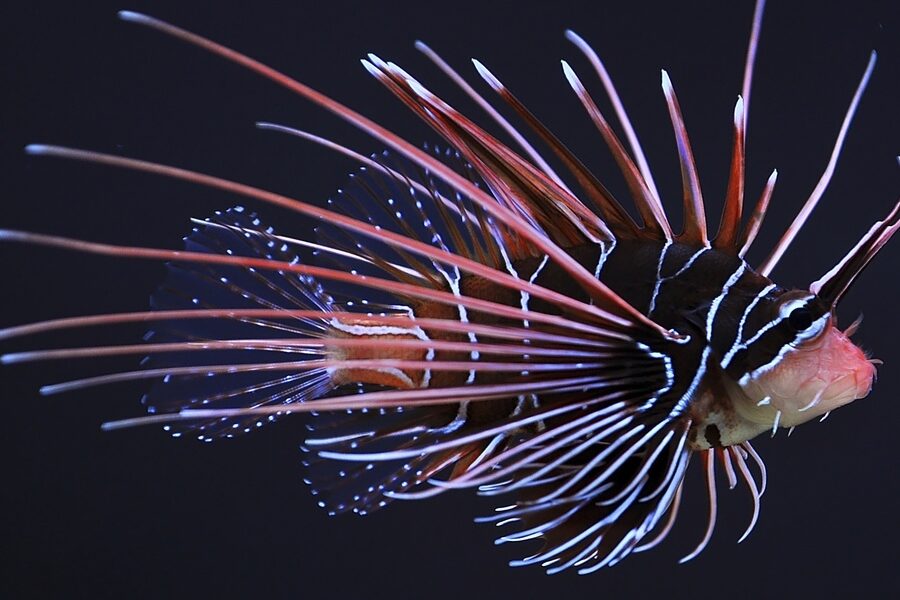
| Weever fish (greater weever) | Trachinus draco | Moderate; venomous dorsal spines cause intense local pain and swelling | Mainland (sandy shallow beaches, intertidal zones) |
| Scorpionfish (red scorpionfish) | Scorpaena scrofa | Moderate; venomous dorsal spines causing severe local pain and possible systemic symptoms | Mainland and islands (rocky reefs, seabed, shallow coastal waters) |
| Common stingray | Dasyatis pastinaca | Moderate; venomous tail spine can cause severe pain, possible secondary infection | Mainland and islands (sandy seabeds, shallow bays) |
| Wild boar | Sus scrofa | Moderate; goring, trampling and vehicle collision risk when threatened | Mainland (forests, scrubland, agricultural areas, increasing urban edges) |
| Iberian wolf | Canis lupus signatus | Low; large bite force, rare attacks but potential for serious injury | Mainland (northern/north‑east forests and mountains) |
Images and Descriptions

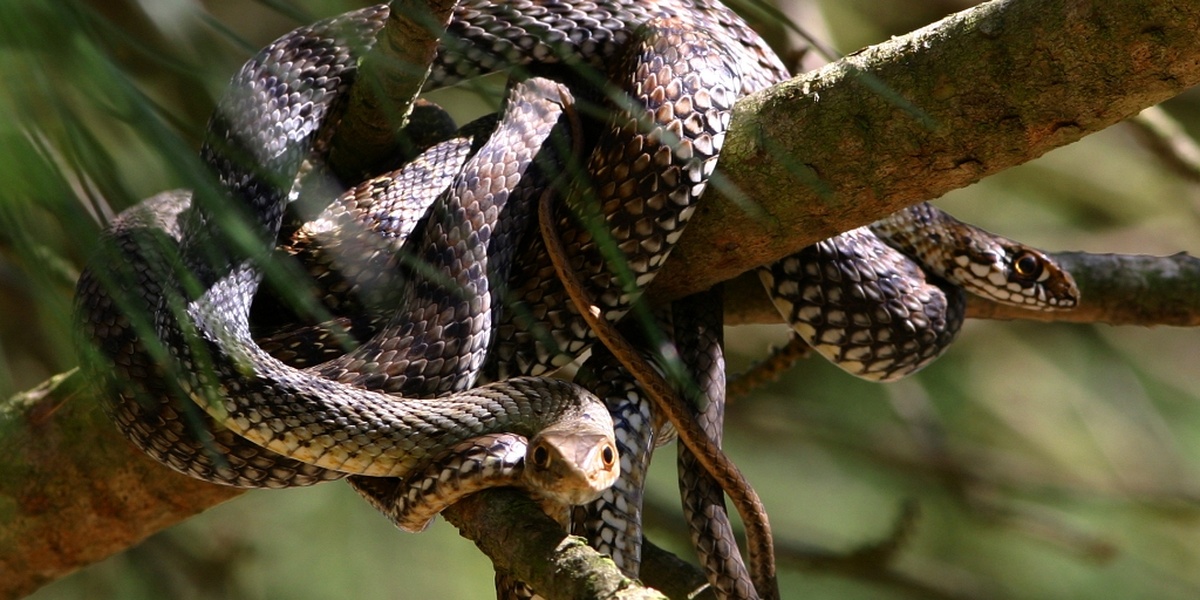
Lataste’s viper
Stocky viper often seen basking on paths and rocks. Avoid by watching where you step, wear boots and don’t handle snakes. If bitten, keep limb still and lower than heart, seek urgent medical care; do not cut or suck bite.
Montpellier snake
Large, fast snake active by day and night; can deliver painful bites that inject mild venom. Give space, don’t try to catch. If bitten, wash with soap and water, immobilize limb, get medical assessment—antivenom rarely needed but monitor for worsening.
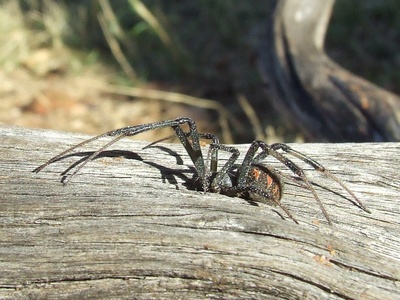
Black widow (Mediterranean)
Shiny dark spider with red markings; bites are uncommon but painful and sometimes systemic. Avoid reaching into dark crevices and wear gloves when moving debris. If bitten, clean wound, lie down, seek medical care for pain control and observation.
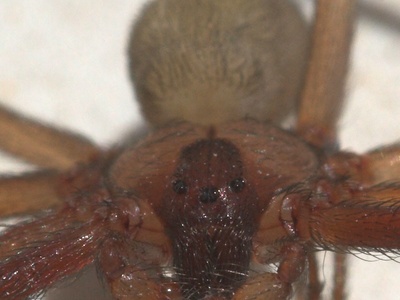
Recluse spider
Small brown spider hiding in dark, undisturbed places in houses; bites are typically painless initially but may ulcerate. Prevent by shaking clothing and footwear before use. If bitten, clean area, apply cold compress, seek medical care to assess for necrosis or infection.
Small scorpions (Euscorpius spp.)
Small, shy scorpions that cause painful but usually non‑life‑threatening stings. Avoid placing hands or feet where you can’t see. If stung, wash, apply cold packs and take analgesics; seek care if severe pain, allergic reaction or young child affected.
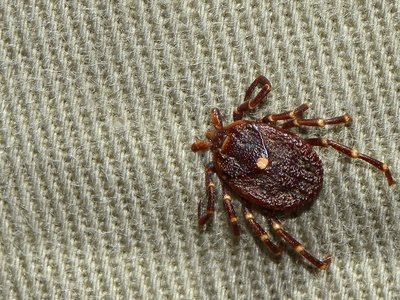
Ticks (hard tick)
Small blood‑feeding arachnids that latch to skin during outdoor activities. Wear long trousers, use repellent, check body and pets after walks. Remove ticks with fine tweezers close to skin, clean site, note removal time and see GP if rash, fever, or flu‑like symptoms develop.
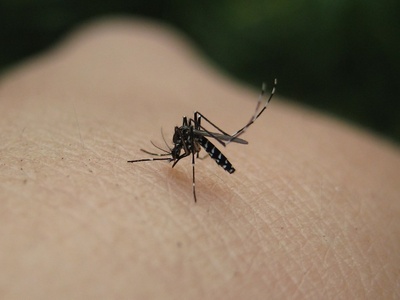
Asian tiger mosquito
Daytime biting striped mosquito established in parts of Portugal; nuisance and disease vector. Avoid standing water, use screens, repellents and long clothing. If febrile after travel or exposure, seek medical attention and mention possible mosquito‑borne illness.
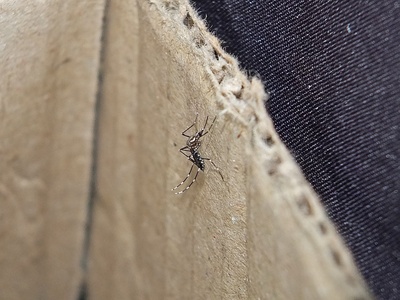
Aedes aegypti (yellow fever mosquito)
Primary vector linked to Madeira dengue outbreak; breeds in small water containers. Prevent by removing stagnant water, using repellents and screens. If you develop fever, severe headache, or rash after exposure, seek prompt medical assessment.
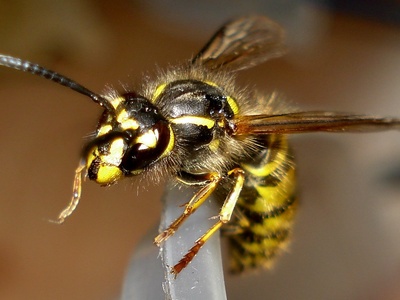
Common wasp
Social wasps attracted to food and drinks; can sting repeatedly. Avoid swatting at nests, keep food covered. If stung, clean, apply cold pack and remove sting if present; seek emergency care for breathing difficulty, swelling or known allergy.
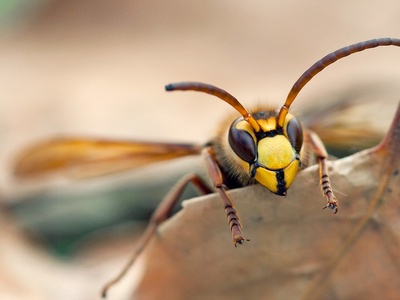
European hornet
Large hornet that can sting repeatedly and cause significant pain; avoid nest disturbance and keep windows/screens closed. After sting, wash, cold compress, analgesia; urgent care for respiratory symptoms or systemic reaction.
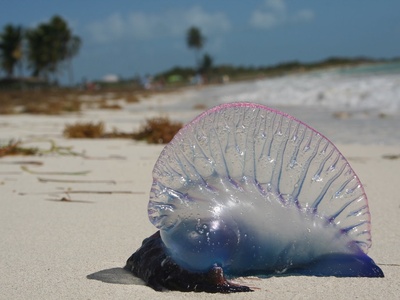
Portuguese man o’ war
Not a true jellyfish but a floating colony with long venomous tentacles; beachgoers can be severely stung. Avoid touching stranded specimens; if stung, rinse with seawater (not freshwater), remove tentacles with gloved hand or stick, immerse in hot water and seek medical care for severe reactions.
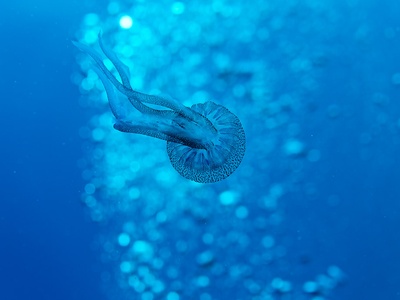
Mauve stinger jellyfish
Common pelagic jellyfish that causes painful contact stings for swimmers. Swim near lifeguards, heed warnings. If stung, rinse with seawater, remove tentacles carefully, apply cold packs and seek medical help for severe pain or breathing problems.
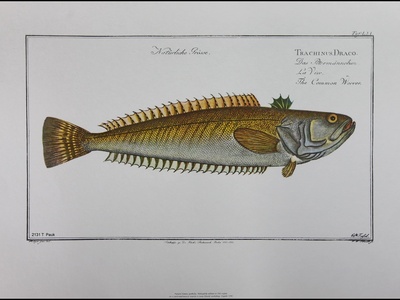
Weever fish (greater weever)
Buried in sand in shallow water, stepped on by waders and swimmers. Shuffle feet when entering surf, wear water shoes. If stung, immerse wound in hot (not scalding) water to reduce pain, clean and seek medical care for pain control and infection risk.
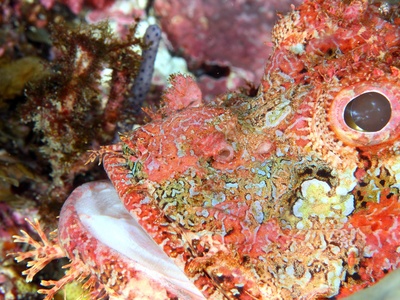
Scorpionfish (red scorpionfish)
Cryptic rocky reef fish with venomous spines—typically stepped on or handled by divers. Avoid touching underwater life and wear protective footwear. If envenomed, immerse in hot water, seek urgent medical attention for pain relief and wound care.
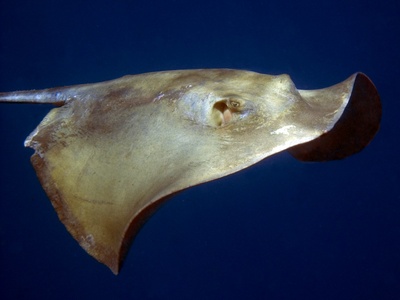
Common stingray
Stingrays bury in shallow sand; injuries occur when stepped on. Shuffle feet in shallow water and avoid handling. If stung, control bleeding, immerse wound in hot water to reduce pain and go to hospital for wound cleaning, tetanus check and antibiotics if needed.
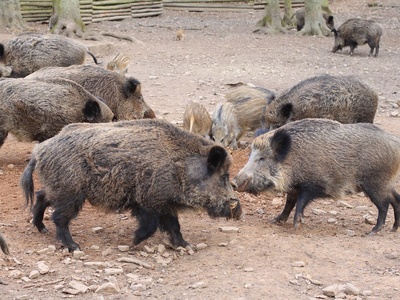
Wild boar
Large, unpredictable animals that can charge when cornered, especially females with piglets. Give wide berth, back away slowly and avoid feeding or approaching. After injury, control bleeding, seek immediate medical attention for trauma and infection risk.
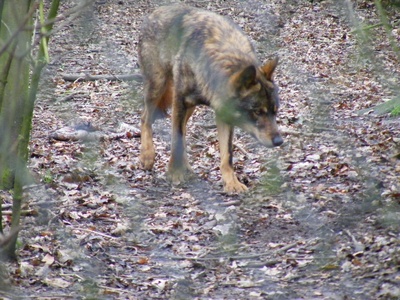
Iberian wolf
Protected subspecies living in remote northern Portugal; attacks on people are extremely rare. Observe from distance, do not feed or approach, keep dogs leashed. If bitten, clean wound, seek urgent medical care for wound care and rabies not endemic but check local protocols.