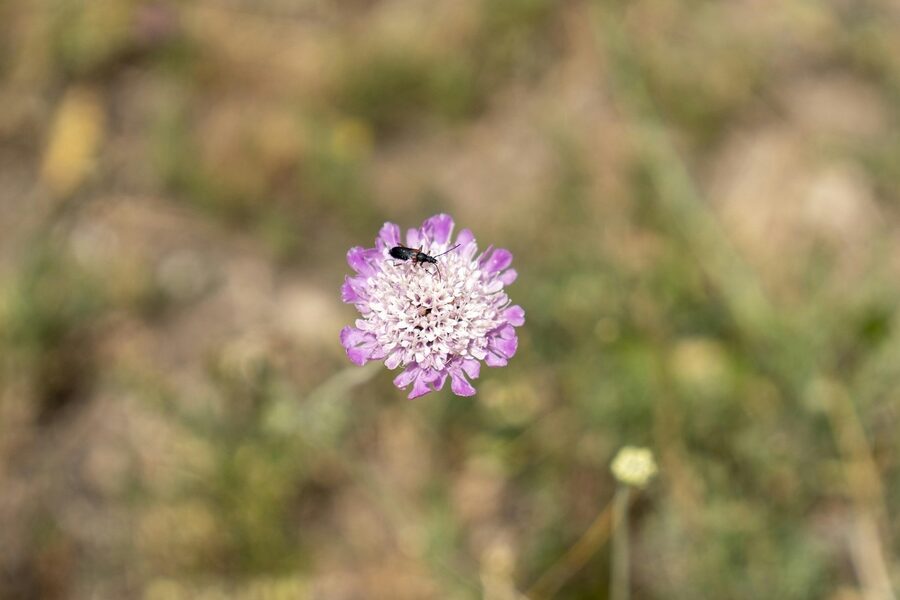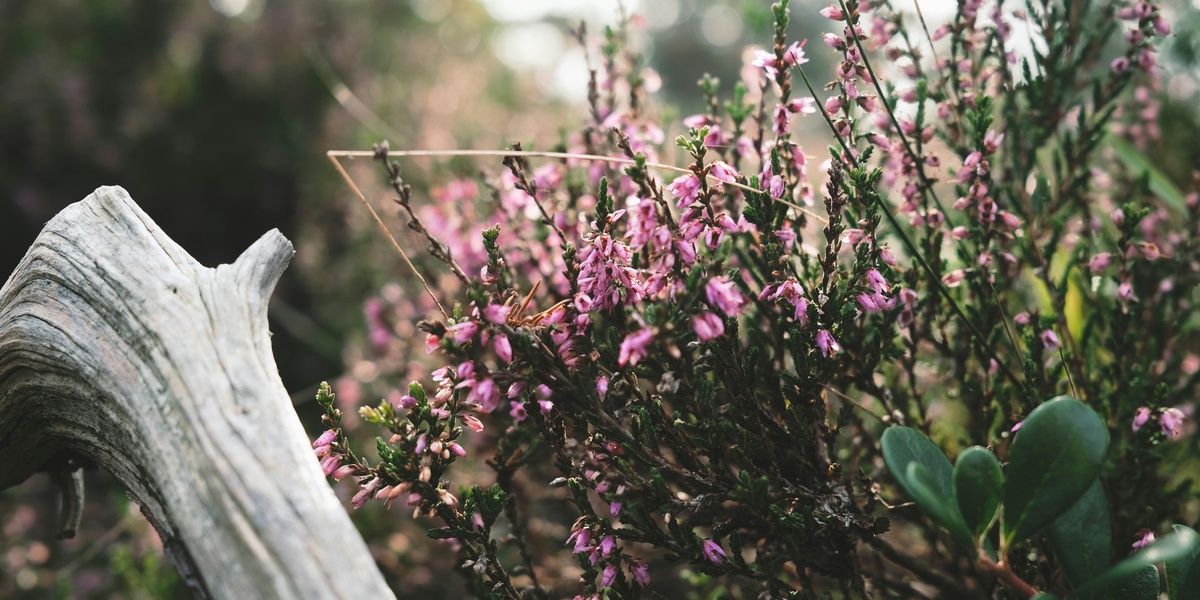
Sweden’s landscapes—from rocky coasts and island archipelagos to mixed forests and alpine meadows—support a wide variety of plants that mark the seasons and shape local ecosystems. Whether you’re curious about foraging, gardening, or simply learning more, knowing what grows where makes nature more accessible.
There are 51 Sweden’s native plants, ranging from Bilberry to Wood sorrel. For each entry I list Scientific name,Habitat & range,Bloom season so you’ll find those details below.
How can I tell similar species apart when I’m out in the field?
Focus on a few consistent clues: leaf shape and arrangement, flower structure and bloom season, and the habitat where you found the plant. Use the Scientific name and Bloom season columns in the list to narrow options, take clear photos of key features, and cross-check with a regional field guide or plant ID app.
Can I grow these native species in a home garden in Sweden?
Many are garden-friendly if you match the plant’s natural Habitat & range and soil conditions—acidic vs alkaline, sun vs shade, moisture levels. Source plants or seeds from reputable native nurseries, avoid wild-collecting, and expect better success when you mimic each species’ native conditions.
Sweden’s Native Plants
| Common name | Scientific name | Habitat & range | Bloom season |
|---|---|---|---|
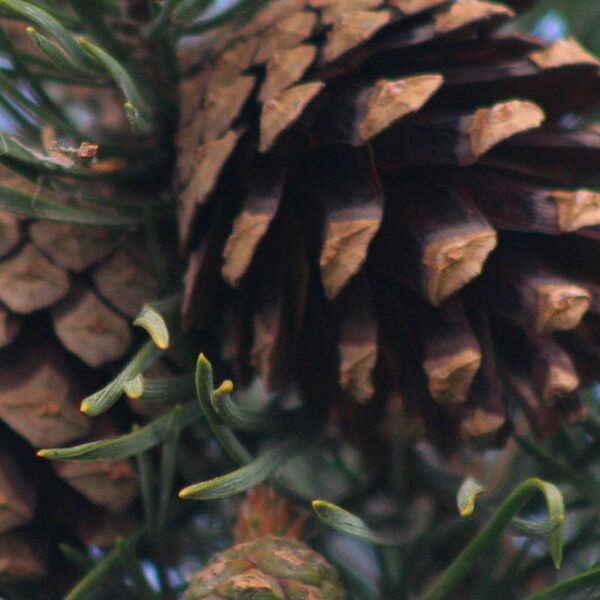
| Scots pine | Pinus sylvestris | Dry soils, boreal forests; throughout Sweden | Spring (Apr–May) |
| Norway spruce | Picea abies | Moist to wet forests; widespread except highest mountains | Spring (Apr–May) |
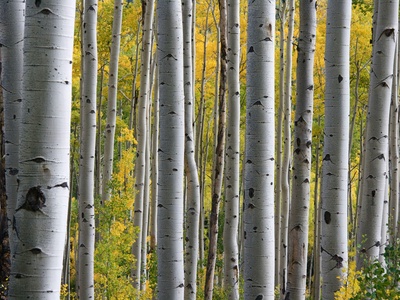
| Silver birch | Betula pendula | Dry to rocky soils, open woodlands; common nationwide | Spring (May–Jun) |
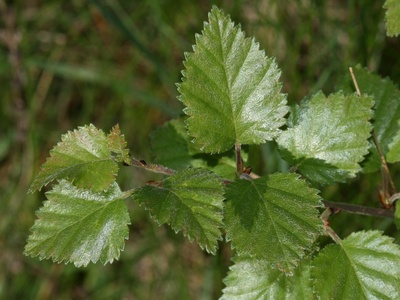
| Downy birch | Betula pubescens | Wet, boggy soils, forests and mires; widespread | Spring (May–Jun) |
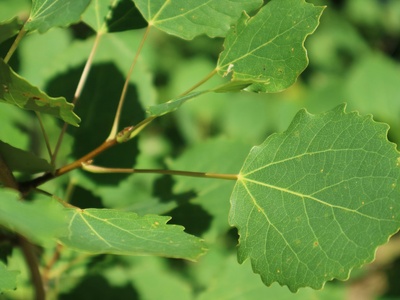
| European aspen | Populus tremula | Mixed forests, clearings; widespread especially north | Spring (Apr–May) |
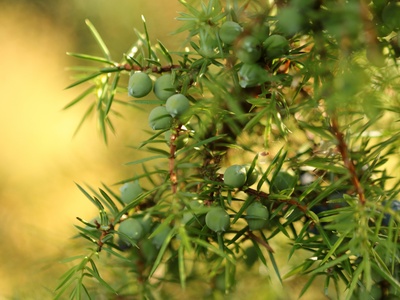
| Common juniper | Juniperus communis | Heaths, rocky outcrops, coastal areas; nationwide | Spring (Apr–Jun) |
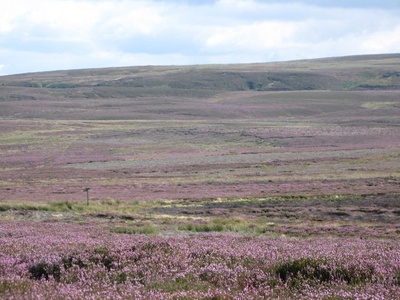
| Common heather | Calluna vulgaris | Heaths, acidic soils; widespread in south and north | Summer (Jul–Aug) |
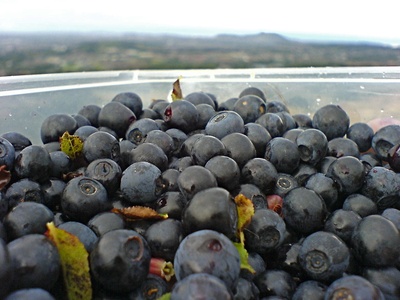
| Bilberry | Vaccinium myrtillus | Acidic forests, heathland; widespread boreal distribution | Summer (Jul–Aug) |
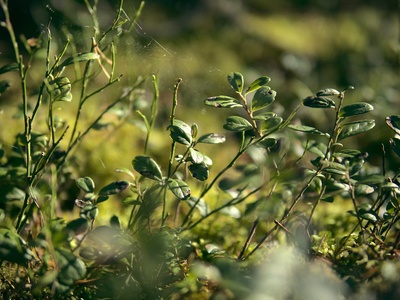
| Lingonberry | Vaccinium vitis-idaea | Coniferous forests, heath, tundra; widespread | Summer (Jun–Aug) |
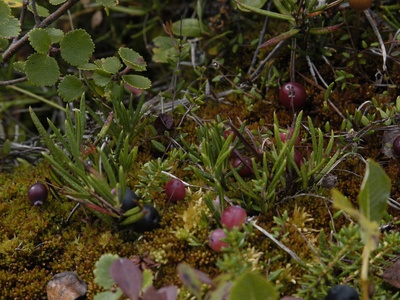
| Bog cranberry | Vaccinium oxycoccos | Bogs, peatlands, northern wetlands; widespread north/south | Summer (Jul–Aug) |
| Cloudberry | Rubus chamaemorus | Peat bogs, tundra, moist heaths; north and alpine | Summer (Jul–Aug) |
| Common oak | Quercus robur | Mixed deciduous forests, south Sweden; mainly southern regions | Spring (Apr–May) |
| Rowan | Sorbus aucuparia | Woodland edges, mountain birch zones; widespread | Summer (May–Aug) |
| Bird cherry | Prunus padus | Moist woods, riversides; throughout Sweden | Spring (Apr–May) |
| Wild strawberry | Fragaria vesca | Open woods, meadows, grassy edges; widespread | Summer (Jun–Jul) |
| Lily of the valley | Convallaria majalis | Woodland floors, shady humus soils; widespread in south | Spring (May–Jun) |
| Wood anemone | Anemone nemorosa | Deciduous woodlands, shaded clearings; widespread in south/north | Spring (Apr–May) |
| Marsh-marigold | Caltha palustris | Wet meadows, ditches, stream edges; widespread | Spring–Early summer (Apr–Jun) |
| Meadow buttercup | Ranunculus acris | Meadows, pastures, roadside verges; widespread | Summer (May–Jul) |
| Oxeye daisy | Leucanthemum vulgare | Meadows, roadsides, grasslands; common in lowlands | Summer (Jun–Aug) |
| Field horsetail | Equisetum arvense | Fields, roadsides, disturbed soils; widespread | Spring (Apr–May) |
| Bracken | Pteridium aquilinum | Heaths, open woods, clearings; widespread | Summer (May–Aug) |
| Male fern | Dryopteris filix-mas | Shaded woods, humid slopes; widespread | Summer (May–Aug) |
| Common polypody | Polypodium vulgare | Rocky outcrops, old walls, shaded woods; widespread | Summer (May–Aug) |
| Coltsfoot | Tussilago farfara | Disturbed ground, roadsides, riverbanks; widespread | Early spring (Mar–Apr) |
| Common valerian | Valeriana officinalis | Ditches, wet meadows, river margins; south and central | Summer (Jun–Aug) |
| Meadowsweet | Filipendula ulmaria | Wet meadows, ditches, riversides; widespread | Summer (Jun–Aug) |
| Hogweed | Heracleum sphondylium | Meadows, roadsides, woodland edges; widespread | Summer (Jun–Aug) |
| Common nettle | Urtica dioica | Nitrogen-rich soils, hedgerows, disturbed sites; widespread | Spring–Summer (May–Aug) |
| Blackcurrant | Ribes nigrum | Woodland margins, hedgerows, moist meadows; southern and central | Summer (Jun–Jul) |
| Common yarrow | Achillea millefolium | Meadows, roadsides, dry grasslands; widespread | Summer (Jun–Aug) |
| Sweet woodruff | Galium odoratum | Shady deciduous woods, humus-rich soils; southern Sweden | Spring (Apr–May) |
| Common plantain | Plantago major | Disturbed soils, paths, lawns; widespread | Spring–Summer (May–Aug) |
| Bog-rosemary | Andromeda polifolia | Acid bogs, peatlands; north and central | Summer (Jun–Jul) |
| Round-leaved sundew | Drosera rotundifolia | Acid bogs, wet heaths; throughout northern and coastal areas | Summer (Jun–Aug) |
| Lady’s mantle | Alchemilla vulgaris | Meadows, grasslands, roadside verges; widespread | Summer (Jun–Aug) |
| Tormentil | Potentilla erecta | Heaths, acidic grasslands, moors; widespread | Summer (May–Aug) |
| Sea buckthorn | Hippophae rhamnoides | Coastal dunes, sandy shores; Baltic coastlines | Summer (Jun–Aug) |
| Sea thrift | Armeria maritima | Rocky coasts, salt-exposed cliffs; coastal areas | Summer (Jun–Aug) |
| Creeping cinquefoil | Potentilla anserina | Sands, riverbanks, grasslands; widespread | Summer (Jun–Aug) |
| Common alder | Alnus glutinosa | Riverbanks, wetlands, lakeshores; widespread | Spring (Apr–May) |
| Grey alder | Alnus incana | Moist meadows, riverbanks, upland wetlands; widespread | Spring (Apr–May) |
| Goat willow | Salix caprea | Woodland edges, hedgerows, disturbed ground; widespread | Spring (Mar–Apr) |
| Purple loosestrife | Lythrum salicaria | Marshes, wet meadows, ditches; widespread | Summer (Jul–Aug) |
| Lady’s-slipper orchid | Cypripedium calceolus | Calcareous woodlands, shady slopes; rare, southern Sweden | Late spring–summer (May–Jun) |
| Common butterwort | Pinguicula vulgaris | Bogs, wet meadows, fens; northern and alpine areas | Summer (Jun–Aug) |
| Elder | Sambucus nigra | Hedgerows, woodland edges, roadsides; southern and central | Summer (May–Jul) |
| Greater stitchwort | Stellaria holostea | Woodland edges, hedgerows, shaded meadows; southern/central | Spring–Early summer (Apr–Jun) |
| Cow parsley | Anthriscus sylvestris | Roadsides, verges, meadows; widespread | Late spring–early summer (May–Jun) |
| Wood sorrel | Oxalis acetosella | Shaded forests, mossy humus soils; widespread | Spring (May–Jun) |
| Common polypore? OMITTED PER CRITERIA | N/A | N/A | N/A |
Images and Descriptions
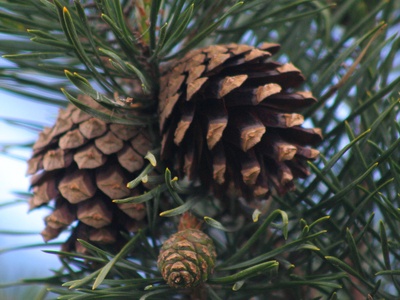
Scots pine
Tall evergreen with flaky orange bark and paired needles; dominant boreal tree. Look for old straight trunks in forests. Cones in late spring; important for timber and wildlife, generally common and not threatened.
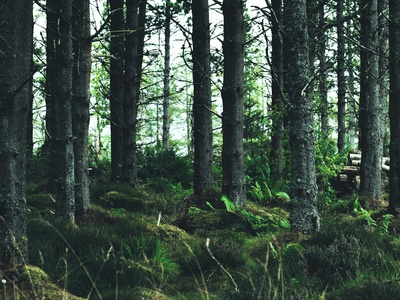
Norway spruce
Classic conical evergreen with hanging cones and thin needles on all sides. Common in plantations and natural forests. Grows in valleys and montane zones; key habitat and timber species, supports many forest organisms.
Silver birch
Slender deciduous tree with white, peeling bark and triangular toothed leaves. Catkins in spring. Pioneer species on poor soils, valued for wildlife and early-season pollen; widespread and familiar in Swedish landscapes.
Downy birch
Rounder-crowned birch with smoother bark and hairy shoots. Found in wetlands and highlands. Catkins in spring; tolerant of waterlogged soils and important for bog habitats and biodiversity.
European aspen
Thin-leaved tree with trembling leaves and roundish teeth. Catkins before leaves in spring. Clonal stands common; valuable for insects and fungi. Leaves’ trembling is a key ID trait.
Common juniper
Low shrub to small tree with needle-like leaves and bluish berry-like cones. Berries used traditionally for flavoring and gin. Slow-growing, often in open sunny spots; declining in some regions from land use change.
Common heather
Low evergreen shrub with tiny scale-like leaves and dense purple-pink flower spikes. Dominant on heathland and moorland, provides nectar for bees; responds poorly to heavy grazing and afforestation.
Bilberry
Low shrub with edible dark blue berries. Bell-shaped pink flowers in early summer. Important food for birds and humans; favors acidic, well-drained soils under conifers.
Lingonberry
Evergreen low shrub with shiny leaves and red edible berries. White to pink bell-shaped flowers in spring. Key berry for Swedish cuisine, prefers acidic soils and open woodland.
Bog cranberry
Trailing bog shrub with glossy leaves and bright red cranberries. Flowers small, bell-shaped. Grows in sphagnum bogs; important for bog ecosystems and traditional preserves.
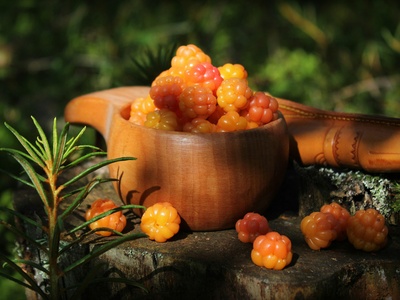
Cloudberry
Golden amber fruit on low plants with lobed leaves. White flowers in early summer. A prized seasonal berry in northern Sweden, often in protected peatland habitats.
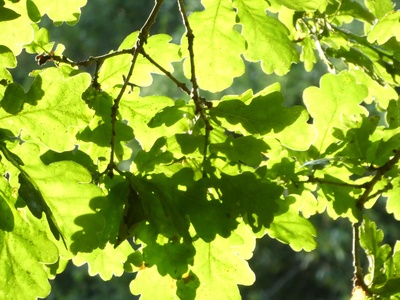
Common oak
Large broadleaf tree with lobed leaves and acorns. Supports rich insect communities and veteran tree habitats. More common in southern lowlands; often protected when ancient.
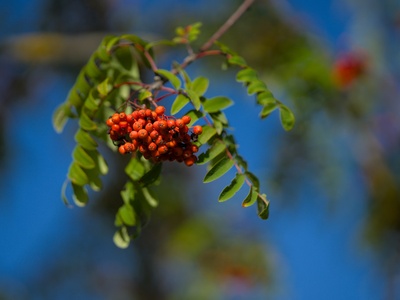
Rowan
Small tree with pinnate leaves and clusters of bright orange-red berries. White spring flowers attract pollinators; berries feed birds in autumn. Hardy and common in varied habitats.
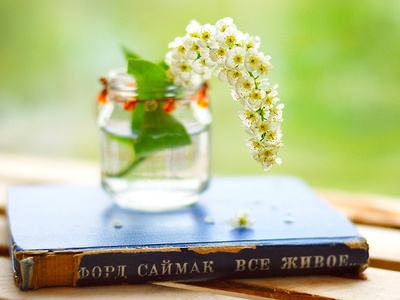
Bird cherry
Small tree with fragrant white racemes of flowers in spring and black cherries later. Strong scent when flowering; common in riparian woods and hedgerows, important for early pollinators.
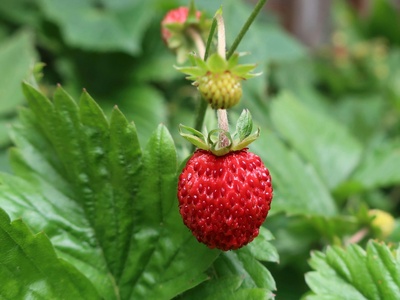
Wild strawberry
Low plant with trifoliate leaves, white flowers and small red fruits. Sweet wild berries attract wildlife and people. Common in sunny clearings and lawn-like habitats.
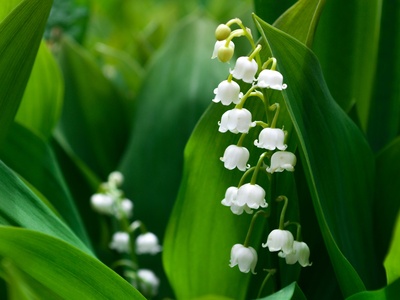
Lily of the valley
Fragrant nodding white bell flowers on slender stalks above glossy leaves. Spreads by rhizomes; highly toxic despite perfume. Common in deciduous woodlands and gardens.
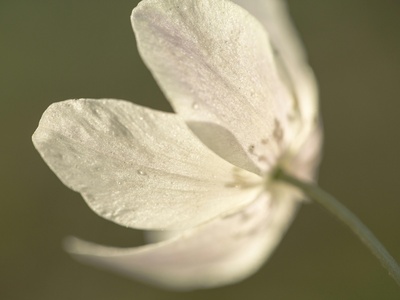
Wood anemone
Low spring-flowering plant with white (sometimes pink) solitary flowers above deeply divided leaves. Forms carpets in ancient woodlands; indicator of long-established forest.
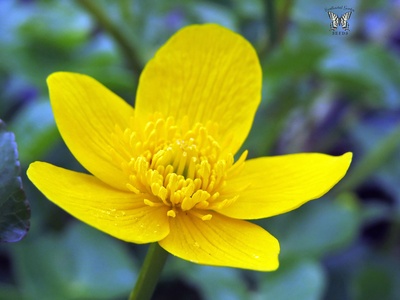
Marsh-marigold
Bright yellow buttercup-like flowers in wet places. Glossy heart-shaped leaves, loves saturated soils. Early nectar source for insects; tolerant of flooding.
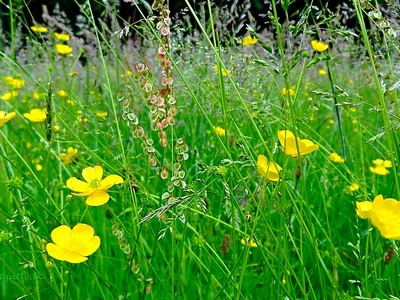
Meadow buttercup
Upright plant with glossy yellow flowers and deeply divided leaves. Common in hay meadows and pastures. Toxic to livestock when fresh, but typical wildflower of open grassland.
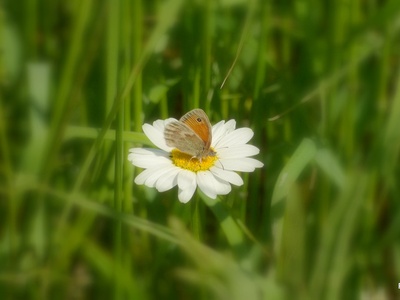
Oxeye daisy
Large white daisy with yellow disc, coarse hairy stem. Common in traditional meadows and field margins; attractive to pollinators and a familiar roadside wildflower.
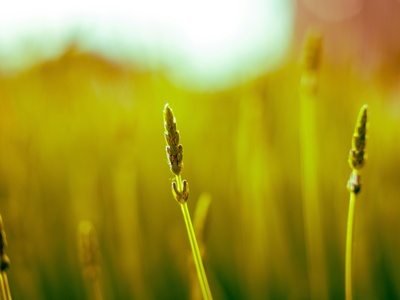
Field horsetail
Distinctive jointed stems with cone-like spore spikes early then green photosynthetic stems. Ancient vascular plant common in damp disturbed soils; tough rhizomes make it persistent.
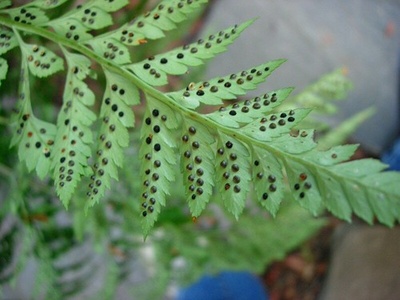
Bracken
Large triangular fronds forming dense stands. Spreads by underground rhizomes, often after disturbance. Can dominate and reduce tree regeneration; use caution due to toxic compounds.
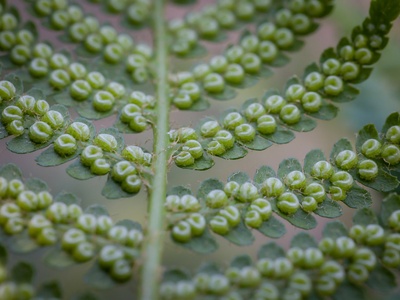
Male fern
Robust fern with arching pinnate fronds arising from a crown. Common in fertile shady places; look for brown sori under fronds for ID. Valuable groundcover in woodlands.
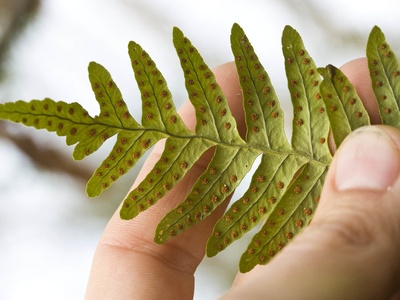
Common polypody
Evergreen fern with leathery fronds often on rocks and walls. Does not form tall crowns, distinctive round sori on underside. Tolerant of dry shade and warm microclimates.
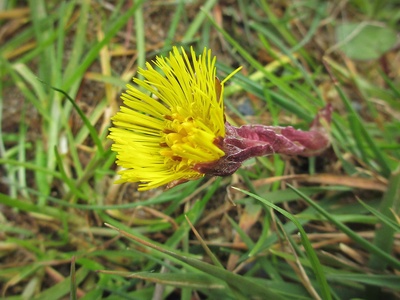
Coltsfoot
First spring flower before leaves, bright yellow dandelion-like heads. Later large round leaves appear. Indicates disturbed, moist soils; historically used medicinally but now less common in some areas.
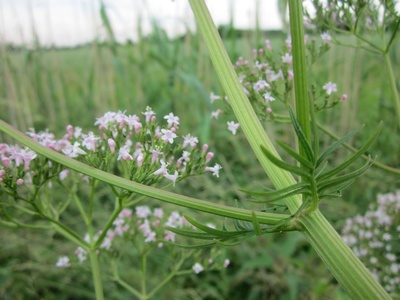
Common valerian
Perennial with fragrant clusters of pink-white flowers and pinnate leaves. Roots used historically as a sedative. Grows in damp soils and attracts pollinators.
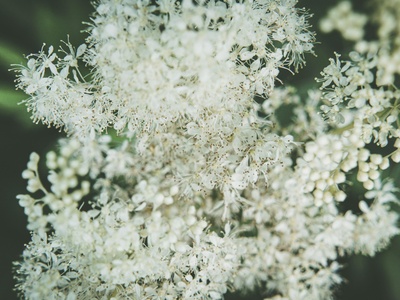
Meadowsweet
Tall plant with frothy clusters of creamy flowers and aromatic foliage. Common in wet, nutrient-rich meadows; historically used for flavoring and pain relief.
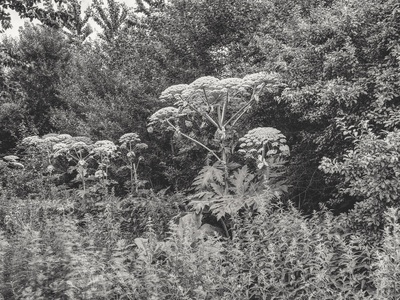
Hogweed
Large umbel of white flowers atop hollow stems. Similar to giant hogweed but smaller and native. Supports many insects; beware skin sensitivity with some relatives though this species is milder.
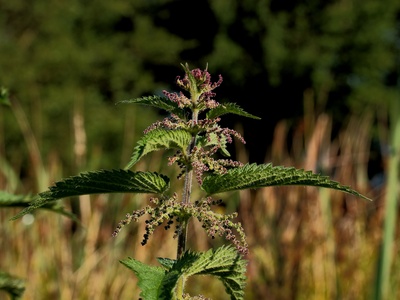
Common nettle
Tall herb with serrated leaves and stinging hairs. Greenish flowers in drooping clusters. Vital nectar and larval foodplant for many butterflies; indicates fertile soils.
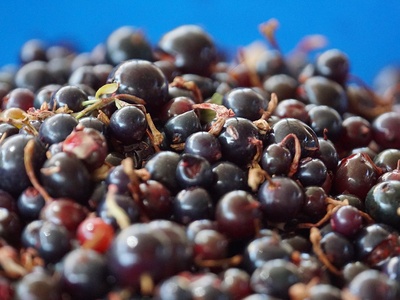
Blackcurrant
Shrub with lobed leaves and drooping clusters of dark berries. Flowers small and fragrant; berries used widely in preserves and juice. Wild stands persist in hedgerows and damp clearings.
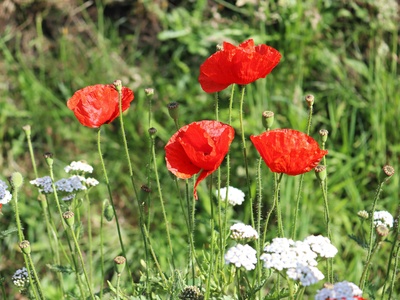
Common yarrow
Flat-topped clusters of white flowers and feathery aromatic leaves. Tolerant of dry soils and frequent mowing; used medicinally and valuable for pollinators in grasslands.
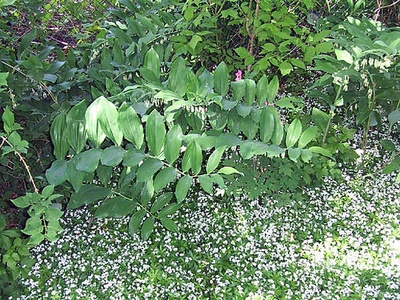
Sweet woodruff
Low groundcover with whorled leaves and tiny white fragrant flowers. Spreads in shady woodlands and gardens; used traditionally for flavoring and bedding scent.
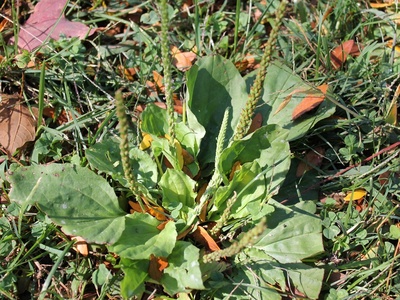
Common plantain
Rosette plant with broad leaves and slender flower spikes. Tolerant of trampling and urban conditions; medicinally used for minor wounds and as an easy-to-identify wild plant.
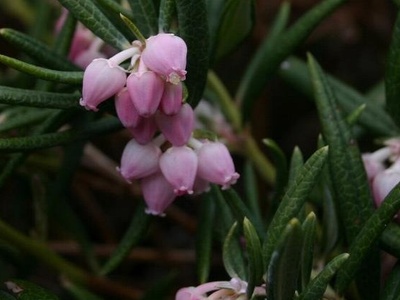
Bog-rosemary
Small evergreen shrub with narrow leathery leaves and pendulous bell flowers. Grows in nutrient-poor acidic bogs; attractive but toxic if eaten, indicator of intact peatland habitat.
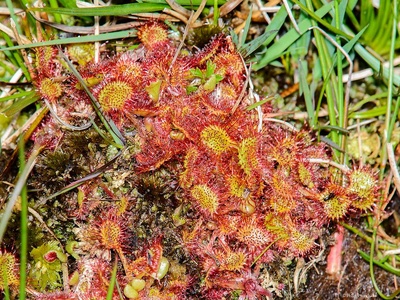
Round-leaved sundew
Small carnivorous plant with sticky glandular leaves that trap insects. Delicate pinkish flowers on stems; thrives in nutrient-poor bogs where it supplements nitrogen by catching prey.
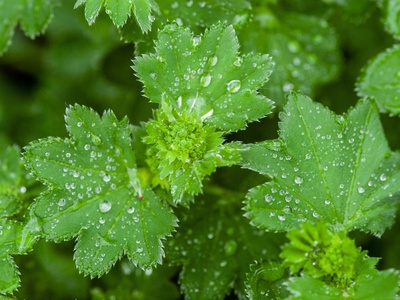
Lady’s mantle
Low herb with scalloped leaves collecting dew and clusters of small greenish-yellow flowers. Common in meadows and cottage gardens; valued for decorative foliage and traditional remedies.
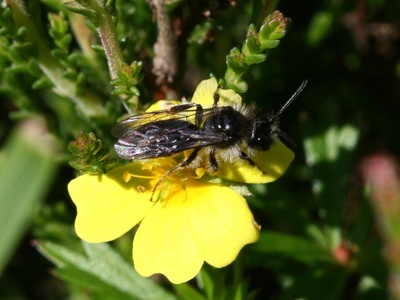
Tormentil
Low perennial with four-petaled yellow flowers and divided leaves. Common on poor acidic soils and moorland; used traditionally as an astringent and indicator of acid soils.
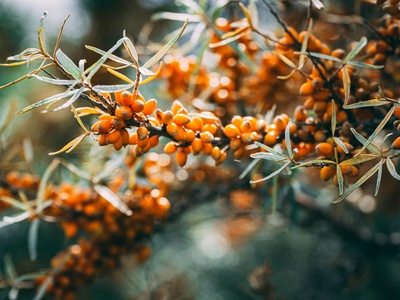
Sea buckthorn
Spiny shrub with silvery leaves and bright orange vitamin-rich berries. Salt-tolerant, stabilises dunes and used for coastal restoration; berries prized in local foods and oils.
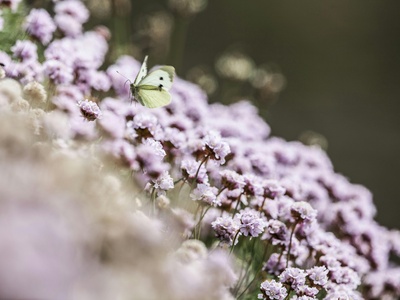
Sea thrift
Tufted perennial with spherical clusters of pink flowers on thin stalks. Tough and salt-tolerant, common on cliffs and rocky shorelines, attractive in coastal rock gardens.
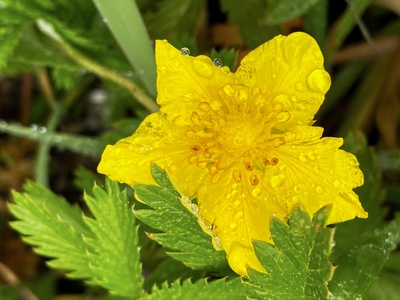
Creeping cinquefoil
Prostrate plant with pinnate leaves and yellow flowers. Spreads by runners on moist soils and sandy banks; edible young shoots historically used as greens.

Common alder
Deciduous tree with warty bark, catkins and cone-like fruits. Nitrogen-fixing root nodules enrich soils, key for riparian restoration and wetland habitats.
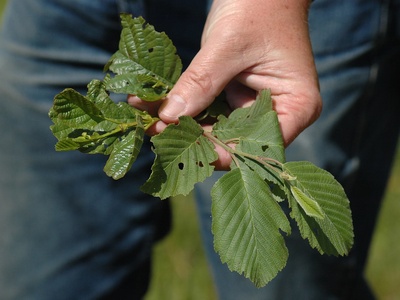
Grey alder
Smaller alder with paler leaves and slender catkins. Common in damp uplands and valley floors; supports soil improvement and wetland biodiversity.
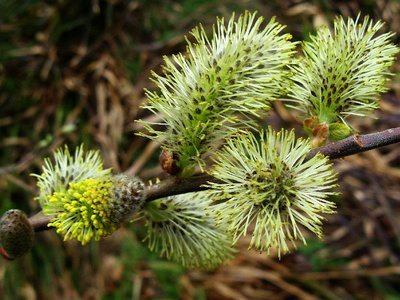
Goat willow
Shrub/tree with soft fuzzy catkins (“pussy willow”) appearing before leaves. Oval leaves and rough bark; important early nectar source for bees and butterflies.
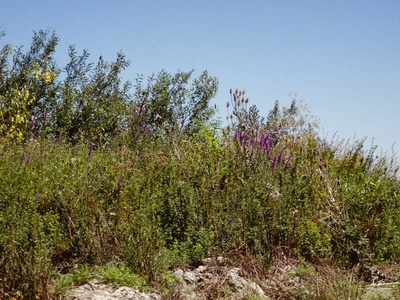
Purple loosestrife
Tall spikes of vivid magenta flowers in wetlands. Attracts many pollinators; native and typical of nutrient-rich wetland edges and marshy habitats.
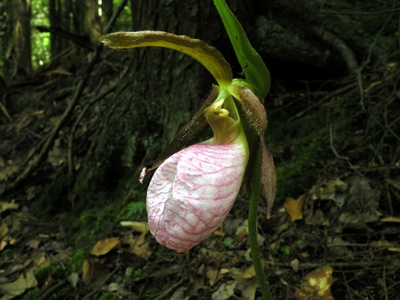
Lady’s-slipper orchid
Large striking orchid with slipper-shaped pouch, mottled leaves. Extremely rare and legally protected in Sweden; indicator of old undisturbed woodland and limestone soils.
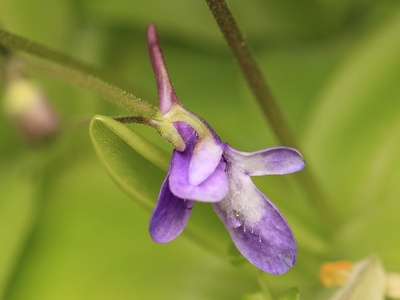
Common butterwort
Carnivorous rosette with sticky leaves that trap insects; purple flowers on stalks. Grows on nutrient-poor wet soils, fascinating for naturalists and sensitive to habitat change.
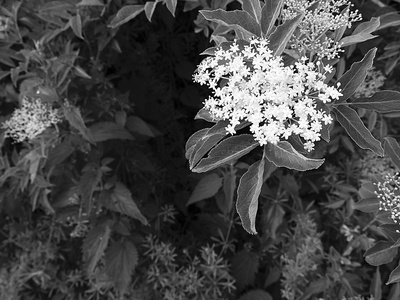
Elder
Multi-stemmed shrub with flat clusters of creamy flowers and dark berries. Flowers used in cordials; berries for preserves after cooking. Valuable for birds and traditional uses.
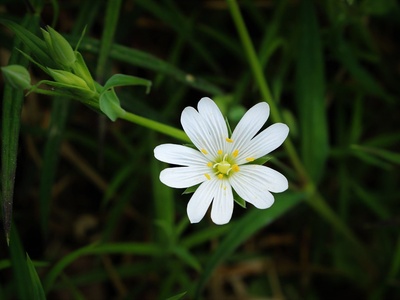
Greater stitchwort
Delicate white star-like flowers with deeply divided petals. Grows along shady hedgerows and ancient woodland edges; brightens spring ground flora.
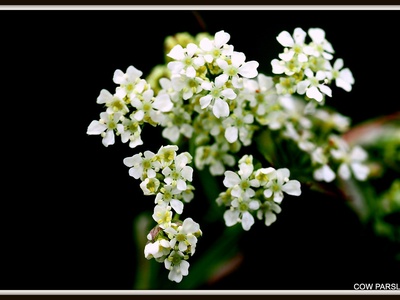
Cow parsley
Tall umbellifer with lace-like white flowerheads and ferny leaves. Common in hedgerows and roadside verges; early pollen source though similar to some toxic relatives so avoid tasting.
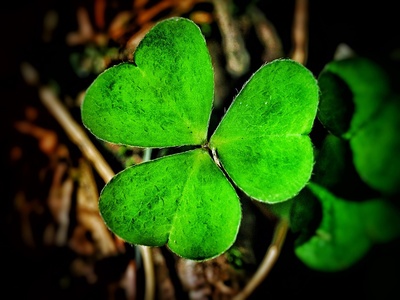
Wood sorrel
Low delicate plant with trifoliate heart-shaped leaves and small white pink-veined flowers. Leaves sour-tasting, common in damp woodland floors and carpet-like colonies.
Common polypore? OMITTED PER CRITERIA
N/A