Rwanda’s mix of montane forests, wetlands and intensive agriculture supports a lot of life — and makes the country especially vulnerable to non-native plants, insects and pathogens that can spread fast and harm crops, people and native ecosystems. Understanding what’s present helps managers, farmers and concerned citizens spot problems early.
There are 16 Invasive Species in Rwanda, ranging from the African/Asian tiger mosquito to the Whitefly complex. For each entry you’ll find below a compact record organized with Scientific name,Rwanda distribution,Impact (short) so you can quickly see identity, where it’s been recorded and the main concerns, and decide what to monitor or report — you’ll find those details below.
How do invasive species usually arrive and spread in Rwanda?
They often come through trade (contaminated cargo, plants or packaging), movement of people and vehicles, and natural spread from neighboring countries; once introduced, rivers, wind, transport of agricultural produce and ornamental plants help them move farther. Preventive steps include careful inspection of imports, clean seed and plant material, public reporting, and local surveillance by extension services.
What immediate actions can farmers take if they detect one of these species?
First, confirm identification (photos or samples) and notify local extension or the Ministry responsible for plant or public health; meanwhile use established cultural controls — crop hygiene, removal of infested plants, targeted biological or chemical controls where recommended — and avoid moving potentially contaminated material to limit spread.
Invasive Species in Rwanda
| Name | Scientific name | Rwanda distribution | Impact (short) |
|---|---|---|---|
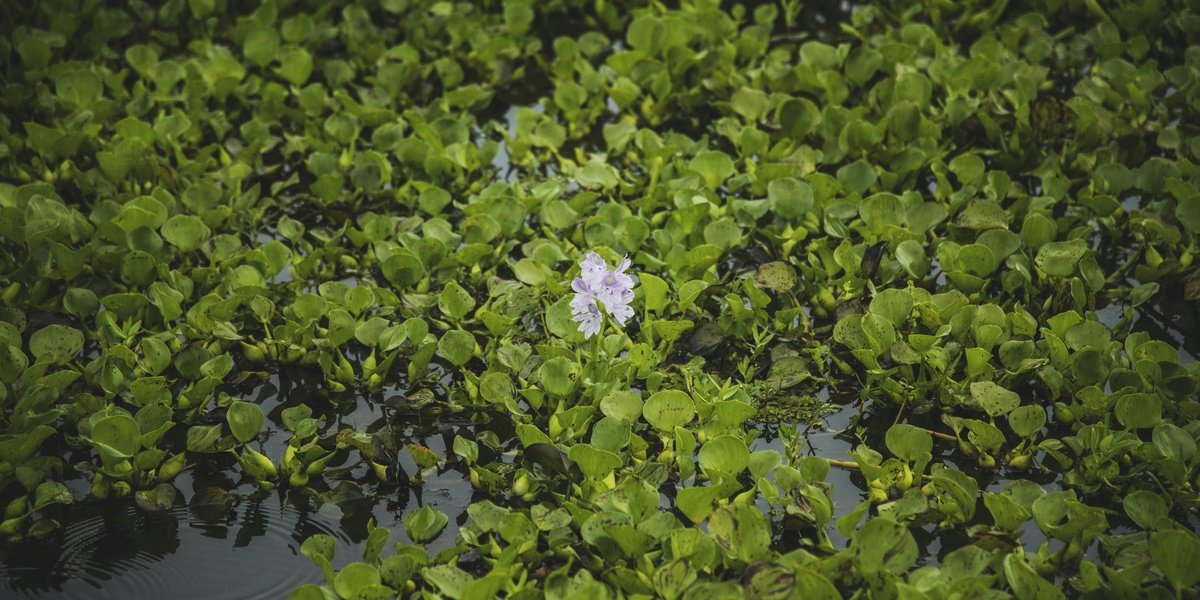
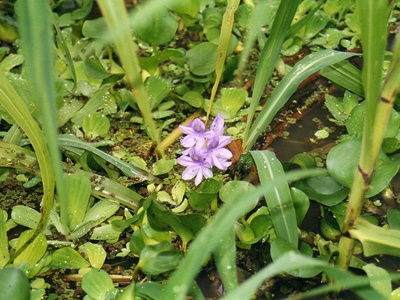
| Water hyacinth | Eichhornia crassipes | Lake Kivu shoreline, Lake Muhazi, wetlands in Western and Eastern Provinces | Clogs waterways, reduces fisheries and water quality |
| Salvinia | Salvinia molesta | Shallow lakes, ponds and slow-flowing wetlands across Rwanda | Rapid mat formation, smothers aquatic vegetation, blocks waterways |
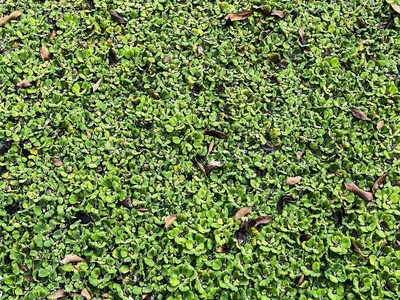
| Water lettuce | Pistia stratiotes | Lakes, reservoirs and wetlands including Lake Kivu and Muhazi | Reduces oxygen, blocks channels, harms fisheries |
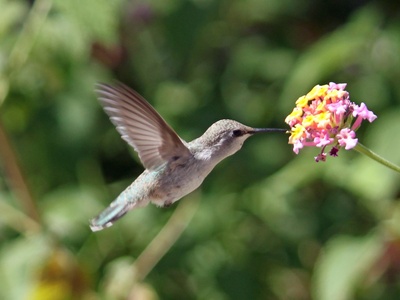
| Lantana | Lantana camara | Widespread in agricultural margins, hillsides, forest edges nationwide | Outcompetes native plants, degrades habitat, toxic to livestock |
| Chromolaena | Chromolaena odorata | Southern and Western Provinces, forest margins and disturbed land | Smothers seedlings, alters fire regimes, reduces native regeneration |
| Parthenium | Parthenium hysterophorus | Roadsides, croplands and fallow fields nationwide | Allergic reactions, reduces crop yields and pasture quality |
| Prosopis | Prosopis juliflora | Eastern Rwanda, drylands near Akagera, degraded rangelands | Displaces native vegetation, reduces grazing lands, thorny thickets |
| Fall armyworm | Spodoptera frugiperda | Widespread in maize-growing regions nationwide | Severe maize yield losses, rapid multi‑crop outbreaks |
| Tomato leafminer | Tuta absoluta | Tomato production areas nationwide, greenhouses and fields | Destroys tomato crops, high control costs |
| Oriental fruit fly | Bactrocera dorsalis | Mango and fruit orchards across Rwanda | Fruit rot and market losses, quarantine restrictions |
| Whitefly complex | Bemisia tabaci | Cassava, tomato and vegetable fields nationwide | Spread plant viruses, reduce yields, pest outbreaks |
| Nile tilapia | Oreochromis niloticus | Fish farms, reservoirs, some lakes and impoundments | Competes with native fish, alters aquatic ecosystems |
| Giant African snail | Achatina fulica | Urban gardens, croplands and disturbed sites in multiple districts | Crop damage, human health risk, rapid reproduction |
| African/Asian tiger mosquito | Aedes albopictus | Urban and peri‑urban areas including Kigali environs | Vector of dengue, chikungunya; public health risk |
| Cassava mealybug | Phenacoccus manihoti | Cassava-growing areas in Southern and Eastern Provinces | Severe cassava yield reductions, food security threat |
| Tomato fruit borer (South American tomato moth) | Tuta absoluta | Intensive tomato regions and peri‑urban farms | High tomato losses, increased pesticide use |
Images and Descriptions
Water hyacinth
Floating plant from South America that forms dense mats in lakes and wetlands; smothers native plants, impedes fishing and transport, and degrades water quality in Lake Kivu, Lake Muhazi and other Rwandan wetlands.

Salvinia
Free‑floating fern native to South America; invades calm waterbodies, forming thick mats that reduce oxygen, harm fish, and obstruct boat access in wetlands and reservoirs.
Water lettuce
Floating perennial from tropical Americas that carpets water surfaces; competes with native flora, lowers dissolved oxygen, and disrupts fishing and irrigation in lakes and marshes.
Lantana
Shrubby ornamental from the Americas that invades disturbed sites and forest edges; forms dense thickets, reduces biodiversity, and poses grazing risks due to toxic leaves.
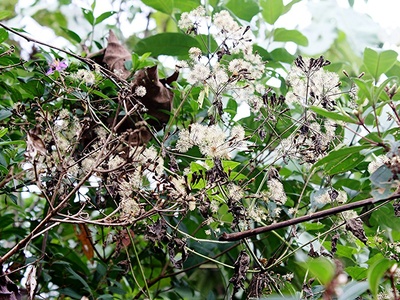
Chromolaena
Fast‑growing shrub from the Americas invading roadsides, secondary forests and plantations; suppresses native regeneration, fuels wildfires, and degrades habitat quality.
Parthenium
Weedy herb from the Americas producing irritant pollen and allelochemicals; invades cultivated and disturbed areas, harms human and livestock health, and suppresses crops and pasture.
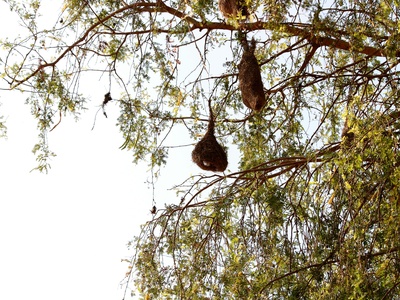
Prosopis
Arid‑adapted tree from South America introduced for fuel and erosion control; forms dense, thorny stands that outcompete native plants and reduce usable grazing and farmland.
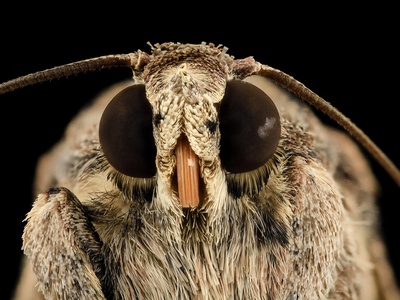
Fall armyworm
Insect pest native to the Americas that invaded Africa; larvae feed voraciously on maize and other crops, causing major economic and food security impacts in Rwanda since 2016.
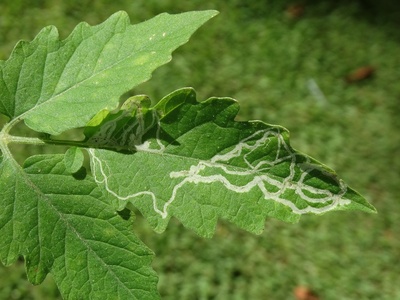
Tomato leafminer
Small moth from South America whose larvae burrow in leaves, stems and fruits; causes heavy losses in open-field and protected tomato cultivation across Rwanda.
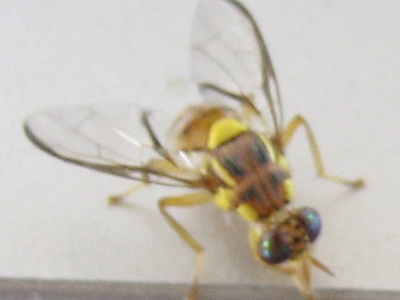
Oriental fruit fly
Fruit fly native to Asia that invaded Africa; female lays eggs in many fruits, causing decay, reduced yields and trade restrictions for Rwandan fruit growers.
Whitefly complex
Sap‑sucking insect originally from tropical regions; forms large infestations transmitting viruses to cassava and vegetables, increasing chemical control needs and crop losses.
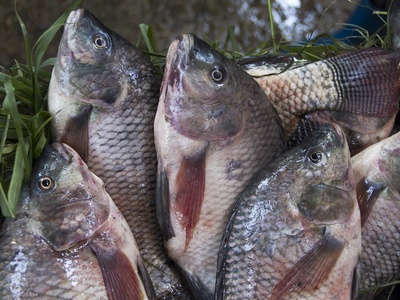
Nile tilapia
African/introduced strains widely stocked for aquaculture; established in ponds, reservoirs and some lakes where they compete with native species and alter community structure and fisheries.
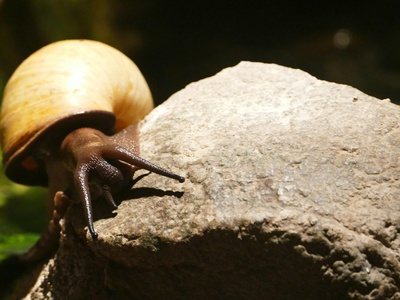
Giant African snail
Large land snail native to East Africa but invasive in many regions; feeds on crops and ornamentals, can carry parasites, and spreads quickly across gardens and farms.
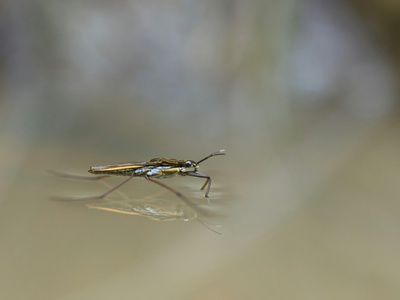
African/Asian tiger mosquito
Mosquito native to Asia now widespread; occupies urban and peri‑urban breeding sites and increases arbovirus transmission risk alongside Aedes aegypti in Rwanda.
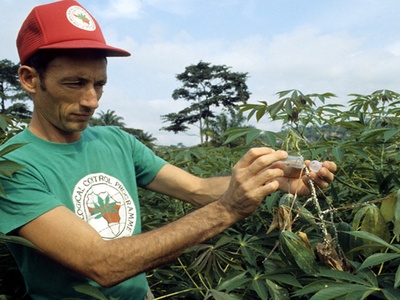
Cassava mealybug
Sap‑feeding insect introduced to Africa that attacks cassava roots and stems; causes significant yield losses and threatens subsistence farming where established.
Tomato fruit borer (South American tomato moth)
Highly invasive micro-moth from South America causing leaf and fruit damage; its rapid spread in Rwanda has increased crop losses and control costs for growers.