When Tatra National Park (TANAP) was founded in 1949, it formalized protections for species found nowhere else on Earth.
That single act helped set a pattern: Slovakia punches well above its weight when it comes to biodiversity, with nine national parks and a dense network of reserves and corridors supporting mountains, rivers, and floodplain forests.
From organized bear-viewing trips to strict seasonal trail rules in the High Tatras, people interact with nature here in ways that support ecotourism, local livelihoods, and long-running conservation programs; the wildlife of slovakia is a concentrated showcase for Central Europe’s fauna.
Large Mammals of the Carpathians
Large mammals are both conservation cornerstones and major tourist draws in Slovakia’s Carpathian ranges.
They help shape ecosystems—bears as scavengers and seed dispersers, lynx as mesopredators balancing herbivore numbers, and the Tatra chamois as an alpine specialist—and they create real management needs: fencing, road-mitigation measures, conflict-reduction education and active park ranger patrols.
Protected areas (TANAP and eight other national parks), species monitoring programs and community-based mitigation all work together to reduce collisions, livestock losses and other human-wildlife conflicts while maintaining nature-based tourism that benefits rural communities.
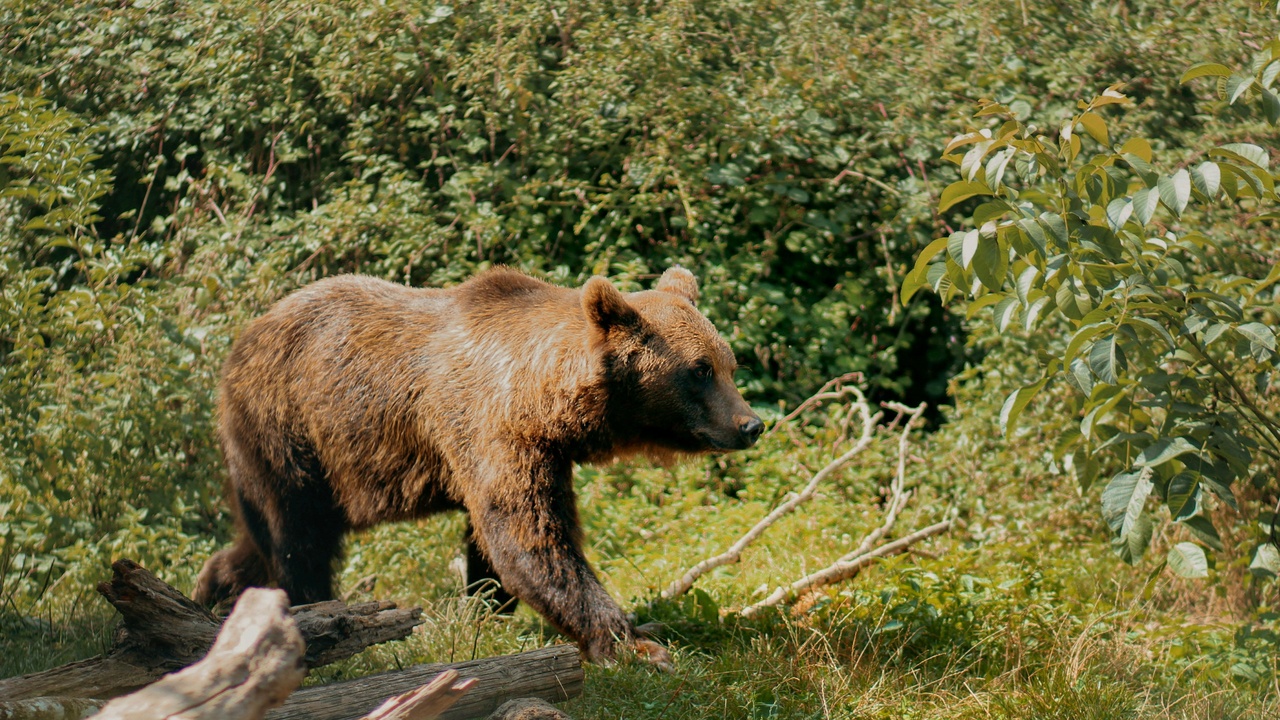
1. European Brown Bear (Ursus arctos) — a Carpathian heavyweight
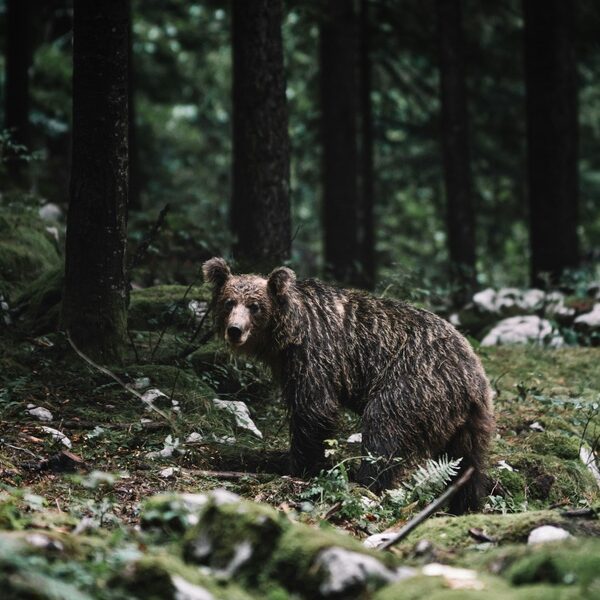
The European brown bear is arguably the most visible symbol of the Carpathian wilderness in Slovakia.
Current regional estimates put Slovakia’s brown bear population at around 700–900 bears, and the species is listed by the IUCN as Least Concern globally but locally sensitive to habitat fragmentation and conflict hotspots (see IUCN for status updates).
Bears drive wildlife tourism—guided wildlife-watching in the Orava region and other northern valleys is common—and they prompt concrete mitigation measures such as bear-proof trash bins, reinforced livestock pens and ranger-led outreach campaigns to reduce encounters.
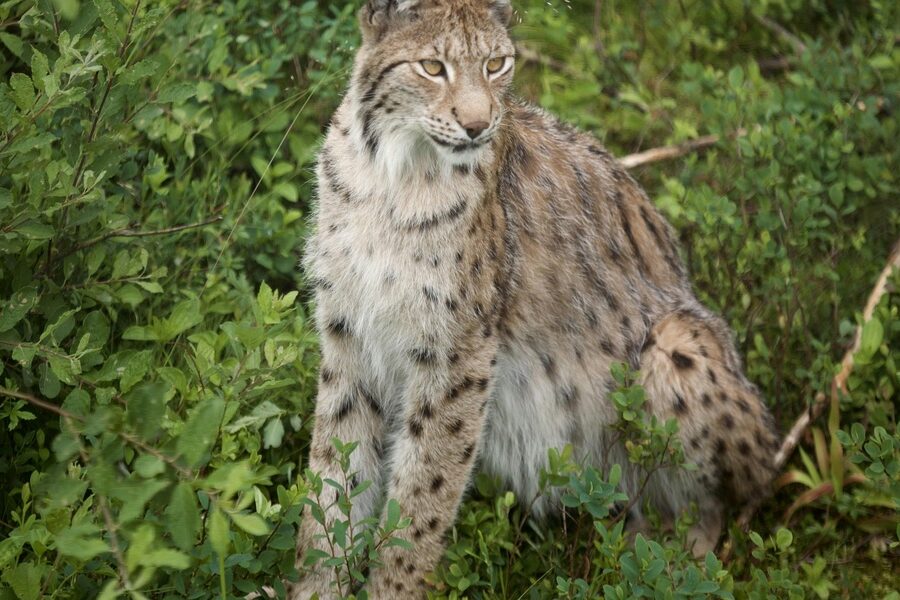
2. Eurasian Lynx (Lynx lynx) — the quiet predator
The Eurasian lynx persists across Slovakia’s mature forest blocks, where its secretive presence helps keep deer and smaller ungulate numbers in balance.
Camera-trap networks and telemetry projects run by park services and NGOs regularly record lynx activity, and those monitoring programs inform livestock-protection measures—electric fencing, guardian animals and compensation schemes—used by communities in the Western and Eastern Carpathians.
Conservation groups also deploy GPS collars to study dispersal and connect populations across valleys, helping managers place wildlife crossings and reduce road mortality.
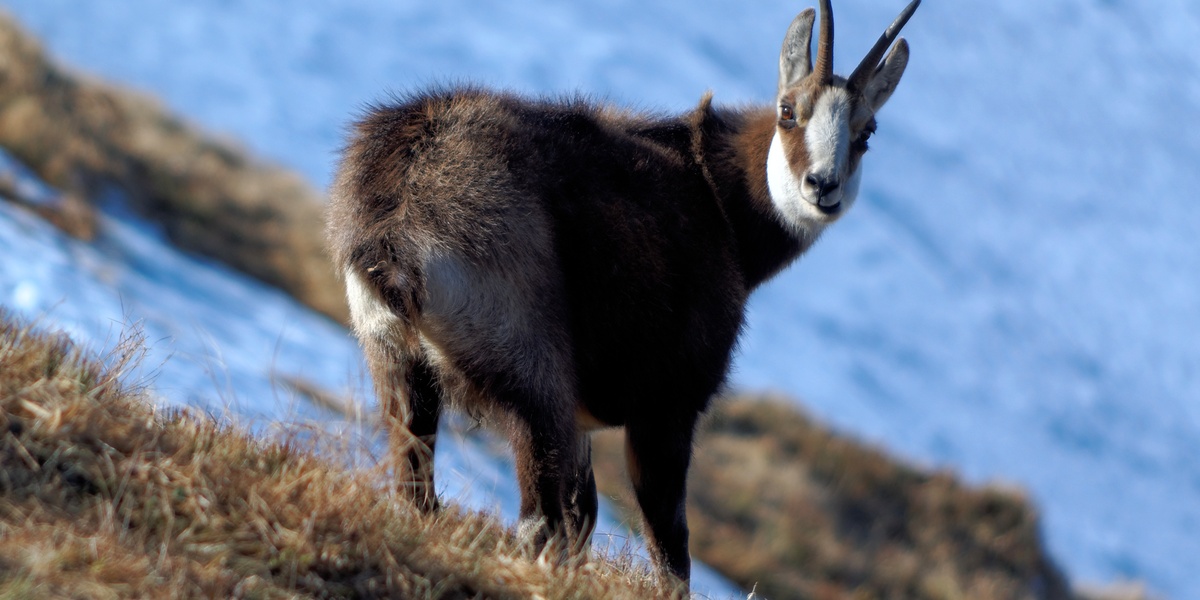
3. Tatra Chamois (Rupicapra rupicapra tatrica) — an endemic alpine specialist
The Tatra chamois is an endemic subspecies found only in the High Tatras and has been legally protected since TANAP’s creation in 1949.
Highly sensitive to disturbance, the chamois shapes trail management: certain valleys have seasonal visitor limits, and many routes are restricted during key monitoring and breeding periods to keep stress low and counts reliable.
Long-term population monitoring by TANAP rangers and scientists informs those access rules, and responsible wildlife viewing—maintaining distance, avoiding off-trail approaches—remains central to preserving this culturally important alpine specialist.
Birds and Raptors: Skyward Icons
Slovakia’s varied habitats—from floodplain forests and lowland wetlands to alpine cliffs—support both resident and migratory birdlife that matters for conservation and people alike.
Raptors such as golden eagles and other cliff-nesters indicate healthy mountain ecosystems, while storks and herons rely on intact floodplain corridors for breeding; parks and reserves along migratory routes provide essential stopover and nesting sites.
Field guides, monitoring by park services and community-based nest protection help protect nesting sites, and seasonal advisories ensure that eco-guides and visitors avoid disturbing sensitive areas during breeding months.
4. Golden Eagle (Aquila chrysaetos) — cliffside ruler
Golden eagles occupy higher mountain zones in the High and Low Tatras, where nesting cliffs provide secure sites for the occasional breeding pair.
Park monitoring documents nesting activity and informs advisories: trail closures or buffer zones are put in place during the breeding season so birds aren’t disturbed by climbers or guided groups.
Tour operators emphasize distant viewing and use eagle sightings as a focus for wilderness education, tying visitor experiences to the species’ conservation needs.
5. Black Stork (Ciconia nigra) — the shy wetland breeder
Black storks prefer old-growth riparian and floodplain forests and are far less common than white storks, making their breeding sites important conservation priorities.
Breeding pairs occur in protected floodplains such as sections of Dunajské luhy and other reserves, where conservation actions include protecting large nesting trees and restoring floodplain hydrology.
Local NGOs lead habitat-restoration projects and volunteer monitoring that track stork occupancy and bolster the floodplain health these birds depend on.
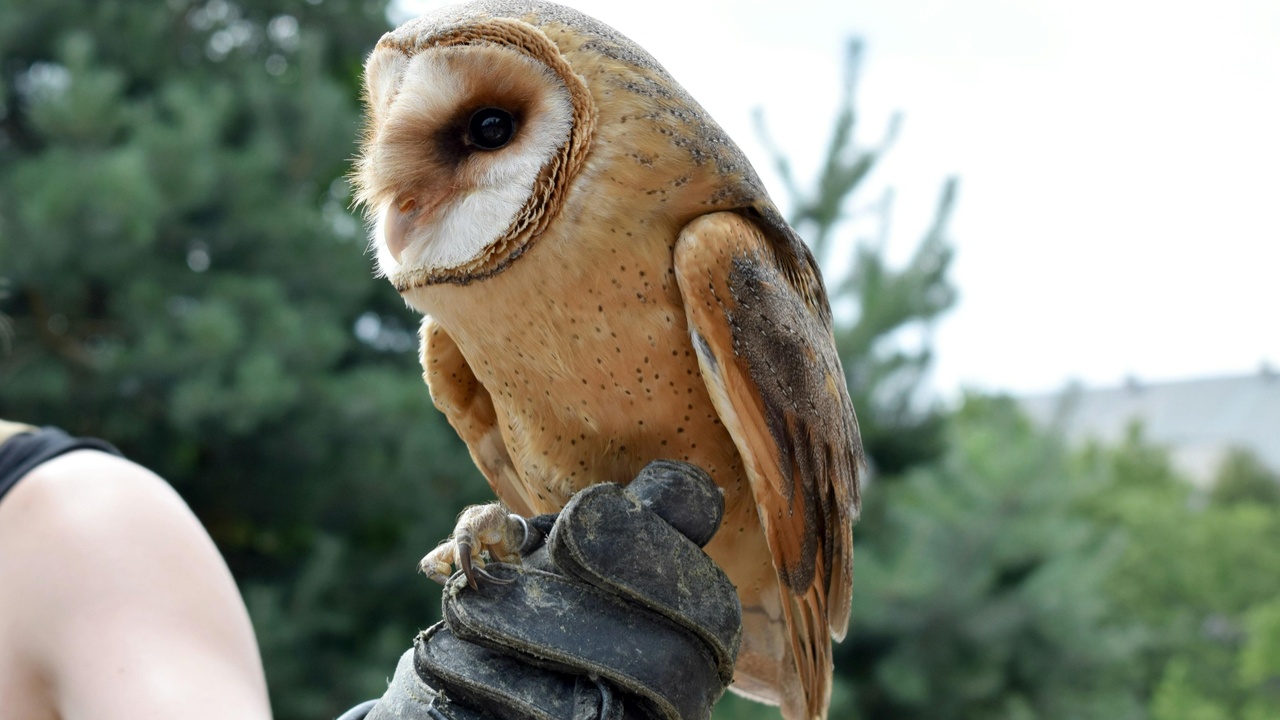
6. Ural Owl (Strix uralensis) — the silent forest predator
The Ural owl relies on mature forest structure and abundant small mammals, making it a useful indicator of older woodland quality.
Conservationists support the species with nest-box programs, and citizen-science sightings feed into monitoring databases that help managers retain deadwood and old trees in managed forests.
Those targeted actions—simple nest-box networks and adjusted forestry practices—help sustain local populations and the broader biodiversity that depends on mature forest stands.
Forest and Freshwater Specialists
Cold, well-oxygenated streams, river corridors and patches of old-growth forest host species that depend on clean water and intact riparian zones.
Threats such as pollution, river regulation and warming can quickly reduce populations of specialist fish and semi-aquatic mammals, but targeted restoration and water-quality improvements have produced measurable recoveries in places.
Fisheries management, catch-and-release rules, wastewater upgrades and protection of riparian buffers have helped species reappear in protected basins and boosted recreational values such as angling and nature tourism.
7. Huchen (Hucho hucho) — the Danube salmon
The huchen is a large salmonid native to the Danube basin and a flagship species for cold, clean tributaries in Slovakia.
Because the species requires long, unfragmented river stretches and specific spawning gravel, it is highly sensitive to dams, channelization and warming temperatures; management actions include spawning-habitat restoration and catch-and-release rules enforced by fisheries authorities.
Restoration projects on Danube tributaries that improve connectivity and spawning habitat have yielded local population stabilizations, and targeted monitoring helps guide future river work.
8. European Otter (Lutra lutra) — riverbank engineer and indicator
The European otter is a semi-aquatic predator whose presence signals improved water quality and healthy riparian habitat.
Across parts of Europe, otter sightings have increased after wastewater-treatment upgrades and stricter pollution controls; Slovakia has recorded renewed observations along protected rivers and reserves, often documented through citizen-science platforms.
Otters contribute to balanced aquatic food webs and provide an easily understood example of how water-quality investments benefit biodiversity, fisheries and recreational river use.
Summary
- Slovakia’s relatively small land area supports outsized biodiversity: nine national parks, endemic species like the Tatra chamois and widespread large mammals since TANAP’s 1949 founding.
- Large mammals, raptors, freshwater specialists and old-growth forest species each signal different aspects of ecosystem health and drive visitor interest and local economies.
- Targeted actions—park ranger patrols, bear-proof bins, nest protection, river-restoration and nest-box programs—have measurable benefits for populations and people.
- Visitors can help by following park guidelines, respecting seasonal closures, choosing licensed guides for wildlife viewing and supporting local conservation NGOs and monitoring projects.
- Learn more from authoritative sources such as the IUCN and the Slovak Nature Conservation Agency and consider contributing to citizen-science platforms that track species like the huchen and European otter—support for the wildlife of slovakia makes a tangible difference.