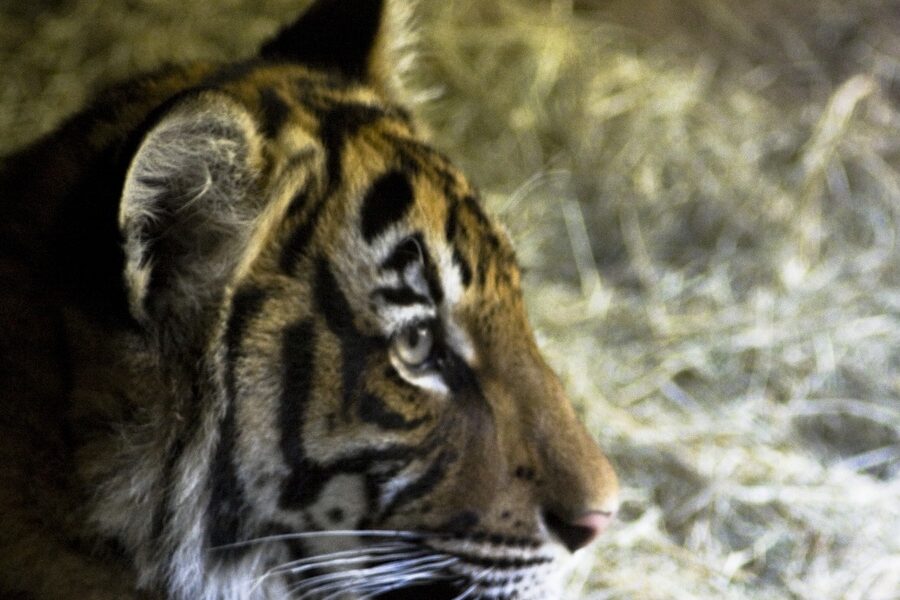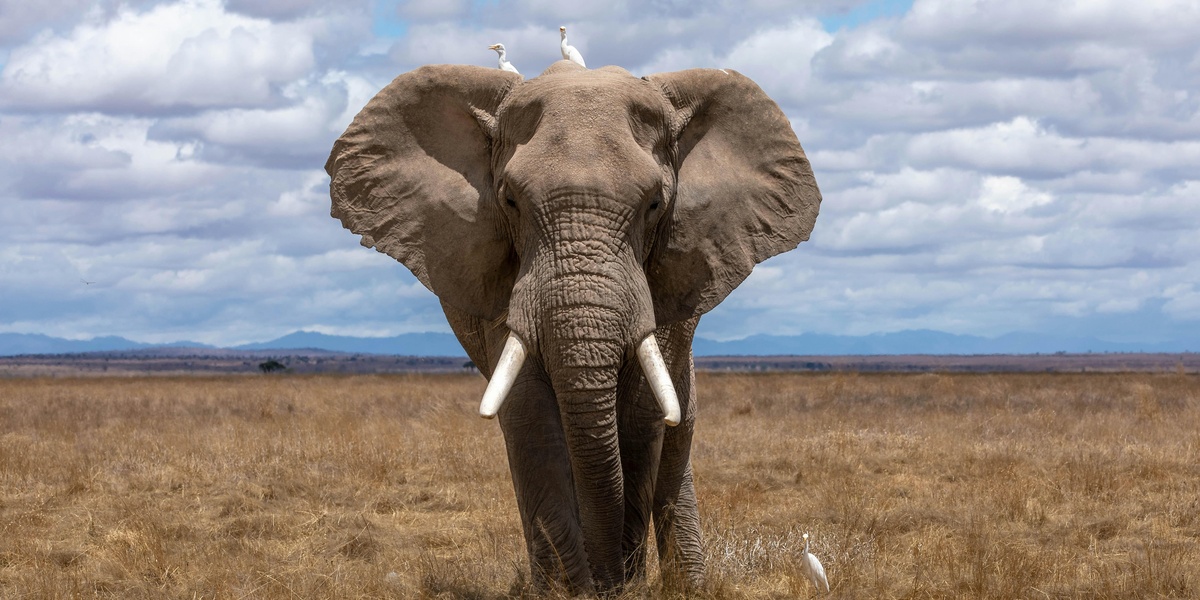
Eswatini’s compact landscapes—rolling savanna, river valleys and pockets of montane forest—support a wide mix of mammals, birds and reptiles despite the country’s small size. Local reserves and roadside habitats make many species accessible to visitors and researchers alike.
There are 54 Eswatini’s native animals, ranging from Aardvark to Yellow-billed kite; for each, the entry lists Scientific name,Size (cm),Where found so you can compare identification details and locations — you’ll find below.
Which habitats in Eswatini are best for spotting different species?
Savanna and grasslands are great for large mammals and many antelopes, riverine woodlands draw birds and small mammals, and remnant forests hold forest-dependent species; check the “Where found” column to match species to habitat and plan visits around dawn or dusk when many animals are active.
How should I use the table to plan responsible wildlife viewing?
Use the Scientific name and Size (cm) to confirm identifications, consult the Where found entries to choose appropriate reserves, go with local guides for safety and knowledge, keep distance, and visit outside breeding seasons when possible to minimize disturbance.
Eswatini’s Native Animals
| Name | Scientific name | Size (cm) | Where found |
|---|---|---|---|
| African elephant | Loxodonta africana | 250–350 | Hlane,Mkhaya,private reserves,woodland and savanna |
| White rhinoceros | Ceratotherium simum | 350–420 | Hlane,Mkhaya,private reserves,grassland and savanna |
| Lion | Panthera leo | 150–250 | Hlane,private reserves,open savanna and woodland |
| Leopard | Panthera pardus | 90–200 | Hlane,forest edges,rocky hills,private reserves |
| African buffalo | Syncerus caffer | 220–340 | Hlane,Mkhaya,riparian grassland and savanna |
| Giraffe (Southern) | Giraffa camelopardalis | 400–550 | Hlane,private reserves,open woodland and riverine |
| Plains zebra (Burchell’s) | Equus quagga | 200–250 | Hlane,Mkhaya,grassland and open savanna |
| Common hippopotamus | Hippopotamus amphibius | 300–430 | Rivers,wetlands,Usuthu and larger waterways |
| Spotted hyena | Crocuta crocuta | 95–165 | Savanna,woodland,Hlane,private reserves |
| Black-backed jackal | Lupulella mesomelas | 60–85 | Grassland,savanna,farmland,private reserves |
| Chacma baboon | Papio ursinus | 50–115 | Rocky hills,forests,Mlilwane,Mlawula |
| Greater kudu | Tragelaphus strepsiceros | 190–270 | Woodland,thickets,Lubombo hills,Mlawula |
| Impala | Aepyceros melampus | 130–165 | Savanna,woodland,reserves like Hlane and Mlilwane |
| Common duiker | Sylvicapra grimmia | 55–90 | Thickets,forest edge,woodland,Mlawula |
| Steenbok | Raphicerus campestris | 45–80 | Open grassland,thornveld,private reserves |
| Warthog | Phacochoerus africanus | 90–140 | Grassland,riverine,Hlane,Mkhaya |
| Common eland | Taurotragus oryx | 200–260 | Grassland,open woodland,Mkhaya,Hlane |
| African civet | Civettictis civetta | 60–100 | Woodland,riverine,forest edge,protected areas |
| Aardvark | Orycteropus afer | 100–150 | Savanna,woodland,Mlawula,hilly areas |
| Honey badger | Mellivora capensis | 60–90 | Savanna,woodland,rocky areas,private reserves |
| African fish eagle | Haliaeetus vocifer | 63–75 | Rivers,lakes,Mkhuze,Usuthu reservoirs and dams |
| Lilac-breasted roller | Coracias caudatus | 36–38 | Open woodland,grassland,Hlane,Mlawula |
| Saddle-billed stork | Ephippiorhynchus senegalensis | 140–150 | Wetlands,riverine,large pans and marshes |
| Southern yellow-billed hornbill | Tockus leucomelas | 40–50 | Savanna,thornveld,open woodland,Hlane |
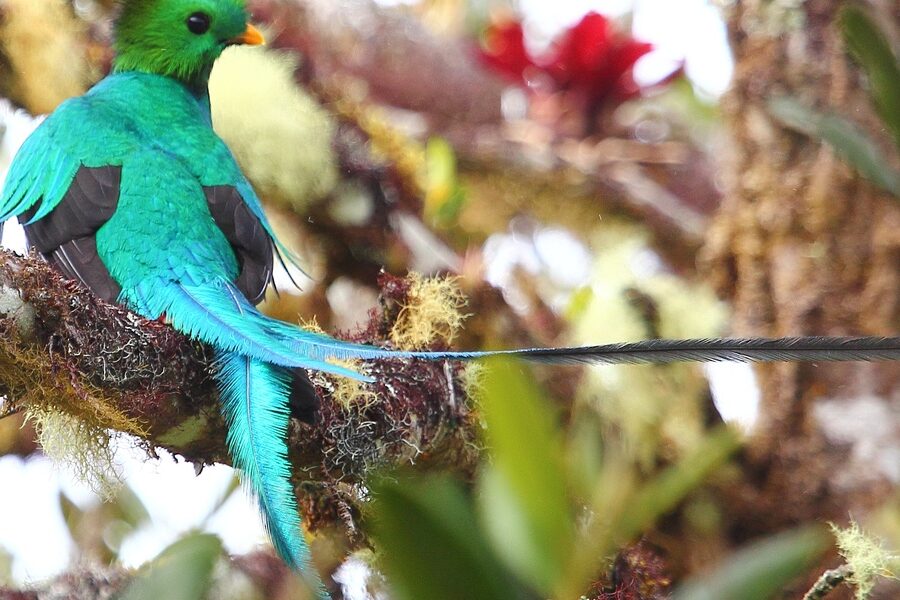
| Knysna turaco | Tauraco corythaix | 40–42 | Afromontane forest,Lubombo and Ezulwini valleys |
| Narina trogon | Apaloderma narina | 28–33 | Montane and riverine forest,forest edges,Lubombo |
| African jacana | Actophilornis africanus | 23–30 | Wetlands,reedbeds,Mbuluzi pans and dams |
| Hamerkop | Scopus umbretta | 47–50 | Rivers,wetlands,Mlawula and Mbuluzi areas |
| Hadeda ibis | Bostrychia hagedash | 68–76 | Open woodland,farmland,urban edges,parks |
| Martial eagle | Polemaetus bellicosus | 76–85 | Open woodland,grassland,Hlane,scattered trees |
| Secretarybird | Sagittarius serpentarius | 120–140 | Open grassland,communal ranchland,private reserves |
| White-backed vulture | Gyps africanus | 85–95 | Savanna,open plains,around carcasses,Hlane |
| Lappet-faced vulture | Torgos tracheliotos | 95–110 | Arid savanna,open plains,scattered trees,protected areas |
| Southern masked weaver | Ploceus velatus | 13–20 | Woodland,riverine,gardens,parks |
| Red-billed oxpecker | Buphagus erythrorhynchus | 20–23 | Savanna,near large mammals,Hlane and private reserves |
| Yellow-billed kite | Milvus aegyptius | 48–55 | Rivers,open country,urban areas,woodland edges |
| Spur-winged goose | Plectropterus gambensis | 66–80 | Lakes,wetlands,rivers,Mbuluzi and dams |
| Nile crocodile | Crocodylus niloticus | 300–500 | Rivers,dams,Usuthu,Mbuluzi,wetlands |
| Southern African python | Python natalensis | 200–400 | Woodland,riverine,rocky outcrops,Mlawula |
| Puff adder | Bitis arietans | 60–120 | Savanna,woodland,rocky areas,roadside grass |
| Mozambique spitting cobra | Naja mossambica | 90–150 | Savanna,farmland,riverine,protected and degraded areas |
| Boomslang | Dispholidus typus | 80–160 | Woodland,forest edge,riverine trees,Mlawula |
| Nile monitor | Varanus niloticus | 80–150 | Rivers,wetlands,Mbuluzi and large pans |
| Leopard tortoise | Stigmochelys pardalis | 25–40 | Grassland,thornveld,open woodland,protected areas |
| Agama lizard (Southern) | Agama atra | 20–30 | Rocks,fence posts,open woodland,urban edges |
| African bullfrog | Pyxicephalus adspersus | 9–25 | Temporary pools,grassland,seasonal pans,Mlawula |
| Guttural toad | Sclerophrys gutturalis | 6–13 | Urban areas,ponds,wetlands,grassland edges |
| Common river frog | Amietia delalandii | 6–10 | Streams,rivers,forest edge,mountain streams |
| Painted reed frog | Hyperolius marmoratus | 3–5 | Reedbeds,wetlands,pans,seasonal marshes |
| African clawed frog | Xenopus laevis | 8–12 | Ponds,dams,slow rivers,wetlands |
| Plain tiger (African monarch) | Danaus chrysippus | 60–80 | Open country,gardens,grassland,wetland edges |
| Painted lady | Vanessa cardui | 50–60 | Open habitats,gardens,grassland edges,reservoirs |
| Giant African millipede | Archispirostreptus gigas | 20–30 | Leaf litter,forest floor,moist woodland,Mlawula |
| Goliath beetle (representative) | Goliathus spp. | 50–90 | Woodland,forest edge,rotting wood,private reserves |
Images and Descriptions
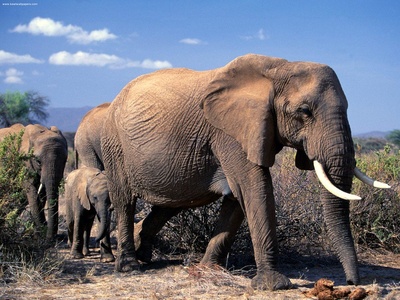
African elephant
Iconic largest African land mammal seen around waterholes and roadsides in reserves; highly social, alters landscapes and prized by tourists. Faces poaching and habitat pressure. IUCN: Endangered (EN)
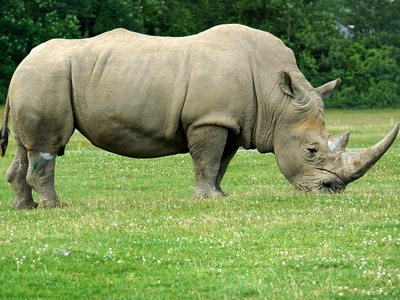
White rhinoceros
Massive, square-lipped grazer protected in reserves; often visible on open plains. Reintroduced populations are closely guarded because of poaching risk. IUCN: Near Threatened (NT)
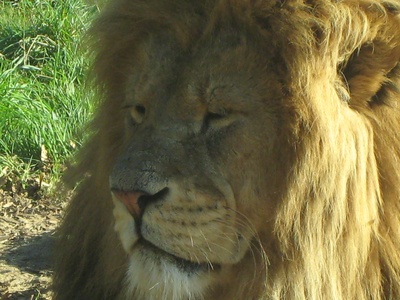
Lion
Top predator occasionally seen on game drives in Hlane and conservancies; territorial and social in prides. Tourism draws attention but populations are small and managed. IUCN: Vulnerable (VU)
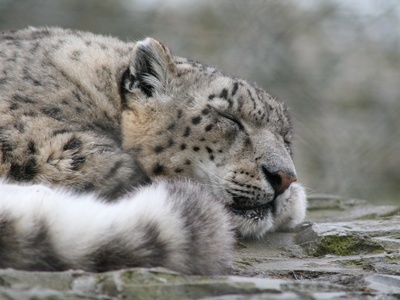
Leopard
Elusive, solitary big cat hiding in rocky and forested areas; best seen at dawn/dusk. Skilled climber and ambush hunter, threatened by habitat loss. IUCN: Vulnerable (VU)
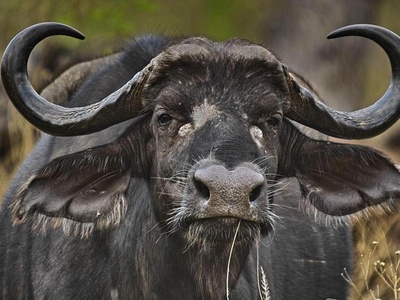
African buffalo
Large, often herding bovine found near water and grasslands; unpredictable and dangerous if provoked. Common prey for large predators and important for savanna ecology. IUCN: Least Concern (LC)
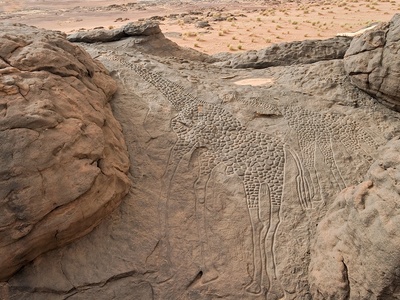
Giraffe (Southern)
Tall browse specialist seen feeding on acacias in reserves; striking coat patterns make it a tourist favorite. Populations have declined continent-wide. IUCN: Vulnerable (VU)
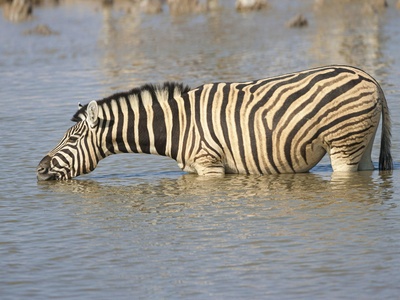
Plains zebra (Burchell’s)
Striped, social grazers forming harems and large herds on plains; common in reserves and easy for photographers to spot. IUCN: Near Threatened (NT)
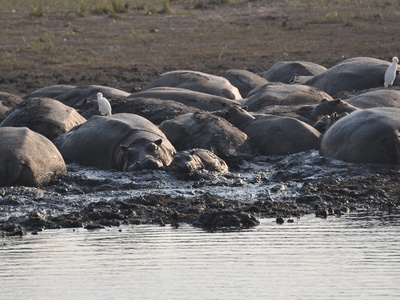
Common hippopotamus
Massive semi-aquatic herbivore active at dusk; found in larger rivers and pools. Dangerous despite plant diet; threatened by habitat loss and hunting. IUCN: Vulnerable (VU)
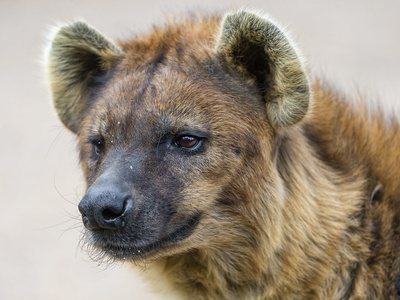
Spotted hyena
Powerful, social scavenger and hunter with complex clan structure; often found near carcasses and water. Loud calls at night are distinctive. IUCN: Least Concern (LC)
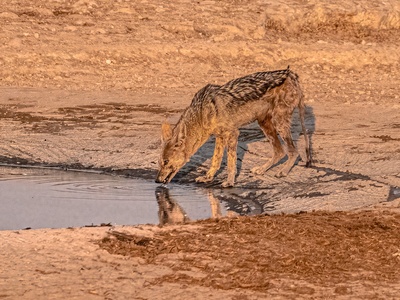
Black-backed jackal
Small opportunistic carnivore common near edges of reserves and farmland; vocal at dawn/dusk and omnivorous. Plays important scavenger role. IUCN: Least Concern (LC)
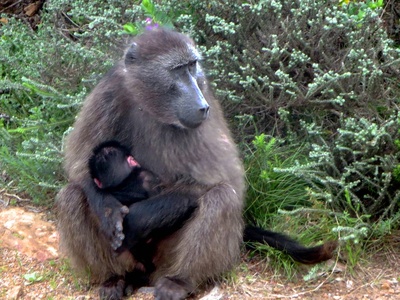
Chacma baboon
Large,diurnal primate living in troops on hills and woodlands; bold near human settlements and easy to observe from a safe distance. IUCN: Least Concern (LC)
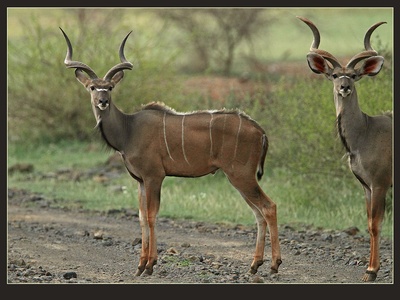
Greater kudu
Elegant spiral-horned antelope browsing woodlands and thickets; males have long spiraled horns. Shy but visible at dawn/dusk. IUCN: Least Concern (LC)
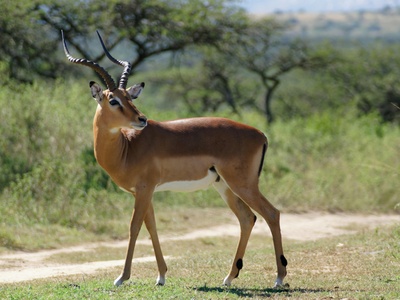
Impala
Common medium-sized antelope that forms herds; keen jumper and often seen near water. Important prey species for predators. IUCN: Least Concern (LC)
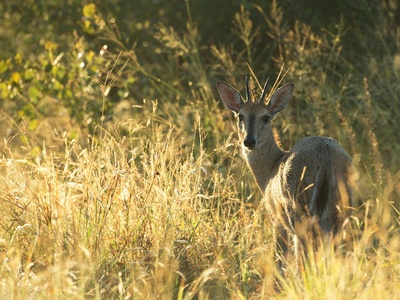
Common duiker
Small,secretive antelope that browses in dense vegetation; often solitary and easily startled but widespread across habitats. IUCN: Least Concern (LC)
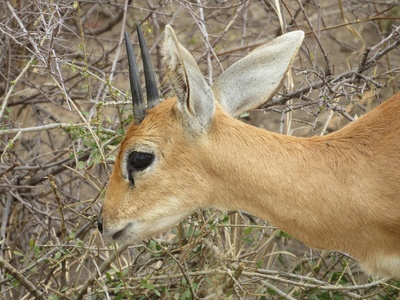
Steenbok
Tiny,shy antelope that freezes or dashes to cover; commonly seen at first light in open habitats. IUCN: Least Concern (LC)
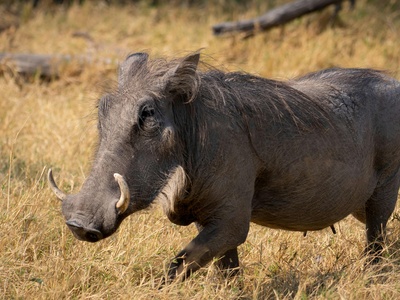
Warthog
Distinctive tusked pig-like mammals that graze and wallow; often seen trotting with tails upright. Adaptable and common in reserves. IUCN: Least Concern (LC)
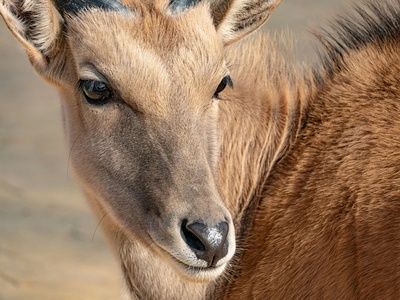
Common eland
Largest antelope with spiral horns and a docile nature; grazes on open plains and moves in small herds. IUCN: Least Concern (LC)

African civet
Nocturnal omnivore with distinctive mask and musk-producing gland; solitary and elusive but widespread in suitable habitats. IUCN: Least Concern (LC)
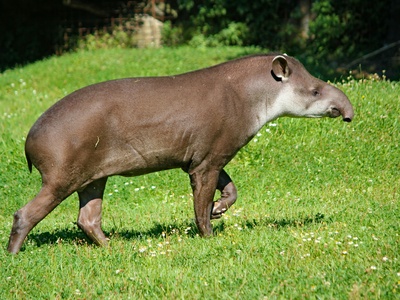
Aardvark
Nocturnal termite-eating mammal with long snout and tongue; digs extensive burrows and is solitary. Rarely seen but ecologically important. IUCN: Least Concern (LC)
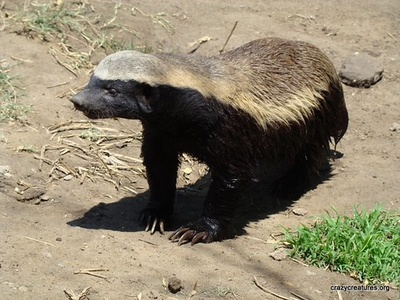
Honey badger
Tenacious, fearless carnivore known for bold behavior and varied diet; solitary and mainly nocturnal. Resilient to threats but faces habitat pressures. IUCN: Least Concern (LC)
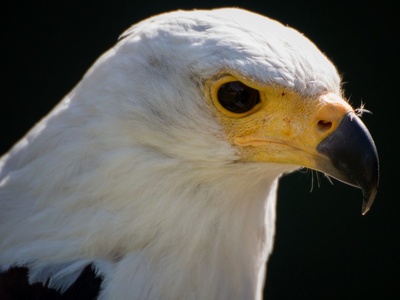
African fish eagle
Large fish-eating eagle with a haunting cry often seen perched over water; iconic and easily spotted near rivers and dams. IUCN: Least Concern (LC)
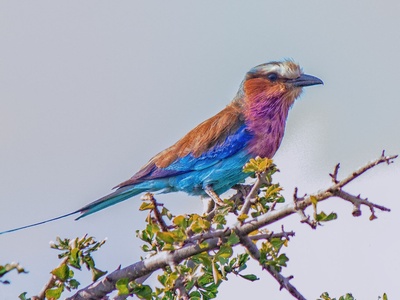
Lilac-breasted roller
Vibrantly colored bird that perches conspicuously to sally for insects; a favorite for photographers and common in reserves. IUCN: Least Concern (LC)
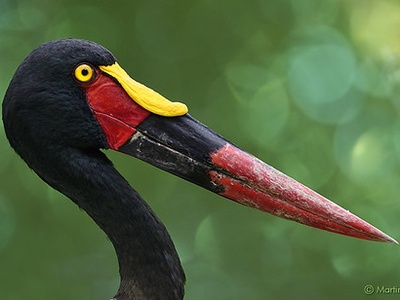
Saddle-billed stork
Tall striking stork with colorful bill foraging in shallow wetlands; seen in larger marshes and river floodplains. IUCN: Least Concern (LC)
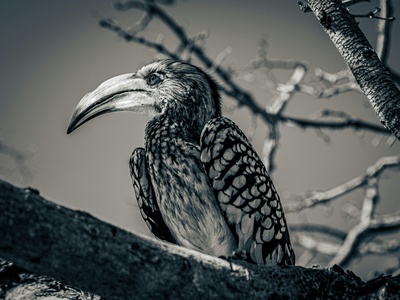
Southern yellow-billed hornbill
Common, noisy hornbill often seen hopping on ground feeding on insects and seeds; characterful and easy to spot. IUCN: Least Concern (LC)
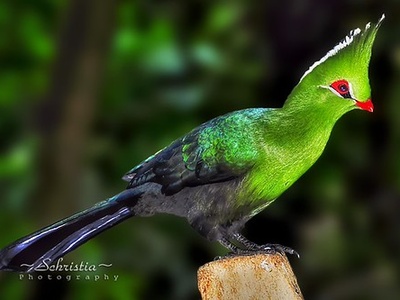
Knysna turaco
Bright green forest bird often heard before seen; prefers riverine and montane forests and is a delightful sight for birders. IUCN: Least Concern (LC)
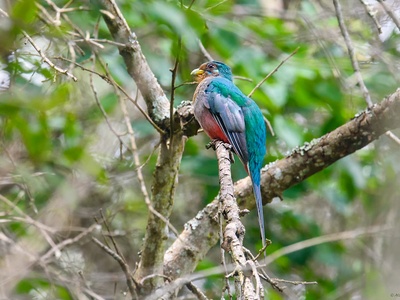
Narina trogon
Colorful, shy bird of mature forests; sits quietly in shaded canopy and is prized among birdwatchers when spotted. IUCN: Least Concern (LC)
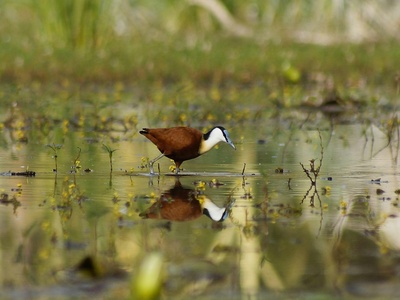
African jacana
Long-toed wader that walks on floating vegetation to feed on invertebrates; common on shallow pans and wetlands. IUCN: Least Concern (LC)
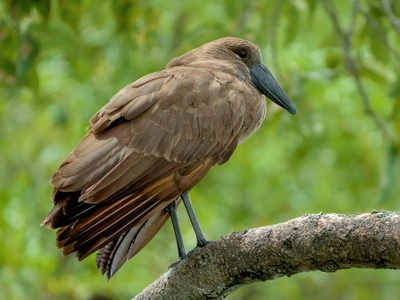
Hamerkop
Medium-sized wading bird with a shaggy head and massive stick nests; gregarious around shallow water and notable for nest architecture. IUCN: Least Concern (LC)
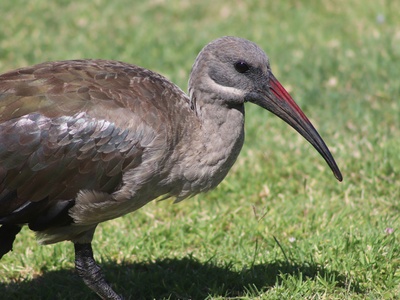
Hadeda ibis
Large noisy ibis often seen foraging on lawns and near wetlands; common and adaptable, with a loud, distinctive call. IUCN: Least Concern (LC)
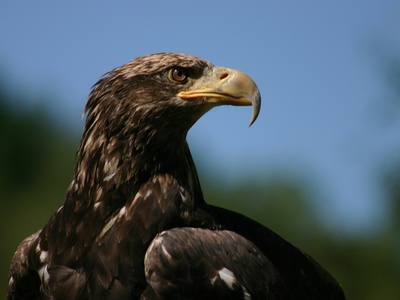
Martial eagle
Powerful, rare eagle that hunts large prey; solitary and often seen soaring high. Vulnerable due to persecution and habitat loss. IUCN: Vulnerable (VU)
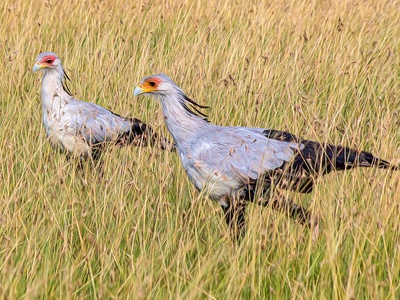
Secretarybird
Tall, terrestrial raptor that hunts snakes and small mammals by walking the savanna; impressive stance and striking plumage. IUCN: Vulnerable (VU)
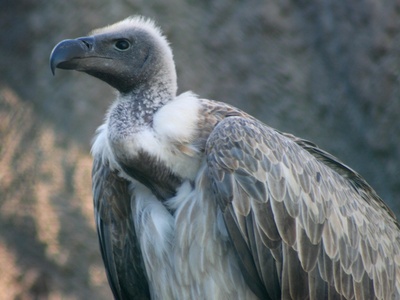
White-backed vulture
Large scavenger often circling over carcasses; critically endangered from poisoning and decline in food availability—important for ecosystem health. IUCN: Critically Endangered (CR)
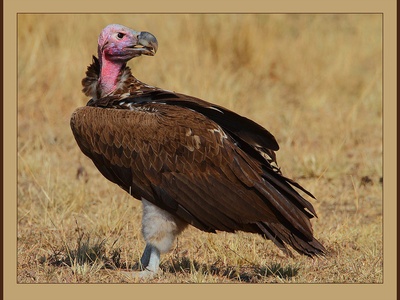
Lappet-faced vulture
Huge vulture with bare head and strong bill; rare and declining due to poisoning and disturbance; important scavenger. IUCN: Endangered (EN)
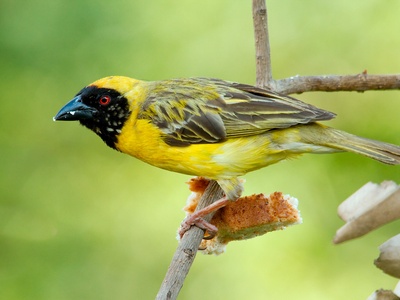
Southern masked weaver
Small,brightly woven-nest builder common near water and human habitation; males display striking yellow plumage in breeding season. IUCN: Least Concern (LC)
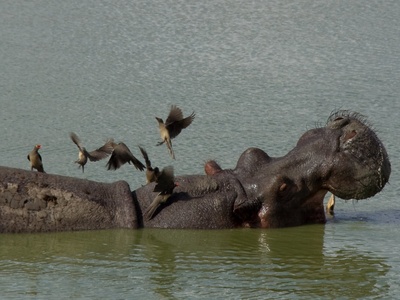
Red-billed oxpecker
Specialist that perches on ungulates eating ticks and parasites; visible on buffalo, giraffe and rhinoceros. IUCN: Least Concern (LC)
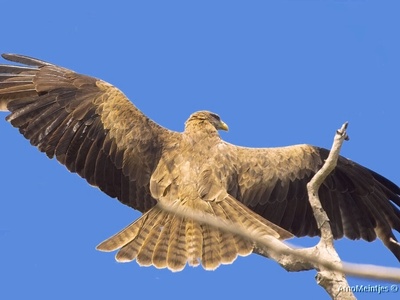
Yellow-billed kite
Common scavenging raptor and aerial predator seen near water and towns; agile and often in mixed flocks. IUCN: Least Concern (LC)
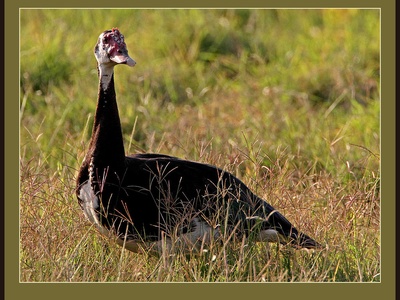
Spur-winged goose
Large aquatic goose frequenting pans and reservoirs; striking white and black plumage, often grazes nearby. IUCN: Least Concern (LC)
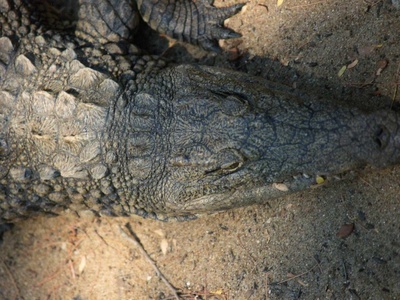
Nile crocodile
Large apex aquatic predator found in rivers and dambos; ambush hunter that basks on banks and is dangerous to humans. IUCN: Least Concern (LC)
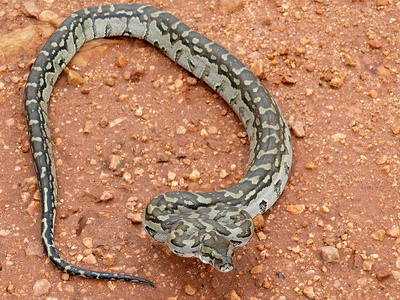
Southern African python
Large non-venomous constrictor that hides in rock crevices and tall grass; ambushes mammals and birds. Secretive but widespread in suitable habitats. IUCN: Near Threatened (NT)
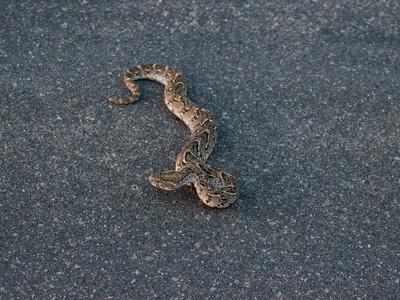
Puff adder
Common venomous viper with excellent camouflage; slow-moving but dangerous when stepped on—beware when walking at night. IUCN: Least Concern (LC)
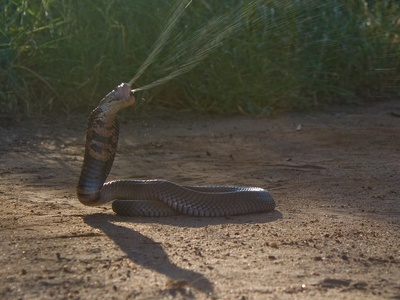
Mozambique spitting cobra
Venomous, defensive snake that can spit venom into eyes; often near water and human settlements, and easily recognizable. IUCN: Least Concern (LC)
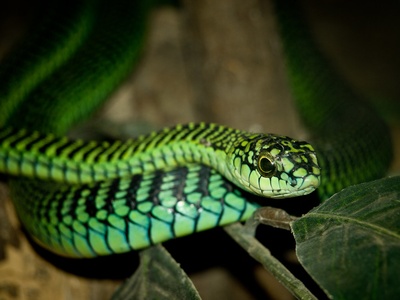
Boomslang
Arboreal rear-fanged snake with potent hemotoxic venom; shy and usually avoids humans, seen in trees. IUCN: Least Concern (LC)
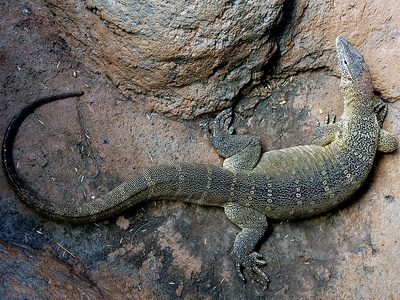
Nile monitor
Large semi-aquatic lizard that forages along water margins for fish, eggs and carrion; bold and often seen basking. IUCN: Least Concern (LC)
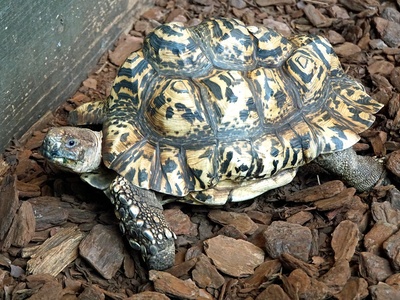
Leopard tortoise
Large grazing tortoise with attractive patterned shell; slow-moving and commonly seen on open plains and roadsides. IUCN: Least Concern (LC)
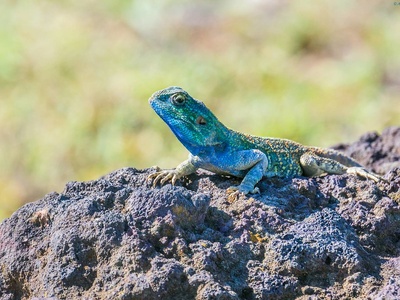
Agama lizard (Southern)
Small colorful lizard often seen sunning on rocks and walls; males display bright head and body colors during breeding. IUCN: Least Concern (LC)
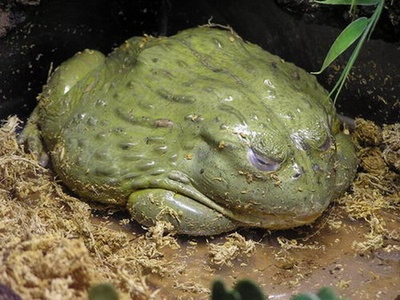
African bullfrog
Huge burrowing frog that estivates in dry seasons and emerges to breed explosively; impressive size and diet include small vertebrates. IUCN: Least Concern (LC)
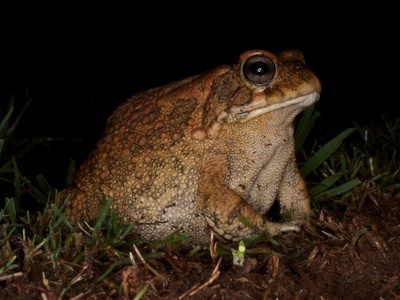
Guttural toad
Common, adaptable toads frequenting gardens and wetlands; loud breeding calls and easy to spot after rains. IUCN: Least Concern (LC)
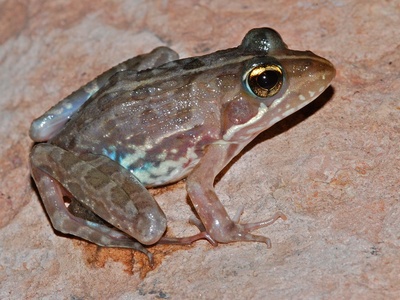
Common river frog
Medium-sized frog tied to flowing water and seen on rocks and banks; active near streams and during rainy seasons. IUCN: Least Concern (LC)
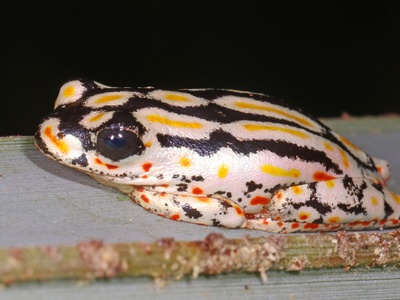
Painted reed frog
Small,colorful tree frog often heard and seen among reeds at night; variable patterns and common in wetlands. IUCN: Least Concern (LC)
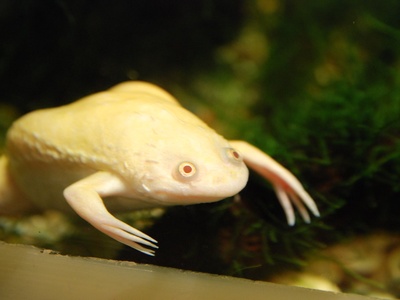
African clawed frog
Fully aquatic frog that swims with webbed feet and breeds year-round in still water; often found under vegetation in ponds. IUCN: Least Concern (LC)
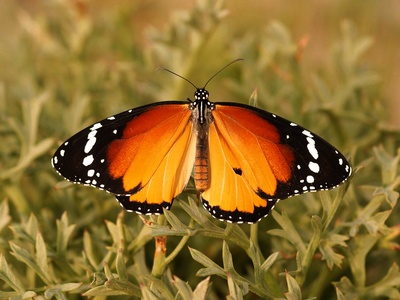
Plain tiger (African monarch)
Common, brightly colored butterfly familiar in gardens and reserves; larval host plants are milkweeds and it’s a frequent sight for observers. IUCN: Not Evaluated (NE)
Painted lady
Widespread migratory butterfly seen on flowers across Eswatini; attractive and common in many habitats during warmer months. IUCN: Not Evaluated (NE)
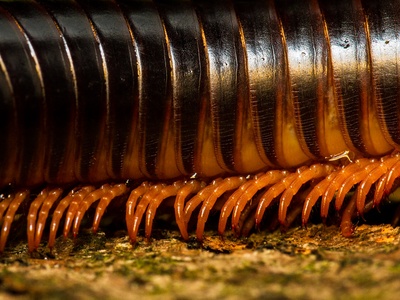
Giant African millipede
Large detritivore feeding on decaying plant matter; occurs in moist patches and is a curious find for nature lovers. IUCN: Not Evaluated (NE)
Goliath beetle (representative)
Huge, impressive scarab beetle seen near decaying fruit and trees; one of Africa’s largest insects and a highlight for entomology fans. IUCN: Not Evaluated (NE)