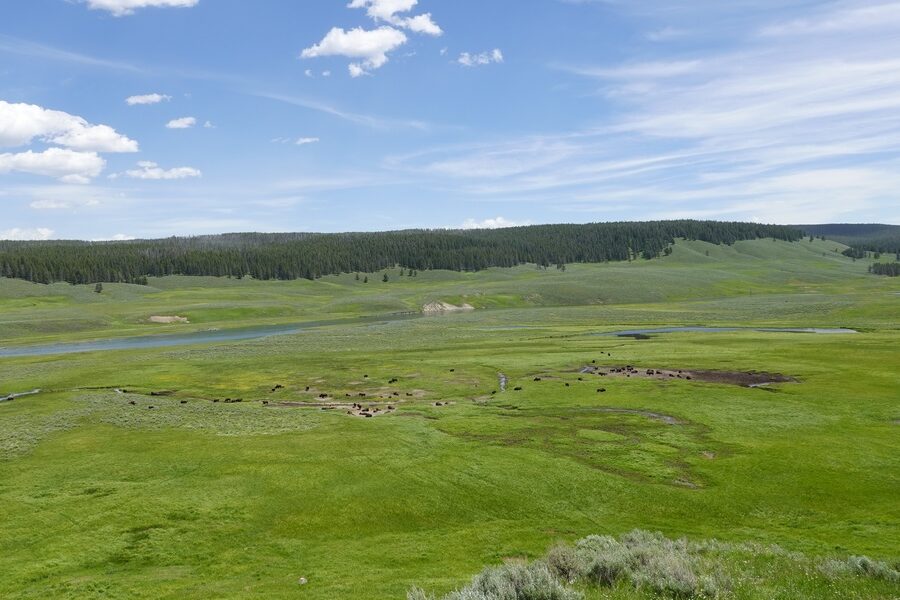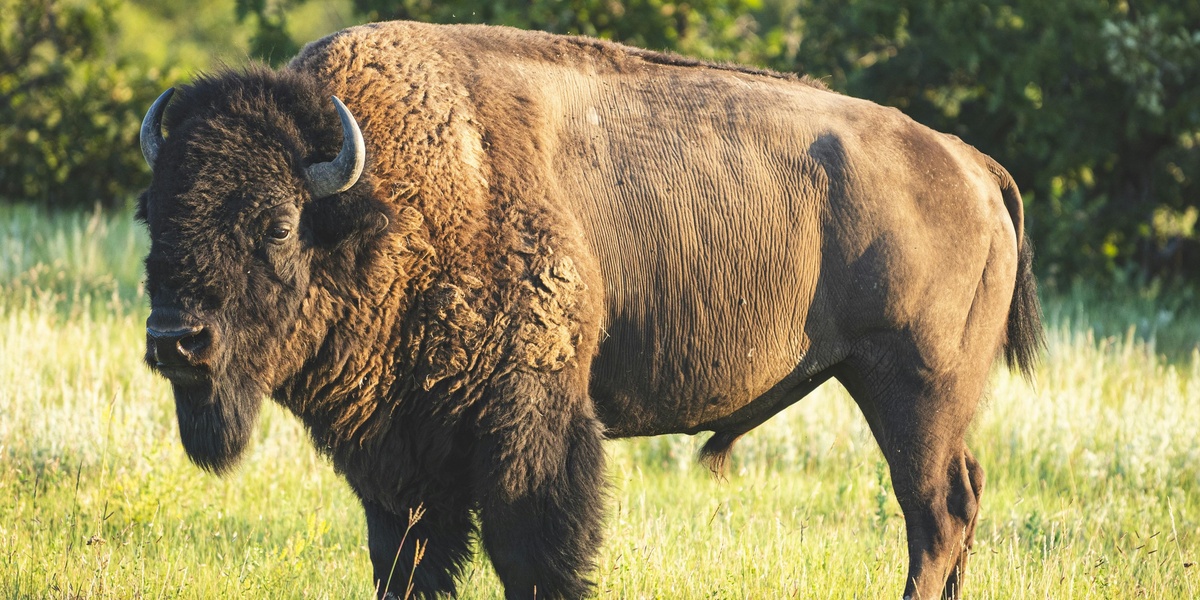
By the late 1800s the American bison went from “tens of millions” roaming the plains to roughly a few hundred or, by some counts, about 1,000 animals—a collapse that reshaped ecosystems and Indigenous cultures across North America. That loss still matters today: bison influence grassland structure and fire regimes, while buffalo species shape wetlands and savannas, and both continue to intersect with farming, tourism, and disease-management policy.
Though the names are often swapped, the bison vs buffalo question points to five clear differences: range and classification; body and physical features; horns and skulls; behavior and ecology; and human use and conservation. Read on for concrete examples—from Yellowstone herds to water‑buffalo rice paddies—and practical tips for identifying each animal in the field or on a park drive.
Range & Classification
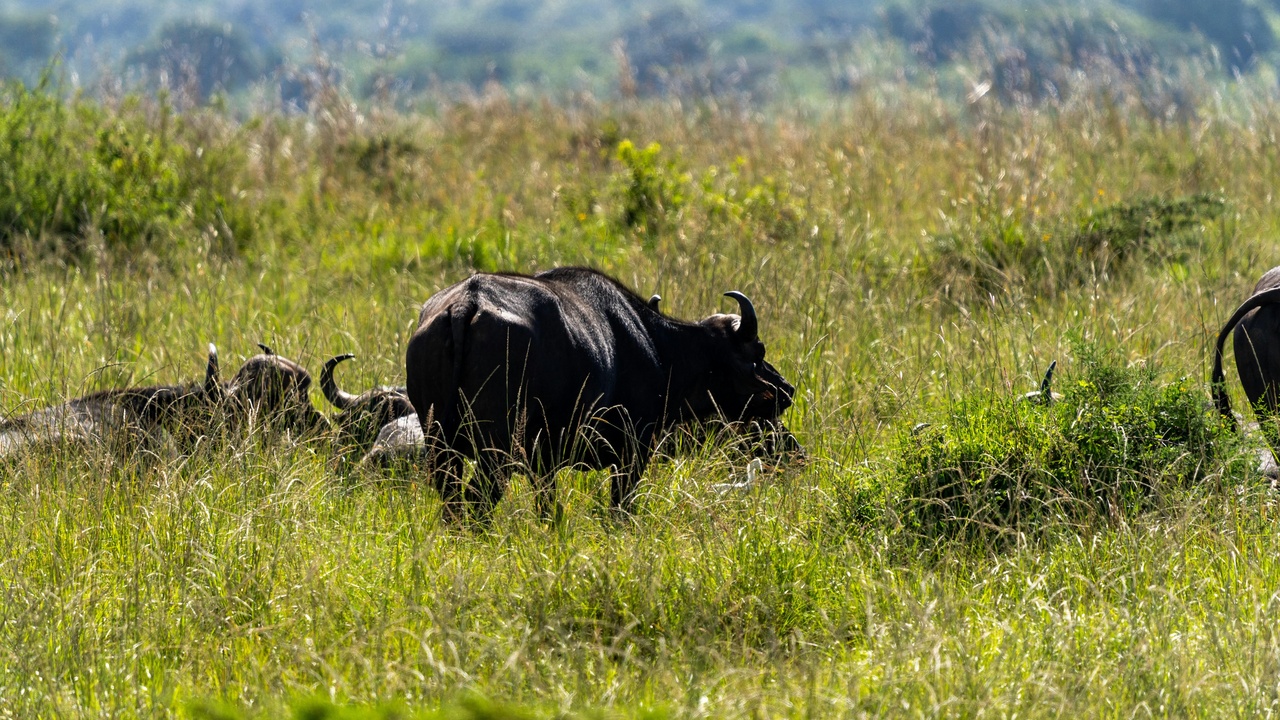
The first major difference is geography and taxonomy: bison are native to North America and parts of Europe, while true buffalo live in Africa and Asia.
American bison (genus Bison) historically numbered in the “tens of millions” across the Great Plains; by the late 1800s they were hunted down to roughly 1,000 animals. Today North America counts roughly 500,000 bison overall (most in private herds) with wild and conservation herds numbering in the tens of thousands—Yellowstone alone supports about 4,000–5,000 bison (NPS).
“True” buffalo include the African or Cape buffalo (Syncerus caffer) of sub‑Saharan savannas and the Asian water buffalo (Bubalus bubalis) tied to wetlands and rice paddies. FAO reporting places domestic water buffalo numbers on the order of 100–200 million worldwide, making them far more numerous globally than wild bison (FAO; IUCN).
These different ranges create distinct ecological roles: bison are keystone grazers on temperate grasslands (Yellowstone National Park), Cape buffalo shape game‑rich savanna mosaics (Kruger National Park), and water buffalo engineer wetlands used for rice agriculture across India, Thailand, and the Philippines.
1. Geographic distribution: continents and habitats
Bison and buffalo occupy different continents and preferred habitats: bison on North American plains and remnant European woodlands; African buffalo across sub‑Saharan savannas; water buffalo in South and Southeast Asian wetlands.
These distributions affect tourism, ranching, and disease management. For example, Yellowstone’s bison draw ecotourists and require seasonal management, Kruger’s Cape buffalo are a major draw for safari tourism, and water buffalo form an agricultural backbone in rice regions—often managed by smallholders rather than large ranches.
2. Taxonomy: different genera and species
Bison belong to the genus Bison (e.g., Bison bison in North America, Bison bonasus for the European wisent). True buffalo fall into other genera: Syncerus for African buffalo and Bubalus for Asian/water buffalo.
Taxonomy matters practically: species listings on the IUCN Red List guide conservation priorities, legal protections, and disease control measures. For instance, European bison reintroduction projects follow different rules than programs dealing with free‑ranging Cape buffalo or domestic water buffalo herds.
Body & Physical Features
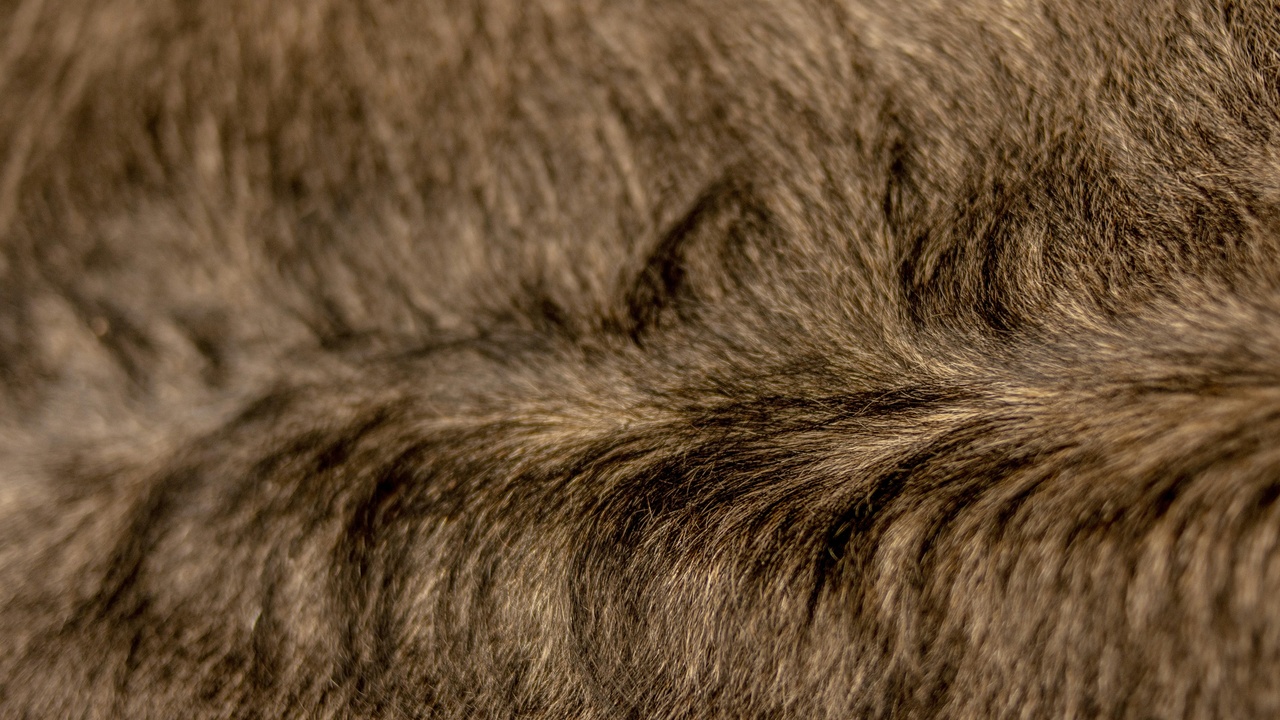
Bison are built for cold, open plains: a high shoulder hump, massive forequarters, and a shaggy winter coat. Buffalo species tend to have smoother coats and body shapes adapted to heat or wet habitats.
Adult male American bison commonly weigh 700–1,000 kg and stand about 1.5–1.9 m at the shoulder, with a pronounced hump composed of muscle and elongated vertebrae that power their head‑down grazing. In contrast, Cape buffalo bulls often weigh 500–900 kg with a heavier, more barrel‑shaped body, while water buffalo are variable—some large domestic breeds exceed 1,000 kg but show much less shoulder hump and rely on wallowing to cool off.
These traits affect field identification, captive care, and handling: bison need cold‑season adaptations and space for winter coat shedding, while water buffalo require access to mud or water for thermoregulation and are more tolerant of heat and humid environments.
3. Hump, coat, and size differences
The bison’s shoulder hump is unmistakable; it’s absent or much reduced in buffalo. Bison also grow a dense winter mane that helps them survive sub‑zero winters, whereas African buffalo and many domestic water buffalo have shorter hair and behaviors—like mud wallowing—to cope with heat.
Size overlaps exist, but proportions differ: bison concentrate mass in the forequarters, while buffalo tend to have more evenly distributed bulk. That difference matters for things like trailer design, veterinary exams, and interpreting trackways in the field.
4. Horns, skull shape, and facial features
Horns are another clear ID cue: bison horns are relatively short and curve upward, framing a broad forehead. Cape buffalo horns sweep out and downward then curve up, with mature bulls forming a solid boss across the forehead by about 5–6 years of age.
Water buffalo often have long, sweeping crescent horns that can span wide distances. Skull shape and horn base size help rangers and vets estimate age and sex, and they also reflect different fighting styles: bison use head‑on pushes and low‑angle shoves, while buffalo rely on horn locking and lateral force.
Behavior, Human Use & Conservation
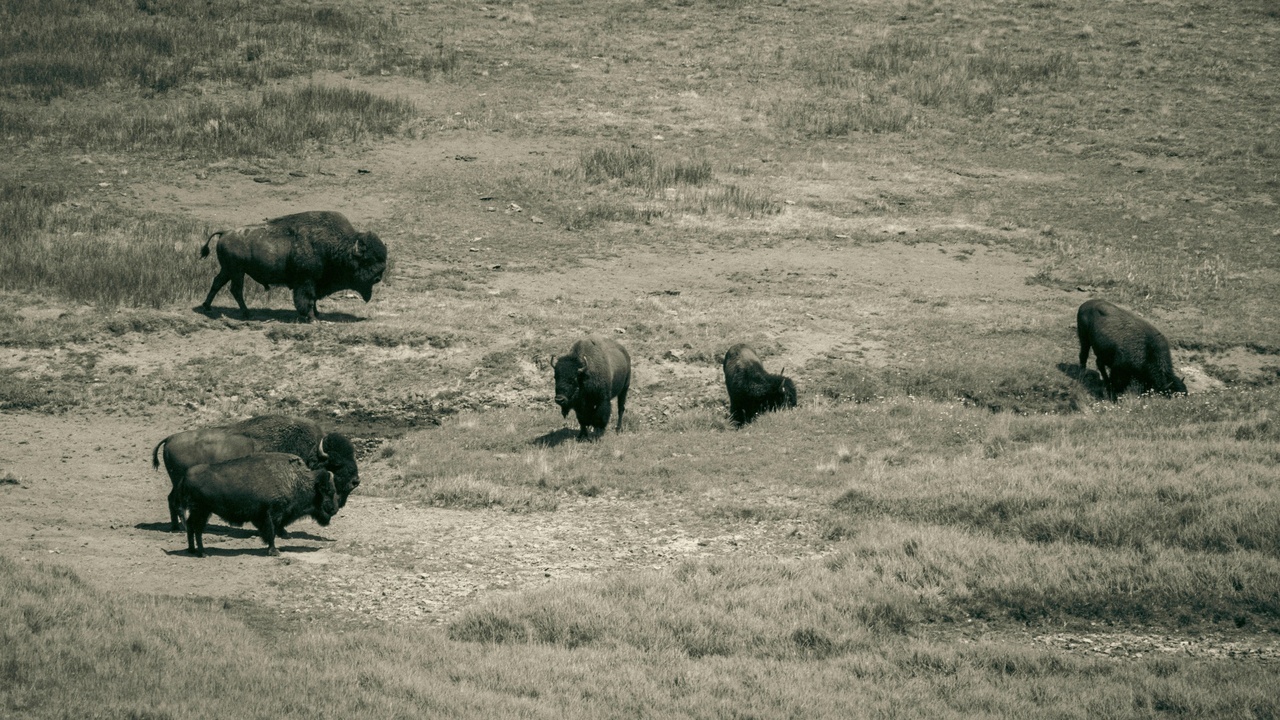
Behavior and human relationships set bison and buffalo apart: social structure, domestication status, migration patterns, and how people manage them differ sharply across species.
Water buffalo are widely domesticated and used for milk, meat, and draft power—FAO data place their global numbers on the order of 100–200 million animals. African buffalo remain largely wild and form large, defensive herds that can number in the hundreds in places like Kruger National Park. American bison sit between those poles: once driven to near‑extinction in the late 19th century, they’ve recovered through conservation and commercial herding to overall totals near 500,000, but truly free‑roaming conservation herds remain in the tens of thousands (NPS; IUCN).
Those histories shape policy: domestic buffalo are central to rural livelihoods and food security in Asia, while wild Cape buffalo and bison raise issues around disease transmission to cattle (bovine tuberculosis and brucellosis), fencing, and hunting or viewing regulations.
5. Domestication, human use, and conservation status
Water buffalo have been domesticated for thousands of years and today provide milk, meat, and draft labor across South and Southeast Asia; national herd sizes vary, but FAO statistics place their population in the triple‑digit millions globally. African buffalo remain wild and are important ecosystem engineers and prey for large predators.
American bison experienced a dramatic decline in the 19th century—by the 1880s numbers fell to roughly 1,000 animals—followed by recovery efforts in the 20th and 21st centuries. Modern conservation now juggles private ranching interests, rewilding projects, and legal protections: some regions manage bison as commercial livestock, others prioritize genetically intact, free‑ranging herds.
Practical implications are concrete: supporting protected herds boosts tourism and ecosystem health, curbing cross‑infection between wildlife and livestock protects farmer incomes, and recognizing taxonomic differences helps target conservation funds most effectively (IUCN; FAO).
Summary
- Bison are native to North America/Europe and belong to genus Bison; true buffalo are African (Syncerus) or Asian/water (Bubalus).
- Bison show a distinctive shoulder hump and shaggy winter coat; buffalo have smoother coats and often rely on wallowing or shade for cooling.
- Horns and skulls differ: Cape buffalo bulls develop a heavy boss, water buffalo have sweeping crescent horns, and bison have shorter, upward‑curving horns.
- Human relationships vary: water buffalo are widely domesticated (hundreds of millions), African buffalo remain wild, and American bison recovered from ~1,000 in the late 1800s to hundreds of thousands today through mixed conservation and commercial management.
See local parks or trusted sources like the National Park Service, the IUCN Red List, or FAO to learn more—and consider supporting reputable conservation groups that protect wild herds and sustainable livestock systems.