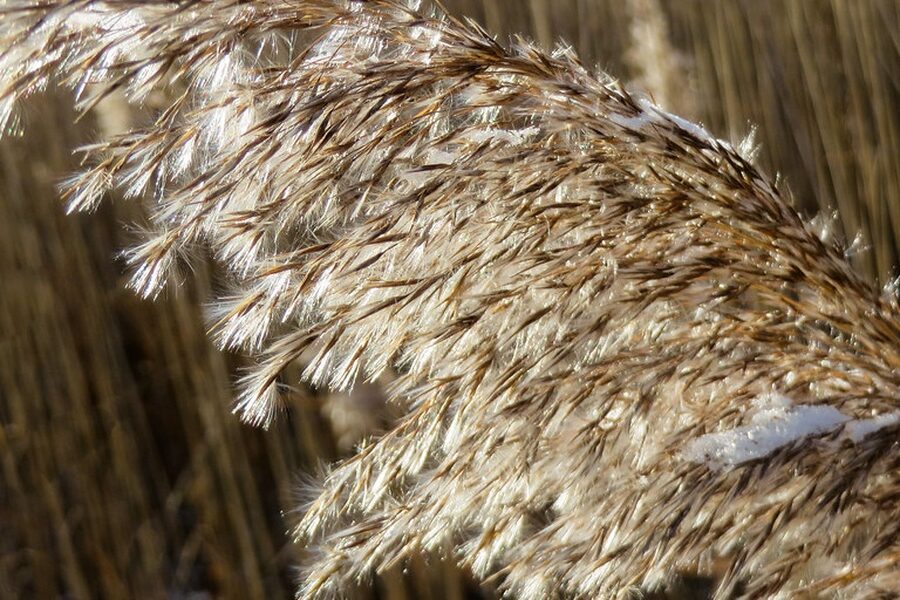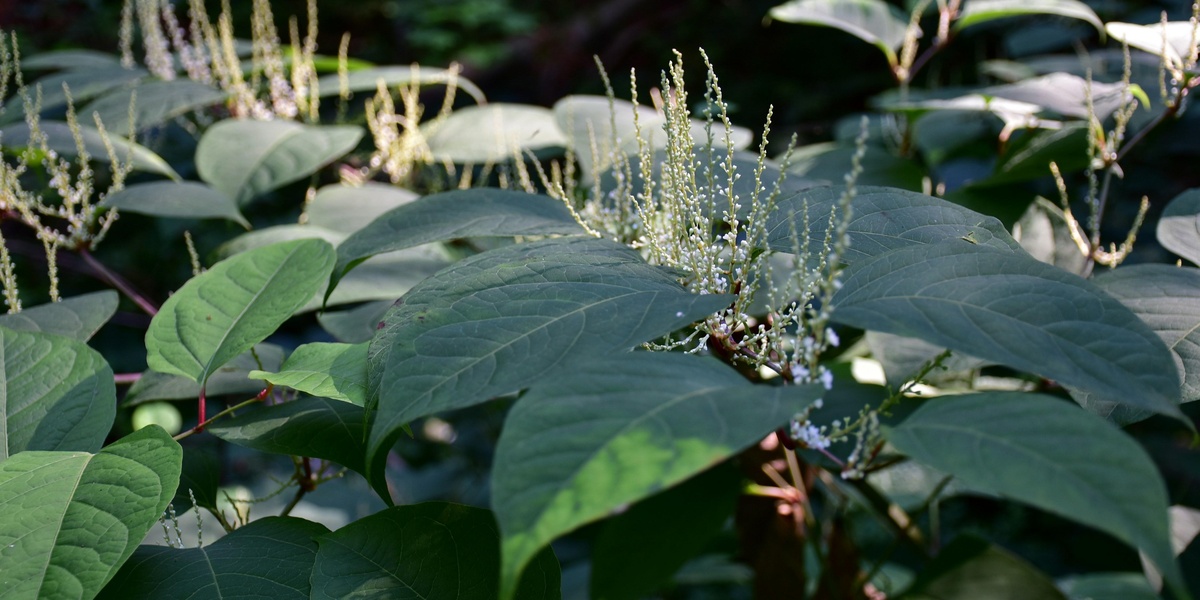
Belgium’s waterways, hedgerows and city parks are crossroads for wildlife and plants—some arrived by trade, travel or escape. Those arrivals can change food webs, damage infrastructure and alter the way people use green and blue spaces across the country.
There are 39 Invasive Species in Belgium, ranging from American mink to Zebra mussel. For each species the list shows Scientific name,Status,Where found so you can quickly see where they occur and how they’re classified; you’ll find below.
How do these invasive species affect Belgian ecosystems and infrastructure?
Impacts vary by species: some, like the zebra mussel, clog pipes and alter water chemistry, while predators such as the American mink reduce native bird and small mammal populations. Others crowd out native plants, change soil or water dynamics, and increase management costs for landowners and municipalities.
What practical steps can residents take to help slow their spread?
Avoid releasing pets or plants, clean boats, boots and equipment between sites, report sightings to local authorities or national databases, and favor native species in gardens. Early reporting and simple biosecurity habits significantly improve control and removal efforts.
Invasive Species in Belgium
| Name | Scientific name | Status | Where found |
|---|---|---|---|
| Japanese knotweed | Fallopia japonica | Widespread, high ecological and structural impact | Flanders, Wallonia, riversides, urban wastelands |
| Giant hogweed | Heracleum mantegazzianum | Established, public-health and ecological impacts | Flanders, Wallonia, riverbanks, roadsides |
| Himalayan balsam | Impatiens glandulifera | Widespread, river-bank erosion and biodiversity loss | Flanders, Wallonia, riparian zones |
| Floating pennywort | Hydrocotyle ranunculoides | Aquatic invader, clogs waterways and alters ecosystems | Flanders, Wallonia, canals, slow rivers |
| Water primrose | Ludwigia grandiflora | Aggressive aquatic plant, dense mats and biodiversity loss | Flanders, Wallonia, ponds, canals |
| Parrot’s feather | Myriophyllum aquaticum | Invasive aquatic, dense growth, oxygen depletion | Flanders, Wallonia, still waters |
| Nuttall’s waterweed | Elodea nuttallii | Established aquatic plant, alters waterways and navigation | Flanders, Wallonia, ponds, canals |
| Azolla | Azolla filiculoides | Floating fern, rapid blooms, ecosystem alteration | Flanders, Wallonia, ponds, slow rivers |
| Hybrid knotweed | Fallopia × bohemica | Hybrid vigorous invader, structural and ecological damage | Flanders, Wallonia, urban margins, rivers |
| Canadian goldenrod | Solidago canadensis | Widespread, displaces native flora in disturbed sites | Flanders, Wallonia, roadsides, grasslands |
| Giant goldenrod | Solidago gigantea | Common invader, alters meadow and wetland plant communities | Flanders, Wallonia, meadows, river margins |
| Ragweed | Ambrosia artemisiifolia | Allergy-causing, expanding weed with health impacts | Flanders, Wallonia, arable margins, disturbed soils |
| Rosa rugosa | Rosa rugosa | Coastal dune invader, reduces native dune flora | Coastal provinces, dunes, beaches |
| Tree-of-heaven | Ailanthus altissima | Urban and roadside invader, rapid coloniser | Flanders, Wallonia, urban, railway verges |
| Black locust | Robinia pseudoacacia | Widespread, changes succession and soil nitrogen levels | Flanders, Wallonia, woodland edges, roads |
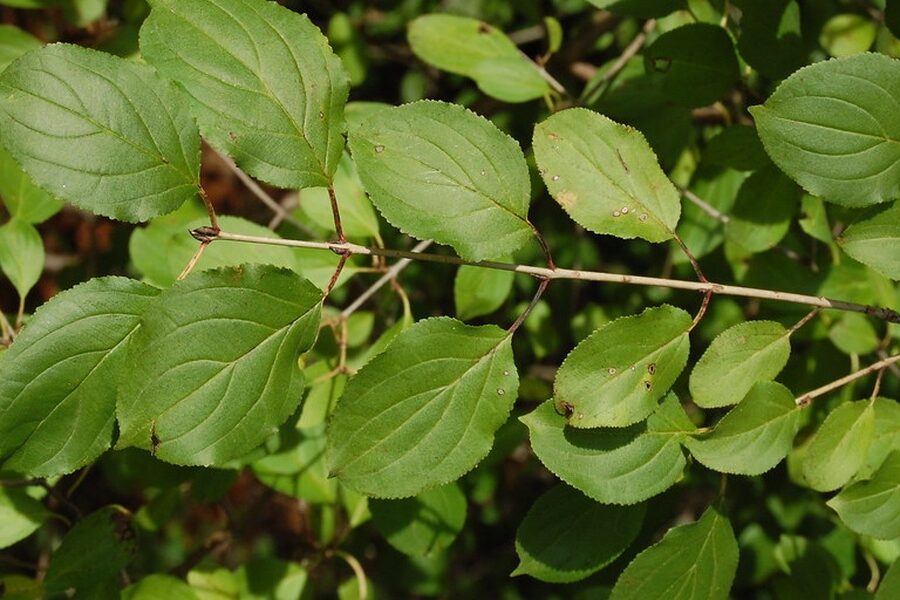
| Black cherry | Prunus serotina | Forest invader, shades native ground flora | Flanders, Wallonia, woodland edges |
| Japanese knotweed (alternative listing) | Reynoutria japonica | See Fallopia japonica entry | Flanders, Wallonia, riversides, urban |
| Japanese knotweed hybrid (alternative name note) | Fallopia × conollyana | See Fallopia × bohemica entry | Flanders, Wallonia, urban and riparian |
| American mink | Neovison vison | Established, predatory impacts on birds and native mammals | Flanders, Wallonia, wetlands, riverbanks |
| Raccoon | Procyon lotor | Established in urban and rural areas, ecological and nuisance impacts | Flanders, Wallonia, urban, farmland |
| Nutria (coypu) | Myocastor coypus | Wetland damage, burrowing causes bank erosion | Flanders, Wallonia, wetlands, canals |
| Grey squirrel | Sciurus carolinensis | Established in parts, competes with native red squirrel | Flanders, urban parks, woodlands |
| Canada goose | Branta canadensis | High populations, agricultural damage and urban nuisance | Flanders, Wallonia, urban parks, waterways |
| Ring-necked parakeet | Psittacula krameri | Established urban populations, agricultural and noise nuisance | Brussels, Antwerp, urban areas |
| Monk parakeet | Myiopsitta monachus | Small colonies, nest damage to structures | Brussels, Antwerp, urban greenspaces |
| Asian hornet | Vespa velutina | Established, predation on pollinators, public concern | Flanders, Wallonia, urban, orchards |
| Brown marmorated stink bug | Halyomorpha halys | Established, agricultural pest and household nuisance | Flanders, Wallonia, orchards, homes |
| Asian tiger mosquito | Aedes albopictus | Locally established, public-health vector risk | Flanders, urban gardens, containers |
| Asian bush mosquito | Aedes japonicus | Established in parts, vector potential and nuisance | Flanders, gardens, forest edges |
| Spanish slug | Arion vulgaris | Widespread garden pest, agricultural impacts | Flanders, Wallonia, gardens, fields |
| Zebra mussel | Dreissena polymorpha | Established in freshwater, biofouling and ecosystem shifts | Flanders, Wallonia, rivers, canals, lakes |
| Chinese mitten crab | Eriocheir sinensis | Occasional coastal and river incursions, ecosystem and fishery impacts | North Sea coast, estuaries, rivers |
| Red swamp crayfish | Procambarus clarkii | High-impact aquatic invader, burrowing and disease spread | Flanders, Wallonia, ponds, canals |
| Signal crayfish | Pacifastacus leniusculus | Widespread, transmits crayfish plague, displaces natives | Flanders, Wallonia, rivers, ponds |
| Spiny-cheek crayfish | Orconectes limosus | Established, competes and spreads disease | Flanders, Wallonia, canals, rivers |
| Pumpkinseed sunfish | Lepomis gibbosus | Established in lakes, predatory impacts on native fauna | Flanders, Wallonia, ponds, lakes |
| Mosquitofish | Gambusia holbrooki | Established, ecological impacts and competition with native species | Flanders, Wallonia, ponds, ditches |
| Ash dieback fungus | Hymenoscyphus fraxineus | Widespread, causing massive ash mortality | Flanders, Wallonia, woodlands, hedgerows |
| Dutch elm disease | Ophiostoma novo-ulmi | Historic and ongoing, severe elm population declines | Flanders, Wallonia, urban and riparian elms |
Images and Descriptions
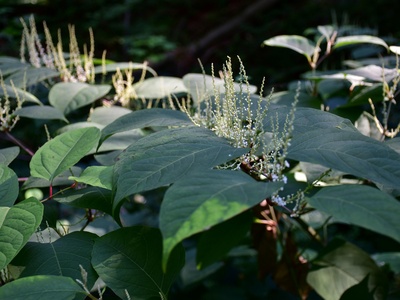
Japanese knotweed
Origin East Asia. Forms dense stands that damage infrastructure and biodiversity. Knockbacks and herbicide treatments help; report new outbreaks to local environmental agencies for coordinated removal and monitoring.
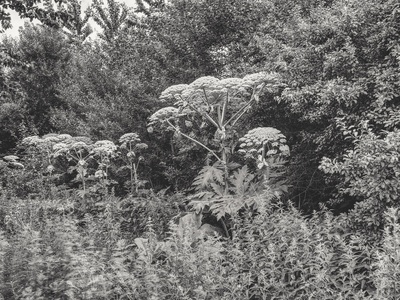
Giant hogweed
From Caucasus region. Causes severe skin burns and outcompetes native plants. Wear protective clothing when removing; report dense patches to local authorities for safe removal by trained teams.
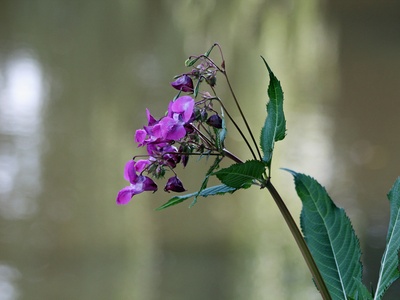
Himalayan balsam
Native to the Himalayas. Explosive seed dispersal crowds out natives and increases erosion. Pull before seed set; compost responsibly and report large stands to water authorities.
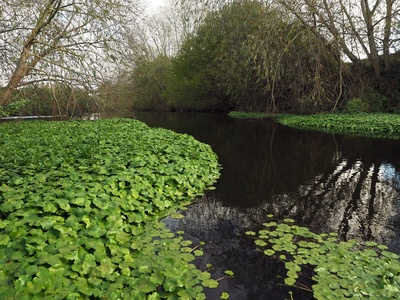
Floating pennywort
South American origin. Forms mats that hinder boating, native plants, and oxygen levels. Physically remove and dispose properly; report spreading infestations to water managers.
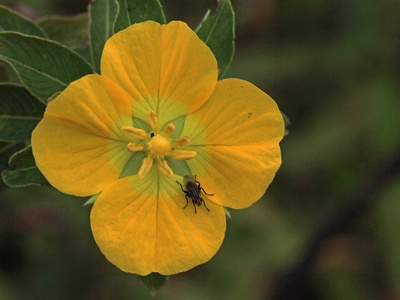
Water primrose
Native to South America. Rapid growth chokes wetlands and disrupts recreation. Hand-pull and cut with care; report to regional environmental agencies for control coordination.

Parrot’s feather
From South America. Forms thick submerged and emergent stands, harming wildlife and water use. Remove mechanically and avoid dumping aquarium plants; report sightings to water authorities.
Nuttall’s waterweed
North American origin. Dense underwater growth obstructs waterways and competes with natives. Physically remove and never release aquarium plants; report large infestations to local water managers.
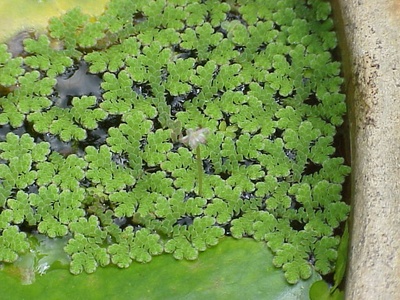
Azolla
Native to Americas. Forms thick mats that reduce oxygen and sunlight. Scoop and dispose in trash, not water; report persistent blooms to environmental services.
Hybrid knotweed
Hybrid of Asian knotweeds. Often harder to eradicate than parents; spreads via rhizomes. Professional control recommended; report to municipal plant-health services.
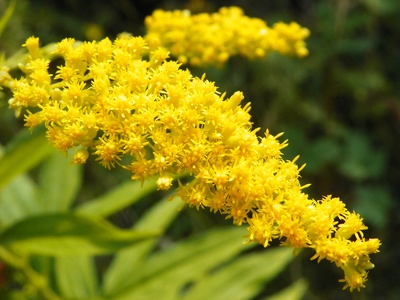
Canadian goldenrod
North American origin. Dense stands reduce plant diversity and alter habitats. Cut before seeding and dig rhizomes; report expanding stands to local conservation groups.
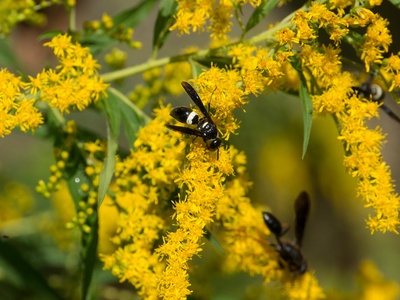
Giant goldenrod
Introduced from North America. Forms dense monocultures reducing diversity. Mow before flowering and remove roots; notify regional nature authorities about large incursions.
Ragweed
From North America. Pollen provokes severe allergies; competes in fields and roadsides. Pull or mow before flowering; report finds to public-health or agricultural agencies.
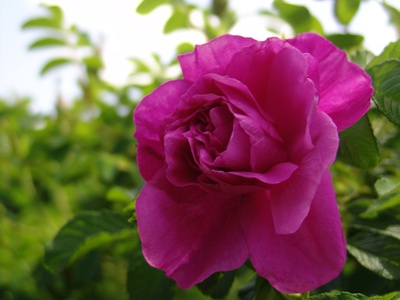
Rosa rugosa
Introduced from East Asia. Forms dense hedges stabilising dunes but reducing diversity and nesting habitat. Remove plants away from dunes and report spread to coastal managers.
Tree-of-heaven
Native to China. Fast-growing, allelopathic tree that damages pavements. Cut and treat stumps with herbicide or remove seedlings; report mature infestations to municipal services.
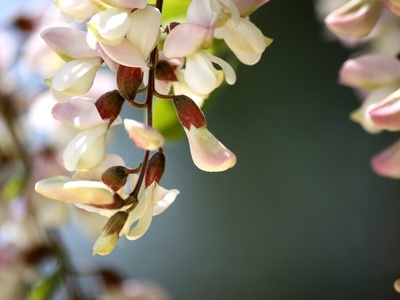
Black locust
From North America. Fixes nitrogen, altering soils and shading native plants. Remove saplings and coppice with roots removed; report dense stands to forestry authorities.
Black cherry
Introduced from North America. Rapidly spreads producing dense shade, altering forest composition. Pull seedlings and remove fruiting trees; inform regional forest services.
Japanese knotweed (alternative listing)
See Fallopia japonica entry for details on impacts and control; report new stands to local authorities.
Japanese knotweed hybrid (alternative name note)
Hybrid status often referenced under different names; control and reporting as for other knotweeds.
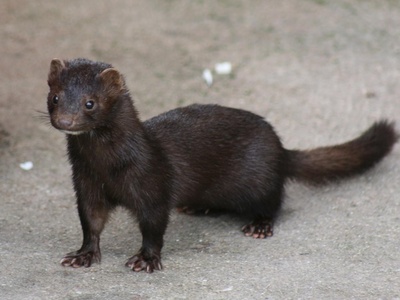
American mink
From North America. Preys on waterbirds and fish, displacing native species. Report sightings to wildlife agencies; trapping by authorised teams controls populations.
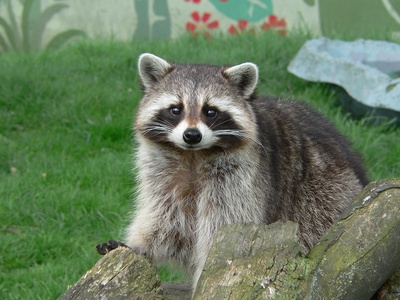
Raccoon
North American origin. Omnivore raiding bins and nests, preying on wildlife and spreading disease. Avoid feeding, secure waste; report sightings to local wildlife authorities.
Nutria (coypu)
South American origin. Burrowing damages banks and eats vegetation. Report burrows to water managers; control usually by licensed removal programs.
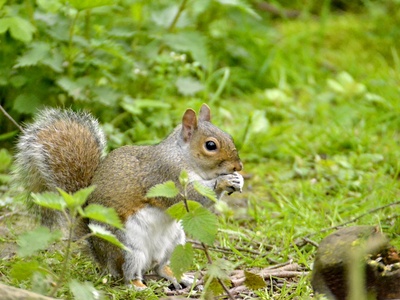
Grey squirrel
From North America. Outcompetes native squirrels and spreads disease. Monitor sightings and report to local conservation groups; control managed by regional authorities.
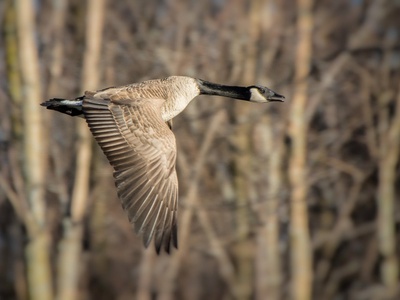
Canada goose
From North America. Large flocks foul parks, damage crops and disturb native birds. Discourage feeding, habitat modification; report problem flocks to municipality wildlife services.
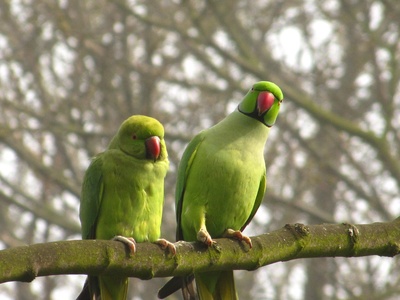
Ring-necked parakeet
Sub-Saharan/Asian origin. Loud flocks can damage fruit crops and compete for nest sites. Do not feed; report nesting colonies to urban wildlife departments.
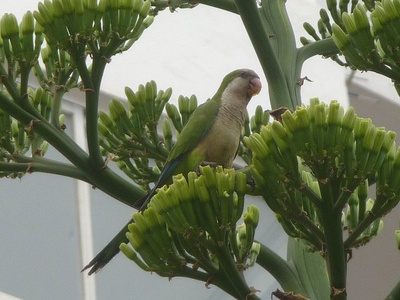
Monk parakeet
South American origin. Builds large communal nests causing electrical/fire hazards. Report nests on infrastructure to local authorities for safe removal.
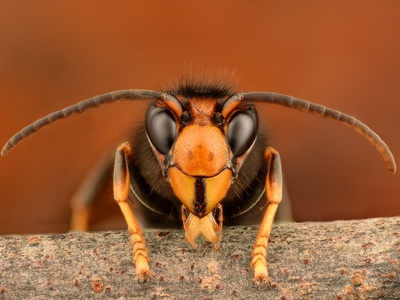
Asian hornet
From Southeast Asia. Preys on honeybees and other insects; can impact beekeeping. Report nests to local pest control or bee associations for removal by professionals.
Brown marmorated stink bug
From East Asia. Damages fruit crops and invades homes in autumn. Seal homes in autumn; report crop damage to agricultural extension services.
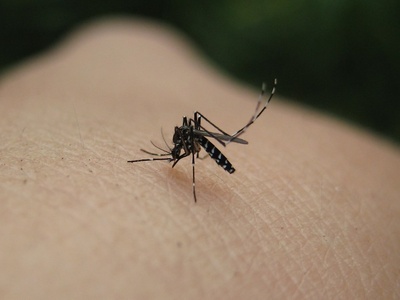
Asian tiger mosquito
From Southeast Asia. Aggressive biter and vector for diseases. Empty standing water, use screens and repellents; report breeding sites to local health authorities.
Asian bush mosquito
East Asian origin. Breeds in containers and woodland pools; carry diseases. Remove standing water, notify public health if large populations occur.
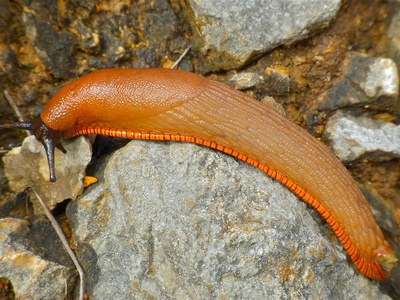
Spanish slug
Likely Iberian origin. Feeds on crops and ornamentals, reducing yields. Use traps and barriers, collect and dispose; report large outbreaks to local agricultural advisors.
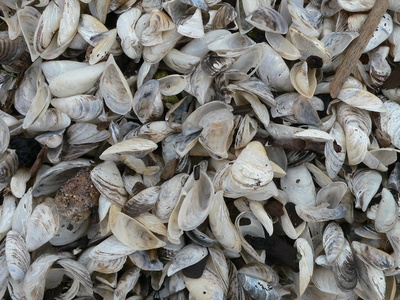
Zebra mussel
From Ponto-Caspian region. Filters water, clogs pipes and outcompetes natives. Clean boats and equipment between waters; report new infestations to water authorities.
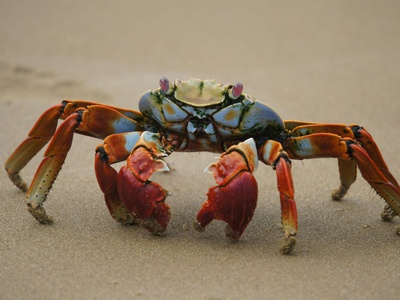
Chinese mitten crab
Native to East Asia. Migratory crab damages nets, burrows banks, and competes with fish. Report finds to fisheries authorities; avoid releasing live specimens.
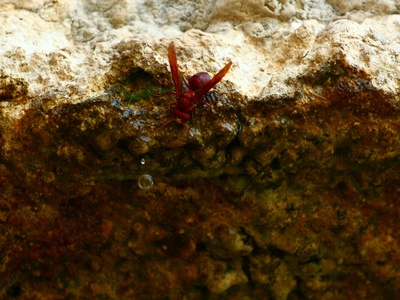
Red swamp crayfish
From southern USA/Mexico. Destroys vegetation, burrows banks and spreads disease. Do not release; report to fisheries or environmental agencies for control.
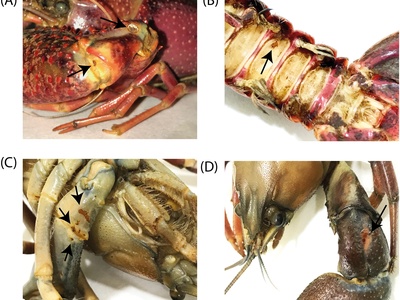
Signal crayfish
North American origin. Carrier of crayfish plague and competitive displacer. Avoid moving crayfish, report sightings to fisheries authorities.
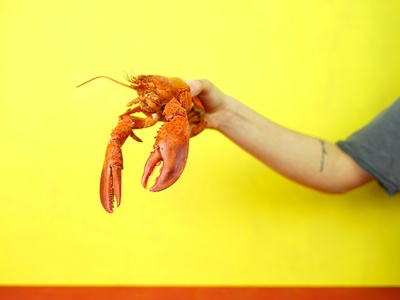
Spiny-cheek crayfish
North American origin. Colonises waterways, displacing native crayfish and carrying pathogens. Report catches and sightings to local fisheries services.
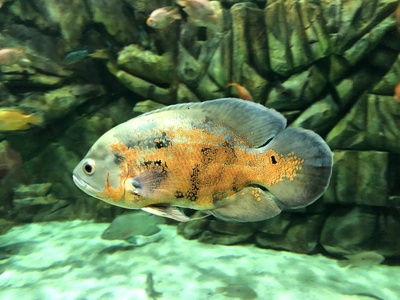
Pumpkinseed sunfish
From North America. Preys on invertebrates and small fish, alters food webs. Avoid releasing aquarium fish; report sightings to local fisheries management.
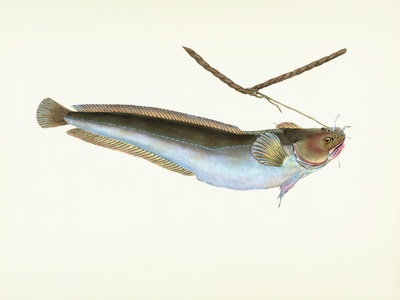
Mosquitofish
From southeastern USA/Mexico. Introduced for mosquito control but harms native fauna. Do not release them; report populations to environmental authorities.
Ash dieback fungus
East Asian origin. Devastates ash trees with crown dieback. Avoid moving ash wood, report sick trees to forestry services for assessment and management.
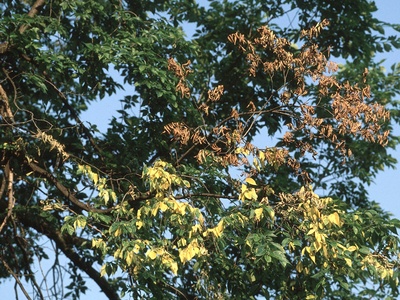
Dutch elm disease
Origin likely Asia/North America introduction. Fungus spread by bark beetles kills elms. Report declining elms to tree officers; disease management and sanitation needed.