India’s varied habitats—from alpine forests and mangroves to dry scrub and tropical rainforests—support an astonishing array of wildlife. Some species persist in tiny, scattered populations, and tracking them tells us where conservation efforts matter most.
There are 21 Rare Animals in India, ranging from the Bengal tiger to the White-rumped vulture. For each, you’ll find below Scientific name,IUCN status,Where found (states, reserves).
How were these species identified as rare?
Species on this list are typically ones with small or declining populations, restricted ranges, or high threat levels according to conservation assessments; sources include IUCN listings, government surveys and reserve records, so the entries combine expert status with where they’re actually seen.
Can I visit reserves to see these animals without harming them?
Yes—many reserves allow visitors, but observe rules: book permissions or guided tours, keep distance, avoid flash photography and noise, follow park timings and local guidelines, and consider hiring local naturalist guides who promote safe, low-impact viewing.
Rare Animals in India
| Name | Scientific name | IUCN status | Where found (states, reserves) |
|---|---|---|---|
| Bengal tiger | Panthera tigris | Endangered | Uttarakhand,Madhya Pradesh,West Bengal,Ranthambore,Sundarbans |
| Snow leopard | Panthera uncia | Vulnerable | Ladakh,Himachal,Uttarakhand,Hemis NP |
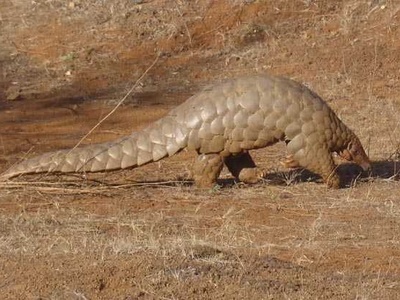
| Indian pangolin | Manis crassicaudata | Endangered | Karnataka,Kerala,Tamil Nadu,Periyar,Wayanad |
| Chinese pangolin | Manis pentadactyla | Critically Endangered | Assam,Arunachal,Meghalaya,Manas NP |
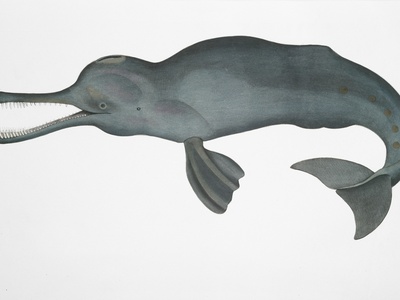
| Ganges river dolphin | Platanista gangetica | Endangered | Ganges-Brahmaputra basin,Assam,Bihar,Kaziranga |
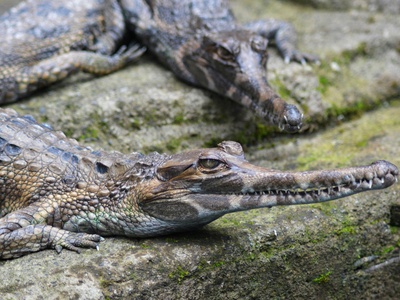
| Gharial | Gavialis gangeticus | Critically Endangered | Chambal,Rivers of Uttar Pradesh,Bihar,National Chambal Sanctuary |
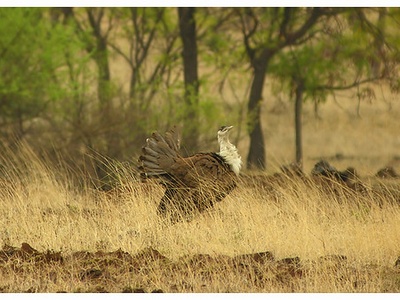
| Great Indian bustard | Ardeotis nigriceps | Critically Endangered | Rajasthan,Gujarat,Maharashtra,Desert NP |
| White-bellied heron | Ardea insignis | Critically Endangered | Assam,Arunachal,Manas,Namdapha |
| Forest owlet | Heteroglaux blewitti | Critically Endangered | Maharashtra,Madhya Pradesh,Satpura,Melghat |
| Nilgiri tahr | Nilgiritragus hylocrius | Endangered | Tamil Nadu,Kerala,Eravikulam,Anamalai NP |
| Lion-tailed macaque | Macaca silenus | Endangered | Western Ghats,Silent Valley,Anamalai,Agasthyamalai |
| Red panda | Ailurus fulgens | Endangered | Sikkim,West Bengal,Arunachal,Singalila NP |
| Purple frog | Nasikabatrachus sahyadrensis | Endangered | Western Ghats,Kerala,Agasthyamalai,Silent Valley |
| White-rumped vulture | Gyps bengalensis | Critically Endangered | Rajasthan,West Bengal,Madhya Pradesh,Protected grasslands |
| Indian vulture | Gyps indicus | Critically Endangered | Maharashtra,Andhra Pradesh,Karnataka,Vulture sanctuaries |
| Hawksbill turtle | Eretmochelys imbricata | Critically Endangered | Andaman & Nicobar,Lakshadweep,Odisha,Goa |
| Leatherback turtle | Dermochelys coriacea | Vulnerable | Andaman Sea,Andaman & Nicobar,Bay of Bengal |
| Jerdon’s courser | Rhinoptilus bitorquatus | Critically Endangered | Andhra Pradesh (Sriharikota region),protected scrub fragments |
| Eld’s deer | Rucervus eldii | Endangered | Manipur,Assam,Kaziranga,Keibul Lamjao |
| Hoolock gibbon | Hoolock hoolock | Endangered | Arunachal,Assam,Mizoram,Lushai Hills |
| Green sea turtle | Chelonia mydas | Endangered | Tamil Nadu,Andhra Pradesh,Odisha,Andaman Islands |
Images and Descriptions
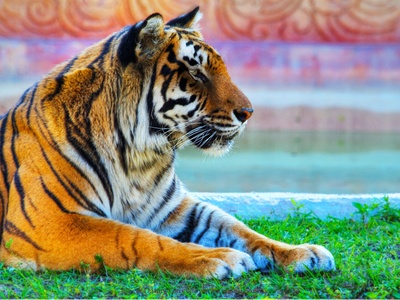
Bengal tiger
The tiger roams forests and grasslands but has suffered severe habitat loss and poaching. India holds the largest population, yet it remains rare due to fragmentation, conflict and illegal trade; protected reserves offer the best chance to see them.
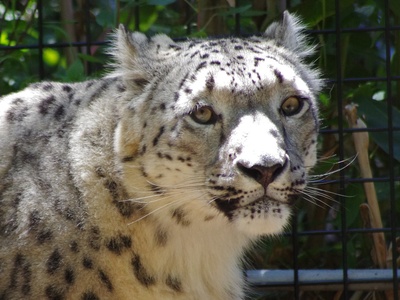
Snow leopard
High-altitude specialist of rocky alpine zones, the snow leopard is naturally sparse. Poaching, retaliatory killings, and shrinking prey make sightings rare; conservation in trans-Himalayan protected areas is vital for this elusive large cat.
Indian pangolin
Nocturnal insect-eating mammal living in forests and scrub. Heavy illegal trade for scales and habitat loss have driven steep declines, making it rarely seen; rescue and anti-poaching efforts are critical for survival.

Chinese pangolin
Smaller pangolin found in northeast India and forests. It faces catastrophic poaching for international wildlife trade and habitat loss, leaving fragmented, tiny populations; field sightings are increasingly uncommon and conservation action urgent.
Ganges river dolphin
Freshwater dolphin adapted to murky rivers; threatened by river fragmentation, pollution and accidental capture in fishing gear. Populations are locally rare and declining; protected river stretches and community conservation are key to its survival.
Gharial
Long-snouted river crocodilian that needs clean sandbanks for nesting. Historic declines from fishing, habitat loss and dams left very small populations concentrated on a few rivers, so encounters are rare outside protected sanctuaries.
Great Indian bustard
Large grassland bird suffering catastrophic declines from habitat conversion, powerline collisions and hunting. Populations are tiny and fragmented; India hosts the remaining strongholds, making it one of the country’s most imperiled and sought-after species.
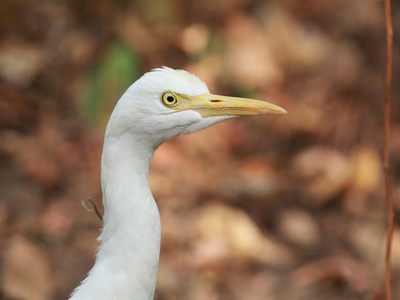
White-bellied heron
One of the world’s rarest herons, restricted to undisturbed riverine forests in northeast India. Very few breeding pairs remain due to river alteration, disturbance and limited range, so sightings are exceptional and conservation is urgent.
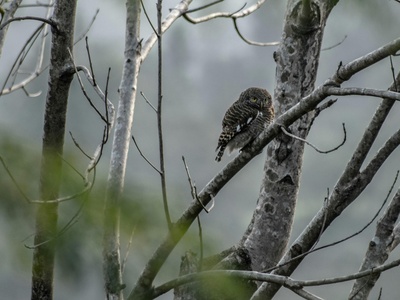
Forest owlet
Tiny, cryptic forest owl endemic to central Indian dry deciduous forests. Rediscovered after being thought extinct, its rarity stems from habitat loss, fragmentation and small populations; specialist habitat makes encounters unpredictable and rare.
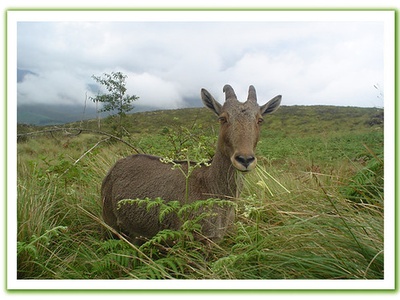
Nilgiri tahr
Mountain goat endemic to the Western Ghats, living on high-elevation grasslands. Limited range, habitat conversion, and small populations make it rare; protected highland parks host the best populations and ongoing recovery efforts.
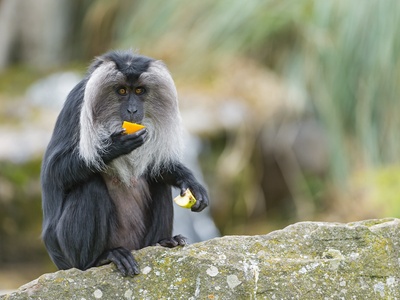
Lion-tailed macaque
Endemic primate of wet evergreen forests with very restricted distribution. Deforestation and fragmentation have split populations into small isolated groups; sightings require visiting well-protected rainforest pockets in the southern Western Ghats.
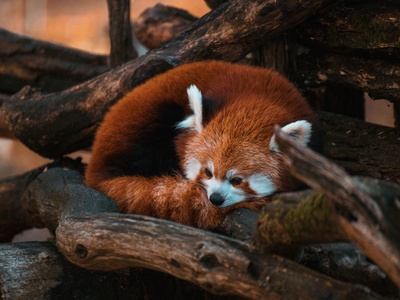
Red panda
Small arboreal mammal of temperate forests and bamboo understory in the eastern Himalaya. Habitat loss, fragmentation and poaching make it scarce; India holds disjunct populations that are locally uncommon and conservation-dependent.
Purple frog
Unique fossorial frog emerging briefly to breed in monsoon streams. Endemic to the Western Ghats with a very restricted range; habitat loss and specialized life-cycle make it rare and fascinating to naturalists.
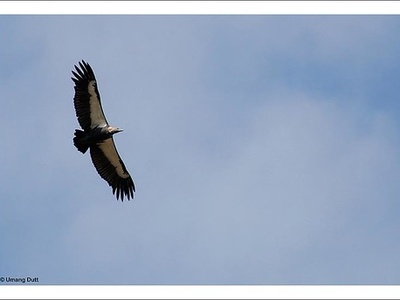
White-rumped vulture
Once widespread scavenger, populations crashed from veterinary drug toxicity and poisoning. Very few breeding colonies remain; vulture restaurants and banning harmful drugs are central to its slow recovery in India.
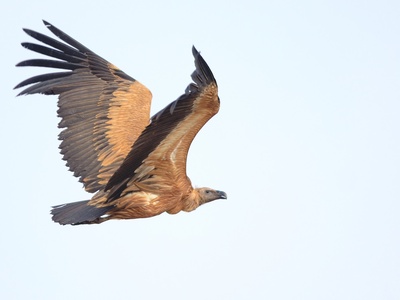
Indian vulture
Large scavenging bird severely reduced by diclofenac poisoning and persecution. Numbers plummeted across the subcontinent; remnant populations persist in small colonies and recovery relies on captive-breeding and habitat protection.
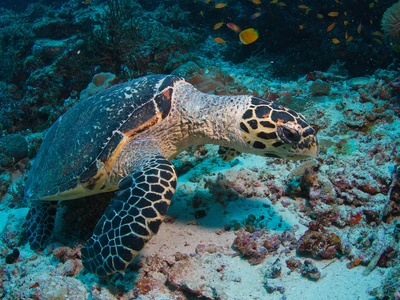
Hawksbill turtle
Colorful reef-associated sea turtle nesting on scattered beaches and feeding on coral reefs. Illegal shell trade, habitat loss and fisheries bycatch make nesting females rare; protected beaches and islands are key conservation sites.
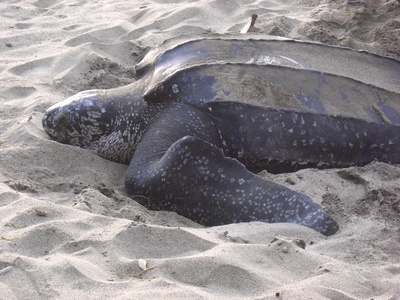
Leatherback turtle
Largest sea turtle, a long-distance open-ocean traveler that nests irregularly in India. Low numbers, egg poaching and fisheries interactions make it an uncommon visitor; conservation focuses on marine protection and beach monitoring.
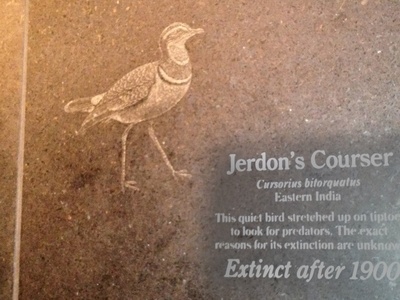
Jerdon’s courser
Nocturnal, ground-dwelling bird confined to sparse scrub in Andhra Pradesh. Extremely small population, habitat loss and disturbance made it nearly extinct; only a few sites now host remnant individuals, making sightings exceptionally rare.
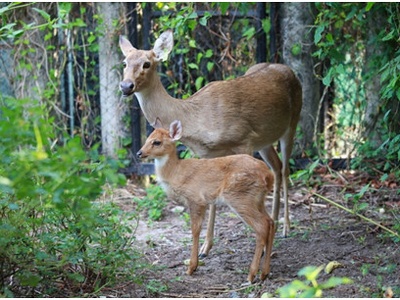
Eld’s deer
Grassland deer with fragmented populations, most famously the Manipur island population. Hunting, habitat conversion and floods have reduced numbers; remnant herds in protected parks are small and locally rare requiring targeted conservation.
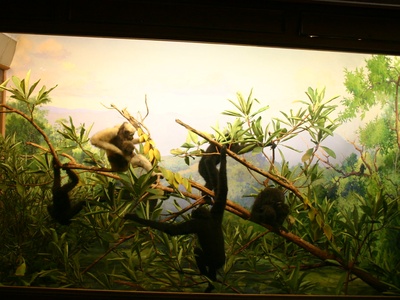
Hoolock gibbon
India’s only ape is confined to northeastern evergreen forests and survives in small, fragmented groups. Deforestation and hunting have left populations patchy; hearing long calls is more common than actually seeing this shy primate.
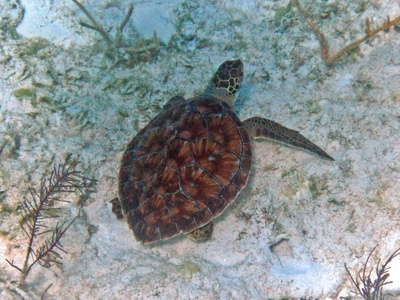
Green sea turtle
Coastal and nearshore herbivorous turtle that nests on a few Indian beaches. Threats include egg collection, coastal development and bycatch, so nesting events are locally rare and heavily protected where they occur.