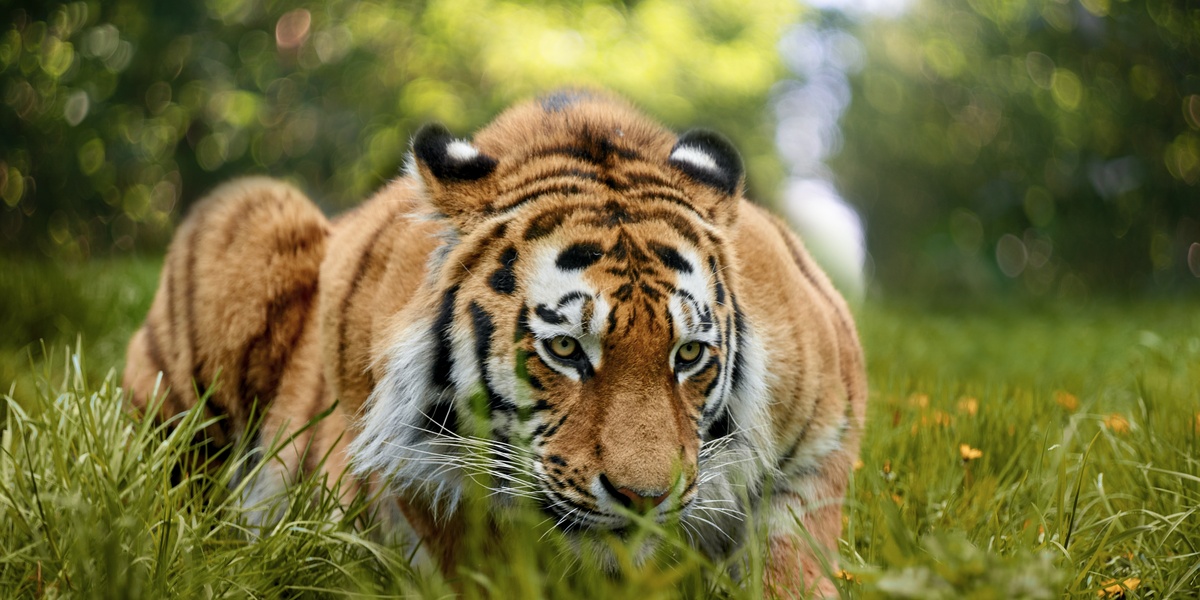
In the late 19th century, naturalist Nikolai Przhevalsky’s expeditions and later 20th-century surveys helped map species found across Russia’s enormous ecoregions, from the taiga to the Arctic coast. Those early field notes—and the specimens they produced—laid the groundwork for recognizing animals that are now emblematic of northern landscapes.
These animals matter beyond curiosity. They support fisheries and forests, sustain Indigenous cultures, and signal ecosystem health as climate and industry reshape the land. Conservation wins here affect people thousands of kilometers away.
This piece highlights 12 standout species and groups that illustrate why protecting this flora and fauna matters. The examples explain ecological roles, current threats, and how conservation actions tie into local livelihoods. Read on for Northern icons, taiga specialists, and marine rarities that define the wildlife of Russia, then dive into concrete conservation stories.
Northern Icons and Large Mammals
Russia supports several of the planet’s most recognizable large mammals, species that shape ecosystems and feature prominently in folklore and modern livelihoods. These megafauna act as ecosystem engineers and cultural icons, but face shared threats: poaching, habitat loss from development, and climate-driven range shifts.
Conservation in the Far East and Arctic combines protected areas, community programs, and transboundary cooperation. There are successes—recovery programs and reserve networks—but pressures persist from extractive industries and warming seas.
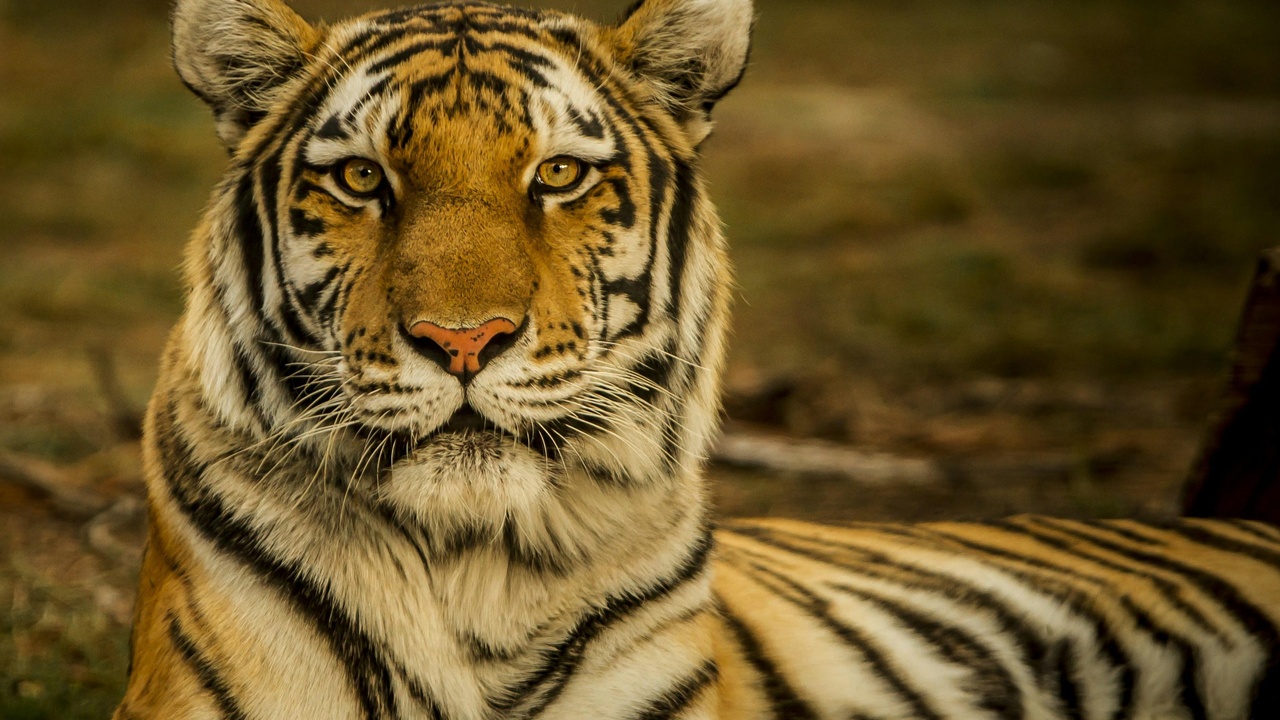
1. Siberian tiger (Amur tiger)
The Siberian or Amur tiger is the premier top predator of Russia’s Far East and a global symbol of big-cat conservation. Recent surveys estimate roughly 500–600 tigers in Russia; please cite the latest IUCN or WWF figures for the current year.
Protected areas such as Land of the Leopard and Sikhote-Alin host concentrated populations and camera-trap networks that track individuals. Recovery work combines anti-poaching patrols, eco-tourism that benefits local communities, and cross-border cooperation with China.
2. Brown bear (Ursus arctos) — Russia’s widespread omnivore
Brown bears are among Russia’s most abundant large mammals and serve as keystone omnivores across forests and mountains. National estimates place numbers in the tens of thousands; many sources report over 100,000 bears in Russia overall—verify with the latest regional surveys.
Kamchatka and parts of Siberia are regional strongholds where guided bear-viewing tourism supports local economies. Indigenous knowledge and modern mitigation programs also shape coexistence and reduce conflict near settlements.
3. Reindeer (Rangifer tarandus) — wild and herded herds
Both wild and semi-domesticated reindeer underpin tundra ecology and northern cultures. Historically Russia’s combined wild and domestic herds numbered over a million animals; check FAO and Russian agricultural statistics for current totals by region.
Nenets and other Indigenous groups rely on reindeer for transport, meat, and materials. Industrial infrastructure and rising temperatures are shifting migration routes and grazing availability, which affects both subsistence and commercial herding.
4. Polar bear (Ursus maritimus) — Arctic sentinel
Polar bears patrol Russia’s northern shores and islands—places like Franz Josef Land and Wrangel Island are important denning and monitoring sites. Globally, polar bears number in the tens of thousands; Russia hosts several thousand of them according to Arctic research programs (cite IUCN and regional studies for up-to-date figures).
Sea-ice decline is the principal long-term threat, altering hunting behavior and increasing encounters with people. Ongoing monitoring on Wrangel Island and other reserves informs adaptive management and Indigenous subsistence needs.
Forest and Taiga Specialists
The taiga and mixed forests of Russia host specialists adapted to dense canopies and deep snow. These habitats are globally important carbon stores, and intact forest tracts support elusive predators and sensitive ungulates.
Logging, expanding roads, and poaching fragment habitat and isolate populations, but reserves in Primorye and the Sikhote-Alin mountains provide conservation footholds supported by NGOs and academic surveys.
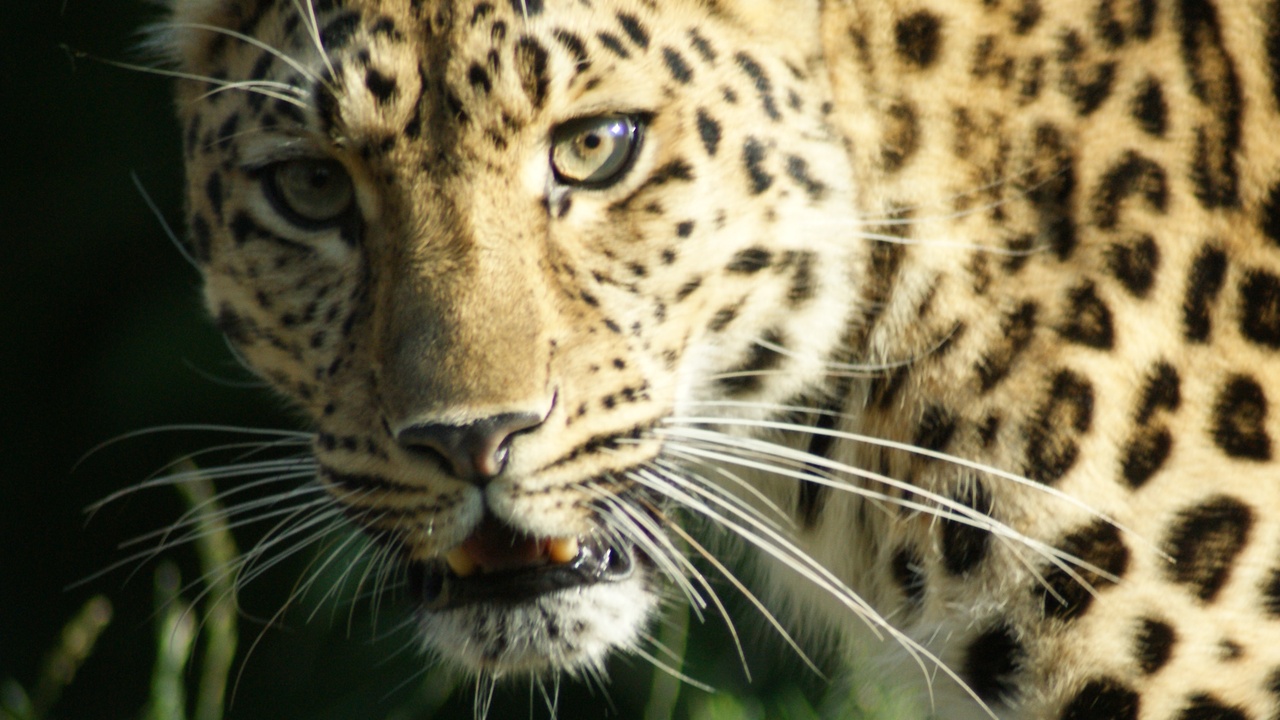
5. Amur leopard (Panthera pardus orientalis) — among the rarest big cats
The Amur leopard is critically endangered and restricted to small areas in the Russian Far East. Current estimates put the number of mature individuals below 100—consult the latest IUCN or Russian survey reports for precise counts and year-specific data.
Conservation combines anti-poaching patrols, captive-breeding and reintroduction efforts, and habitat protection in Land of the Leopard National Park. Protecting leopards also safeguards broader forest biodiversity and ecosystem function.
6. Eurasian lynx (Lynx lynx) — stealthy taiga predator
The Eurasian lynx is a medium-sized forest predator that helps control populations of hares and small ungulates. Across Siberia and European Russia, lynx are fairly widespread in remote areas, though local declines occur where forests fragment.
Researchers use telemetry and camera traps to monitor movements and population health. Maintaining forest connectivity is key to allowing lynx to access sufficient prey and breeding territories.
7. Siberian musk deer (Moschus moschiferus) — small but economically targeted
Siberian musk deer are prized for the male’s musk gland, historically used in perfumery and traditional medicine. That demand has driven poaching and led to vulnerable statuses in parts of the range; CITES listings aim to curb illegal trade.
Conservation responses include enforcement actions, community outreach, and research into synthetic musk alternatives that reduce pressure on wild populations. Recent seizure reports from the Russian Far East illustrate ongoing illegal trade challenges.
8. Wolverine (Gulo gulo) — the taiga’s fierce scavenger
Wolverines are wide-ranging scavengers and predators of boreal and alpine regions, typically occurring at low densities across northern Russia. They depend on large, connected landscapes and are sensitive to human disturbance and trapping pressure.
Radio-tracking studies in Siberia reveal extensive home ranges and the species’ role in carcass recycling. Conservation strategies focus on maintaining habitat connectivity and limiting infrastructure impacts in key territories.
Marine and Far Eastern Rarities
Russia’s marine and Far Eastern zones contain freshwater endemics, massive Pacific salmon runs, and coastal raptors that tie sea and land together. These systems sustain fisheries, feed terrestrial predators, and host unique evolutionary lineages.
Threats include overfishing, river dams, pollution, and warming seas. International and regional cooperation—plus long-term monitoring at places like Lake Baikal and Kamchatka—are essential to maintain these resources.
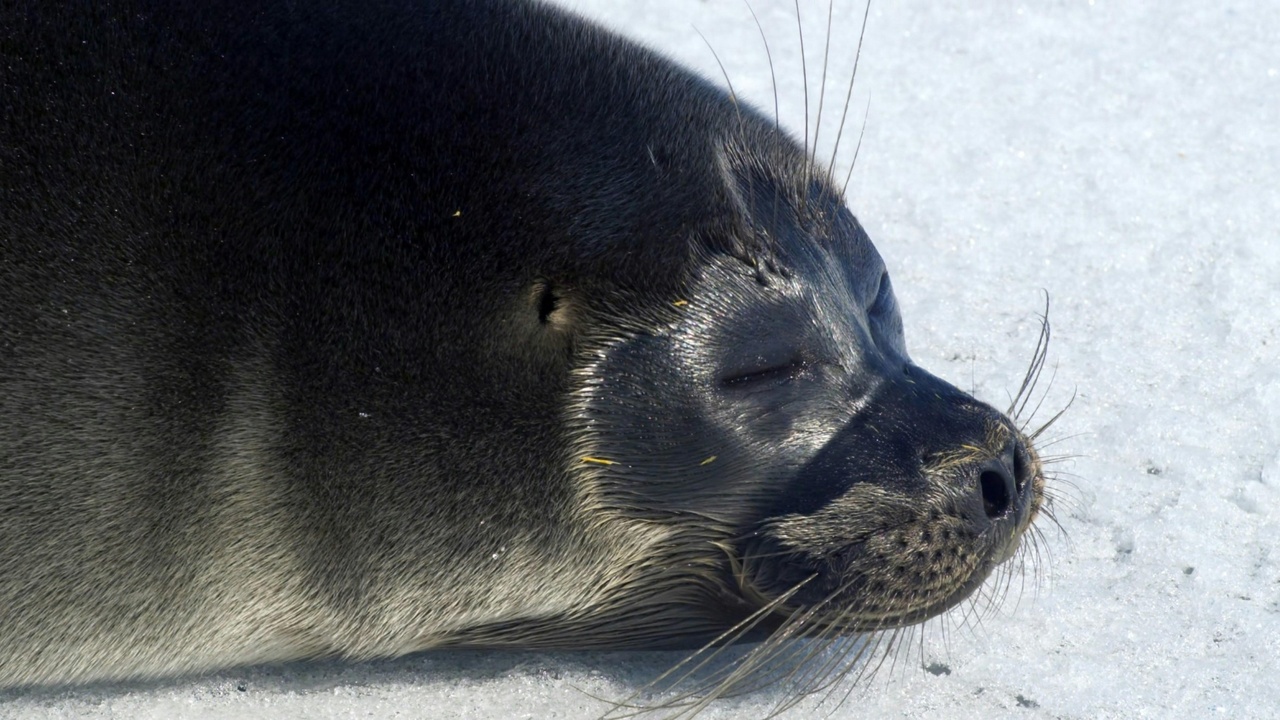
9. Baikal seal (Pusa sibirica) — the world’s only freshwater pinniped
The Baikal seal (nerpa) is unique: the only true freshwater seal, found solely in Lake Baikal. Historical estimates put numbers in the tens of thousands; rough guidance often cites around 80,000–100,000 individuals, but current figures should be confirmed with recent Lake Baikal monitoring reports.
Scientists study the seal for insights into freshwater adaptations. The species depends on stable ice for breeding, so pollution and warming that affect ice cover are direct conservation concerns. Lake research stations provide long-term trend data.
10. Pacific salmon (Oncorhynchus spp.) — lifeblood of Kamchatka ecosystems
Salmon species—sockeye, chum, coho, pink, and Chinook—fuel food webs in Kamchatka and the Russian Far East. Seasonal runs number from hundreds of thousands to millions depending on river and species; check regional fisheries statistics for river-by-river totals.
Salmon bring marine nutrients into forests, feeding bears, eagles, and human communities. Fisheries management, protected spawning streams, and monitoring help sustain runs facing pressures from overfishing and changing ocean conditions.
11. Steller’s sea eagle (Haliaeetus pelagicus) — a coastal apex bird
Steller’s sea eagle is a large raptor of Russia’s Pacific coast and islands, nesting on cliffs and old-growth trees in places like Kamchatka and the Kurils. It is considered vulnerable in parts of its range; BirdLife International and IUCN provide population summaries and trend data.
These eagles are indicators of healthy coastal fish stocks and attract birdwatchers to the region. Conservation includes protecting nesting habitat and monitoring coastal fisheries that support the birds’ prey base.
12. Amur (Siberian) sturgeon and other Far Eastern fish — ancient survivors
Long-lived species such as Amur sturgeon represent ancient freshwater lineages now threatened by dams, pollution, and poaching for caviar. Several sturgeon species have seen steep declines in the Amur basin and are the focus of restoration and hatchery programs.
Restoration depends on international cooperation—particularly with neighboring China—river-flow management, and anti-poaching enforcement. Hatcheries and restocking are used alongside habitat protection to try to reverse population drops.
Summary
- Russia serves as a refuge for large mammals and rare endemics, with reserves such as Land of the Leopard, Wrangel Island, and Lake Baikal playing outsized conservation roles.
- Threats are diverse—poaching, habitat fragmentation, overfishing, dams, and climate-driven sea-ice and temperature changes—and they often interact to amplify impacts.
- On-the-ground solutions combine protected areas, community stewardship, scientific monitoring (camera traps, telemetry, long-term stations), and cross-border cooperation to tackle mobile species and shared rivers.
- Support practical conservation by choosing low-impact wildlife tours, backing reputable groups that work in the region (for example WWF and reserve trusts), and favoring certified, sustainable seafood to help protect the wildlife of Russia.