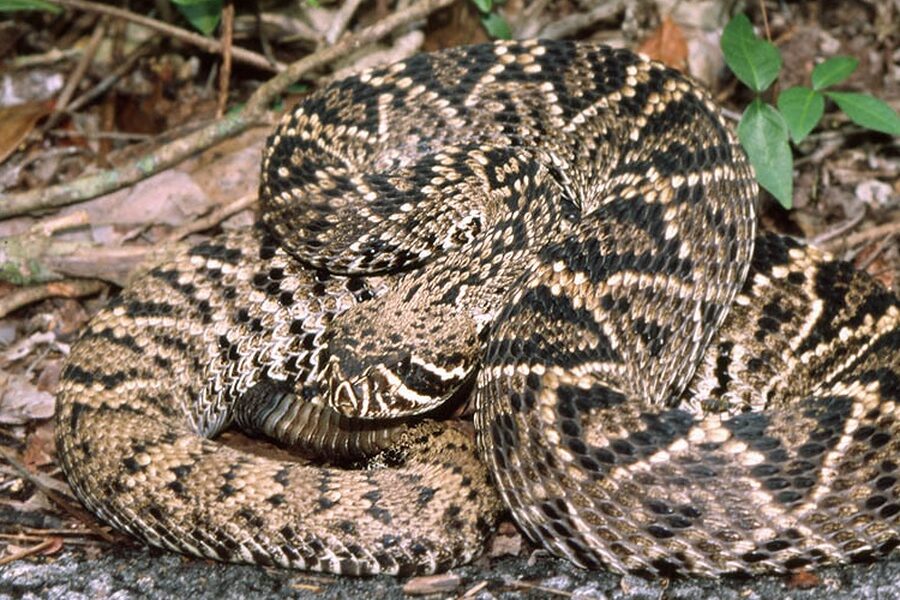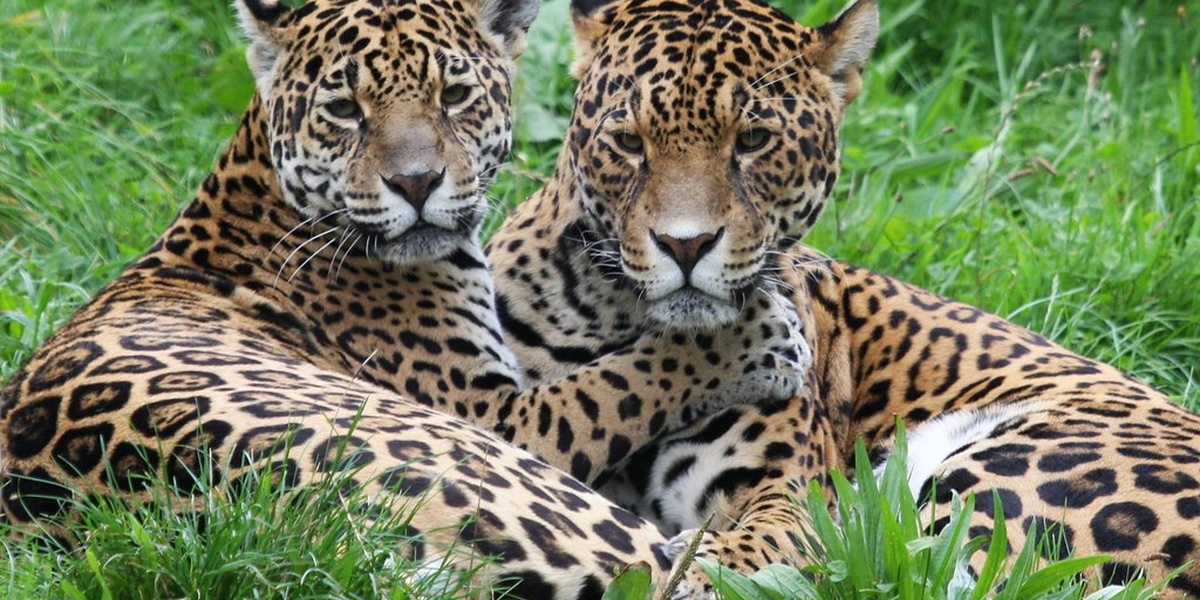
Peru’s landscapes — from Amazon lowlands to Andean highlands and coastal deserts — host a wide range of wildlife that can pose risks if you’re unprepared. Whether you’re trekking, fishing, or visiting rural communities, a little knowledge about local animals and their habitats goes a long way toward staying safe.
There are 29 Dangerous Animals in Peru, ranging from Aedes mosquito to Vampire bat. For each species, the list below shows Scientific name,Danger rating (1-5),Typical habitat/region so you can quickly scan risks and where they occur — you’ll find below.
How can I reduce my risk of encountering dangerous animals in Peru?
Use layered precautions: insect repellent and nets for mosquitoes, avoid walking barefoot or off-trail where snakes and parasites are common, keep food sealed to deter mammals, and avoid entering caves or handling bats. Check local advisories, get recommended vaccines (e.g., yellow fever), and carry a basic first-aid kit and reliable footwear.
What should I do if bitten or exposed to one of these animals while traveling?
Seek medical help promptly and describe the animal and location of the incident. For potential rabies exposures (bats, some mammals) get urgent post-exposure treatment; for snakebites, keep the victim calm and immobile and get to a hospital—avoid cutting or sucking the wound. Document details and follow local health authority guidance.
Dangerous Animals in Peru
| Name | Scientific name | Danger rating (1-5) | Typical habitat/region |
|---|---|---|---|
| Jaguar | Panthera onca | 4 | Amazon, lowland forests, wetlands |
| Puma | Puma concolor | 3 | Andes, foothills, Amazon edges |
| Spectacled bear | Tremarctos ornatus | 3 | Andes cloud forest, high valleys |
| Black caiman | Melanosuchus niger | 5 | Amazon rivers, lakes, floodplains |
| Spectacled caiman | Caiman crocodilus | 4 | Amazon, wetlands, river margins |
| Green anaconda | Eunectes murinus | 4 | Amazon swamps, slow rivers, marshes |
| Common lancehead | Bothrops atrox | 5 | Amazon lowlands, forest floor, near villages |
| Two-striped forest-pitviper | Bothrops bilineatus | 4 | Amazon canopy and forest edges |
| Bushmaster | Lachesis muta | 5 | Primary Amazon forest, remote areas |
| South American rattlesnake | Crotalus durissus | 4 | Dry forests, scrub, some lowland areas |
| Coral snakes | Micrurus spp. | 4 | Amazon lowlands, forest floor, edges |
| Tityus scorpions | Tityus spp. | 4 | Amazon, dry forests, peri-urban areas |
| Brown recluse spider | Loxosceles laeta | 3 | Urban and rural dwellings, storage areas |
| Black widow spiders | Latrodectus spp. | 3 | Homes, sheds, rural areas |
| Bullet ant | Paraponera clavata | 2 | Amazon lowland forest, canopy |
| Electric eel | Electrophorus electricus | 4 | Amazon rivers, flooded forests |
| Red-bellied piranha | Pygocentrus nattereri | 3 | Amazon rivers, lakes, flooded forests |
| Freshwater stingrays | Potamotrygon spp. | 4 | Amazon riverbeds, sandy shallows |
| Scorpionfish and stonefish | Scorpaenidae family spp. | 3 | Peruvian Pacific coast, rocky reefs, tide pools |
| Cone snails | Conus spp. | 4 | Tropical Pacific coast, shallow reefs and tide pools |
| Pufferfish and toxic reef fish | Tetraodontidae and relatives | 4 | Pacific coast, coastal fisheries |
| Cone snails and marine venomous mollusks | Conus spp. | 4 | Pacific coast reefs, tide pools |
| Africanized honey bees | Apis mellifera (hybrid) | 4 | Across Peru: forests, rural and urban areas |
| Aedes mosquito | Aedes aegypti | 5 | Coastal and Amazon urban/peri-urban areas |
| Anopheles mosquito | Anopheles darlingi | 5 | Amazon basin, riverine communities |
| Vampire bat | Desmodus rotundus | 4 | Amazon lowlands, livestock areas, caves |
| Sea urchins | Echinometra/Diadematidae spp. | 2 | Pacific rocky intertidal zones |
| Piranhas (shoaling species) | Serrasalmus spp. | 3 | Amazon tributaries, flooded forests |
| Marine stingrays (Pacific) | Dasyatidae spp. | 3 | Peruvian Pacific coast, sandy seabeds |
Images and Descriptions
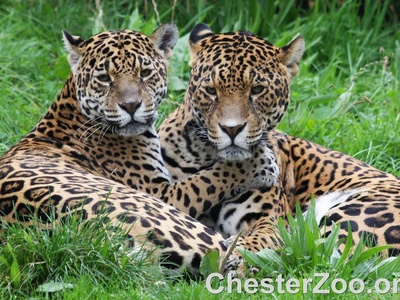
Jaguar
Powerful apex predator capable of killing humans; attacks are rare but can be fatal. Avoid dense night trails, secure food at camps, and never approach or photograph close animals. Seek urgent care for bites or maul injuries.
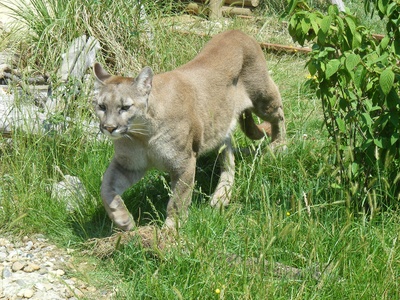
Puma
Large cat that occasionally attacks livestock and rarely people; more likely if surprised or with dogs. Hikers should avoid dusk/dawn solitary travel, make noise, keep children close. If charged, stand tall, use deterrents, seek medical/trauma care after contact.
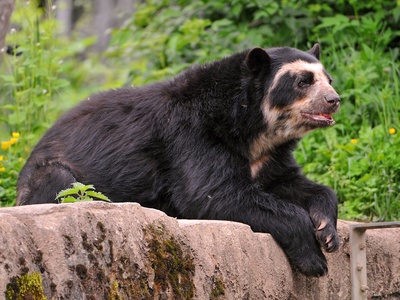
Spectacled bear
South America’s only bear; usually avoids people but can defend cubs or food aggressively. Store food securely, give bears space, and back away slowly if encountered. Bites or maulings need emergency wound care and infection prevention.
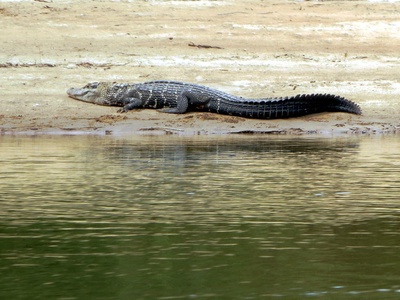
Black caiman
Very large crocodilian capable of killing humans; ambush predator along riverbanks at night. Avoid swimming near river edges after dark, keep distance from water, and seek emergency care and tetanus prophylaxis if bitten.
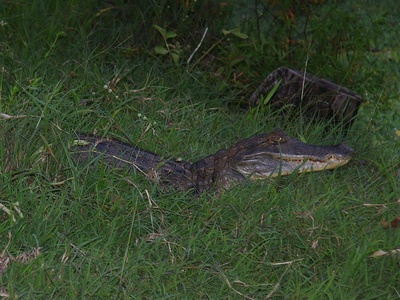
Spectacled caiman
Smaller than black caiman but can bite and cause severe trauma, especially when provoked or feeding. Avoid shallow water margins, supervise children, and get immediate medical attention for puncture wounds to prevent infection.
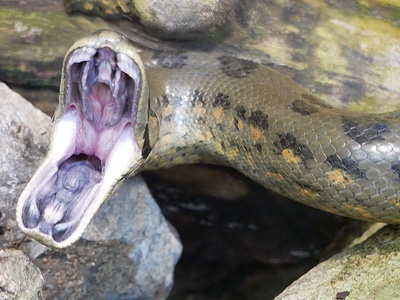
Green anaconda
World’s largest constrictor; capable of overwhelming humans though attacks are rare. Avoid swimming in dense vegetation at night; if bitten or constricted, free airway and seek urgent rescue and trauma care.
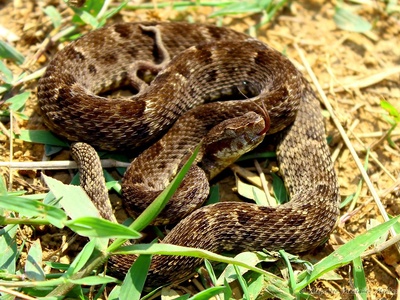
Common lancehead
One of Peru’s leading cause of snakebite envenomation; venom causes bleeding, tissue damage, shock. Watch step in leaf litter, don’t handle snakes, get rapid transport to hospital for antivenom and wound care after any bite.
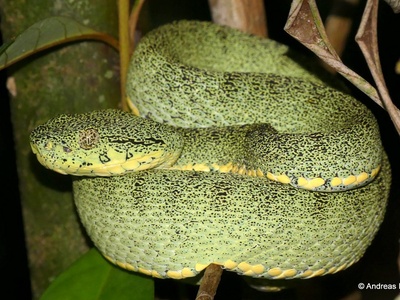
Two-striped forest-pitviper
Arboreal/forest viper whose bite delivers hemotoxic venom causing severe local and systemic effects. Avoid walking under low branches at night, use a headlamp, and obtain antivenom and supportive care promptly if bitten.

Bushmaster
Large, highly venomous pit viper; bites are infrequent but often severe and can be fatal without antivenom. Exercise caution when trekking off-trail, avoid handling snakes, and evacuate immediately for antivenom and critical care if bitten.
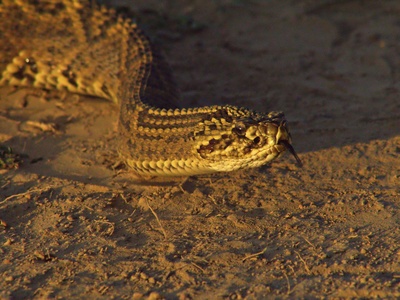
South American rattlesnake
Venomous rattlesnake with neurotoxic and myotoxic venom; bites can cause systemic illness. Listen for rattle, watch rocky and dry habitats, and transport quickly for antivenom and monitoring after envenomation.
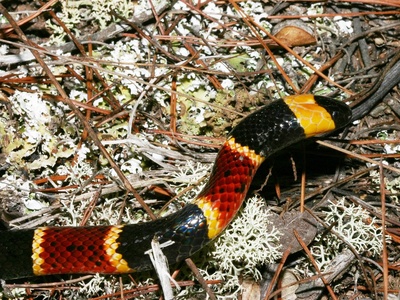
Coral snakes
Highly venomous elapids with potent neurotoxic venom; bites are uncommon but dangerous. Avoid handling small, colorful snakes; even small punctures need urgent transport for antivenom and respiratory monitoring.
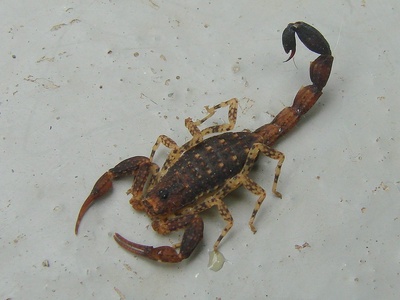
Tityus scorpions
Several Tityus species cause serious systemic envenoming, especially in children, with cardiopulmonary effects. Shake out clothing and shoes, avoid sleeping on bare ground, and seek urgent medical care for antivenom and supportive treatment after stings.
Brown recluse spider
Bite can cause local necrosis and systemic illness in vulnerable people; bites often painless initially. Avoid placing hands into dark corners, shoes or clothing without checking; clean wounds, seek medical care for bite progression or systemic signs.
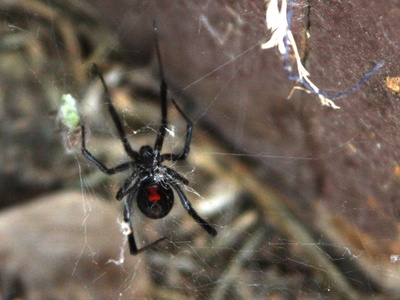
Black widow spiders
Female bites can cause severe muscle pain, cramps, and systemic symptoms. Be cautious in dark, undisturbed areas, wear gloves for debris, and seek medical care for antitoxin and pain control if bitten.
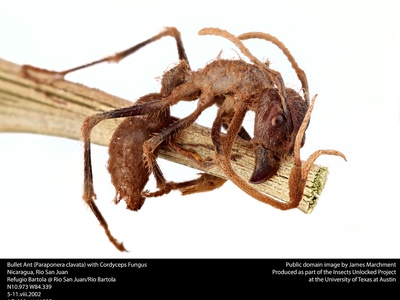
Bullet ant
Extremely painful sting that can incapacitate hikers; rarely fatal but may provoke severe reactions. Avoid handling or disturbing logs and vegetation, wear protective clothing, and seek medical care for severe allergic responses.
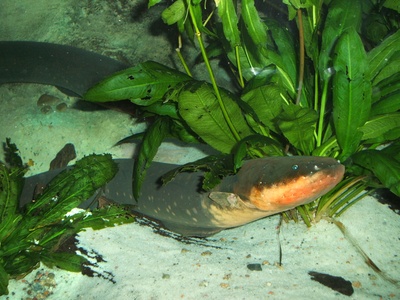
Electric eel
Delivers strong electric shocks that can stun swimmers, cause cardiac issues or secondary drowning. Avoid entering murky waters at night, keep distance from submerged logs, and seek emergency care for cardiac symptoms after shocks.
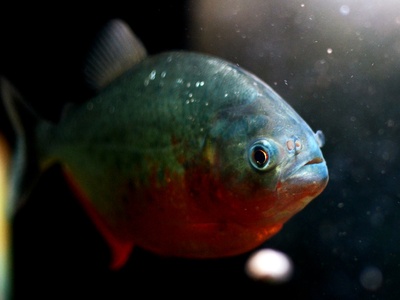
Red-bellied piranha
Group attacks are uncommon but can cause severe bites to extremities, especially when food is present or water is low. Avoid swimming where people are fishing or near carcasses; clean and medically evaluate bite wounds to prevent infection.
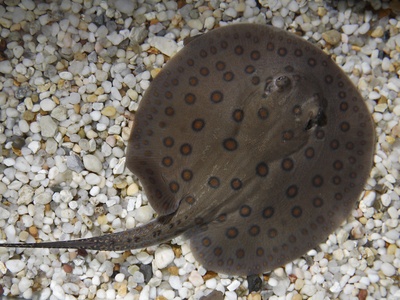
Freshwater stingrays
Venomous barbed tail can inflict deep, painful wounds and systemic toxicity; secondary infection is common. Shuffle feet when wading, avoid stepping on rays, and seek urgent care to remove barbs, control pain, and treat infection.
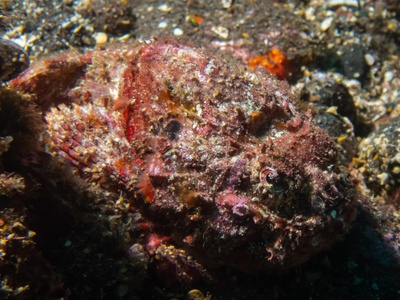
Scorpionfish and stonefish
Venomous spines cause intense pain, swelling, and sometimes systemic symptoms. Wear sturdy footwear in rocky intertidal zones, avoid handling fish, and soak wounds in hot water and get emergency care for antivenom or pain control if needed.
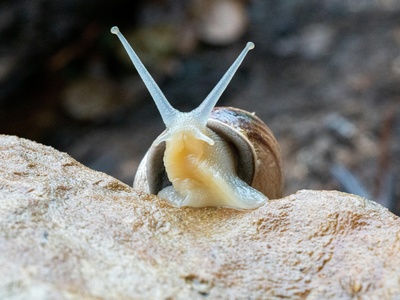
Cone snails
Small predatory snails can inject potent neurotoxins; stings may cause paralysis and be fatal. Never handle live cone snails, wear protective footwear on reefs, and seek urgent medical/resuscitation support for paralysis or breathing difficulty.
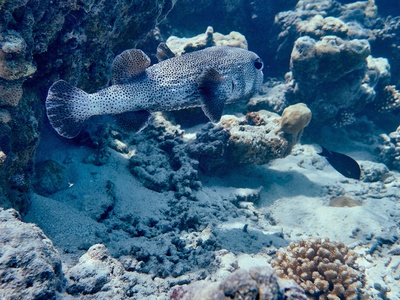
Pufferfish and toxic reef fish
Many species concentrate tetrodotoxin in tissues; improper preparation can cause fatal poisoning. Avoid eating unfamiliar local fish prepared outside regulated kitchens; seek immediate hospital care for numbness, paralysis, or respiratory compromise.
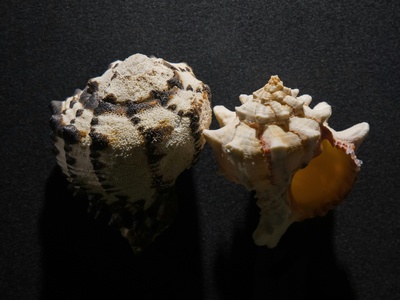
Cone snails and marine venomous mollusks
(Duplicate category consolidated) See Cone snails entry.
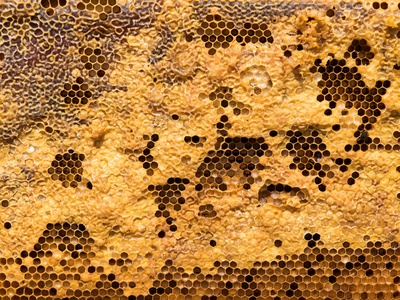
Africanized honey bees
Aggressive colonies can launch mass attacks causing multiple stings, anaphylaxis, or shock. Avoid disturbing hives, stay calm and run to shelter if attacked, and seek emergency care for multiple stings or breathing difficulties.
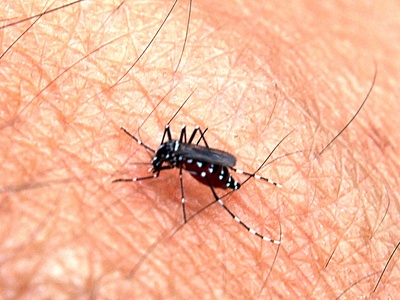
Aedes mosquito
Primary vector of dengue, Zika, chikungunya; infections can hospitalize or rarely kill tourists. Use repellents, bed nets, and eliminate standing water; seek medical care for fever, rash, or severe symptoms.
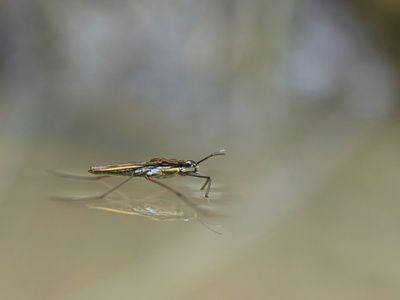
Anopheles mosquito
Main malaria vector in Peru with risk of severe malaria, especially P. falciparum. Use prophylaxis, mosquito nets, repellents, and prompt testing/treatment for fevers after jungle travel to prevent serious illness.
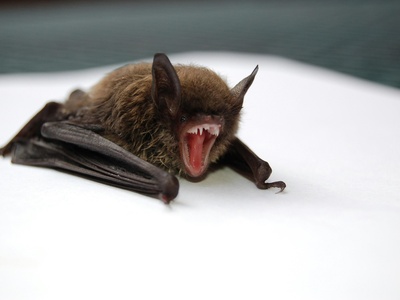
Vampire bat
Feeds on blood at night and can transmit rabies to humans and animals via small bites. Avoid sleeping in open-air settings without nets, vaccinate pets, and seek immediate rabies post‑exposure prophylaxis after any bat bite or contact.
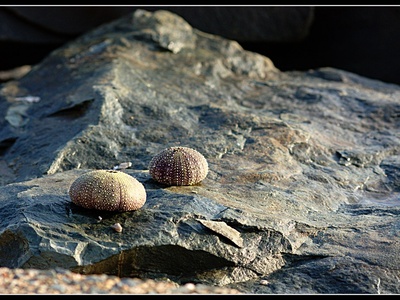
Sea urchins
Sharp spines can puncture feet, introducing venom or infection; injuries can be very painful and require spine removal. Wear reef shoes when wading, remove spines carefully, soak wounds in hot water, and get medical care for retained spines or infection.
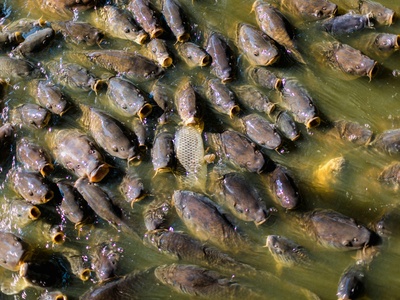
Piranhas (shoaling species)
Various piranha species can inflict deep bites when provoked or during mass feeding events. Avoid splashing near carcasses or during die-offs, supervise swimmers, and clean wounds promptly to reduce infection risk.
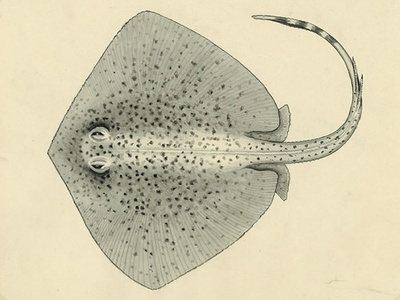
Marine stingrays (Pacific)
Sting from venomous tail spine causes intense pain and possible systemic effects. Shuffle feet when entering shallow water, avoid stepping on rays, and treat wounds with hot water immersion and medical evaluation for infection and tissue damage.