Malawi’s landscapes—from Lake Malawi’s clear waters to rolling highlands and patches of miombo woodland—hold a surprising variety of wildlife across parks, reserves, and waterways. Whether you’re planning a first visit or brushing up before a trip, a quick overview of species and where they live makes it easier to choose destinations and seasons.
There are 49 Malawi’s native animals, ranging from the African buffalo to the Yellow-billed duck. For each species the table lists Scientific name,Habitat,Where to see (Malawi); details you’ll find below.
Where in Malawi should I go to see many native animals?
Head to core protected areas like Liwonde, Majete and Nyika for large mammals and diverse habitats, and visit Nkhotakota and Lake Malawi wetlands for waterbirds. Dry season game concentrations and guided boat or walking safaris increase sightings, so check park access and local guides when planning.
How current and reliable is the species and location information?
The list compiles commonly recorded species and typical sightings by habitat and park, but populations and access change; use the “Where to see (Malawi)” entries as a starting point and confirm with park offices, local guides or recent trip reports before you go.
Malawi’s Native Animals
| Common name | Scientific name | Habitat | Where to see (Malawi) |
|---|---|---|---|
| African elephant | Loxodonta africana | Savanna, riverine woodland | Liwonde, Majete, Nkhotakota |
| Lion | Panthera leo | Savanna, woodland | Majete, Liwonde, Nkhotakota |
| Leopard | Panthera pardus | Woodland, rocky areas | Nyika, Viphya, Majete |
| African buffalo | Syncerus caffer | Floodplain, grassland | Liwonde, Majete |
| Hippopotamus | Hippopotamus amphibius | Rivers, lakes | Shire River, Lake Malawi shores |
| Spotted hyena | Crocuta crocuta | Savanna, woodland | Majete, Liwonde |
| Plains zebra | Equus quagga | Grassland, floodplain | Majete, Liwonde |
| Common warthog | Phacochoerus africanus | Savanna, open bush | Liwonde, Majete |
| Impala | Aepyceros melampus | Woodland, savanna | Liwonde, Majete |
| Greater kudu | Tragelaphus strepsiceros | Woodland, thicket | Vwaza Marsh, Nyika |
| Waterbuck | Kobus ellipsiprymnus | Riverine, floodplain | Shire River, Liwonde |
| Bushbuck | Tragelaphus scriptus | Forest edges, woodland | Nyika, Viphya |
| Suni | Neotragus moschatus | Dense thicket, forest | Vwaza Marsh, Nyika |
| African civet | Civettictis civetta | Woodland, savanna | Liwonde, Nyika |
| Serval | Leptailurus serval | Wetlands, grassland | Vwaza Marsh, Lake Malombe shores |
| African fish eagle | Haliaeetus vocifer | Lakeshore, rivers | Lake Malawi, Shire River |
| Lilian’s lovebird | Agapornis lilianae | Miombo woodland, riverine | Kasungu, Liwonde, Lake Malawi |
| Pel’s fishing owl | Scotopelia peli | Riparian forest | Liwonde, Shire River |
| Malachite kingfisher | Corythornis cristatus | Rivers, lakeshore | Lake Malawi, Shire River |
| African jacana | Actophilornis africanus | Marshes, floating vegetation | Lake Malawi, Vwaza Marsh |
| White-breasted cormorant | Phalacrocorax lucidus | Lakeshore | Lake Malawi |
| Saddle-billed stork | Ephippiorhynchus senegalensis | Wetlands, floodplain | Shire River, Vwaza Marsh |
| Grey-headed kingfisher | Halcyon leucocephala | Woodland, riverine | Nyika, Liwonde |
| African spoonbill | Platalea alba | Shallow lakes, marshes | Lake Malawi, Shire River |
| Kori bustard | Ardeotis kori | Open grassland | Nyika Plateau |
| Martial eagle | Polemaetus bellicosus | Open woodland | Majete, Nyika |
| African openbill | Anastomus lamelligerus | Wetlands | Shire River, Lake Malawi |
| Yellow-billed duck | Anas undulata | Freshwater lakes | Lake Malawi, dams |
| Lilac-breasted roller | Coracias caudatus | Woodland, savanna | Liwonde, Nyika |
| Nile crocodile | Crocodylus niloticus | Rivers, lakes | Shire River, Lake Malawi |
| Nile monitor | Varanus niloticus | Riverbanks, wetlands | Shire River, Lake Malawi |
| African rock python | Python sebae | Woodland, riverine | Nyika, Viphya |
| Leopard tortoise | Stigmochelys pardalis | Savanna, grassland | Nyika, Vwaza Marsh |
| Flap-necked chameleon | Chamaeleo dilepis | Woodland, forest edges | Viphya, Nyika |
| African helmeted turtle | Pelusios castaneus | Lakes, swamps | Lake Malawi, Shire River |
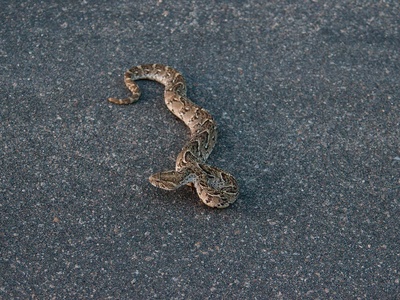
| Puff adder | Bitis arietans | Savanna, woodland | Throughout Malawi |
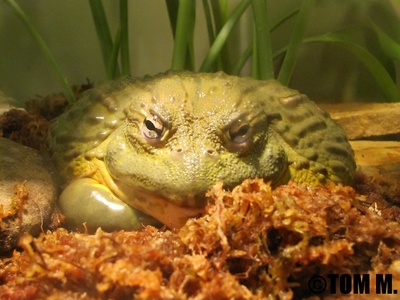
| African bullfrog | Pyxicephalus adspersus | Seasonal pools, grassland | Vwaza Marsh, floodplains |
| Common reed frog | Hyperolius viridiflavus | Reeds, marshes | Lake Malawi shoreline |
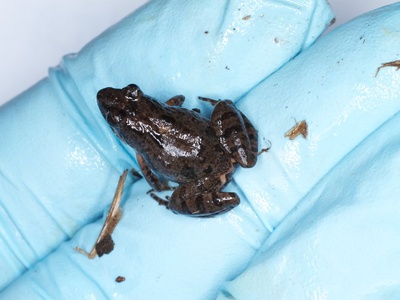
| Puddle frog | Phrynobatrachus natalensis | Wet grassland, pans | Vwaza Marsh, Shire floodplain |
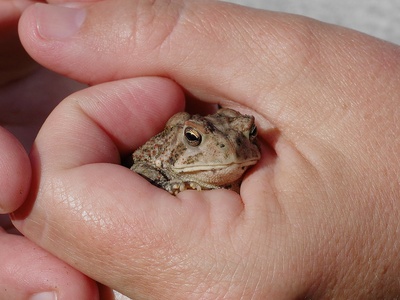
| Common toad | Sclerophrys regularis | Damp grassland, gardens | Widespread in lowlands |
| Electric yellow | Labidochromis caeruleus | Rocky littoral, Lake Malawi | Cape Maclear, Likoma Island |
| Utaka cichlid | Copadichromis azureus | Open water, pelagic lake zones | Likoma, Nkhata Bay |
| Chambo | Oreochromis karongae | Littoral and open water | Lake Malawi fisheries |
| Tigerfish | Hydrocynus vittatus | Open lake and river waters | Shire River, Lake Malawi |
| Sharptooth catfish | Clarias gariepinus | Rivers, lakes | Shire River, Lake Malawi |
| Lake sardine (Usipa) | Engraulicypris sardella | Open pelagic, nearshore | Lake Malawi |
| African monarch | Danaus chrysippus | Open areas, gardens | Throughout Malawi |
| Tsetse fly | Glossina morsitans | Woodland, savanna | Vwaza, Kasungu regions |
| Citrus swallowtail | Papilio demodocus | Forest edge, gardens | Widespread in lowlands |
Images and Descriptions
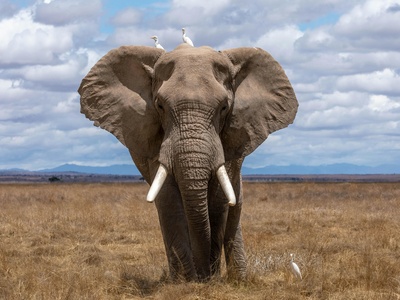
African elephant
The iconic, huge herbivore roams riverside woodlands and floodplains. Gentle but powerful, elephants shape habitats by felling trees and creating clearings. Watch at waterholes and riverbanks; conservation has boosted populations in major parks after reintroductions and anti-poaching efforts.
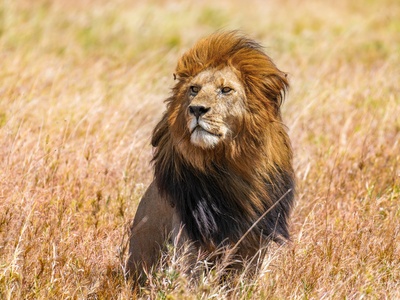
Lion
A social big cat forming prides across protected savanna. Best seen on open plains and near water at dawn or dusk. Populations recovered in fenced reserves like Majete; sightings add drama to Malawi safaris though they remain locally scarce.
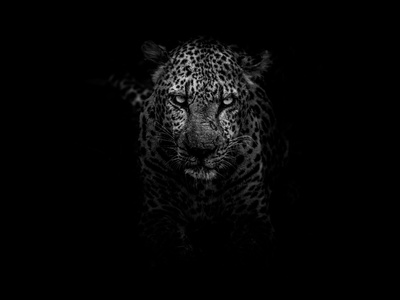
Leopard
Elusive and solitary, leopards use rocky hills and dense woodland to hunt small to medium prey. Hard to spot but signs and night drives increase chances. They persist across Malawi’s highlands and reserves despite low densities.
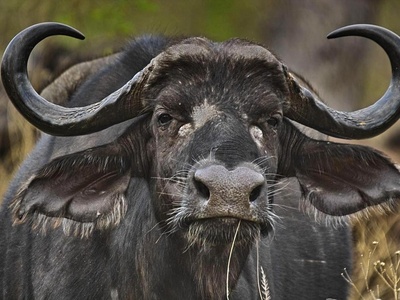
African buffalo
Massive herds graze floodplains and grasslands, often seen in family groups. Bold and gregarious, buffalo are best viewed at waterholes and riverbanks; they provide dramatic wildlife encounters and are important prey for large predators.
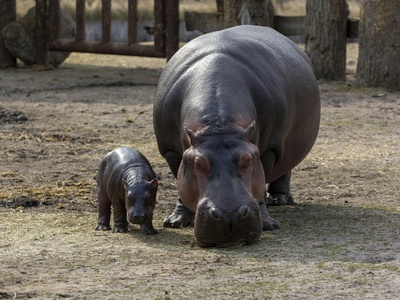
Hippopotamus
Thick-skinned, mostly nocturnal grazers spend days in water and graze at night. Hippos are common along rivers and lake inlets; remember they can be dangerous on water. Boat trips at dusk often reveal surfacing mouths and grunts.
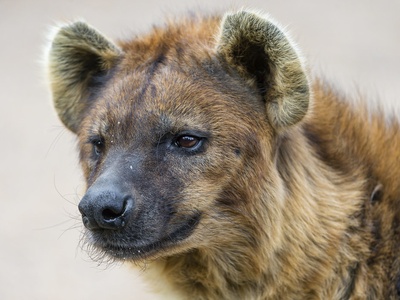
Spotted hyena
A vocal, adaptable scavenger and hunter, spotted hyenas live in clans and communicate with eerie whoops. They thrive in open woodlands and near human margins; sightings and nighttime calls are memorable features of Malawi reserves.
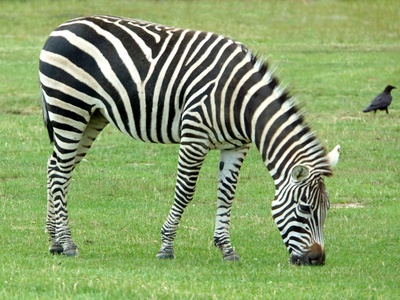
Plains zebra
Striped grazers that prefer open grasslands and floodplains. Reintroduced populations in reserves have increased visibility. Zebras often group with antelope species and are easily seen on game drives, especially in dry season.
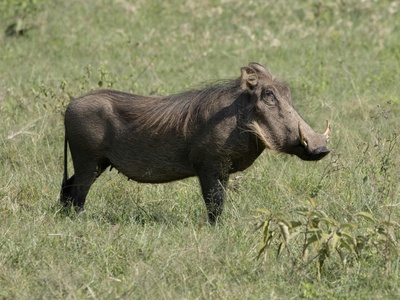
Common warthog
Coarse-maned, tusked pigs that graze and root in open bush and savanna. Often seen trotting with tails up, warthogs shelter in burrows and are surprisingly sociable, commonly spotted on plains and near water in protected areas.
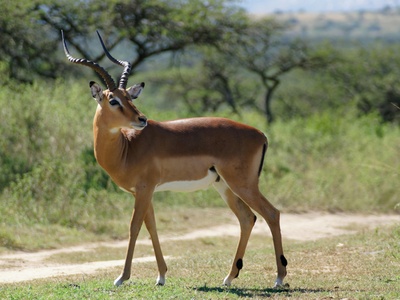
Impala
Graceful medium-sized antelope that bound through woodland-edge habitats. Impala are common, alert, and often seen in mixed herds near water and in savanna patches; their agility helps them escape predators and makes them a frequent sight for visitors.
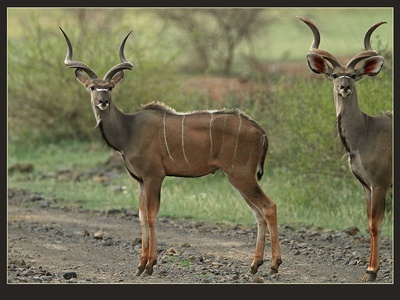
Greater kudu
Large spiral-horned antelope of dense thickets and miombo woodland. Males with impressive horns are shy but visible in quieter reserves. The kudu’s striped flanks and cautious behavior reward patient observers in Malawi’s woodlands and highlands.
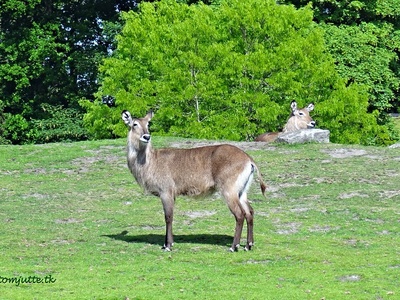
Waterbuck
Robust antelope tied to water’s edge, commonly seen grazing on floodplains and riverbanks. Their oily coat repels water and they often face predators near water. Good sightings occur along the Shire River and lake margins.
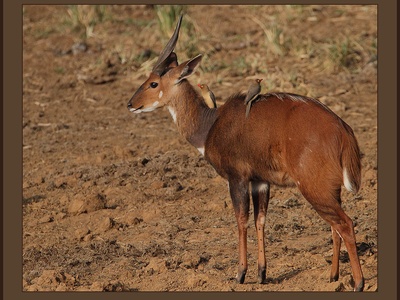
Bushbuck
A solitary, secretive antelope frequenting forest margins and dense thickets. Bushbuck are often heard rather than seen but can be spotted at dawn or dusk in wooded highlands and riverine forests across Malawi.

Suni
A tiny, shy antelope of dense tangles and riparian thickets. Suni are easily overlooked but common in protected marshy valleys and forest patches; look for small, delicate bodies and furtive movement at dawn or dusk.
African civet
Nocturnal omnivore with a distinctive musky scent used in territory marking. African civets feed on small mammals, fruit, and insects and are best detected at night by calls or shining eyes along forest edges and roads.
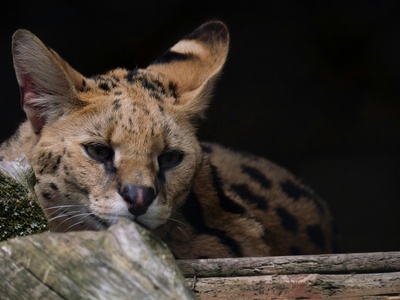
Serval
Long-legged, spotted medium cat specialized in hunting rodents in tall grass and wetlands. Servals are agile leapers and may appear along marsh edges and reedbeds; elusive but occasionally seen during quiet game drives or nocturnal surveys.
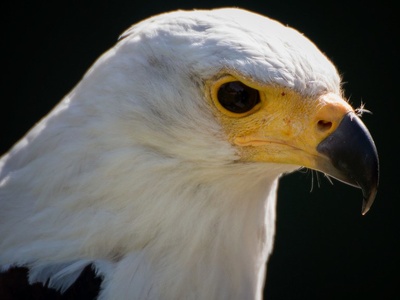
African fish eagle
A striking raptor with a white head and booming call, often perched near water. This expert fish-hunter is easy to spot around lakes and rivers, where its distinctive cry is a soundtrack to Malawi’s waterways.
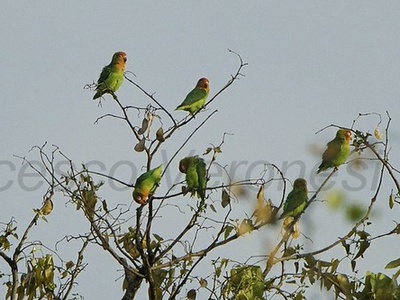
Lilian’s lovebird
A colourful, sociable parrot native to the region with bright green plumage and red forehead in males. Lilian’s lovebirds favor miombo and riverine woodlands; watch for noisy flocks and nesting cavities in mature trees.
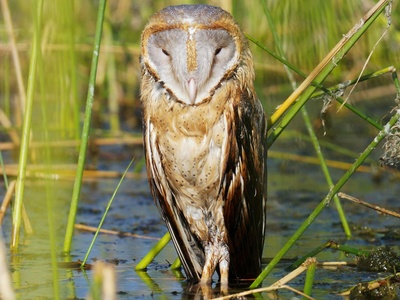
Pel’s fishing owl
A large, secretive nocturnal owl that hunts fish from riverbanks. With long ear tufts and slow flight, Pel’s fishing owl is a prized sighting along shaded rivers; best found after dark near calm pools and forests.
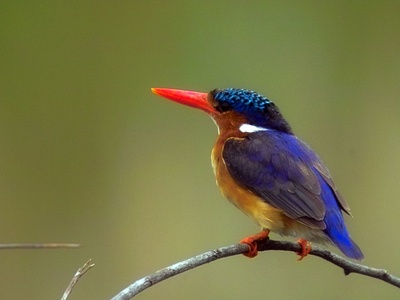
Malachite kingfisher
Tiny, jewel-bright kingfisher that darts from perches to pluck small fish. Flashy blue-and-orange plumage and rapid dives make it a favourite at sheltered bays, reedbeds, and quiet inlets of lakes and rivers.
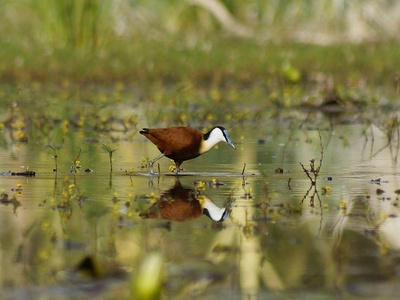
African jacana
Long-toed waterbird walking on lily pads to feed on insects and invertebrates. Jacanas are conspicuous on floating vegetation and shallow marshes; watch for their slow, deliberate steps and protective territory behaviour during breeding season.
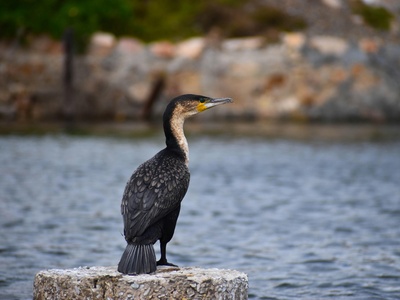
White-breasted cormorant
Water-adapted diving bird often seen drying wings on rocks or posts. White-breasted cormorants fish in shallow waters along the lake shore and islands; they form colonies and are a common sight around busy fishing villages.
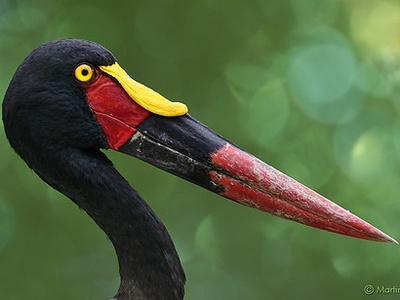
Saddle-billed stork
Tall, elegant stork with a long bill and striking colors, stalking shallow waters for fish and frogs. Saddle-billed storks favor wetlands and floodplains; solitary or paired, they’re iconic in marshy habitats and river edges.
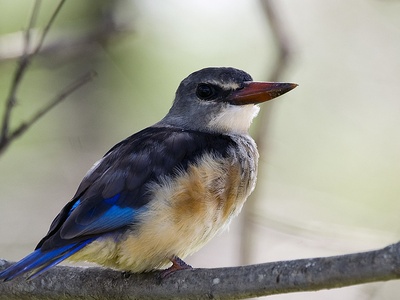
Grey-headed kingfisher
A compact kingfisher with a grey head and reddish underparts, hunting insects and small vertebrates from low perches. Less tied to water than many kingfishers, it frequents woodland streams and open riverine patches.
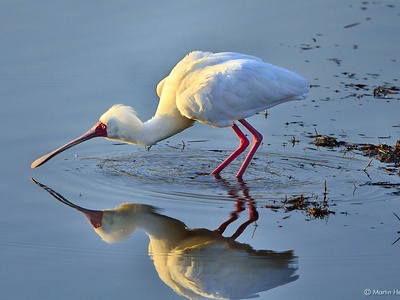
African spoonbill
Long-legged wader using a spoon-shaped bill to sweep invertebrates from shallow water. Pale and stately, African spoonbills forage in groups across shallows and mudflats at lake edges and river floodplains.
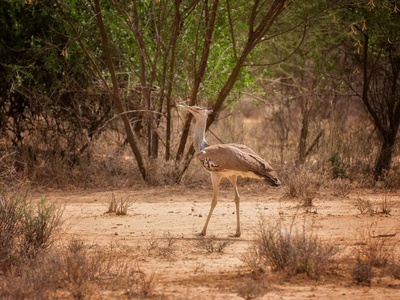
Kori bustard
One of the heaviest flying birds, the kori bustard inhabits open grasslands and plateaus. Males perform loud displays during breeding; Nyika’s wide open spaces are ideal for spotting these impressive ground-dwelling birds.
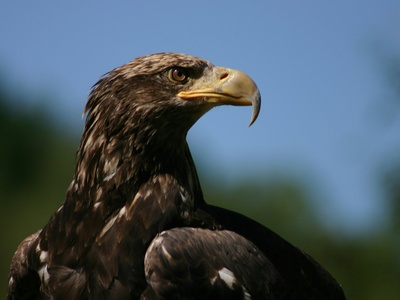
Martial eagle
Powerful forest-edge raptor with broad wings, preying on mammals and birds. Martial eagles nest in tall trees and survey savanna and woodland for large prey; sightings are uncommon but memorable for raptor enthusiasts.
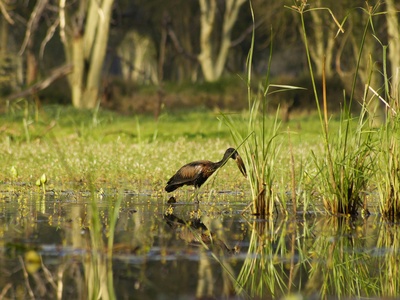
African openbill
Long-legged stork specialized on aquatic snails and molluscs. The openbill’s gapped bill helps extract prey from shells; they feed in flocks in marshes and shallow waters and are most visible during dry-season concentrations.
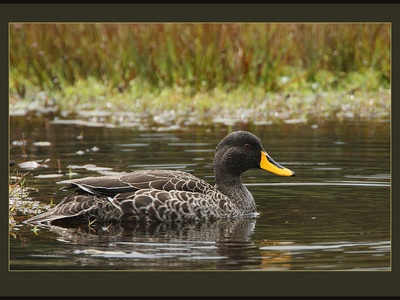
Yellow-billed duck
A common, social dabbling duck of freshwater bodies. Yellow-billed ducks form flocks on lakes and calm inlets; watch for groups resting on sheltered bays and feeding in shallow water near shorelines.
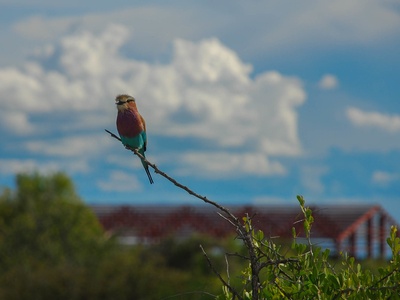
Lilac-breasted roller
Vividly coloured roller that perches conspicuously to hunt insects and small prey. Its aerobatic displays and bright plumage make it a favourite photography subject across savanna and open woodlands.
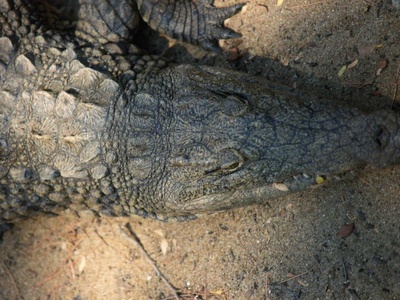
Nile crocodile
Large apex predator inhabiting rivers and lakeshores, ambushing prey at the water’s edge. Nile crocodiles are common in major waterways; boat trips allow safe viewing of basking individuals and occasionally night-time eyeshine.
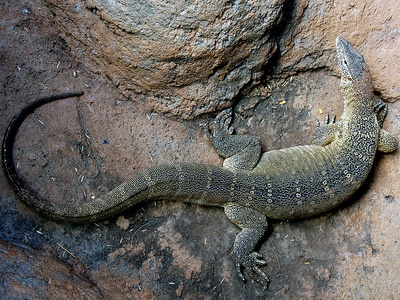
Nile monitor
Large aquatic lizard often seen sunning on banks or swimming. Nile monitors scavenge and hunt crustaceans, fish, and small vertebrates; they are bold and adaptable near water and fishing camps.
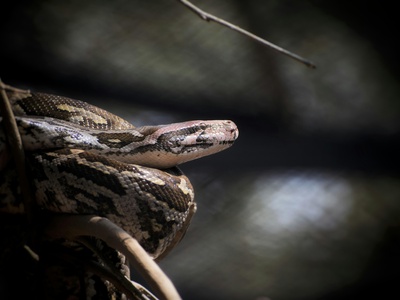
African rock python
Massive constrictor preferring rocky outcrops and dense riverine vegetation. Largely nocturnal, rock pythons ambush mammals and birds; sightings are rare but they persist in remote woodlands and highland gorges.
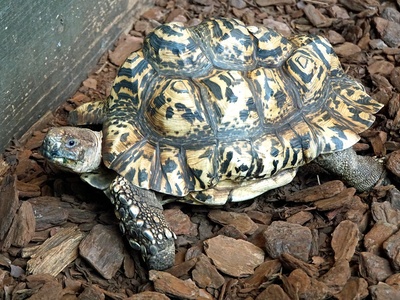
Leopard tortoise
Large, domed tortoise with striking patterned shell, grazing on grasses and succulents. Leopard tortoises move slowly across open plains and are often seen basking or crossing dirt tracks in protected areas.
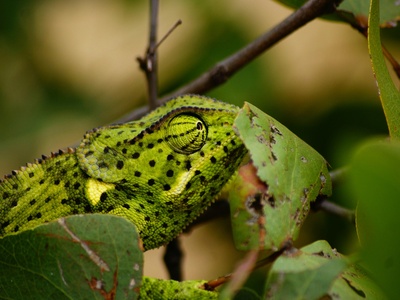
Flap-necked chameleon
A widespread, adaptable chameleon perched in shrubs and low trees. Known for color change and independent eye movement, they ambush insects; easy to spot during daylight in bushy habitats and forest edges.
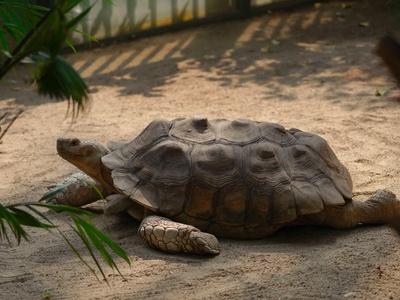
African helmeted turtle
Freshwater turtle favoring shallow bays, vegetated pools, and swamps. Helmeted turtles are omnivorous and often surface to bask; they’re common in sheltered inlets and slow-moving waterways.
Puff adder
Heavily built venomous viper that relies on camouflage and ambush hunting. Puff adders occur widely across habitats; they are nocturnal in hot seasons and pose a risk if startled, so watch where you step in tall grass.
African bullfrog
Enormous, burrowing frog that aestivates in dry seasons and emerges to feed voraciously. Males guard tadpoles aggressively in temporary pools; their explosive breeding in rains makes them a memorable feature of floodplain wetlands.
Common reed frog
Small, colorful arboreal frog of reedbeds and marshes with distinctive calls. Reed frogs breed in vegetation over water; their chorus is especially loud on warm, wet evenings along lake shores and wetlands.
Puddle frog
Tiny terrestrial frog found in temporary pools and wet grasslands. Often abundant after rains, puddle frogs are important prey for birds and fishes and are indicators of healthy seasonal wetlands.
Common toad
Widespread, hardy toad that tolerates disturbed habitats and breeds in ponds and slow streams. Common toads emerge in rainy seasons to call and lay eggs, and are a frequent nocturnal amphibian in rural and protected areas.
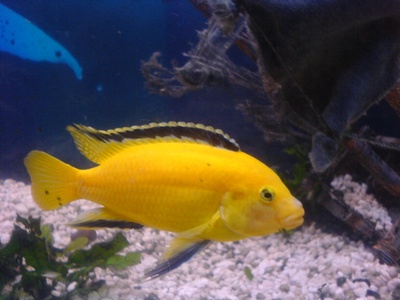
Electric yellow
A vivid yellow mbuna cichlid endemic to rocky shores of Lake Malawi. Popular with aquarists, it forms territorial males on rock crevices; snorkelling and diving at rocky bays reveal colorful, highly localized populations.
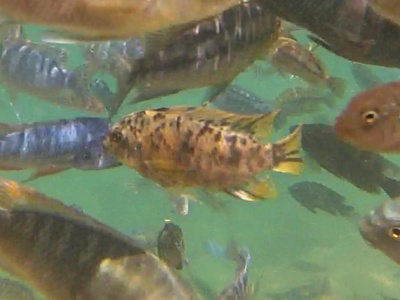
Utaka cichlid
A midwater “utaka” cichlid schooling in open lake water at dusk and dawn. Important in local fisheries and popular with divers, these fish feed on zooplankton and show shimmering silvery-blue hues.
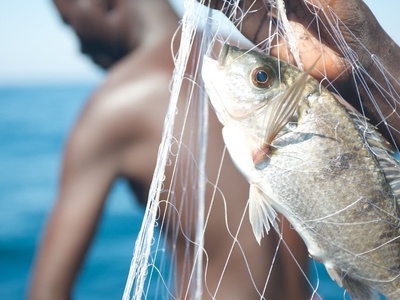
Chambo
A native tilapia (locally “chambo”) prized by fishers and diners. Chambo are ecologically and economically important in Lake Malawi, occupying rocky and sandy habitats; overfishing concerns have made their status a conservation focus.
Tigerfish
A fierce predatory freshwater fish with dagger-like teeth, famous for spectacular fights on rods. Tigerfish hunt by speed and power; anglers seek them on rivers and open lake waters where they patrol shoals of smaller fish.
Sharptooth catfish
Large, hardy catfish that breathes air and tolerates low oxygen. Often abundant in rivers and lakes, it feeds on fish, crustaceans, and detritus; common in local catches and visible from boats near riverbanks.
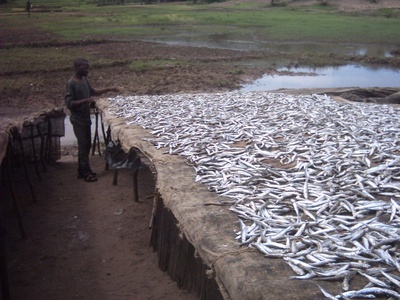
Lake sardine (Usipa)
Small schooling sardine of Lake Malawi that forms huge shoals, vital to local fisheries and birdlife. Usipa are smoked and dried for markets; their seasonal concentrations attract birds and larger predatory fish.
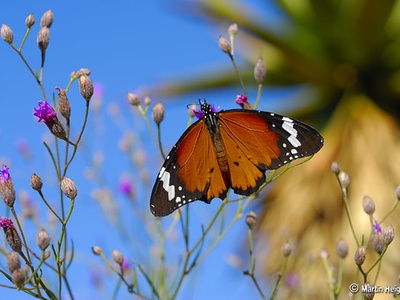
African monarch
Common, orange-and-black butterfly that feeds on milkweeds as a caterpillar and is a frequent sight in gardens, savannas and disturbed areas. Its migration and toxic chemistry make it a favourite for casual butterfly watchers.
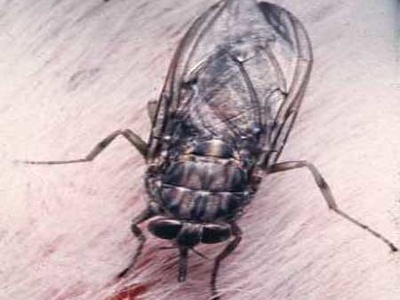
Tsetse fly
Blood-feeding fly native to woodland and savanna that transmits trypanosomes causing sleeping sickness in animals. Tsetse influence where livestock can graze and historically shaped settlement and wildlife patterns; sightings common near protected, undisturbed bush.
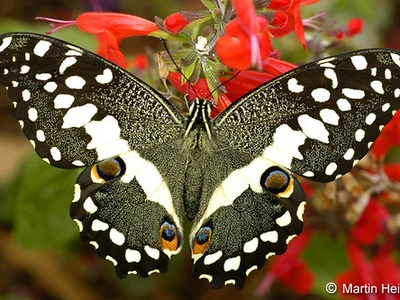
Citrus swallowtail
Large, graceful swallowtail butterfly commonly seen near citrus and forest edges. Caterpillars feed on citrus and related plants; adults are frequent at flowers and provide colourful, easy-to-see butterfly encounters across Malawi.