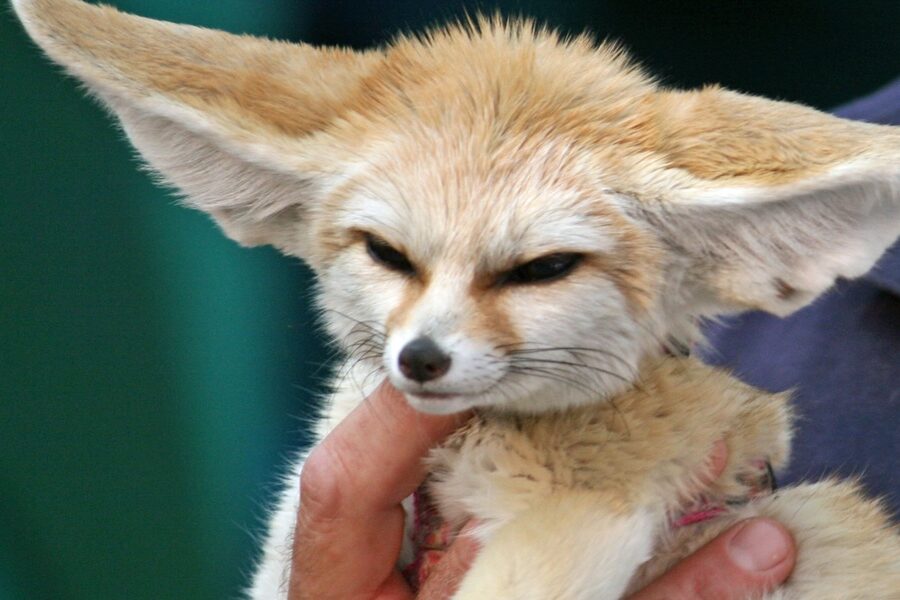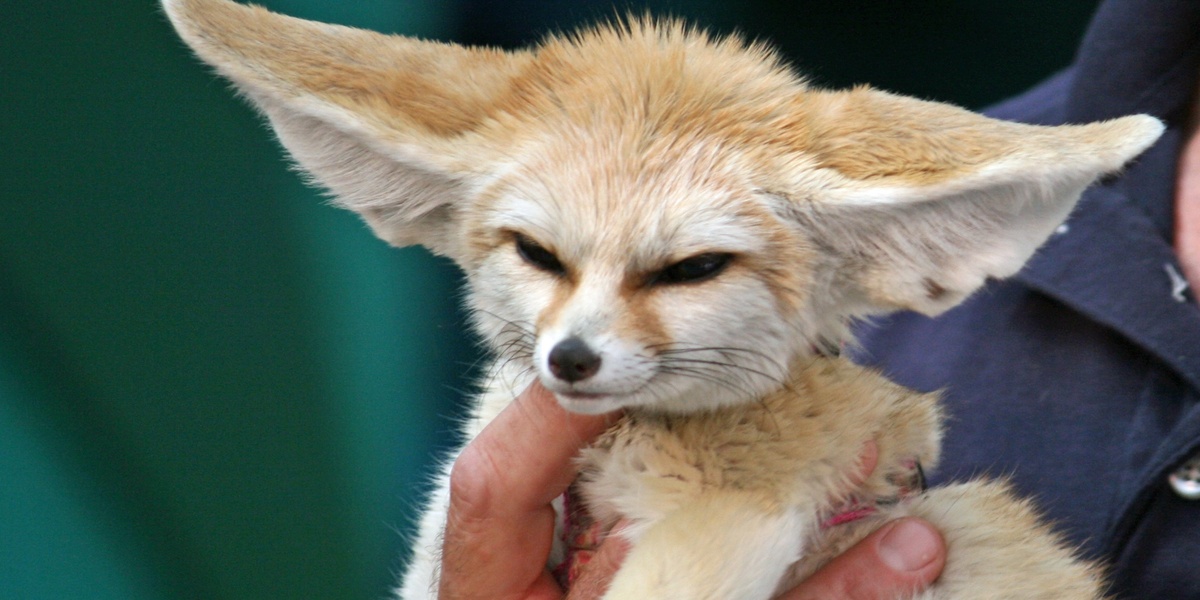
With ears that can reach roughly 15 cm (about 6 inches) and weighing less than 1.6 kg (under 3.5 lb), the fennec fox packs remarkable desert survival into a pocket-sized canid. Picture a sandy silhouette at dusk on a Saharan dune, ears tuned to the slightest scrape beneath the sand as a warm wind flattens ripples behind it.
Below are 10 key characteristics of a fennec fox (Vulpes zerda) that explain how its anatomy, behavior, diet, and life history combine to thrive in arid North Africa. The list groups traits into four parts—physical adaptations; behavior and habitat use; diet and physiology; and social life, reproduction, and conservation—and links each trait to survival or human interactions. For measurement and status references see National Geographic, the IUCN Red List, and species accounts at institutions such as the Smithsonian National Zoo.
Physical adaptations
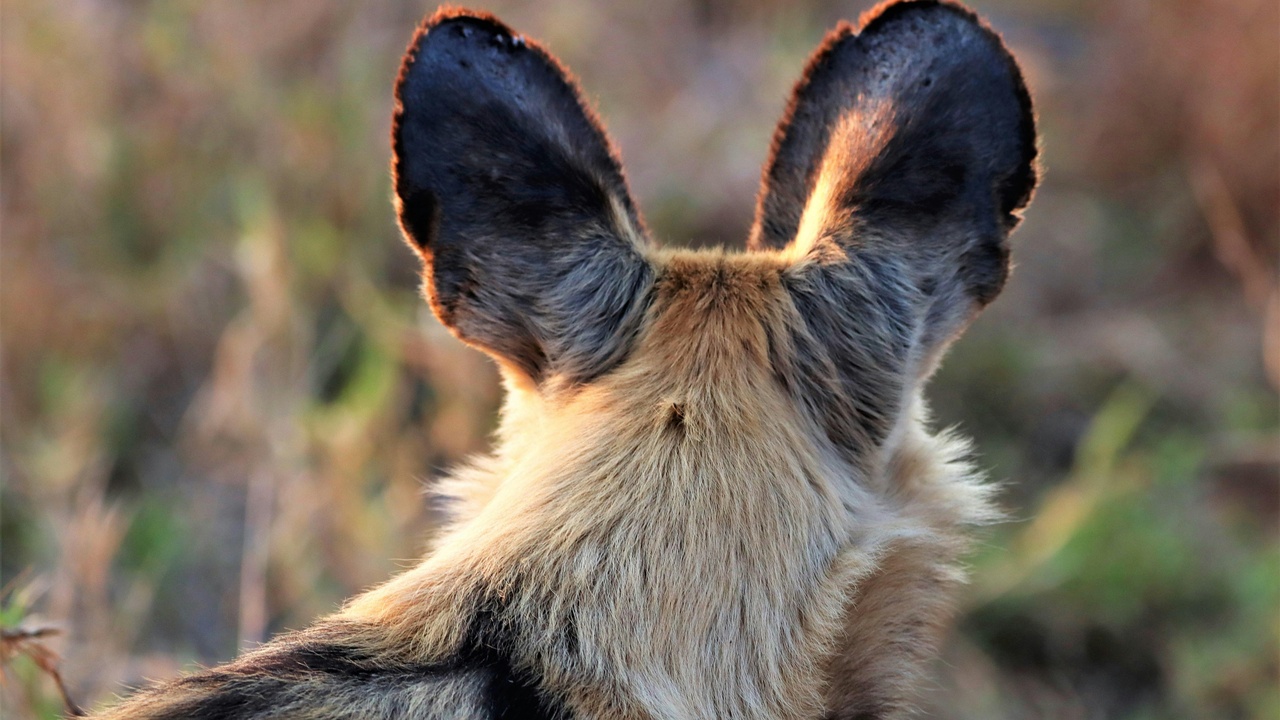
This category covers external traits that reduce heat stress, aid hunting, and provide camouflage in the Sahara and nearby deserts. Three numbered characteristics follow, with measurements and comparisons to other small canids where helpful.
1. Enormous ears that serve hearing and heat control
The fennec’s ears commonly measure about 15 cm (6 in) from base to tip, proportionally enormous for a mammal weighing roughly 0.7–1.6 kg. That large surface area and rich blood supply let the animal shed excess heat by radiating warmth away from superficial vessels during warmer periods.
Those same ears provide exceptional auditory sensitivity, especially to low-frequency sounds traveling through sand, allowing the fox to detect fossorial prey such as rodents or beetles moving below the surface. Field observations report quick prick-and-pounce hunts after pinpointing subterranean movement (see National Geographic and zoo ethograms).
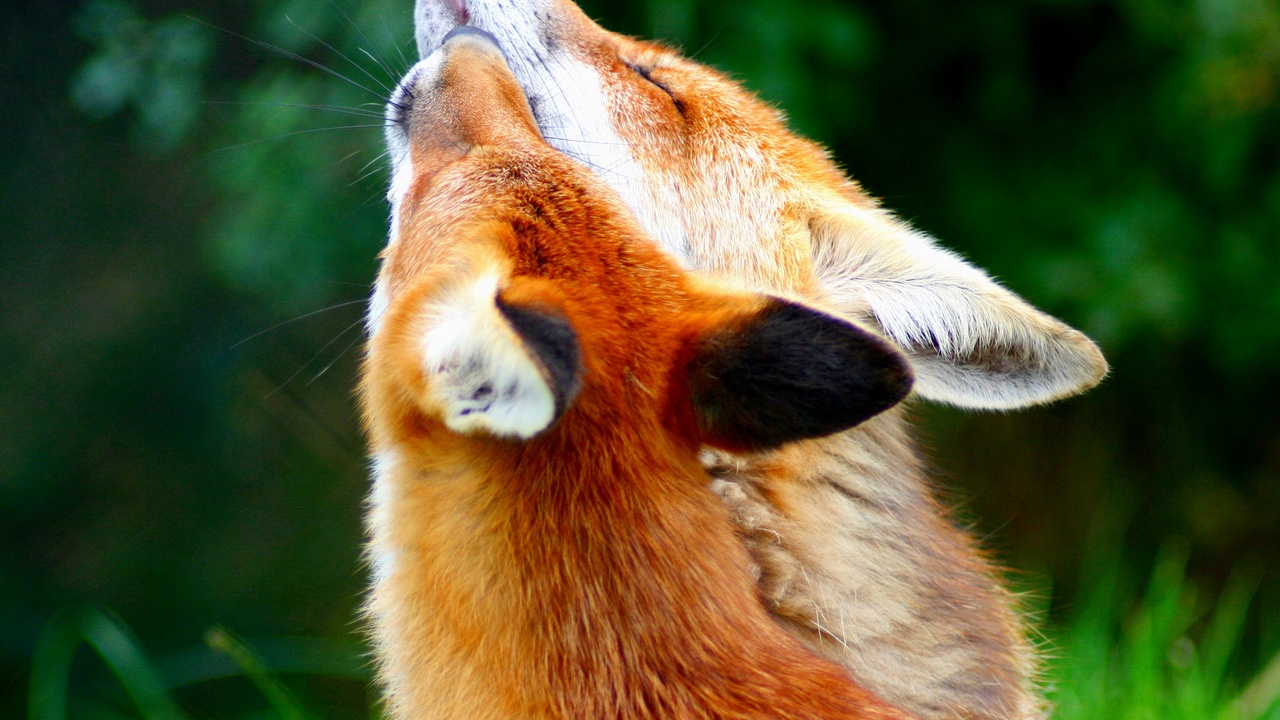
In contrast to a red fox, whose ears are smaller relative to body size, the fennec’s auditory and thermoregulatory roles are tightly linked—serving both survival in daytime heat and nocturnal prey capture.
2. Thick, pale coat for insulation and camouflage
Fennec foxes have a dense, sandy-colored pelage that reflects sunlight and blends with dune environments. The back and flanks are a pale tan while the underfur is softer and denser, providing insulation during cold desert nights when temperatures can drop sharply.
By day the pale coat reduces absorbed radiant heat; by night the insulating underfur helps retain metabolic warmth. Photographs from Saharan populations in Algeria and Morocco and zoo species pages illustrate how coloration and texture match local sands and vegetation, aiding concealment from predators and humans.
The coloration pattern differs from more temperate canids, where darker pelage may aid thermoregulation in cooler climates rather than reflecting intense desert sun.
3. Hairy footpads and small body built for hot sand and quick movement
Hair grows between the pads of the feet, creating natural insulation from hot sand and increasing traction on loose surfaces. That adaptation reduces conductive heat transfer from substrate while helping the fox move quietly across dunes.
Adults typically weigh about 0.7–1.6 kg and have compact bodies; head-and-body lengths are commonly reported in ranges around 24–41 cm with tails often 18–30 cm long. The small mass lowers overall heat load and improves agility during short bursts of pursuit.
Zoo species profiles (for example, the Smithsonian National Zoo and Chester Zoo) document these morphological traits and link them to locomotion and hunting efficiency.
Behavior and habitat use

Behavior completes the physical toolkit: timing activity to cooler periods, digging complex dens, and maintaining family groups all reduce thermal stress and predation risk. Three behavioral characteristics follow, each tied to survival and ecosystem role.
4. Strictly nocturnal and crepuscular habits to avoid daytime heat
Fennec foxes are primarily active after sunset and during dawn and twilight, when desert surface temperatures fall most sharply. Activity peaks at night align with foraging for insects and small mammals that are also nocturnal or crepuscular.
Nocturnal hunting not only reduces heat stress but also improves prey encounter rates; field reports from Saharan sites note many successful hunts occurring within the first few hours after sunset. Captive nocturnal exhibit notes echo these patterns, with increased locomotion and feeding at night.
5. Complex burrowing behavior and multi-chamber dens
Fennecs excavate extensive burrow systems with multiple entrances, tunnels, and chambers that create stable, cooler microclimates during the day. Dens protect pups, provide refuge from predators, and serve as temperature buffers against daytime extremes.
Natural-history reports describe systems that can include several interconnected chambers and entrances, sometimes extending a few meters beneath the surface. Den architecture influences territory use and can concentrate social interactions around a fixed home site.
Zoos and field studies record frequent den refurbishment and communal use by family groups, underscoring the den’s central role in reproduction and safety.
6. Social structure, vocalizations, and scent marking
Fennec foxes often live in family groups—usually a breeding pair and their offspring—and rely on vocal signals, body postures, and scent marks to communicate. Typical group sizes vary but commonly consist of the parental pair and up to several juveniles.
Documented calls include barks, yelps, and whines used for alarm and contact; scent-marking with urine and gland secretions delineates territorial boundaries. Captive studies and field observations show coordinated parental care that improves pup survival.
These social behaviors aid cooperative den defense and help maintain territories in fragmented habitats where resources are patchy.
Diet and physiological adaptations
Feeding strategy and internal physiology reduce reliance on scarce water and maximize energy intake from variable desert resources. Two characteristics—dietary flexibility and water efficiency—follow with examples from field and captive records.
7. Omnivorous, opportunistic diet: insects, small mammals, and plant matter
Fennec foxes eat a broad range of items: insects (beetles, termites, scorpions), sand rodents, small birds, eggs, and seasonal fruits or plant roots. This omnivory buffers them against seasonal shortages common in arid zones.
Feeding methods include active searching, listening for subterranean prey, and digging at suspected burrows. Field diet studies and captive feeding guidelines show flexibility—zoos often provide high-protein insect mixes, small rodents, and fruit to mimic wild intake.
Dietary plasticity allows fennecs to switch focus depending on availability, which is critical when insect populations or small-mammal densities fluctuate across seasons.
8. Water-efficient physiology: metabolic water and minimal reliance on free water
Fennec foxes derive much of their moisture from prey and plant material, producing metabolic water during digestion and reducing trips to scarce water sources. Wild animals are infrequently observed drinking, a pattern echoed in captive husbandry notes.
Physiological traits—including concentrated urine and behavioral reductions in water loss—help conserve body water. These adaptations permit home ranges that avoid permanent water sources and reduce competition with other species for scarce watering holes.
For institution guidance on hydration and husbandry, see zoo care pages such as the Smithsonian National Zoo.
Social life, reproduction, and conservation
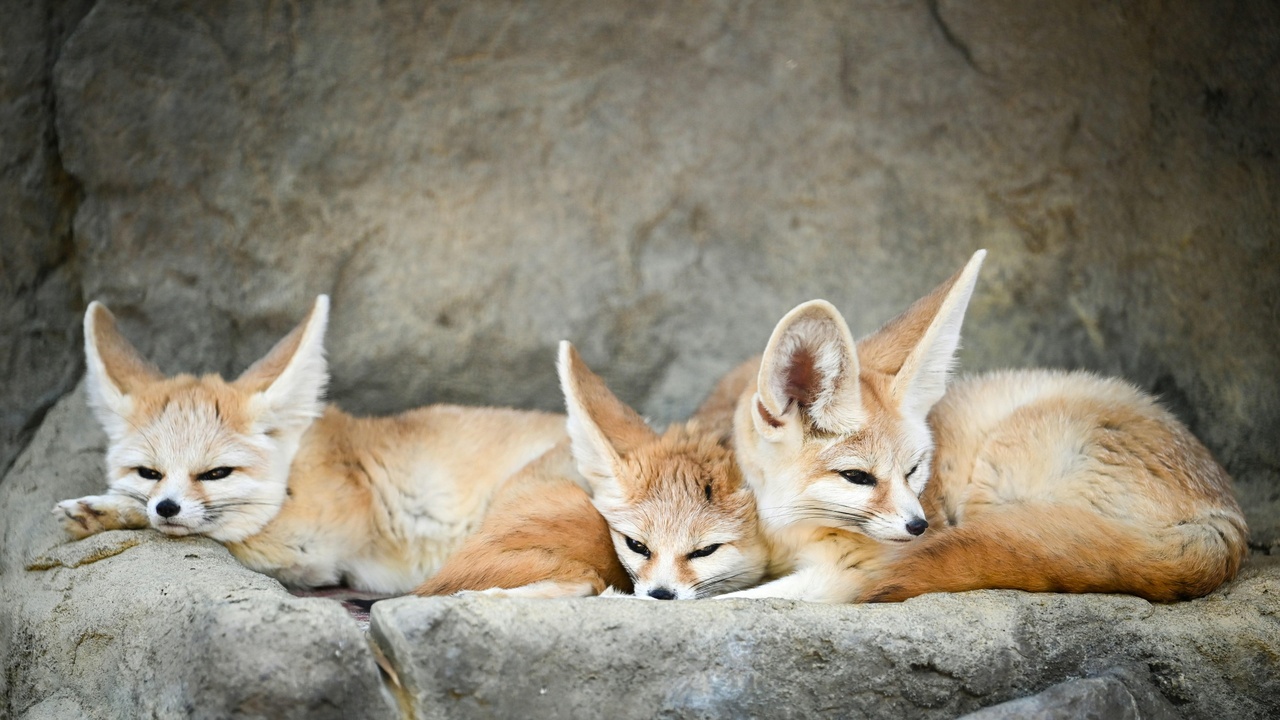
Life-history traits—reproduction timing, parental care, and interactions with people—shape population dynamics. Two final characteristics cover reproductive strategy and conservation status, with practical notes about the pet trade and captive programs.
9. Reproductive strategy and parental care
Fennecs are seasonal breeders with litters commonly numbering 2–5 pups. Gestation is about 50–52 days, and pups remain in the den for several weeks while parents provision and guard them.
Both parents frequently participate in care, and emergence timing often coincides with periods of higher food availability to improve juvenile survival. Captive-breeding records at accredited zoos document similar litter sizes and demonstrate how managed programs can support conservation and education.
In captivity, individuals may live into their second decade; reported lifespans reach roughly 10–14 years under good care.
10. Conservation status and interactions with people (pet trade, habitat pressures)
The IUCN currently lists the species as Least Concern across its range, but that broad category masks localized pressures such as habitat disturbance and capture for the pet trade. Check the IUCN Red List for the latest assessment and range notes.
Regulations on trade and ownership vary by country; some range states and importing nations restrict wild capture. Accredited zoos run captive-breeding and education programs that reduce demand for wild-caught animals and raise public awareness. Removing animals from the wild harms local populations, disrupts social groups, and often leads to poor outcomes for the animals.
Readers interested in supporting fennec conservation should consult reputable sources, support accredited zoo programs, and avoid purchasing wild-caught pets—check national laws and international rules such as CITES listings and local protections before considering ownership.
Summary
- The characteristics of a fennec fox tie oversized ears, light build, and pale fur to thermoregulation and acute nocturnal hunting.
- Behavioral traits—nocturnality, complex dens, and social bonds—minimize heat exposure and improve pup survival.
- Dietary flexibility (insects, small mammals, fruits) plus water-efficient physiology allow long intervals without free water and resilience in variable desert environments.
- Although listed as Least Concern by IUCN, localized threats from habitat change and the pet trade make support for accredited zoos and adherence to legal protections important.