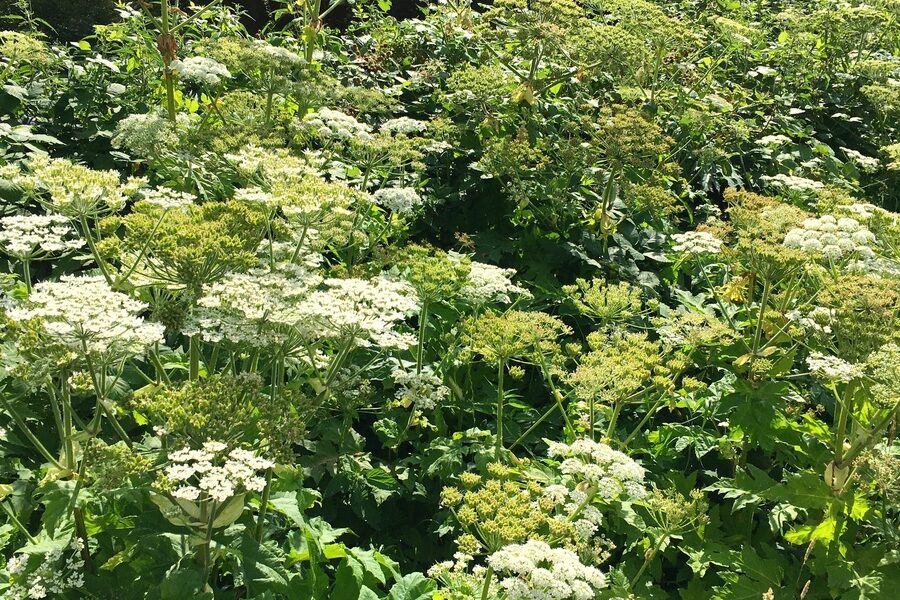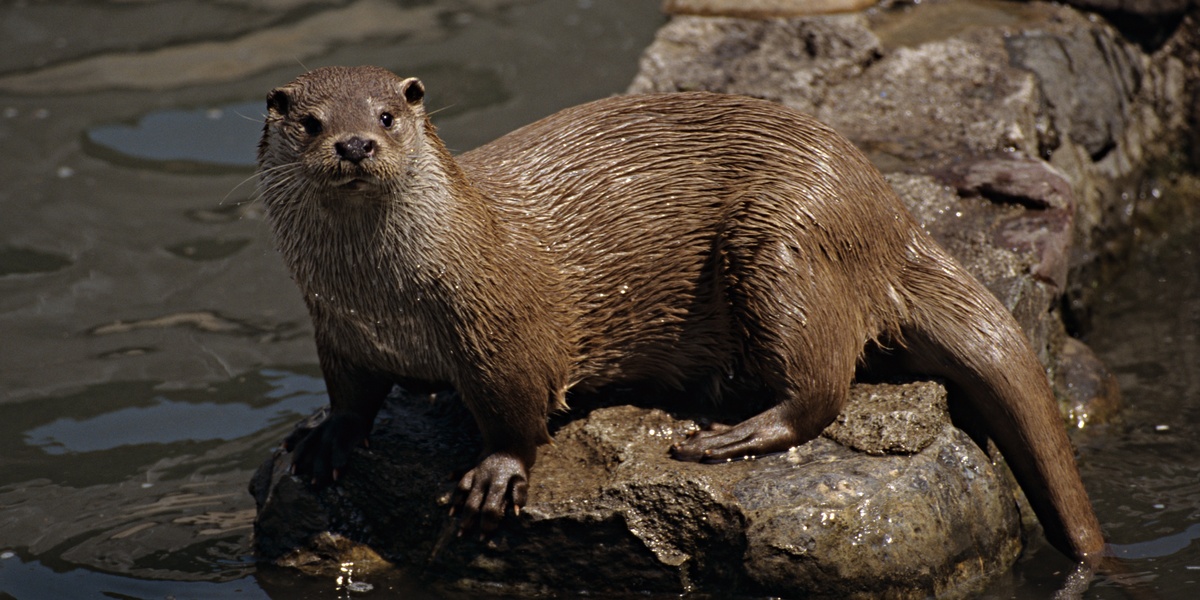
Azerbaijan’s mix of Caspian coastline, lowland plains and mountain ranges makes it both rich in native life and vulnerable to newcomers carried by trade, travel and changing climates. When non-native plants, animals or parasites establish here they can alter habitats, damage crops or harm pollinators.
There are 8 Invasive Species in Azerbaijan, ranging from Brown rat to Varroa mite. For each species, entries are organized by Scientific name,Native range,Introduction route & first record so you can quickly see origin, arrival pathways and first detections; examples like Brown rat and Varroa mite illustrate how different organisms affect people and ecosystems — you’ll find below.
How do invasive species like the Brown rat and Varroa mite affect Azerbaijan’s ecosystems?
Invasive animals such as the Brown rat compete with native species, spread disease and damage stored food, while parasites like the Varroa mite weaken honey bee colonies and reduce pollination services; together they can lower biodiversity, harm agriculture and increase management costs, so early detection and local monitoring are important.
What practical steps can residents and visitors take to prevent new invasions?
Avoid moving plants, soil, firewood or untreated wood, clean hiking and fishing gear, inspect and quarantine beehives or equipment, secure cargo and report unusual sightings to local environmental or agricultural authorities—simple biosecurity habits dramatically reduce the chance of new species becoming established.
Invasive Species in Azerbaijan
| Name | Scientific name | Native range | Introduction route & first record |
|---|---|---|---|
| Common ragweed | Ambrosia artemisiifolia | Eastern North America | Contaminated seed/grain; recorded mid‑20th century |
| Canadian goldenrod | Solidago canadensis | Eastern North America | Introduced as ornamental; recorded 20th century |
| Tree‑of‑heaven | Ailanthus altissima | China and Taiwan (East Asia) | Planted as ornamental/escaped; recorded early 20th century |
| Comb jelly (Caspian invasion) | Mnemiopsis leidyi | Western Atlantic coastal waters | Ballast water; first recorded in Caspian Sea 1999 |
| Colorado potato beetle | Leptinotarsa decemlineata | Central Mexico / North America | Spread with potato cultivation; recorded during Soviet period |
| Varroa mite | Varroa destructor | Originally Asian honey bees (Southeast Asia) | Spread with managed honey bees; recorded mid‑late 20th century |
| Brown rat | Rattus norvegicus | Northeast Asia (China/Mongolia region) | Commensal spread via ships and trade centuries ago |
| Gibel/Prussian carp | Carassius gibelio | East Asia | Introduced with aquaculture/stocking; recorded 20th century |
Images and Descriptions
Common ragweed
Annual weed established across lowland Azerbaijan; produces highly allergenic pollen, reduces crop yields and biodiversity, and invades roadsides and fallow fields. Found on Absheron, Kura plains and near transport corridors; managed by mowing, herbicides and monitoring.
Canadian goldenrod
Perennial plant forming dense monospecific stands that outcompete native meadow and riparian plants. Reported in lowland and disturbed habitats in Azerbaijan, notably around settlements and riverbanks; controlled by cutting, herbicide and restoration where applied.

Tree‑of‑heaven
Fast‑growing tree colonizing urban, roadside and disturbed sites. Displaces native vegetation, damages pavements and pipelines with aggressive roots, and re‑suckers prolifically. Widespread in Baku and other towns; controlled by felling and herbicide treatment.
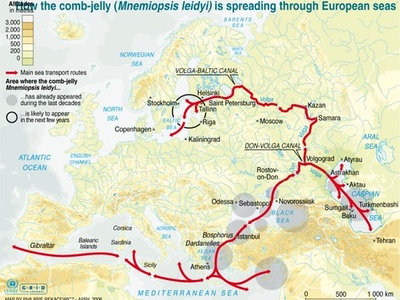
Comb jelly (Caspian invasion)
Non‑native ctenophore now established in the Caspian Sea along Azerbaijan’s coast. Consumes zooplankton and fish larvae, implicated in fishery declines and ecosystem shifts. Management options are limited; monitoring continues.
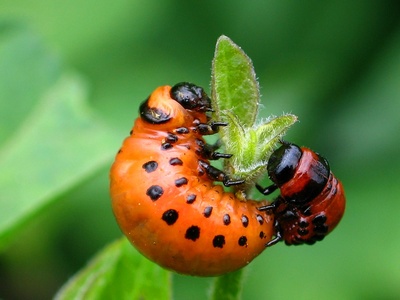
Colorado potato beetle
Highly destructive defoliator of potato and other solanaceous crops, causing major yield losses and increased pesticide use. Widespread in Azerbaijan’s agricultural regions; managed by integrated pest management and insecticides.
Varroa mite
Ectoparasitic mite of honey bees that weakens colonies, spreads viruses, and reduces pollination services. Established across Azerbaijani apiaries; beekeepers use acaricides, mechanical controls and breeding for tolerance.
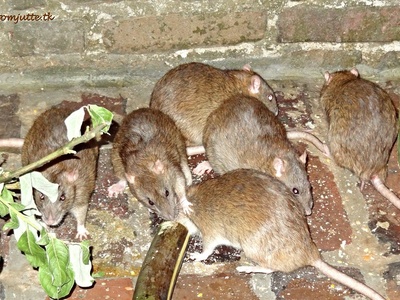
Brown rat
Cosmopolitan commensal rodent ubiquitous in urban and rural Azerbaijan. Causes stored‑product losses, infrastructure damage and transmits zoonotic diseases. Persistent in ports, farms and settlements; controlled by trapping, baiting and sanitation.
Gibel/Prussian carp
Invasive freshwater fish established in reservoirs and river systems. Competes with native fish, alters benthic communities and can reduce water quality. Present in Kura basin and reservoirs; control is difficult, focused on fisheries management.