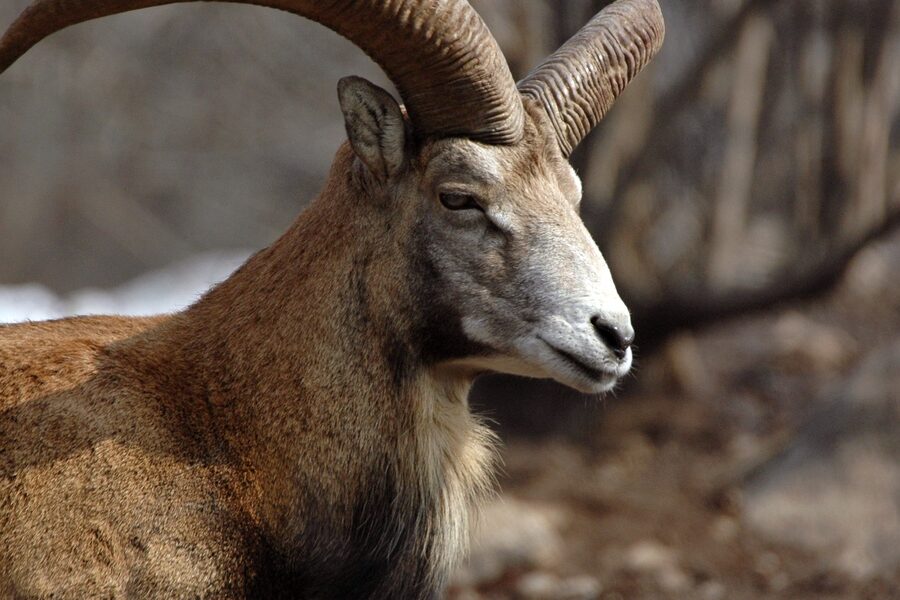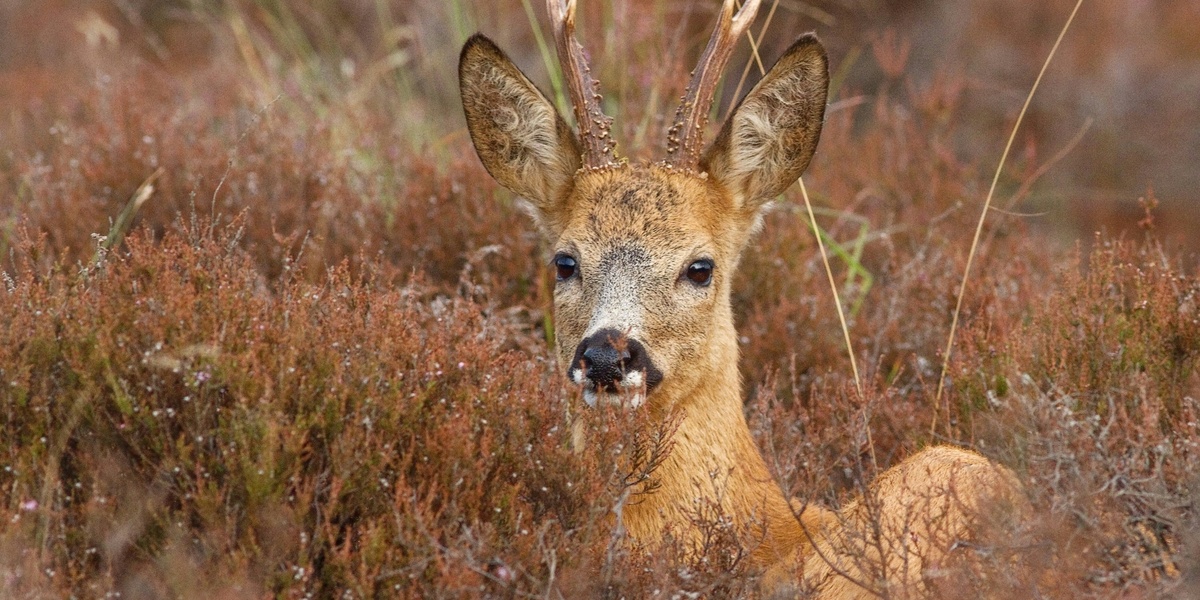
No animal species are known to occur only in Luxembourg.
Understand that political borders do not make biological boundaries. Luxembourg is small and sits in the middle of western Europe. Most animals here have ranges that cross into Belgium, France, and Germany. Endemic species usually evolve where populations are isolated for long times — on islands, in high mountain ranges, in isolated lakes, or in deep cave systems. Luxembourg lacks the kind of long-term geographic isolation that produces species found nowhere else.
Note the technical reasons behind this empty result. Modern databases and reference lists (for example, national red lists, GBIF, and IUCN) show no strictly endemic animal species tied only to Luxembourg. Taxonomy and range mapping also matter: many organisms once thought local are later recorded across borders, and new species descriptions usually come from well-isolated places. Close alternatives do exist: endemic subspecies or local genetic variants, species that are nearly restricted to the Greater Region (the Ardennes, Müllerthal or “Little Switzerland,” and Moselle valleys), and habitat specialists such as cave invertebrates, spring-restricted freshwater species, or forest-dependent mammals and bats that are rare or protected in Luxembourg.
Explore related categories that will interest readers. Look for endemic subspecies or populations, species that are regionally concentrated in the Ardennes and Müllerthal, and protected or rare animals that matter for conservation (local bat species, amphibians, riparian fish, and other habitat specialists). Visit local hotspots like Parc Naturel Haute-Sûre, the Müllerthal trail areas, and Moselle river habitats. Consult the Luxembourg Red List, national museum records, GBIF, and IUCN for verified range data and sources.