Saint Kitts and Nevis’s islands pack a lot of habitat into a small area, from coastal mangroves and beaches to upland forests and farmland. That limited space makes native plants and animals especially sensitive to newcomers that compete for resources, alter habitats, or bring disease.
There are 18 Invasive Species in Saint Kitts and Nevis, ranging from Australian pine, Yellow fever mosquito. For each entry we show key details organized as Scientific name,Status,Introduction pathway so you can see origins, current presence, and how they arrived; you’ll find these listings below.
How do invasive species impact local ecosystems and people?
They can displace native species, change habitat structure (for example, dense Australian pine stands shade out native understory), damage crops, and create public‑health risks like mosquito‑borne illness. Those ecological shifts also translate to economic costs for fisheries, tourism, and agriculture, and can make conservation of endemic species much harder.
What can residents and visitors do to help prevent their spread?
Simple actions—inspect and clean gear and boats, avoid planting known invasives, never release pets or aquarium species, and report sightings to local authorities—reduce new introductions and slow spread. Supporting native‑plant restoration and local biosecurity measures also makes a big difference.
Invasive Species in Saint Kitts and Nevis
| Name | Scientific name | Status | Introduction pathway |
|---|---|---|---|
| Black rat | Rattus rattus | Established | shipping |
| Brown rat | Rattus norvegicus | Established | shipping |
| House mouse | Mus musculus | Established | shipping |
| Small Indian mongoose | Urva auropunctata | Established | intentional |
| Feral cat | Felis catus | Established | pet trade |
| Feral dog | Canis familiaris | Established | pet trade |
| Feral goat | Capra hircus | Established | intentional |
| Feral pig | Sus scrofa | Established | intentional |
| Rock pigeon | Columba livia | Established | shipping |
| Green iguana | Iguana iguana | Established | pet trade |
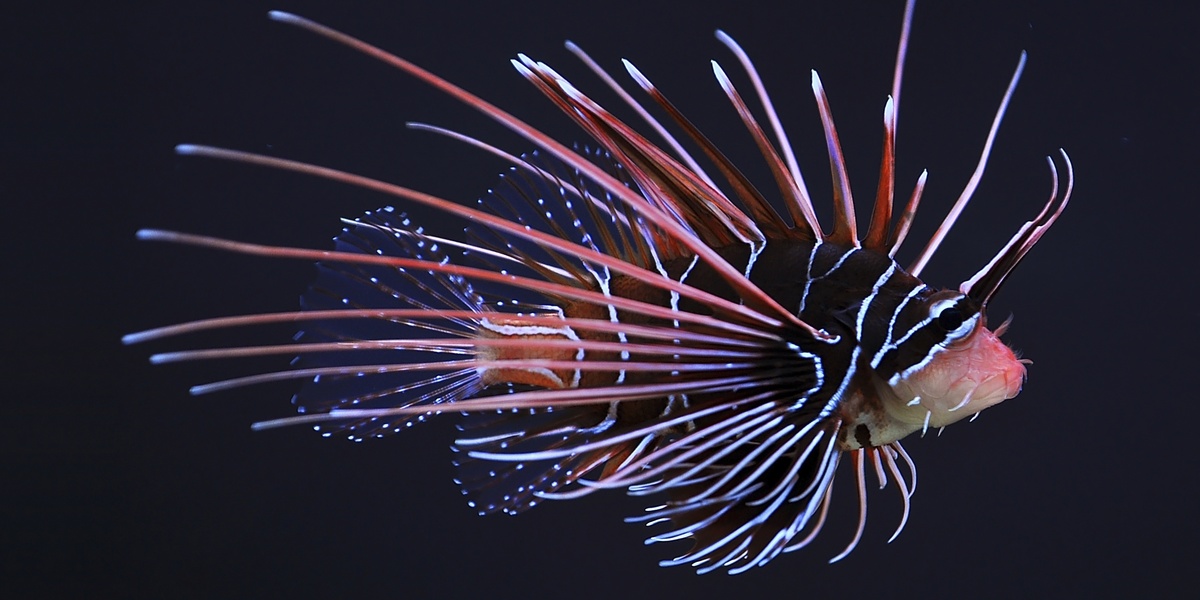
| Lionfish | Pterois volitans | Established | pet trade |
| Yellow fever mosquito | Aedes aegypti | Established | accidental |
| Lantana | Lantana camara | Established | horticulture |
| Leucaena | Leucaena leucocephala | Established | horticulture |
| Australian pine | Casuarina equisetifolia | Established | horticulture |
| Coral vine | Antigonon leptopus | Established | horticulture |
| Brazilian pepper | Schinus terebinthifolia | Established | horticulture |
| Fountain grass | Pennisetum setaceum | Established | horticulture |
Images and Descriptions

Black rat
Black rats are widespread around ports, homes and farms on St Kitts & Nevis. They damage crops, raid stored food, eat seabird eggs and spread disease. Local control relies on trapping, baiting and improved biosecurity but eradication is challenging.
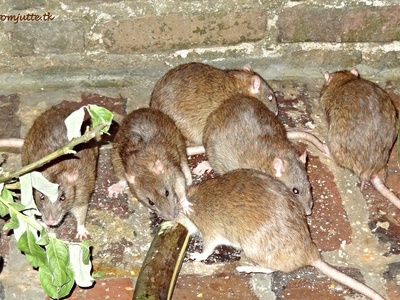
Brown rat
Brown rats occur in urban areas, sewers and ports on both islands. They damage infrastructure, prey on poultry and compete with native fauna. Management uses trapping and poisoning; ongoing monitoring is needed to limit agricultural and public‑health impacts.
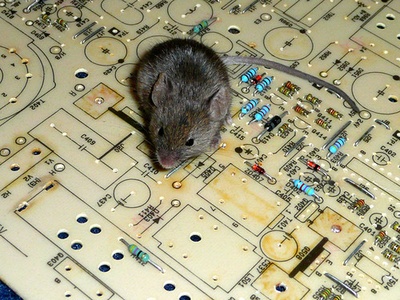
House mouse
House mice are common in buildings, farms and boats, where they spoil food stores and transmit parasites. They are usually controlled by improved sanitation, traps and targeted baiting but remain persistent in human settlements and warehouses.
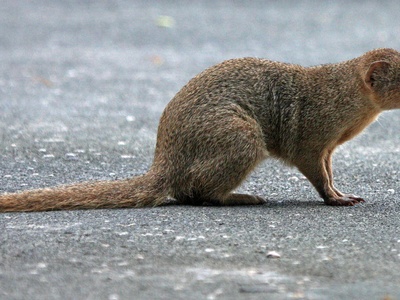
Small Indian mongoose
Introduced historically to control rodent pests in sugarcane, the mongoose now preys on ground‑nesting birds, reptiles and small mammals. It has contributed to declines of native species; control is difficult and involves targeted trapping and public awareness.
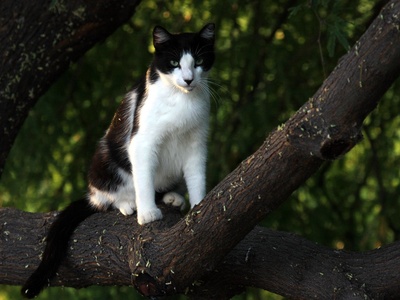
Feral cat
Free‑roaming and feral cats are widespread in villages and countryside, preying heavily on native birds, lizards and small mammals. Local efforts focus on trap‑neuter‑release, removal in sensitive areas and public education to reduce impacts on wildlife.
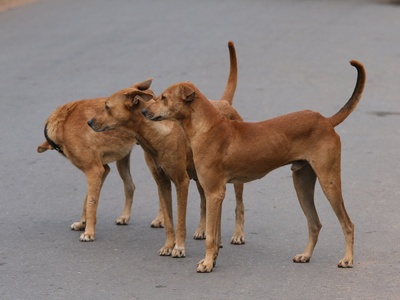
Feral dog
Free‑roaming dogs on St Kitts & Nevis harass livestock, attack wildlife and disturb nesting birds. Management combines community responsible‑ownership programs, fencing and targeted removal to protect vulnerable species and human livelihoods.
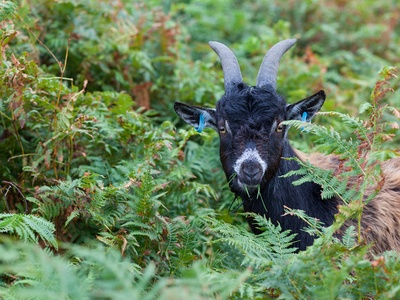
Feral goat
Goats introduced for agriculture have become feral in uplands and dry slopes, browsing native vegetation and driving soil erosion. Their grazing suppresses forest regeneration; control usually involves fencing, managed culls and pastoral management to reduce habitat damage.
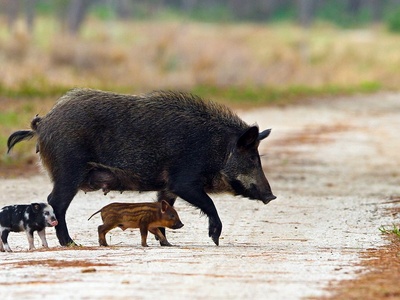
Feral pig
Feral pigs root soils, spread seeds of invasive plants and predate ground‑nesting birds and invertebrates. Found in forest edges and agricultural land, they are controlled by hunting, trapping and fencing to limit ecological and crop impacts.
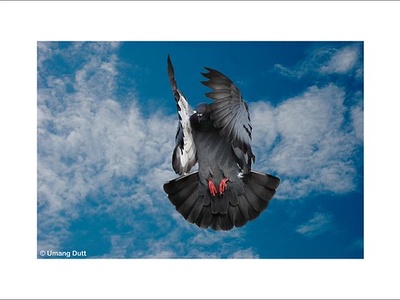
Rock pigeon
Rock pigeons are common in towns and ports where droppings degrade buildings and harbor pathogens. They thrive around food sources and shipping infrastructure; control includes exclusion, habitat modification and humane population management.
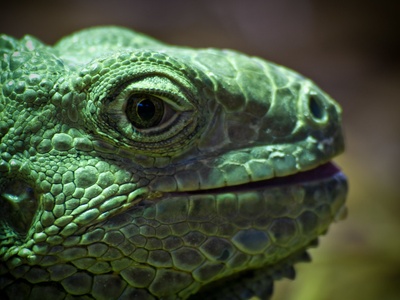
Green iguana
Green iguanas are established and often abundant around gardens, farms and coasts. They damage crops, compete with native reptiles and can undermine embankments. Management involves removal, public reporting and targeted culls where populations threaten people or native species.
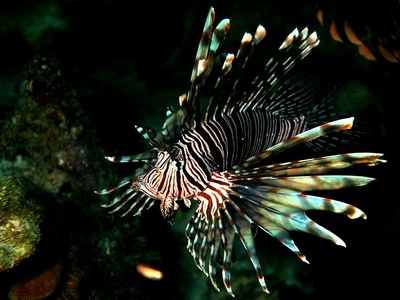
Lionfish
Lionfish are now common on reefs off St Kitts & Nevis, where they voraciously eat juvenile fish and invertebrates, reducing reef resilience and fisheries recruitment. Local responses include organized removals, spearfishing derbies and encouraging consumption of lionfish.
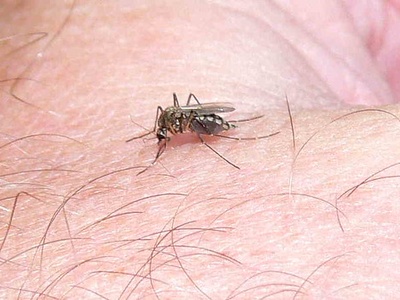
Yellow fever mosquito
Aedes aegypti breeds in household containers and is widespread in settlements, transmitting dengue, Zika and chikungunya. Control focuses on source reduction, larval control, insecticide spraying and community engagement to remove breeding sites.
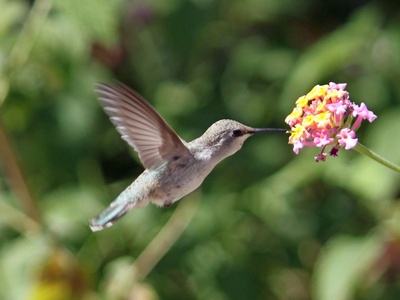
Lantana
Lantana invades roadsides, disturbed forest and dry scrub, forming dense thickets that outcompete native plants and hinder regeneration. It is toxic to livestock and hard to eradicate; control uses repeated cutting, herbicide application and restoration with natives.
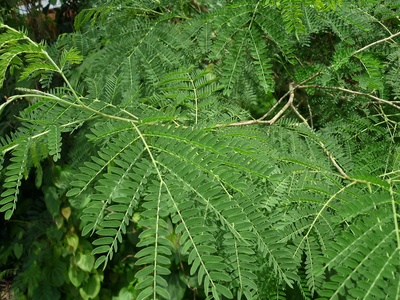
Leucaena
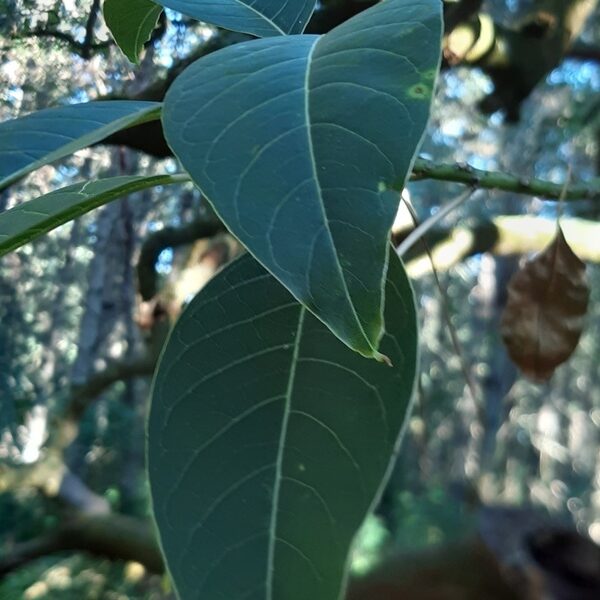
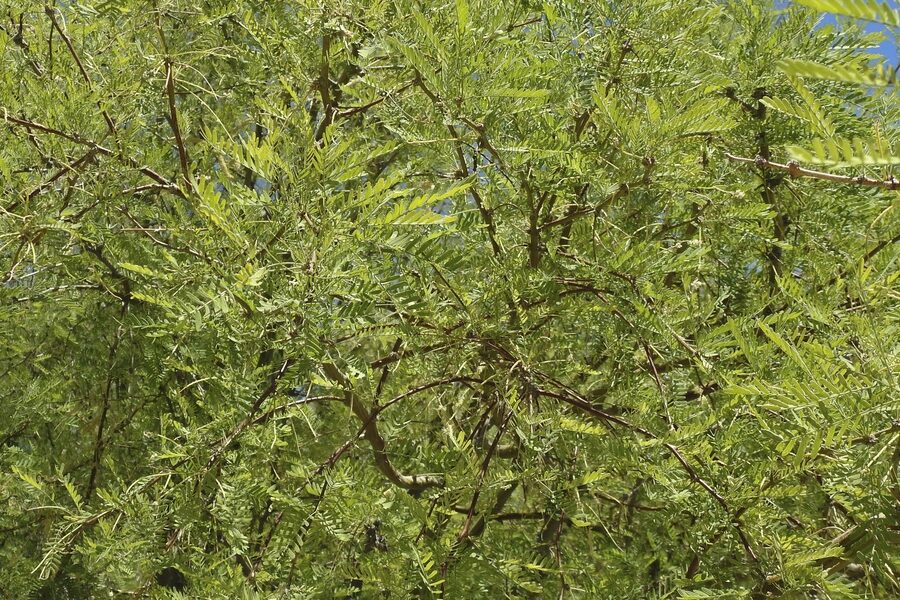
Leucaena, planted for forage and erosion control, forms dense stands on disturbed slopes and coastal areas, suppressing native seedlings and altering habitats. Management requires cutting, herbicide and long‑term restoration to prevent re‑establishment.
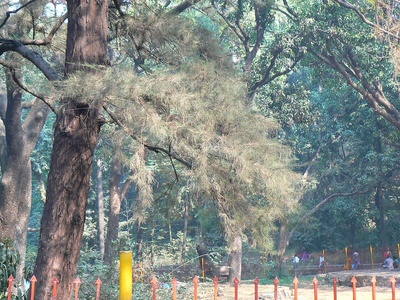
Australian pine
Casuarina was planted for windbreaks and coastal stabilization but now dominates some beaches and shoreline sites, displacing native coastal vegetation and altering sand movement. Removal and replanting with native species are recommended for shoreline restoration.
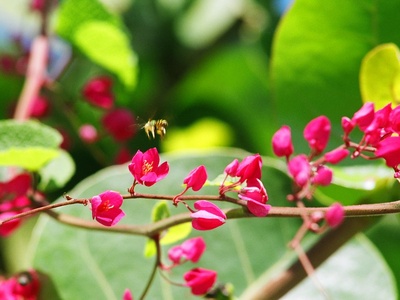
Coral vine
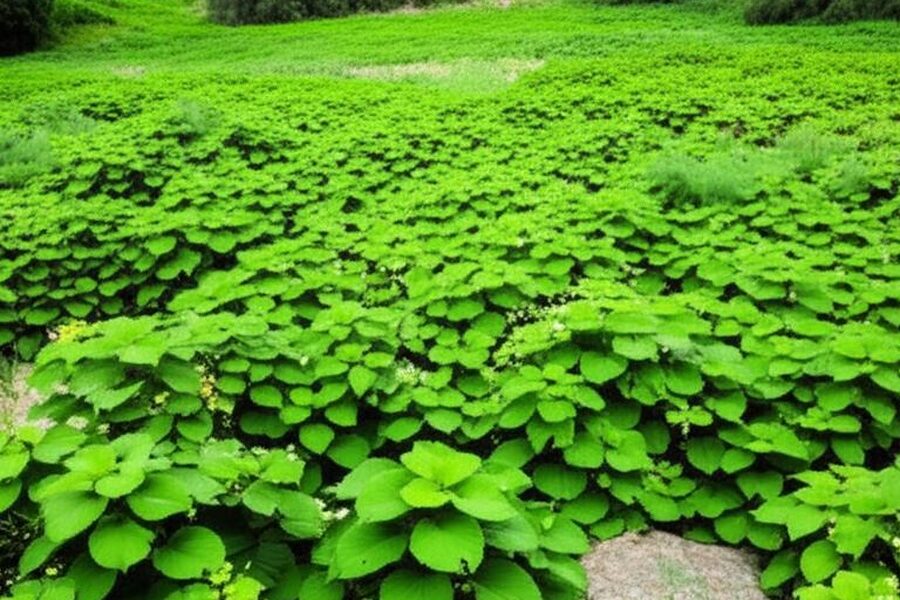
Coral vine is a popular ornamental that escapes to form dense, smothering mats over fences, shrubs and young trees. It shades out native plants and is difficult to remove; control combines cutting, root removal and herbicide for persistent infestations.
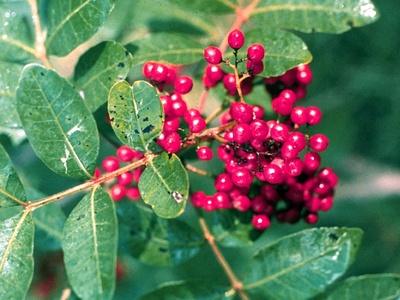
Brazilian pepper
Brazilian pepper invades coastal margins and disturbed habitats, forming dense thickets that displace native flora and alter habitat structure. Management involves mechanical removal and follow‑up herbicide treatments to prevent re‑sprouting.
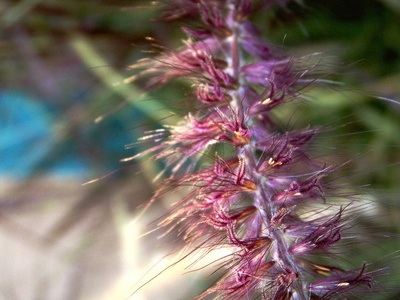
Fountain grass
Fountain grass colonizes roadsides, dry slopes and disturbed lots, creating continuous fuel loads that raise fire risk and compete with native species. Control focuses on removal before seeding, disposal of cut material and preventing further plantings.