Sierra Leone’s coastline, rivers and interior forests support a mix of freshwater, forest and savanna species that shape local ecosystems and livelihoods. From riverbanks to canopy, the country’s wildlife reflects those varied habitats and seasonal changes.
There are 41 Animals of Sierra Leone, ranging from African catfish to Yellow-casqued hornbill. For each species the entry shows Scientific name,Size (cm) / Weight (kg),Habitat / Range, and you can see the full list you’ll find below.
Where should I go in Sierra Leone to spot the most different animals?
Focus on habitat variety: coastal mangroves and estuaries for waterbirds and fish, rivers and wetlands for species like the African catfish, intact rainforests (for example Gola) for forest birds and primates, and savanna patches for larger mammals; visiting multiple habitat types increases the chances of seeing a wide cross-section.
Are the size and weight figures exact or estimates?
They’re typical ranges or average values drawn from field guides and databases; individual animals vary by age, sex and season, so use the Size (cm) / Weight (kg) as a comparative guide rather than an absolute measurement.
Animals of Sierra Leone
| Name | Scientific name | Size (cm) / Weight (kg) | Habitat / Range |
|---|---|---|---|
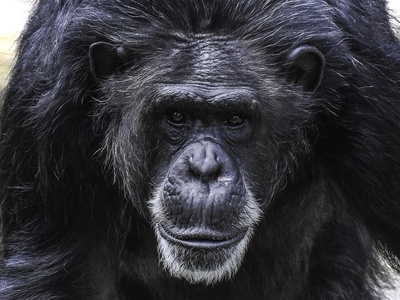
| Chimpanzee | Pan troglodytes | 90-160 cm / 40-60 kg | Primary forest; Gola Forest, Loma Mountains |
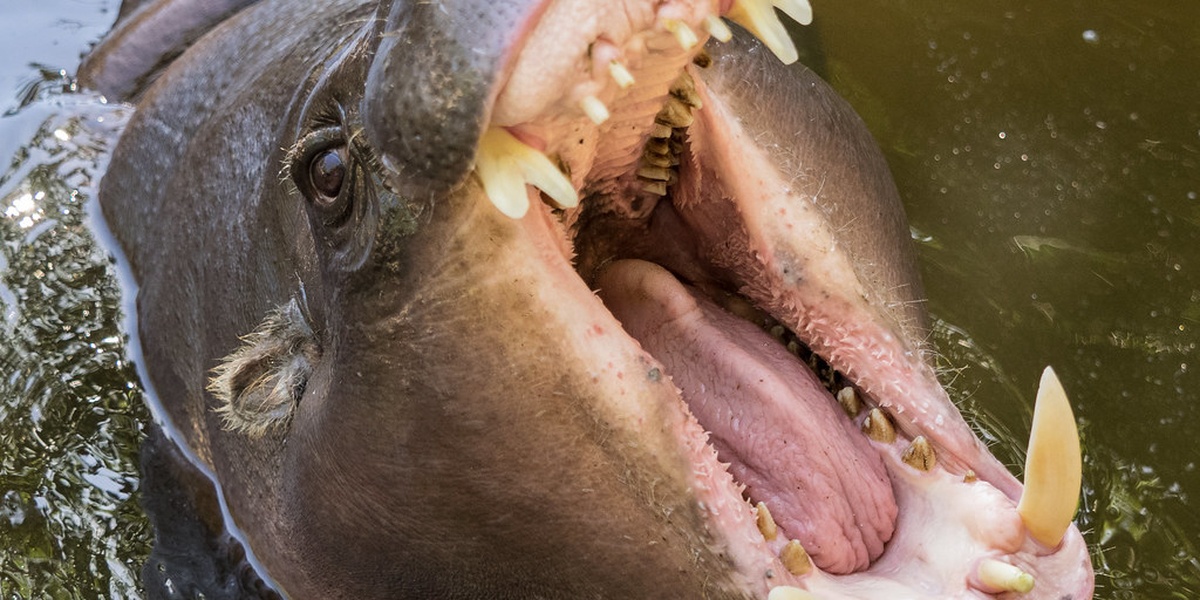
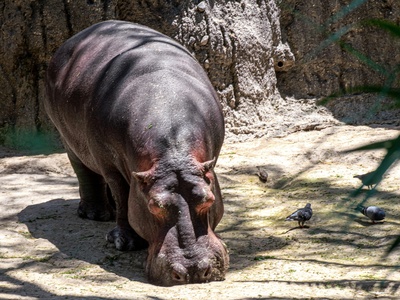
| Pygmy hippopotamus | Choeropsis liberiensis | 150-175 cm / 180-275 kg | Quiet rivers and forest wetlands; Gola, Western Area |
| West African manatee | Trichechus senegalensis | 250-300 cm / 300-450 kg | Coastal estuaries and rivers; coastal Sierra Leone rivers |
| Diana monkey | Cercopithecus diana | 40-55 cm / 4-7 kg | Lowland rainforest; Gola, Tiwai |
| Mona monkey | Cercopithecus mona | 40-60 cm / 3-6 kg | Forest edges and secondary forest; widespread |
| Western red colobus | Piliocolobus badius | 45-70 cm / 6-12 kg | Primary rainforest; Gola Forest and eastern reserves |
| Western black-and-white colobus | Colobus polykomos | 50-75 cm / 7-15 kg | Rainforest canopy; Gola, inland forests |
| African civet | Civettictis civetta | 60-100 cm / 7-20 kg | Forests and savanna; widespread including forest edge |
| African palm civet | Nandinia binotata | 40-60 cm / 1-3 kg | Forest canopy and plantations; Western Area forests |
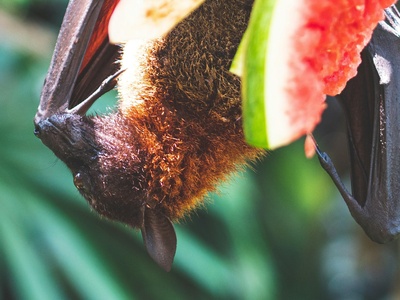
| Straw-coloured fruit bat | Eidolon helvum | Wingspan 80-110 cm / 0.6-1.2 kg | Woodland and urban roosts; Freetown and coastal colonies |
| Gambian pouched rat | Cricetomys gambianus | 35-50 cm including tail / 0.7-1.5 kg | Savanna, farms and forest edge; lowlands |
| Greater cane rat (grasscutter) | Thryonomys swinderianus | 50-60 cm / 3-5 kg | Wet grassland and marshes; widespread lowlands |
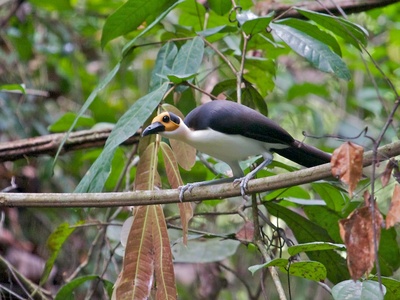
| White-necked rockfowl | Picathartes gymnocephalus | 30-35 cm / 0.2-0.4 kg | Rainforest boulder outcrops; Gola, Tiwai Island |
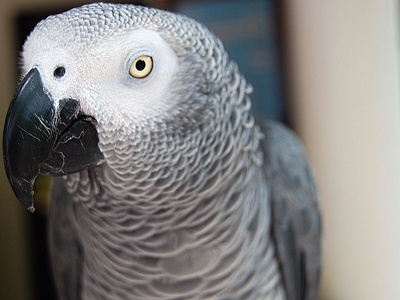
| African grey parrot | Psittacus erithacus | 33-38 cm / 0.4-0.6 kg | Mature rainforest; Gola and remnant forests |
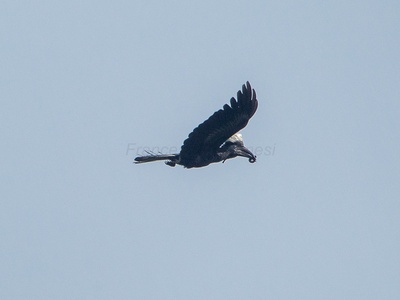
| Yellow-casqued hornbill | Ceratogymna elata | 70-80 cm / 1.0-1.5 kg | Lowland rainforest canopy; Gola Forest |
| Great blue turaco | Corythaeola cristata | 70-75 cm / 0.6-1.2 kg | Primary forest canopy; Gola and inland forests |
| Hooded vulture | Necrosyrtes monachus | 55-65 cm / 0.7-1.5 kg | Open areas and savanna near villages; coastal and inland |
| African fish eagle | Haliaeetus vocifer | 63-75 cm / 200-240 cm wingspan / 2-3 kg | Rivers, lakes and coasts; major waterways and estuaries |
| Pied kingfisher | Ceryle rudis | 25-29 cm / 0.2-0.3 kg | Rivers, estuaries and mangroves; coast and inland water |
| African pygmy kingfisher | Ispidina picta | 11-13 cm / 0.02-0.03 kg | Forest edges and small rivers; lowland forests |
| Helmeted guineafowl | Numida meleagris | 50-60 cm / 1.2-1.8 kg | Savanna, farmlands and open woodlands; widespread lowlands |
| African jacana | Actophilornis africanus | 23-35 cm / 0.1-0.3 kg | Wetlands, floating vegetation; inland lakes and marshes |
| Woodland kingfisher | Halcyon senegalensis | 20-23 cm / 0.05-0.1 kg | Woodland edges, gardens and towns; widespread |
| Grey-headed kingfisher | Halcyon leucocephala | 23-25 cm / 0.05-0.1 kg | Open woodland and riversides; lowland areas |
| Grey-headed bushshrike | Malaconotus blanchoti | 23-26 cm / 0.1-0.2 kg | Forest edge and gallery woodland; scattered |
| Nile monitor | Varanus niloticus | 150-200 cm / 8-20 kg | Rivers, swamps and mangroves; widespread watercourses |
| Ball python | Python regius | 90-120 cm / 1.5-3 kg | Savanna, forest edge and farms; widespread |
| African rock python | Python sebae | 250-350 cm / 30-90 kg | Rivers, forest edge and wetland margins; major rivers |
| Nile tilapia | Oreochromis niloticus | 25-50 cm / 0.5-5 kg | Rivers, lakes and reservoirs; lowland freshwater systems |
| African catfish | Clarias gariepinus | 60-100 cm / 3-20 kg | Rivers, swamps and reservoirs; throughout Sierra Leone |
| Leatherback turtle | Dermochelys coriacea | 120-180 cm / 250-700 kg | Open ocean and nesting beaches; Sierra Leone coast |
| Green turtle | Chelonia mydas | 80-120 cm / 80-150 kg | Coastal reefs and nesting beaches; western coast |
| Olive ridley turtle | Lepidochelys olivacea | 60-70 cm / 35-55 kg | Open ocean and nesting beaches; occasional nests on coast |
| Hawksbill turtle | Eretmochelys imbricata | 60-90 cm / 40-80 kg | Coral reefs, rocky coasts and nesting beaches; coastal waters |
| African common toad | Sclerophrys regularis | 8-15 cm / 0.1-0.4 kg | Wetlands, puddles and gardens; widespread lowlands |
| Plain tiger (African monarch) | Danaus chrysippus | Wingspan 7-8 cm / 0.0005 kg | Open areas, gardens and savanna; widespread |
| Citrus swallowtail | Papilio demodocus | Wingspan 10-12 cm / 0.0015 kg | Forest edges, gardens and orchards; widespread coastal to inland |
| Western honey bee | Apis mellifera | 1.2-1.6 cm / 0.0001 kg | Woodland, farms and villages; widespread feral and managed |
| Tsetse fly | Glossina palpalis | 0.7-1.0 cm / 0.000002 kg | Riverine forest and mangroves; river margins and gallery forests |
| Macrotermes termite | Macrotermes bellicosus | Workers 2-3 cm / 0.0001 kg | Savanna, farmland and woodlands; widespread mounds |
| West African manatee | Trichechus senegalensis | 250-300 cm / 300-450 kg | Coastal estuaries and rivers; coastal Sierra Leone rivers |
Images and Descriptions
Chimpanzee
Intelligent, social ape found in Sierra Leone’s remaining forests. Adults reach about 90–160 cm and weigh 40–60 kg. Look for troops in Gola Forest and Loma Mountains; populations are endangered from habitat loss and hunting, so sightings are rare and special.
Pygmy hippopotamus
Elusive, nocturnal relative of the hippo that prefers shaded forest streams. Adults are compact, 150–175 cm long and heavyset. Critically endangered, best chance to see them is in remote forest reserves like Gola and protected wetlands at dawn or dusk.
West African manatee
Gentle, slow-moving herbivorous marine mammal inhabiting rivers and estuaries. At 2.5–3 m and several hundred kilograms, manatees are vulnerable to boat strikes and hunting. Look in quiet river mouths and mangrove channels along the coast.
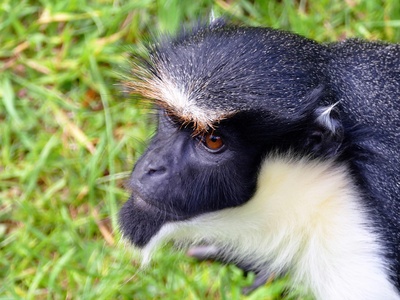
Diana monkey
Striking black, white and blue-faced monkey with a crest, common in intact rainforest. At 40–55 cm, Diana monkeys are agile canopy dwellers; listen for high-pitched calls in Gola Forest and Tiwai Island’s forested reserves.
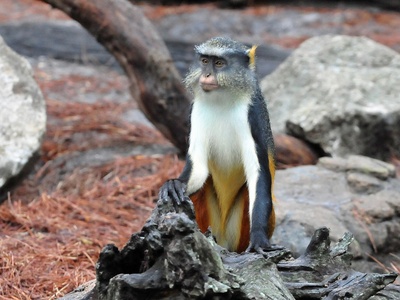
Mona monkey
Common West African monkey frequently seen at forest edges and farms. Mona monkeys are small, noisy and adaptable, often visible in groups. They’re easier to spot than deep-forest species, making them a familiar wildlife sight across Sierra Leone.

Western red colobus
Leaf-eating, arboreal monkey with a lengthy tail and reddish coat. Western red colobus live in tight social groups high in the canopy; populations have declined from logging and hunting, so encounters are a treat for visitors.
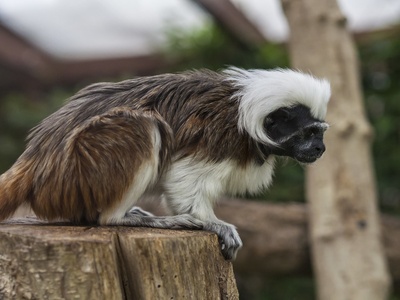
Western black-and-white colobus
Striking black-and-white colobus monkeys are noisy canopy specialists with long tails and complex social lives. They move through forest stands in groups; best seen in intact forest patches including Gola and hill forests.
African civet
Nocturnal, omnivorous mammal with banded fur and a musky scent historically prized in perfumery. African civets are shy, mainly nocturnal; sightings occur at night along forest edges and near water in rural areas.

African palm civet
Small nocturnal tree-dweller with a catlike face and ringed tail. Palm civets feed on fruit and insects and are often heard rather than seen; check fruiting trees at dusk in forested areas.
Straw-coloured fruit bat
Large, daytime-roosting fruit bat that forms huge communal colonies. Straw-coloured fruit bats migrate seasonally and can be seen in urban roosts like Freetown. They are important seed dispersers across the country.

Gambian pouched rat
Very large, nocturnal rodent with cheek pouches used for carrying food. Common in rural areas, Gambian pouched rats are omnivores and very adaptable; they are sometimes kept and trained but are normally wild and widespread.

Greater cane rat (grasscutter)
Chunky, herbivorous rodent prized as bushmeat across West Africa. Grasscutters are common in marshy areas and along river margins; they are secretive by day and feed at night on grasses and crops.
White-necked rockfowl
Strange, bare-headed rockfowl that nests on rock faces and in caves. With a bright bare face and unusual nesting habits, this species is a must-see for birders visiting forested boulder sites in Sierra Leone.
African grey parrot
Exceptionally intelligent, long-lived parrot native to mature forest. African greys are under heavy pressure from the pet trade; hearing their raucous calls in canopy fruiting trees is exciting for visitors.
Yellow-casqued hornbill
Large black hornbill with a distinctive yellow casque. Yellow-casqued hornbills are loud, frugivorous and important seed dispersers. They’re most often seen in pairs or small groups high in intact rainforest canopy.
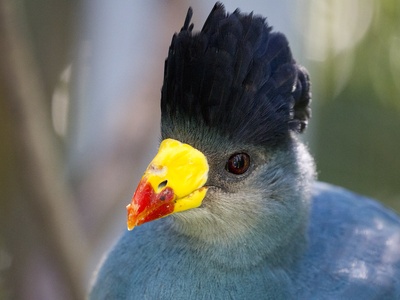
Great blue turaco
Impressive, bulky fruit-eating bird with deep blue and green plumage and a loud, raucous call. Great blue turacos move through primary forest canopy and are often located by their distinctive calls.
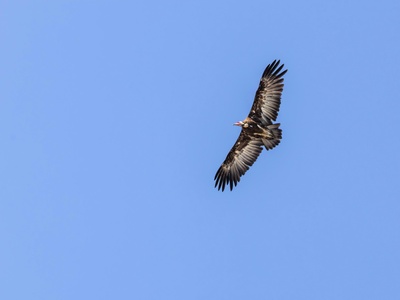
Hooded vulture
Small, slender vulture often seen around villages and carcasses. Hooded vultures are critically declining due to poisoning and trade; encountering them today is a reminder of conservation urgency.
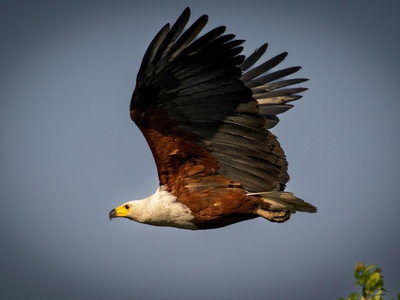
African fish eagle
Iconic white-headed raptor often seen perched above rivers or diving for fish. The African fish eagle’s distinctive call and fishing behavior make it a common, dramatic sight along Sierra Leone’s waterways.
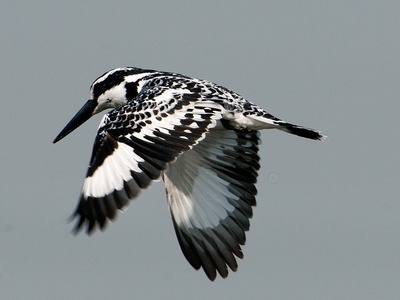
Pied kingfisher
Black-and-white hovering kingfisher that dives for fish. Pied kingfishers frequent estuaries, mangroves and freshwater bodies and are commonly seen hovering over shallow water before plunging for prey.
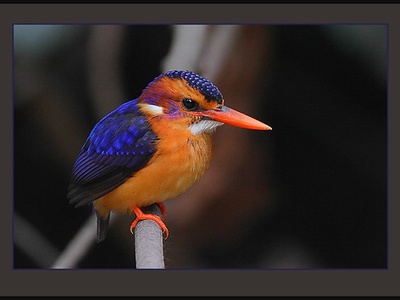
African pygmy kingfisher
Tiny, brilliantly colored kingfisher that hunts insects from low perches. Often found at forest edges and along small streams, they are more easily heard than closely observed.

Helmeted guineafowl
Gregarious ground bird that forms noisy flocks and scratches for seeds and insects. Helmeted guineafowl are common near villages and in open habitats and are readily seen during daytime foraging.

African jacana
Long-toed, slender waterbird that walks on floating vegetation with ease. African jacanas breed on lily pads and are a characteristic sight on Sierra Leone’s freshwater wetlands and slow-moving rivers.
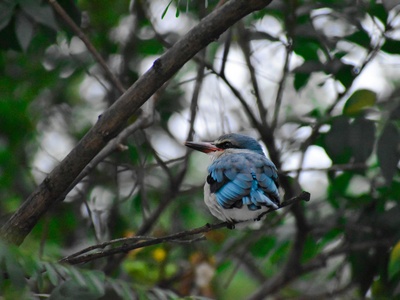
Woodland kingfisher
Bright blue kingfisher commonly found in open woodland and near water. Their loud, shrill calls announce their presence; they feed on insects and small vertebrates from perches.

Grey-headed kingfisher
Compact kingfisher with a grey head and red bill that hunts insects and small amphibians from low perches. More often seen in open habitats and along water margins than deep forest.
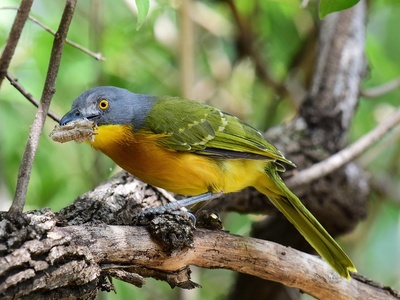
Grey-headed bushshrike
Chunky, secretive songbird with a loud, ringing call. The grey-headed bushshrike favors dense thickets and gallery forests; listen for its lamenting whistles rather than expect long views.
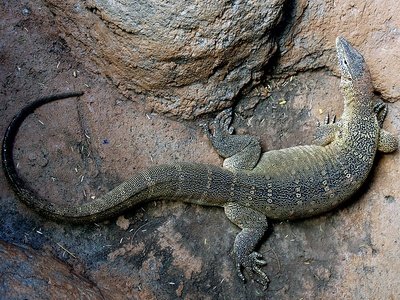
Nile monitor
Large semi-aquatic lizard often seen basking on riverbanks and in mangroves. Opportunistic predator that takes fish, birds and eggs; impressive but typically shy, capable swimmer and strong climber.
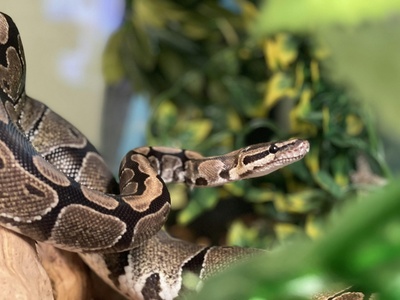
Ball python
Docile, terrestrial constrictor that prefers shelter in burrows and termite mounds. Ball pythons are common in West Africa and occasionally encountered near villages; they curl into a tight ball when threatened.
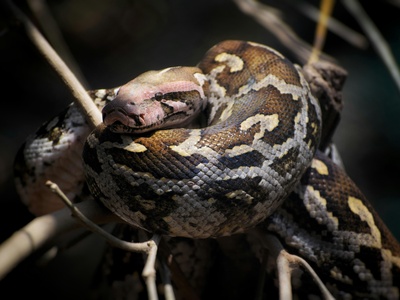
African rock python
Africa’s largest snake, an ambush predator that can take large prey. Rock pythons are secretive and rare near people but occur along major rivers and wetlands; observations are memorable and infrequent.
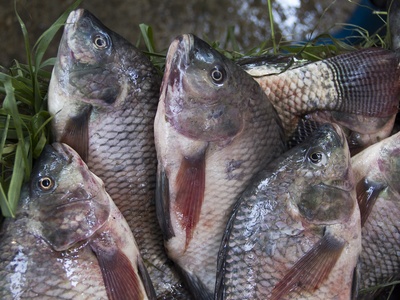
Nile tilapia
Widespread cichlid important for local fisheries and aquaculture. Nile tilapia are hardy, often abundant in rivers and ponds, and a common species for anglers and markets across Sierra Leone.
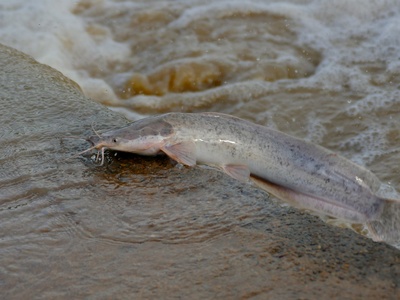
African catfish
Large, air-breathing catfish that tolerates low-oxygen water and fluctuating conditions. Valued for food, they inhabit many rivers and floodplain waters and are often active at night.
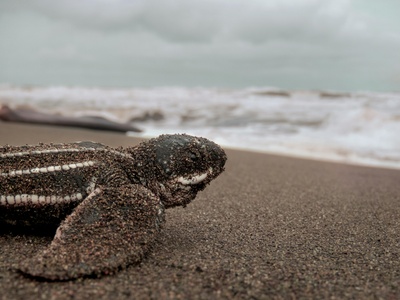
Leatherback turtle
The world’s largest sea turtle, leatherbacks migrate offshore but nest on Sierra Leone’s sandy beaches. Massive, deep-diving and strongly endangered, they are a marquee species for coastal conservation and night beach surveys.
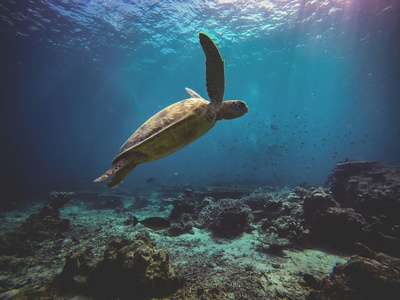
Green turtle
Large, primarily herbivorous sea turtle that uses coastal foraging grounds and nests on Sierra Leone’s beaches. Adults have a rounded shell and are important to coastal ecosystems; threatened by poaching and bycatch.
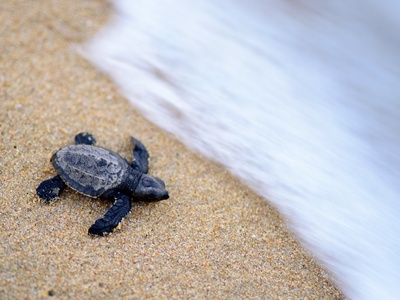
Olive ridley turtle
Small, fast-swimming sea turtle that sometimes nests on West African beaches. Olive ridleys are more common in offshore waters; occasional nesting occurs along Sierra Leone’s coast during migration seasons.
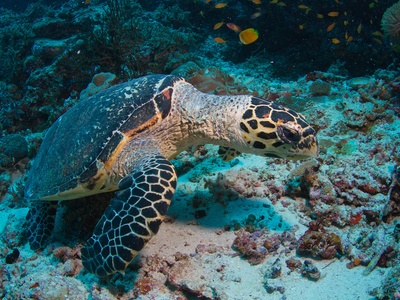
Hawksbill turtle
Beautifully patterned sea turtle that feeds mainly on sponges in coral and rocky reef areas. Critically endangered due to shell trade; best spotted while snorkeling coastal reefs or monitoring nesting beaches at night.
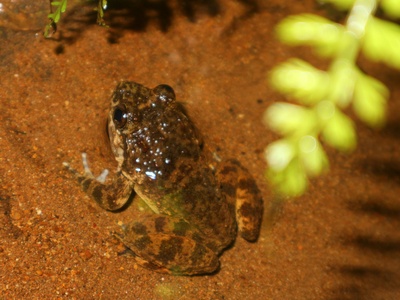
African common toad
Robust, adaptable toad commonly encountered near water and in human-altered habitats. African common toads are active after rains and breed explosively in temporary pools; easy to hear at night during the rainy season.

Plain tiger (African monarch)
Familiar orange-and-black butterfly often found in disturbed areas and gardens. The plain tiger is common, unpalatable to predators, and a migrant species; a colorful and easy-to-spot insect for casual observers.
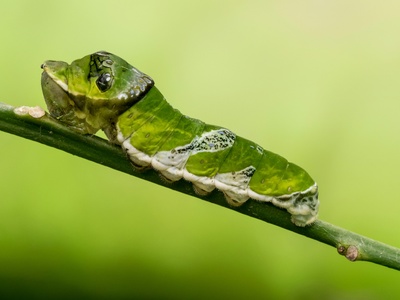
Citrus swallowtail
Attractive swallowtail butterfly whose caterpillars feed on citrus and related plants. Adults are strong fliers and commonly seen near gardens and forest edges; a favorite for butterfly watchers and gardeners alike.
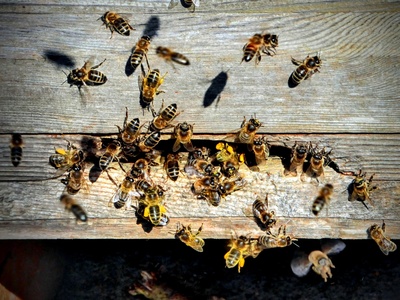
Western honey bee
Key pollinator species present both as managed hives and feral colonies. Western honey bees support crops and wild plants; look for foraging bees around flowers and small feral colonies in tree cavities.
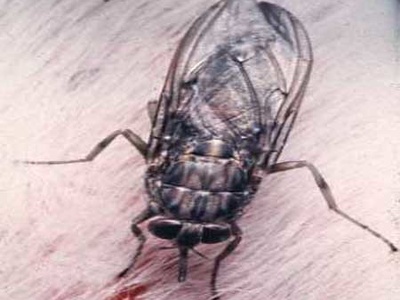
Tsetse fly
Blood-feeding fly associated with riverine forests that historically transmits trypanosomes to people and livestock. Small but important medically and ecologically; more common in thick vegetation along waterways.
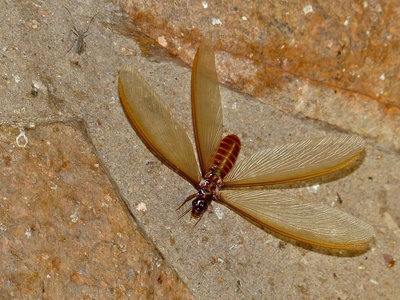
Macrotermes termite
Large mound-building termite that cultivates fungus gardens underground. Macrotermes are ecosystem engineers, shaping savanna soils and providing food for many wildlife species; their towering mounds are a common rural sight.
West African manatee
Gentle, slow-moving aquatic mammal found in coastal rivers and estuaries. Manatees graze on submerged vegetation, are vulnerable to hunting and boat strikes, and are a conservation priority in Sierra Leone’s river systems.