Pakistan’s varied landscapes — from the Himalayan foothills to southern plains and coastal scrub — support a wide mix of native and introduced trees that matter for ecology, livelihoods, and local culture. A quick, focused list helps you spot which species grow where and how tall they typically get.
There are 33 Trees of Pakistan, ranging from Almond to Wild olive. For each entry the data are organized as Scientific name,Region(s) in Pakistan,Height (m); you’ll find below.
How were the trees on this list chosen?
The selection focuses on species that are widespread, ecologically significant, or commonly referenced in regional guides and forestry records, so the list blends native and naturalized trees that readers are likely to encounter across Pakistan.
Can I use this list to identify trees in the field?
Yes — the Scientific name plus region and typical height give practical clues for identification, but for field use pair the list with photos or a local field guide to confirm leaf, bark, and fruit characteristics.
Trees of Pakistan
| Common name | Scientific name | Region(s) in Pakistan | Height (m) |
|---|---|---|---|
| Deodar | Cedrus deodara | GB,KPK,AJK | 40 |
| Chir pine | Pinus roxburghii | KPK,Punjab,AJK | 30 |
| Blue pine | Pinus wallichiana | GB,KPK,AJK | 30 |
| Himalayan spruce | Picea smithiana | GB,KPK,AJK | 35 |
| Juniper | Juniperus seravschanica | Balochistan,KPK,GB | 12 |
| Walnut | Juglans regia | GB,KPK,AJK,Punjab | 20 |
| Mulberry | Morus alba | Punjab,Sindh,KPK | 10 |
| Banyan | Ficus benghalensis | Punjab,Sindh | 20 |
| Peepal | Ficus religiosa | Punjab,Sindh,KPK | 20 |
| Neem | Azadirachta indica | Punjab,Sindh,Balochistan,KPK | 20 |
| Mango | Mangifera indica | Sindh,Punjab | 30 |
| Date palm | Phoenix dactylifera | Sindh,Balochistan | 20 |
| Olive | Olea europaea | Balochistan,KPK,Punjab | 10 |
| Wild olive | Olea ferruginea | KPK,Punjab,Sindh,Balochistan | 12 |
| Babul | Vachellia nilotica | Punjab,Sindh,Balochistan | 15 |
| Phulai | Vachellia modesta | KPK,Punjab | 10 |
| Mesquite | Prosopis juliflora | Sindh,Balochistan | 10 |
| River red gum | Eucalyptus camaldulensis | Punjab,Sindh,KPK | 35 |
| Casuarina | Casuarina equisetifolia | Sindh,Balochistan | 25 |
| Plane | Platanus orientalis | GB,AJK,Punjab | 30 |
| Euphrates poplar | Populus euphratica | Sindh,Punjab,Balochistan | 20 |
| Weeping willow | Salix babylonica | Punjab,AJK,KPK | 15 |
| Apricot | Prunus armeniaca | GB,KPK | 10 |
| Apple | Malus domestica | GB,KPK | 8 |
| Almond | Prunus dulcis | Balochistan,KPK | 8 |
| Pistachio | Pistacia vera | Balochistan,KPK | 8 |
| Moringa | Moringa oleifera | Punjab,Sindh | 10 |
| Jamun | Syzygium cumini | Sindh,Punjab | 20 |
| Jujube | Ziziphus mauritiana | Punjab,Sindh,Balochistan | 8 |
| Horse chestnut | Aesculus indica | GB,KPK,AJK | 20 |
| Himalayan birch | Betula utilis | GB,KPK | 20 |
| Himalayan alder | Alnus nitida | KPK,GB,AJK | 20 |
| Chilgoza pine | Pinus gerardiana | KPK,Balochistan | 15 |
Images and Descriptions
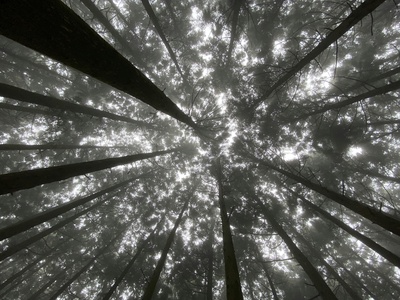
Deodar
Iconic Himalayan cedar with a straight trunk, drooping branchlets and fragrant wood. Grows high in moist mountain forests; valued for timber, ceremonial planting and erosion control. Native to northern Pakistan, often towering above other conifers.

Chir pine
Open-canopy pine with long needles and flaky red-brown bark, common on lower Himalayan slopes. Important for resin, firewood and pastoral grazing; forms large stands across northern and eastern Pakistan, tolerant of dry, rocky soils.

Blue pine
Soft-needled pine with graceful drooping branches and bluish foliage. Prefers higher, cooler slopes; valued for timber and scenic mountain forests. Native to northern Pakistan, it’s recognizable by long, slender needles and pendant cones.
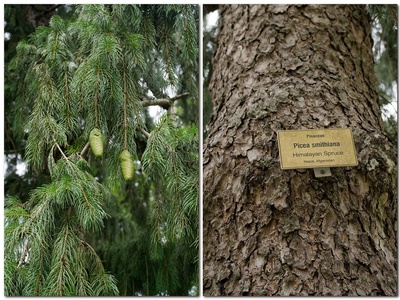
Himalayan spruce
Tall spruce with pendulous branchlets and soft, silvery-green needles forming dense montane stands. Grows in moist ravines and high valleys, providing good timber and shelter in Himalayas. Native and locally common in northern Pakistan.
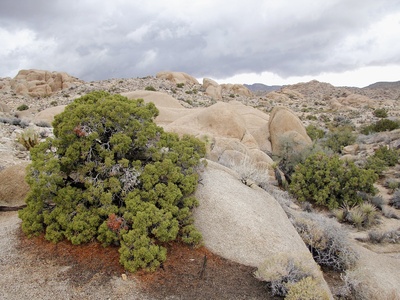
Juniper
Slow-growing evergreen with gnarled trunks and scale-like foliage forming ancient stands in dry highlands. Junipers protect soils, yield resin and occasional berries; famous in Ziarat forests of Balochistan and on high plateaus of western Pakistan.
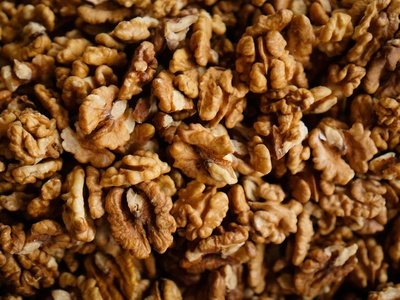
Walnut
Large deciduous tree with pinnate leaves and irregular crown; produces prized nuts and heavy timber. Common in northern orchards and wild stands, walnuts prefer cool mountain valleys and are important for local diets and woodcraft.
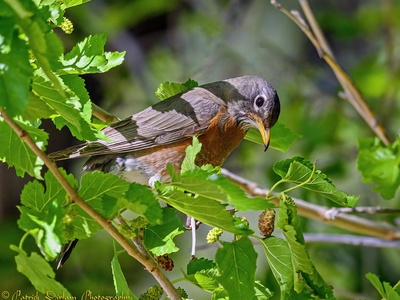
Mulberry
Fast-growing shade tree with lobed leaves and sweet edible fruit; vital historically for silk production and still common in villages and city streets. Tolerant of varied soils, mulberry supports livestock and folk medicine uses.
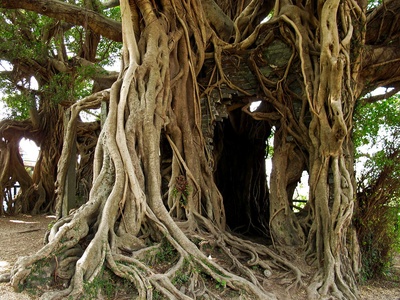
Banyan
Monumental fig with spreading canopy and aerial roots forming multiple trunks. Culturally sacred and village focal points, banyans provide dense shade, wildlife habitat and traditional medicines; established across lowland Pakistan in warm climates.
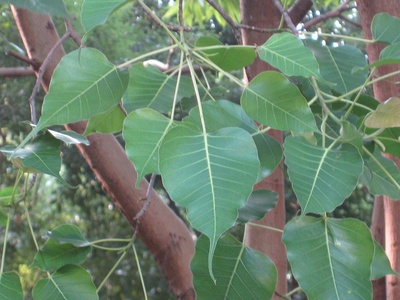
Peepal
Sacred fig with heart-shaped leaves and pronounced drip-tip; often planted near temples, shrines and roadsides. Peepal supports diverse wildlife, offers shade, and features prominently in folklore across Pakistan’s plains and riverine areas.
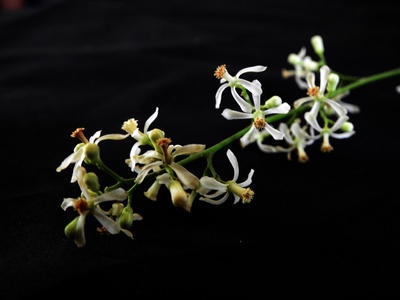
Neem
Fast-growing, drought-tolerant tree with pinnate leaves and bitter seeds; neem is prized for insecticidal, medicinal and timber uses. Widely planted across Pakistan for shade, roadside planting and traditional remedies, naturalized in many districts.

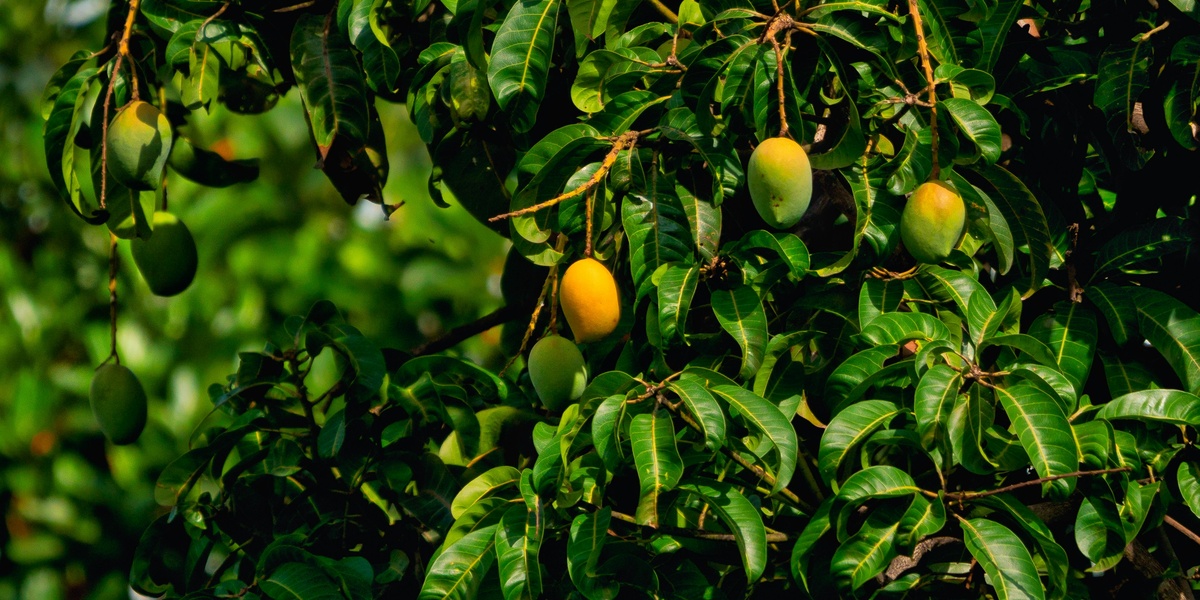
Mango
Tropical evergreen fruit tree with glossy leaves and sweet, juicy fruit. Mango orchards shape Sindh and Punjab landscapes; trees offer shade, timber and economic value. Cultivars dominate but species is widely naturalized in lowland Pakistan.
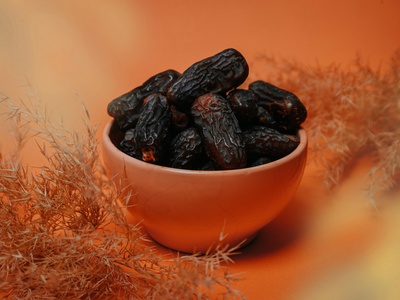
Date palm
Single-trunk palm with feathery fronds and clustered sweet fruits; central to Sindh and Balochistan oasis agriculture. Date palms tolerate saline soils, provide food, building materials and income, forming iconic groves along the Indus and desert oases.
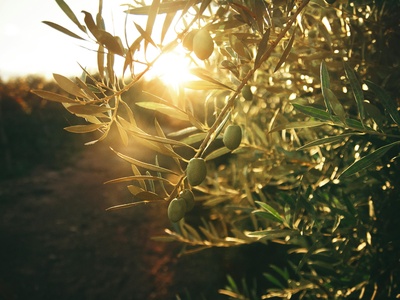
Olive
Mediterranean-origin tree grown in Pakistan’s dry hills for oil and fruit. Silvery evergreen foliage, small oval fruits and hardy nature make olives suitable for terraces and plantations; increasingly promoted in Balochistan and hilly districts.
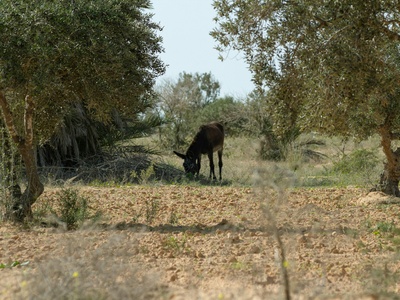
Wild olive
Native wild olive with leathery leaves and small black fruits; forms scrub and open woodland on dry slopes. Valued for durable timber, fuel and grazing shelter, this species is widespread across Pakistan’s arid and semi-arid zones.
Babul
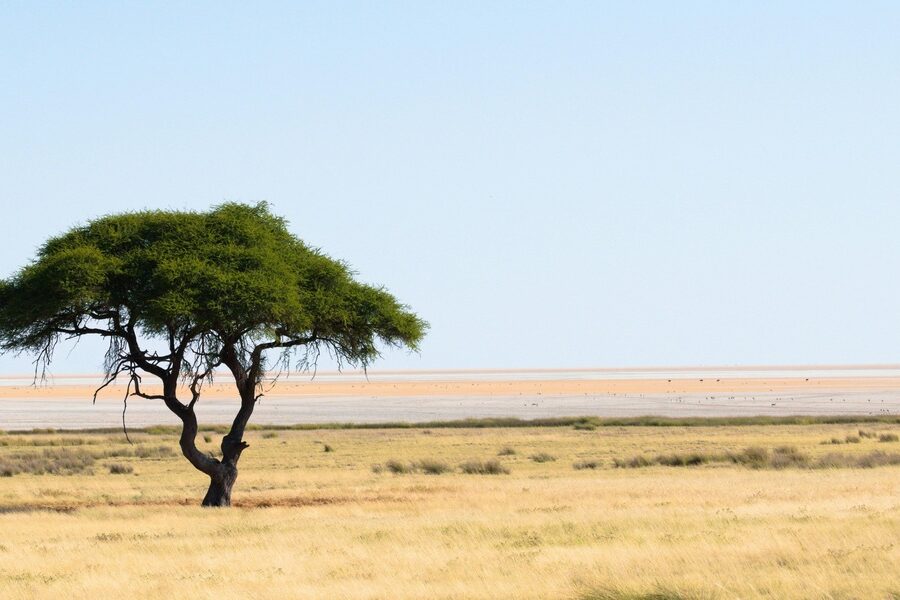
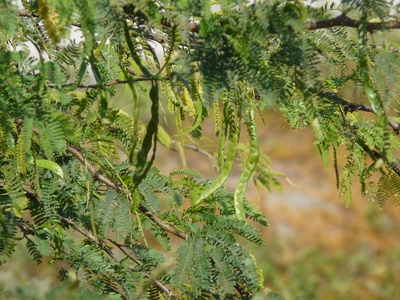
Spiny tree with rough bark, feathery bipinnate leaves and yellow puffball flowers. Widely used for charcoal, fuelwood, tannins and traditional medicine; common along riverbanks and plains of Punjab, Sindh and drier provinces.

Phulai
Compact thorny tree with pale pinnate leaves and creamy flower clusters; typical of submontane scrub and lower hills. Phulai provides fuelwood, gum and shade, and is well adapted to Pakistan’s dry temperate zones.
Mesquite
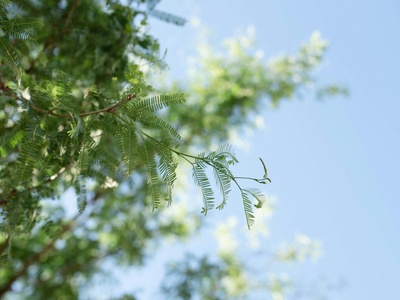
Invasive thorny tree with feathery leaves and long pods; introduced for desert rehabilitation but now widespread. Prosopis tolerates saline soils, fixes nitrogen and provides fuelwood, yet displaces native vegetation in arid coastal and inland Pakistan.
River red gum
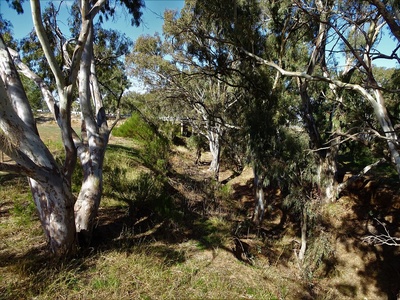
Fast-growing eucalyptus with lanceolate leaves and smooth bark; widely planted for timber, poles and shade. River red gum thrives in riparian soils and plantations but can alter groundwater; extensively used in Pakistan’s forestry and agroforestry projects.
Casuarina
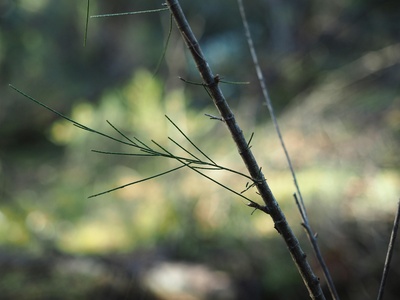
Pine-like coastal tree with needle-like branchlets and rough cones; stabilizes sandy shores and windbreaks. Casuarina plantations protect Pakistan’s coasts, supply fuelwood and poles, and tolerate salty, poor soils along Sindh and Balochistan shorelines.
Plane
Large deciduous shade tree with flaking bark and broad lobed leaves; the ‘chinar’ of Kashmir is closely related. Planted along rivers and avenues in northern Pakistan, valued for shade, ornamental presence and durable wood.
Euphrates poplar
Riverine poplar with twisted trunks and leathery leaves adapted to arid floodplains. Populus euphratica stabilizes riverbanks and supplies timber and fuel; occurs in lower Indus and western river valleys, tolerating salinity and seasonal flooding.
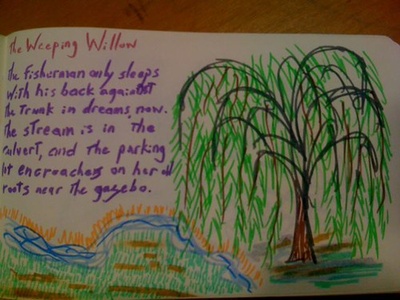
Weeping willow
Weeping willow with pendulous branches and lanceolate leaves, commonly lining streams and canals. Fast-growing and moisture-loving, it provides shade, fodder and erosion control in Punjab and Kashmir; often planted for ornamental and practical uses.
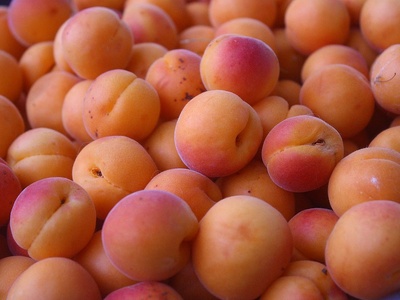
Apricot
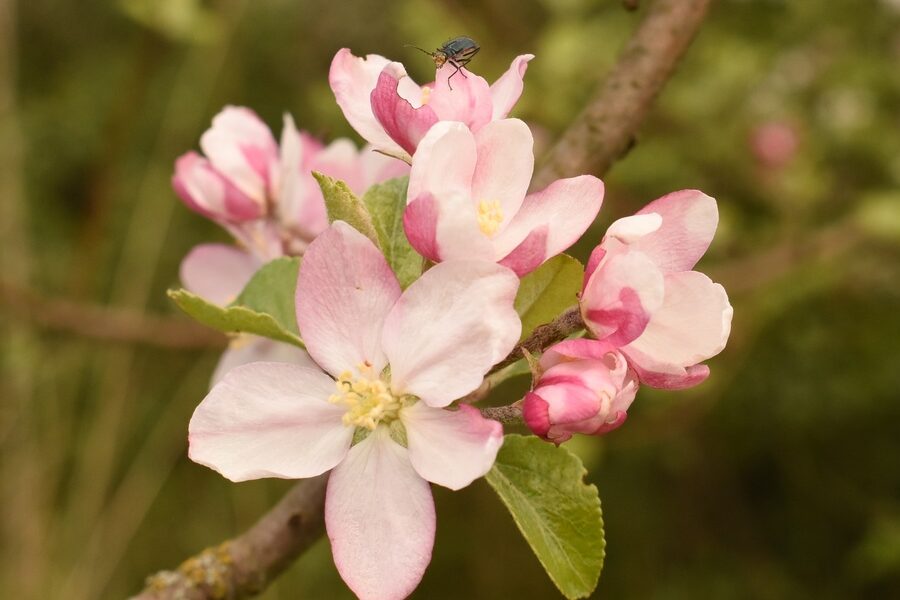
Small to medium deciduous fruit tree with showy spring blossoms and sweet stone fruit. Apricot orchards are a livelihood in Gilgit-Baltistan and northern valleys; trees prefer cool mountain climates and are important culturally and economically.
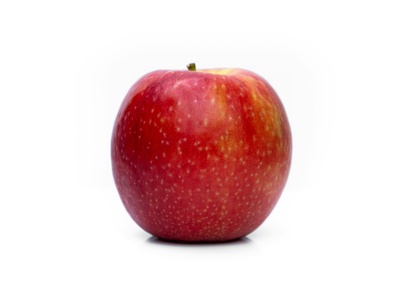
Apple
Temperate fruit tree with glossy serrated leaves and fragrant spring flowers; apples are central to mountain agriculture in northern Pakistan. Varieties thrive in cooler Gilgit and Swat orchards, supplying fresh fruit and processing for local markets.
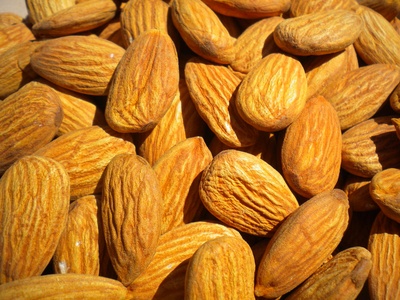
Almond
Deciduous tree with narrow leaves and fragrant pink-white blossoms, producing edible nuts. Almonds are grown in Balochistan and cooler hill areas for kernels and wood; trees are drought-tolerant and valued in orchards and terraces.
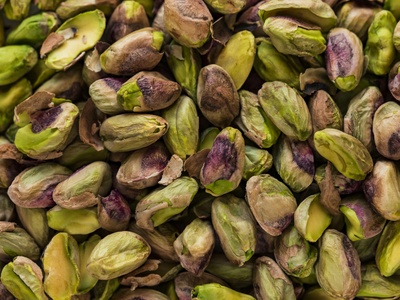
Pistachio
Hardy nut tree with pinnate leaves and pink-red bark, producing valuable pistachio kernels. Grown in dry, rocky soils of Balochistan and northern fringes; pistachio trees tolerate drought and are an important cash crop in arid regions.
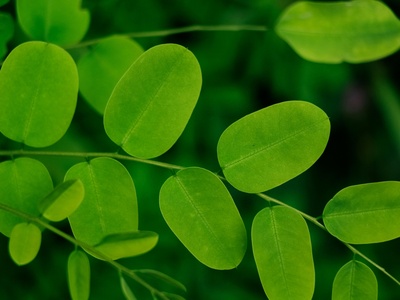
Moringa
Fast-growing tropical tree with pinnate leaves and long edible seedpods, used for food, fodder and traditional medicine. Moringa thrives in dry lowland Pakistan, is drought-resistant and valued for high-nutrition leaves and multipurpose uses.
Jamun
Dense evergreen fruit tree with glossy leaves and dark purple edible berries. Jamun is planted in towns and orchards for shade and fruit; fruits are eaten fresh or used medicinally, and trees are common in subtropical Pakistan.
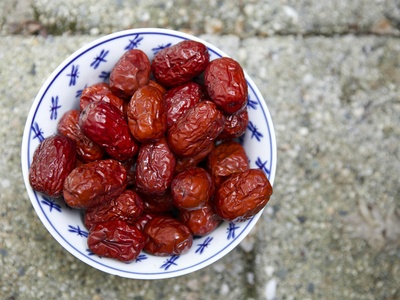
Jujube
Tough fruit tree with zigzag branches, small shiny leaves and sweet oval fruits known locally as ber. Widely grown and naturalized across Pakistan’s plains and arid zones for fruit, fodder and hardy survival in poor soils.
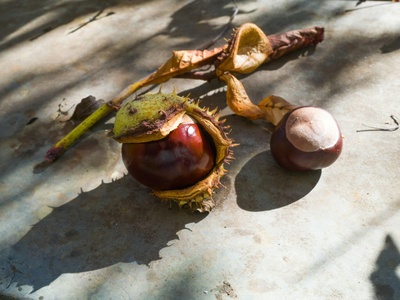
Horse chestnut
Large deciduous tree with palmately compound leaves and showy white flower spikes in spring. Aesculus forms attractive park and forest trees in Kashmir and northern Pakistan, valued for shade, timber and ornamental planting.
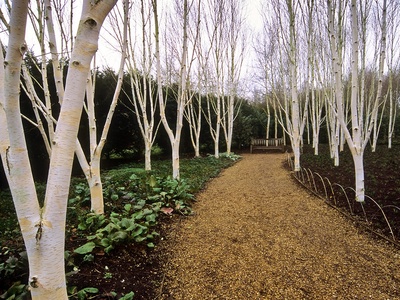
Himalayan birch
White-barked birch with papery peeling bark and triangular leaves, common at high elevations. Betula stands mark alpine treeline in Gilgit-Baltistan and high valleys, used locally for fuel, light timber and traditional crafts.
Himalayan alder
Riparian alder with serrated leaves and catkin flowers, fixing nitrogen and stabilizing stream banks. Alnus grows along mountain rivers and terraces in northern Pakistan, used for poles, firewood and improving soil fertility in agroforestry.
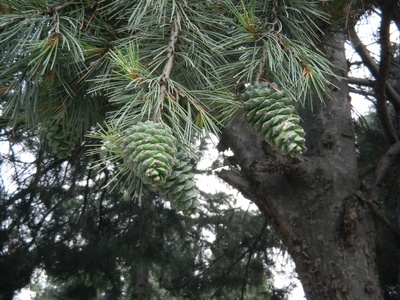
Chilgoza pine
Nut-bearing pine with stout cones producing prized chilgoza seeds (pine nuts). Occurring in dry western mountains, this slow-growing tree supplies a valuable food crop and resin; conservation is critical due to overharvesting in Pakistan.