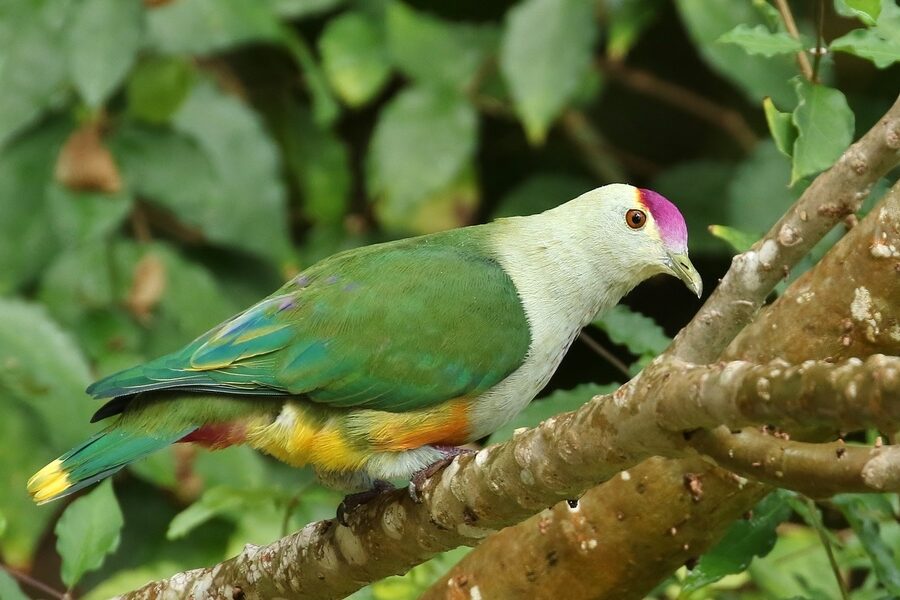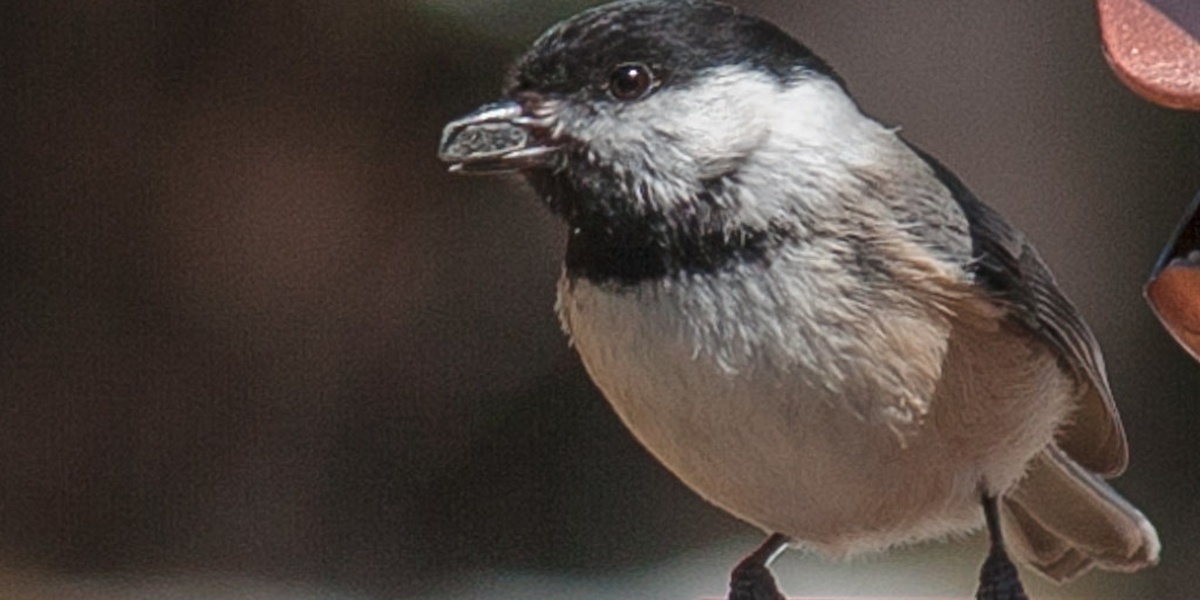
Songbirds (oscine passerines) make up roughly half of the world’s bird species — about 4,500–5,000 of ~10,000 known species — and their songs are central to how they survive and reproduce. These traits matter for ecology, for people who watch and study birds, and for conservation planning. This article explains 10 defining characteristics of songbirds across anatomy & physiology, behavior & communication, and ecology & conservation, using examples like the northern cardinal and zebra finch.
Anatomy & Physiology
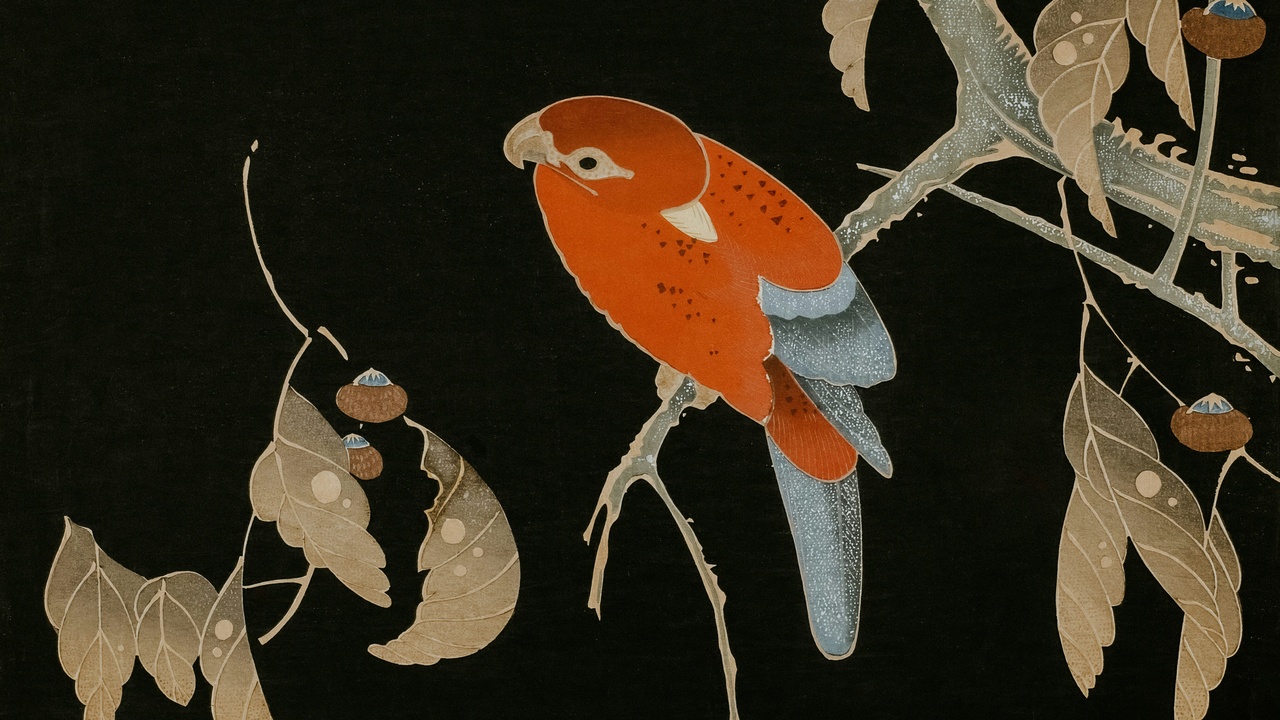
Songbird anatomy supports complex song, agile flight, and visual signaling. Several features set oscine passerines apart: a highly developed syrinx for sound production, dedicated brain regions for learning, sexually dimorphic plumage in many species, and wing and tail shapes tuned for maneuvering in vegetation. These traits underlie the behaviors and ecological roles described later.
1. Syrinx structure and vocal production
The syrinx — the vocal organ at the base of a bird’s trachea — enables the complex songs songbirds produce. It contains paired labia or membranes that can be controlled independently, which lets birds create rapid frequency changes and simultaneous harmonics.
Most songbird songs fall roughly between 1–8 kHz, though there are exceptions at both low and high extremes. Laboratory work shows precise syringeal muscle control; experiments on muscle activation link rapid pitch shifts to coordinated motor commands.
That mechanical flexibility matters for bioacoustics and automated monitoring. Researchers use recordings to identify species, track populations, and detect behavioral changes. The nightingale offers a famously complex repertoire, while the zebra finch is a lab model whose juveniles learn song during a critical window of about 90 days.
2. Specialized brain regions for song learning and production
Songbirds have distinct neural nuclei — commonly called HVC, RA, and Area X — that form the core circuit for learning and producing song. These regions are anatomically and functionally specialized in oscines.
Many species show seasonal neuroplasticity: breeding hormones can cause these nuclei to change size. In some species, the song-control regions expand by up to ~50% in the breeding season. Male canaries display dramatic seasonal changes, and zebra finch studies have illuminated how circuits store memories of tutor songs.
Understanding these brain areas helps neuroscientists study learning and memory. Song control nuclei in passerines are some of the best natural models for vocal learning in vertebrates.
3. Plumage, coloration, and sexual dimorphism
Many songbirds show sexual dimorphism in plumage: males are often brighter to attract mates, while females are drabber for nest camouflage. This pattern reflects trade-offs between display and predator avoidance.
Plumage links to life history too. Typical clutch sizes for many passerines are about 3–5 eggs, and parental care strategies interact with how conspicuous adults can be near nests. Field identification and citizen science rely heavily on plumage cues.
Examples include the northern cardinal — male bright red, female brownish — and the indigo bunting, where males display vivid blue breeding colors. Some species are exceptions: both sexes may be colorful, or regional variation may alter appearance.
4. Flight mechanics, wing shape, and maneuverability
Songbirds usually have wing and tail morphologies adapted for agile flight through vegetation. Rounded wings and broad tails help with rapid turns and short bursts of speed in forested or shrubby habitats.
Small passerines show modest wingspans — for example, the house sparrow has a wingspan of about 19–25 cm. Wing loading and aspect ratio influence maneuverability and energy use. Rounded wings favor control; pointed wings favor efficient long-distance flight.
These morphological differences match habitat choices. The house sparrow maneuvers well in towns and hedgerows, while the barn swallow’s pointed wings suit aerial foraging and migration.
Behavior & Communication
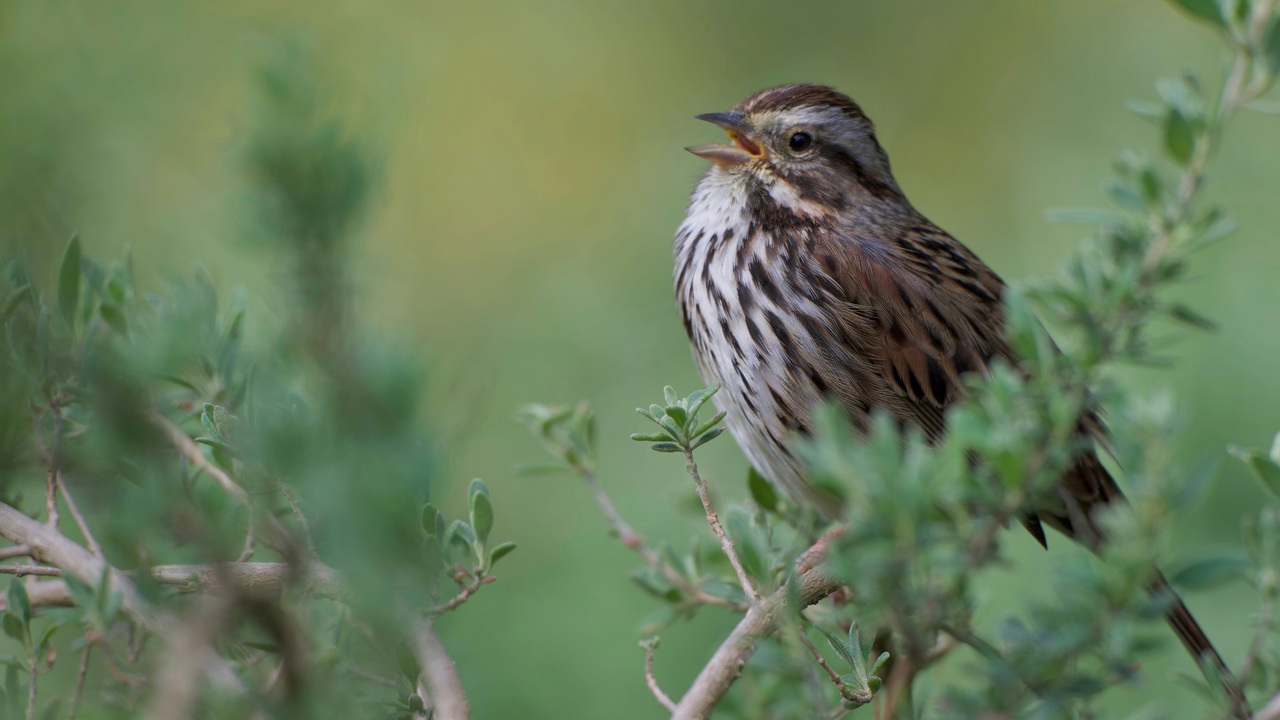
Vocal behavior and social tactics shape much of a songbird’s life. Songs serve to attract mates, defend territories, and share information. Many behaviors are learned and culturally transmitted, creating population-level patterns that matter for ecology and monitoring.
5. Vocal learning, cultural transmission, and dialects
Many songbirds are vocal learners: juveniles copy adult tutors and acquire local song patterns. Those learning processes produce regional dialects that can persist for decades.
White-crowned sparrows are a classic example; juveniles adopt local dialects and dialect boundaries can remain stable over many years. Dialects may consist of a small set of note types — often on the order of 3–10 common phrase types in a local population.
Cultural transmission makes song a useful tool for behavioral ecology and for birdwatchers trying to identify populations. Researchers also use dialects to study how information spreads through animal societies.
6. Functions of song: mate attraction and territory defense
Song complexity, consistency, and delivery matter for mating and territorial interactions. Singers advertise condition, experience, and intent through performance.
Field studies link song traits to reproductive outcomes. For instance, males with larger repertoires or higher song rates often enjoy greater pairing success and territory retention; some studies report up to about a 20–30% higher pairing rate for higher-quality singers, though results vary by species and context.
Behavioral experiments use playback and controlled presentation to test how song features affect rivals and mates. Species often cited include the song sparrow and the European blackbird, where song plays a clear role in social dynamics.
7. Daily and seasonal patterns: dawn chorus and nocturnal singing
Many songbirds concentrate singing in the dawn chorus, usually the first hour of light. Singing also changes with season, peaking during territory establishment and mate attraction.
Dawn chorus intensity typically peaks in the first 20–60 minutes after sunrise. Urban light and noise can shift timing; some species that normally sing by day will also sing at night in cities.
The nightingale famously sings at night in urban settings. For birdwatchers, early morning is often the best time to hear and record songs, and acoustic monitoring programs schedule recordings accordingly.
Ecology & Conservation
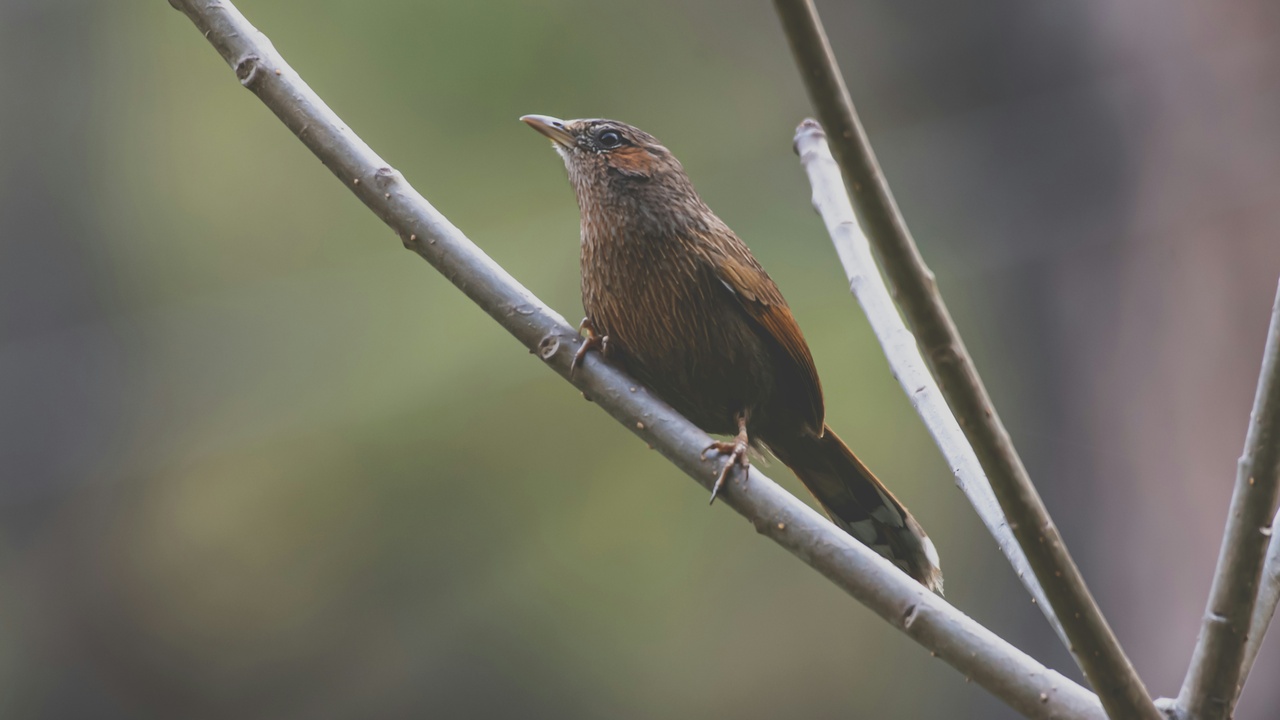
Songbirds play key ecological roles, but many face mounting threats. They act as insect predators, seed dispersers, and indicators of habitat health. At the same time, habitat loss, collisions, pesticides, and climate change are driving declines that demand conservation action.
8. Migration routes, timing, and navigation skills
Many songbirds undertake long-distance migrations, navigating with landmarks, the sun and stars, and Earth’s magnetic field. These journeys can span thousands of kilometers.
Some species fly 2,000–4,000+ km between breeding and wintering grounds. The blackpoll warbler makes extreme overwater flights, and Swainson’s thrush shows evidence of geomagnetic navigation. Successful migration depends on intact stopover habitats for refueling.
Changes to stopover sites or shifts in seasonal food availability can alter timing and routes, reducing survival. Conservation of migration corridors and wetlands is therefore critical.
9. Diet, foraging behavior, and ecosystem services
Songbirds eat insects, seeds, nectar, and fruit. During the breeding season, insectivorous species deliver massive quantities of prey to nestlings, providing key pest control services.
Parents may feed nestlings several hundred to a few thousand insects over a brood-rearing period. Eastern bluebirds and many warblers are notable insect feeders; warblers can reduce caterpillar outbreaks in forest patches.
These services benefit farmers and gardeners. Planting native species, providing nest boxes, and maintaining hedgerows support foraging needs and improve pest suppression locally.
10. Conservation status, population trends, and threats
Many songbird populations are declining worldwide. Major threats include habitat loss, collisions with buildings and windows, pesticides, and climate change. These pressures often act together.
A landmark analysis estimated about a ~29% decline in North American bird abundance since 1970 — roughly 3 billion fewer birds. That study highlights losses across many groups, including numerous passerines.
Practical actions readers can take include planting native plants, reducing pesticides, keeping cats indoors, and reducing window strikes with decals or screens. Supporting organizations such as Audubon, BirdLife International, and IUCN helps fund research and habitat protection.
Policy measures to protect stopover sites, reduce light pollution, and regulate harmful pesticides will also improve prospects for migratory and resident songbirds.
Summary
- Songbirds combine a specialized syrinx, dedicated brain circuits, and learned culture to produce and transmit song across generations.
- They show clear ecological roles: many migrate thousands of kilometers, parents feed nestlings hundreds to thousands of insects, and they help control pests and disperse seeds.
- Population trends are concerning — about a ~29% decline in North American birds since 1970 (~3 billion fewer birds) — driven by habitat loss, collisions, pesticides, and climate change.
- Simple actions help: plant native species, use nest boxes, keep cats indoors, reduce window collisions, and support monitoring programs like eBird and the Breeding Bird Survey or organizations such as Audubon and BirdLife International.
- Listen for local songs, learn a few dialect cues, and explore the many characteristics of songbirds in your neighborhood to support conservation at home.