From valley meadows to rocky high ridges, Switzerland’s changing elevations create tight pockets of wildflower life that shift with the seasons. A day’s hike can pass from carpets of early-spring blooms to late-summer alpine specialists as snow retreats and temperatures rise.
There are 41 Flowers of Switzerland, ranging from Alpine columbine to Yellow gentian. For each entry the key details are grouped under Scientific name,Habitat (altitude m),Flowering season (months), which you’ll find below.
When is the best time to see alpine and meadow flowers in Switzerland?
Timing depends on altitude: lowland and valley species often bloom April–June, subalpine meadows peak in June–July, and high-alpine species are most visible July–September after snowmelt; use the Flowering season (months) column below to match trails to peak bloom.
How should I use the altitude and season data when planning a visit?
Use the Habitat (altitude m) to choose trails that match the elevation of species you want to see, and cross-reference the Flowering season (months) so you visit during peak bloom; bring layered clothing and stay on paths to protect fragile habitats.
Flowers of Switzerland
| Common name | Scientific name | Habitat (altitude m) | Flowering season (months) |
|---|---|---|---|
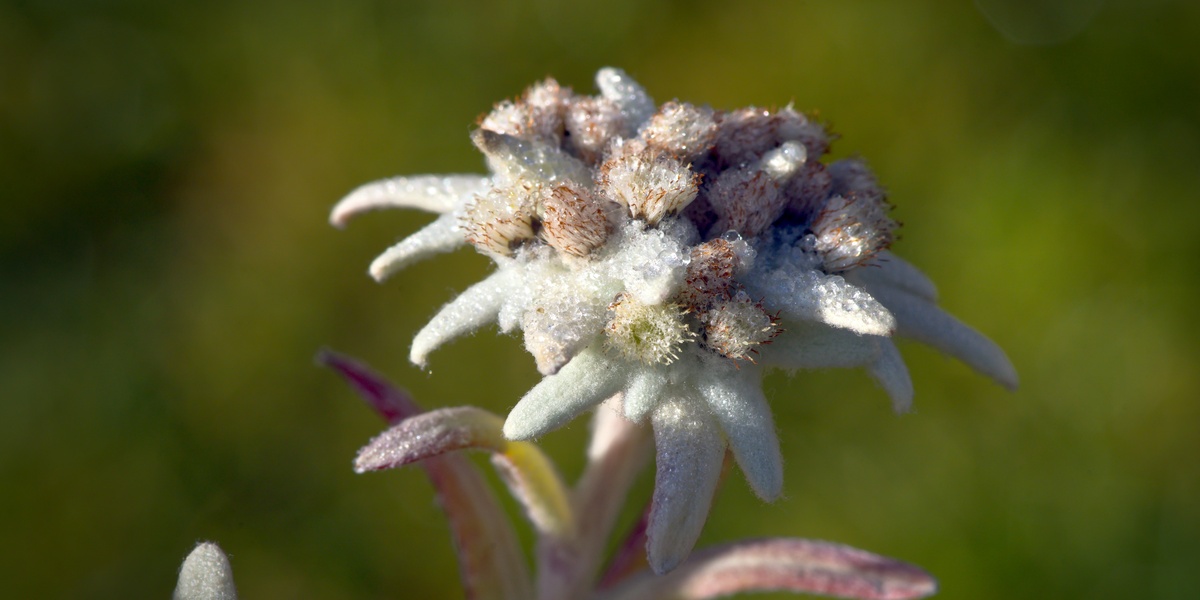
| Edelweiss | Leontopodium alpinum | Alpine scree; 1,800–2,700 | Jun–Aug |
| Alpine pasqueflower | Pulsatilla alpina | Alpine meadows/rock; 1,200–2,700 | Apr–Jun |
| Spring gentian | Gentiana verna | Subalpine meadows; 700–2,300 | Apr–Jun |
| Stemless gentian | Gentiana acaulis | Alpine meadows; 1,200–2,600 | May–Aug |
| Yellow gentian | Gentiana lutea | Subalpine pastures; 800–2,200 | Jun–Aug |
| Mountain avens | Dryas octopetala | Alpine scree/tundra; 1,500–2,800 | May–Jul |
| Alpine rose | Rhododendron ferrugineum | Acidic alpine heaths; 1,400–2,400 | Jun–Aug |
| Harebell | Campanula rotundifolia | Meadows/rocky slopes; 300–2,500 | Jun–Sep |
| Alpine primrose | Primula auricula | Rocky pastures; 1,200–2,600 | Apr–Jun |
| Glacier buttercup | Ranunculus glacialis | High alpine scree; 2,500–4,000 | Jun–Aug |
| Common buttercup | Ranunculus acris | Damp meadows; 300–1,800 | May–Jul |
| Meadow saffron | Colchicum autumnale | Damp meadows/woods; 200–1,200 | Sep–Oct |
| Lady’s-slipper orchid | Cypripedium calceolus | Broadleaf woods/limestone; 300–1,600 | May–Jun |
| Early purple orchid | Orchis mascula | Meadows/woods; 200–1,600 | Apr–Jun |
| Bee orchid | Ophrys apifera | Chalky grassland; 200–1,200 | May–Jun |
| Common bluebell | Hyacinthoides non-scripta | Woodlands/shady places; 200–1,200 | Apr–May |
| Snowdrop | Galanthus nivalis | Woodlands/gardens; 200–1,200 | Feb–Mar |
| Lily of the valley | Convallaria majalis | Deciduous woods; 200–1,500 | May |
| Wild tulip | Tulipa sylvestris | Grasslands/stone walls; 200–1,600 | Apr–May |
| Daffodil | Narcissus pseudonarcissus | Wood margins/meadows; 200–1,200 | Mar–May |
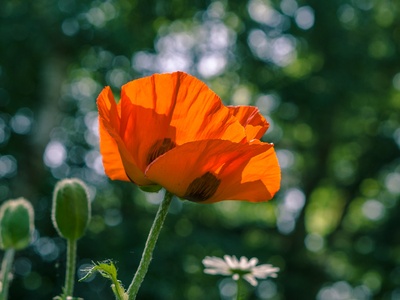
| Common poppy | Papaver rhoeas | Fields/disturbed ground; 200–1,200 | May–Jul |
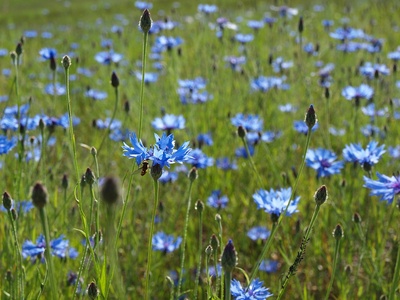
| Cornflower | Centaurea cyanus | Arable fields/roadsides; 200–1,200 | Jun–Sep |
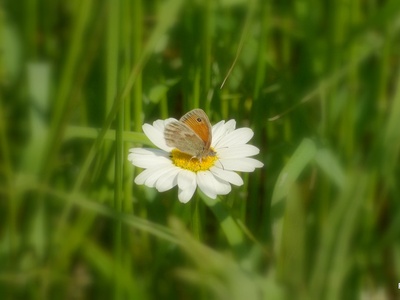
| Oxeye daisy | Leucanthemum vulgare | Meadows/roadsides; 200–1,800 | Jun–Sep |
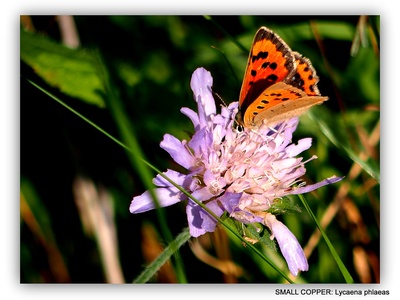
| Field scabious | Knautia arvensis | Dry meadows; 200–1,600 | Jun–Sep |
| Red clover | Trifolium pratense | Meadows/fields; 200–1,600 | May–Sep |
| White clover | Trifolium repens | Pastures/lawns; 0–1,800 | May–Sep |
| Arnica | Arnica montana | Subalpine meadows; 800–2,600 | Jun–Aug |
| Alpine saxifrage | Saxifraga oppositifolia | High alpine scree; 2,500–3,300 | Apr–Jul |
| Common heather | Calluna vulgaris | Heaths/Jura; 200–1,800 | Jul–Sep |
| Broom | Cytisus scoparius | Dry slopes/roadsides; 200–1,200 | Apr–Jun |
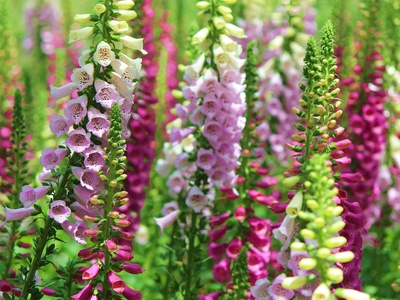
| Foxglove | Digitalis purpurea | Wood edges/disturbed ground; 200–1,600 | Jun–Aug |
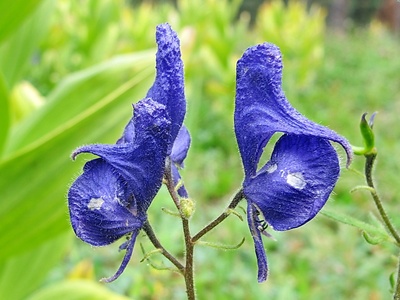
| Monkshood | Aconitum napellus | Moist meadows/woodland margins; 400–2,400 | Jul–Sep |
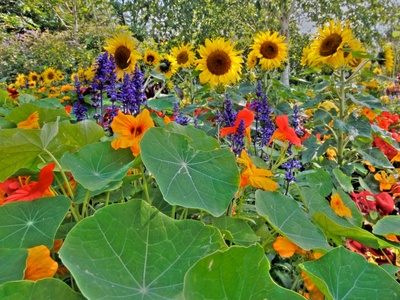
| Sunflower | Helianthus annuus | Fields/gardens; 200–1,200 | Jul–Sep |
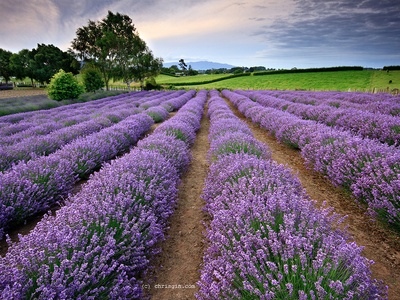
| Lavender | Lavandula angustifolia | Gardens/drystone walls; 200–1,200 | Jun–Aug |
| Lilac | Syringa vulgaris | Gardens/hedgerows; 200–1,200 | Apr–May |
| Horse-chestnut | Aesculus hippocastanum | Parks/avenues; 200–1,000 | Apr–May |
| Alpine poppy | Papaver alpinum | Alpine scree/rocks; 1,500–2,800 | Jun–Aug |
| Alpine columbine | Aquilegia alpina | Rocky pastures; 1,200–2,400 | May–Jul |
| Common knapweed | Centaurea nigra | Meadows/roadsides; 200–1,800 | Jun–Sep |
| Dog rose | Rosa canina | Hedgerows/woodlands; 200–1,600 | Jun–Jul |
| Sweet violet | Viola odorata | Woodlands/gardens; 200–1,200 | Mar–May |
Images and Descriptions

Edelweiss
Famous woolly white star-shaped flower of high Alps, easy to spot on rocky ledges around Swiss peaks. Small, silvery bracts protect it from cold; a cultural icon and protected species prized by hikers and photographers.
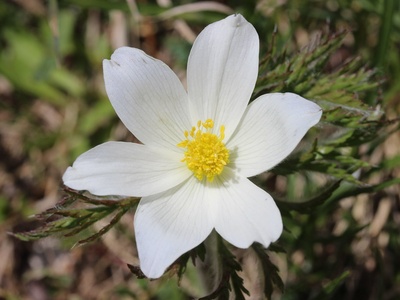
Alpine pasqueflower
Bell-shaped, pale flowers with silky seedheads found on sunny alpine slopes and rock ledges. One of the first high-altitude bloomers; look in springtime pastures above tree line for its fuzzy stems and seed plumes.
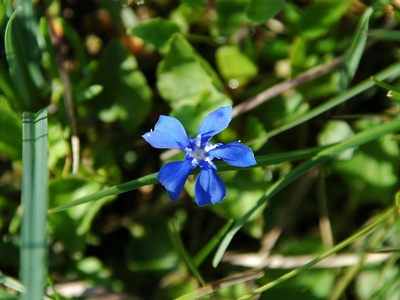
Spring gentian
Tiny, deep-blue cup-shaped flowers hugging short rosettes in limestone grasslands and alpine turf. Hard to miss when carpeted; celebrated for intense blue color and often photographed on grassy slopes of the Alps.
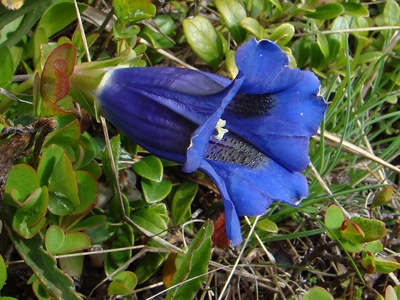
Stemless gentian
Large, flat, vivid-blue trumpets close to the ground on moist alpine pastures. Look in meadows and near streams; its bold blue blooms are emblematic of alpine flower displays and attract many pollinators.
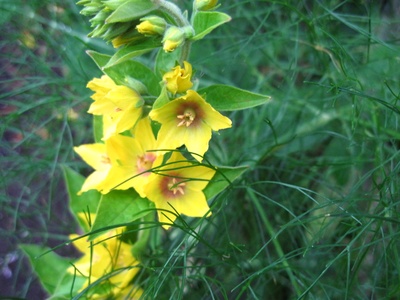
Yellow gentian
Tall plant with clusters of yellow, fragrant flowers on mountain pastures and roadsides. Its bitter root is used to make herbal liqueurs and digestive bitters, a traditional Alpine remedy and flavoring.

Mountain avens
Low, mat-forming shrub with white, rose-like flowers on rocky calcareous ground. Common on high alpine plateaus and karst areas; its evergreen leaves help it survive cold, windy conditions.
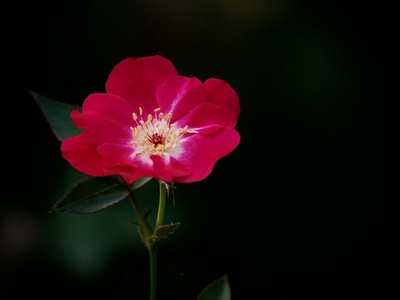
Alpine rose
Shrubby mass of pink to dark-red bell flowers carpeting acidic slopes in the Alps. Common in heathland above timberline, it forms spectacular blooms and signals acid mountain soils.
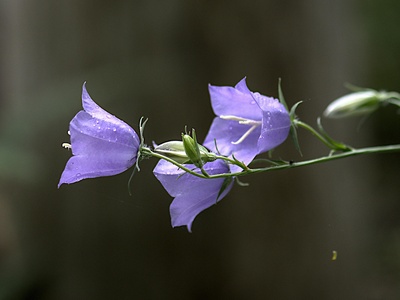
Harebell
Delicate nodding blue bells on wiry stems in meadows, roadside banks and rocky alpine ledges. Slender and widespread from lowlands to high pastures; look for clusters swaying in summer breezes.
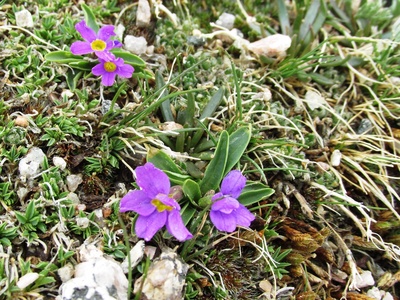
Alpine primrose
Rosette-forming primrose with golden-yellow flowers in crevices and ledges of limestone mountains. Often found in sheltered, calcareous alpine niches; popular with collectors and great for close-up viewing.
Glacier buttercup
Resilient white to pink buttercup found near glaciers and snowbeds, blooming at very high altitudes. Its ability to flower near ice makes it a true high-mountain specialist and a rare sight for alpine hikers.
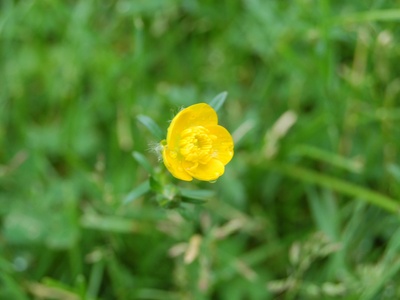
Common buttercup
Bright yellow, glossy petals in pastures and damp meadows across Switzerland. Very common and easily spotted in grassland habitats; leaves and sap can irritate skin, so handle with care.

Meadow saffron
Late-falling lilac to pink crocus-like flowers emerge in autumn from underground corms in moist meadows. Not a true crocus; highly poisonous but historically used medicinally—distinctive autumn bloomers.
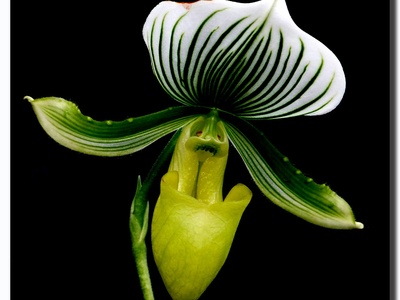
Lady’s-slipper orchid
Spectacular slipper-shaped yellow pouch on a large orchid, found in shady, calcareous woodlands and meadows. Rare and legally protected in Switzerland; spotting one is a special treat for orchid enthusiasts.
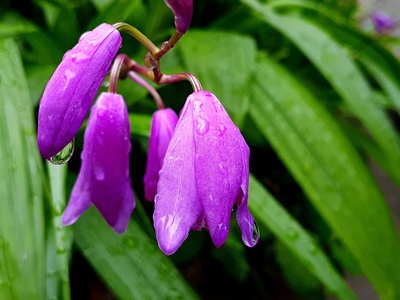
Early purple orchid
Clumps of purple-spotted stems with dense flower spikes in damp meadows and open woodlands. Quite showy in spring; look for variable purple shades and speckled leaves in lowland and montane areas.
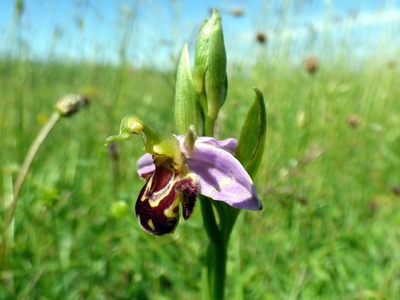
Bee orchid
Flowers mimic a fuzzy bee to attract pollinators, with brown patterned labellum and pink hood. Occurs on calcareous grasslands and roadside verges; quirky appearance makes it a favourite among photographers.
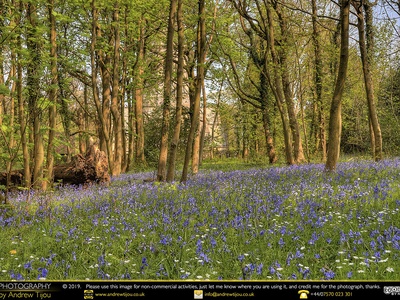
Common bluebell
Blue bell-shaped spring carpets in deciduous woods and hedgerows, fragrant and easily noticed. Look for dense blue displays in lowland forests and garden edges during mid-spring.
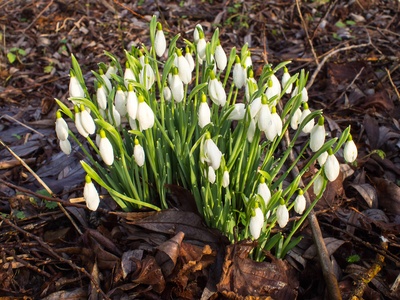
Snowdrop
Delicate white nodding flowers that appear in late winter to early spring beneath trees and in parks. One of the earliest bloomers in Switzerland, signaling the slow return of spring.
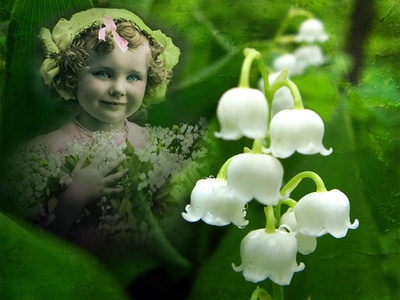
Lily of the valley
Fragrant, drooping white bell clusters in shady woodlands and hedgerows. Easy to spot in spring; highly fragrant but poisonous, historically used in perfumes and spring bouquets.
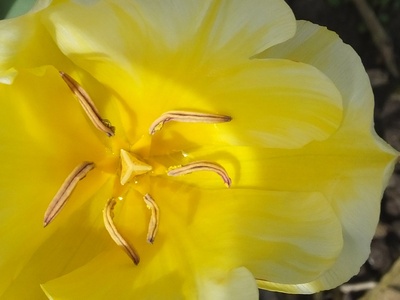
Wild tulip
Small, pale yellow tulips naturalised on meadows and rocky walls in lower mountain valleys. Less showy than garden tulips but charming in natural grassland settings and old stone terraces.
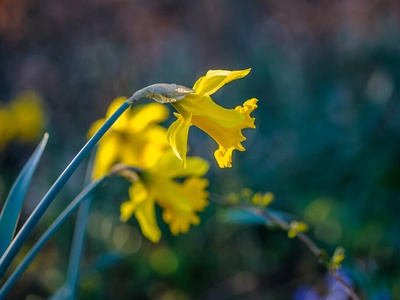
Daffodil
Golden trumpet flowers in woodland edges, meadows and parks in early spring. Native wild daffodil flushes signal spring; often naturalised in gardens and field margins across Switzerland.
Common poppy
Striking scarlet papery blooms in arable fields, roadsides and wasteland. Iconic summer field flower that recolonises disturbed soils; often seen in rural Swiss farmland and roadside verges.
Cornflower
Bright blue, thistle-like flowers once common in cereal fields; now often sown in wildflower mixes. Look along field margins and rustic meadows—an emblematic traditional field flower of Europe.
Oxeye daisy
Classic white-petaled daisy with yellow center across meadows and roadside verges. Very common and easy to identify; brightens hayfields and near pastures through summer.
Field scabious
Lace-like mauve flower heads on tall stems in hay meadows and grassy slopes. Attracts butterflies and bees; widespread in calcareous and dry grasslands throughout Switzerland.
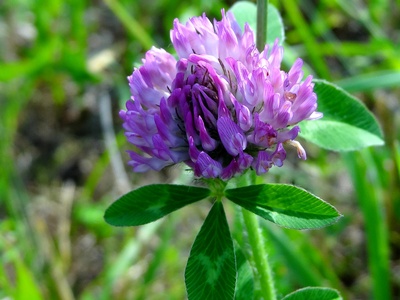
Red clover
Rounded pinkish flower heads in pastures and roadside verges; a forage plant and pollinator magnet. Common across lowlands and montane meadows, often used in traditional Swiss hay and pasture systems.

White clover
Low-growing with white globular flower heads in lawns, fields and waysides. Very common and tolerant of grazing; important for soil nitrogen and often seen throughout Switzerland’s inhabited elevations.
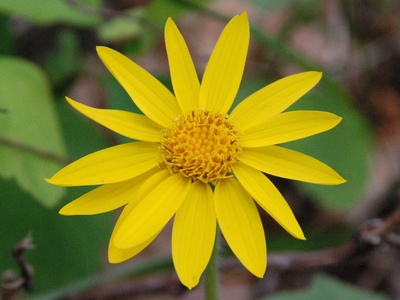
Arnica
Golden-yellow daisy-like flowers in nutrient-poor subalpine grasslands. Valued in traditional remedies and homeopathy; populations have declined regionally so it’s monitored and sometimes protected.
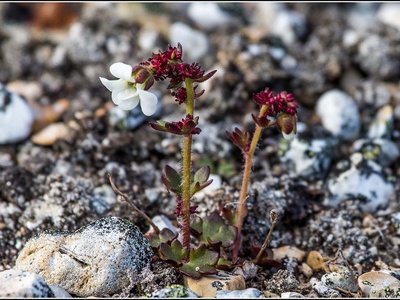
Alpine saxifrage
Tiny, cushion-forming plant with vivid magenta flowers carpeting rocky ridge tops and snowbeds. One of the earliest alpine bloomers, it tolerates extreme conditions and brightens bare rock patches.
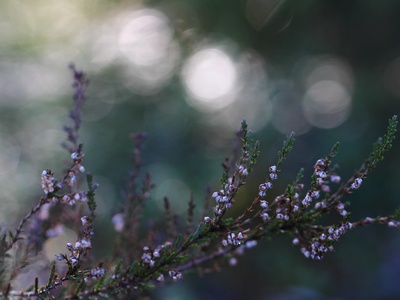
Common heather
Low evergreen shrub with masses of pinkish bell flowers on acidic heath and moorland, especially in the Jura and pre-Alps. Creates purple summer carpets and supports specialised insects.
Broom
Upright shrub with bright yellow pea-flowers on poor soils and sunny banks. Often seen on disturbed slopes and open woodland edges; fragrant and conspicuous in late spring.
Foxglove
Tall spikes of tubular purple and white-spotted flowers in shaded clearings and hedgerows. Poisonous yet dramatic; common in montane to lowland woodland margins and gardens.
Monkshood
Striking deep-blue helmet-shaped flowers on tall stems in moist alpine and subalpine meadows. Extremely toxic; traditional medicinal uses make it historically notable, so view and enjoy from a distance.
Sunflower
Tall, familiar large yellow heads planted in fields and gardens across lowland Switzerland. Widely cultivated for seeds and oil; bright summer displays are common in agricultural landscapes and roadside fields.
Lavender
Fragrant purple spikes in gardens, terraces and sunny dry slopes. Widely grown in Swiss gardens and urban plantings; valued for scent, drying and attracting pollinators.
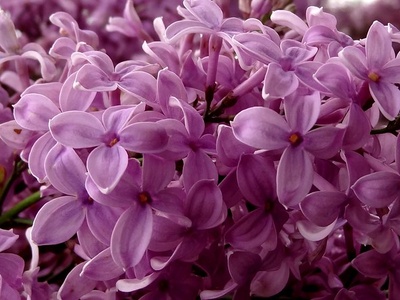
Lilac
Clusters of fragrant lilac or white blooms on a common garden shrub or hedgerow. Often planted in villages and parks; heralds late spring with a strong, sweet perfume.
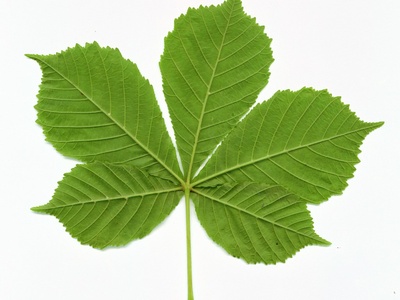
Horse-chestnut
Large upright panicles of white to pink flowers on street and park trees. Widely planted across Swiss towns; conspicuous in spring and familiar in urban promenades.
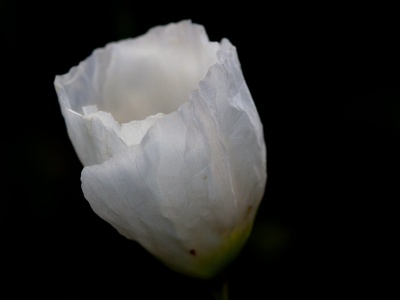
Alpine poppy
Compact cushion-forming poppy with white, pink or yellow petals on rocky high-altitude ledges. A specialist of stony alpine habitats, often found on dry calcareous slopes and scree.
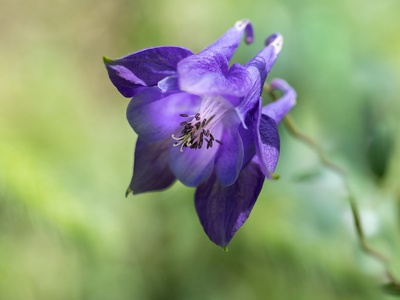
Alpine columbine
Deep-blue, nodding spurred flowers in mountain meadows and limestone crevices. A showy alpine relative of garden columbines, prized for rich color and found on sunny mountain pastures.

Common knapweed
Purple, thistle-like flower heads in unimproved meadows and roadside verges. A pollinator favoured wildflower that forms part of traditional hayfield communities across Swiss lowlands and montane zones.
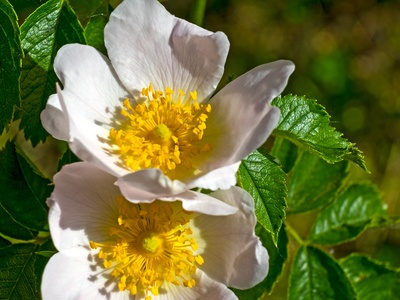
Dog rose
Clusters of pale pink to white flowers on thorny hedgerows and woodland edges followed by red hips in autumn. Widespread and familiar, its hips are traditionally used for jams and vitamin-rich teas.

Sweet violet
Small, fragrant purple or white violets in shady woodlands and gardens in early spring. Easily overlooked at close range; prized for scent and historically used in perfumery and confectionery.