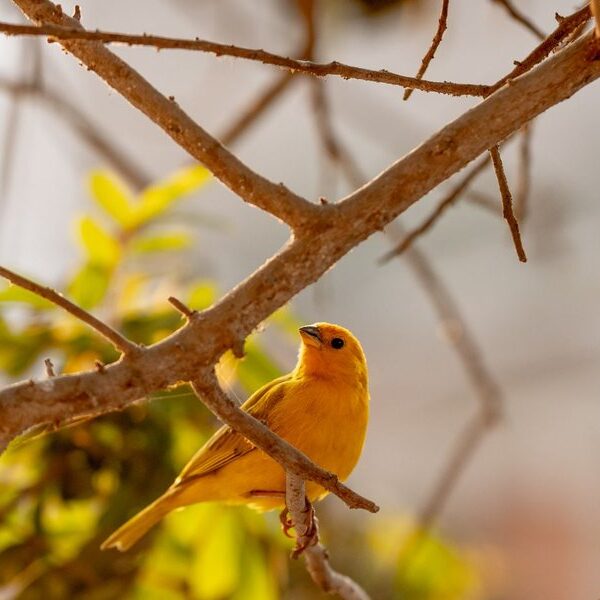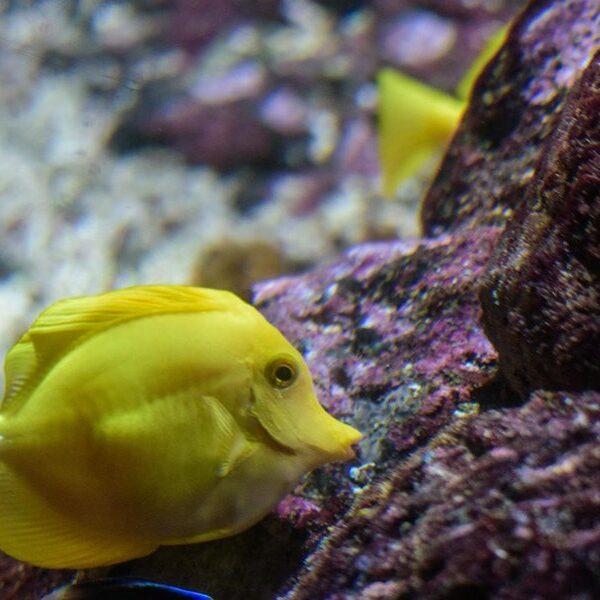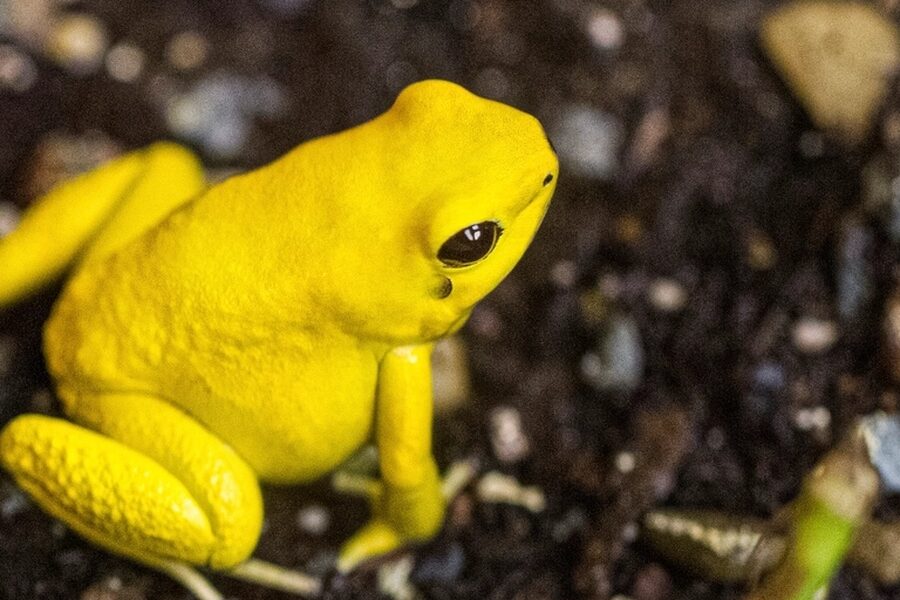
Search “yellow animals” and you’ll drown in canaries, goldfish, bumblebees, and bananaquits. Search “yellow mammals” and the same lists show up — birds and bugs wearing the answer to a question they didn’t ask. The lists aren’t wrong, exactly. They’re just dodging the real reason: brightly yellow mammals barely exist.
Birds and reptiles wear vivid yellow because they have pigment cells mammals lost a long time ago. So the handful of mammals that pull off a golden coat do it through workarounds — a specific kind of pigment, a diet heavy in plant compounds, or just the way sunlight hits dense fur. This is the list the others skip: actual mammals, fur and all, that read as yellow or gold, plus the biology of how each one manages it.
Table of Contents
- Why yellow mammals are so rare
- The 12 yellow mammals
- 1. Golden lion tamarin
- 2. Golden snub-nosed monkey
- 3. Yellow mongoose
- 4. Yellow-bellied marmot
- 5. Kinkajou
- 6. Golden lion (African lion)
- 7. Golden-mantled ground squirrel
- 8. Indian giant squirrel
- 9. Yellow-throated marten
- 10. Golden jackal
- 11. Golden retriever (the domestic outlier)
- 12. Sykes’ / golden monkey
- Quick comparison table
- FAQ
Why yellow mammals are so rare
Here’s the part the listicles leave out. Mammal fur gets its color almost entirely from one pigment family: melanin. There are two kinds — eumelanin, which makes black and brown, and pheomelanin, which makes reddish, tan, and yellowish tones. That’s the whole palette. Pheomelanin is as far toward yellow as standard mammal chemistry reaches, and it lands closer to “golden tan” than “highlighter.”
Birds, fish, reptiles, and insects cheat with pigments mammals simply don’t produce: carotenoids (the orange-yellow compounds in carrots and egg yolks) and structural color, where microscopic surface texture scatters light into bright blues and yellows. A goldfinch is yellow because it eats carotenoid-rich seeds and deposits the pigment in its feathers. A mammal can eat all the carrots it wants and stays brown, because mammals can’t route carotenoids into their fur the way birds route them into feathers. There’s research on the rarity of bright pigmentation in mammals showing how narrow that melanin-only palette really is. The same pigment-versus-structure split explains a lot of animal color — it’s exactly why so many big green animals aren’t really pigmented green at all, but rely on lighting, algae, or microscopic surface tricks instead.
So every “yellow” mammal on this list is doing one of three things: maxing out pheomelanin into a true gold, getting a carotenoid boost from a heavy plant diet (rare, and usually subtle), or just looking yellow because dense fur catches light. Knowing which trick is in play is half the fun.
The 12 yellow mammals
1. Golden lion tamarin
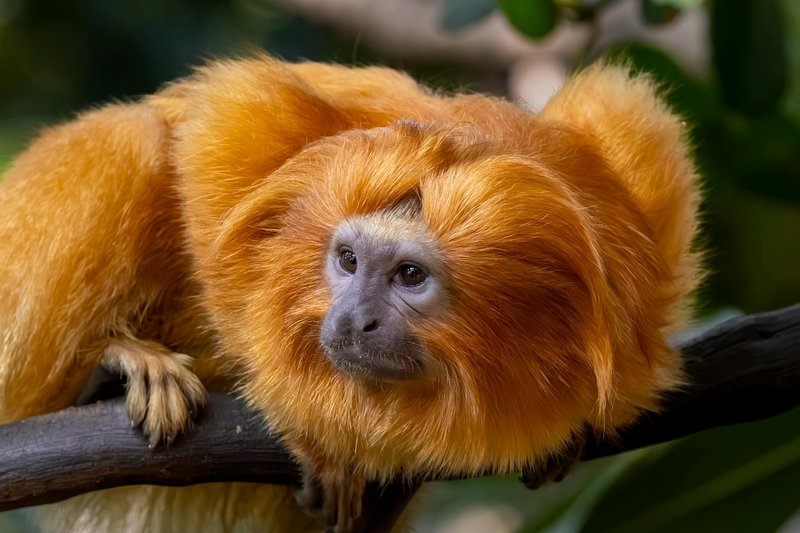
Leontopithecus rosalia — coastal forests of Rio de Janeiro state, Brazil
This is the closest a mammal gets to genuinely glowing yellow, and it’s the poster animal for the whole category. The golden lion tamarin is a squirrel-sized monkey draped in long, silky fur the color of a wedding ring, with a lion-like mane framing a dark, bare face. The color comes from heavily concentrated pheomelanin, and some researchers think their fruit-and-insect diet nudges the tone even warmer.
They’re also a conservation comeback story. The species dropped to a few hundred individuals in the 1970s; coordinated reintroduction programs have pushed wild numbers back over 2,500, per the IUCN Red List assessment. If you’ve only ever seen one yellow mammal in a photo, it was probably this one.
2. Golden snub-nosed monkey
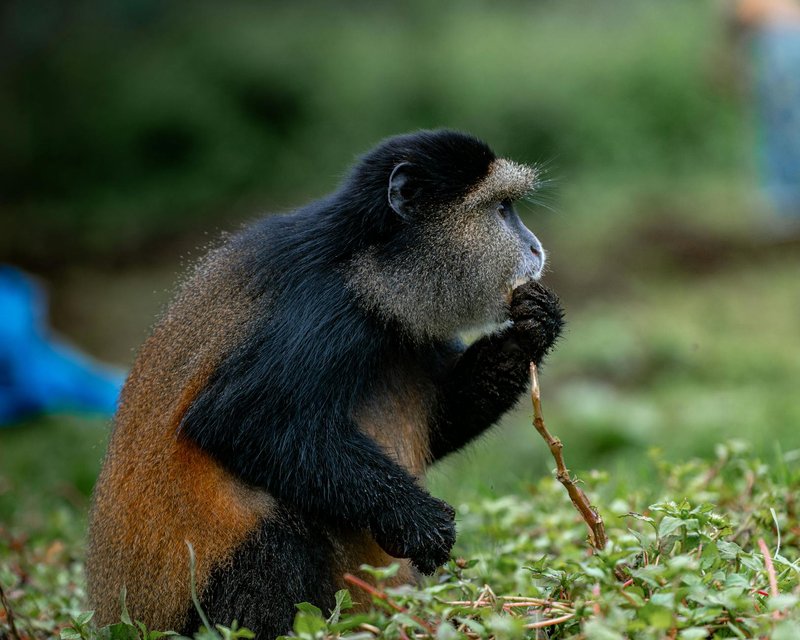
Rhinopithecus roxellana — temperate mountain forests of central China
A snow monkey dipped in gold. These primates live at elevations where it snows, and their long golden-orange fur isn’t just for show — it insulates them through brutal mountain winters. The face is the kicker: pale blue skin and a flattened, upturned nose, set off against that blaze of yellow shoulder fur.
The gold is densest on the males’ backs and shoulders, where the hair grows longest, and it deepens with age and status. They live in some of the largest primate groups on the planet, occasionally several hundred animals moving together through the canopy.
3. Yellow mongoose
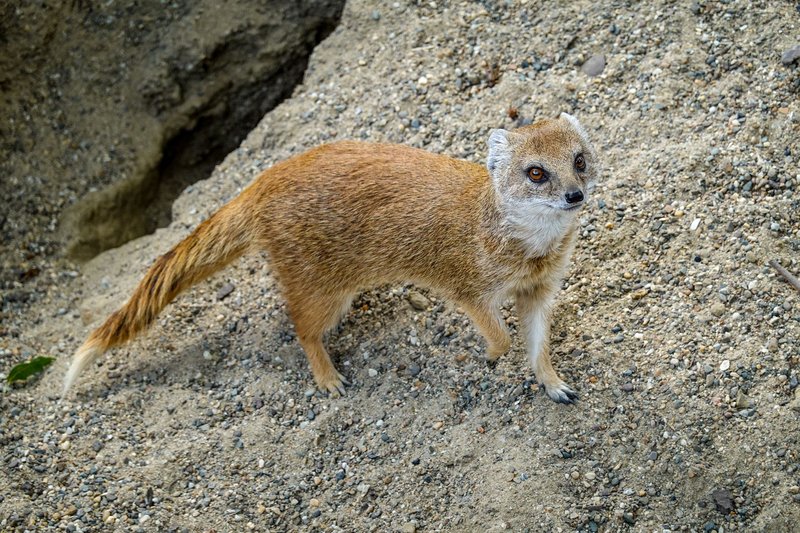
Cynictis penicillata — open plains and semi-desert of southern Africa
The yellow mongoose is the one species the incumbents actually mention — Britannica keeps an entry on the yellow mongoose — and for good reason. Southern populations wear a coat that’s properly reddish-yellow with a white-tipped tail, while northern animals fade to grayer tones. It’s a clean example of pheomelanin doing the most.
Locals call it the “red meerkat,” and the resemblance is real: it digs burrows, often sharing the same warren network as actual meerkats and ground squirrels. The tail tip is the field mark — a flash of white that the closely-colored fur doesn’t have.
4. Yellow-bellied marmot
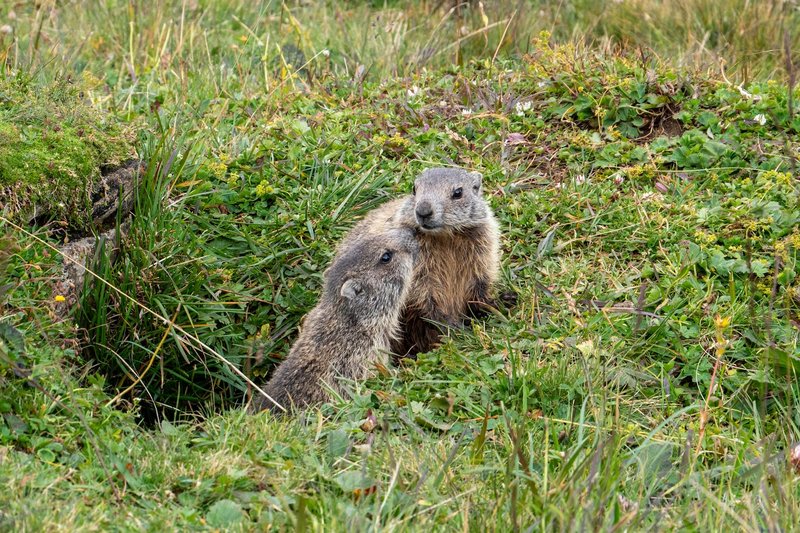
Marmota flaviventris — rocky slopes of the western United States and Canada
The species name flaviventris literally means “yellow belly,” and they earned it. These chunky, ground-dwelling rodents — basically oversized squirrels that gave up on trees — have warm brown backs and a distinct yellowish wash across the chest and undersides. Hikers in the Rockies know them as “whistle pigs” for the sharp alarm call they fire off from boulder perches.
They hibernate up to eight months a year, which is most of their lives spent asleep. The yellow belly is pure pheomelanin, most visible when they stand upright to scan for golden eagles and coyotes.
5. Kinkajou
Potos flavus — rainforest canopy from Mexico to Brazil
Another flavus in the name. The kinkajou is a nocturnal, honey-colored relative of the raccoon with a prehensile tail it uses like a fifth hand. Depending on the individual and the light, its dense fur ranges from rich golden-brown to a softer yellowish tan — the “honey bear” nickname covers the warmer end of that range.
It almost never touches the ground, spends its nights eating fruit and licking nectar from flowers (making it an accidental pollinator, in the same flower-visiting club as the bees and birds that read those blooms as glowing ultraviolet targets), and has a tongue long enough to reach deep into blossoms. The gold reads strongest under a flashlight beam, which is the only way most people ever see one.
6. Golden lion (African lion)
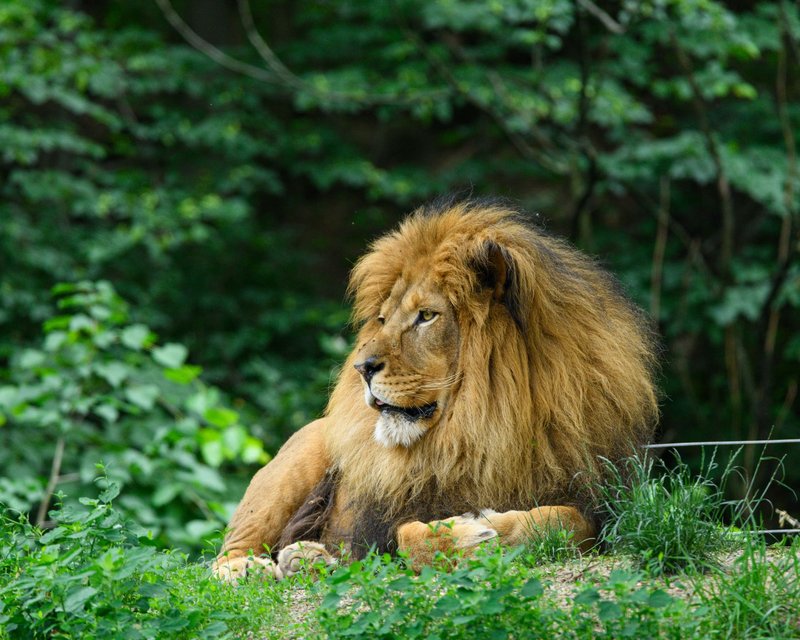
Panthera leo — savannas and grasslands of sub-Saharan Africa
The obvious one, and worth including precisely because it’s the mammal most people picture when they hear “golden.” Lion coats run tawny to a deep golden sand, color-matched over millennia to dry grass for ambush cover. The gold is pheomelanin again, and in males the surrounding mane often runs darker, which makes the body color pop by contrast.
Coat tone isn’t fixed across the species — lions in more humid regions tend to look browner, while desert-edge populations bleach toward pale gold. It’s the same pigment doing different work depending on the sun.
7. Golden-mantled ground squirrel
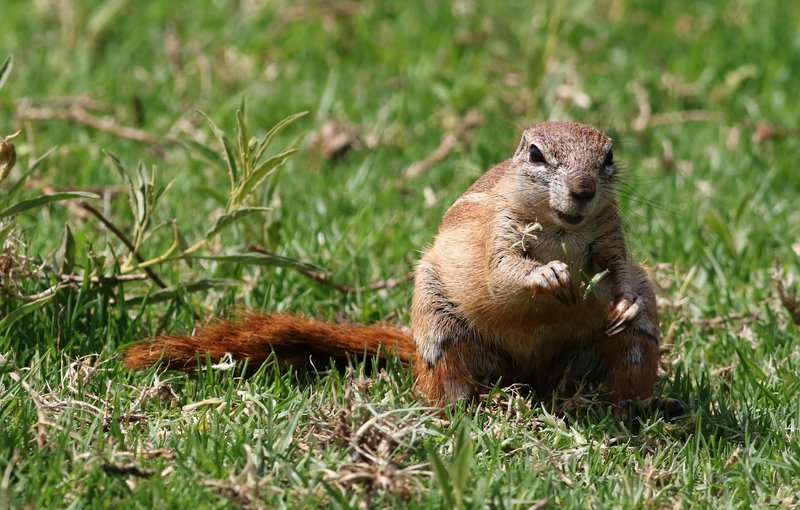
Callospermophilus lateralis — mountain forests of western North America
People constantly mistake this one for a chipmunk, but look at the head: no facial stripes. The “golden mantle” is a coppery-gold cape over the head and shoulders that a chipmunk doesn’t have, set above the body’s two white side stripes. That gold collar is the giveaway and the reason for the name.
They’re bold around campgrounds in the Sierra Nevada and Rockies, stuffing cheek pouches with whatever they can find. The mantle brightens after the late-summer molt, when the fresh coat comes in at its most saturated.
8. Indian giant squirrel
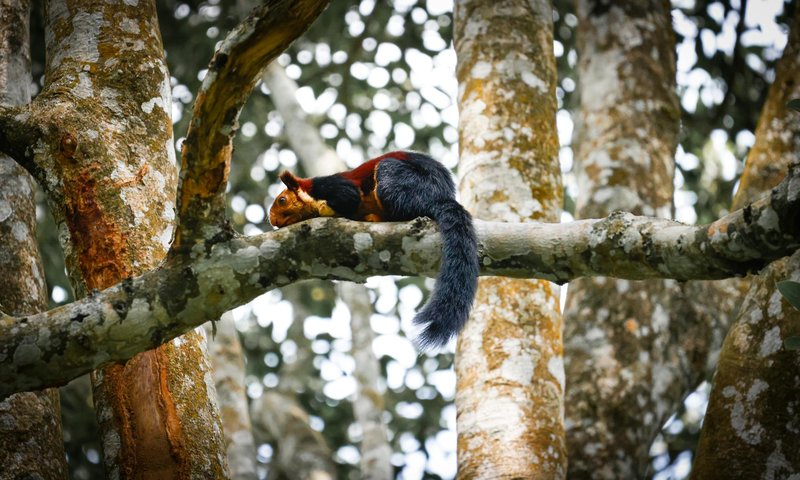
Ratufa indica — deciduous and moist forests of India
This animal looks fake. The Indian giant squirrel (or Malabar giant squirrel) can stretch three feet from nose to tail tip, and parts of its coat run a deep maroon-gold, with some individuals showing patches of bright cream and tan that read as yellow in sunlight. The multi-toned coat is thought to break up its outline against dappled canopy light.
It’s a treetop specialist that rarely descends, leaping up to 20 feet between branches. The most golden individuals look almost painted, with cream undersides and warm, glowing upper fur.
9. Yellow-throated marten
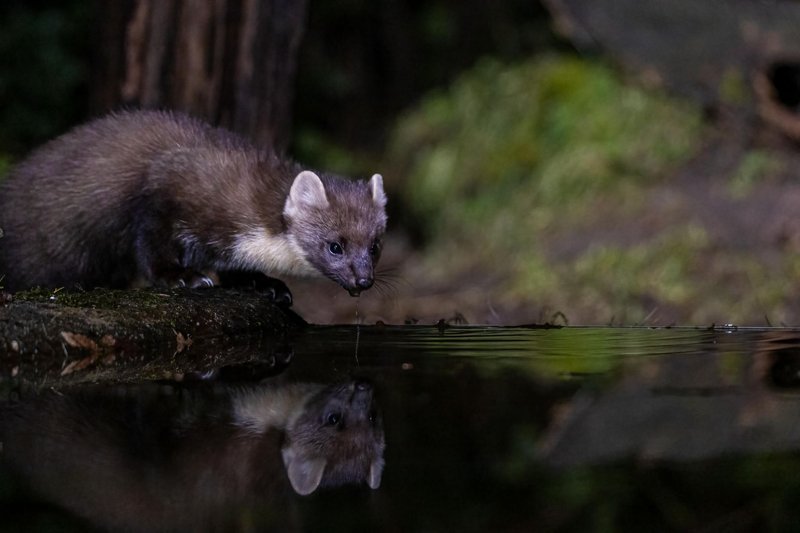
Martes flavigula — forests across South and Southeast Asia
A weasel relative built like a furred missile, and yes — flavigula means “yellow throat.” The chest and throat glow a bright golden-yellow that contrasts sharply against a darker brown body and black tail. Among the mustelids (the weasel family), this is by far the most colorful, and the yellow bib is its signature.
These martens are fast, bold, and surprisingly large for the family, hunting in pairs and taking on prey up to the size of small deer fawns. The throat patch varies in intensity but is always the brightest part of the animal.
10. Golden jackal
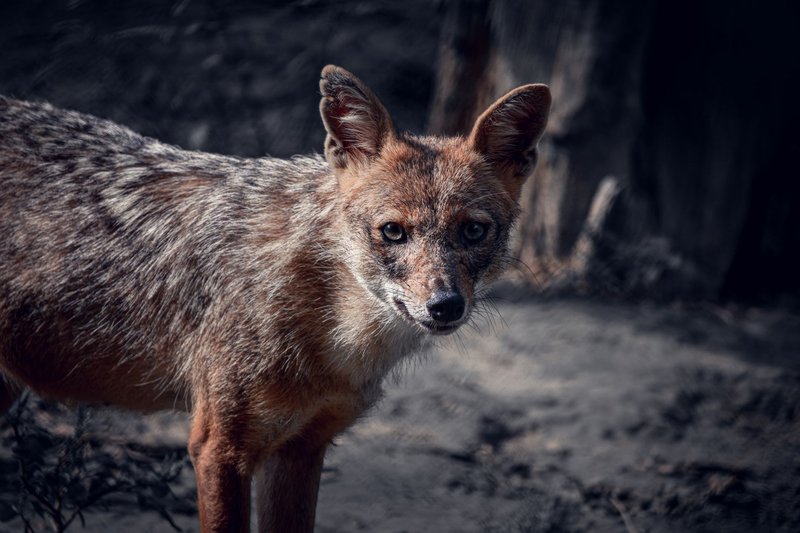
Canis aureus — open country across the Middle East, South Asia, and southeastern Europe
The species name aureus means “golden,” and the coat earns it: a sandy gold base that shifts seasonally and regionally, often deepening to a richer tone in winter. It’s the wild-dog version of the same pheomelanin trick the lion uses, scaled down to a jackal’s frame.
For years it was lumped with other jackals, but genetic work confirmed the African golden wolf as a separate species, leaving the golden jackal as its own Eurasian lineage. The gold is the link between them — same look, different family tree.
11. Golden retriever (the domestic outlier)
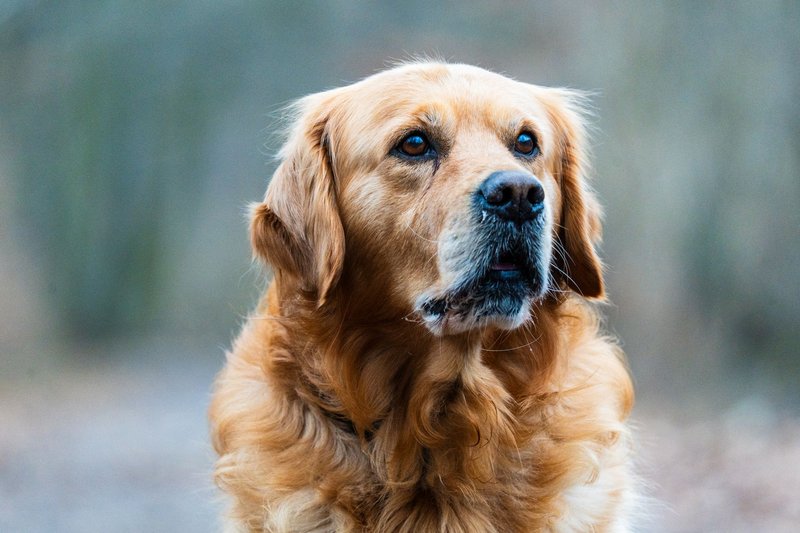
Canis lupus familiaris — your living room
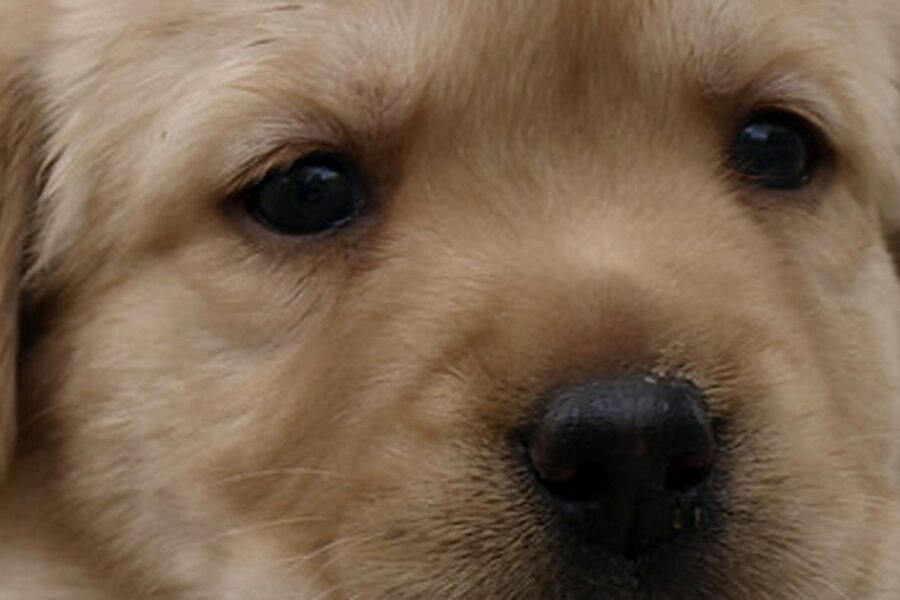
Worth one entry, because it’s the yellow mammal most readers actually live with. The golden retriever’s coat — anywhere from pale cream to deep red-gold — is pheomelanin selectively bred to the front of the queue. Breeders in 19th-century Scotland deliberately chose for the golden color and a water-friendly coat, and that’s the gold you see today.
It’s a useful proof of concept: the genetic dial for golden fur exists in mammals, and humans cranked it. Left to natural selection, that dial rarely gets pushed this far, which is exactly why wild golden mammals are scarce.
12. Sykes’ / golden monkey
Cercopithecus mitis kandti — bamboo forests of the Virunga volcanoes, central Africa
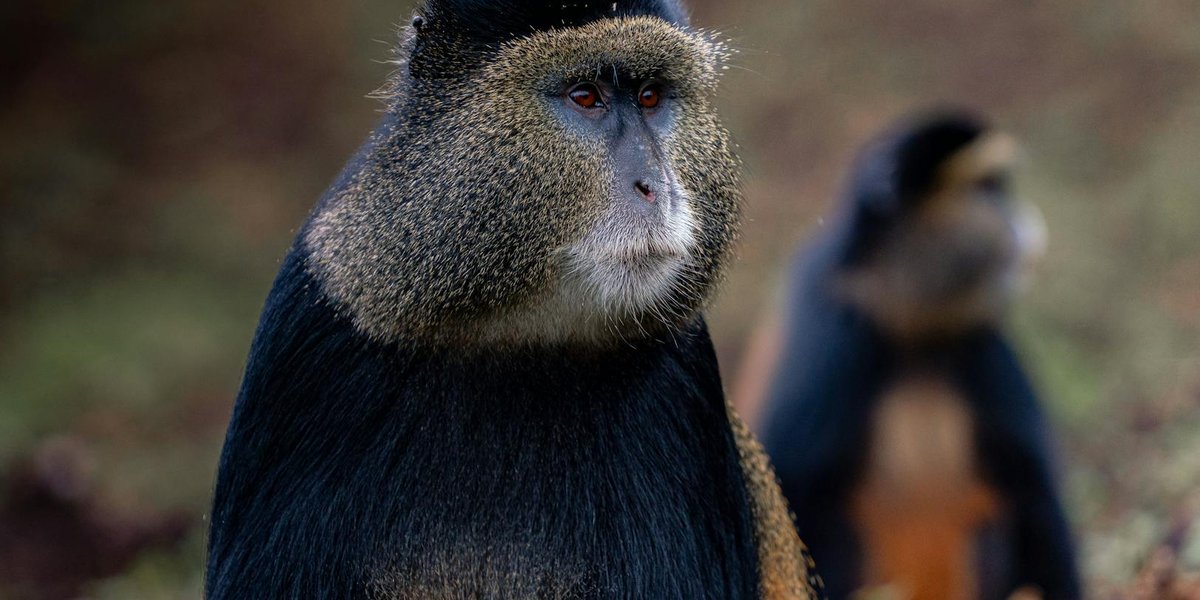
The golden monkey is a subspecies of blue monkey wearing a bright golden-orange patch across its back and flanks, vivid against darker limbs and a charcoal face. It lives in the same misty Virunga highlands as the mountain gorillas, and it’s nearly as range-restricted, which makes it one of the harder yellow mammals to see in the wild.
The gold concentrates on the saddle of the back, where the fur is densest, and seems to flare brightest in the cold mountain light. It’s a fitting close to the list: a mammal that found one more way to look gold, in one of the few places left where you can watch it happen.
Quick comparison table
| Mammal | Scientific name | Range | Why it’s yellow |
|---|---|---|---|
| Golden lion tamarin | Leontopithecus rosalia | SE Brazil | Concentrated pheomelanin, possible diet boost |
| Golden snub-nosed monkey | Rhinopithecus roxellana | Central China | Dense pheomelanin for insulation |
| Yellow mongoose | Cynictis penicillata | Southern Africa | Reddish-yellow pheomelanin |
| Yellow-bellied marmot | Marmota flaviventris | Western N. America | Pheomelanin on chest/belly |
| Kinkajou | Potos flavus | Mexico to Brazil | Honey-gold pheomelanin, light-catching |
| African lion | Panthera leo | Sub-Saharan Africa | Tawny pheomelanin, camouflage-tuned |
| Golden-mantled ground squirrel | Callospermophilus lateralis | Western N. America | Gold “mantle” of pheomelanin |
| Indian giant squirrel | Ratufa indica | India | Multi-toned maroon-gold coat |
| Yellow-throated marten | Martes flavigula | South/SE Asia | Bright pheomelanin throat patch |
| Golden jackal | Canis aureus | Eurasia | Sandy-gold pheomelanin |
| Golden retriever | Canis lupus familiaris | Domestic | Selectively bred pheomelanin |
| Golden monkey | Cercopithecus mitis kandti | Virunga, C. Africa | Golden pheomelanin saddle |
FAQ
Why are there no truly bright-yellow mammals like there are birds? Mammals color their fur with melanin only, and the most yellow shade melanin produces (pheomelanin) tops out at a golden tan. The neon yellows you see on birds and reptiles come from carotenoid pigments and structural color, both of which mammals can’t deploy in their fur. So mammals get gold, not highlighter.
Can a mammal eat its way to a yellow coat? Barely. A few species may get a faint warm tint from carotenoid-rich diets, but mammals can’t deposit dietary carotenoids into fur the way birds deposit them into feathers. Diet nudges the tone; genetics sets the ceiling.
Is the yellow mongoose the only “official” yellow mammal? It’s the one most lists mention because its name and coat are unambiguous, but it’s far from alone. The golden lion tamarin, golden snub-nosed monkey, and yellow-throated marten are all at least as golden, arguably more so.
Are golden retrievers natural? The golden color exists naturally in mammal genetics, but the retriever’s consistent gold is the product of deliberate 19th-century breeding. In the wild, that level of golden coat almost never gets selected for.
What’s the most vivid yellow mammal? The golden lion tamarin is the usual answer — its long, silky, uniformly golden coat is about as close as a mammal gets to true yellow.