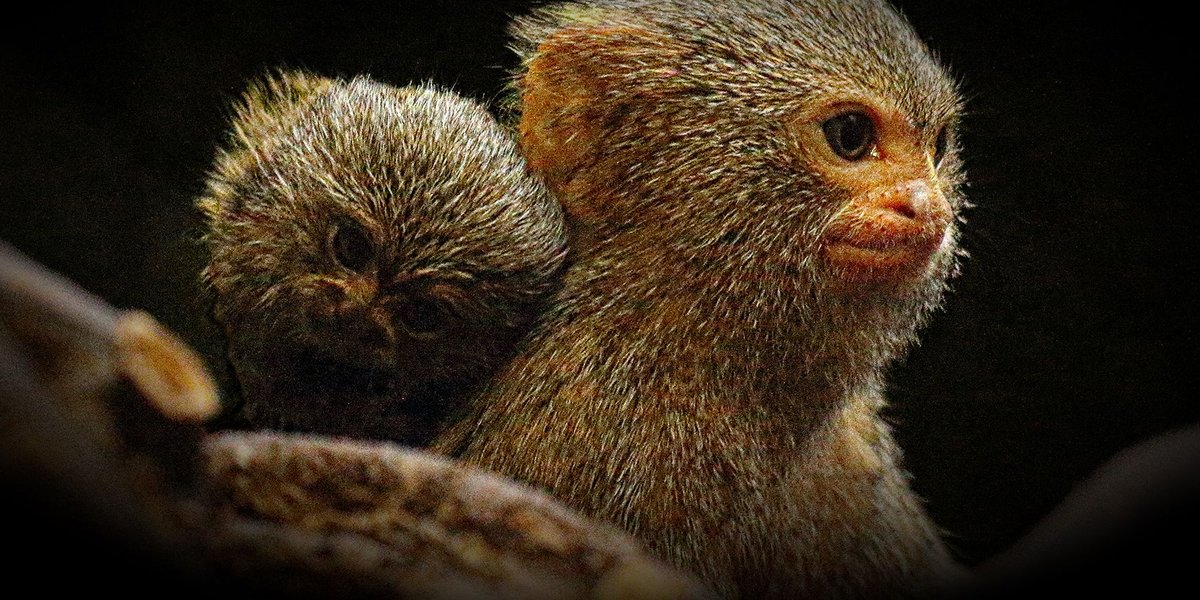
Pygmy marmosets eat tree gum. Not as a snack — as the main event. The world’s smallest monkey spends most of its feeding time gouging holes in bark and lapping up the sticky exudate that oozes out, rounding out the menu with insects and the occasional piece of fruit. If you’ve ever watched a finger monkey gnaw at a branch and wondered what it was doing, that’s it: it’s mining its breakfast.
That makes the pygmy marmoset a gummivore, a feeding specialist most people have never heard of. And it shapes everything about the animal, from its oversized lower incisors to its daily routine.
Table of Contents
- The short answer
- Tree gum and sap: the main course
- Insects: the protein hit
- The minor items: nectar, fruit, and the rare lizard
- Wild diet vs. captive diet
- Can you feed a pet finger monkey?
- A day in the life of a feeding marmoset
- FAQ
The short answer
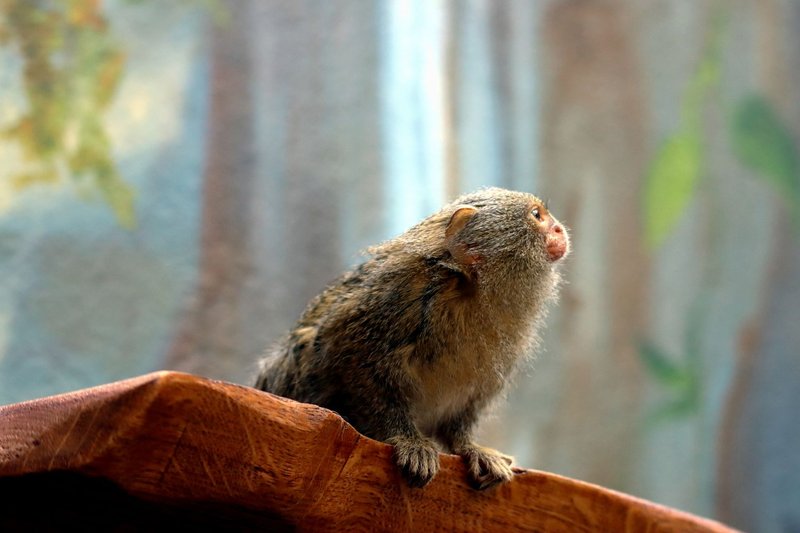
A wild pygmy marmoset’s diet breaks down roughly like this:
- Tree exudates (gum, sap, resin): 60–80% of feeding time
- Insects: around 12–16%
- Everything else: nectar, fruit, buds, flowers, and the rare small lizard
So if you want the one-sentence version: pygmy marmosets are gum-eating specialists that top up with bugs. The University of Wisconsin’s Primate Info Net factsheet puts the gum figure as high as 80% of feeding time, which is unusual even among the marmoset family. Most of their relatives like fruit a lot more than they do.
Tree gum and sap: the main course
Here’s the part that surprises people. Pygmy marmosets don’t wait around for sap to leak out on its own. They make it leak.
Using their specialized lower incisors — which keep growing throughout life, a bit like a rodent’s — they bite into the bark with a sawing, scraping motion and chisel out small oval holes. The wound weeps gum, and the marmoset comes back to harvest it. A single family will work the same tree for weeks, and researchers have counted well over a thousand gouge holes on a heavily used trunk. Some trees end up looking like they’ve been peppered with tiny buckshot.
This is hard, slow food. Gum is mostly complex carbohydrates and is tough to digest, which is why pygmy marmosets have an enlarged cecum — a pouch in the gut where bacteria ferment the stuff and break it down. They’re built around this diet from the teeth all the way down.
It also explains why they’re so territorial about good trees. A productive gum tree isn’t just a food source; it’s infrastructure the whole group has invested labor into. They’ll defend it.
Insects: the protein hit
Gum gives them energy. Insects give them protein, fat, and the nutrients sap can’t.
Pygmy marmosets are quick, precise hunters for their size. Grasshoppers are a favorite, and they’ll also take spiders, beetles, moths, and butterflies. There’s a neat bit of opportunism here: the sap wells they carve attract insects looking for an easy sugar meal, so the marmoset’s gum mine doubles as a bug trap. Carve a hole, come back later, and there’s often something crawling on it.
Watching one hunt is all twitch and pounce — they freeze, track the insect with those big forward-facing eyes, then snatch it with both hands. For an animal that weighs about as much as a stick of butter, they’re efficient little predators.
The minor items: nectar, fruit, and the rare lizard {#the-minor-items}
Everything else fills in the gaps. Pygmy marmosets will drink nectar from flowers, nibble buds and the occasional piece of fruit, and — rarely — grab a small lizard if the chance comes up.
But here’s a useful thing to understand if you’re picturing a marmoset as a fruit-loving little monkey: it mostly isn’t. Compared to gum and insects, fruit is a sideline. They eat it when it’s around, but they don’t organize their day around it the way they do around their gum trees. This is the single biggest misconception about the species, and it matters a lot if you’re thinking about captive care.
Wild diet vs. captive diet
Zoos and keepers can’t exactly grow a forest of gum-producing trees, so captive diets approximate the wild one with substitutes. The key is making sure the animal still gets that gum-like component, not just fruit and pellets.
| Wild diet | Captive / zoo diet | |
|---|---|---|
| Main staple | Tree gum and sap (60–80%) | Marmoset gum (e.g. powdered gum arabic mixed with water), gum/jelly products |
| Protein | Grasshoppers, spiders, beetles, moths | Crickets, mealworms, wax worms, hard-boiled egg |
| Supplements | Nectar, buds, flowers | Marmoset pellets, marmoset jelly, vitamin/calcium dusting on insects |
| Plant matter | Occasional fruit | Small amounts of chopped fruit and vegetables |
| Rare extras | Small lizards | — |
Notice fruit stays small in both columns. A captive pygmy marmoset fed mostly fruit will happily eat it, then develop problems — obesity, dental disease, and metabolic bone disease from poor calcium-to-phosphorus balance are the classic ones keepers watch for. The fix is more gum and more appropriately dusted insects, less sugar.
Good zoo programs also smear gum products into bark crevices or puzzle feeders so the animal has to work for it. Foraging is a big chunk of a marmoset’s natural behavior; hand it a bowl and you take that away.
Can you feed a pet finger monkey?
This is the question the zoo factsheets skip, so let’s be straight about it.
First, the honest caveat: pygmy marmosets are demanding exotic pets, they’re illegal or tightly regulated in many places, and they do badly in isolation. None of what follows is an endorsement of keeping one. But if you already have one, or you’re researching what ownership actually involves, the diet is non-negotiable and it’s where a lot of owners go wrong.
A captive finger monkey needs:
- A gum source, daily. This is the part casual owners miss. Commercial marmoset gum (gum arabic based) or a quality marmoset jelly recreates the staple they evolved to eat. Without it, you’re feeding the wrong animal.
- Live insects, gut-loaded and dusted. Crickets and mealworms are standard, dusted with a calcium/vitamin D3 supplement. The dusting isn’t optional — it’s how you prevent metabolic bone disease.
- A small amount of fruit and veg. Chopped, varied, and limited. Think garnish, not main dish.
- Marmoset pellets as a nutritional baseline some keepers build around.
The biggest mistake is treating them like tiny humans who want a fruit salad. They don’t. A diet that’s mostly sweet fruit is one of the fastest ways to make a captive marmoset sick. If you keep one, a vet who actually treats exotics — not just dogs and cats — should sign off on the plan. The IUCN lists the pygmy marmoset as Vulnerable, and the pet trade is part of that pressure, which is worth sitting with before you buy.
A day in the life of a feeding marmoset {#a-day-in-the-life}
Pygmy marmosets don’t graze steadily all day. Their feeding clumps into two peaks: a busy stretch in the early morning and another in the late afternoon, with the gum trees getting the most attention. Midday tends to be quieter — resting, grooming, keeping an eye out for hawks and snakes.
That rhythm is worth copying in captivity. Two well-spaced feeding sessions that mirror the natural peaks beat one big bowl dumped in at random. It keeps the animal’s behavior closer to wild, and a busy, foraging marmoset is a healthier one than a bored one staring at an empty dish.
FAQ
Do pygmy marmosets eat fruit? Yes, but not much. Fruit is a minor part of the diet in the wild and should stay a small part in captivity. Gum and insects do the heavy lifting; fruit is a side item, not a staple.
What is a pygmy marmoset’s favorite food? Tree gum and sap, by a wide margin — it can make up 60–80% of feeding time. Among insects, grasshoppers are a clear favorite.
Why do pygmy marmosets gnaw on trees? They’re gouging holes in the bark to make the tree leak gum and sap, which they then eat. Their continuously growing lower incisors are specialized for exactly this.
What do you feed a pet finger monkey? A gum product (marmoset gum or jelly) as the staple, gut-loaded and calcium-dusted insects like crickets and mealworms, marmoset pellets, and a small amount of chopped fruit and veg. Heavy on gum and protein, light on fruit — and always under exotic-vet guidance.
Are pygmy marmosets herbivores? No. They’re omnivores with a specialist gummivore-insectivore diet: plant exudates plus insects, with small amounts of other plant and animal matter.
How often do pygmy marmosets eat? They feed in two main bursts, one in the early morning and one in the late afternoon, rather than continuously through the day.