Table of Contents
- A Desert That Blooms on a Schedule
- Arfaj: The Flower That Became a National Symbol
- The Spring Wildflower Rush: Nuwair and Its Neighbors
- Garden Flowers: What Grows in a Diwaniya
- When and Where to Actually See It
A Desert That Blooms on a Schedule
Kuwait gets about 110 to 120 millimeters of rain a year, almost all of it between November and March. That’s not much to work with, but the timing matters more than the total. A wet autumn followed by cool winter showers is what triggers the spring show — without it, the desert stays the color of cardboard straight through to summer.
Roughly two-thirds of Kuwait’s native plant species are annuals, which is the desert’s workaround for a climate that offers only a few reliable weeks of moisture a year. Seeds sit dormant in the sand for months, sometimes years, waiting for the right rainfall pattern. When it comes, they germinate, flower, set seed, and die within a single season — a boom-and-bust cycle rather than the slow perennial growth you’d see somewhere temperate.
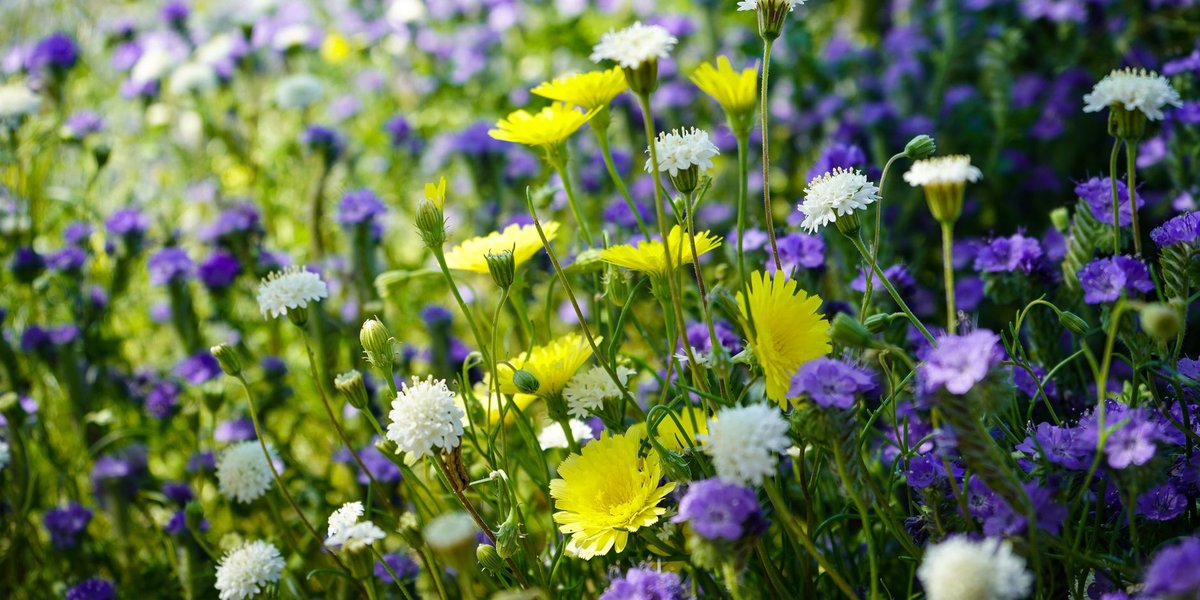
The payoff, when the rains cooperate, is a desert floor that goes from bare to carpeted in a matter of weeks. Locals call the good years a “super bloom,” and after a particularly wet stretch, patches of the northern and western desert fill with arfaj bushes, spiny ausaj shrubs, and low mats of white and yellow daisies.
Arfaj: The Flower That Became a National Symbol
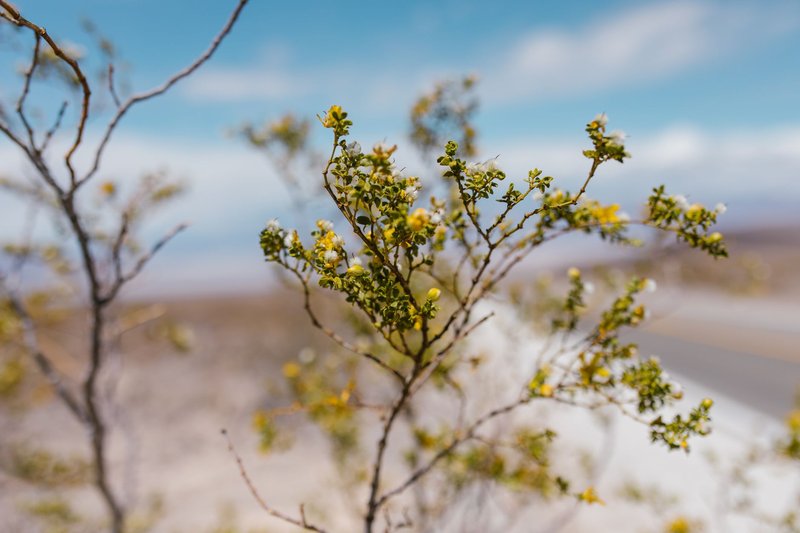
If Kuwait has one flower that stands for the whole country, it’s arfaj (Rhanterium epapposum) — a knee-high, densely branched shrub with narrow, almost thorny-looking leaves and small yellow flowers, each about 1.5 centimeters across. It was formally adopted as Kuwait’s national flower, and the choice wasn’t sentimental. It was practical.
Arfaj is one of the few shrubs that holds the sandy soil of Kuwait’s desert together, and it’s a key forage plant — camels and sheep graze on it, particularly in the cooler months when it’s at its most nutritious. It flowers late in the spring cycle, typically April into May, well after the smaller annual wildflowers have already come and gone, which makes it something of a closing act rather than an opening one.
The symbolism runs on the same logic as the biology. Arfaj survives on almost nothing, tolerates extreme heat and years-long dry spells, and still produces flowers reliably once conditions allow. Kuwaitis have long pointed to that resilience as a stand-in for their own relationship with a punishing climate — a plant that doesn’t need much and still shows up. Older Bedouin communities used it as fuel and medicine long before it carried any official title, and its overgrazing and decline in parts of the country in recent decades has become its own quiet story about desert conservation, not just a footnote in a wildflower guide.
The Spring Wildflower Rush: Nuwair and Its Neighbors
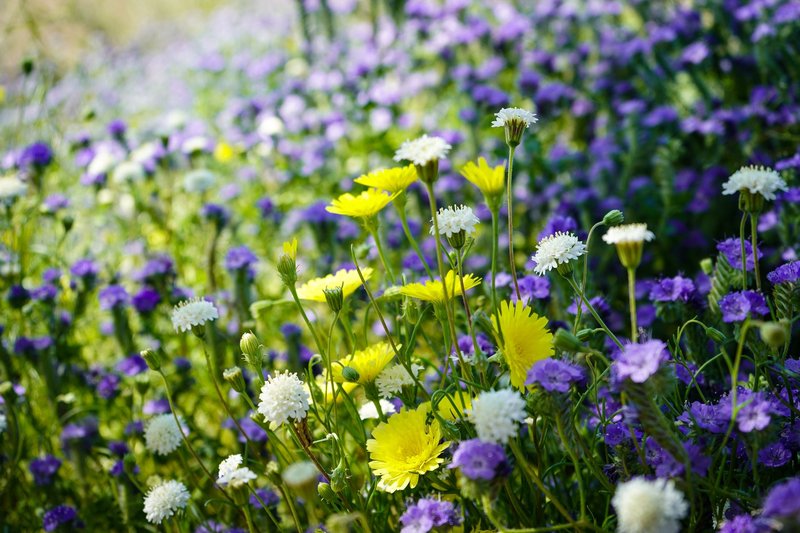
Before arfaj even starts flowering, Kuwait goes through an earlier, faster bloom that locals lump together under the name “Nuwair.” It’s not a single species — it’s a category, referring to a handful of low-growing, sun-yellow desert annuals that pop up in grassy lots, roadside verges, and open desert alike after almost any meaningful rain. The name comes from the Arabic word for light, a nod to how the yellow petals seem to glow against the sand.
Alongside Nuwair, Kuwaitis recognize a handful of other spring bloomers by local name rather than Latin binomial: Al-Hanwa, Al-Houthan, Al-Zamlouk, Al-Marar, and Al-Atheed among them. Some are yellow like Nuwair; others turn up in pale lavender or white. What they share is speed — most of these annuals complete their entire life cycle in a matter of weeks, which is why the bloom window feels so narrow if you’re trying to time a visit.
This is also where Kuwait’s wildflower story differs from what a lot of “desert bloom” content assumes. It’s not one plant putting on a show — it’s dozens of short-lived species overlapping and replacing each other across February, March, and into April, so the color and composition of a given patch of desert can look completely different two weeks apart. According to National Geographic’s coverage of Arabian desert blooms, this rapid post-rain flowering is characteristic of Gulf desert ecosystems broadly, not unique to Kuwait, but Kuwait’s flat gravel plains make the bloom unusually visible once it starts.
Garden Flowers: What Grows in a Diwaniya
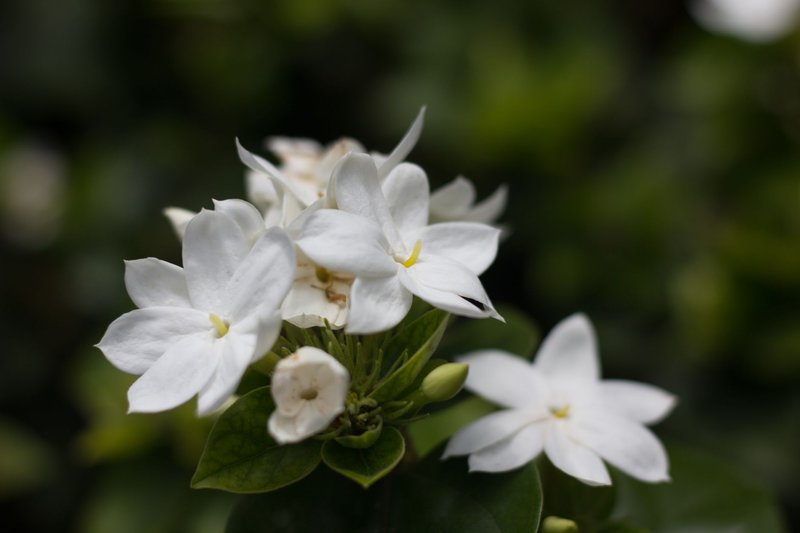
Step outside the desert and into a Kuwaiti neighborhood, and the flower story changes completely. The diwaniya — the semi-formal outdoor gathering space attached to most villa gardens, used for evening visits and conversation — has its own planting logic, built around what can survive Kuwait’s summer heat while still looking presentable to guests.
Jasmine shows up constantly, mostly because it asks for so little and gives back a lot: minimal water and maintenance once established, in exchange for fragrance that carries across a courtyard in the evening, which matters a great deal when the diwaniya’s whole purpose is sitting outside after dark. Bougainvillea does the visual heavy lifting — trained along walls and pergolas, it tolerates the heat that kills off less hardy climbers and delivers the magenta, orange, or white bracts that define a lot of Kuwaiti villa exteriors. Roses appear too, usually in more sheltered, partially shaded corners of the garden where they’re protected from the worst of the midday sun, alongside oleander and hibiscus for structure and color between rose flushes.
None of these are native to Kuwait’s desert — they’re imported and irrigated, the opposite strategy from arfaj’s drought tolerance. But that contrast is the point. Kuwait’s cultivated flower palette and its wild one solve the same climate problem in opposite ways: one waits out the heat with water and shade, the other skips the fight entirely and shuts down until conditions improve.
When and Where to Actually See It
If you want to catch the wild bloom rather than the garden version, March into early April is the reliable window, assuming the previous winter delivered decent rain — a dry winter can mean a thin bloom or none at all, so it’s worth checking recent rainfall before planning around it. Arfaj follows a few weeks behind the smaller annuals, typically flowering into May, so a later trip still has a chance of catching the national flower even if the earlier Nuwair rush has already faded.
Look toward Kuwait’s northern and western desert areas, away from the coastal urban strip, where open gravel plains and less-disturbed soil give annuals room to establish. Roadside verges and empty lots within the city will also flower after rain, which is a lower-effort way to see Nuwair specifically without a desert trip at all. Whichever route you take, the same rule applies everywhere in Kuwait: no rain, no bloom, so timing beats location every time.