Table of Contents
- The Numbers Behind the Headline
- Mammals: Cats, Tapirs, and the Ones You Won’t See
- Birds: Belize’s Most Threatened Flyers
- Reptiles and Turtles: The Hicatee Problem
- Marine Life: Manatees and Sea Turtles Offshore
- Where to See Them Without Making It Worse
- What’s Actually Being Done
The Numbers Behind the Headline
Belize’s 2025 National Red List of Threatened Species names 106 species in trouble: 14 mammals, 60 birds, 18 reptiles, and 14 amphibians. That’s a small country — about the size of Massachusetts — carrying an outsized share of Central America’s biodiversity, and an outsized share of its conservation problems.
The pattern repeats across every group on the list. Habitat loss from agricultural expansion and coastal development sits at the root of most declines. Hunting and the pet trade take a bite out of the rest. And for anything that spends time in the water, bycatch and boat strikes finish the job. None of this is unique to Belize, but the country’s small land area means the margin for error is thinner than almost anywhere else in the region.
What follows isn’t the full 106 — that’s a spreadsheet, not a story. It’s the species that define the list: the ones with the clearest threats, the most active protection efforts, and in most cases, a real place you can go see them without adding to the problem.
Mammals: Cats, Tapirs, and the Ones You Won’t See
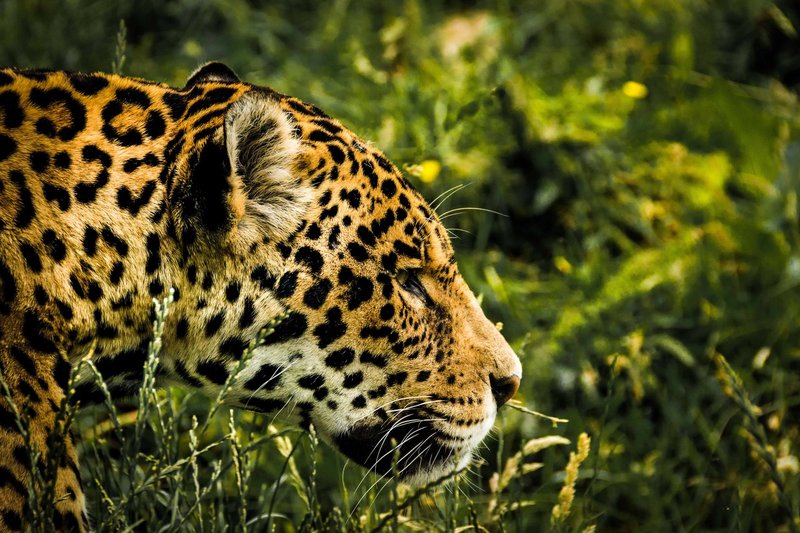
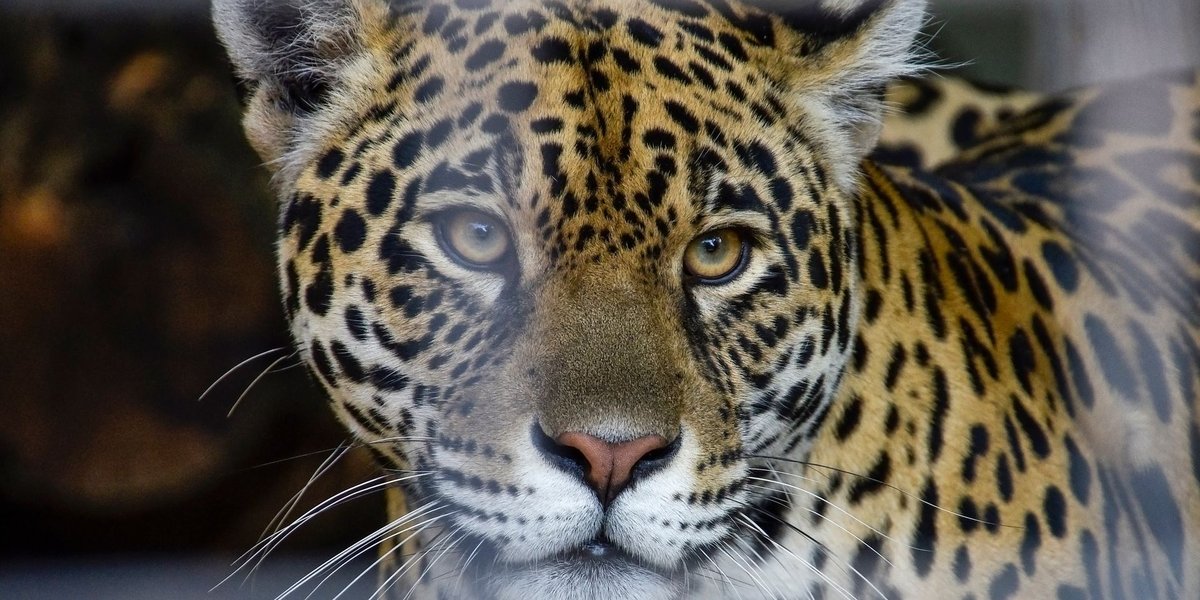
The jaguar is Belize’s flagship endangered mammal, and the country has leaned into that role harder than most — Cockscomb Basin Wildlife Sanctuary, established in 1986, was the world’s first protected area created specifically for jaguars. The IUCN lists the jaguar as Near Threatened globally, but Belize’s population faces its own local pressure: cattle ranchers who lose livestock to jaguars sometimes retaliate with snares or shooting, even where the cats are legally protected. Camera-trap studies out of Cockscomb have tracked individual jaguars for years, giving researchers rare insight into range size and prey preference in a country this small.
The Central American tapir — Belize’s national animal, locally called the “mountain cow” despite looking nothing like one — is listed as Endangered. Tapirs need large tracts of undisturbed forest and wetland to browse in, which puts them on a collision course with logging roads and agricultural clearing. They’re slow breeders too: a female tapir has one calf roughly every two years, so population recovery lags well behind habitat loss.
Less visible on tourist itineraries but no less pressured: Baird’s tapir shares range pressure with several smaller cat species, including margays and jaguarundis, whose numbers are harder to track precisely because they’re nocturnal and solitary by nature.
Birds: Belize’s Most Threatened Flyers
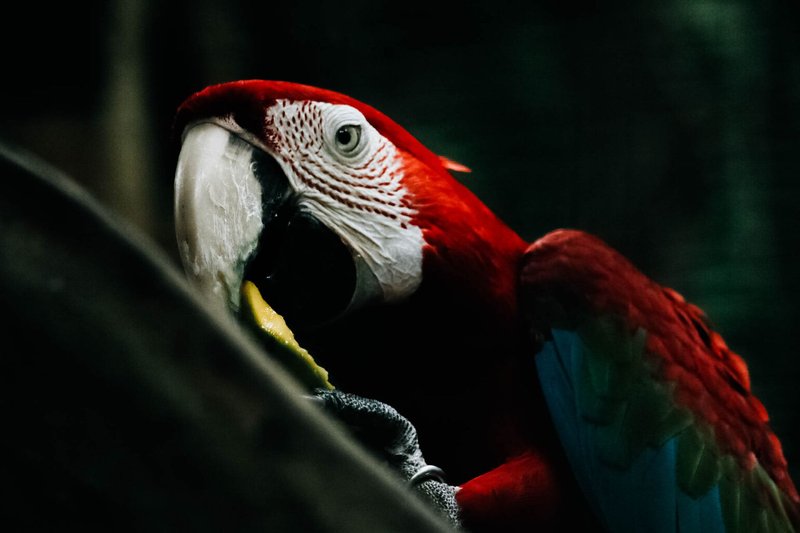
Sixty species out of 106 on the Red List are birds, which tells you where the real crisis sits. The scarlet macaw is the one most people picture — a bird so visually loud it seems like it should be thriving, but Belize’s population, concentrated mostly around the Chiquibul Forest, has been squeezed by illegal poaching for the international pet trade and nest-site competition. Poachers target chicks straight out of the nest cavity, which is why groups like Friends for Conservation and Development run active nest-monitoring programs during breeding season, sometimes posting guards at known nest trees.
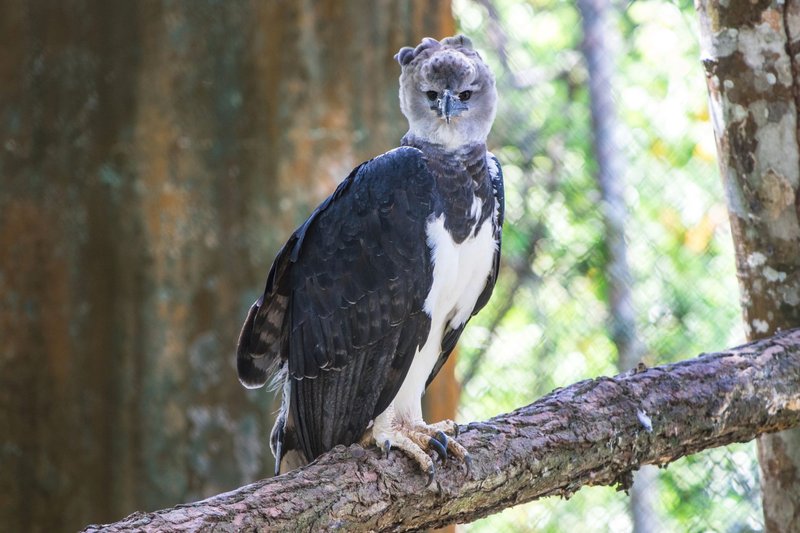
The harpy eagle disappeared from Belize’s forests for decades before a reintroduction program brought captive-bred birds back into the Rio Bravo Conservation Area starting in the early 2000s. It’s one of the largest eagles on earth, powerful enough to take sloths and monkeys out of the canopy, and it needs old-growth forest with tall emergent trees to nest in — the kind of habitat that doesn’t regenerate on any timeline useful to a conservation plan. Sightings are still rare enough that a confirmed harpy eagle report makes local birding news.
Beyond the headline species, Belize’s threatened bird list leans heavily on wetland and forest specialists — herons, hawks, and several warbler species that pass through on migration and depend on Belize’s mangroves and lagoons as a stopover, not just a home.
Reptiles and Turtles: The Hicatee Problem
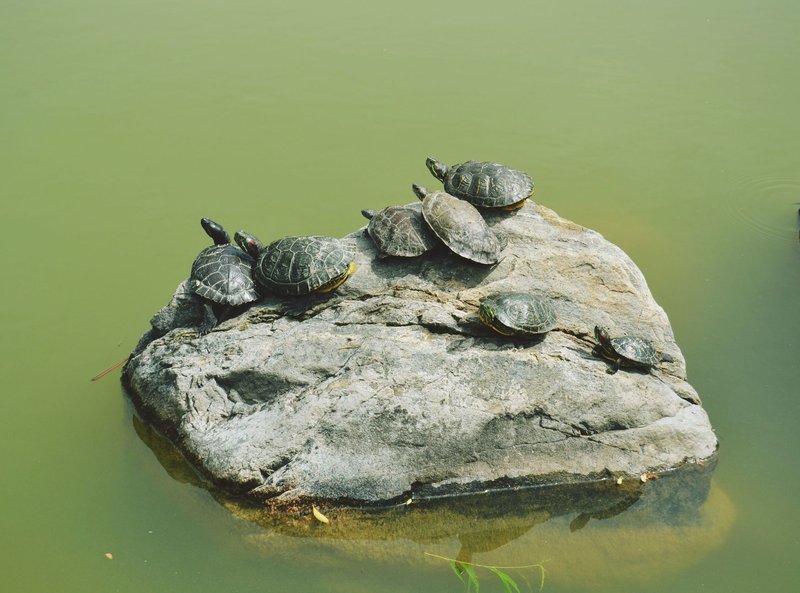
If you asked a Belizean conservationist which species keeps them up at night, most would say the hicatee, the Central American river turtle. It’s the last surviving member of its family, found only in freshwater rivers and lagoons from southern Mexico through Belize to Guatemala, and it’s been hunted for its meat for so long — it’s considered a delicacy, especially around Easter — that wild populations have collapsed across most of its range. Belize now holds some of the last stable hicatee populations anywhere, which makes the country’s conservation choices here disproportionately important for the species’ global survival.
The Belize Foundation for Research and Environmental Education runs a captive breeding and head-start program for hicatee, releasing juveniles back into protected river systems once they’re past the size where predators and poachers pose the biggest risk. A nationwide hunting ban has been in place since 2016, though enforcement in remote river systems remains genuinely difficult.
Eighteen reptile species made the 2025 list overall, including several turtle species beyond the hicatee and crocodile populations that face habitat conflict as coastal development pushes into former nesting grounds — a common pressure on wetland reptiles throughout the region.
Marine Life: Manatees and Sea Turtles Offshore
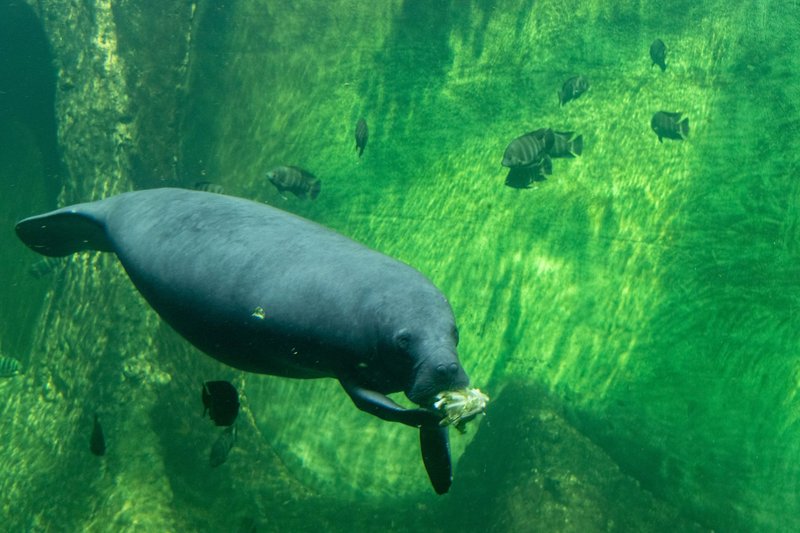
The Antillean manatee — one of Belize’s most famous animals — finds one of its last real strongholds in Belize’s coastal lagoons and river mouths, particularly around the Southern Lagoon and Drowned Cayes. Boat strikes are the leading cause of manatee injury and death here, which is a direct consequence of Belize’s booming tourism traffic in shallow coastal water. Slow-moving, air-breathing, and often resting just below the surface, manatees are nearly invisible to a boat operator running at speed, and the collisions are rarely survivable for the animal.
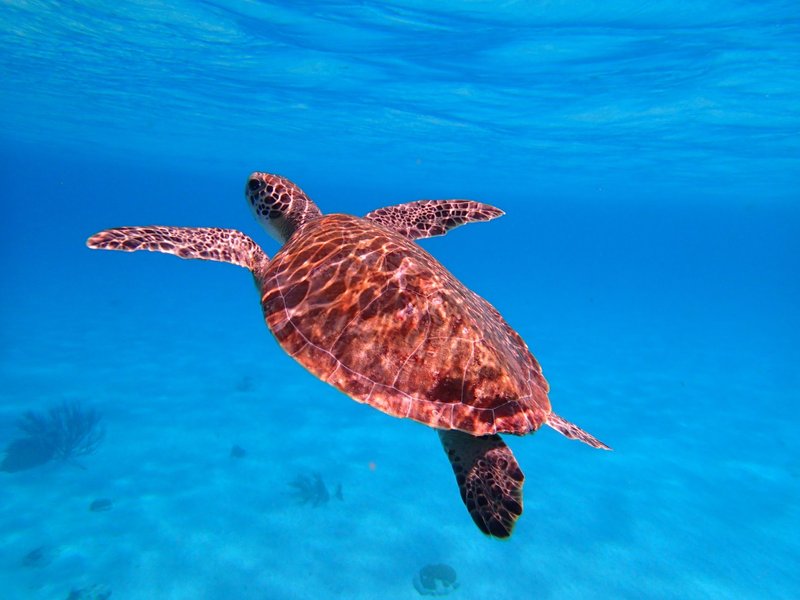
Belize’s barrier reef — the second-largest in the world — supports nesting populations of hawksbill turtles, classified as Critically Endangered by the IUCN, along with loggerhead and green sea turtles. Hawksbills nest on a handful of Belize’s cayes, and their eggs and hatchlings face threats from beach development, feral animals, and historically, the shell trade — hawksbill shell was prized for jewelry and combs well into the 20th century, and demand hasn’t fully disappeared in some markets.
Where to See Them Without Making It Worse
This is the part most “endangered species in Belize” lists skip entirely: you can actually see a lot of this list in person, and doing it right funds the protection work instead of undermining it.
- Cockscomb Basin Wildlife Sanctuary gives you the best odds of jaguar sign — tracks, scat, scratch trees — even though a direct sighting is rare and shouldn’t be the expectation.
- The Belize Zoo, just outside Belize City, houses rescued and non-releasable native wildlife, including tapirs, jaguars, and harpy eagles, and is one of the only places most visitors will see a harpy eagle up close.
- Lamanai and the New River Lagoon offer decent odds of spotting manatees from a boat, provided the operator follows no-wake zones near known feeding areas.
- Gladden Spit and Silk Cayes Marine Reserve and other protected reef sections give divers and snorkelers a shot at hawksbill turtles on the reef itself, rather than a captive setting.
- Half Moon Caye Natural Monument protects nesting seabirds and turtle beaches with strict visitor guidelines already built in.
The common thread: licensed tour operators who follow Belize Audubon Society or Belize Fisheries Department guidelines, keep their distance from nesting sites, and don’t chase or bait wildlife for a better photo.
What’s Actually Being Done
Belize’s Wildlife Protection Act underpins most of the legal framework here, covering hunting restrictions, protected species lists, and habitat designations. The Protected Areas Conservation Trust (PACT) funds a lot of the on-the-ground work — ranger patrols, research grants, community programs — through a conservation fee built into departure taxes and cruise ship passenger fees, meaning most visitors to Belize are already contributing to this work whether they realize it or not.
Roughly 36% of Belize’s landmass and a significant share of its marine territory sit within some form of protected designation, which is high by regional standards. The gap isn’t policy — it’s enforcement capacity in a country with a small population and a lot of remote forest and coastline to patrol. That’s where donations to groups like the Belize Foundation for Research and Environmental Education, Friends for Conservation and Development, and the Belize Audubon Society tend to matter more than they would in a country with deeper government resources.
None of the 106 species on the 2025 Red List got there overnight, and none of them recover overnight either. But Belize is one of the few places where the conservation infrastructure — protected areas, active breeding programs, funded ranger patrols — is genuinely keeping pace with the threats, rather than reacting after the fact.