Table of Contents
- TLDR: Our Top Picks
- Why Are Some Dogs Brown? The Genetics, Briefly
- Small Brown Dog Breeds
- Medium Brown Dog Breeds
- Large Brown Dog Breeds
- Which Brown Dog Is Right for You
- FAQ
- Our Honest Recommendation
TLDR: Our Top Picks
If you just want the answer: the Chocolate Labrador Retriever is the best all-around brown dog for most households — biddable, sturdy, and forgiving of first-time owner mistakes. For an apartment, the Cavalier King Charles Spaniel in its ruby coat covers the same friendliness in a twelve-pound package. For an active household that wants a dog that thinks it’s a person, the Vizsla wins, no contest.
Everything below explains why, plus 15 more brown breeds you probably haven’t considered.
Why Are Some Dogs Brown? The Genetics, Briefly
A brown coat isn’t its own pigment — it’s black pigment that never fully forms. Dog coat color runs on two base pigments: eumelanin (black/brown) and pheomelanin (red/yellow). What we call “brown,” “chocolate,” or “liver” happens when a dog carries two copies of a recessive allele at the TYRP1 gene, sometimes shorthand as the “b locus.” That gene normally helps convert a precursor pigment into true black eumelanin. When it’s broken in both copies, the eumelanin comes out diluted to brown instead.
This is why brown is recessive: a dog needs the mutated gene from both parents to show it, which is also why two black Labradors can produce a chocolate puppy if both happen to carry a hidden copy. Research on canine coat color genetics has mapped this locus precisely enough that DNA panels can now predict a litter’s coat outcomes before the puppies are born.
The shade you actually see — deep chocolate, reddish liver, pale fawn, or the “ruby” of a Cavalier — comes down to modifier genes stacking on top of that base mutation, plus how much pheomelanin is mixed in. Brown coats also fade faster in strong sun than black coats do, since the pigment granules are already less dense; a chocolate Lab that spends summers at the lake often looks noticeably lighter by fall.
Small Brown Dog Breeds
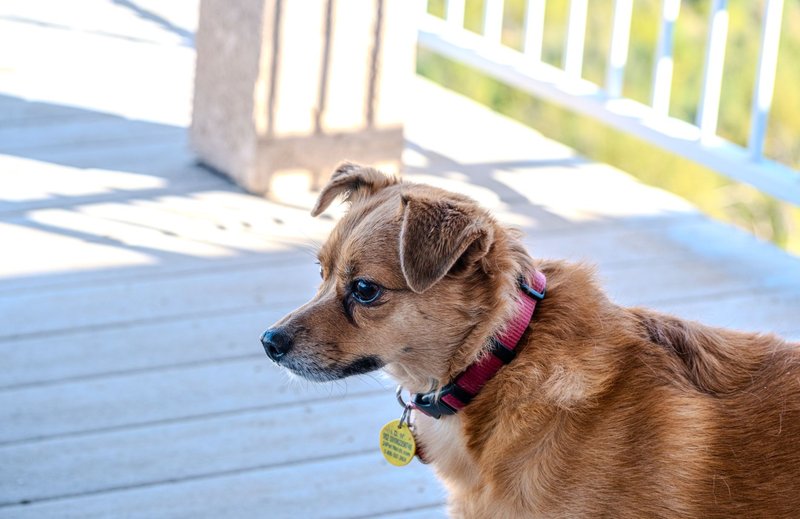
Small brown breeds tend to come from spaniel and toy lines, where liver and chocolate have been part of the standard for well over a century.
1. Dachshund (Chocolate & Tan)
| Lifespan | Weight | Coat | Temperament | Energy | Price |
|---|---|---|---|---|---|
| 12–16 yrs | 16–32 lbs | Smooth, wire, or long | Stubborn, curious, loyal | Moderate | $700–$3,500 |
Bred to go into badger dens headfirst, and it shows in how they argue with you about everything. The chocolate-and-tan variety carries the same TYRP1 dilution as a chocolate Lab, just packaged into a dog built like a loaf of bread with legs.
2. American Cocker Spaniel (Chocolate)
| Lifespan | Weight | Coat | Temperament | Energy | Price |
|---|---|---|---|---|---|
| 10–14 yrs | 20–30 lbs | Silky, feathered | Gentle, eager to please | Moderate | $800–$2,000 |
Chocolate Cockers are less common at shows than their buff and black littermates, mostly because the gene pool for the color is smaller — breeders who specialize in it are worth seeking out rather than settling for the first litter you find.
3. Boykin Spaniel
| Lifespan | Weight | Coat | Temperament | Energy | Price |
|---|---|---|---|---|---|
| 10–15 yrs | 25–40 lbs | Wavy, water-resistant | Eager, biddable, friendly | High | $1,200–$2,500 |
South Carolina’s official state dog, and it’s liver-brown from nose to tail — no other color exists in the breed. Developed to fit in a small boat and retrieve turkey and waterfowl, it needs a job or it’ll invent one, usually involving your couch cushions.
4. Cavalier King Charles Spaniel (Ruby)
| Lifespan | Weight | Coat | Temperament | Energy | Price |
|---|---|---|---|---|---|
| 12–15 yrs | 13–18 lbs | Silky, feathered | Affectionate, adaptable | Low-moderate | $1,500–$3,500 |
The solid mahogany-red “Ruby” coloring is one of four recognized Cavalier colors, and it’s a true red-brown rather than a diluted black — genetically distinct from a chocolate Lab. Built for laps, not hikes.
5. Miniature or Toy Poodle (Café-au-Lait / Chocolate)
| Lifespan | Weight | Coat | Temperament | Energy | Price |
|---|---|---|---|---|---|
| 12–15 yrs | 4–15 lbs | Curly, dense, low-shed | Sharp, trainable, alert | Moderate-high | $1,500–$4,000 |
Chocolate and café-au-lait Poodles are both driven by the TYRP1 mutation, with the paler café-au-lait shade coming from additional dilution genes. Low-shedding and often better tolerated by allergy sufferers, though “hypoallergenic” is always a matter of degree, not absolutes.
6. Brittany (Liver & White)
| Lifespan | Weight | Coat | Temperament | Energy | Price |
|---|---|---|---|---|---|
| 12–14 yrs | 30–40 lbs | Flat or wavy, dense | Bright, bird-obsessed | Very high | $1,000–$2,500 |
Technically borders on medium-sized, but earns its spot here for being one of the few gundogs bred specifically to hunt close to the gun rather than range far. Liver and white is the classic Brittany pattern, and the breed will run circles — literally — around an owner who doesn’t hunt or do serious fieldwork with it.
Medium Brown Dog Breeds
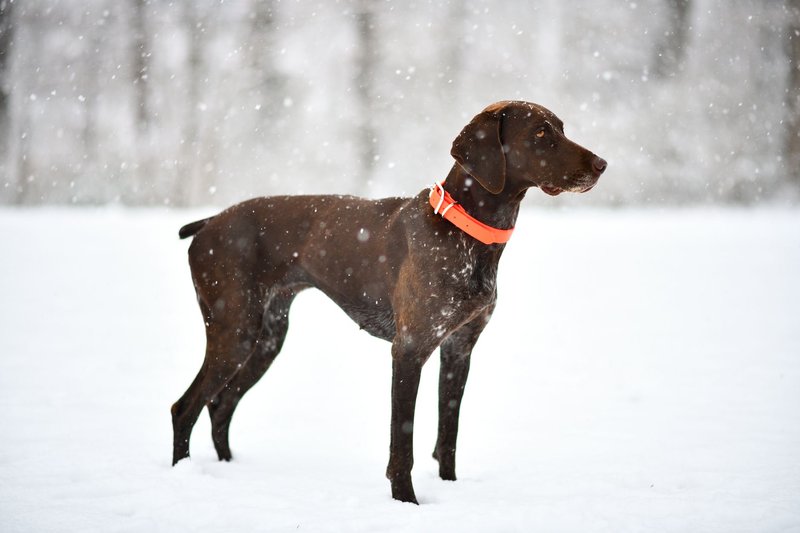
This is where brown coats show up as an actual breed hallmark rather than a color variant — several of these breeds don’t come in any other shade.
7. Vizsla
| Lifespan | Weight | Coat | Temperament | Energy | Price |
|---|---|---|---|---|---|
| 12–14 yrs | 45–65 lbs | Short, smooth | Velcro-attached, sensitive | Very high | $1,500–$3,000 |
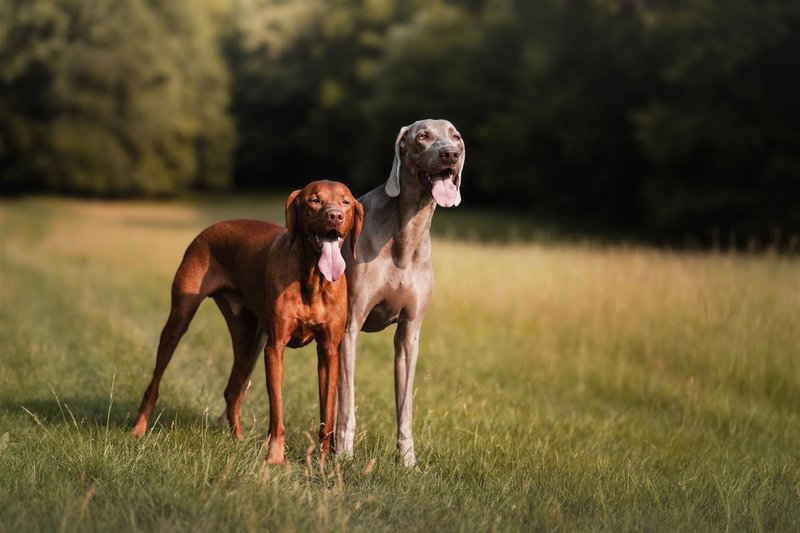
The “golden rust” Vizsla coat is its only acceptable color, and the breed’s clinginess is legendary enough that owners nicknamed it the “Velcro dog.” Skip this one if you work long hours away from home — separation anxiety hits Vizslas harder than most breeds.
8. Weimaraner
| Lifespan | Weight | Coat | Temperament | Energy | Price |
|---|---|---|---|---|---|
| 10–13 yrs | 55–90 lbs | Short, sleek | Confident, headstrong | Very high | $1,000–$2,500 |
Not truly brown — the “Grey Ghost” coat is a separate dilution gene entirely — but its silvery-taupe shade sits close enough to brown in most people’s minds that it belongs on this list, and it gets asked about constantly under this exact search term.
9. German Shorthaired Pointer (Liver)
| Lifespan | Weight | Coat | Temperament | Energy | Price |
|---|---|---|---|---|---|
| 10–14 yrs | 45–70 lbs | Short, dense | Smart, energetic, loyal | Very high | $1,000–$2,500 |
Solid liver or liver-and-white are the two standard GSP colorways, and this is a genuine athlete’s breed — built for all-day fieldwork, not a twice-around-the-block life. A GSP with no outlet for its energy will find one, and you won’t like it.
10. Field Spaniel
| Lifespan | Weight | Coat | Temperament | Energy | Price |
|---|---|---|---|---|---|
| 11–15 yrs | 35–50 lbs | Flat, silky, feathered | Independent, sensitive | Moderate | $1,200–$2,500 |
A rarer cousin of the Cocker and Springer, almost always solid liver or black, and one of the least common AKC-registered breeds in the country. Independent-minded in a way that surprises people expecting typical spaniel eagerness to please.
11. Sussex Spaniel
| Lifespan | Weight | Coat | Temperament | Energy | Price |
|---|---|---|---|---|---|
| 11–13 yrs | 35–45 lbs | Wavy, feathered | Calm, dignified, low-key | Low-moderate | $1,500–$3,000 |
Golden-liver is the only color the breed comes in, and it’s built low and long — closer in silhouette to a stretched-out spaniel than the leggy field types. One of the rarest sporting breeds in the U.S., with only a few hundred registered annually.
12. American Water Spaniel
| Lifespan | Weight | Coat | Temperament | Energy | Price |
|---|---|---|---|---|---|
| 10–14 yrs | 25–45 lbs | Curly or wavy, water-resistant | Eager, alert, versatile | High | $1,000–$2,000 |
Wisconsin’s state dog, bred for jumping out of small skiffs into cold water without hesitation. Solid liver or chocolate coat, oily and dense enough to shrug off freezing lake water most breeds wouldn’t tolerate.
Large Brown Dog Breeds
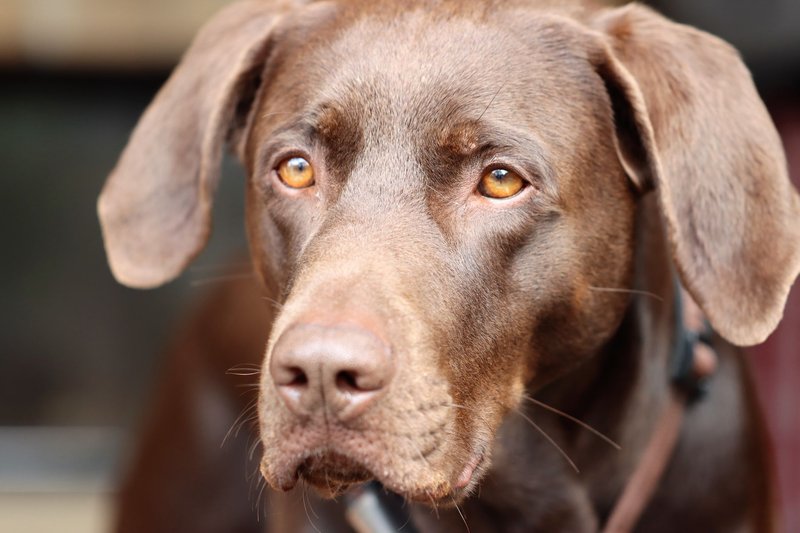
The heavy hitters — brown here often signals a working or hunting lineage rather than a cosmetic trait.
13. Chocolate Labrador Retriever
| Lifespan | Weight | Coat | Temperament | Energy | Price |
|---|---|---|---|---|---|
| 10–14 yrs | 55–80 lbs | Short, dense, double coat | Friendly, food-motivated, patient | High | $1,000–$2,500 |
The most recognizable brown dog on this entire list, and the one most people picture first when they hear the phrase. Chocolate is the rarest of the three Lab colors because it requires two recessive genes to line up, which is also why chocolate puppies sometimes command a premium over black or yellow littermates from the same litter.
14. Chesapeake Bay Retriever
| Lifespan | Weight | Coat | Temperament | Energy | Price |
|---|---|---|---|---|---|
| 10–13 yrs | 55–80 lbs | Harsh, wavy, oily double coat | Independent, protective, tough | High | $1,000–$2,000 |
Bred on the Chesapeake Bay to retrieve waterfowl from icy water all day, and its oily, wavy coat sheds water in a way a Lab’s coat can’t match. More reserved with strangers than a Lab — this is a dog that decides who it likes, not a dog that likes everyone by default.
15. Bloodhound
| Lifespan | Weight | Coat | Temperament | Energy | Price |
|---|---|---|---|---|---|
| 10–12 yrs | 80–110 lbs | Short, loose-fitting skin | Gentle, single-minded, stubborn | Moderate | $1,000–$2,500 |
The liver-and-tan Bloodhound has a nose so reliable that its tracking has been accepted as evidence in U.S. courts. Gentle with family, borderline oblivious to anything that isn’t a scent trail once it locks on — recall training is a genuine uphill battle with this breed.
16. Redbone Coonhound
| Lifespan | Weight | Coat | Temperament | Energy | Price |
|---|---|---|---|---|---|
| 11–12 yrs | 45–70 lbs | Short, smooth | Even-tempered, loyal, vocal | High | $400–$800 |
Solid deep red-brown is the breed’s entire identity — it’s right there in the name. Developed in the American South for tracking raccoons at night, and it bays loudly enough that close neighbors matter more than usual when you’re deciding whether this breed fits your home.
17. Irish Water Spaniel
| Lifespan | Weight | Coat | Temperament | Energy | Price |
|---|---|---|---|---|---|
| 10–13 yrs | 45–68 lbs | Tight ringlets, low-shed | Clownish, smart, aloof with strangers | High | $1,500–$3,000 |
Liver-colored ringlet curls and a rat-like “tail” that’s smooth rather than feathered, unlike almost every other spaniel. One of the oldest documented spaniel breeds, and the tallest of them by a clear margin.
18. Bracco Italiano
| Lifespan | Weight | Coat | Temperament | Energy | Price |
|---|---|---|---|---|---|
| 10–14 yrs | 55–90 lbs | Short, dense | Gentle, sensitive, methodical | Moderate-high | $2,000–$3,500 |
A centuries-old Italian pointing breed only recently gaining traction outside Europe, typically shown in solid chestnut-brown or chestnut roan. Slower and more deliberate in the field than a Vizsla or GSP, which makes it a better match for a handler who wants a thinking hunter rather than a sprinter.
Which Brown Dog Is Right for You
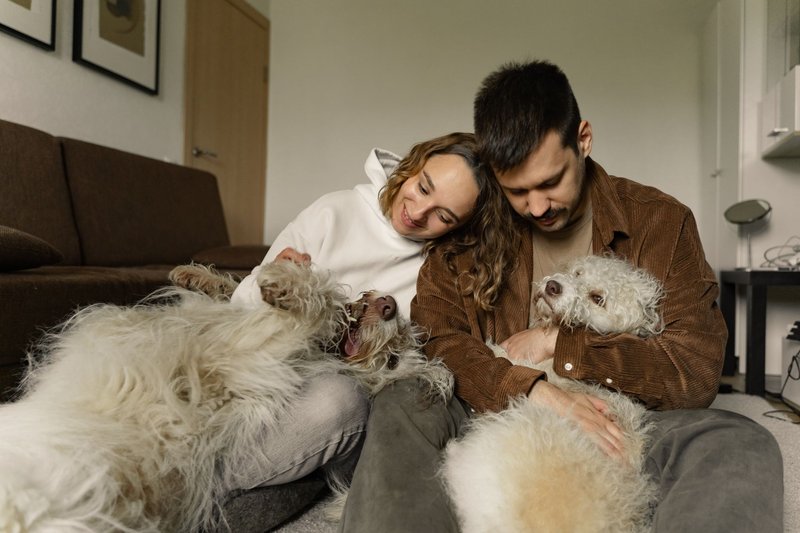
Apartment living: The Cavalier King Charles Spaniel, Toy Poodle, or Dachshund handle small square footage without losing their minds, provided they get a couple of real walks. Skip the Vizsla, GSP, and Weimaraner entirely in an apartment — these breeds convert unspent energy into destroyed furniture with impressive speed.
Allergies in the household: No dog is truly non-allergenic, but Poodles and Poodle-influenced breeds shed less dander into the air, which is what actually triggers most reactions. Spend time with the specific dog before committing — allergen sensitivity varies more by individual dog than by breed on paper, according to guidance from the Asthma and Allergy Foundation of America.
Grooming tolerance: Short-coated breeds — Chocolate Lab, Vizsla, GSP, Redbone Coonhound — need a weekly brush and not much else. Feathered or curly coats — Cocker Spaniel, Irish Water Spaniel, Sussex Spaniel — need brushing several times a week and periodic professional trims, or the coat mats fast.
Active households: Vizsla, GSP, Chesapeake Bay Retriever, and Brittany all need genuine daily exercise — not a walk around the block, but a run, a swim, or field time. Match the breed’s energy to your actual weekly schedule, not the schedule you wish you had.
First-time owners: Chocolate Labrador Retriever and American Cocker Spaniel are the most forgiving of training mistakes and inconsistent routines. Bloodhounds and Field Spaniels are more independent-minded and reward experienced handling.
FAQ
Are brown dogs rarer than black dogs? Within breeds where both colors exist — Labs, Poodles, Cockers — yes. Brown requires two copies of a recessive gene from both parents, so it shows up less often in litters where at least one parent is black or another color.
Do brown coats fade in the sun? Often, yes. Brown pigment granules are less densely packed than black ones, so dogs that spend a lot of time outdoors — working retrievers especially — can show visible lightening by the end of summer.
Is “chocolate” the same as “liver”? Genetically, they’re the same TYRP1 dilution. “Chocolate” is the term breed clubs use for Labs and Poodles; “liver” is the older, more formal term used in spaniel, pointer, and hound standards. Same gene, different vocabulary depending on which show ring you’re standing in.
Are chocolate Labs harder to train than black or yellow Labs? No — there’s no genetic link between coat color and trainability. Anecdotal reputations about chocolate Labs being more excitable likely trace back to narrower breeding pools for the color decades ago, not anything inherent to the gene itself today.
What’s the biggest brown dog breed? The Bloodhound and Chesapeake Bay Retriever both regularly reach 100+ pounds, with some Bloodhounds exceeding 110.
Our Honest Recommendation
If you’re choosing on looks alone, every breed on this list will scratch that itch. But the coat color should be the last filter you apply, not the first. Start with size and energy level, narrow by grooming tolerance, and only then let coat color break the tie between two breeds you’re already considering.
That said — if we had to send one reader home with one dog today, it’s the Chocolate Labrador Retriever. It’s the breed that made “brown dog” a search term in the first place, and it earns that reputation honestly: even-tempered, food-driven enough to train easily, and sturdy enough to keep up with a family that changes its plans on a Saturday morning. The Boykin Spaniel is our dark-horse pick for anyone who actually hunts or kayaks — it’s the rare breed built for a specific job that also happens to be an easy house dog when the job’s done.