Table of Contents
- TLDR
- Why Memphis Is a Magnet for Invasive Species
- Invasive Plants Taking Over Memphis Yards
- Invasive Insects Working Through Shelby County
- What You Can Actually Do About It
TLDR
Shelby County has four invasive plants worth knowing on sight — kudzu, Chinese privet, Bradford pear, and English ivy — and four invasive insects doing real damage: the emerald ash borer, the spongy moth (formerly gypsy moth), imported fire ants, and the brown marmorated stink bug. The ash borer has already killed a large share of the ash trees along Shelby Farms and the Wolf River corridor. Bradford pear sales become illegal in Tennessee starting 2027. If you spot something you can’t identify, report it to EDDMapS or call UT Extension Shelby County before you spray or cut anything — misidentifying a native lookalike wastes money and sometimes makes the problem worse.
Why Memphis Is a Magnet for Invasive Species
Memphis sits at a river confluence in a humid subtropical zone, which is exactly the kind of place invasive species thrive: mild winters that don’t kill off insect eggs, a long growing season, and a floodplain that moves seeds for free. The Mississippi River corridor, the Wolf River bottoms, and green spaces like Shelby Farms and Overton Park all function as highways for anything that hitches a ride on floodwater, firewood, or nursery stock.
Most of what’s established here didn’t arrive by accident in the wild-animal-stows-away sense. Bradford pear was planted deliberately by the thousands as a street tree starting in the 1960s. Kudzu came in through federal erosion-control programs in the 1930s. Emerald ash borer almost certainly arrived in wood packing material at a port and then spread through firewood people moved without thinking twice. Understanding the origin matters because it tells you the fix isn’t always “stop importing things” — sometimes it’s “stop planting this” or “buy firewood where you burn it.”
Invasive Plants Taking Over Memphis Yards
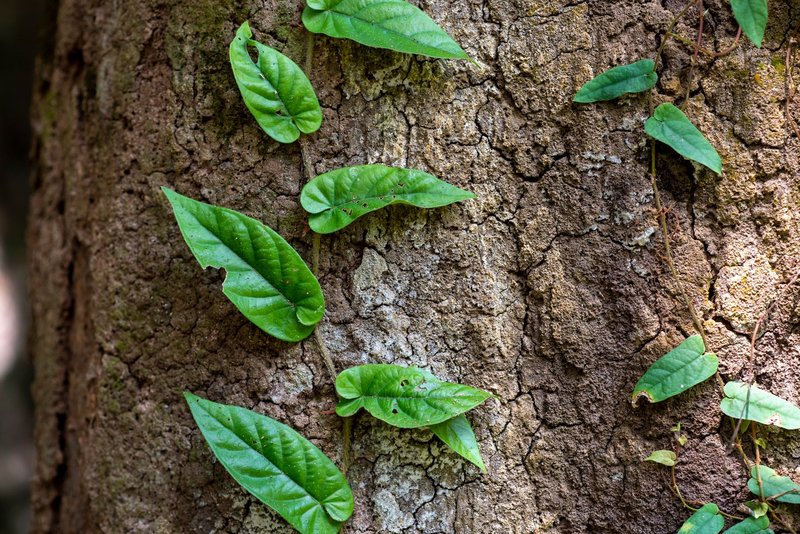
Kudzu grows up to a foot a day under good conditions, which in a Memphis summer means it can bury a fence line, a shed, or a slow-moving car in a single season. It’s easy to spot along I-40 embankments and rail corridors on the east side of the county, draped over trees like a green tarp. Pulling small patches works if you get the root crown, but established kudzu needs repeated cutting or targeted herbicide over two to three growing seasons — a single mow-down does nothing but make it angrier.
Chinese privet is the less dramatic but more pervasive problem. It forms dense thickets in the understory of wooded lots throughout Shelby County, including along creek greenways, and it out-competes native shrubs by leafing out earlier in spring and holding leaves later into fall, stealing sunlight before anything else gets a chance. Homeowners often mistake it for a “wild hedge” worth keeping. It isn’t — birds eat the berries and spread seed into every patch of woods nearby.
Bradford pear is the one with an actual deadline attached. Tennessee’s legislature passed a law phasing out the sale of Bradford pear (and other invasive Callery pear cultivars) starting January 1, 2027 — the trees smell unpleasant in bloom, split apart in wind and ice storms, and cross-pollinate with each other to produce thorny, aggressive wild offspring that now choke fencerows across West Tennessee. If you’ve got one in your yard, you’re not required to remove it, but nurseries won’t be allowed to sell you a replacement.
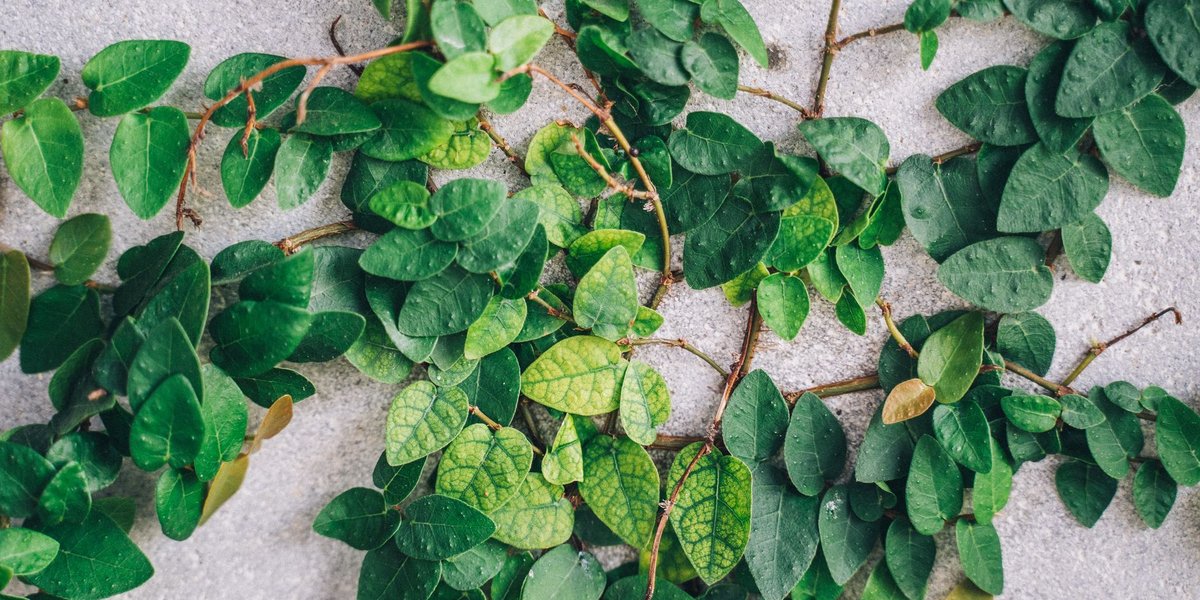
English ivy shows up most in the older, tree-canopied neighborhoods — Midtown, Central Gardens, parts of East Memphis — where it was planted generations ago as low-maintenance groundcover. It climbs trunks, adds weight that makes trees more likely to fall in storms, and forms a monoculture mat that keeps native seedlings from ever getting started.
Invasive Insects Working Through Shelby County
Emerald ash borer is the one that’s already changed how Memphis looks. This metallic green beetle, native to Asia, has killed the overwhelming majority of untreated ash trees in the region since it was confirmed in Shelby County — you can see the damage in the standing dead trees along the Wolf River Greenway and around Shelby Farms, where park managers have had to remove hazard trees faster than they’d like. The USDA’s Animal and Plant Health Inspection Service tracks its spread nationally, and the short version for a homeowner is: if you have a mature ash tree you care about, it needs preventive insecticide treatment before symptoms appear, not after. Once the canopy is visibly thinning, it’s usually too late to save.
Spongy moth (the species was renamed from “gypsy moth” in 2022) isn’t yet established at the scale it is in the Northeast, but egg masses have turned up on firewood and outdoor furniture moved into Tennessee from infested states, which is exactly how new populations get started. The caterpillars strip oak and other hardwood canopies bare in a bad outbreak year. If you buy firewood from out of state or store any that’s been sitting outdoors for a season, check it before bringing it near trees you’d miss.
Imported fire ants are the ones most Memphis residents have already met personally, usually the hard way, stepping on a mound in bare feet. Their range has crept steadily northward with warming winters, and Shelby County now sits solidly inside established territory rather than the fringe. Mounds show up fastest in disturbed soil — new sod, construction sites, sunny lawn edges — and a single colony can rebuild a treated mound within weeks if the queen survives.
Brown marmorated stink bug is more a nuisance than an ecological wrecking ball, but it’s a legitimate agricultural pest for the fruit and vegetable growers in the county’s rural edges, and homeowners notice it every fall when hundreds cluster on sunny exterior walls looking for a way inside to overwinter. Sealing gaps around windows and siding before October does more than any spray.
What You Can Actually Do About It
Start with identification, not treatment. A lot of yard damage from misapplied herbicide or insecticide comes from someone treating the wrong plant or bug because it looked close enough. UT Extension Shelby County will identify a sample for free or from a clear photo, and their recommendations are calibrated to what actually works in this soil and climate — not generic advice written for a different region.
If you find something and you’re not sure whether it’s already known to be here, report it through EDDMapS, the early-detection mapping system used by state agencies and universities across the Southeast. It takes a photo, a location, and two minutes, and it’s how new infestations get caught before they’re unmanageable. The Tennessee Department of Agriculture also maintains a statewide invasive plant list worth checking before you plant anything new on a Memphis lot, particularly if you’re replacing a Bradford pear or a privet hedge.
For removal, match the method to the plant. Small kudzu and privet patches can be dug out by hand if you get the root system — repeated cutting without herbicide just delays things for aggressive spreaders like kudzu. English ivy on trees should be cut at the base and left to die in place rather than pulled down, since ripping vines off bark damages the tree more than the ivy does. For anything established over a large area, or for tree work involving emerald ash borer removal near power lines or structures, that’s when hiring a certified arborist or licensed pest control operator is the right call rather than a DIY weekend project.
Replacing removed invasives with natives isn’t just good citizenship — it’s less work long-term, since native species are adapted to Memphis clay soil and rainfall patterns and don’t need the babying a Bradford pear or ornamental ivy does. Serviceberry and native fringe tree are common Bradford pear replacements recommended by regional nurseries; native ferns or wild ginger fill the same shady-groundcover role English ivy was doing, without the trunk damage.
None of this fixes Memphis’s invasive species problem by itself — that’s a landscape-scale issue involving thousands of yards, parks, and roadsides. But it does mean the beetle killing the ash tree in your side yard, or the vine eating your back fence, doesn’t have to win by default.