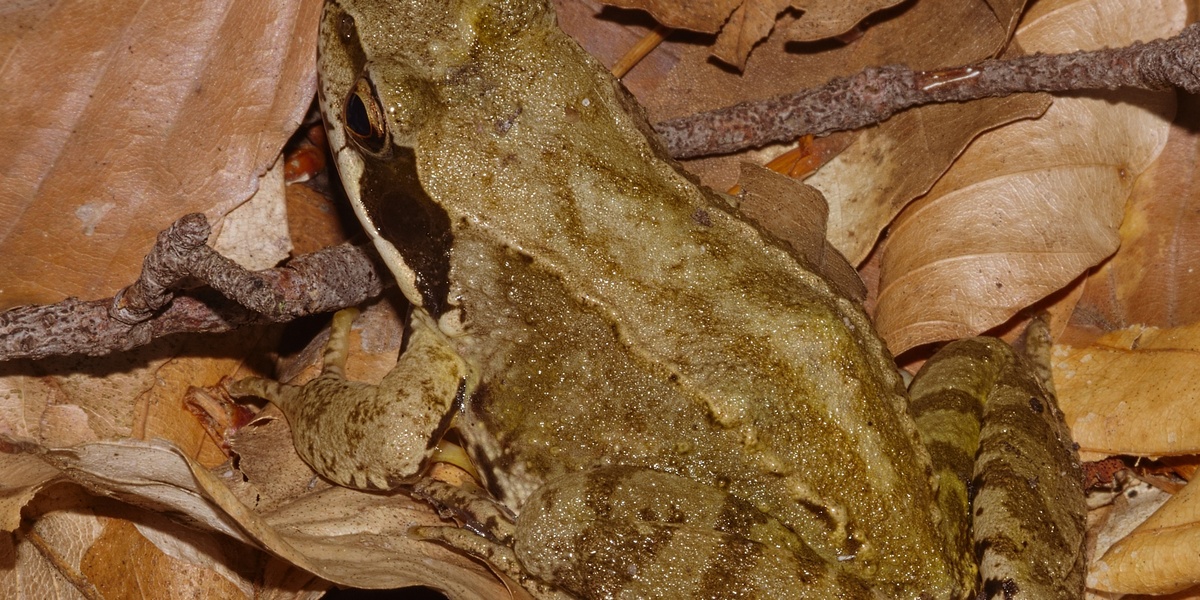
Iceland’s mix of volcanic rock, wetlands and cool coastal zones makes it an unusual place for cold‑blooded life; amphibians are few here, and any sightings are worth noting. The landscape shapes where small frogs and toads can survive, so habitats like ponds, marshes and dune pools are the likely spots to check.
There are 2 Amphibians of Iceland, ranging from Common Frog to Natterjack Toad, and details are organized by Scientific name,Status,Location/habitat — you’ll find below.
Are there really only two amphibian species in Iceland?
Yes; Iceland’s isolation and cool climate limit which amphibians can establish populations, so only two species are typically recorded. Their presence is restricted to suitable wet habitats and sometimes to human‑altered areas.
When and where am I most likely to see Common Frog or Natterjack Toad?
Look in spring and early summer around ponds, marshes, and temporary pools at dusk or after rain; Common Frog favors stable ponds and bog edges, while Natterjack Toads are more often associated with sandy dune pools and ephemeral waterbodies.
Amphibians of Iceland
| Name | Scientific name | Status | Location/habitat |
|---|---|---|---|
| Common Frog | Rana temporaria | Accidental introduction; not established | Found in urban areas, e.g., garden centers |
| Natterjack Toad | Epidalea calamita | Accidental introduction; not established | Found in shipments of imported goods |
Images and Descriptions
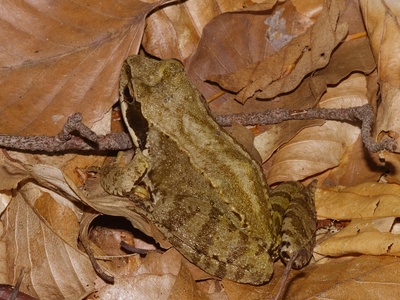
Common Frog
This common European frog is not native to Iceland. Individuals have been found accidentally, likely transported with imported plants. There is no evidence of a breeding population, as the climate is generally too harsh for their survival and reproduction in the wild.
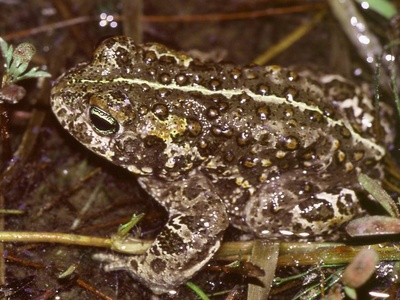
Natterjack Toad
Known for the yellow stripe down its back, this toad has been reported as an accidental import to Iceland. Like other amphibians, it has not established a wild population due to the island’s isolation and unfavorable environmental conditions for breeding.