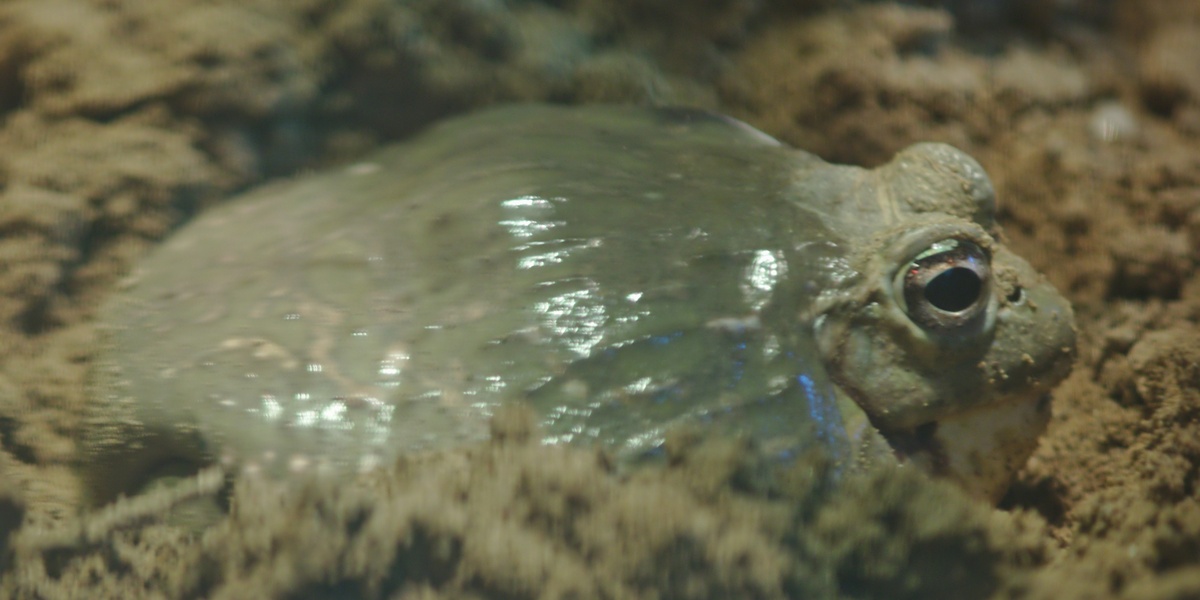
The Gambia’s small size belies a surprising mix of habitats — riverine forests, seasonal floodplains and savanna pools — that support a variety of amphibians. Walking the riverbanks or checking shallow ponds after rain reveals species adapted to both dry and wet seasons, offering a useful snapshot of West African herpetofauna.
There are 9 Amphibians of the Gambia, ranging from African common toad to Snouted reed frog. For each species you’ll find below the key details organized as Scientific name, Size (SVL cm), IUCN status, so you can quickly compare identity, body size and conservation status before exploring the list you’ll find below.
Which of these species am I most likely to see near villages and ponds?
The African common toad is among the most widespread and tolerant of disturbed areas, so you’re likeliest to spot it near homes, gardens and village ponds after rain; reed frogs like the Snouted reed frog prefer vegetation-rich edges of still water and are more active at night.
How up-to-date is the IUCN status listed for each species?
The IUCN status reflects the latest published assessments available to the list compiler, but ranges and threat levels can change, so check the IUCN Red List site or recent regional surveys for the most current updates.
Amphibians of the Gambia
| Common name | Scientific name | Size (SVL cm) | IUCN status |
|---|---|---|---|
| African common toad | Sclerophrys regularis | 10.0 | Least Concern |
| Shovelnose frog | Hemisus marmoratus | 4.0 | Least Concern |
| Savanna squeaker | Arthroleptis poecilonotus | 3.0 | Least Concern |
| Green tree frog | Leptopelis viridis | 4.5 | Least Concern |
| Mascarene grass frog | Ptychadena mascareniensis | 5.0 | Least Concern |
| Long-snouted grass frog | Ptychadena oxyrhynchus | 5.0 | Least Concern |
| Banana frog | Afrixalus dorsalis | 3.0 | Least Concern |
| Snouted reed frog | Hyperolius nasutus | 3.0 | Least Concern |
| African puddle frog | Phrynobatrachus calcaratus | 2.5 | Least Concern |
Images and Descriptions
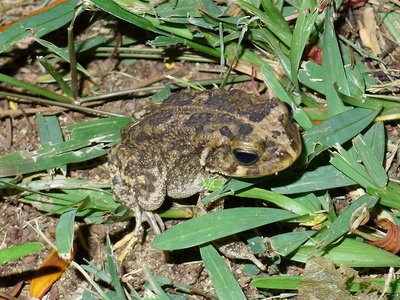
African common toad
A sturdy, warty toad common in towns, farmland and savanna. Found across The Gambia, especially around villages and rainy-season pools by the River Gambia. Large parotoid glands and dry, bumpy skin; active and vocal during rains.
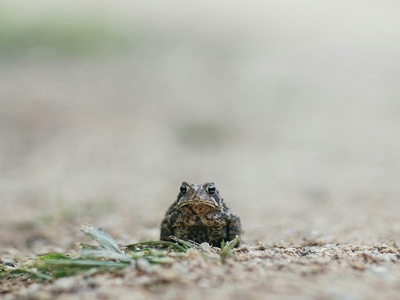
Shovelnose frog
A small burrowing frog found in sandy soils and floodplains across The Gambia. Recognizable by its pointed snout and slender body used for digging; emerges to breed in temporary pools during the rainy season with short, explosive calling bouts.

Savanna squeaker
Tiny, terrestrial frog of leaf litter in woodlands and savanna edges. Recorded in Gambia’s drier inland areas and gallery forests. Brown, cryptic coloration and a high-pitched call; seen mainly at night or after heavy rains.
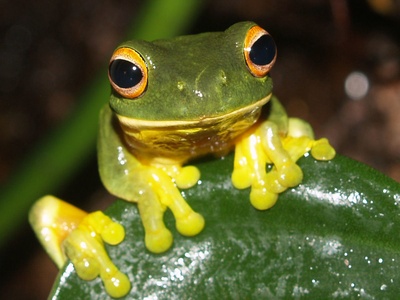
Green tree frog
A medium treefrog of wooded savanna and riverine trees. Occurs near the River Gambia and wet patches nationwide. Slim, green or brown with long legs and toe pads; males call from low perches during the rainy season.
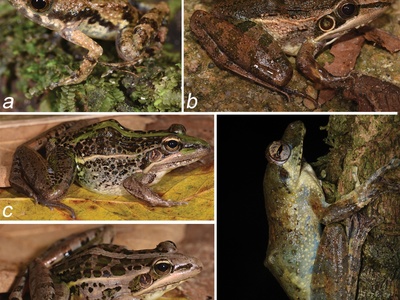
Mascarene grass frog
A slim, long-legged frog of grasslands and flooded fields found throughout The Gambia. Fast, strong jumper with dorsal stripes and ridges; breeds in ephemeral pools and is most visible during rains.
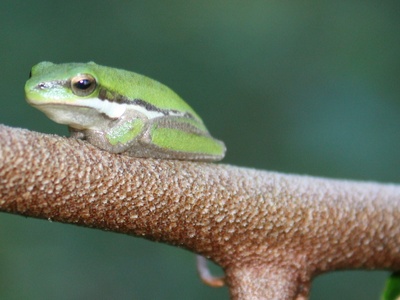
Long-snouted grass frog
Grassland and savanna species frequenting temporary ponds and marshy edges across The Gambia. Noted for its pointed snout, long legs and striped back; active and calling in the wet season, often around rice paddies.
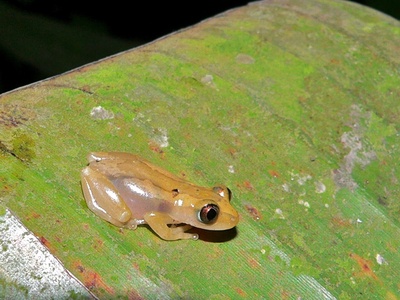
Banana frog
A small, delicate tree frog of reeds and marshes near coastal mangroves and river margins. Occurs in southern and central Gambia. Pale dorsal patterns, lays eggs on folded leaves above water; heard and seen in rainy months.
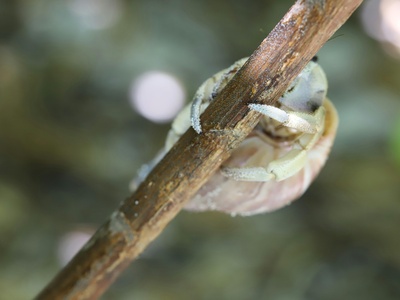
Snouted reed frog
A small reed-dwelling frog common in marshes, floodplain grasses and roadside pools. Found along the river and in wet savanna across The Gambia. Slim body, pointed snout and bright seasonal color patterns; males call from vegetation in rains.
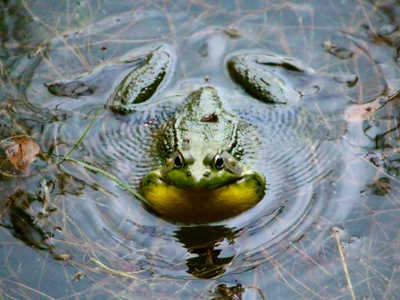
African puddle frog
Very small, ground-dwelling frog of temporary pools and damp leaf litter. Recorded in wetlands and gallery forests of The Gambia. Dark spotted dorsum, rapid movements and explosive chorus during the rainy season when breeding occurs.