Djibouti sits at the junction of the Red Sea and the Gulf of Aden, and despite its small size it supports a surprising variety of life across deserts, mountains and coastal waters. From tidal pools and mangroves to volcanic highlands, the country’s habitats shape species that are often missed on broader African lists.
There are exactly 26 Animals of Djibouti, ranging from the African common toad to the Whale shark. For each species you’ll find below entries organized by Scientific name,Size (cm),IUCN status so you can quickly see identity, typical size and conservation standing — you’ll find below the full list and details.
Which habitats in Djibouti host the most species?
Coastal and marine areas (reefs, mangroves and nearshore waters) are hotspots, especially for fish and larger visitors like the Whale shark, while inland wadis, springs and higher-elevation scrub support reptiles, birds and amphibians such as the African common toad; seasonal rains and permanent water sources concentrate local diversity.
How up-to-date are the IUCN statuses in the list?
The IUCN status shown reflects the most recent publicly available assessments, but statuses can change with new studies; use the listed Scientific name to cross-check the current IUCN Red List entry or regional surveys for the latest conservation information.
Animals of Djibouti
| Name | Scientific name | Size (cm) | IUCN status |
|---|---|---|---|
| Hamadryas baboon | Papio hamadryas | 60 | Least Concern |
| Dorcas gazelle | Gazella dorcas | 90 | Vulnerable |
| Djibouti francolin | Pternistis ochropectus | 26 | Critically Endangered |
| Striped hyena | Hyaena hyaena | 85 | Near Threatened |
| Rock hyrax | Procavia capensis | 40 | Least Concern |
| African golden wolf | Canis lupaster | 70 | Least Concern |
| Caracal | Caracal caracal | 65 | Least Concern |
| Desert hedgehog | Paraechinus aethiopicus | 18 | Least Concern |
| Greater flamingo | Phoenicopterus roseus | 120 | Near Threatened |
| Lesser flamingo | Phoenicopterus minor | 85 | Near Threatened |
| Crab-plover | Dromas ardeola | 40 | Least Concern |
| Sooty gull | Ichthyaetus hemprichii | 42 | Least Concern |
| Brown booby | Sula leucogaster | 75 | Least Concern |
| Egyptian vulture | Neophron percnopterus | 55 | Endangered |
| Hawksbill turtle | Eretmochelys imbricata | 80 | Critically Endangered |
| Green turtle | Chelonia mydas | 90 | Endangered |
| Desert monitor | Varanus griseus | 120 | Least Concern |
| Common agama | Agama agama | 25 | Least Concern |
| African common toad | Sclerophrys regularis | 10 | Least Concern |
| Two‑band clownfish | Amphiprion bicinctus | 12 | Least Concern |
| Whale shark | Rhincodon typus | 700 | Endangered |
| Indo‑Pacific bottlenose dolphin | Tursiops aduncus | 250 | Least Concern |
| Spinner dolphin | Stenella longirostris | 180 | Least Concern |
| Staghorn coral | Acropora hemprichii | 100 | Vulnerable |
| Dugong | Dugong dugon | 250 | Vulnerable |
| Black kite | Milvus migrans | 55 | Least Concern |
Images and Descriptions
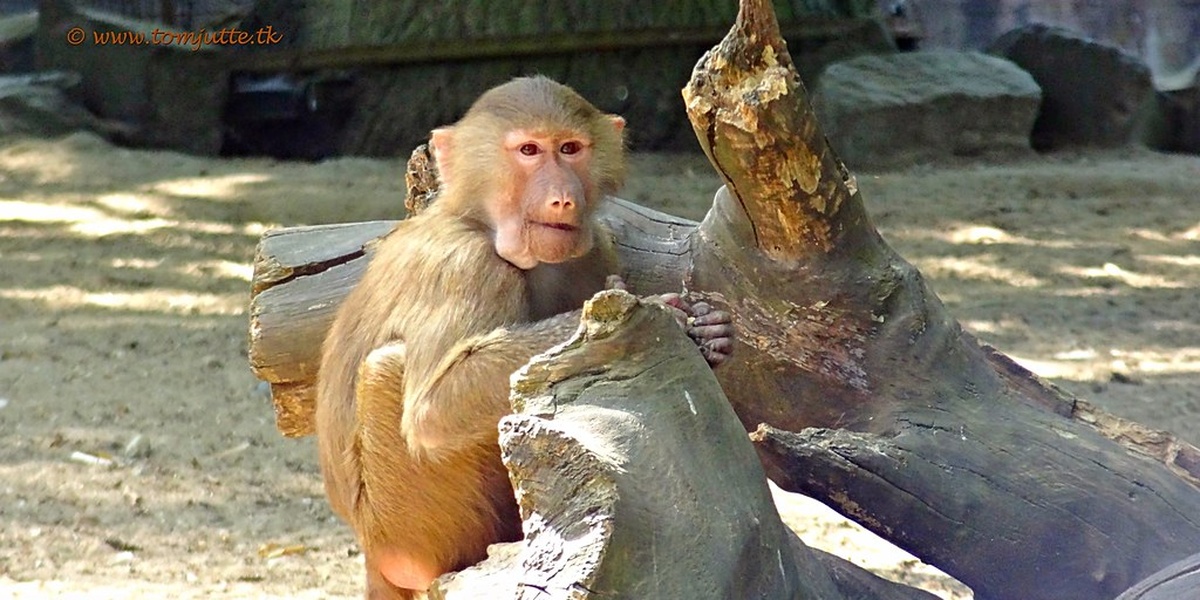
Hamadryas baboon
Large, social monkey of rocky hills and lava plateaus around Djibouti’s coasts and highlands; troops are highly visible. Notable for the male’s silver mane and complex hierarchical troops that dominate scrub and cliff habitats.
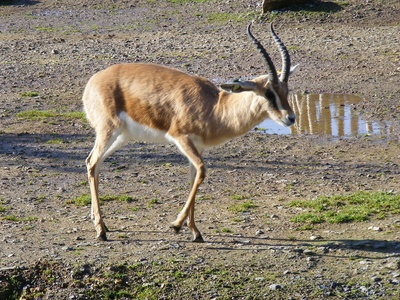
Dorcas gazelle
Small desert gazelle found on arid plains and semi-desert scrub in Djibouti. Extremely agile and water-efficient, it can survive long periods without drinking and is threatened by hunting and habitat loss.
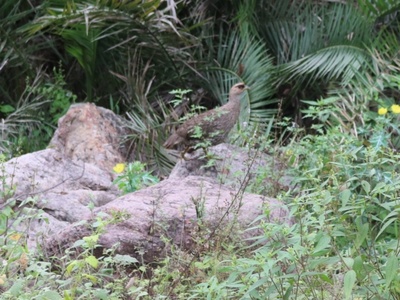
Djibouti francolin
A tiny, secretive bird found only in Djibouti’s highland juniper and dry forest patches. This endemic francolin is critically endangered, rare to spot, and one of the country’s most important conservation priorities.
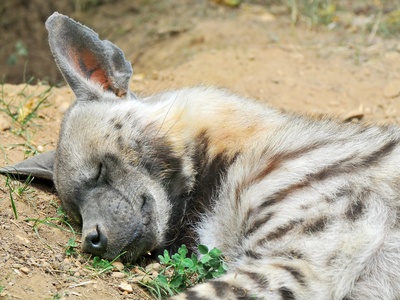
Striped hyena
Nocturnal scavenger of dry plains and rocky valleys; recorded across Djibouti’s lowlands. Notable for its striped coat and shy habits, it helps recycle carcasses but is persecuted and declining locally.
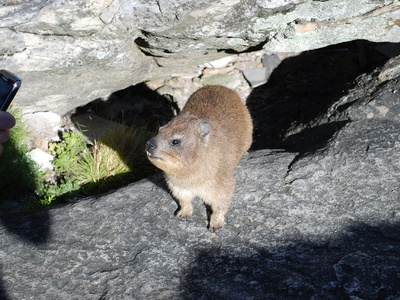
Rock hyrax
Compact, rabbit‑sized mammal living on rocky outcrops in Djibouti’s highlands and escarpments. Social and sun‑loving, hyraxes live in colonies and are often seen basking on rocks at dawn and dusk.
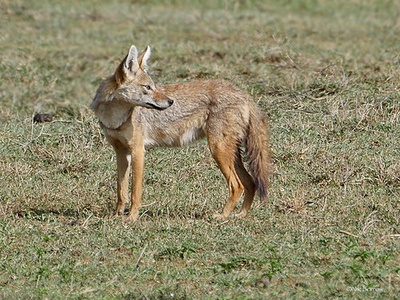
African golden wolf
Medium-sized canid of semi-desert and scrub, regularly recorded in Djibouti. Adaptable and opportunistic, it feeds on small mammals, carrion and fruit and was recently split from the Eurasian golden jackal group.

Caracal
Stealthy, long-eared cat of rocky and scrubby areas in Djibouti; hard to see but present across suitable habitat. Famous for high leaps to catch birds and for distinctive ear tufts.
Desert hedgehog
Small nocturnal insectivore of arid country, found around oases and scrub in Djibouti. Folds into a spiny ball when threatened and forages for insects, scorpions and plant matter after dark.
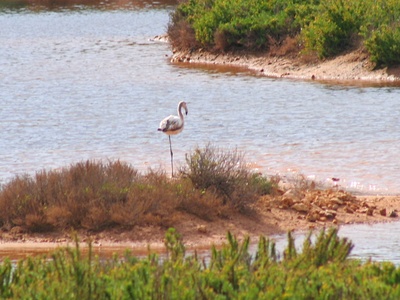
Greater flamingo
Tall, long‑legged bird that frequents Djibouti’s saline lakes and coastal flats, especially during wet seasons. Striking pink plumage and filter‑feeding habits make them a highlight at salt pans and lagoons.
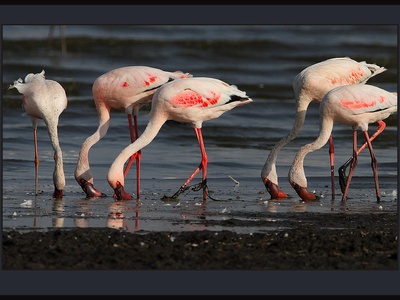
Lesser flamingo
Smaller flamingo that visits Djibouti’s alkaline lakes and lagoons to feed on cyanobacteria. Forms large, noisy flocks and is globally reliant on a few key saline wetlands.
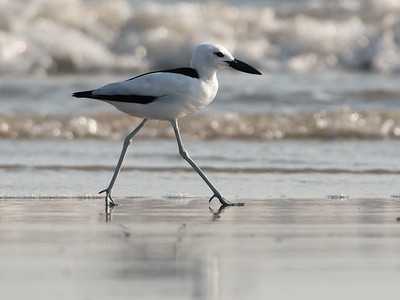
Crab-plover
Coastal specialist of sandy beaches and mudflats around Djibouti’s Gulf of Aden coast. Unusual wader with heavy bill adapted to feed on crabs and other invertebrates; nests in burrows.
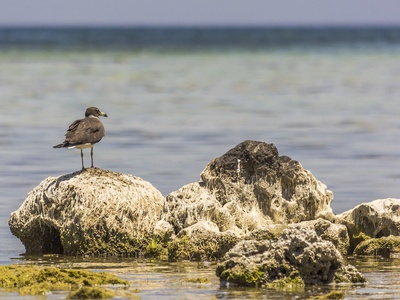
Sooty gull
Common coastal gull around Djibouti, frequenting shores, islands and ports. Dark-backed and adapted to hot, saline environments, it scavenges fish and refuse and nests on rocky islets.
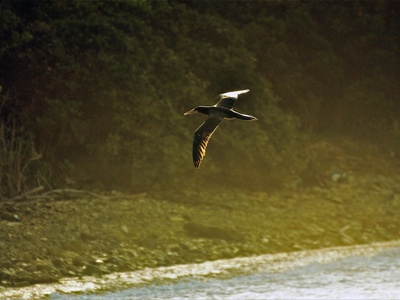
Brown booby
Large plunge‑diving seabird seen offshore from Djibouti’s coasts and islands. Notable for spectacular diving behavior and often found feeding where baitfish concentrate near the surface.
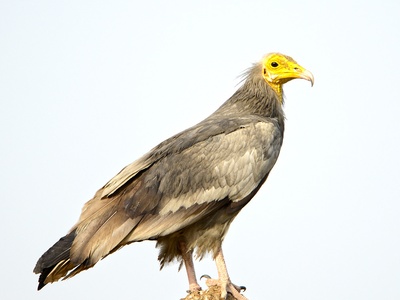
Egyptian vulture
Scavenging raptor of cliffs, wadis and open country; recorded in Djibouti as a resident or seasonal visitor. Small vulture with pale plumage and tool‑using behavior for breaking eggs; populations are declining.
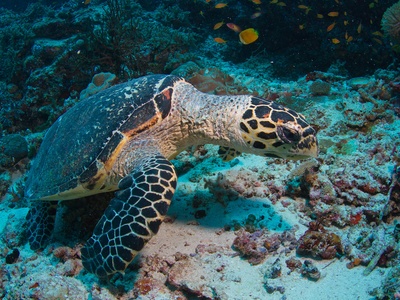
Hawksbill turtle
Critically endangered sea turtle foraging on coral reefs and nesting occasionally on Djibouti’s beaches. Notable for striking shell pattern and dependence on healthy reefs for sponges and invertebrates.
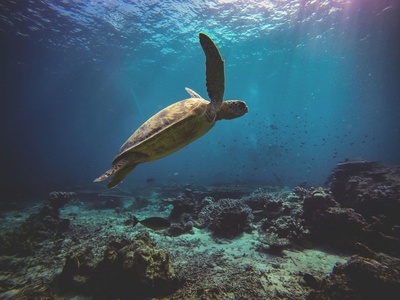
Green turtle
Large marine turtle using Djibouti’s coastal waters and seagrass beds; nests infrequently on local beaches. Herbivorous adults are important for seagrass health and are threatened by fisheries and habitat disturbance.
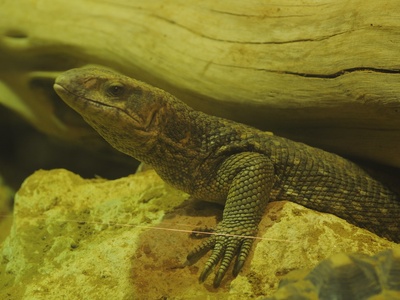
Desert monitor
Large, ground‑dwelling lizard of arid plains and rocky areas in Djibouti. Powerful and predatory, this monitor eats small mammals, birds and eggs and is well adapted to hot desert life.
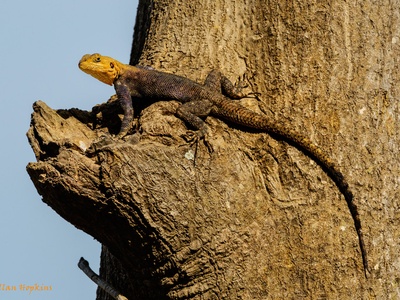
Common agama
Colorful, sun‑loving lizard found on rocks, walls and thornbushes around towns and arid areas. Males display bright heads during breeding season; commonly seen basking in Djibouti’s warm climate.
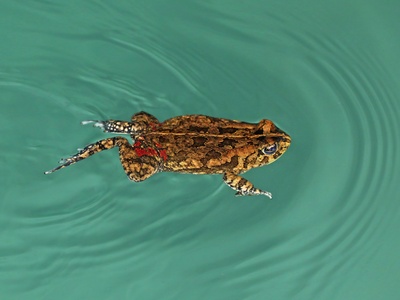
African common toad
Widespread toad found near oases, seasonal pools and irrigation ditches in Djibouti. Burrowing and drought‑tolerant, it breeds explosively after rains and is active mostly at night.
Two‑band clownfish
Small reef fish living among anemones on Djibouti’s coral reefs in the Gulf of Aden. Familiar to snorkelers, it defends a host anemone and shows striking orange and white banding.
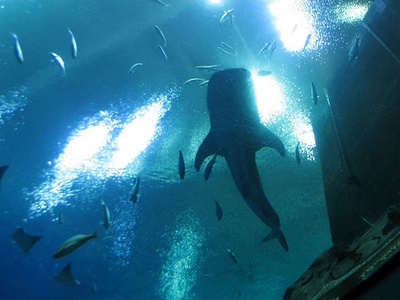
Whale shark
World’s largest fish recorded offshore in the Gulf of Aden waters of Djibouti. Gentle plankton‑feeder that attracts divers; vulnerable to bycatch and boat strikes during seasonal aggregations.
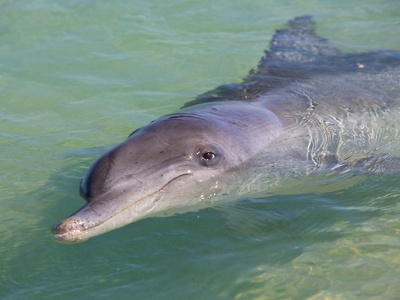
Indo‑Pacific bottlenose dolphin
Coastal dolphin seen around Djibouti’s bays and reefs. Social and acrobatic, they often approach boats and forage inshore on fish and cephalopods.
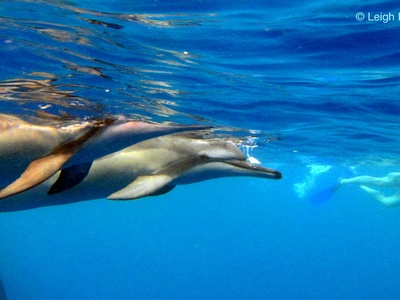
Spinner dolphin
Slim, acrobatic dolphin frequenting warm offshore waters near Djibouti. Noted for aerial spinning displays and fast surface behavior; forms large, noisy groups when feeding.
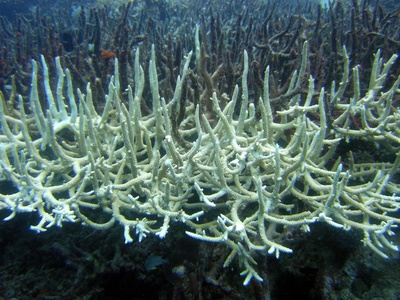
Staghorn coral
Branching reef‑building coral found on Djibouti’s coral reefs in the Gulf of Aden. Forms complex habitats for reef fish but is vulnerable to bleaching, disease and coastal impacts.
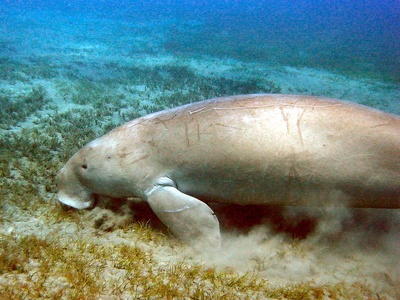
Dugong
Marine herbivore that grazes seagrass beds along Djibouti’s coast and bays; sightings are rare but regular in suitable areas. Slow‑moving and long‑lived, dugongs are vulnerable to habitat loss and fishing gear.
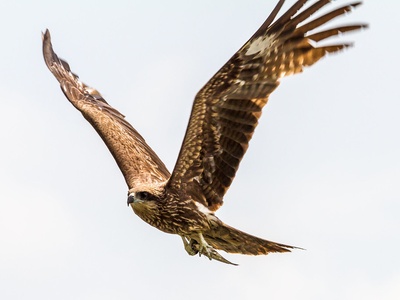
Black kite
Common scavenging raptor seen around towns, coasts and rubbish dumps in Djibouti. Highly adaptable and often visible soaring over open areas and wetlands, feeding on carrion and small prey.