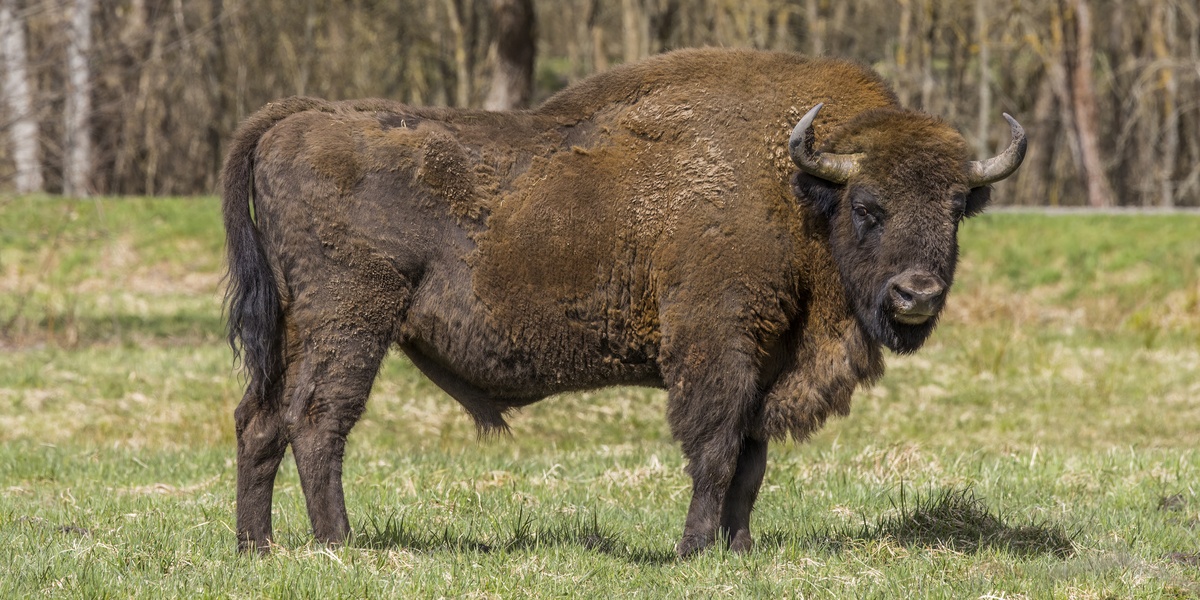
Lithuania’s mix of coastline, rivers, forests and wetlands supports a surprisingly diverse set of animals adapted to seasonal shifts and varied habitats. From river runs to dense woodlands, species here reflect both Baltic and inland ecosystems and an active conservation effort.
There are 41 Animals of Lithuania, ranging from Atlantic salmon to Wild boar. For each species you’ll find below Scientific name,Typical size (cm),Main habitat / Where found; everything is collected in the list you’ll find below.
How can I tell common Lithuanian species apart in the field?
Start with habitat and size: rivers and estuaries usually hold fish like Atlantic salmon, while forests and fields host mammals such as Wild boar. Look for distinctive marks (color patterns, antlers, fins), listen for calls, and note behavior; a compact field guide or a wildlife app that includes Scientific name, Typical size (cm) and Main habitat / Where found will speed identification.
When and where are wildlife sightings most reliable in Lithuania?
Spring and autumn migrations are best for birds and fish runs, while early morning or dusk are prime times for mammals in forests and meadows. Coastal and river areas give good chances for aquatic species, and protected reserves typically offer consistent sightings with minimal disturbance.
Animals of Lithuania
| Common name | Scientific name | Typical size (cm) | Main habitat / Where found |
|---|---|---|---|
| Moose | Alces alces | 200-250 cm | Mixed and coniferous forests,north/east Lithuania |
| Roe deer | Capreolus capreolus | 95-135 cm | Forests,farmland,meadows,parks |
| Red deer | Cervus elaphus | 170-250 cm | Forests,open woodlands,meadows |
| Wild boar | Sus scrofa | 120-200 cm | Forests,wetlands,agricultural areas |
| European beaver | Castor fiber | 80-120 cm | Rivers,streams,lakes,wetlands |
| Eurasian lynx | Lynx lynx | 80-130 cm | Large mature forests,remote areas |
| Grey wolf | Canis lupus | 100-140 cm | Forests,wetlands,remote lowlands |
| Red fox | Vulpes vulpes | 60-90 cm | Fields,forests,urban edges,gardens |
| European badger | Meles meles | 70-90 cm | Woodlands,farm hedgerows,meadows |
| Eurasian otter | Lutra lutra | 60-100 cm | Rivers,lakes,coastal areas,wetlands |
| European hare | Lepus europaeus | 40-70 cm | Open farmland,meadows,grasslands |
| Eurasian red squirrel | Sciurus vulgaris | 18-25 cm | Mixed and coniferous forests,parks,gardens |
| European hedgehog | Erinaceus europaeus | 20-30 cm | Gardens,parks,meadows,woodland edges |
| Pine marten | Martes martes | 40-55 cm | Mature woodlands,old forests |
| Common pipistrelle | Pipistrellus pipistrellus | 3.5-5.0 cm | Woodlands,parks,urban areas,rivers |
| White stork | Ciconia ciconia | 100-115 cm | Farmland,meadows,villages,wetlands |
| Corncrake | Crex crex | 25-30 cm | Tall meadows,hayfields,wet grasslands |
| White-tailed eagle | Haliaeetus albicilla | 70-90 cm | Coast,lakes,rivers,wetlands |
| Eurasian crane | Grus grus | 100-120 cm | Wetlands,marshes,meadows,post-breeding fields |
| Common kingfisher | Alcedo atthis | 16-18 cm | Rivers,streams,lakes,brackish inlets |
| Barn swallow | Hirundo rustica | 15-20 cm | Open countryside,farms,settlements |
| Great spotted woodpecker | Dendrocopos major | 23-26 cm | Woodlands,parks,gardens |
| Eurasian jay | Garrulus glandarius | 32-35 cm | Deciduous and mixed forests,parks |
| Mute swan | Cygnus olor | 140-160 cm | Lakes,ponds,river margins,coast |
| Black-headed gull | Chroicocephalus ridibundus | 34-38 cm | Coast,lakes,wetlands,urban areas |
| Grass snake | Natrix natrix | 60-120 cm | Wetlands,pond edges,meadows,riverbanks |
| European adder | Vipera berus | 60-75 cm | Heaths,forests,coastal dunes,meadow edges |
| Sand lizard | Lacerta agilis | 15-25 cm | Sandy heaths,coastal dunes,dry grasslands |
| Common frog | Rana temporaria | 6-9 cm | Ponds,woodland pools,wet meadows |
| Smooth newt | Lissotriton vulgaris | 8-11 cm | Ponds,gardens,wet woodlands,ditches |
| Northern pike | Esox lucius | 50-120 cm | Lakes,slow rivers,coastal lagoons |
| European perch | Perca fluviatilis | 20-60 cm | Freshwater lakes,rivers,ponds |
| Atlantic salmon | Salmo salar | 60-100 cm | Rivers (migratory),some Baltic coasts |
| European eel | Anguilla anguilla | 40-120 cm | Rivers,estuaries,coastal waters |
| Baltic herring | Clupea harengus | 15-25 cm | Baltic Sea coast,estuaries,coastal waters |
| Old World swallowtail | Papilio machaon | 6.5-8.0 cm | Meadows,roadside verges,gardens |
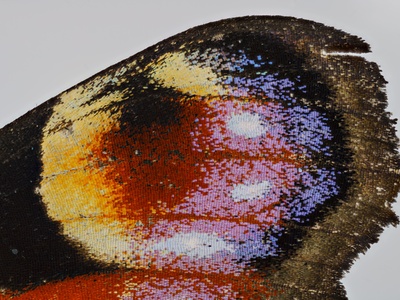
| European peacock | Aglais io | 5.5-6.5 cm | Gardens,meadows,woodland edges |
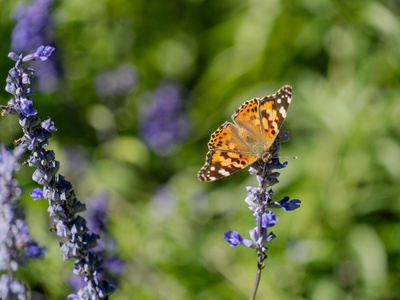
| Painted lady | Vanessa cardui | 5-7 cm | Open habitats,meadows,migrant across country |
| Emperor dragonfly | Anax imperator | 7-8.5 cm | Lakes,large ponds,slow rivers |
| Common darter | Sympetrum striolatum | 3.5-4.5 cm | Ponds,ditches,still waters |
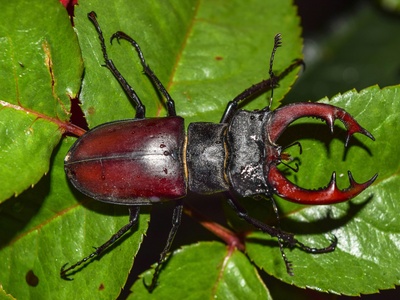
| Stag beetle | Lucanus cervus | 3.0-7.5 cm | Old deciduous woodlands,parks,tree-lined areas |
Images and Descriptions
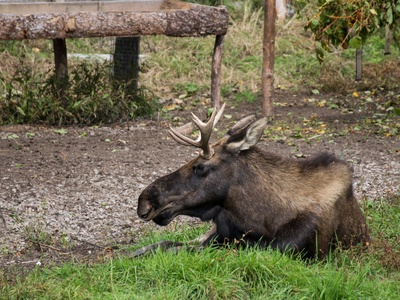
Moose
Large woodland ungulate with long legs, broad muzzle and palmate antlers in males. Generally solitary or in small groups, browsers on shoots and leaves. Found in mature forests of eastern and southern Lithuania and occasionally near wetlands.

Roe deer
Small, graceful deer with a reddish coat in summer and greyish in winter. Often seen at dawn or dusk feeding in edge habitats and fields. Widespread across Lithuania and a familiar sight near villages and woodland edges.
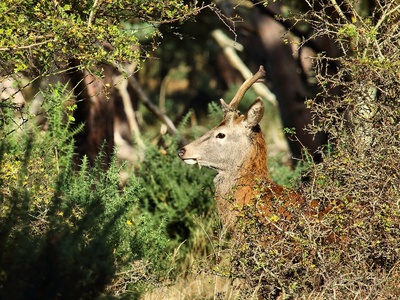
Red deer
Large deer with impressive branching antlers in males and a deep chestnut coat in summer. Forms herds outside the rutting season and uses open meadows and forest clearings; present in larger Lithuanian forests.

Wild boar
Robust, bristly omnivore that roots for roots, tubers and crops. Lives in sounders led by sows and is adaptable to woodlands and farmland. Increasingly common and often active at night near human settlements.
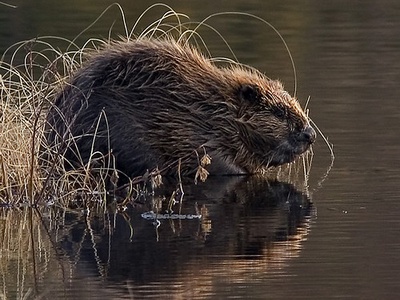
European beaver
Large, stocky rodent with webbed hind feet and a flat paddle-shaped tail. Builds dams and lodges, greatly alters waterways and creates wetland habitats. Recovered well in Lithuania’s rivers and is important for biodiversity.

Eurasian lynx
Solitary, medium-sized wild cat with tufted ears, spotted coat and a short tail. Secretive predator of ungulates and small mammals, present in extensive forest tracts in Lithuania’s east and north.
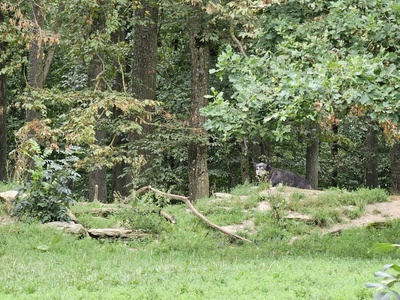
Grey wolf
Social, adaptable carnivore living in packs and hunting deer or wild boar. Avoids dense human presence but uses large forested and wetland territories across Lithuania, playing a key ecological role as a top predator.
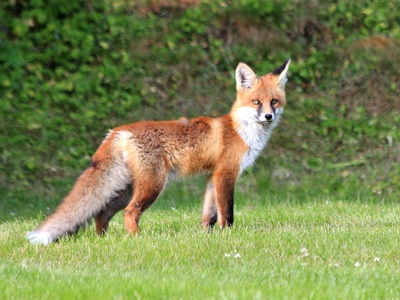
Red fox
Small, red-coated omnivore with a bushy tail, clever behavior and opportunistic diet. Common across rural and urban landscapes, frequently seen at dawn or dusk scavenging or hunting small mammals.
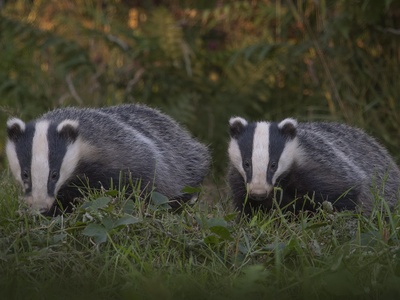
European badger
Stocky nocturnal mammal with black-and-white facial markings that lives in burrow systems called setts. Omnivorous and social, often forages in fields and woods; relatively common in Lithuanian countryside.

Eurasian otter
Streamlined, semi-aquatic predator with dense fur and webbed feet. Hunts fish at night and uses river banks for holts. Populations have recovered in Lithuania’s clean rivers and coastal lagoons.
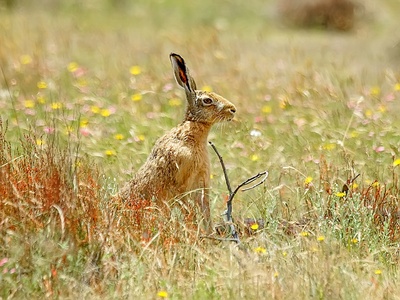
European hare
Fast, long-eared lagomorph with powerful hind legs and a brownish coat. Active by day and night, uses fields and hedgerows; common across agricultural landscapes though populations fluctuate with farming practices.

Eurasian red squirrel
Agile tree-dwelling rodent with a bushy tail and ear tufts in winter. Feeds on seeds, buds and fungi, caches food for winter. Common in Lithuanian parks and woodlands and often seen at feeders.
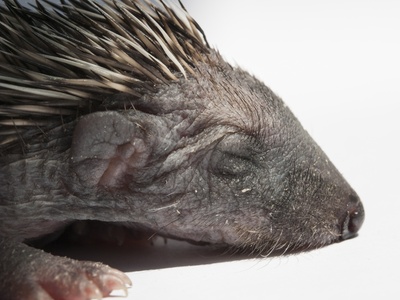
European hedgehog
Small nocturnal insectivore covered in spines that curls into a ball when threatened. Forages for insects, worms and berries; increasingly seen in gardens and suburban green spaces across Lithuania.
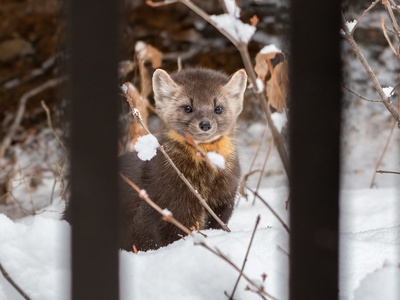
Pine marten
Slender, arboreal mustelid with a creamy throat patch and a long tail. Omnivorous, feeding on small mammals, birds and fruit. Prefers mature forests and is an indicator of healthy woodland ecosystems.
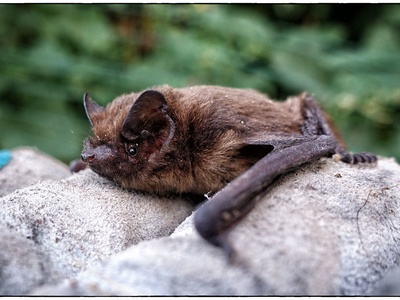
Common pipistrelle
Tiny, agile insectivorous bat that forages at dusk above water and streetlights. Roosts in buildings and tree cavities; common in towns and countryside and often seen in summer evenings.

White stork
Tall, long-legged wading bird with white plumage and black wing tips, nesting on chimneys and poles. Feeds on insects and amphibians in meadows and wetlands; culturally iconic and widely seen in rural Lithuania.

Corncrake
Shy rail with cryptic brown streaked plumage and a distinctive rasping call heard at night. Nesting in hayfields and meadows, it’s a conservation priority and an emblem of traditional agricultural landscapes.

White-tailed eagle
Massive sea eagle with pale tail and broad wings, often seen perched by large water bodies. Feeds on fish and waterbirds and nests on coastal cliffs or tall trees; a dramatic sight in Lithuania’s seascapes.
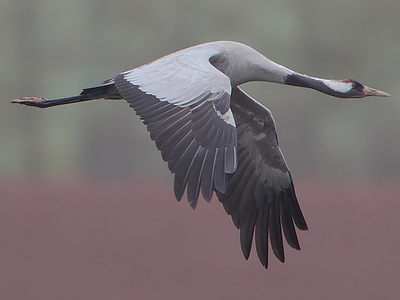
Eurasian crane
Tall, long-legged bird with grey body, black-and-white head markings and trumpeting calls. Breeds in wetlands and migrates through Lithuania in large flocks during spring and autumn.

Common kingfisher
Small, brightly colored bird with blue upperparts and orange underparts that perches above water to plunge-dive for fish. Secretive but striking, found along clear streams and sheltered coastal inlets.
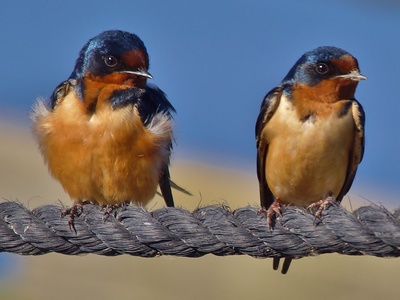
Barn swallow
Familiar aerial insectivore with glossy blue-black upperparts and long forked tail. Nests in buildings and barns, migrates long distances, and is a common summer visitor that delights rural Lithuania.
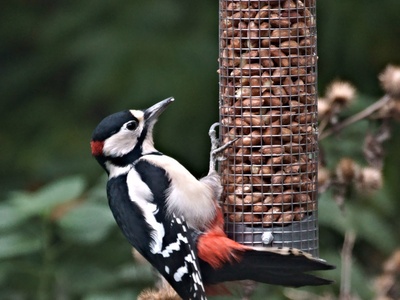
Great spotted woodpecker
Medium woodpecker with black-and-white pattern and red under-tail. Drills tree trunks for insects and excavates nest holes; commonly heard drumming in Lithuanian forests and large parks.
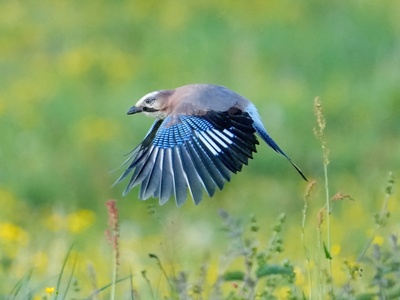
Eurasian jay
Colorful corvid with pinkish-brown plumage, bright blue wing patches and a loud, varied call. Stores acorns and seeds, acting as an important disperser of oak trees in Lithuanian woodlands.
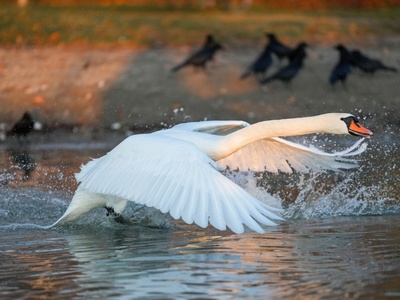
Mute swan
Large white waterbird with an orange bill and graceful neck curve. Territorial during breeding, often seen gliding on lakes and coastal lagoons; familiar in parks and shallow Baltic lagoons.
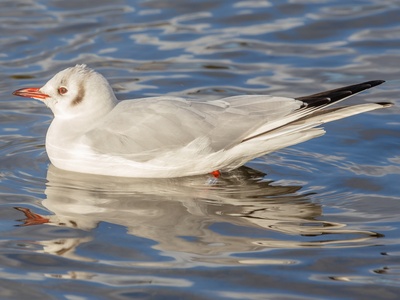
Black-headed gull
Small gull with a chocolate-brown head in summer and loud, social behavior. Feeds on invertebrates and scraps; abundant along the Baltic coast and inland waters, especially in breeding season.

Grass snake
Non-venomous water-associated snake with olive-green body and distinctive collar markings. Feeds on amphibians and fish, often seen basking near ponds or slithering through reedbeds and wet meadows.
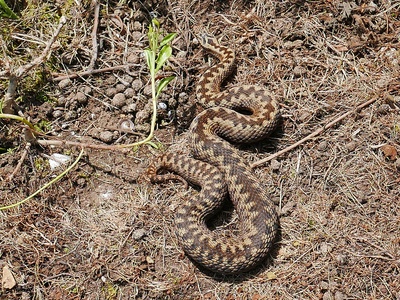
European adder
Venomous but shy snake with a distinctive zigzag back pattern. Prefers sunny heath and forest edges; bites are rare and usually defensive. Present in suitable habitats across Lithuania.
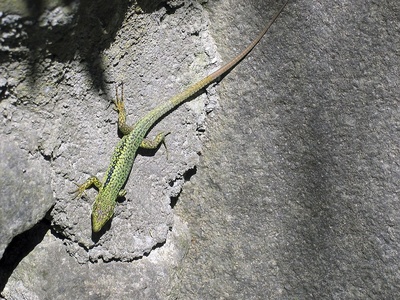
Sand lizard
Active daytime lizard with green breeding coloration in males and keeled scales. Requires open sandy patches and sparse vegetation; seen in dune systems and dry, sunny spots in Lithuania.

Common frog
Stocky amphibian with smooth skin and variable brownish-green coloration. Breeds in still water in spring and spends much time hidden in vegetation; widespread across wetlands and damp habitats.
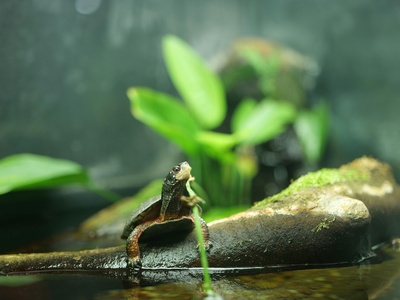
Smooth newt
Small, slender amphibian with males showing ornate crests in breeding season. Uses garden ponds and woodland pools; feeds on invertebrates and is a common, secretive resident of damp habitats.
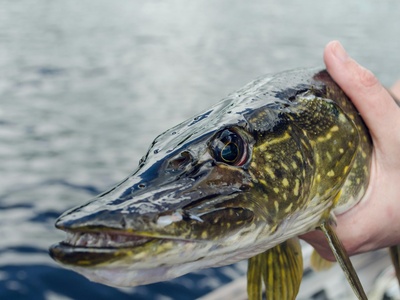
Northern pike
Ambush predator with elongated body, sharp teeth and camouflaged pattern. Hunts fish and waterfowl near vegetation; prized by anglers and common in Lithuania’s freshwater lakes and lowland rivers.
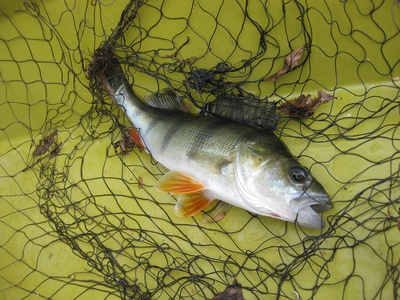
European perch
Striped predatory fish with spiny dorsal fin and deep body. Feeds on smaller fish and invertebrates, abundant in lakes and rivers and important for recreational fishing in Lithuania.
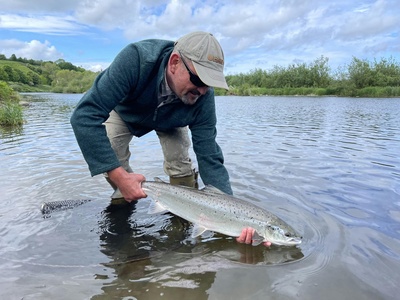
Atlantic salmon
Anadromous fish that migrates from the sea to spawn in clean rivers. Notable for long migrations and silver adult appearance; populations use Lithuanian rivers during migration seasons.
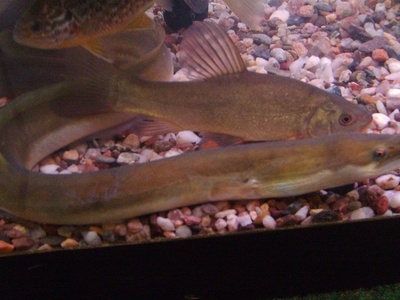
European eel
Long, serpentine fish that migrates between rivers and the Sargasso Sea. Catadromous and capable of long freshwater residence; historically abundant in Lithuanian rivers but now vulnerable.

Baltic herring
Small, schooling forage fish central to Baltic fisheries and coastal food webs. Forms large shoals in coastal waters and estuaries and is a common sight and catch along Lithuania’s shoreline.

Old World swallowtail
Large, showy butterfly with yellow and black patterned wings and tails on hindwings. Caterpillars feed on umbellifers; a striking and widely admired species in open, flowery habitats across Lithuania.
European peacock
Boldly patterned butterfly with eye-spots on each wing that frighten predators. Overwinters as an adult and appears early in spring; common in diverse habitats including gardens and hedgerows.
Painted lady
Strongly migratory butterfly with orange-brown patterned wings. Appears in large numbers during migration years, visits flowers in meadows and gardens, and can be very noticeable in summer.

Emperor dragonfly
Powerful, large dragonfly with bright blue abdomen in males and strong flight. Patrols open water hunting other dragonflies and insects; one of the most conspicuous dragonflies at Lithuanian lakes.

Common darter
Small, perching dragonfly often seen in late summer on reed stems and vegetation around ponds. Males show reddish tones; common and easy to observe at inland waters.
Stag beetle
Large, charismatic beetle with impressive mandibles in males. Larvae develop for years in decaying wood; adults are attracted to warm, sunny woodland edges and veteran trees and are a conservation interest.