Nauru’s compact island and surrounding reefs support a surprising variety of life despite its small size, with species adapted to lagoons, coastal scrub and offshore coral habitats. A concise list helps make sense of the mix of reef fish, seabirds and occasional land species recorded around the island.
There are 45 Animals of Nauru, ranging from Bicolor Parrotfish to Yellowtail Coris; for each species the list shows Scientific name,Size (cm),Where found — you’ll find below.
Are the animals listed mostly marine or do they include land species?
The list includes both marine and terrestrial entries: reef and lagoon fish, seabirds and a few land-associated species. Check the “Where found” column to separate reef/lagoon records from coastal or inland sightings.
How can I use the Scientific name and Size (cm) columns to help identification?
Use the Scientific name for precise species matches and Size (cm) as a quick reference for typical adult length; combine those with “Where found” to narrow possibilities, keeping in mind sizes can vary by age, sex and local populations.
Animals of Nauru
| Name | Scientific name | Size (cm) | Where found |
|---|---|---|---|
| Nauru Reed Warbler | Acrocephalus rehsei | 15 | Dense vegetation, gardens, and shrubland across the island |
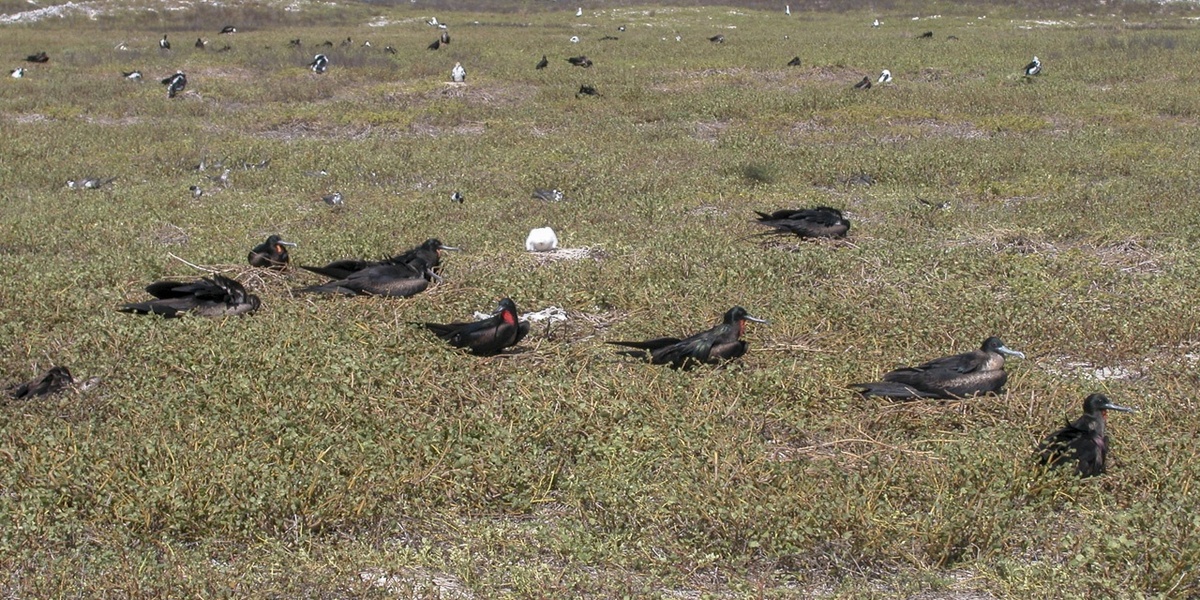
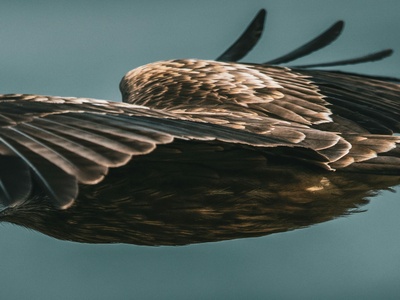
| Great Frigatebird | Fregata minor | 230 | Soaring over coastal waters, nesting in trees on the island |
| Lesser Frigatebird | Fregata ariel | 205 | Soaring over the ocean near the coast, often with Great Frigatebirds |
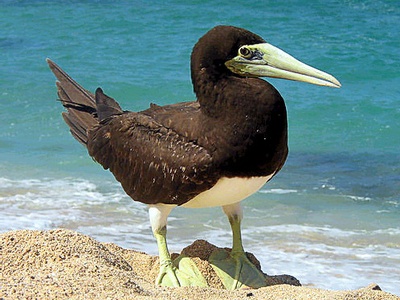
| Brown Booby | Sula leucogaster | 140 | Roosting on coastal cliffs and buoys, diving for fish offshore |
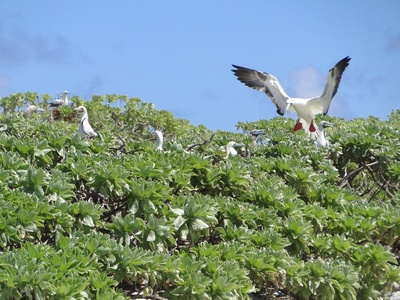
| Red-footed Booby | Sula sula | 100 | Nests in coastal trees and shrubs, forages far out at sea |
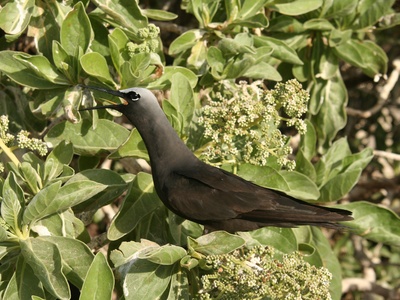
| Black Noddy | Anous minutus | 75 | Nests colonially in trees, forages in large flocks over the ocean |
| Brown Noddy | Anous stolidus | 85 | Nests on the ground or in low shrubs along the coast |
| White Tern | Gygis alba | 76 | Throughout the island, lays single eggs on bare tree branches |
| Pacific Golden Plover | Pluvialis fulva | 25 | Foraging on open ground, airfields, and coastal mudflats |
| Bristle-thighed Curlew | Numenius tahitiensis | 44 | Open areas and shorelines during its migration stopover |
| Polynesian Rat | Rattus exulans | 15 | Found throughout the island, especially in vegetated areas |
| Feral Cat | Felis catus | 46 | Widespread, from settled areas to remnant forest patches |
| Feral Pig | Sus scrofa | 150 | Forages in vegetated areas, particularly around Buada Lagoon |
| Spinner Dolphin | Stenella longirostris | 200 | Deep waters offshore, sometimes visible from the coast |
| Pantropical Spotted Dolphin | Stenella attenuata | 230 | Offshore in deep tropical waters, often with tuna schools |
| Humpback Whale | Megaptera novaeangliae | 1,500 | Migrates through the deep waters surrounding the island |
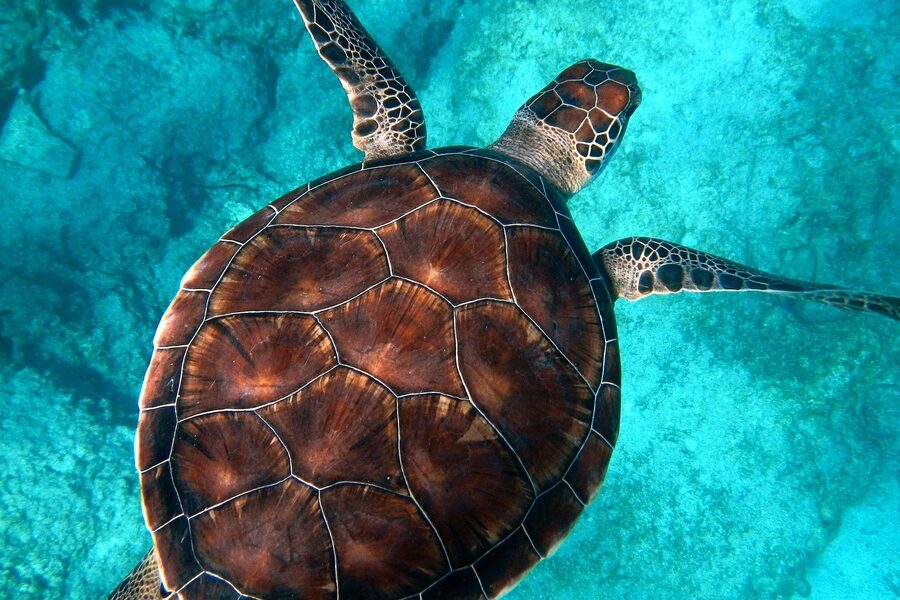
| Green Sea Turtle | Chelonia mydas | 120 | Foraging on seagrass in shallow waters, nesting on sandy beaches |
| Hawksbill Sea Turtle | Eretmochelys imbricata | 90 | Foraging on sponges on the coral reef |
| Mourning Gecko | Lepidodactylus lugubris | 9 | Widespread in vegetation, buildings, and coastal areas |
| Oceanic Gecko | Gehyra oceanica | 19 | Found on trees, rocks, and occasionally in buildings |
| Whitetip Reef Shark | Triaenodon obesus | 160 | Reef flats and slopes, often resting in caves during the day |
| Silvertip Shark | Carcharhinus albimarginatus | 230 | Deeper reef drop-offs and offshore banks |
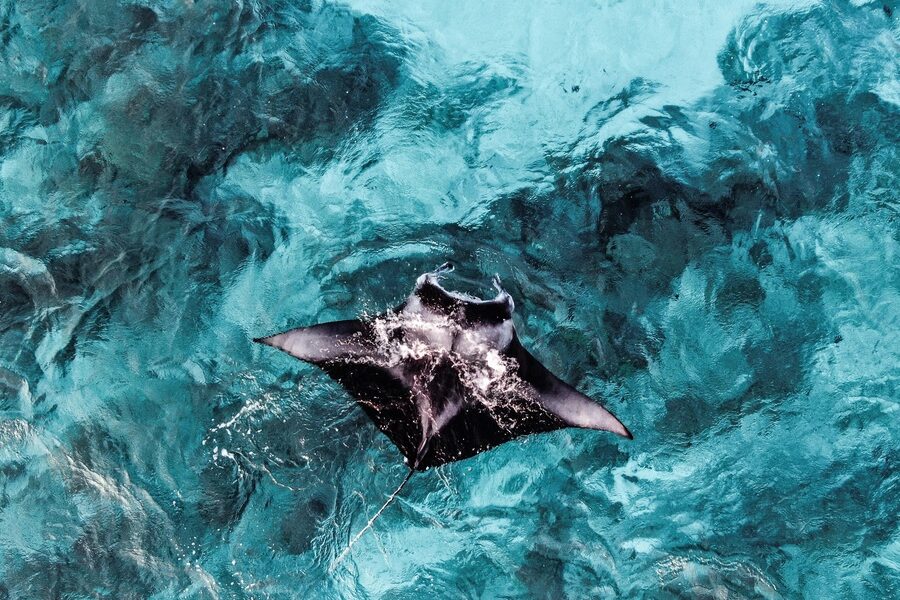
| Oceanic Manta Ray | Mobula birostris | 700 | Pelagic, feeding in deep water channels and near the surface |
| Humphead Wrasse | Cheilinus undulatus | 230 | Steep outer reef slopes and channel drop-offs |
| Giant Trevally | Caranx ignobilis | 170 | Patrols reef edges, drop-offs, and open water |
| Yellowfin Tuna | Thunnus albacares | 240 | Pelagic, schooling in deep offshore waters |
| Skipjack Tuna | Katsuwonus pelamis | 110 | Schools in huge numbers in warm offshore surface waters |
| Bicolor Parrotfish | Cetoscarus bicolor | 90 | Coral-rich areas of the reef from shallow to deep |
| Orangespine Unicornfish | Naso lituratus | 45 | Grazing on algae on reef tops and slopes |
| Whitecheek Surgeonfish | Acanthurus nigricans | 21 | Outer reef slopes and channels with strong currents |
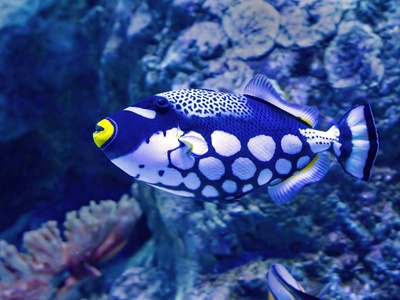
| Clown Triggerfish | Balistoides conspicillum | 50 | Clear seaward reefs, often near steep drop-offs |
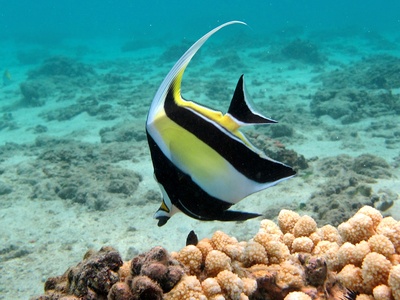
| Moorish Idol | Zanclus cornutus | 23 | Ubiquitous on reef flats and slopes |
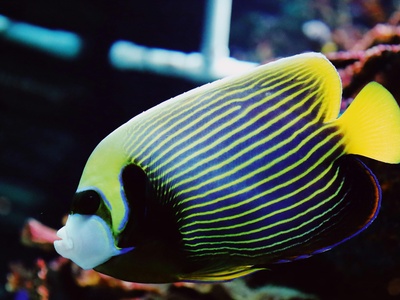
| Emperor Angelfish | Pomacanthus imperator | 40 | Coral-rich areas, from lagoons to outer reef slopes |
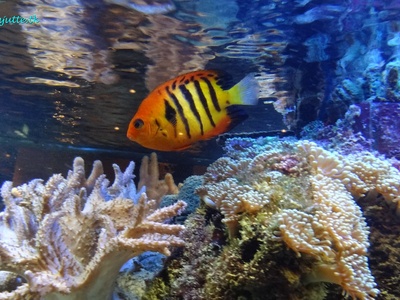
| Flame Angelfish | Centropyge loricula | 15 | Rubble and coral areas in lagoons and outer reefs |
| Lined Butterflyfish | Chaetodon lineolatus | 30 | Coral-rich areas, often in pairs |
| Bluestreak Cleaner Wrasse | Labroides dimidiatus | 11 | Establishes “cleaning stations” at prominent coral heads |
| Yellowtail Coris | Coris gaimard | 40 | Sandy or rubble areas near reefs |
| Peacock Hind | Cephalopholis argus | 60 | Common in a variety of coral reef habitats |
| Giant Moray | Gymnothorax javanicus | 300 | Hiding in reef crevices and caves during the day |
| Clark’s Anemonefish | Amphiprion clarkii | 15 | Sheltering within the tentacles of sea anemones on the reef |
| Crown-of-thorns Starfish | Acanthaster planci | 35 | Moves across coral reefs, feeding on coral polyps |
| Small Giant Clam | Tridacna maxima | 35 | Embedded in coral or rock on shallow reef flats |
| Pronghorn Spiny Lobster | Panulirus penicillatus | 40 | Hides in reef crevices during the day, forages at night |
| Coconut Crab | Birgus latro | 100 | Historically in coastal forests, now locally extinct |
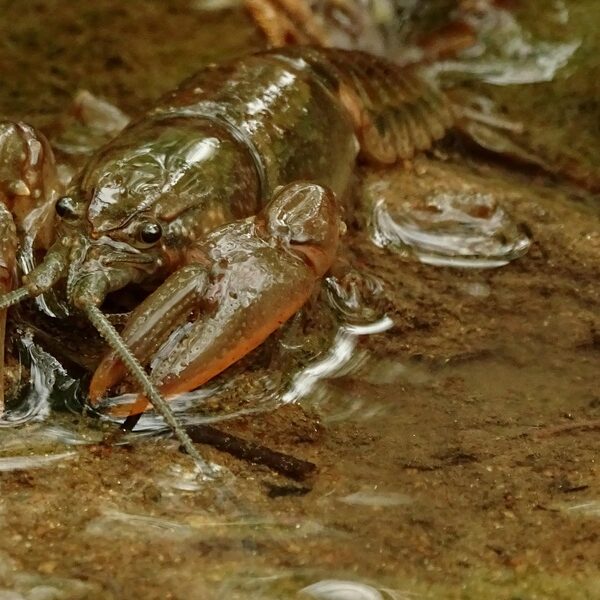
| Hairy Leg Mountain Crab | Cardisoma carnifex | 12 | Burrows in soft soil in coastal areas and near mangroves |
Images and Descriptions
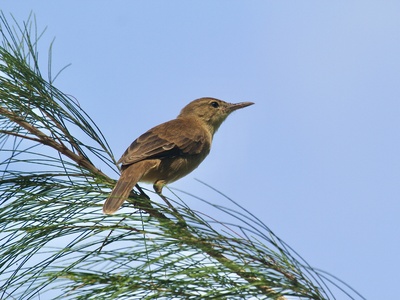
Nauru Reed Warbler
Nauru’s only surviving native land bird, it is critically endangered. This small, plain brown warbler is a skilled insect hunter and a symbol of the island’s unique and fragile biodiversity. Its persistent song is a cherished sound.
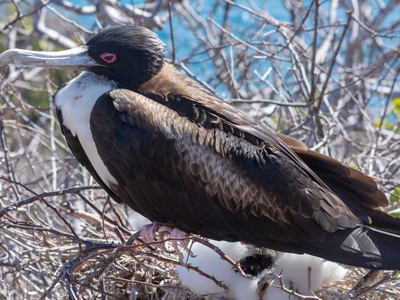
Great Frigatebird
A master aerial pirate, this huge seabird is known for stealing food from other birds mid-air. Males are famous for their giant, inflatable red gular sac, used in courtship displays to attract females.
Lesser Frigatebird
Slightly smaller than its great cousin, the Lesser Frigatebird is another expert aerialist. It can stay aloft for days on end, snatching fish from the surface or harassing other seabirds for their catch. They are a common sight in Nauru’s skies.
Brown Booby
This large seabird is a spectacular diver, plunging into the sea from great heights to catch fish and squid. It has a distinct chocolate-brown body with a sharply contrasting white belly, making it easily identifiable as it patrols the coastline.
Red-footed Booby
The smallest of all boobies, this species is named for its vibrant red feet. Unlike other boobies that nest on the ground, the Red-footed Booby builds its nests in trees and shrubs along Nauru’s coast.
Black Noddy
A graceful, dark sooty-black tern with a contrasting white cap. Black Noddies are highly social, often seen in large, noisy colonies and flocks. They feed by dipping down to snatch small fish from the ocean’s surface without landing.
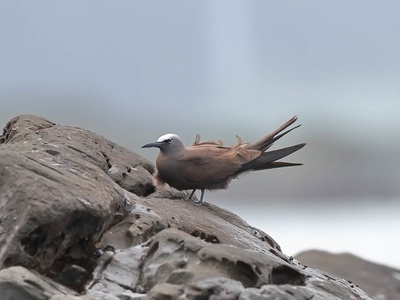
Brown Noddy
Larger and browner than the Black Noddy, this common tropical tern also sports a pale grey-white cap. It’s a familiar sight on Nauruan shores, often seen resting on rocks or beaches between fishing trips out to sea.
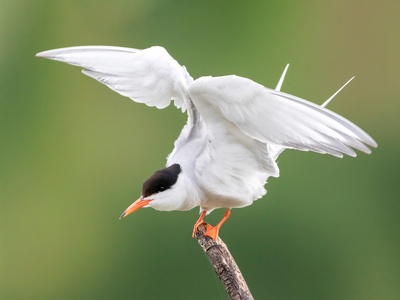
White Tern
Also known as the Fairy Tern, this stunning all-white seabird is famous for its unique nesting habit. It lays its single egg directly on a tree limb or rock ledge, with no nest at all, a remarkable balancing act.
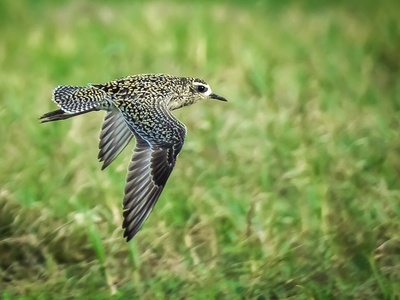
Pacific Golden Plover
A regular migrant from its Arctic breeding grounds, this elegant shorebird is a common sight during the non-breeding season. Its mottled gold-and-black breeding plumage fades to a plainer grey-brown while it winters in Nauru.
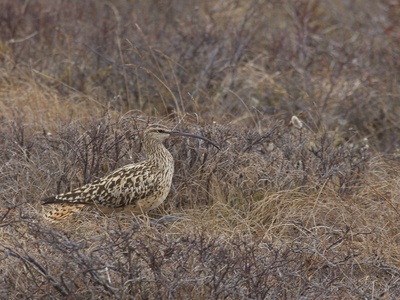
Bristle-thighed Curlew
This large, long-billed shorebird is a conservation concern, listed as Vulnerable. It undertakes one of the world’s longest migrations from Alaska to Pacific islands like Nauru, making the island a vital resting spot.
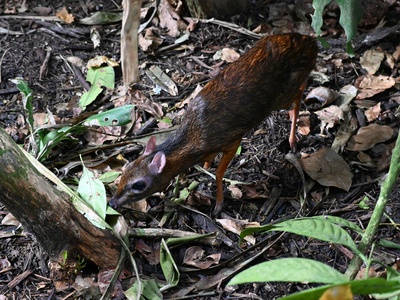
Polynesian Rat
Also known as the kiore, this rat was an early stowaway on canoes across the Pacific. Smaller than other invasive rats, it has had a significant impact on native birds and insects on islands it colonized.
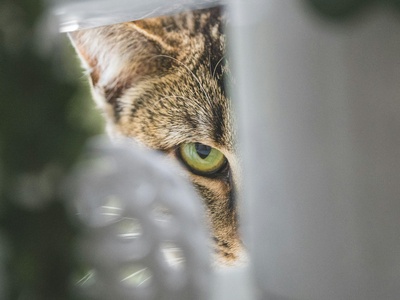
Feral Cat
Originally introduced as pets, feral cats now pose a major threat to Nauru’s native wildlife, particularly the endangered Nauru Reed Warbler and nesting seabirds. They are highly effective predators in this vulnerable island ecosystem.
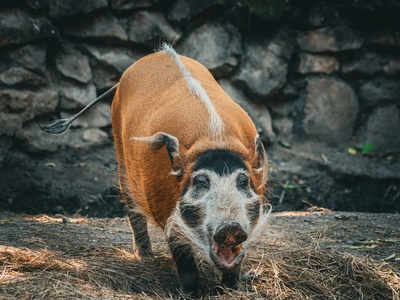
Feral Pig
Descended from domestic pigs, feral populations can cause significant environmental damage. Their rooting behavior disturbs soil and destroys native plants, impacting both the ecosystem and human health by creating mosquito breeding grounds.
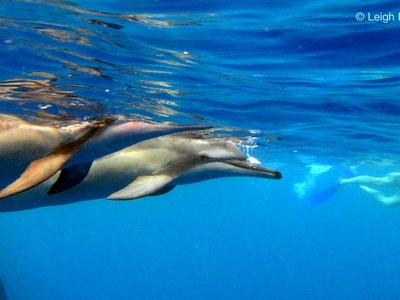
Spinner Dolphin
Famous for their acrobatic aerial displays, these dolphins leap from the water and spin along their length. They travel in large, social pods and are a thrilling sight for anyone watching the waters around Nauru.
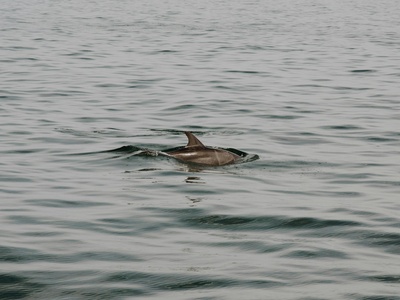
Pantropical Spotted Dolphin
This sleek dolphin is recognizable by the increasing number of spots it develops with age. They are fast swimmers, often found associating with schools of yellowfin tuna, a behavior fishermen have historically used to locate fish.
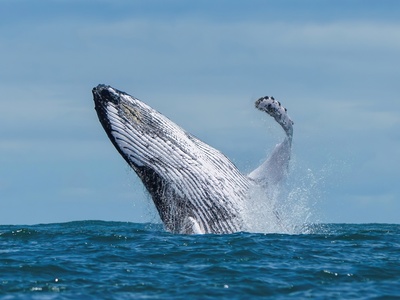
Humpback Whale
While not a resident, these magnificent giants pass through Nauruan waters during their annual migrations. Known for their haunting songs and spectacular breaching behavior, a sighting is a truly unforgettable experience of marine majesty.
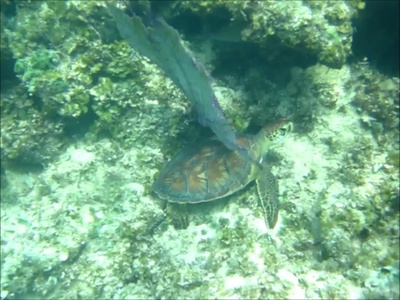
Green Sea Turtle
This large, endangered sea turtle is a regular visitor to Nauru’s waters. Named for its green-colored body fat, it travels vast distances. Females return to beaches to lay their eggs, a critical life cycle event.
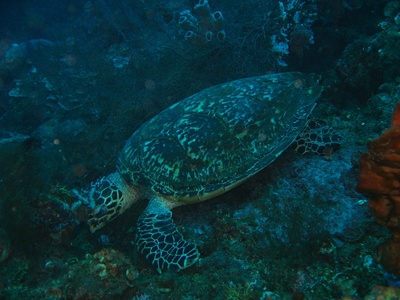
Hawksbill Sea Turtle
Critically endangered, the Hawksbill is distinguished by its narrow, pointed beak. Its beautifully patterned shell has made it a target for poaching. Protecting its feeding grounds on Nauru’s reef is vital for its survival.
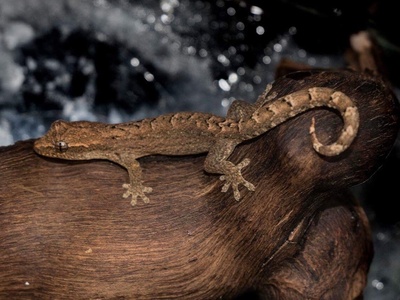
Mourning Gecko
This small, adaptable gecko is fascinating. It reproduces through parthenogenesis, meaning the all-female population lays fertile eggs without needing males. It is a common sight at night near lights, hunting for insects.
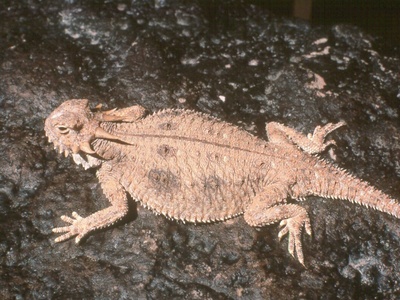
Oceanic Gecko
A large, robust gecko native to many Pacific islands. It has large toe pads that allow it to climb smooth surfaces with ease. It is primarily nocturnal, feeding on insects and other small invertebrates in the forest canopy.
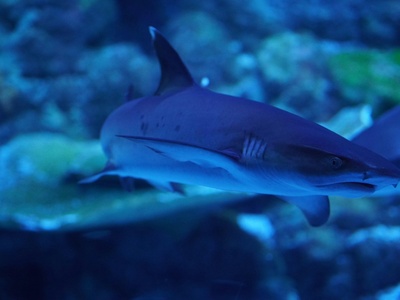
Whitetip Reef Shark
One of the most common sharks on Indo-Pacific reefs. It’s easily identified by the prominent white tips on its dorsal and tail fins. A relatively small and unaggressive shark, it is a frequent sight for divers around Nauru.
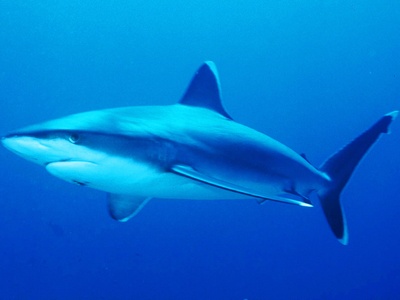
Silvertip Shark
A powerful and streamlined reef shark recognized by the conspicuous white margins on all its fins. More assertive than the whitetip, it is an apex predator of the outer reef, commanding respect from divers and other marine life.
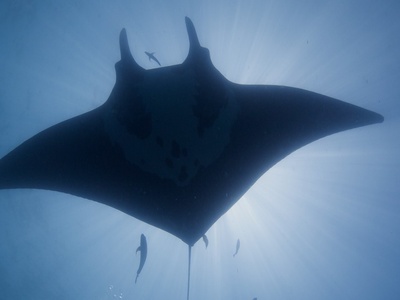
Oceanic Manta Ray
The world’s largest ray, this gentle giant glides through the ocean filtering plankton with its large cephalic lobes. Sighting one of these majestic animals in the deep blue waters around Nauru is a breathtaking and rare privilege.
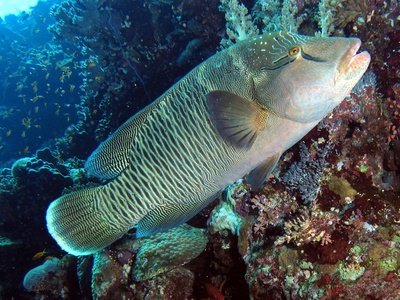
Humphead Wrasse
Also known as the Napoleon Wrasse, this enormous reef fish is endangered due to overfishing. It’s easily recognized by its prominent forehead hump and thick lips. They play a key role in reef health by eating coral-damaging invertebrates.
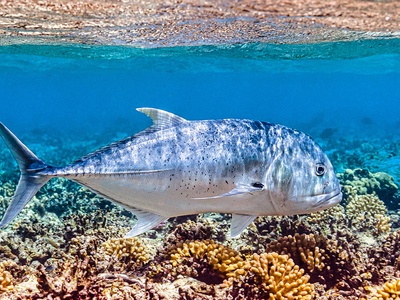
Giant Trevally
A formidable apex predator of the reef, the Giant Trevally (GT) is known for its incredible strength and aggressive hunting tactics. It is a prized catch for sport fishermen and a thrilling sight for divers as it stalks its prey.
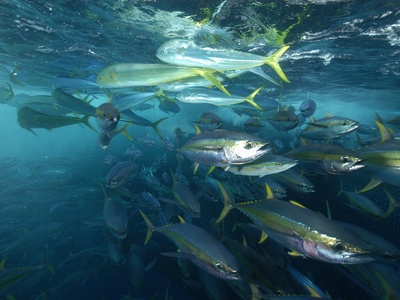
Yellowfin Tuna
A cornerstone of Nauru’s offshore fishery, this large, fast-swimming tuna is named for its bright yellow fins. It is a highly sought-after commercial and sport fish, known for its power and a vital part of the local economy.
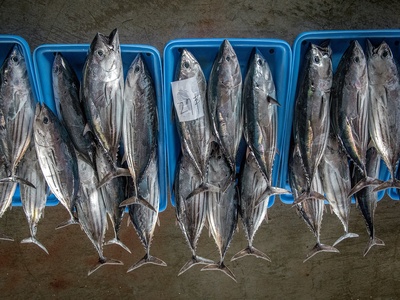
Skipjack Tuna
The most abundant and widely caught tuna species. Skipjack are crucial to the marine food web and Nauru’s economy. They are identified by the dark horizontal stripes on their silvery bellies and form massive schools.
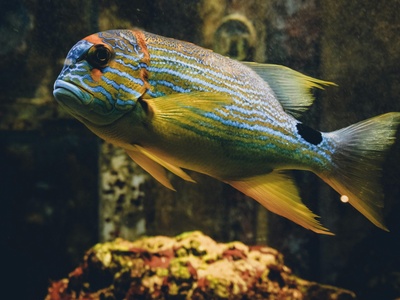
Bicolor Parrotfish
These colorful fish are vital for reef health, using their beak-like teeth to graze on algae, which prevents coral from being smothered. The initial phase females and terminal phase males are dramatically different in color.
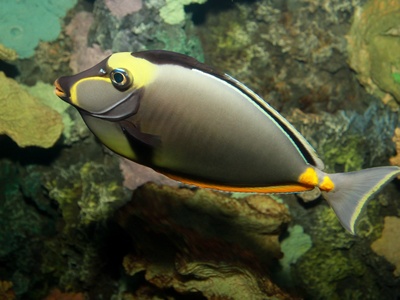
Orangespine Unicornfish
Named for the two bright orange, scalpel-sharp spines at the base of its tail, used for defense. This surgeonfish lacks a prominent “horn” but is still a striking and common inhabitant of Nauru’s reefs, helping to keep algae in check.
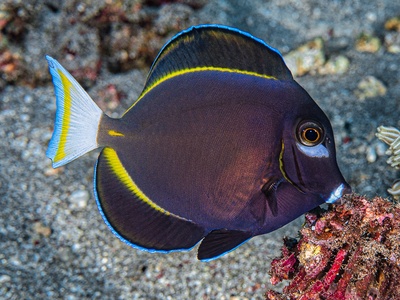
Whitecheek Surgeonfish
A handsome surgeonfish with a dark body, a distinct white patch below the eye, and yellow highlights on its fins. Like its relatives, it possesses a sharp caudal spine for defense and is often seen grazing on reef algae.
Clown Triggerfish
Unmistakable due to its dramatic coloration, with large white spots on its black belly and a yellow-reticulated pattern on its back. This triggerfish is a highly sought-after aquarium fish and a spectacular sight on the reef.
Moorish Idol
An iconic reef fish, recognized by its disc-like body, bold black, white, and yellow bands, and a long, trailing dorsal fin. Despite its wide distribution, it is notoriously difficult to keep healthy in aquariums.
Emperor Angelfish
A majestic fish with a bold pattern of blue and yellow horizontal stripes and a black “mask”. Juveniles have a completely different, mesmerizing pattern of concentric white and blue circles on a dark background.
Flame Angelfish
A small but stunningly vibrant dwarf angelfish. Its fiery orange-red body is marked with vertical black bars, making it a jewel of the reef and a prized species for divers and aquarists to spot among the corals.
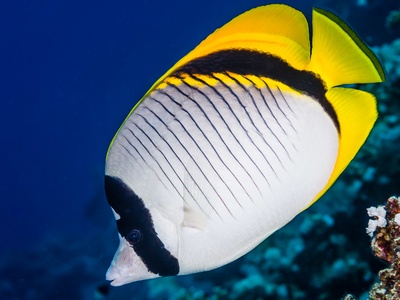
Lined Butterflyfish
The largest of the butterflyfishes, this species is identified by its thin vertical black lines on a white body, with broad black markings. They are often seen in pairs, feeding on small invertebrates and coral polyps.
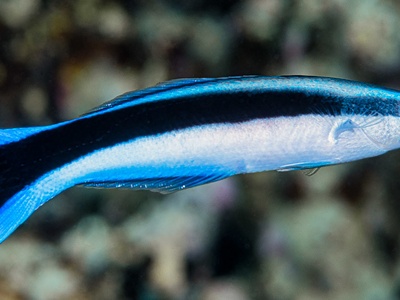
Bluestreak Cleaner Wrasse
This tiny fish runs a vital service on the reef. Larger fish visit its “station” to have parasites removed. Its distinctive blue and black stripes signal its important role to clients, which approach and pose to be cleaned.
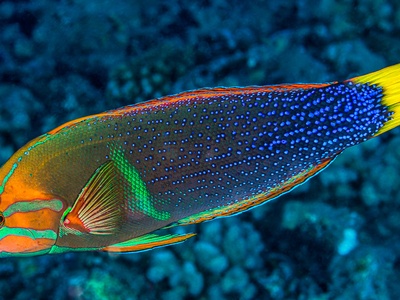
Yellowtail Coris
This wrasse undergoes a dramatic color change. Juveniles are brilliant red-orange with white spots, while adults are dark green-blue with bright blue spots and a yellow tail. They are active foragers, digging for invertebrates.
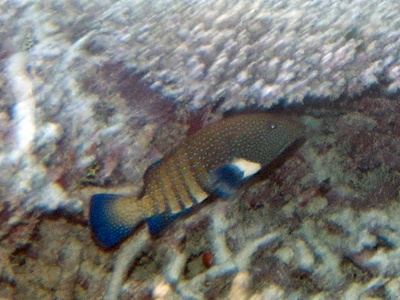
Peacock Hind
A widespread and voracious grouper, easily recognized by its dark brown body covered in hundreds of iridescent blue spots. It is a common predator on Nauru’s reefs, ambushing small fish and crustaceans from crevices.
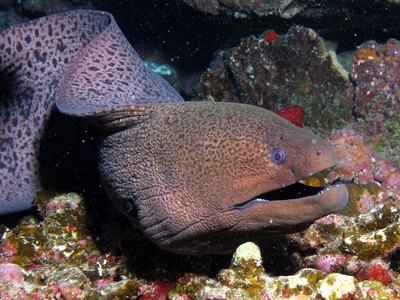
Giant Moray
The largest of the moray eels by mass, this formidable predator is a top hunter on the reef. Its mottled brown body allows it to camouflage perfectly as it waits to ambush passing fish and octopus with lightning speed.
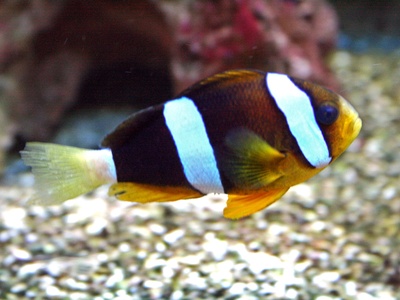
Clark’s Anemonefish
This anemonefish displays a remarkable symbiotic relationship with its host anemone. It is immune to the anemone’s stings and is protected from predators, while it helps keep the anemone clean and well-fed.
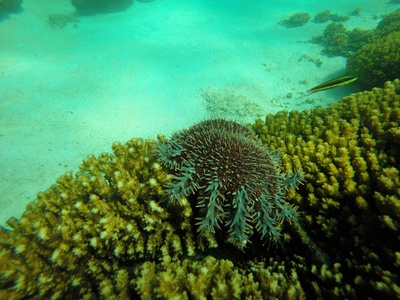
Crown-of-thorns Starfish
A large, multi-armed starfish covered in venomous spines. While native, population outbreaks can devastate coral reefs by consuming live coral. Monitoring their numbers is crucial for reef management in Nauru.
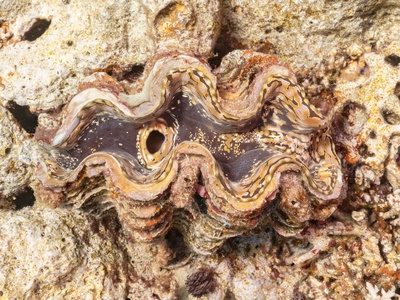
Small Giant Clam
This species of giant clam is the most widespread. Its mantle comes in an incredible array of iridescent colors and patterns. It is a filter feeder and gets nutrients from symbiotic algae living in its tissues.
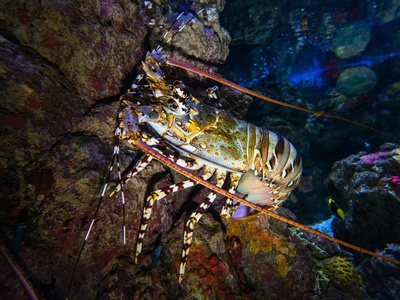
Pronghorn Spiny Lobster
A common nocturnal lobster found on reefs throughout the Indo-Pacific. It lacks large claws, relying on its spiny shell for defense. It is an important local food source and a key part of the reef ecosystem.
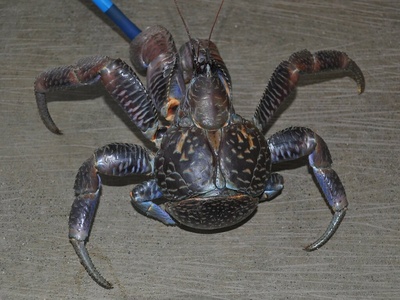
Coconut Crab
The world’s largest land arthropod, this giant hermit crab is famous for its ability to crack coconuts. Sadly, due to over-harvesting and habitat loss, this iconic species is believed to be extinct on Nauru.
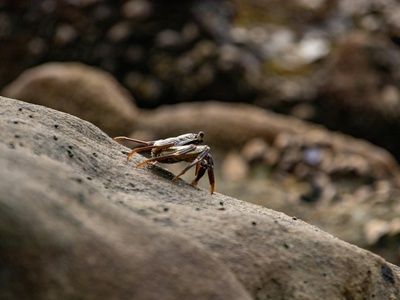
Hairy Leg Mountain Crab
A large land crab that is an important part of the coastal ecosystem. It is a scavenger, helping to recycle nutrients. It spends most of its time in its burrow, emerging at night to feed on fallen leaves and fruit.