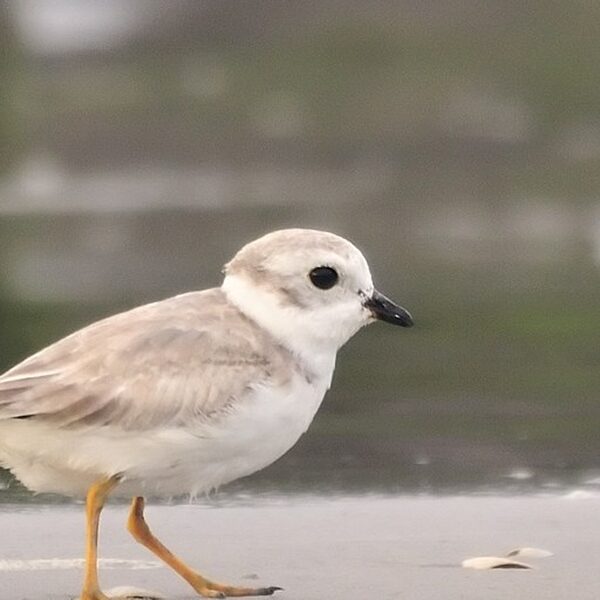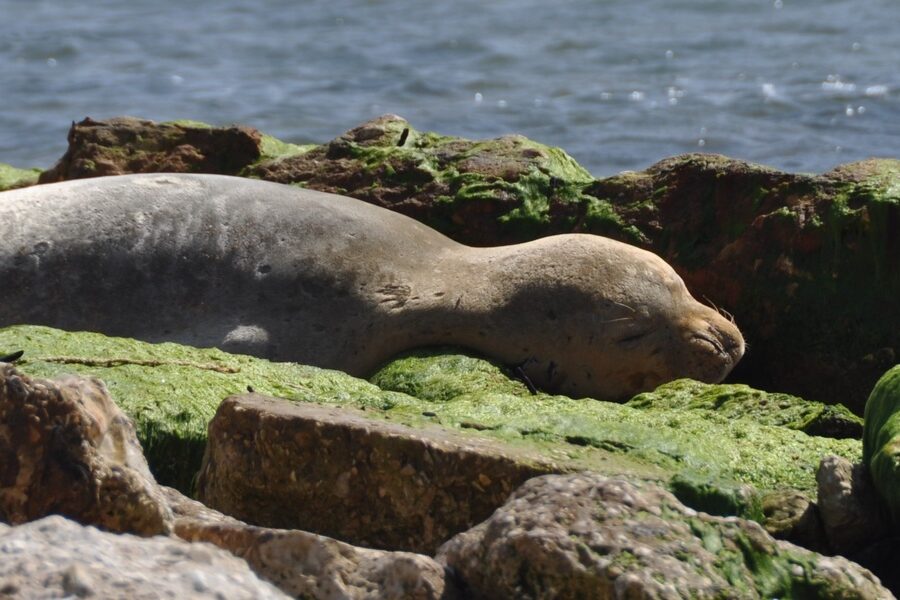
Russia’s vast territory—from Arctic islands and boreal forests to steppes and mountain ranges—supports a broad spectrum of animal life. Different climates and habitats mean species adapted to cold, temperate and seasonal environments all occur across the country.
There are 65 Animals of Russia, ranging from the Amur leopard to the Wolverine. For each species, you’ll find below the columns Scientific name, IUCN status, Range in Russia — so you can quickly see taxonomic names, conservation assessments and where each animal occurs, and you’ll find below.
Are migratory or introduced species included in the list?
Yes. The list includes native residents, regular migratory visitors and established introduced species when there are verified records in Russia; migratory or seasonal presence is noted in the Range in Russia column so you can tell whether a species is year-round, seasonal or a vagrant.
Where does the information on Scientific name, IUCN status and range come from?
Data are compiled from authoritative sources such as taxonomic checklists, the IUCN Red List and regional faunal surveys; where possible entries reflect recent assessments or published studies, but ranges and statuses can change, so check original references for the latest updates.
Animals of Russia
| Name | Scientific name | IUCN status | Range in Russia |
|---|---|---|---|
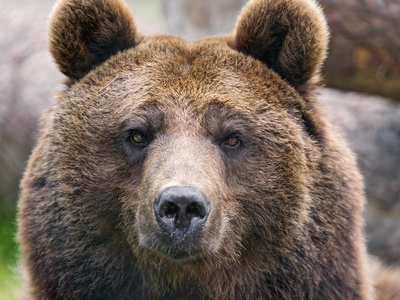
| Brown bear | Ursus arctos | Least Concern | Taiga, tundra, Caucasus, Kamchatka |
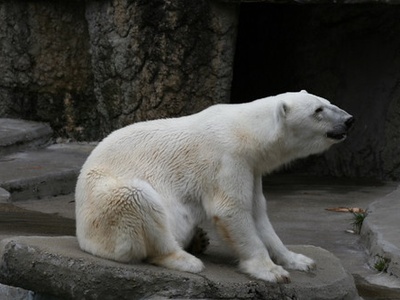
| Polar bear | Ursus maritimus | Vulnerable | Arctic coasts, Novaya Zemlya, Chukchi Sea |
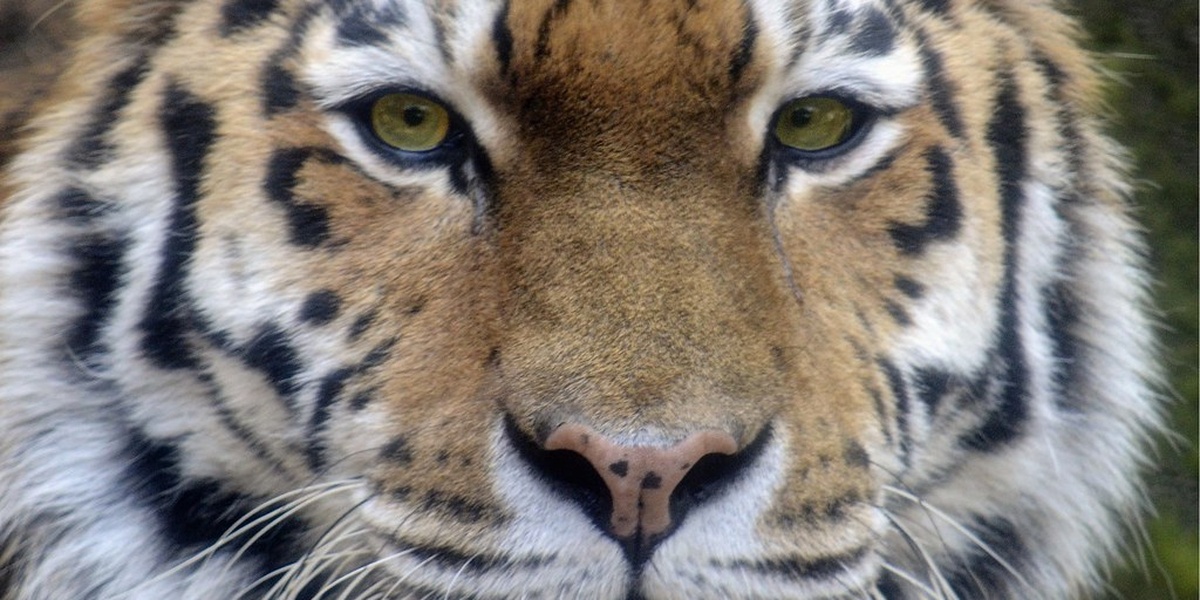
| Siberian tiger (Amur tiger) | Panthera tigris altaica | Endangered | Primorye, Amur region (Russian Far East) |
| Amur leopard | Panthera pardus orientalis | Critically Endangered | Primorye (extreme southeast) |
| Snow leopard | Panthera uncia | Vulnerable | Altai and Sayan mountains, border regions |
| Eurasian lynx | Lynx lynx | Least Concern | Taiga and mixed forests across Russia |
| Gray wolf | Canis lupus | Least Concern | Across Russia from tundra to taiga and steppe |
| Red fox | Vulpes vulpes | Least Concern | Widespread across all Russian regions |
| Wolverine | Gulo gulo | Least Concern | Taiga and tundra, Siberia, Kamchatka |
| Sable | Martes zibellina | Least Concern | Taiga of Siberia, Urals, Far East |
| Moose | Alces alces | Least Concern | Taiga, mixed forests across northern and central Russia |
| Reindeer | Rangifer tarandus | Vulnerable | Tundra and boreal regions, migratory herds across Siberia |
| Saiga antelope | Saiga tatarica | Critically Endangered | Steppe regions, historically in Kalmykia and Astrakhan |
| Wild boar | Sus scrofa | Least Concern | Forests and agricultural areas across European and Asian Russia |
| Eurasian beaver | Castor fiber | Least Concern | Rivers and wetlands across European and Asian Russia |
| European bison | Bison bonasus | Vulnerable | Caucasus reintroductions, protected reserves in European Russia |
| Argali | Ovis ammon | Near Threatened | Altai, Sayan and other mountain ranges |
| Snow sheep | Ovis nivicola | Least Concern | Far East mountain ranges, Chukotka and Kamchatka |
| Muskox | Ovibos moschatus | Least Concern | Taymyr Peninsula and Wrangel Island tundra (reintroduced) |
| Bobak marmot | Marmota bobak | Least Concern | Steppe and forest‑steppe of southern Russia and western Siberia |
| Steller’s sea eagle | Haliaeetus pelagicus | Vulnerable | Kamchatka, Kurils, Primorye coasts and river mouths |
| White‑tailed eagle | Haliaeetus albicilla | Least Concern | Coasts, large lakes and rivers across Russia |
| Siberian crane | Leucogeranus leucogeranus | Critically Endangered | Breeds in Yakutia tundra; migratory routes to China and India |
| Red‑crowned crane | Grus japonensis | Endangered | Far East wetlands, Amur River basin |
| Whooper swan | Cygnus cygnus | Least Concern | Tundra breeding sites and freshwater lakes across Russia |
| Baikal teal | Sibirionetta formosa | Near Threatened | Lake Baikal region and East Asian flyways |
| Greater spotted eagle | Clanga clanga | Vulnerable | Wetlands and floodplain forests in European Russia and Far East |
| Capercaillie | Tetrao urogallus | Least Concern | Mature taiga forests across Russia |
| Common crane | Grus grus | Least Concern | Wetlands and marshes across European and Asian Russia |
| Eurasian eagle‑owl | Bubo bubo | Least Concern | Rocky areas and forests across Russia |
| Atlantic puffin | Fratercula arctica | Vulnerable | Barents Sea and Arctic coastal colonies |
| Saker falcon | Falco cherrug | Endangered | Steppe and semi‑desert of southern Russia and border regions |
| Black stork | Ciconia nigra | Least Concern | Forested wetlands, river valleys across Russia |
| Oriental stork | Ciconia boyciana | Endangered | Far East wetlands (Amur basin), rare and reintroduced |
| Peregrine falcon | Falco peregrinus | Least Concern | Cliffs and cities across Russia |
| Little auk | Alle alle | Least Concern | Arctic sea coasts, Franz Josef Land and Novaya Zemlya |
| Dalmatian pelican | Pelecanus crispus | Near Threatened | Caspian and Black Sea wetlands, Volga delta |
| Red‑breasted goose | Branta ruficollis | Endangered | Breeds in Taymyr tundra; winters on Black Sea coasts |
| Beluga sturgeon | Huso huso | Critically Endangered | Caspian and Black Sea basins, Volga and Don rivers |
| Siberian sturgeon | Acipenser baerii | Endangered | Siberian rivers (Ob, Yenisei, Lena) and Amur basin |
| Atlantic salmon | Salmo salar | Least Concern | Northwestern Russia rivers, White Sea and Barents Sea basins |
| Pink salmon | Oncorhynchus gorbuscha | Least Concern | Pacific rivers of Russian Far East and coastal seas |
| Chum salmon | Oncorhynchus keta | Least Concern | Far East rivers and coastal waters |
| Arctic char | Salvelinus alpinus | Least Concern | Arctic and subarctic lakes and rivers across northern Russia |
| Atlantic cod | Gadus morhua | Vulnerable | Barents Sea and northwest Russian shelf |
| European adder | Vipera berus | Least Concern | Forests, tundra edge, taiga and meadows across Russia |
| Siberian salamander | Salamandrella keyserlingii | Least Concern | Taiga wetlands and bogs across Siberia and Russian Far East |
| Common frog | Rana temporaria | Least Concern | Forests, wetlands and meadows across European and western Siberian Russia |
| Steppe viper | Vipera ursinii | Near Threatened | Steppe regions and isolated grasslands of southern Russia and Caucasus |
| Grass snake | Natrix natrix | Least Concern | Wetlands, meadows and river margins in European Russia and southern Siberia |
| Common toad | Bufo bufo | Least Concern | Woodlands, gardens and wetlands across much of Russia |
| Walrus | Odobenus rosmarus | Vulnerable | Arctic coasts: Novaya Zemlya, Chukchi Sea, Barents Sea |
| Gray whale | Eschrichtius robustus | Least Concern | Sea of Okhotsk, Sakhalin and Chukotka coastal waters |
| Harbor seal | Phoca vitulina | Least Concern | Baltic, White Sea, Sea of Okhotsk and Pacific coastal areas |
| Ringed seal | Pusa hispida | Least Concern | Arctic sea ice and coastal waters across Russian Arctic |
| Sea otter | Enhydra lutris | Endangered | Kuril Islands, Kamchatka and parts of the Russian Pacific coast |
| Killer whale (Orca) | Orcinus orca | Data Deficient | Coastal and offshore waters of Arctic, Pacific and Atlantic Russia |
| Siberian silk moth | Dendrolimus sibiricus | Not Evaluated | Taiga forests across central and eastern Siberia; outbreak areas |
| Willow ptarmigan | Lagopus lagopus | Least Concern | Tundra and taiga, across Arctic and subarctic Russia |
| Eurasian otter | Lutra lutra | Near Threatened | Rivers, lakes and coastal waters across European and Asian Russia |
| Corsac fox | Vulpes corsac | Least Concern | Steppe and semi‑desert of southern Siberia and adjacent regions |
| Arctic fox | Vulpes lagopus | Least Concern | Arctic tundra and islands across northern Russia |
| Northern pika | Ochotona hyperborea | Least Concern | Rocky slopes, talus and tundra of Siberia and the Russian Far East |
| Caspian seal | Pusa caspica | Endangered | Caspian Sea coasts and ice of Russian littoral |
| Black grouse | Lyrurus tetrix | Least Concern | Taiga, forest‑steppe and upland areas across Russia |
Images and Descriptions
Brown bear
A massive omnivore found across Russia from European forests to Kamchatka. Known for seasonal fattening and powerful digging, brown bears are culturally iconic and can run up to 40 km/h despite their bulk.
Polar bear
A true Arctic specialist tied to sea ice for hunting seals. Polar bears are excellent swimmers and are vulnerable to climate change as sea ice loss reduces their hunting platform and reproductive success.
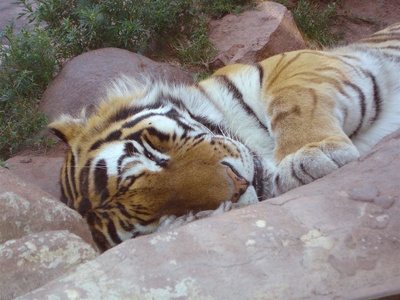
Siberian tiger (Amur tiger)
The largest surviving tiger subspecies, using mixed forest and river valleys in the Far East. Notable for powerful builds and solitary hunting, Amur tigers are a conservation flagship with fewer than a few hundred in the wild.
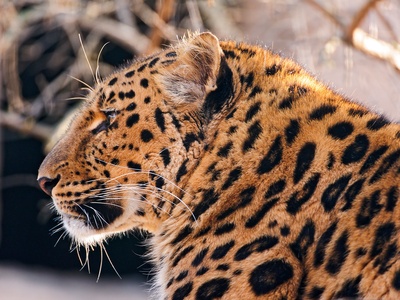
Amur leopard
One of the world’s rarest big cats, restricted to tiny forested ranges in the Russian Far East. Remarkable for its thick spotted coat adapted to cold; only tens of mature individuals remain in the wild.
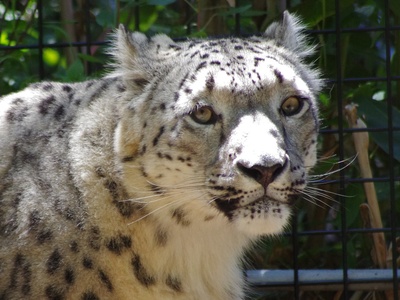
Snow leopard
A high‑altitude mountain cat adapted to rocky slopes. Elusive and solitary, snow leopards have thick fur and long tails that aid balance and warmth while hunting wild sheep in alpine terrain.
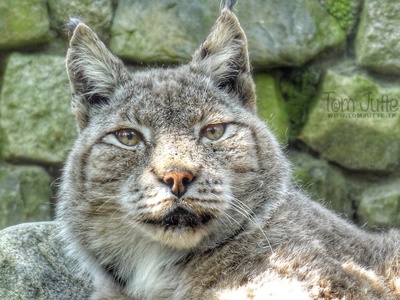
Eurasian lynx
A medium‑sized solitary cat with tufted ears and a short tail that prowls dense forest. Lynx are ambush predators feeding on deer and smaller mammals, important for forest trophic balance.
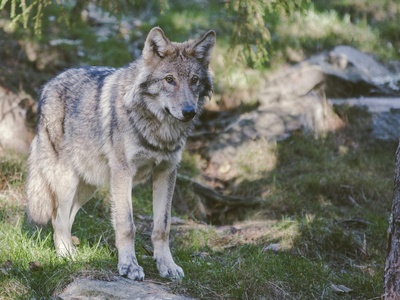
Gray wolf
A highly adaptable pack hunter inhabiting nearly every Russian biome. Wolves coordinate complex social hunts, can travel long distances, and play a key role in regulating ungulate populations.
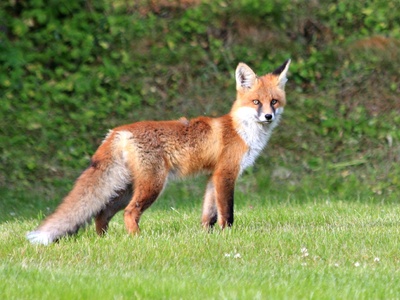
Red fox
A familiar, opportunistic omnivore found from cities to tundra. Notable for its cunning behavior and adaptability, the red fox thrives on diverse food and habitats across Russia.
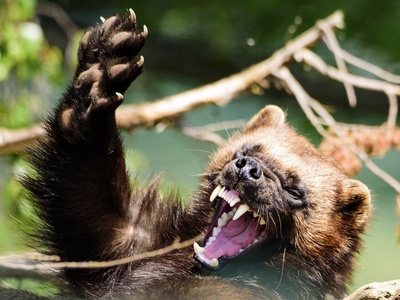
Wolverine
A solitary, tough scavenger and predator known for strength and endurance. Wolverines can cache large prey and travel vast snowy landscapes, earning a fierce reputation among northern peoples.

Sable
A marten prized historically for its luxurious fur. Sable inhabit dense conifer forests, are arboreal hunters of rodents and birds, and have driven centuries of fur trade and conservation attention.
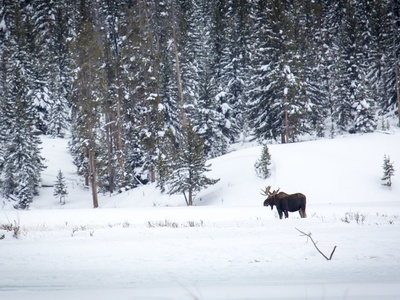
Moose
The world’s largest deer species, browsing woody plants in northern forests. Moose are solitary, can submerge to feed on aquatic vegetation, and are a major game species across Russia.
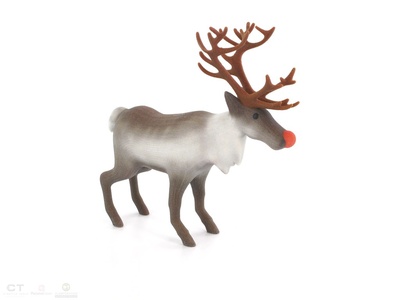
Reindeer
A keystone Arctic herbivore forming migratory herds and central to indigenous cultures. Reindeer are adapted to cold with insulating fur and hooves suited for snow and tundra grazing.
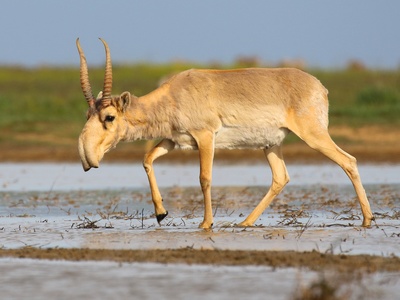
Saiga antelope
A distinctive steppe antelope with a swollen nose for dust filtration and cooling. Saiga populations have crashed from poaching and disease; surviving herds are now critically endangered.
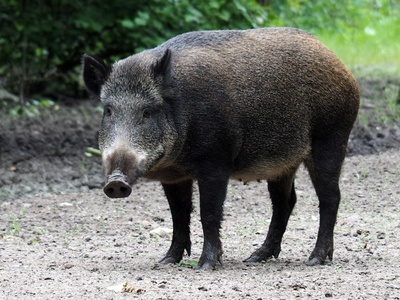
Wild boar
A widespread omnivore that roots for tubers and invertebrates. Wild boar are adaptable, breed rapidly, and their foraging can shape forest regeneration and agricultural landscapes.
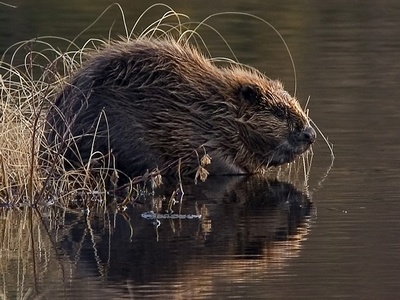
Eurasian beaver
A master ecosystem engineer that builds dams and lodges, dramatically reshaping waterways and creating wetland habitats used by many species. Beavers were heavily hunted but have recovered in many regions.
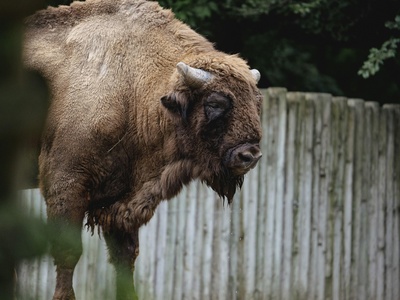
European bison
The continent’s largest land mammal was reintroduced to parts of Russia from breeding programs. Bison are social grazers that once shaped European forests and now require ongoing conservation management.
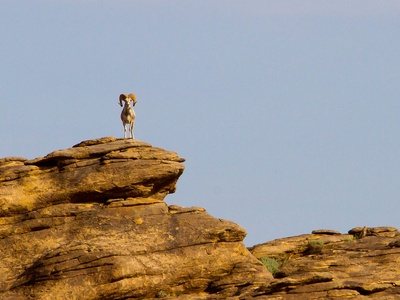
Argali
The world’s largest wild sheep, living on steep alpine slopes. Argali have impressive curled horns and are adapted for high elevations, but face hunting pressure and habitat loss in some ranges.
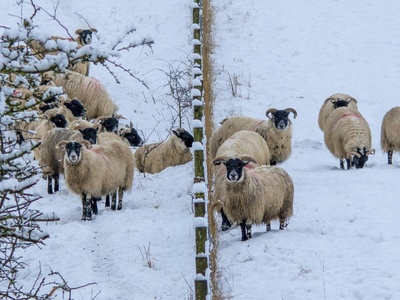
Snow sheep
A hardy mountain sheep of the Russian Far East with compact bodies and curved horns. Snow sheep navigate steep, rocky terrain and are an important prey species for large predators.
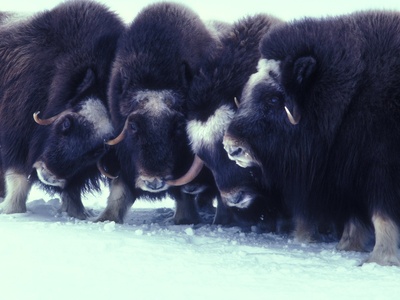
Muskox
An Arctic survivor with long shaggy coat and strong social herds. Muskoxen were reintroduced to parts of Russian tundra and are notable for their defensive circle formation against predators.
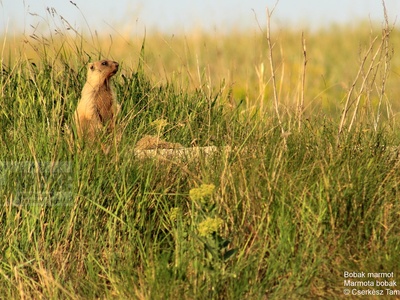
Bobak marmot
A large burrowing rodent of open grasslands that hibernates for many months. Bobak marmots live in colonies and their burrowing activity influences steppe ecosystems and predator diets.
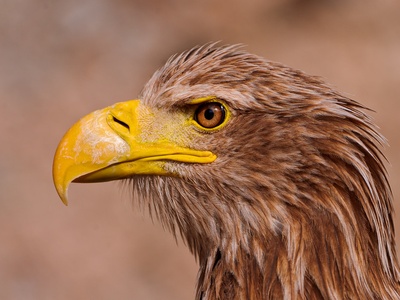
Steller’s sea eagle
A spectacular, heavy‑built eagle of the Far East with impressive wingspan and fish diet. Steller’s sea eagle is a conservation symbol of Pacific Russia and dependent on healthy salmon runs.
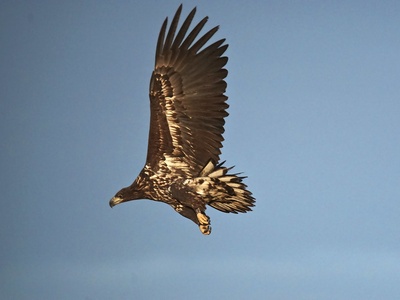
White‑tailed eagle
A powerful coastal and freshwater raptor that feeds on fish and waterbirds. White‑tailed eagles nest in large trees or cliffs and are a familiar top predator in many Russian wetlands.
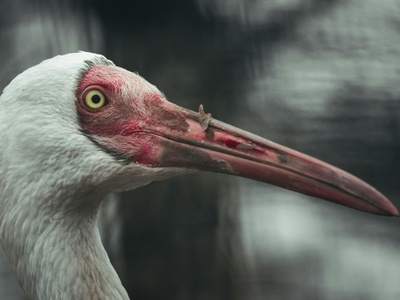
Siberian crane
A pure‑white, long‑necked crane that nests in Arctic tundra and migrates long distances. Siberian cranes are critically endangered due to wetland loss and hunting along flyways.
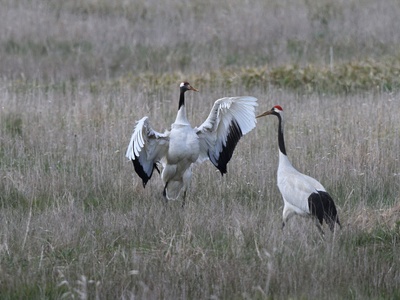
Red‑crowned crane
A large, elegant crane with cultural importance and striking red crown. Red‑crowned cranes require intact marshes for breeding and are threatened by habitat conversion and disturbance.
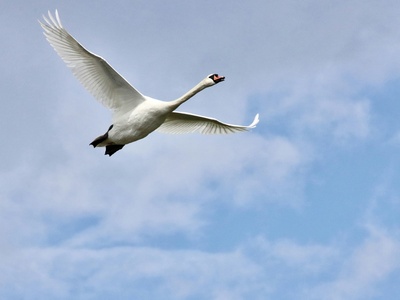
Whooper swan
A migratory swan with a loud honking call that breeds in northern wetlands and winters farther south. Whoopers are strong long‑distance migrants and form family groups while migrating.
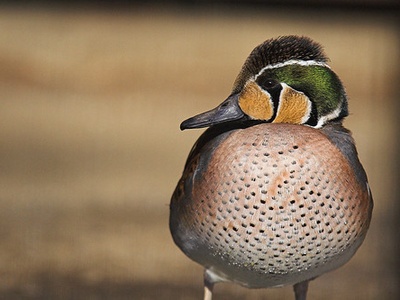
Baikal teal
A small, colorful dabbling duck with dramatic population fluctuations tied to wetland quality. Baikal teal breed in eastern Siberia and migrate to East Asian wintering grounds.
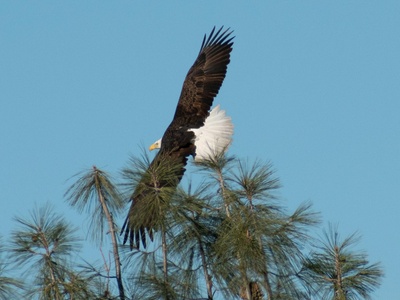
Greater spotted eagle
A secretive, large eagle that nests in floodplain forests and hunts waterbirds and small mammals. Populations have declined from wetland loss and persecution.
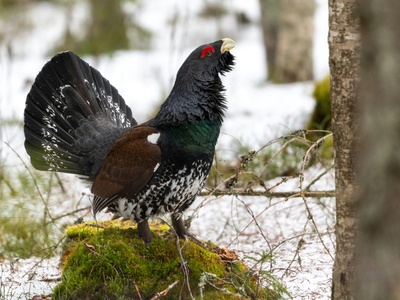
Capercaillie
A large, ground‑dwelling grouse famous for dramatic mating displays. Capercaillie require old‑growth conifer forests and are sensitive to logging and human disturbance near lek sites.
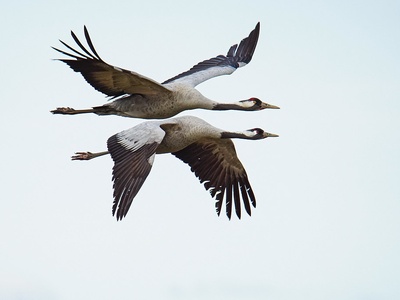
Common crane
A long‑legged, social bird of wetlands known for spectacular migratory flocks and loud trumpeting calls. Cranes nest in marshy habitats and feed on plants, insects and small vertebrates.
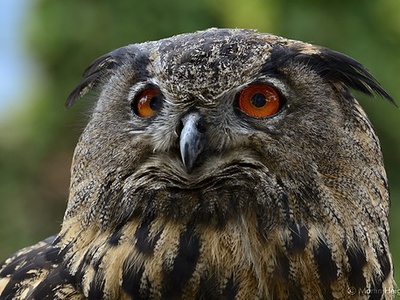
Eurasian eagle‑owl
One of the world’s largest owls, with deep hoots and powerful hunting abilities. Eagle‑owls take mammals and birds, nesting on cliffs, old buildings, and large trees.
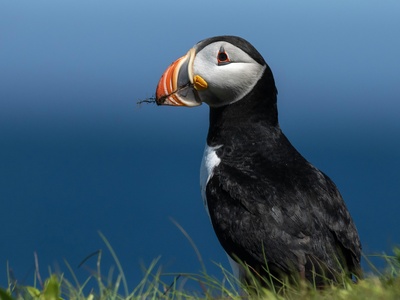
Atlantic puffin
A charismatic seabird with colorful bill during breeding season that nests in cliff colonies and feeds on small fish. Puffin populations face threats from climate change and fisheries impacts.
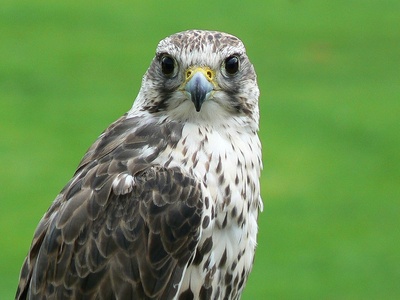
Saker falcon
A large, fast falcon prized in traditional falconry. Saker falcons hunt in open landscapes and face threats from illegal capture and habitat loss across steppe regions.
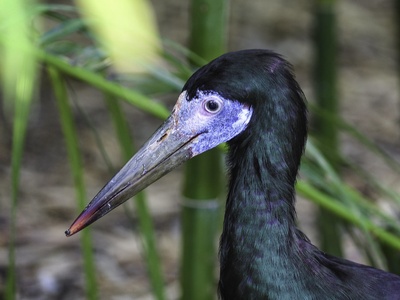
Black stork
A solitary, shy stork that nests in large trees near wetlands. Less common than the white stork, it feeds on fish and amphibians and avoids human settlements.
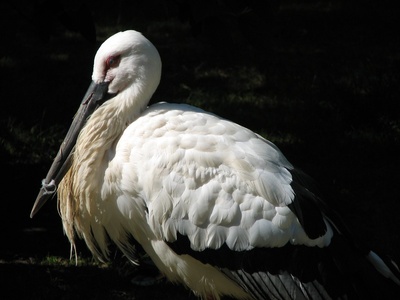
Oriental stork
A large white stork species historically present in the Russian Far East and subject to reintroduction efforts. Oriental storks require extensive wetlands and forage on fish and crustaceans.
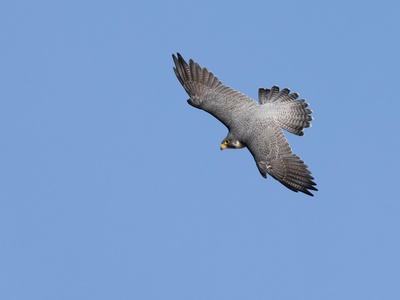
Peregrine falcon
The world’s fastest bird in stoop, pursuing a variety of birds in mid‑air. Peregrines nest on cliffs and increasingly on tall urban structures, demonstrating strong recovery from past pesticide declines.
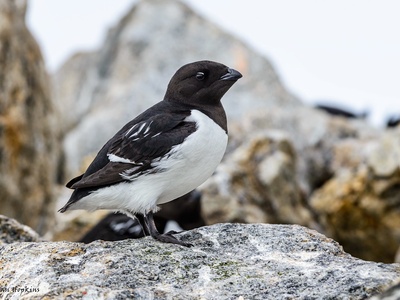
Little auk
A small, social seabird of the high Arctic that feeds on planktonic crustaceans. Little auks form dense breeding colonies on rocky coasts and are indicators of marine ecosystem health.
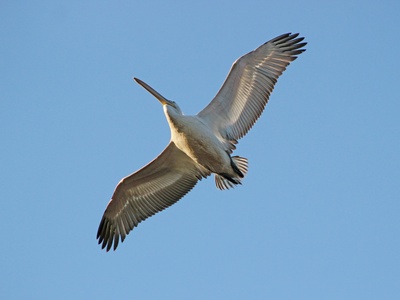
Dalmatian pelican
A large, heavy pelican with a massive bill and pouch that breeds in reedbeds and lakes. Dalmatian pelicans are vulnerable to wetland loss and water management changes.
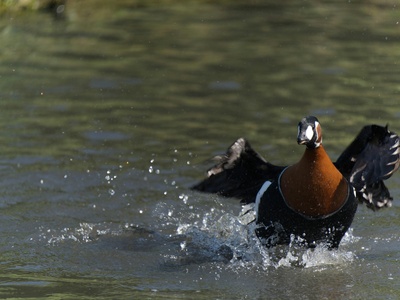
Red‑breasted goose
A small, brightly patterned goose that breeds in Arctic tundra and migrates to southern coasts. Red‑breasted geese form tight flocks and face habitat loss and hunting on migration.
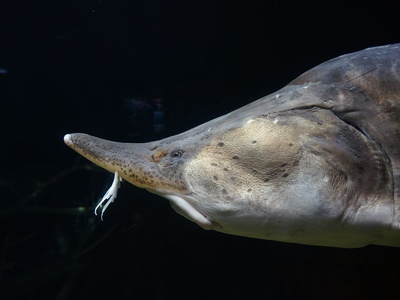
Beluga sturgeon
A giant anadromous sturgeon historically prized for caviar. Belugas can grow several meters long but have been devastated by overfishing and river dams, pushing them toward extinction.
Siberian sturgeon
A widespread sturgeon of Russian rivers valued for caviar. Populations are threatened by overfishing, habitat fragmentation, and pollution affecting spawning migrations.
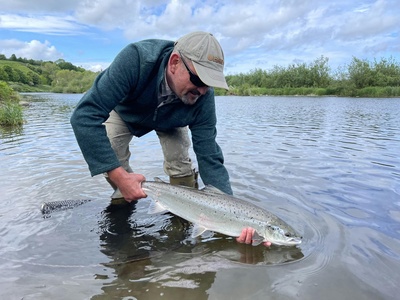
Atlantic salmon
An anadromous fish that returns to natal rivers to spawn. Atlantic salmon are prized by anglers and are sensitive to river barriers and oceanic changes affecting survival.
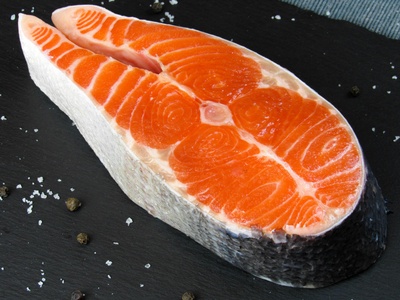
Pink salmon
A common Pacific salmon with a two‑year lifecycle that often shows large, cyclic runs. Pink salmon support major fisheries and are important for coastal predator diets.
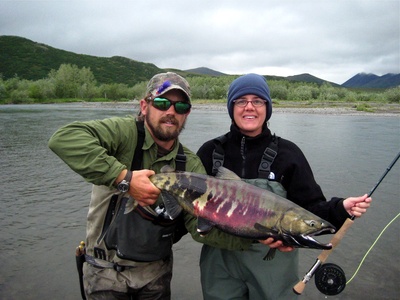
Chum salmon
A hardy Pacific salmon that migrates long distances to spawn in Siberian and Kamchatka rivers. Chum are an important food source for bears, eagles and coastal communities.
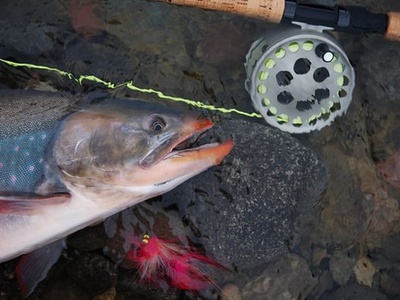
Arctic char
A cold‑water salmonid that thrives in deep, oligotrophic lakes and Arctic rivers. Arctic char show great ecological variability and are prized for their delicate flesh.
Atlantic cod
A cornerstone commercial fish of northern seas once abundant but now declined from overfishing and climate impacts. Cod populations support fishing communities but require careful management to recover.
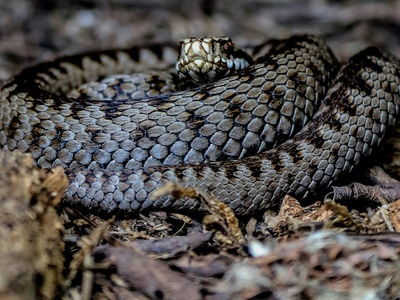
European adder
A venomous viper tolerant of cold climates and found from lowlands to tundra. Adders hibernate underground and are notable for their zigzag pattern and shy behavior around people.
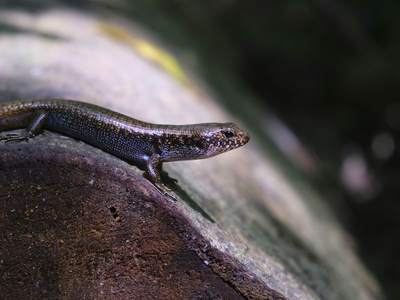
Siberian salamander
A tiny, cold‑adapted salamander that can survive freezing temperatures with remarkable hardiness. It breeds in shallow, temporary pools and is a characteristic amphibian of northern forests.
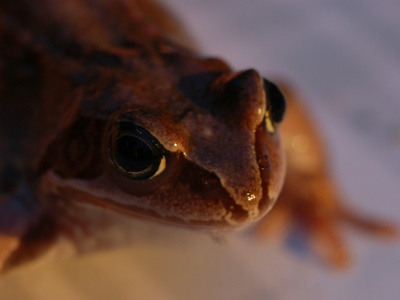
Common frog
A familiar amphibian that breeds in ponds and ditches each spring. Common frogs can tolerate cooler climates and often show explosive breeding events after thaw.
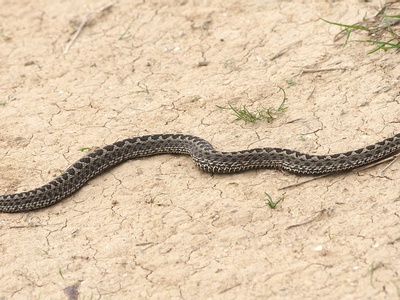
Steppe viper
A small, specialized viper of open grasslands that relies on intact steppe habitats. Populations are fragmented and vulnerable to agricultural conversion and persecution.
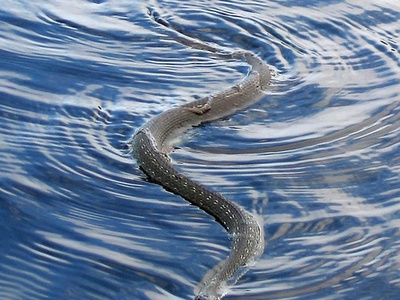
Grass snake
A nonvenomous water‑loving snake that feeds on amphibians and fish. Grass snakes often bask near water and may play a role controlling frog and toad numbers.
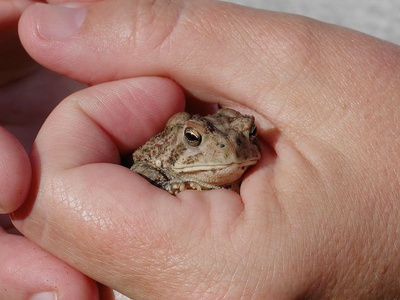
Common toad
A widespread, stout toad that breeds in ponds and lays strings of eggs. Common toads can tolerate cooler climates and are often seen migrating to breeding sites in spring.
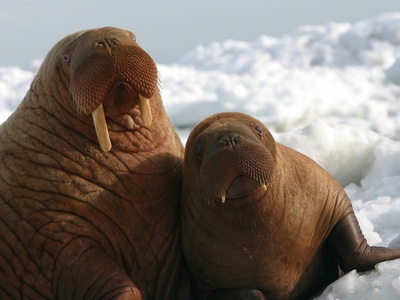
Walrus
A large, tusked pinniped that uses coastal haul‑outs and sea ice to rest between shellfish dives. Walruses are social and vulnerable to sea ice loss and disturbance from shipping.
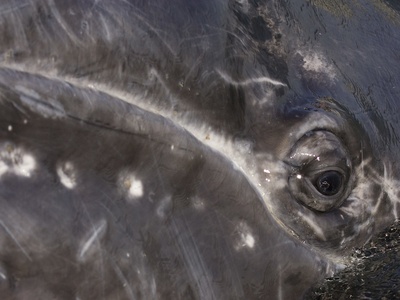
Gray whale
A coastal baleen whale that feeds on benthic invertebrates and historically used to be common around Sakhalin. Gray whales undertake remarkable migrations and some populations show recovery from whaling.
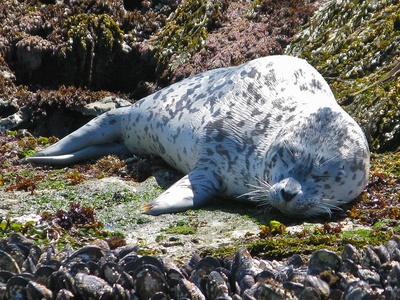
Harbor seal
A small coastal seal common in sheltered bays and estuaries. Harbor seals haul out on rocks and beaches and feed on a wide variety of fish and invertebrates.
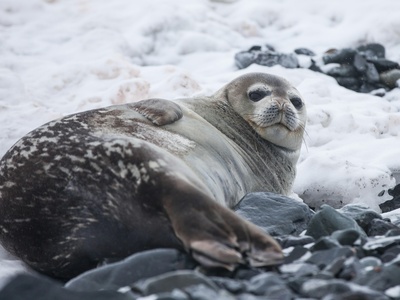
Ringed seal
A small ice‑adapted seal that maintains breathing holes in sea ice and feeds on fish under the ice. Ringed seals are a key prey for polar bears and Indigenous peoples.
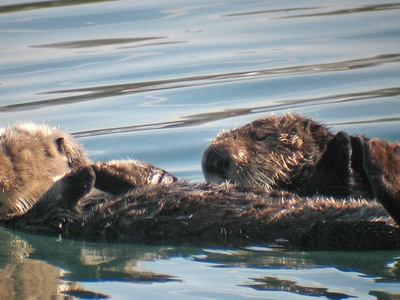
Sea otter
A marine mammal that forages among kelp beds for sea urchins and shellfish, shaping coastal ecosystems. Sea otters were severely hunted for fur and remain conservation priorities in Russia.
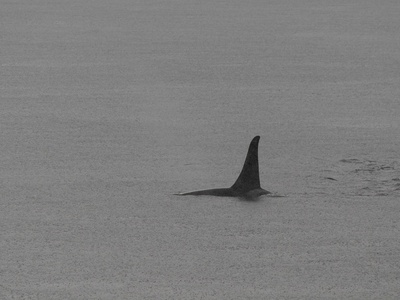
Killer whale (Orca)
A cosmopolitan apex predator that forms complex social groups and uses sophisticated hunting techniques. Orcas occur in many Russian seas, but population assessments are incomplete.
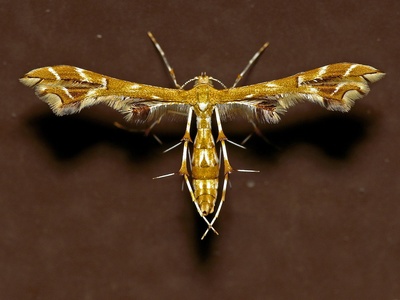
Siberian silk moth
A large forest moth whose caterpillars can cause massive defoliation during outbreaks, dramatically affecting commercial timber and natural forest dynamics across vast taiga landscapes.
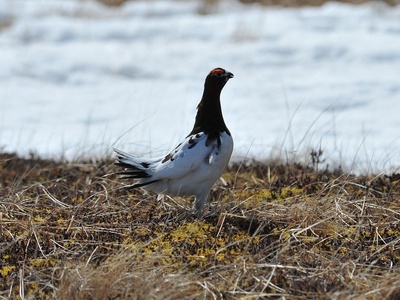
Willow ptarmigan
A ground‑dwelling bird that changes plumage from brown in summer to white in winter for camouflage. Ptarmigan are well adapted to cold and an important food source for northern predators and people.
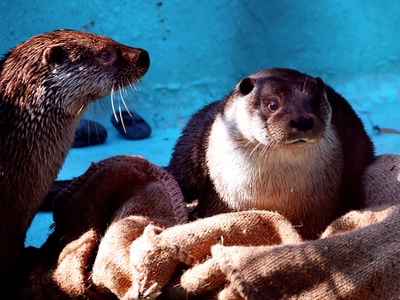
Eurasian otter
A sleek, fish‑eating mammal that needs clean water and abundant prey. Otter populations declined from pollution and hunting but are recovering in places with improved water quality.
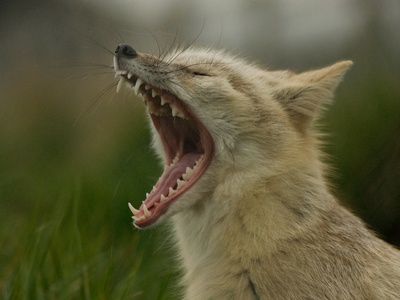
Corsac fox
A small, nomadic fox of open steppe known for forming temporary dens and hunting small mammals. Corsac foxes tolerate harsh continental climates but are sensitive to habitat changes.
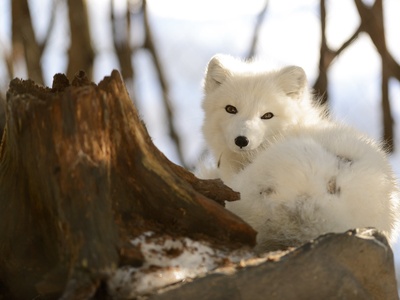
Arctic fox
A compact, white winter‑coated fox adapted to polar life that preys on lemmings and scavenges marine carrion. Arctic foxes have cyclical populations tied to small mammal abundance.
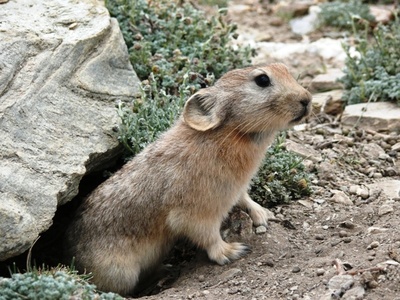
Northern pika
A small lagomorph that gathers vegetation into haypiles for winter; pikas are sensitive to climate change and serve as indicators of alpine and tundra ecosystem health.
Caspian seal
An endemic, small seal confined to the landlocked Caspian Sea. Caspian seals face threats from pollution, bycatch and habitat changes, making them one of Russia’s most imperiled marine mammals.
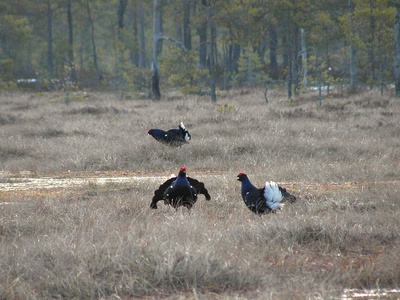
Black grouse
A lekking grouse species famous for male display battles on open lek sites. Black grouse depend on mosaic habitats of open clearings and forest edges and are sensitive to land‑use change.