The islands of Saint Vincent and the Grenadines combine volcanic highlands, coastal mangroves and coral reefs that support a diverse mix of resident and migratory wildlife. From seabirds that ride the trade winds to forest specialists, the archipelago’s habitats are surprisingly varied for its size.
There are 31 Animals of Saint Vincent and the Grenadines, ranging from Audubon’s Shearwater to Zenaida Dove. For each, you’ll find below the data organized as Scientific name,IUCN status,Range (where found); this makes it easy to spot endemic or at-risk species and where to look for them, and you’ll find below.
Which species on the list should I watch for if I care about conservation status?
Check the IUCN status column first to identify threatened species; endemic birds and island specialists often appear at higher risk because of limited ranges and habitat loss. Use the Scientific name to cross-reference conservation actions and the Range column to see where sightings are most likely.
How can I use this list when planning a birding trip or research visit?
Use the Range (where found) entries to target habitats and islands, match Scientific name to field guides for accurate ID, and consult the IUCN status to prioritize species you want to observe responsibly or study further. The organized columns below make it simple to plan routes and conservation-minded visits.
Animals of Saint Vincent and the Grenadines
| Name | Scientific name | IUCN status | Range (where found) |
|---|---|---|---|
| St. Vincent Amazon | Amazona guildingii | VU | St. Vincent interior forests |
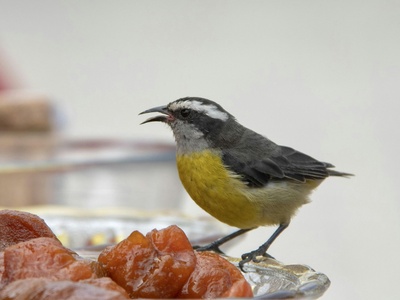
| Bananaquit | Coereba flaveola | LC | St. Vincent and Grenadines gardens and forest edges |
| Lesser Antillean Bullfinch | Loxigilla noctis | LC | Throughout SVG in scrub, gardens and woodlands |
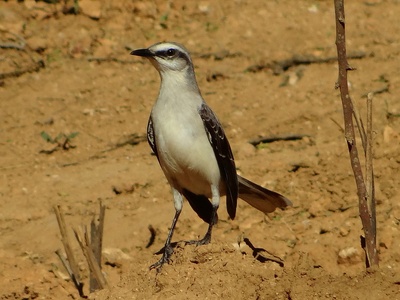
| Tropical Mockingbird | Mimus gilvus | LC | Widespread in towns and open woodlands across SVG |
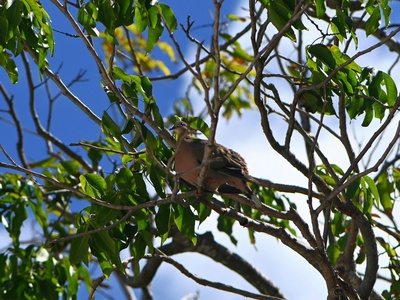
| Zenaida Dove | Zenaida aurita | LC | Beaches, lowlands and coastal scrub across SVG |
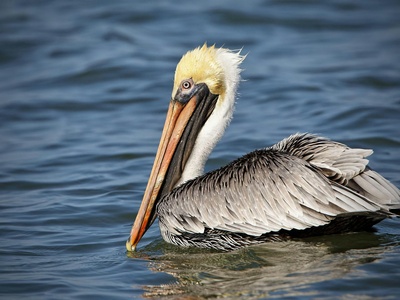
| Brown Pelican | Pelecanus occidentalis | LC | Coastal waters, harbors and rocky shores around SVG |
| Magnificent Frigatebird | Fregata magnificens | LC | Coastal roosts and offshore islets across SVG |
| Brown Booby | Sula leucogaster | LC | Offshore rocks and Grenadine cays, nesting colonies |
| White-tailed Tropicbird | Phaethon lepturus | LC | Offshore cliffs and Grenadine nesting sites |
| Laughing Gull | Leucophaeus atricilla | LC | Beaches, harbors and coastal foraging areas |
| Royal Tern | Thalasseus maximus | LC | Sandy beaches and offshore shoals across SVG |
| Audubon’s Shearwater | Puffinus lherminieri | LC | Offshore islands and sea caves in the Grenadines |
| Caribbean Elaenia | Elaenia martinica | LC | Woodlands and forest edges across SVG |
| Osprey | Pandion haliaetus | LC | Coastal waters, estuaries and bays around SVG |
| Saint Vincent bush anole | Anolis trinitatis | LC | St. Vincent forests, gardens and coastal scrub |
| Green Iguana | Iguana iguana | LC | Lowland disturbed areas and some Grenadine cays (introduced) |
| Hawksbill Turtle | Eretmochelys imbricata | CR | Coral reefs and nesting beaches across SVG |
| Green Turtle | Chelonia mydas | EN | Seagrass beds and nesting beaches in SVG |
| Leatherback Turtle | Dermochelys coriacea | VU | Open ocean and occasional nesting beaches in SVG |
| Queen Conch | Lobatus gigas | VU | Seagrass beds and sandy flats around Grenadine cays |
| Caribbean Spiny Lobster | Panulirus argus | LC | Coral reefs and rocky bottoms across the Grenadines |
| Common Bottlenose Dolphin | Tursiops truncatus | LC | Coastal waters around St. Vincent and Grenadines |
| Humpback Whale | Megaptera novaeangliae | LC | Offshore migratory routes near SVG (seasonal) |
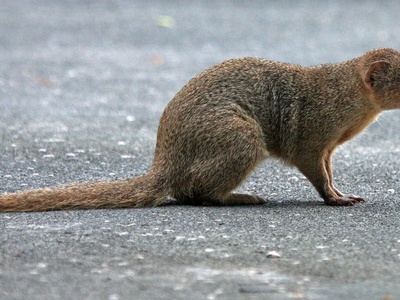
| Small Indian Mongoose | Herpestes auropunctatus | LC | Widespread on St. Vincent and many Grenadines (introduced) |
| Black Rat | Rattus rattus | LC | Human settlements, farms and offshore cays across SVG (introduced) |
| House Mouse | Mus musculus | LC | Villages, ports and buildings across SVG (introduced) |
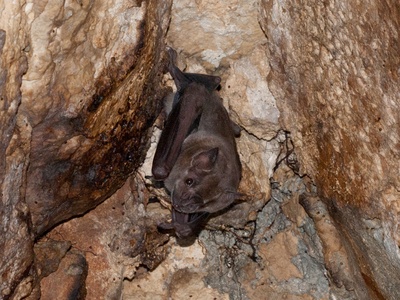
| Jamaican Fruit Bat | Artibeus jamaicensis | LC | Forests and gardens on St. Vincent, foraging at night |
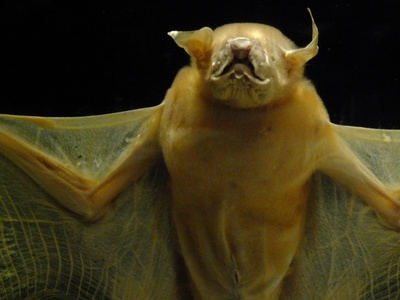
| Greater Bulldog Bat | Noctilio leporinus | LC | Coastal mangroves and sheltered bays in SVG |
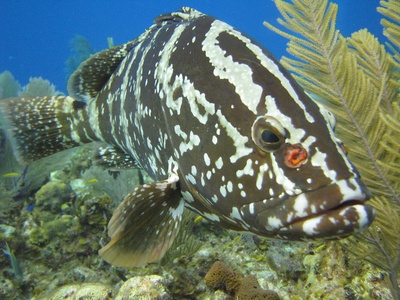
| Nassau Grouper | Epinephelus striatus | CR | Coral reefs and drop-offs around the Grenadines |
| Caribbean Reef Squid | Sepioteuthis sepioidea | LC | Shallow coastal waters and reefs around SVG |
| Scaly-breasted Thrasher | Allenia fusca | LC | Forest understory and edges across SVG |
Images and Descriptions

St. Vincent Amazon
A striking green parrot with a red forehead and blue-tipped wings, best seen in St. Vincent’s montane rainforest and protected reserves. Endemic to the island, it’s a conservation success story thanks to habitat protection and local community efforts.
Bananaquit
Tiny, curved-billed nectar-feeder with a bright yellow underside and dark head, common at garden feeders and forest edges across SVG. Easy to spot and an enthusiastic pollinator, it adapts readily to both wild and human-altered habitats.
Lesser Antillean Bullfinch
Chunky finch with a stout bill and subdued plumage; males darker, females browner. Frequently encountered in gardens, secondary woodland and scrub in SVG. Its seed-eating habits influence local vegetation and it’s a familiar backyard bird.
Tropical Mockingbird
Gray-brown songster with a long tail and impressive mimicry, often seen on fences and in parks across SVG. Confident around people and vocal, it mimics other species and thrives in a variety of habitats near settlements.
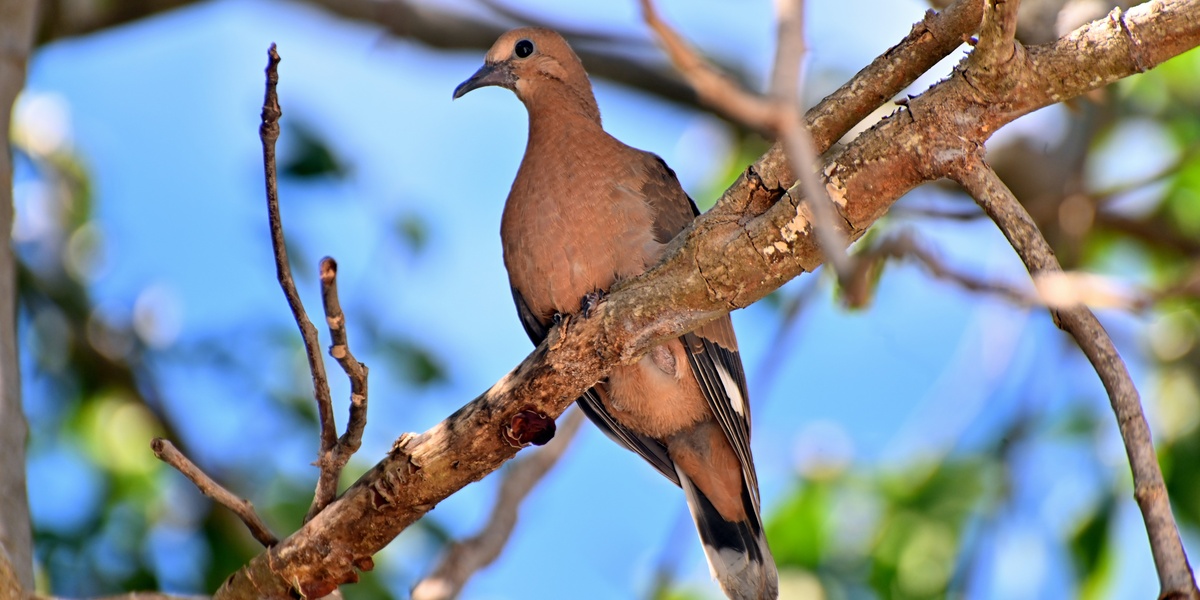
Zenaida Dove
Soft-cooing, plump dove with gray-brown plumage and a pale eye ring; common on beaches, agricultural lands and coastal scrub. Often seen foraging on the ground, it nests in low shrubs and small trees near settlements.
Brown Pelican
Large coastal bird with a long bill and expandable throat pouch, frequently diving for fish in SVG’s bays and harbors. Iconic and easy to spot from boats, populations have recovered after past declines from pesticide impacts.
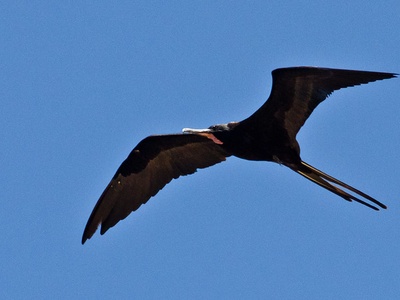
Magnificent Frigatebird
Long-winged seabird with a dramatic red throat pouch in males and a distinctive forked tail. Often seen soaring over coasts and harassing other birds for food; nests on low islets and mangroves in the Grenadines.
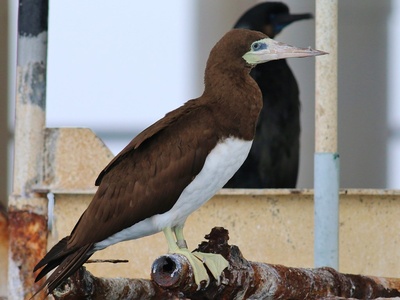
Brown Booby
Dark-backed seabird with a white belly that plunges headfirst for fish. Look for colonies on offshore rocks and small cays; their coordinated diving flocks are a spectacular sight on boat trips in the Grenadines.
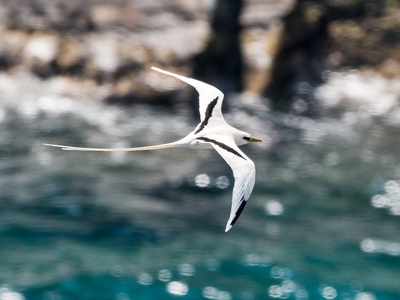
White-tailed Tropicbird
Elegant white seabird with very long tail streamers and black facial markings, commonly seen over open water and nesting on remote cliffs and cays. The long tail streamers make it unmistakable from boats and beaches.
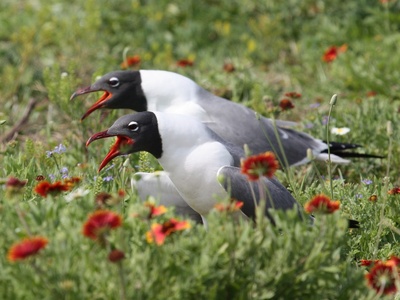
Laughing Gull
Medium-sized gull with a dark hood in breeding season, common on beaches and near fishing boats across SVG. Named for its raucous call, it’s a familiar coastal scavenger and easy to observe from shore.
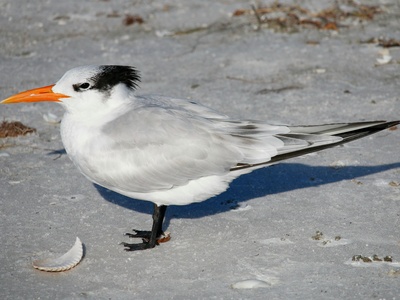
Royal Tern
Slim white tern with a black cap and orange bill, often seen diving for small fish near shore. A regular visitor to SVG beaches and shoals, it forms noisy roosts and feeding flocks along the coast.
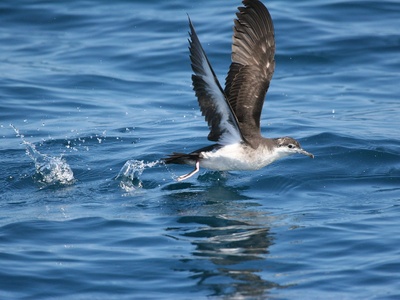
Audubon’s Shearwater
Small, dark-backed shearwater that nests in burrows and sea caves on offshore islets. Best encountered offshore at dusk or from boats; nocturnal calls and offshore flight indicate breeding colonies on Grenadine cays.
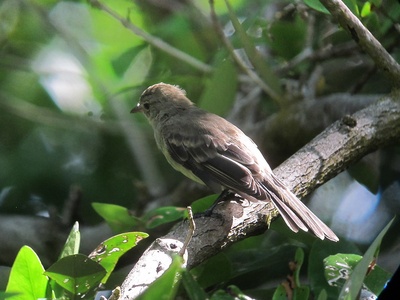
Caribbean Elaenia
Subtle olive-gray flycatcher common in forest edges and gardens in SVG. Often heard before seen, it feeds on insects and small fruits, tolerating human-altered habitats while helping control insect populations.
Osprey
Fish-eating raptor with white underparts and a dark eye stripe, frequently perched near shorelines scanning for prey. Seen around bays and estuaries in SVG, noted for dramatic dives and building nests on platforms or trees.
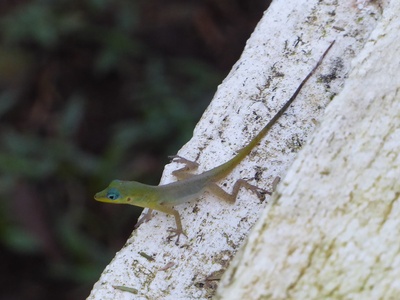
Saint Vincent bush anole
Small green-brown anole with a colorful dewlap used in displays; common on trees, walls and shrubs across St. Vincent. Often basking in sunlight, it’s an adaptable lizard that helps control insects in gardens and forests.
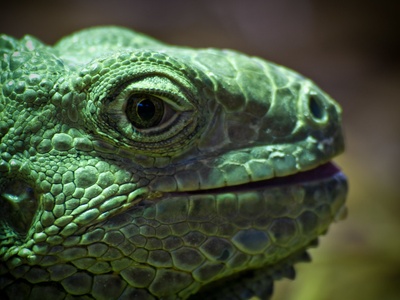
Green Iguana
Large herbivorous lizard, typically green with a crest and long tail, seen in coastal vegetation and gardens where introduced. Common near human settlements, it can exceed a meter long and is frequently encountered by visitors.
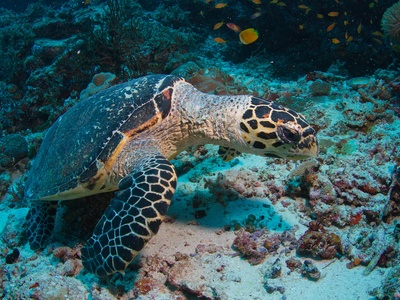
Hawksbill Turtle
Distinctive sea turtle with a patterned shell and narrow “hawk-like” beak, foraging on reefs and nesting on sandy beaches in SVG. Critically endangered due to shell trade and habitat loss; local groups monitor nests and protect feeding grounds.
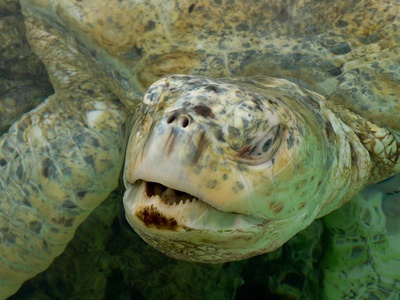
Green Turtle
Large, round-shelled sea turtle that feeds on seagrasses and occasionally nests on SVG beaches. Populations show some recovery with protection, but it remains endangered and benefits from nest-guarding and fishing regulations.
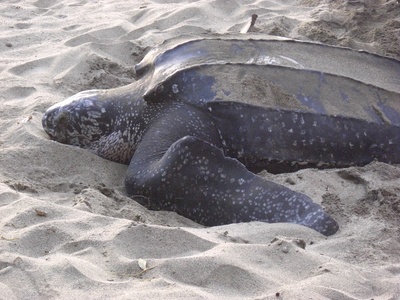
Leatherback Turtle
Largest sea turtle with a leathery shell, it travels long distances and sometimes nests on SVG beaches. Noted for deep dives and a jellyfish diet, the leatherback is vulnerable from bycatch and coastal disturbance.
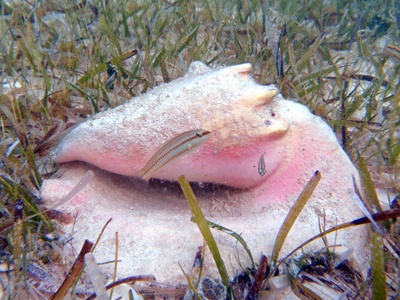
Queen Conch
Large marine snail with a flared pink-tinged shell, found on sandy seagrass bottoms in the Grenadines. Valued for meat and shell, it’s vulnerable to overharvesting and often targeted by local fisheries.
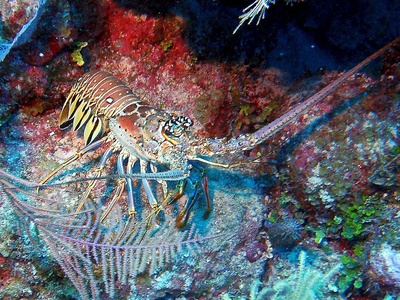
Caribbean Spiny Lobster
Spiny, clawless lobster prized by local fishers; hides in reef crevices by day and forages at night. Common around Grenadine reefs, it supports livelihoods and undertakes seasonal movements that sustain fisheries.
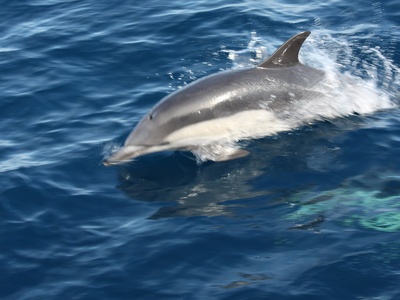
Common Bottlenose Dolphin
Robust gray dolphin often seen bow-riding near boats in protected bays and offshore waters. Highly social and adaptable, it is a regular and popular sight on boat tours around SVG’s islands.
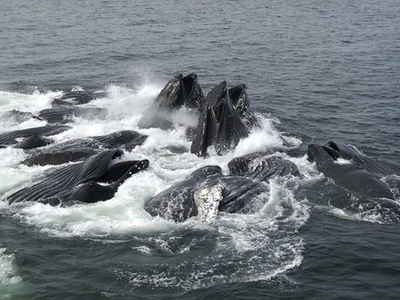
Humpback Whale
Large, acrobatic baleen whale with knobbly head and long pectoral fins, migrating through Caribbean waters. Seen off SVG during migration seasons, known for complex songs and spectacular breaching displays popular with whale-watchers.
Small Indian Mongoose
Small agile predator introduced to control rodents and now widespread across SVG’s islands. It preys on native birds, reptiles and eggs, and is considered a major invasive threat to island biodiversity.
Black Rat
Slender, tree-climbing rat common around houses, docks and plantations in SVG. Introduced historically, it threatens seabird colonies and native reptiles by preying on eggs and young, especially on small cays.

House Mouse
Small commensal rodent found in homes, farms and boats throughout SVG. Introduced worldwide, it lives close to people and can impact stored food and sensitive island wildlife like nesting seabirds.
Jamaican Fruit Bat
Large fruit-eating bat with broad wings and a short face, roosting in trees and caves and feeding on fruits at night. Common in SVG woodlands, it’s an important seed disperser for native fruiting trees.
Greater Bulldog Bat
Fish-eating bat with large feet and echolocation tuned for catching prey over water. Found around mangroves and sheltered bays in SVG; often seen at dusk skimming the surface for fish and insects.
Nassau Grouper
Large, mottled grouper historically common on Grenadine reefs but now much reduced. Forms seasonal spawning aggregations critical to fisheries; heavily overfished and listed as critically endangered across its range.
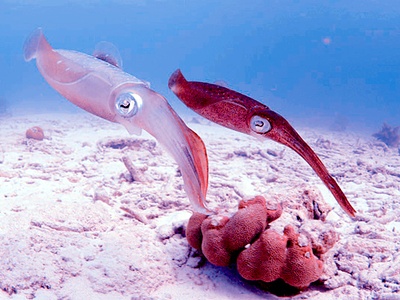
Caribbean Reef Squid
Medium-sized squid seen over seagrass beds and coral patches, often changing color rapidly. Active at dusk; divers and snorkelers may spot them schooling in shallow waters around the Grenadines.
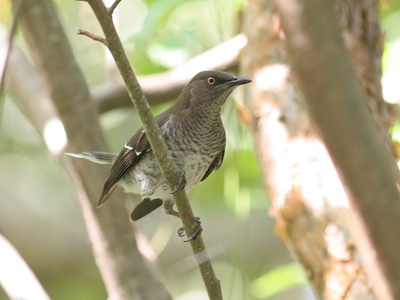
Scaly-breasted Thrasher
Shy brown thrash-like bird with a scaly-patterned breast, often heard rummaging through leaf litter in forest understory. Less conspicuous than other residents, it is an important insectivore in SVG’s forest habitats.