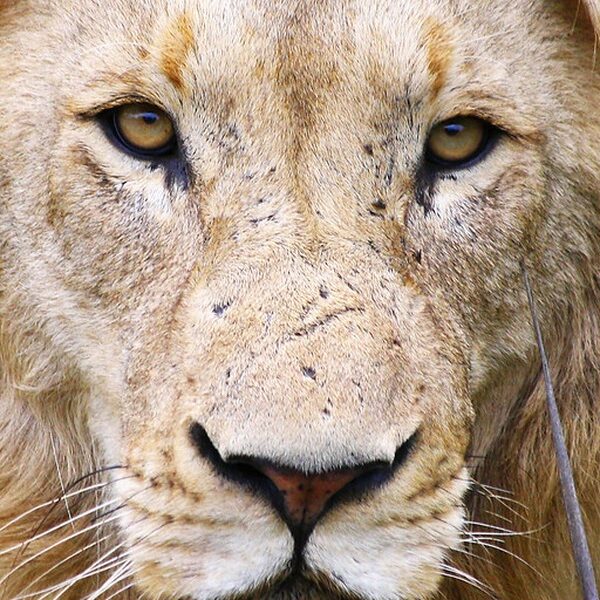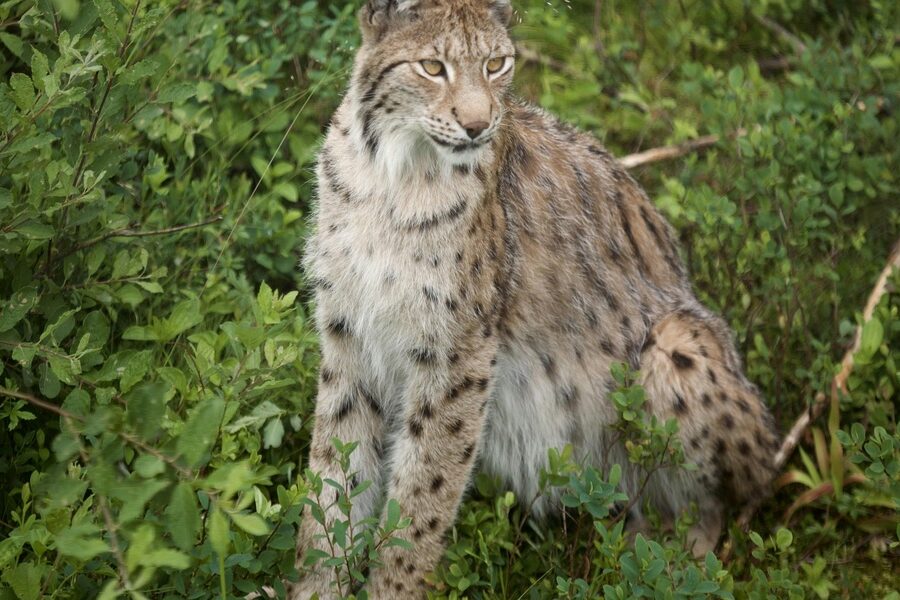
Somalia’s shape—long coastline, arid plains and scattered highlands—creates a surprising mix of habitats that support a variety of wildlife. From shorebirds along the Gulf of Aden to nocturnal mammals in dry bushland, the country’s animals reflect both African savanna and Horn of Africa endemism.
There are 32 Animals of Somalia, ranging from Aardwolf to White-breasted cormorant. For each entry you’ll find below the columns: Scientific name,Location in Somalia,Status (IUCN), presented to make it easy to scan distribution and conservation notes—you’ll find below.
Which parts of Somalia are best to look for different species?
Coastal wetlands and river mouths attract seabirds and waterfowl, the semi-arid plains and shrubland host small carnivores and antelopes, and the central highlands can support species that need cooler or more rugged terrain; seasonal movements and local rains also change where animals concentrate, so timing matters.
How reliable is the Status (IUCN) information and how often does it change?
IUCN status is the standard baseline and is updated periodically, but local surveys, recent fieldwork, or political changes can alter population trends quickly—use the Status (IUCN) column as a current guide and check cited sources or recent studies listed below each entry for the latest updates.
Animals of Somalia
| Common name | Scientific name | Location in Somalia | Status (IUCN) |
|---|---|---|---|
| Speke’s gazelle | Gazella spekei | North-central semi-desert | EN |
| Soemmerring’s gazelle | Nanger soemmerringii | Northern semi-desert and scrub | VU |
| Beisa oryx | Oryx beisa | Eastern arid plains and scrub | VU |
| Hamadryas baboon | Papio hamadryas | Northern and central rocky areas | LC |
| African golden wolf | Canis lupaster | Dry bushland and semi-desert | LC |
| Caracal | Caracal caracal | Scrubland and rocky hills | LC |
| Striped hyena | Hyaena hyaena | Arid plains, savanna and outskirts | NT |
| Aardwolf | Proteles cristata | Open dry grassland and scrub | LC |
| Rock hyrax | Procavia capensis | Rocky outcrops and escarpments | LC |
| Somali ostrich | Struthio molybdophanes | Northern arid plains and scrub | VU |
| Somali courser | Cursorius somalensis | Northern open plains and semi-desert | LC |
| Greater flamingo | Phoenicopterus roseus | Coastal lagoons and salt pans | LC |
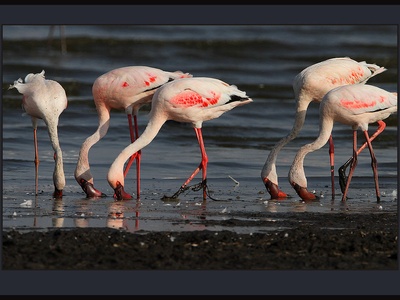
| Lesser flamingo | Phoenicopterus minor | Coastal lagoons and shallow bays | NT |
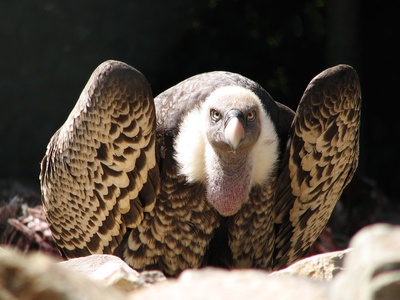
| Rüppell’s vulture | Gyps rueppelli | Cliffs and arid highlands | CR |
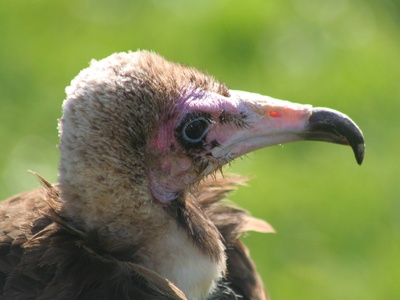
| Hooded vulture | Necrosyrtes monachus | Widespread near settlements and savanna | CR |
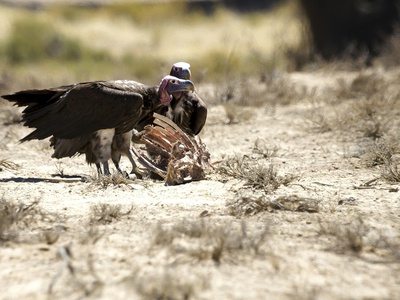
| Lappet-faced vulture | Torgos tracheliotos | Arid savanna and cliffs | EN |
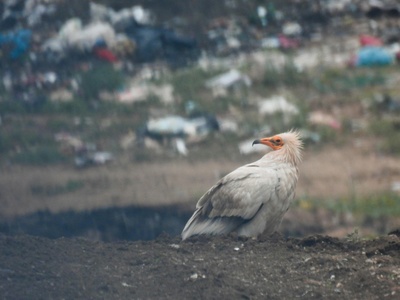
| Egyptian vulture | Neophron percnopterus | Coastal and inland areas, cliffs | EN |
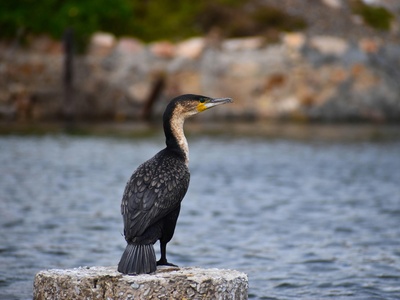
| White-breasted cormorant | Phalacrocorax lucidus | Coastlines, estuaries and lagoons | LC |
| Osprey | Pandion haliaetus | Coastal waters and estuaries | LC |
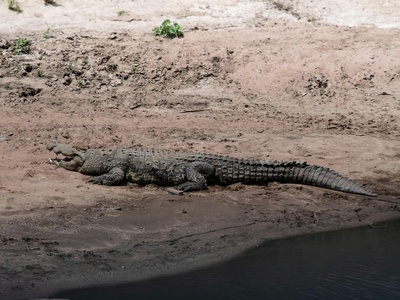
| Nile crocodile | Crocodylus niloticus | Jubba and Shabelle rivers and wetlands | LC |
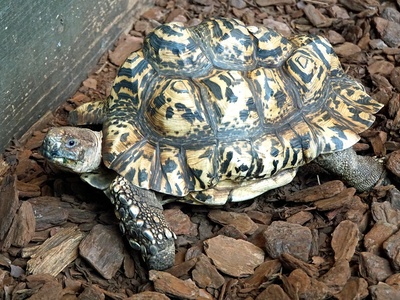
| Leopard tortoise | Stigmochelys pardalis | Arid scrub, savanna and coastal plains | LC |
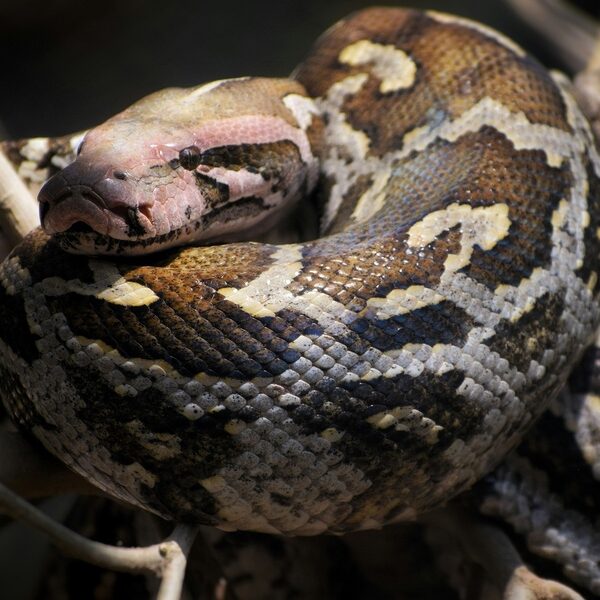
| African rock python | Python sebae | Riverine woodlands and seasonal pools | LC |
| Hawksbill turtle | Eretmochelys imbricata | Coral reefs and nesting beaches | CR |
| Green turtle | Chelonia mydas | Coastal waters and nesting beaches | EN |
| Olive ridley turtle | Lepidochelys olivacea | Coastal waters and nesting sites | VU |
| Loggerhead turtle | Caretta caretta | Offshore waters and nesting beaches | VU |
| Common African toad | Sclerophrys regularis | Riverine, irrigation and garden areas | LC |
| Dugong | Dugong dugon | Sheltered bays and seagrass beds along coast | VU |
| Whale shark | Rhincodon typus | Offshore coastal waters and upwellings | EN |
| Indo-Pacific bottlenose dolphin | Tursiops aduncus | Coastal waters and bays | LC |
| Spinner dolphin | Stenella longirostris | Coastal and offshore tropical waters | LC |
| Humpback whale (Arabian Sea population) | Megaptera novaeangliae | Offshore Somali coast and waters | CR |
Images and Descriptions
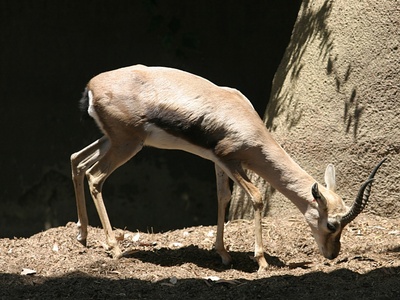
Speke’s gazelle
Speke’s gazelle is a small endemic antelope of north-central Somalia’s arid plains and scrub. It is Endangered from habitat loss and hunting. Notable for its delicate build, it survives on sparse grasses and minimal water.
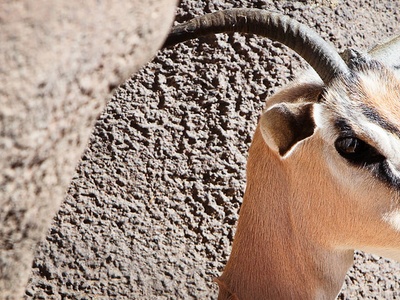
Soemmerring’s gazelle
Soemmerring’s gazelle is a medium-sized gazelle in Somalia’s northern semi-deserts. Classified Vulnerable due to hunting and habitat fragmentation. Notable for its graceful leaps and pale coat adapted to hot, dry environments.

Beisa oryx
The beisa oryx is a long-horned antelope of Somalia’s dry plains and scrublands. Vulnerable from overhunting and drought-driven declines. Remarkable for surviving long periods without water and its striking white-and-tan coat with straight horns.

Hamadryas baboon
Hamadryas baboon is a social Old World monkey common on Somalia’s rocky outcrops and cliffs. Listed Least Concern but locally affected by hunting. Famous for complex social troops and males’ silver-backed mane.
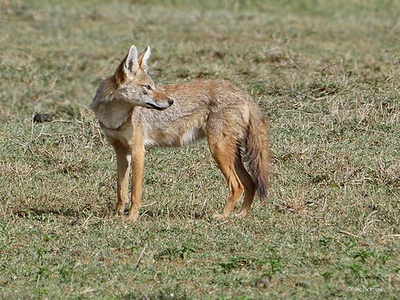
African golden wolf
The African golden wolf is a medium canid in Somalia’s bushlands and plains, listed Least Concern. Often seen scavenging or hunting small prey. Notable for its adaptability and golden coat blending into arid landscapes.
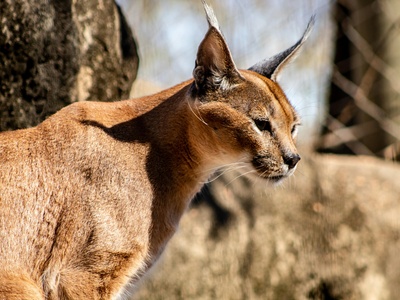
Caracal
Caracal is a medium-sized wild cat found in Somalia’s scrub and rocky hills, Least Concern overall. Elusive and nocturnal, it’s famed for spectacular high leaps to catch birds midair and its tufted ears.
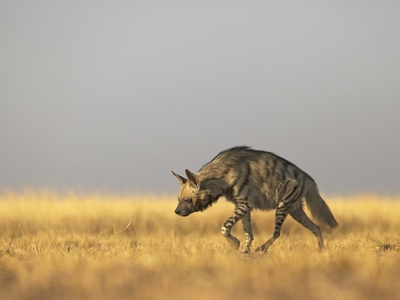
Striped hyena
The striped hyena occupies Somalia’s dry plains and savanna margins and is Near Threatened from persecution and habitat loss. A nocturnal scavenger, it plays a key ecological role and is known for its distinctive striped coat and calls.
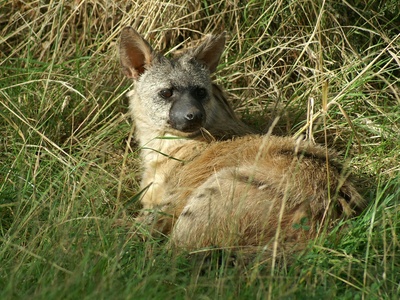
Aardwolf
Aardwolf is a small, insectivorous hyenid in Somalia’s dry grasslands, Least Concern. Feeds primarily on termites rather than scavenging. Notable for nocturnal, solitary habits and striped markings.
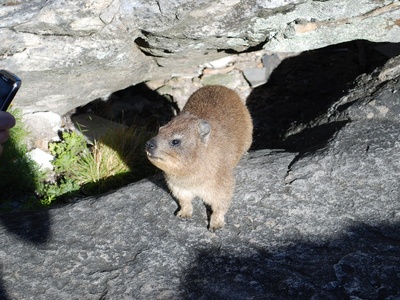
Rock hyrax
The rock hyrax is a small, herbivorous mammal living on Somalia’s rocky cliffs and escarpments, Least Concern. Seen basking in sunlit ledges, it is remarkable for its social colonies and surprising close relation to elephants.
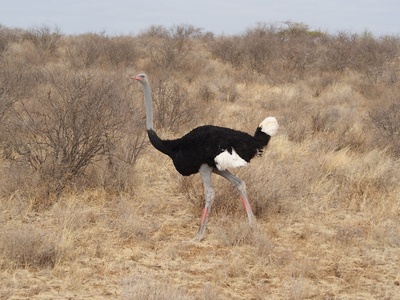
Somali ostrich
The Somali ostrich is a large flightless bird of northern Somalia’s dry plains, Vulnerable from hunting and habitat change. It is notable for bluish bare skin on the neck and strong running ability across sandy habitats.
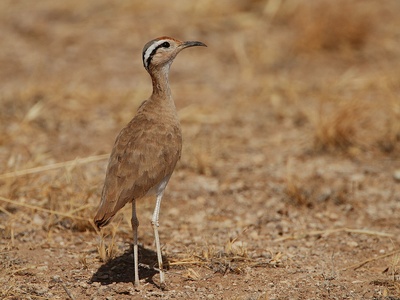
Somali courser
Somali courser is a ground-dwelling wader found in Somalia’s open plains and semi-deserts, Least Concern. Inconspicuous and fast-running, it feeds on insects and blends into stony habitats with cryptic plumage.
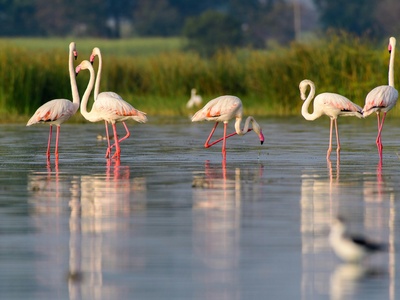
Greater flamingo
Greater flamingo visits Somalia’s coastal lagoons and salt pans, listed Least Concern globally. It forms large, noisy flocks and filters brine shrimp and algae with specialized beaks, creating striking pink flocks on shallow waters.
Lesser flamingo
Lesser flamingo occurs at Somalia’s alkaline lagoons and coastal bays and is Near Threatened due to habitat loss and pollution. Noted for intense pink coloring driven by its diet of cyanobacteria and tiny crustaceans.
Rüppell’s vulture
Rüppell’s vulture is a large scavenger of Somalia’s cliffs and dry highlands, Critically Endangered from poisoning and declines. Notable for very high-flying scavenging and a bare head adapted to feeding on carcasses.
Hooded vulture
The hooded vulture forages across Somalia near towns and savanna, Critically Endangered due to poisoning and persecution. Small and social, it’s notable for its dependence on human-altered landscapes and rapid recent declines.
Lappet-faced vulture
Lappet-faced vulture inhabits Somalia’s arid savanna and cliffs, Endangered from habitat loss and poisoning. The species is recognizable by its large size, powerful bill, and distinctive folded skin flaps on the face.
Egyptian vulture
Egyptian vulture visits Somalia’s coast and interior cliffs, Endangered from poisoning and reduced food sources. Notable for tool use in breaking eggs and its white plumage with dark flight feathers.
White-breasted cormorant
The white-breasted cormorant frequents Somalia’s coasts, estuaries and lagoons, Least Concern. A skilled fish diver, it perches to dry its wings and is noticeable in coastal fishing grounds.

Osprey
Osprey is a fish-eating raptor found along Somalia’s coast and estuaries, Least Concern. Aerial hunter, it plunges feet-first to catch fish and is often seen patrolling nearshore waters.
Nile crocodile
The Nile crocodile inhabits Somalia’s major rivers and wetlands, listed Least Concern though locally reduced by hunting. Notable as a large ambush predator that uses riverbanks and seasonal pools for nesting.
Leopard tortoise
Leopard tortoise lives in Somalia’s dry scrub and savannas, Least Concern. A large terrestrial tortoise known for striking patterned shell and slow-moving herbivorous lifestyle, often seen in drier habitats.
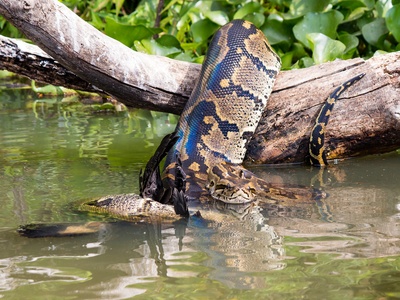
African rock python
African rock python occurs near Somalia’s rivers and seasonal wetlands, Least Concern. A powerful constrictor, it feeds on mammals and birds and is notable for reaching large sizes in suitable habitats.
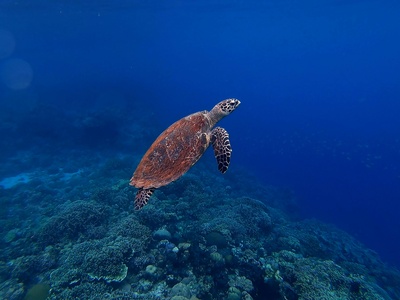
Hawksbill turtle
Hawksbill turtle uses Somalia’s coral reefs and beaches for feeding and nesting and is Critically Endangered from trade and habitat loss. Notable for its ornate shell and role in reef health by feeding on sponges.
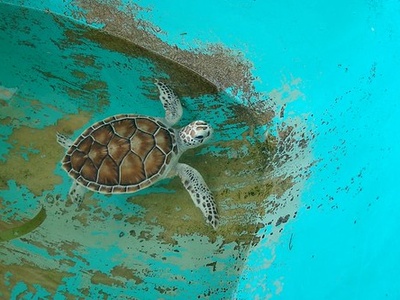
Green turtle
Green turtle inhabits Somalia’s coastal waters and beaches, Endangered from exploitation and habitat degradation. A primarily herbivorous sea turtle, it is notable for long migrations to natal nesting beaches.
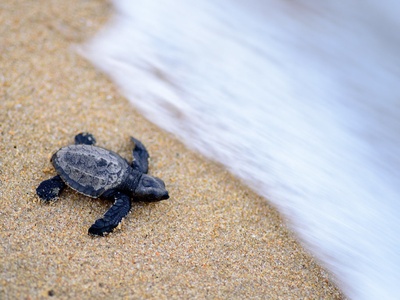
Olive ridley turtle
Olive ridley turtle occurs offshore and nests on Somalia’s beaches, Vulnerable from bycatch and coastal threats. Known for mass nesting “arribadas” in some regions and relatively small, rounded carapace.
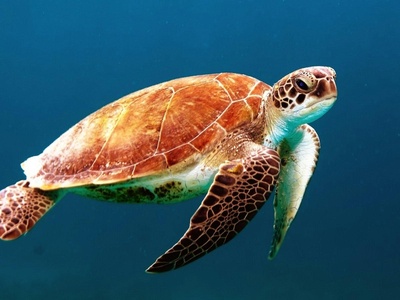
Loggerhead turtle
Loggerhead turtle visits Somalia’s offshore waters and occasional nesting beaches, Vulnerable due to fisheries interactions and habitat loss. Notable for a large head adapted to crushing prey like crabs and mollusks.
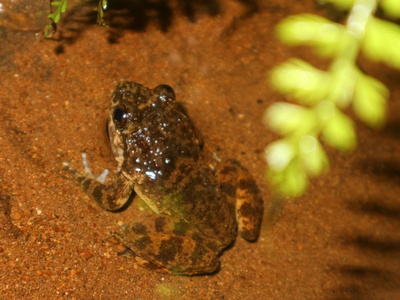
Common African toad
Common African toad occurs in Somalia’s riverine and irrigated areas, Least Concern. A hardy amphibian that breeds in temporary pools, notable for its warty skin and adaptable urban presence near water.
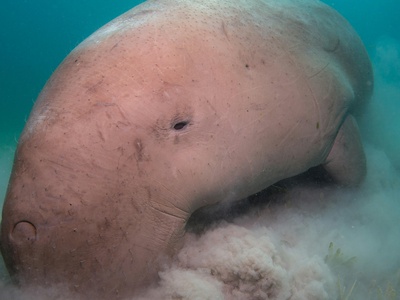
Dugong
The dugong is a marine herbivore feeding on seagrass in Somalia’s sheltered bays, Vulnerable from habitat loss and boat strikes. Slow-moving and shy, it is notable as the only strictly marine herbivorous mammal in the region.
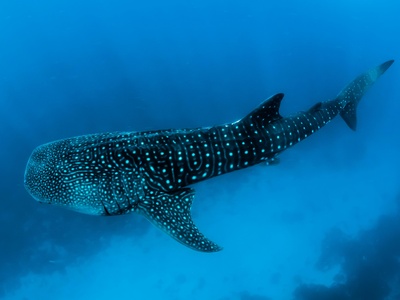
Whale shark
Whale shark is the world’s largest fish, present in Somalia’s offshore waters and productive upwellings, Endangered from fishing and vessel strikes. Notable for filter-feeding on plankton and gentle surface-swimming behavior.
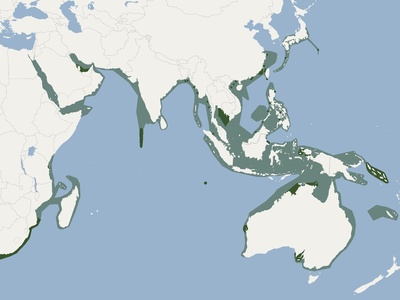
Indo-Pacific bottlenose dolphin
Indo-Pacific bottlenose dolphin inhabits Somalia’s coastal waters and bays, listed Least Concern regionally. Social and intelligent, they form pods and are often seen bow-riding near boats and shorelines.
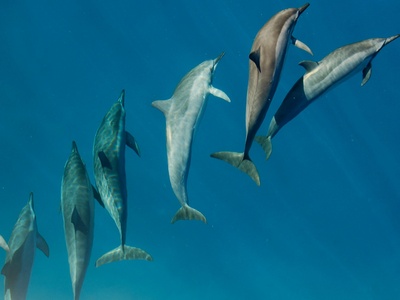
Spinner dolphin
Spinner dolphin frequents Somalia’s coastal and offshore waters, Least Concern. Noted for energetic aerial displays and distinctive spinning leaps used during social and feeding activities.

Humpback whale (Arabian Sea population)
Humpback whale occurs offshore Somalia; the resident Arabian Sea population is Critically Endangered due to low numbers and isolation. Known for complex songs and acrobatic breaching, this population is genetically distinct and vulnerable.