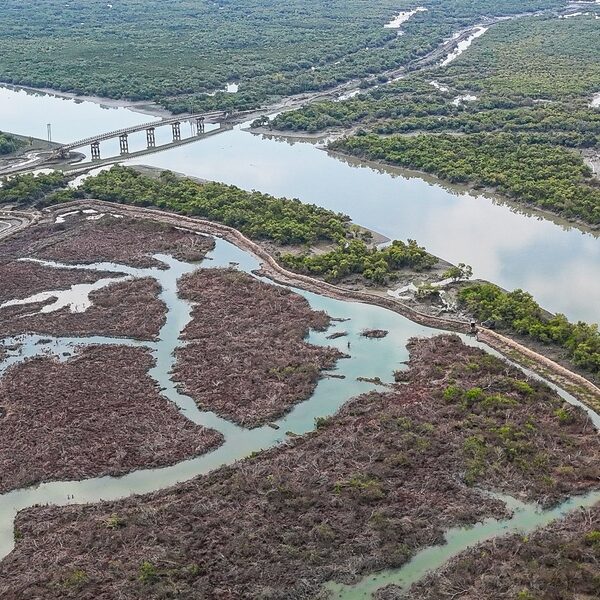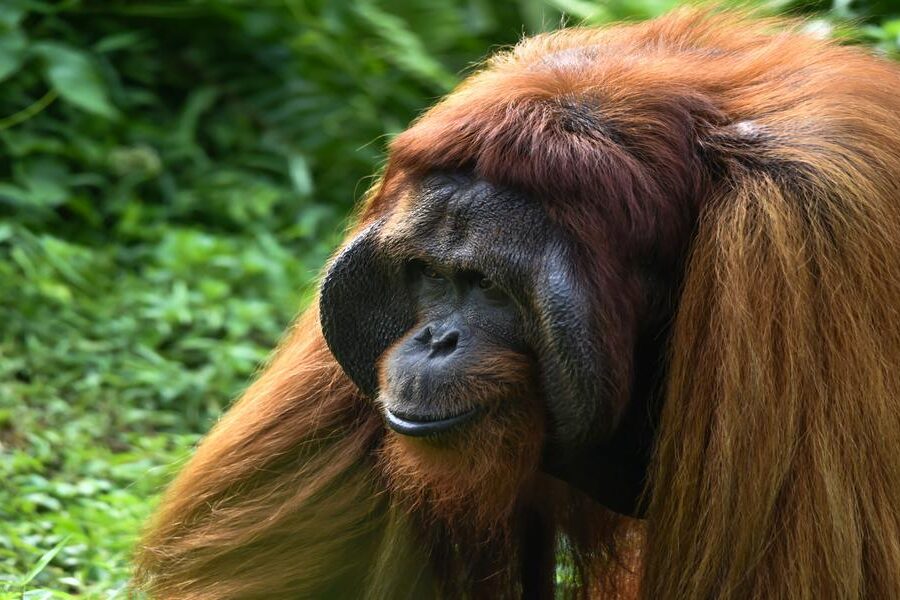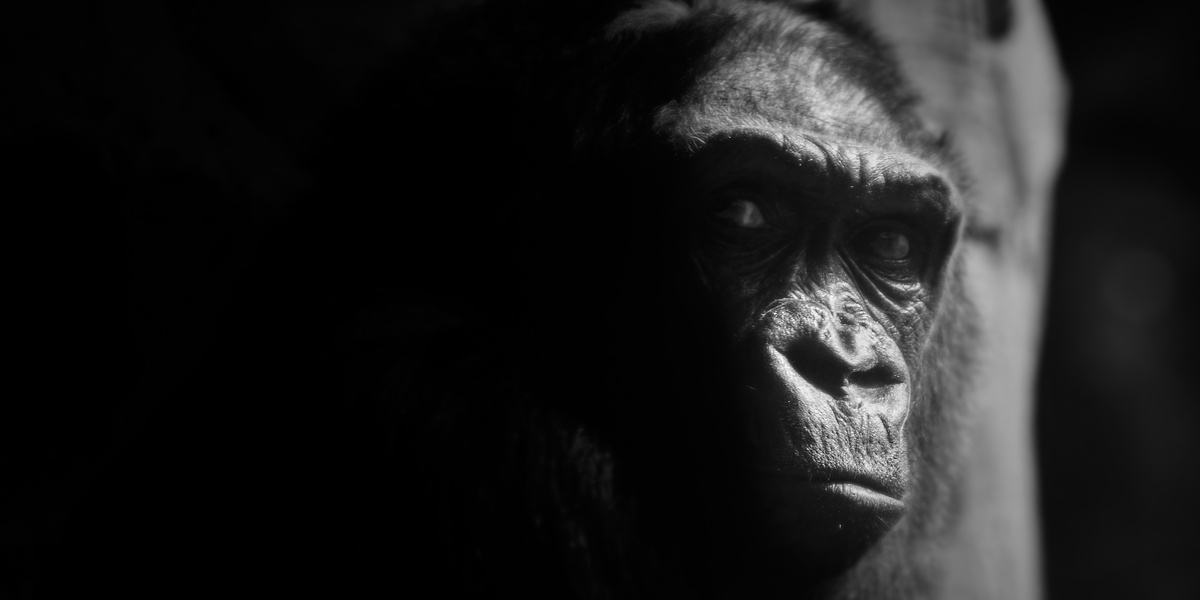
The Republic of the Congo’s mosaic of dense rainforests, riverine swamps and patches of savanna supports a rich mix of central African wildlife. Many species are tied to particular habitats, so where you go — lowland forest, gallery forest or mangrove — determines which animals you might encounter.
There are 20 Animals of the Republic of the Congo, ranging from African buffalo (forest form) to Western lowland gorilla. For each species the data are organized under Scientific name, IUCN status, Habitat and range; you’ll find below.
Where are the best places to spot these species in the Republic of the Congo?
Protected areas like Odzala-Kokoua and Nouabalé-Ndoki National Parks are prime locations for many forest species, with guided safaris and boat trips improving chances of sightings; coastal and swamp habitats require local guides and seasonal planning to access safely.
How should I interpret the IUCN status listed for each animal?
IUCN categories indicate current extinction risk (e.g., Least Concern to Critically Endangered) and help prioritize conservation or viewing choices; treat them as snapshots that can change, and consult the IUCN Red List or recent field reports for the latest updates.
Animals of the Republic of the Congo
| Name | Scientific name | IUCN status | Habitat and range |
|---|---|---|---|
| Western lowland gorilla | Gorilla gorilla gorilla | Critically Endangered | Lowland rainforests and swamps; Odzala-Kokoua and northern Congo |
| African forest elephant | Loxodonta cyclotis | Critically Endangered | Mature rainforest and swamp forests across Congo Basin |
| Common chimpanzee | Pan troglodytes | Endangered | Lowland and gallery forests, northern and central Congo regions |
| Mandrill | Mandrillus sphinx | Vulnerable | Primary rainforests, especially northern and western Congo Basin |
| African golden cat | Caracal aurata | Vulnerable | Closed-canopy rainforests across Congo Basin |
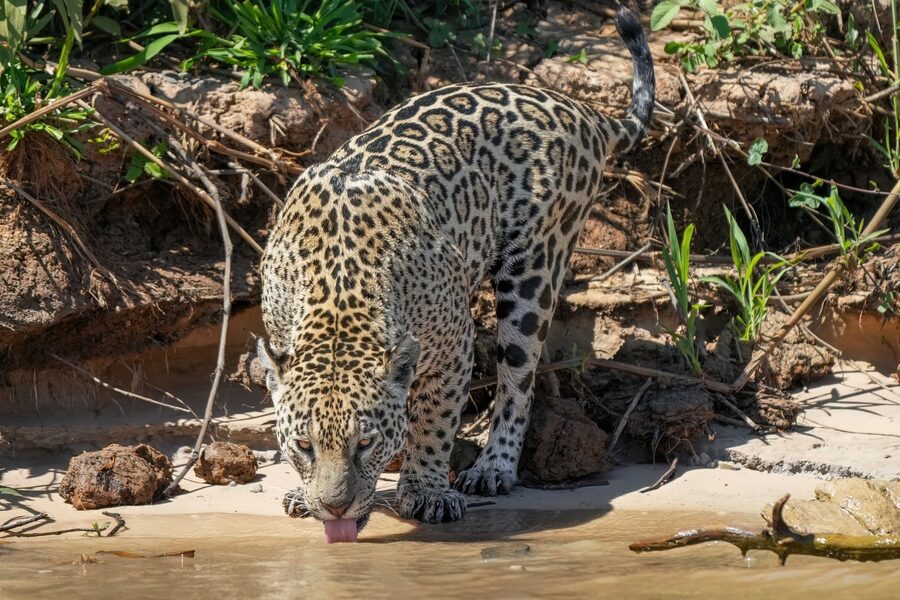
| Leopard | Panthera pardus | Vulnerable | Forest and savanna mosaic, remote northern and southern areas |
| Red river hog | Potamochoerus porcus | Least Concern | Lowland forests, marshes, gallery forests across country |
| Giant pangolin | Smutsia gigantea | Endangered | Lowland and swamp forests, often near termite mounds |
| Tree pangolin (white-bellied) | Phataginus tricuspis | Endangered | Rainforest canopy and forest edges throughout Congo Basin |
| African buffalo (forest form) | Syncerus caffer (forest form) | Least Concern | Forest clearings and gallery forests in Congo Basin |
| African grey parrot | Psittacus erithacus | Endangered | Lowland and riverine forests; captured heavily near human settlements |
| Shoebill | Balaeniceps rex | Vulnerable | Swamps and marshes in northern Congo Basin |
| Great blue turaco | Corythaeola cristata | Least Concern | Upper canopy of dense lowland rainforests across Congo Basin |
| Nile crocodile | Crocodylus niloticus | Least Concern | Rivers, lakes and large wetlands throughout the country |
| Slender-snouted crocodile | Mecistops cataphractus | Critically Endangered | Slow-flowing rivers and forested wetlands in Congo Basin |
| African manatee | Trichechus senegalensis | Vulnerable | Coastal estuaries, rivers and swamps along coast and inland rivers |
| Goliath tigerfish | Hydrocynus goliath | Not Evaluated | Fast-flowing Congo River tributaries and rapids |
| Congo tetra | Phenacogrammus interruptus | Not Evaluated | Clear forest streams and backwaters of middle Congo Basin |
| African rock python | Python sebae | Least Concern | Savanna, riverine forest edges and open woodland areas |
| Goliath beetle | Goliathus goliatus | Not Evaluated | Lowland rainforests across the Congo Basin |
Images and Descriptions
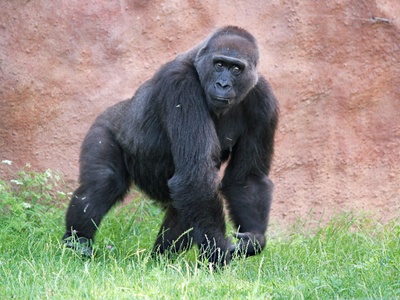
Western lowland gorilla
Massive ape — adult males up to 160 kg — found in dense lowland rainforest and swamp forests, especially Odzala. Critically Endangered from poaching and disease. Lives in social troops, famous for gentle intelligence and complex family bonds.
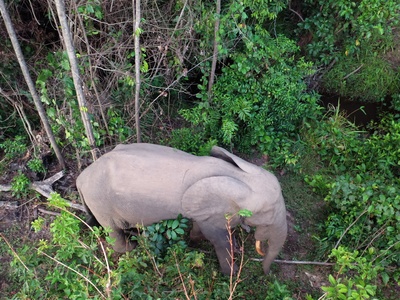
African forest elephant
Smaller than savanna elephants, adults ~2,000–4,000 kg; secretive forest dwellers. Critically Endangered from ivory poaching and habitat loss. Excellent seed dispersers, they shape forest structure and are more solitary than savanna counterparts.
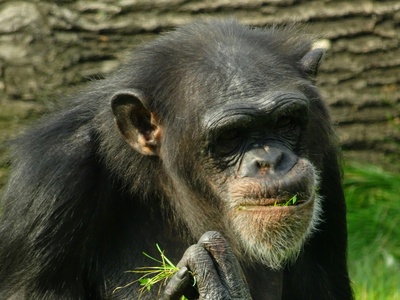
Common chimpanzee
Intelligent ape, adults 40–70 kg, living in fission-fusion social groups. Endangered due to hunting and habitat fragmentation. Look for them in canopy gaps and riverine forests; famous for tool use, complex social behavior and vocal communication.
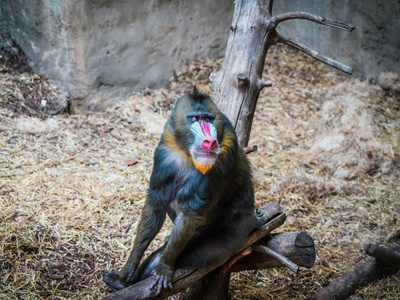
Mandrill
Vividly colored primate, males 25–35 kg with striking facial and rump colors. Vulnerable from hunting and forest loss. Often in large groups in dense forest; known for dramatic coloration and strong social hierarchies.
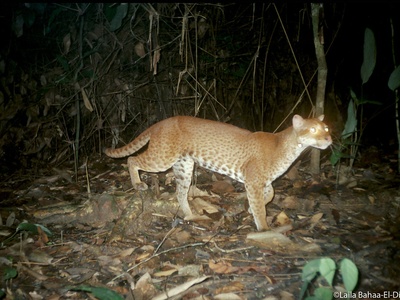
African golden cat
Elusive forest cat about 6–12 kg, reddish to grey coat with occasional spots. Vulnerable from habitat loss and hunting. Mostly nocturnal and secretive; a forest specialist rarely seen despite wide range in Congo’s rainforests.
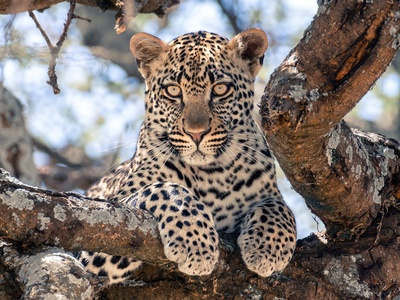
Leopard
Adaptable big cat, adults 30–90 kg, stealthy ambush predator in forests and forest-edge savannas. Vulnerable from hunting and habitat loss. Solitary and nocturnal, look for tracks or sightings in protected reserves.
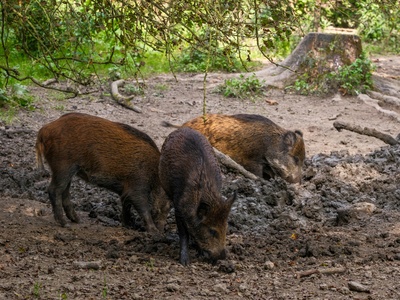
Red river hog
Colorful wild pig, adults 30–50 kg, reddish coat with white facial stripes. Common in forested wetlands and gallery forests. Nocturnal forager, known for rooting behavior and distinctive facial features.
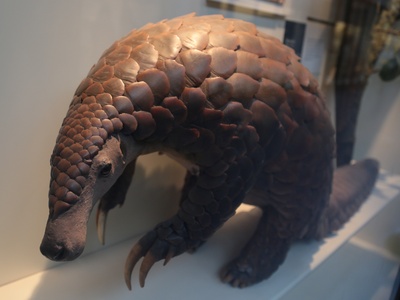
Giant pangolin
Very large pangolin, adults up to 30 kg, armored scales and long tongue for eating termites. Endangered from heavy poaching for scales and meat. Solitary, nocturnal, and excellent diggers.
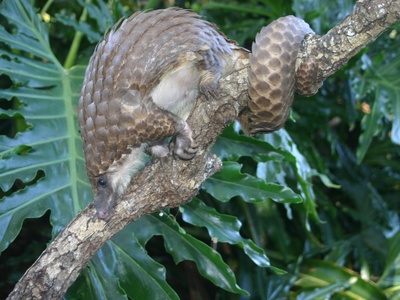
Tree pangolin (white-bellied)
Small arboreal pangolin, adults ~2–6 kg, covered in overlapping scales and prehensile tail. Endangered from intense illegal trade. Primarily nocturnal, climbs trees to feed on ants and termites.
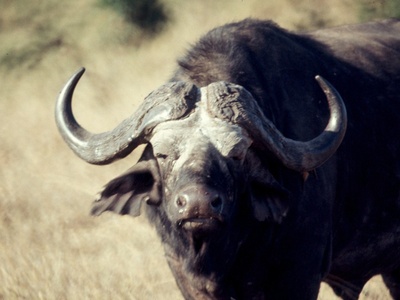
African buffalo (forest form)
Robust bovine, adults 300–800 kg (varies), forming herds in forest clearings and riverine areas. Locally hunted but generally widespread. The forest form is smaller and darker than savanna buffalo.
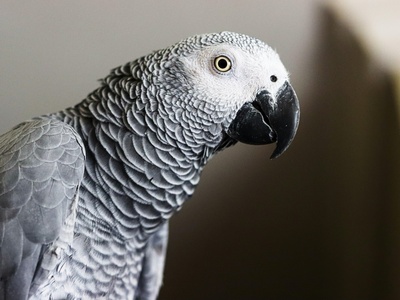
African grey parrot
Medium parrot, 30–45 cm long, renowned for mimicry and intelligence. Endangered due to trapping for pet trade and habitat loss. Look in canopy of mature forests; voices and calls reveal their presence before sighting.
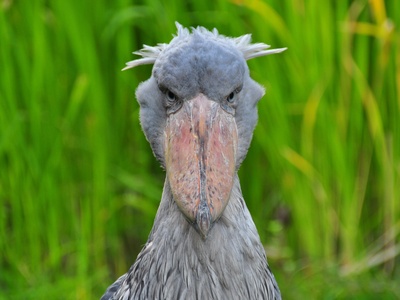
Shoebill
Striking large bird with massive bill; stands up to 1.2 m tall. Vulnerable from wetland drainage and disturbance. Best found in remote swampy areas; hunts fish and lungfish with motionless patience and sudden strikes.
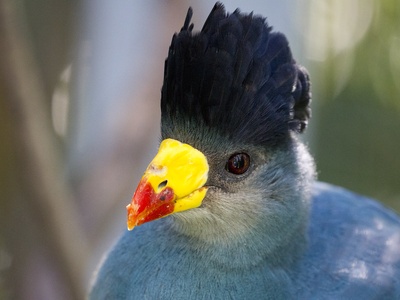
Great blue turaco
Large, colorful canopy bird up to 70 cm, known for a blue-green plumage and loud calls. Common in mature forests and heard more often than seen. Eats fruit and plays a role in seed dispersal.
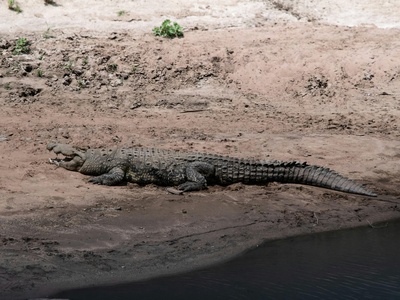
Nile crocodile
Large freshwater predator up to 5.00 m; inhabits rivers, lakes and swamps. Least Concern globally but locally impacted by hunting. Ambush predator feeding on fish, mammals and birds along riverbanks.
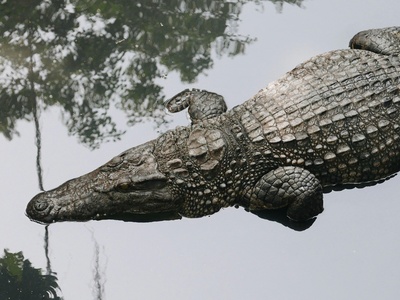
Slender-snouted crocodile
Long-snouted, fish-eating crocodile reaching ~2–3 m; Critically Endangered from habitat loss and hunting. Prefers shaded forest rivers and swamps where slender snout suits piscivorous diet.
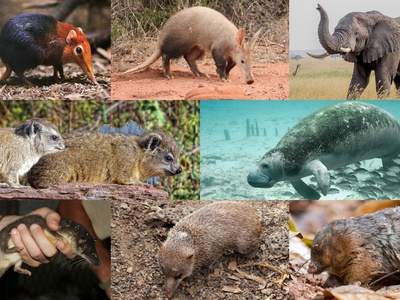
African manatee
Large aquatic mammal 300–500 kg, slow-moving and herbivorous. Vulnerable due to hunting and habitat degradation. Found in coastal lagoons and river systems, often shy and rarely seen at surface.
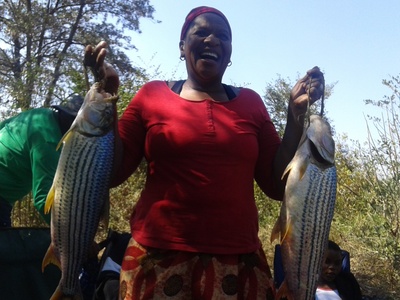
Goliath tigerfish
Ferocious predatory fish up to 50 kg with enormous teeth; inhabits main Congo River and tributaries. Not Evaluated by IUCN recently but locally prized by anglers. Famous for powerful strikes and large size.
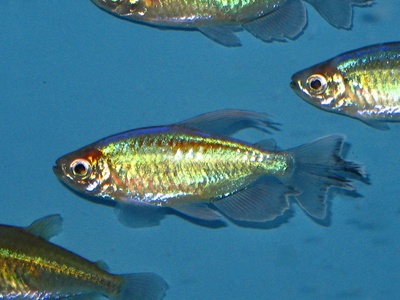
Congo tetra
Popular aquarium fish about 6–8 cm; shimmering iridescent body with flowing fins. Found in slow-moving forest streams and pools. Not Evaluated globally; notable for striking coloration and schooling behavior.
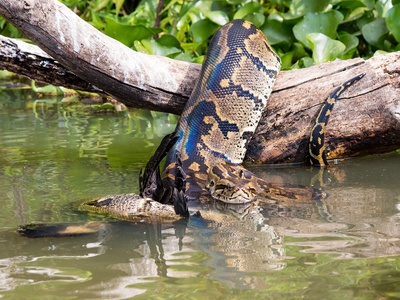
African rock python
Massive constrictor up to 4.50 m or more; ambush predator in riverine and savanna habitats. Least Concern but locally persecuted. Nonvenomous, powerful, and capable of taking large prey including antelope.
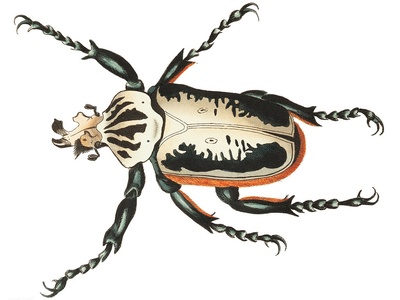
Goliath beetle
One of the largest beetles; adults up to 100–110 mm and heavy-bodied. Not Evaluated on IUCN Red List. Larvae feed on decaying wood; adults attracted to tree sap and fruit, impressive to see in forest leaf litter.