The Arctic tundra may look barren at first glance, but its short summers support a surprising variety of edible plants. Local communities and wildlife rely on seasonal berries and fruits that ripen quickly in long daylight, often in sheltered spots or on rocky slopes.
There are 13 arctic fruits, ranging from Alpine/bearberry to Squashberry / highbush cranberry. For each, you’ll find below the Scientific name, Typical size (mm), Season (months), and a quick note on edibility and habitat — you’ll find below.
When is the best time to pick these arctic fruits?
Most species ripen in the brief summer window from late June through August, with some higher-elevation or colder sites peaking in July. Check the Season (months) column for each fruit and aim to harvest on warm, sunny days when berries are soft and fully colored.
Are arctic fruits safe to eat raw or do they need processing?
Many are edible raw but can be very tart or astringent; common practice is to taste a small amount, then cook, sweeten, or mix with other foods if needed. Always confirm identification (see Scientific name) and local guidance before eating wild fruit.
Arctic Fruits
| Common name | Scientific name | Typical size (mm) | Season (months) |
|---|---|---|---|
| Cloudberry | Rubus chamaemorus | 15 | July-August |
| Arctic raspberry | Rubus arcticus | 10 | July |
| Crowberry | Empetrum nigrum | 6 | August-September |
| Purple crowberry | Empetrum hermaphroditum | 6 | August-September |
| Bog bilberry (bog blueberry) | Vaccinium uliginosum | 6 | July-August |
| Dwarf bilberry | Vaccinium caespitosum | 5 | July-August |
| Lingonberry (cowberry) | Vaccinium vitis-idaea | 7 | August-September |
| Small cranberry | Vaccinium oxycoccos | 8 | August-September |
| Alpine/bearberry | Arctostaphylos alpina | 6 | August |
| Bunchberry | Cornus canadensis | 6 | July-August |
| Sea buckthorn | Hippophae rhamnoides | 6 | August-September |
| Squashberry / highbush cranberry | Viburnum edule | 8 | August-September |
| Soapberry / buffaloberry | Shepherdia canadensis | 6 | August-September |
Images and Descriptions
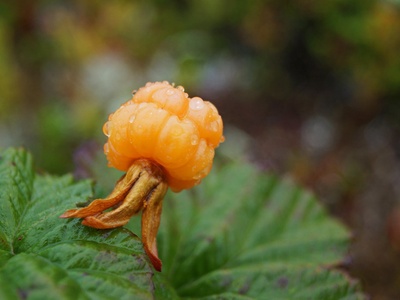
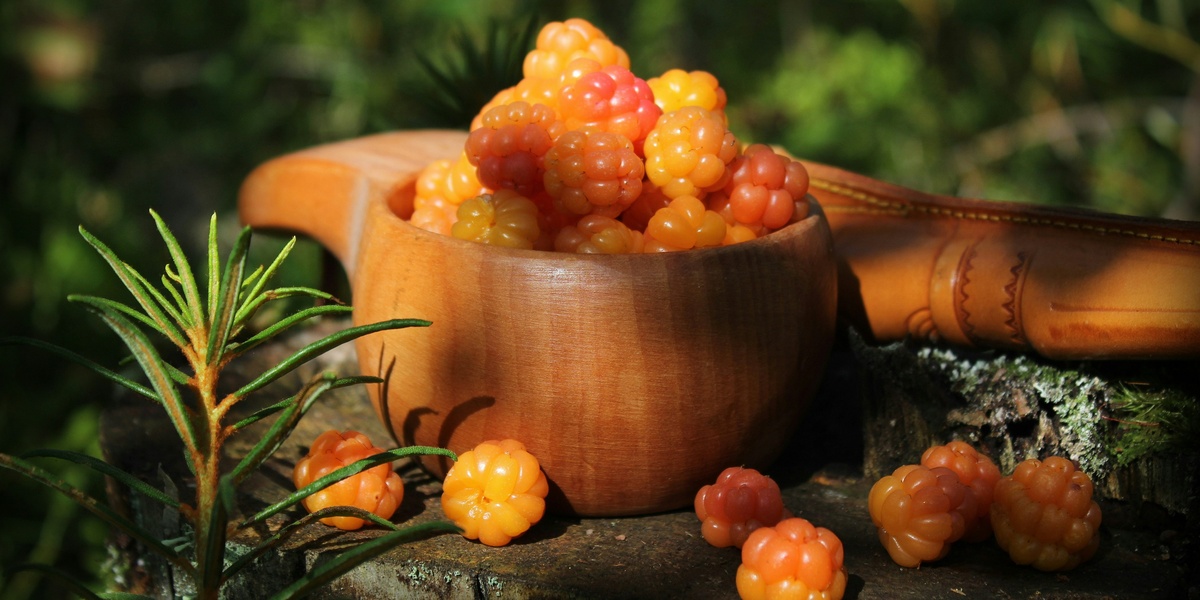
Cloudberry
Amber, tart-sweet aggregate fruits found in peat bogs and tundra mires. Eaten fresh, made into jams, syrups and desserts; prized in Sámi and Inuit diets. Ripen midsummer; soft, juicy and highly seasonal.
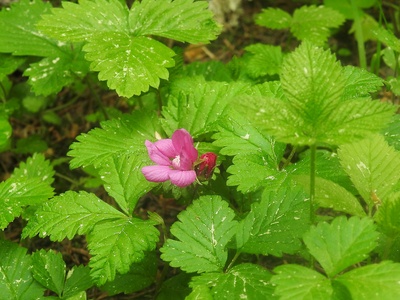
Arctic raspberry
Small, intensely aromatic raspberry that grows in tundra heaths and damp meadows. Sweet and fragrant, often eaten fresh or in preserves by local peoples. Ripens early to mid-summer and is sought after for desserts and flavoring.
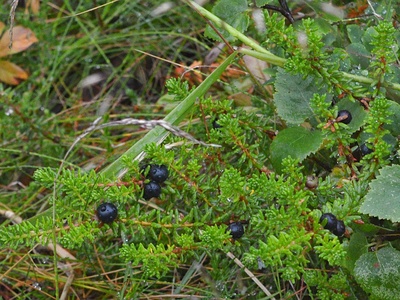
Crowberry
Low evergreen shrub bearing small black berries with a dry, slightly resinous flavor. Edible but bland raw; traditionally dried, mixed with fat or used in preserves and fuel for traditional dishes across circumpolar cultures. Late summer to autumn ripening.
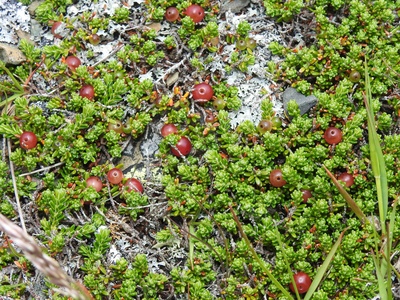
Purple crowberry
Similar to black crowberry but often purplish and slightly sweeter when ripe. Grows on tundra and rocky ground; eaten fresh or processed into jams or mixed with other berries. Important fallback food in late season.
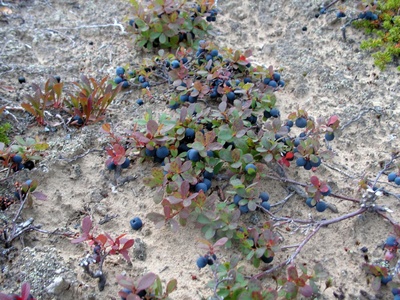
Bog bilberry (bog blueberry)
Blue, mildly sweet berries on low shrubs in bogs and wet tundra. Eaten fresh, cooked into puddings, soups or preserves. Common across Arctic and subarctic regions and a reliable midsummer forage crop.
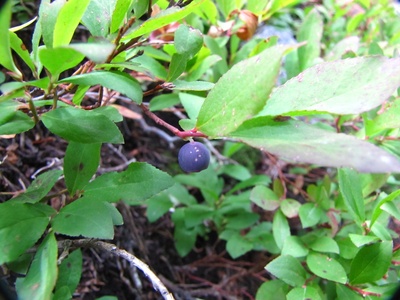
Dwarf bilberry
Tiny blue-black berries on mat-forming shrubs in alpine and tundra habitats. Sweet to mildly tart, enjoyed fresh or in baked goods and preserves by northern communities. Ripens mid to late summer in cold sites.
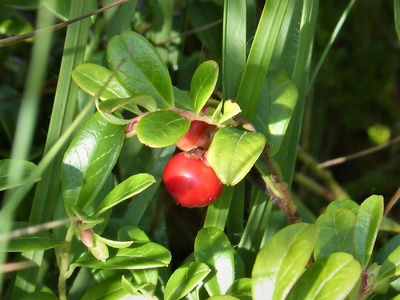
Lingonberry (cowberry)
Firm red berries with a bright tartness, growing in tundra heaths and lichen-rich ground. Widely used in sauces, preserves and as a condiment in northern cuisines. Ripens late summer into early autumn and stores well.

Small cranberry
Round red bog cranberries found in peatlands and tundra pools. Tart and aromatic, used fresh, dried, or preserved; important for syrups and winter stores. Ripens late summer and often harvested from floating mats.
Alpine/bearberry
Low-crowned shrub producing red mealy berries in Arctic tundra. Mildly sweet but dry in texture; eaten raw or cooked, and used historically by Indigenous peoples. Common on heath and rocky slopes near the treeline.
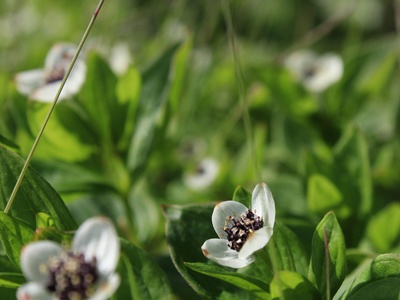
Bunchberry
Low groundcover that produces clusters of bright red drupes after showy spring bracts. Modestly sweet and eaten raw or added to jams and pemmican; occurs in tundra edges, moist heaths and forest-tundra mosaics.
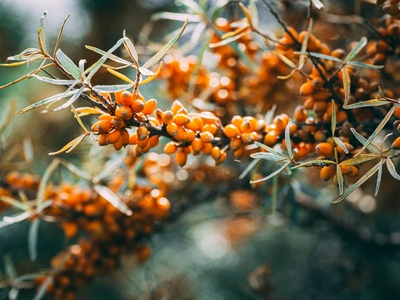
Sea buckthorn
Tightly clustered orange berries on coastal shrubs, very tart and vitamin-rich. Valued for juices, oils and preserves in Arctic Eurasia; common on salt-swept shorelines and sea cliffs, ripening in late summer to early autumn.
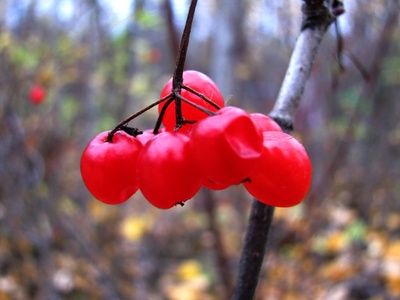
Squashberry / highbush cranberry
Bright red, juicy drupes with a sweet-tart flavor, found in northern shrubs and tundra thickets. Used fresh, boiled into sauces, or dried for winter; part of Indigenous food traditions in Alaska and northern Canada.
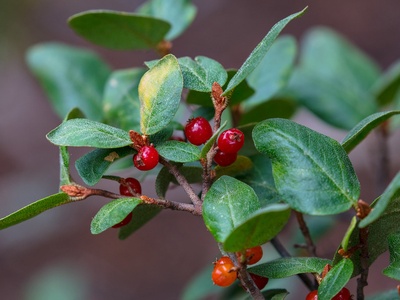
Soapberry / buffaloberry
Small orange-red fruits with a tangy, slightly bitter taste; often processed (sweetened or dried) before eating. Common on shrublands and tundra edges, used traditionally for preserves and as a vitamin-rich supplement.