During the Dust Bowl of the 1930s, farmers and homeowners learned the hard way that choosing the right plants can mean the difference between a productive landscape and an expensive, water-hungry failure. Today, with stricter water restrictions, more variable climates, and rising irrigation costs, planting smart makes both ecological and financial sense.
Switching to low-water plants can cut outdoor water use dramatically—around 30% of municipal water is typically used for outdoor irrigation—so plant choice matters. This guide covers ten top drought-adapted species organized into four practical groups: succulents & cacti; Mediterranean shrubs & herbs; perennials & ornamental grasses; and trees & large shrubs.
For each plant you’ll find hardiness guidance, typical sizes, care tips, and real-world uses so you can build attractive, low-maintenance beds or containers that survive dry spells and lower bills.
Succulents & Cacti: Low-water winners
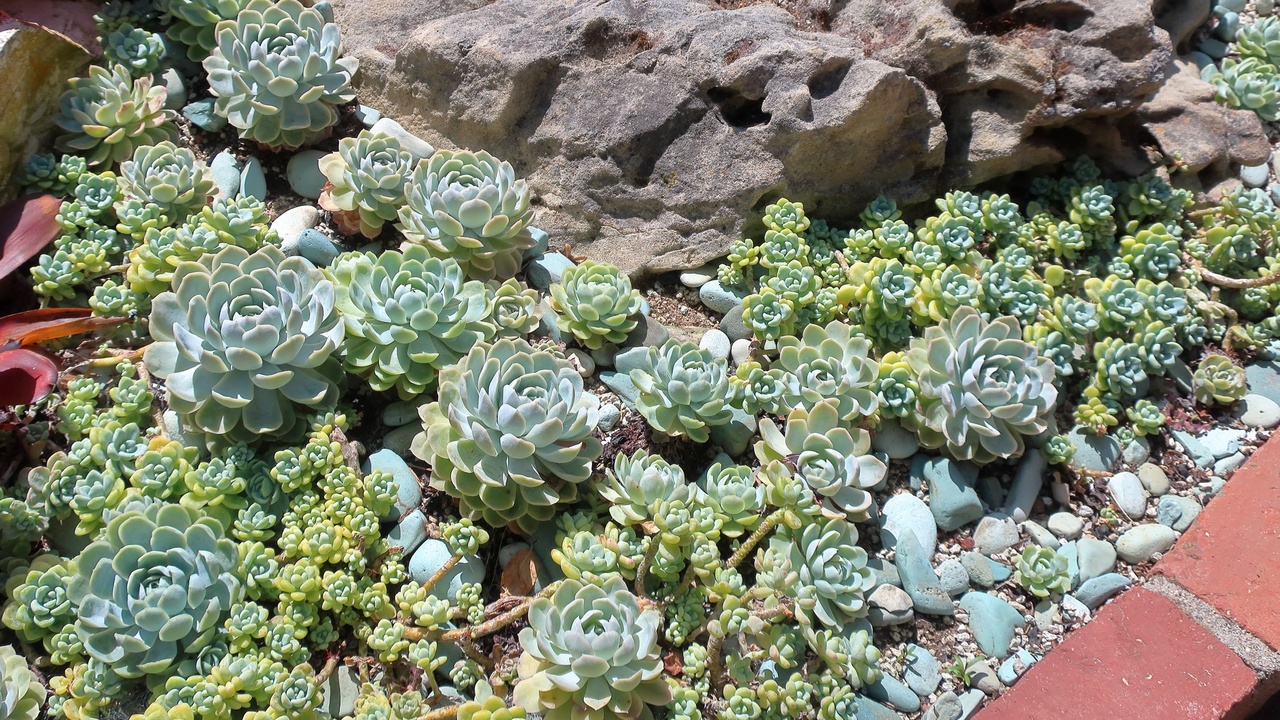
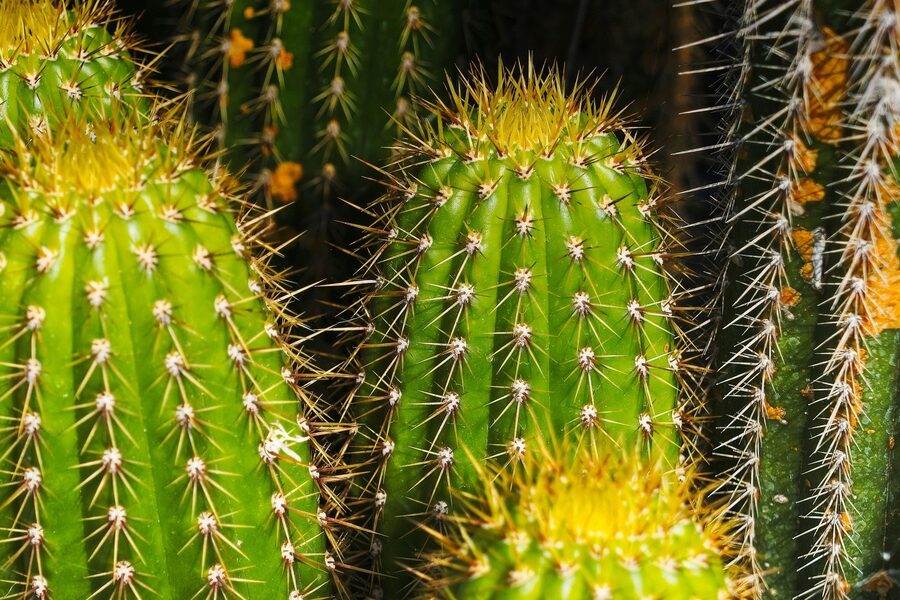
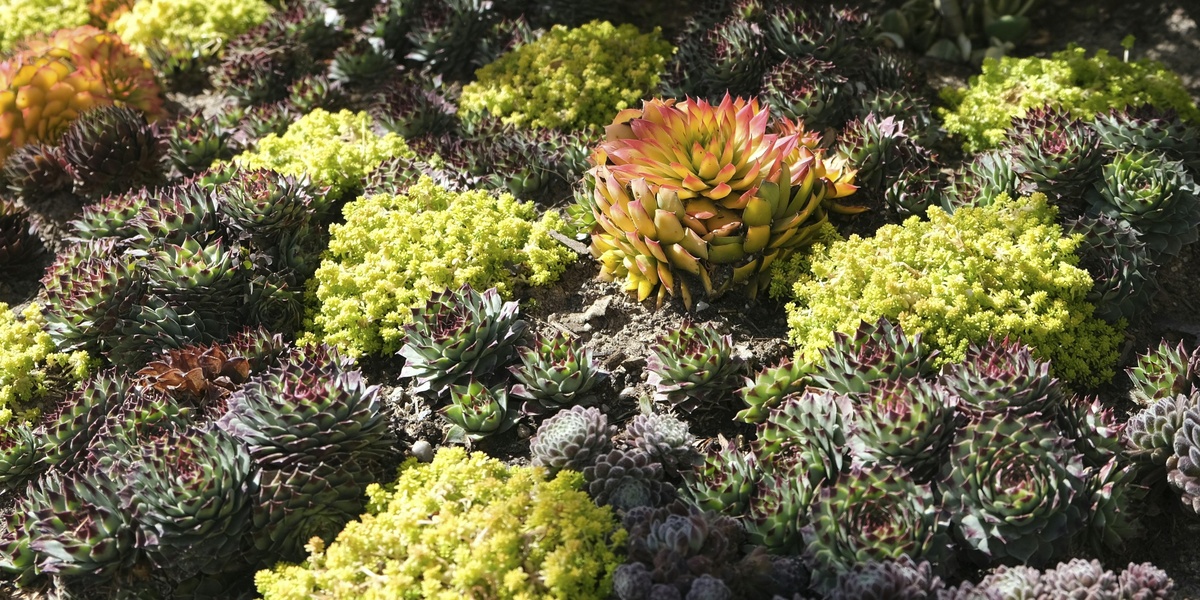
Succulents and cacti excel in dry conditions because they store water in thick leaves or stems, often have low leaf area, and rely on shallow but efficient root systems. They need sandy, sharply draining soil and minimal fertilizer.
Many are hardy across a range of USDA zones, though frost-sensitive types do best in zones 8–11; consult the USDA or RHS for cultivar-specific hardiness. These species usually require far less water than lawn grass and suit containers, rock gardens, and xeriscapes.
Key advantages: water-storage adaptations, shallow root systems that reduce irrigation needs, and ease of use in containers, rockeries, and green roofs. Use gravel mulch and lean soils to keep plants healthy and avoid root rot.
1. Agave (Agave americana)
Agave is a dramatic, architectural succulent prized for extreme drought tolerance and strong visual impact in the landscape.
Many landscape varieties form rosettes about 3–6 ft across and are reliably hardy in USDA zones 8–11. Once established, they often need only deep supplemental water 2–4 times per summer in hot climates.
Use Agave as a focal point in desert or Mediterranean-style gardens, as a container specimen, or for erosion control on slopes. The classic “century plant” forms a strong centerpiece when paired with gravel mulch and Mediterranean herbs.
For cultivar selection consult the Royal Horticultural Society or your local extension for cold-hardy selections and care specifics.
2. Aloe (Aloe vera)
Aloe combines drought tolerance with practical household use, having been used in traditional medicine for more than 2,000 years.
It thrives indoors or outdoors in zones 9–11 and prefers bright light and a potting mix with perlite. Water deeply but infrequently—indoors that often means every 2–3 weeks depending on light levels, and allow soil to dry between waterings.
Aloe vera makes an excellent kitchen-window plant that can reduce the number of outdoor pots you need. For patio specimens use a fast-draining mix and give a short winter rest with minimal water.
3. Prickly Pear (Opuntia spp.)
Opuntia is an adaptable cactus that thrives in hot, dry landscapes and tolerates poor, rocky soils with ease.
Many species reach 2–6 ft tall and can go weeks without water once established. Several produce edible fruit (Opuntia ficus‑indica) that supports wildlife and human use.
Use prickly pear for informal hedges, barrier plantings, rock gardens, or wildlife-friendly areas. Take care placing them away from walkways because of spines, and note some species can naturalize outside their native range.
Mediterranean Shrubs & Herbs: Fragrant, drought-adapted choices
Mediterranean-climate plants evolved for hot, dry summers and cool, wet winters. Their small, aromatic leaves and deep roots help them resist summer drought.
They work well in edible plantings, pollinator borders, and fragrant hedges. Plant them en masse for scent, structure, and low irrigation requirements in warm, dry climates.
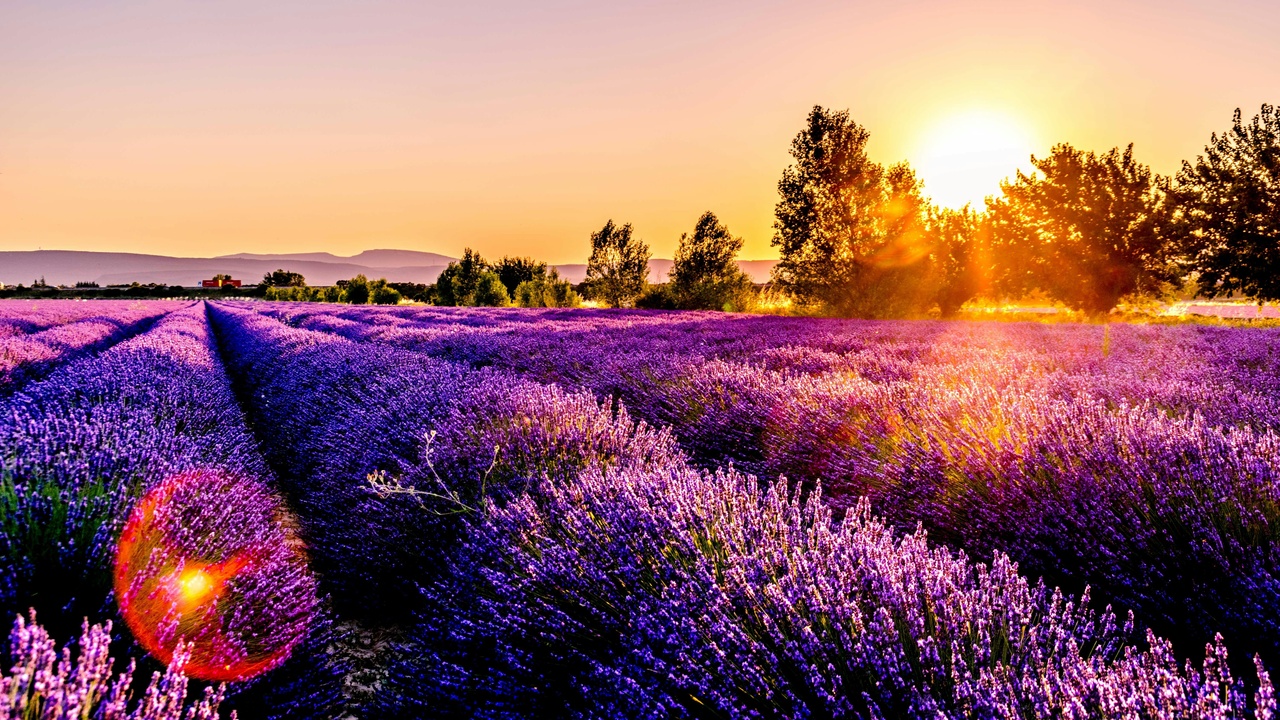
Key points: they tolerate summer drought via oil-rich leaves, serve multiple uses (culinary, ornamental, pollinators), and fit mass plantings or hedges. Try rosemary hedges around patios or lavender rows for scent and bees.
4. Lavender (Lavandula angustifolia)
Lavender is prized for its scent, pollinator value, and reliable drought tolerance.
Typical plants reach 1–3 ft tall and bloom from late spring into mid-summer. Many cultivars suit USDA zones 5–9, though microclimates and cultivar choice matter.
Use mass plantings for cut flowers, pollinator borders, or low-water cottage gardens. Plant in full sun with sharply draining soil and prune after flowering to retain a compact shape (see RHS guidance for cultivar specifics).
5. Rosemary (Salvia rosmarinus)
Rosemary plays a multi-functional role as a drought-tolerant culinary shrub and informal hedge.
It’s evergreen, often reaching 3–6 ft in favorable climates, and many cultivars are hardy in USDA zones 7–10. Some selections show greater cold tolerance—check extension recommendations for your area.
Place rosemary near kitchens for easy harvest, use it as fragrant hedging, or plant it on slopes to help stabilize soil. Avoid overwatering in winter; once established it needs minimal summer irrigation.
6. Rockrose (Cistus spp.)
Rockrose is a tough evergreen shrub that produces papery spring flowers and tolerates poor, rocky soils superbly.
Many species bloom in spring with 1–3 inch flowers and are hardy roughly in USDA zones 7–10 depending on species. They thrive in lean soils with little summer water.
Use Cistus for low hedges, coastal gardens, or massed slopes. Prune after flowering to maintain a compact habit and pair with Mediterranean grasses or succulents for textural contrast.
Perennials & Ornamental Grasses: Long-lived and low-water
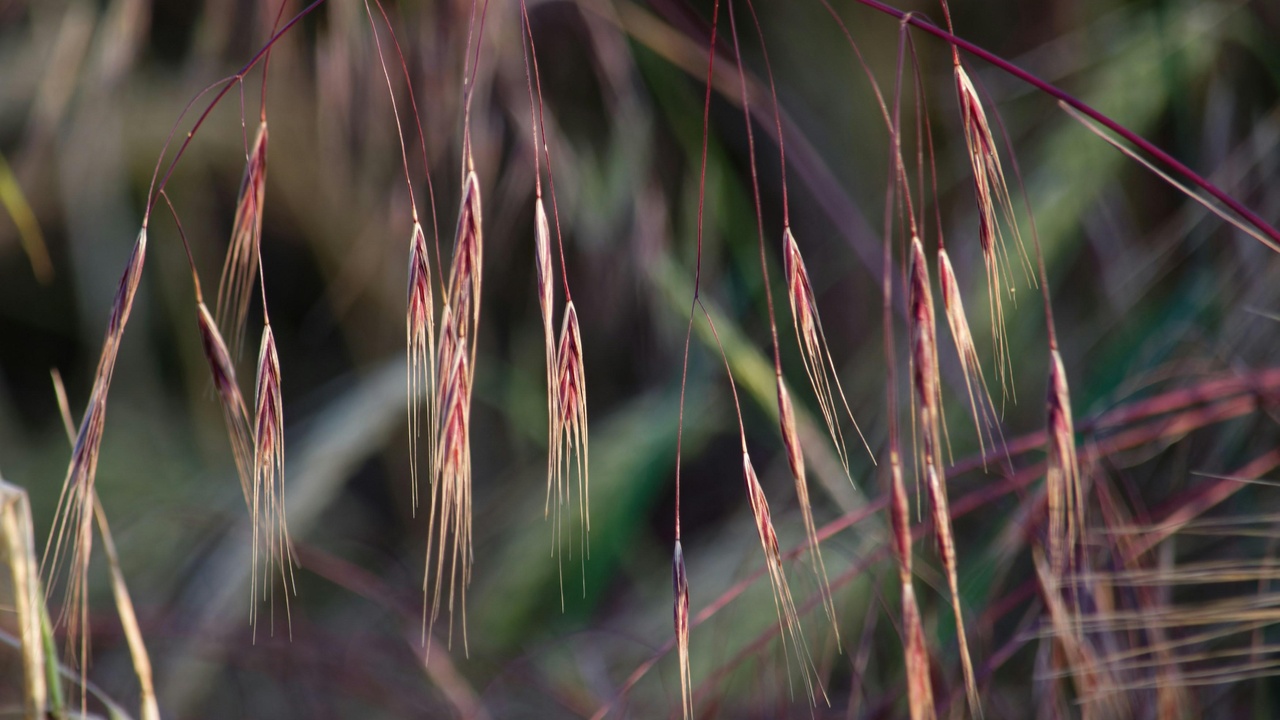
Perennials and ornamental grasses often develop deep roots, die back seasonally, and need less water than many annuals. They provide structure, seasonal color, and food for pollinators while keeping irrigation low.
These plants suit borders, meadows, and mixed beds. Many are deer-resistant and require little maintenance beyond an annual cutback or light pruning.
Key benefits: deep roots access stored moisture, seasonal interest without heavy irrigation, and value to pollinators. Combine species like Russian sage and yarrow with gravel mulch to reduce evaporation.
7. Russian Sage (Perovskia atriplicifolia)
Russian sage is notable for silvery foliage, tall airy flower spikes, and strong drought tolerance.
Plants typically reach 3–5 ft and bloom from mid-summer into fall. They perform reliably in USDA zones 5–9 and attract bees and butterflies.
Use Perovskia ‘Blue Spire’ in mixed borders or pollinator gardens. Prune in spring, plant in full sun, and give sharply draining soil for best results.
8. Yarrow (Achillea millefolium)
Yarrow is a hardy, versatile perennial that tolerates drought and lean soils with ease.
Typical height is 1–3 ft with long summer blooms, and many cultivars suit USDA zones 3–9. Shearing after the first bloom encourages a second flush.
Use Achillea ‘Moonshine’ in meadows, pollinator mixes, or as cut flowers. Combine with ornamental grasses for contrasting texture and to help stabilize soils.
Trees & Large Shrubs: Shade and structure with low water
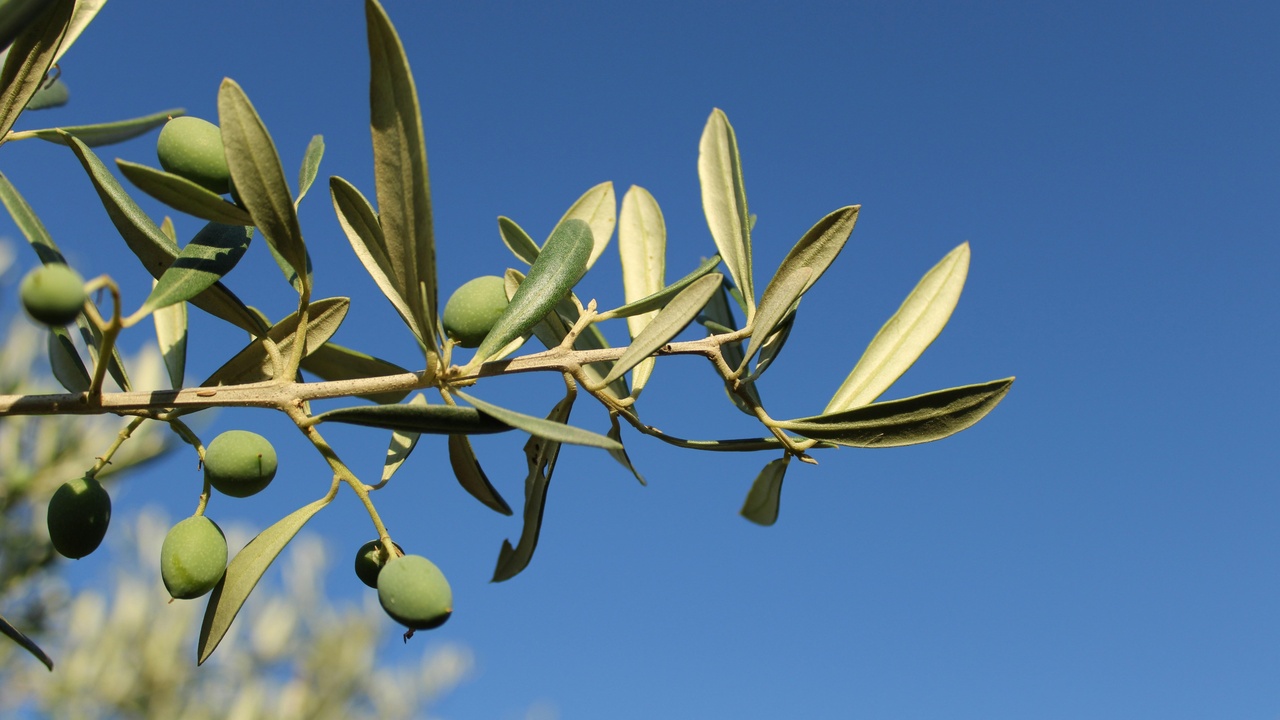
Certain trees and large shrubs give long-term shade, cool microclimates, and reduce evaporative loss across a yard. They need attentive watering during establishment—usually 1–3 years—then can deliver substantial water savings.
Choose species adapted to your rainfall and soil. Once established, many tolerate extended dry periods and still provide habitat, wind protection, and visual structure.
Key points: big plants lower neighborhood temperatures, require an initial establishment period of regular water, and then survive on minimal supplemental irrigation if well chosen for the site.
9. Olive (Olea europaea)
The olive is a classic drought-tolerant tree valued for form and edible fruit.
Many olive cultivars thrive where annual rainfall is 12–20 inches (300–500 mm) once established. Mature sizes vary by cultivar but often reach 15–30 ft.
Plant olives as single-stem specimens, multi-stem accents, or in small orchards. Cultivars like ‘Arbequina’ suit small-space plantings. Plan for 1–3 years of regular deep irrigation after planting, then reduce to deep, infrequent watering (consult university extension olive resources for regional guidance).
10. Manzanita (Arctostaphylos spp.)
Manzanita is prized for exfoliating bark, evergreen foliage, and reliability in dry, rocky sites—especially across western North America.
Many species remain shrub-sized (3–15 ft) and come from chaparral and coastal slopes. They thrive with minimal summer water once established and prefer lean, well-drained soils.
Use Arctostaphylos ‘Howard McMinn’ as a specimen or on slopes for erosion control. Pair with native grasses to build low-water habitat plantings that support birds and pollinators.
Summary
Choosing resilient species reduces water use and maintenance while delivering year-round interest. Trees like olive need 1–3 years of careful watering but then save water long-term. Succulents and cacti cut upkeep dramatically and suit containers, rock gardens, and xeriscapes.
- Select plants that match your USDA zone and soil drainage (check USDA or your local extension).
- Plan for an establishment period—generally 1–3 years of regular deep watering—before cutting back to low-water maintenance.
- Mix types (succulents, Mediterranean shrubs, perennials, and trees) for seasonal interest, resilience, and pollinator support.
Pick three plants from different categories above—perhaps Agave, Lavender, and an Olive cultivar like ‘Arbequina’—and commit to a single low-water bed or container project this season. Try one change now and watch both your landscape and your water bill improve.